


Primary sourceDocumentary1928
Zora Neale Hurston fieldwork footage
Zora Neale Hurston · 1928
16 mm film shot by Hurston during her 1928 anthropological fieldwork trips through Alabama and Florida.
Hurston's own fieldwork film, showing her at work as an anthropologist recording Black Southern communities.
About this source
What it is
This is 16 mm footage filmed by Zora Neale Hurston during her travels through Alabama and Florida in 1928, while she was collecting folklore and conducting fieldwork funded by her patron Charlotte Osgood Mason. The footage records the Black communities she visited, including scenes connected to Kossola, also known as Cudjo Lewis.
Why it matters
The footage shows Hurston not only as a writer but as a working anthropologist and early documentary filmmaker, using the camera as a tool for recording Black Southern life and culture. It connects her to figures like Kossola, one of the last known survivors of the transatlantic slave trade, whom she documented during her fieldwork.
Look closer
- What can a silent film capture about a community that written notes cannot?
- Why might Hurston have chosen to film rather than only write about what she observed?
- What questions does footage like this leave unanswered about the people it shows?
This documentary is part of the curated material that grounds the AI version of Zora Neale Hurston on Humy.ai — when students ask about related events, the AI can quote it and cite it.
More Zora Neale Hurston sources
Meet the AI Zora Neale Hurston →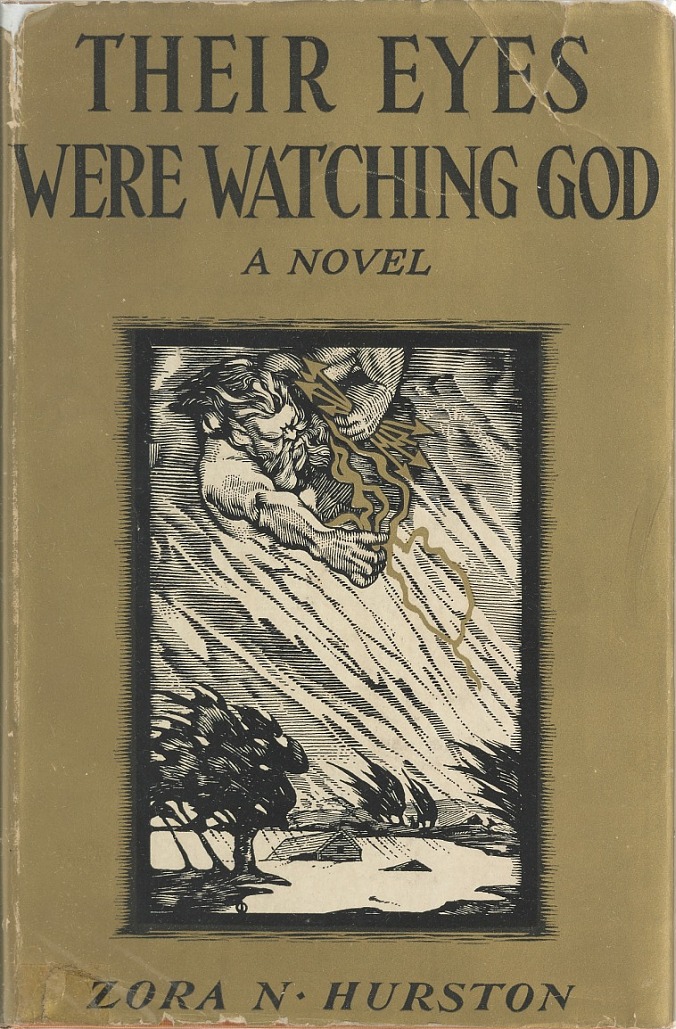 Book
Primary source
Their Eyes Were Watching God
Zora Neale Hurston · 1937
 Book
Primary source
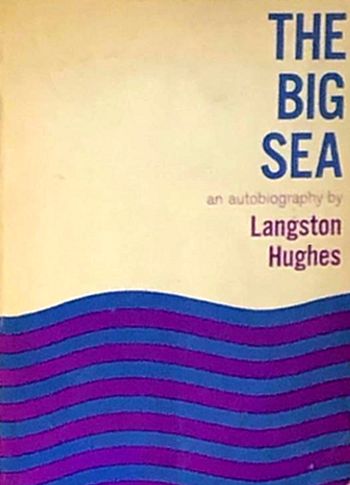
The Big Sea
Langston Hughes · 1940
Primary source
How It Feels to Be Colored Me
Zora Neale Hurston · 1928
 Photograph
Primary source
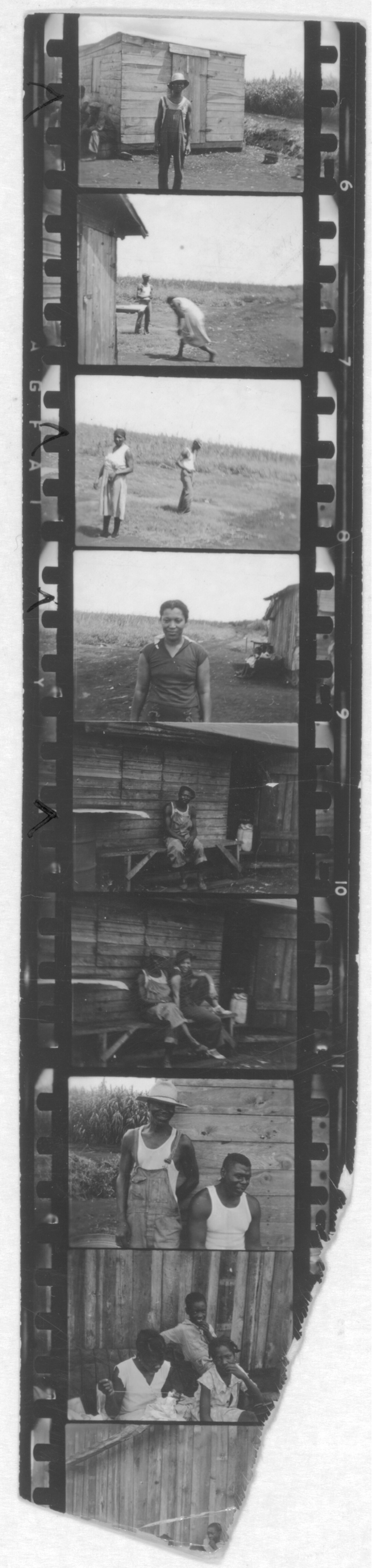
Zora Neale Hurston and Friends at a Recording Site
Unknown · 1935
 Photograph
Primary source
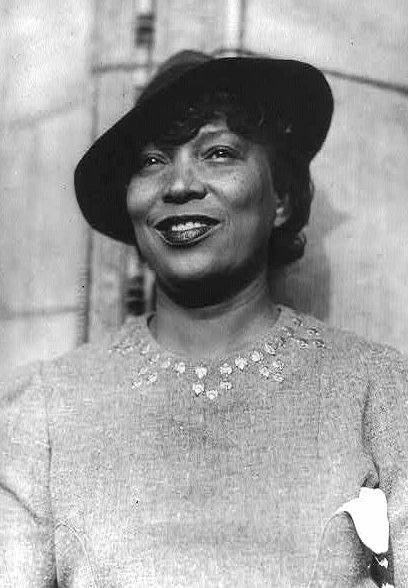
Photograph of Zora Neale Hurston
Unknown
Ready when you are
Start chatting with Zora Neale Hurston now.
20 messages free · No credit card · Available in 50+ languages.