


Primary sourceBook1918
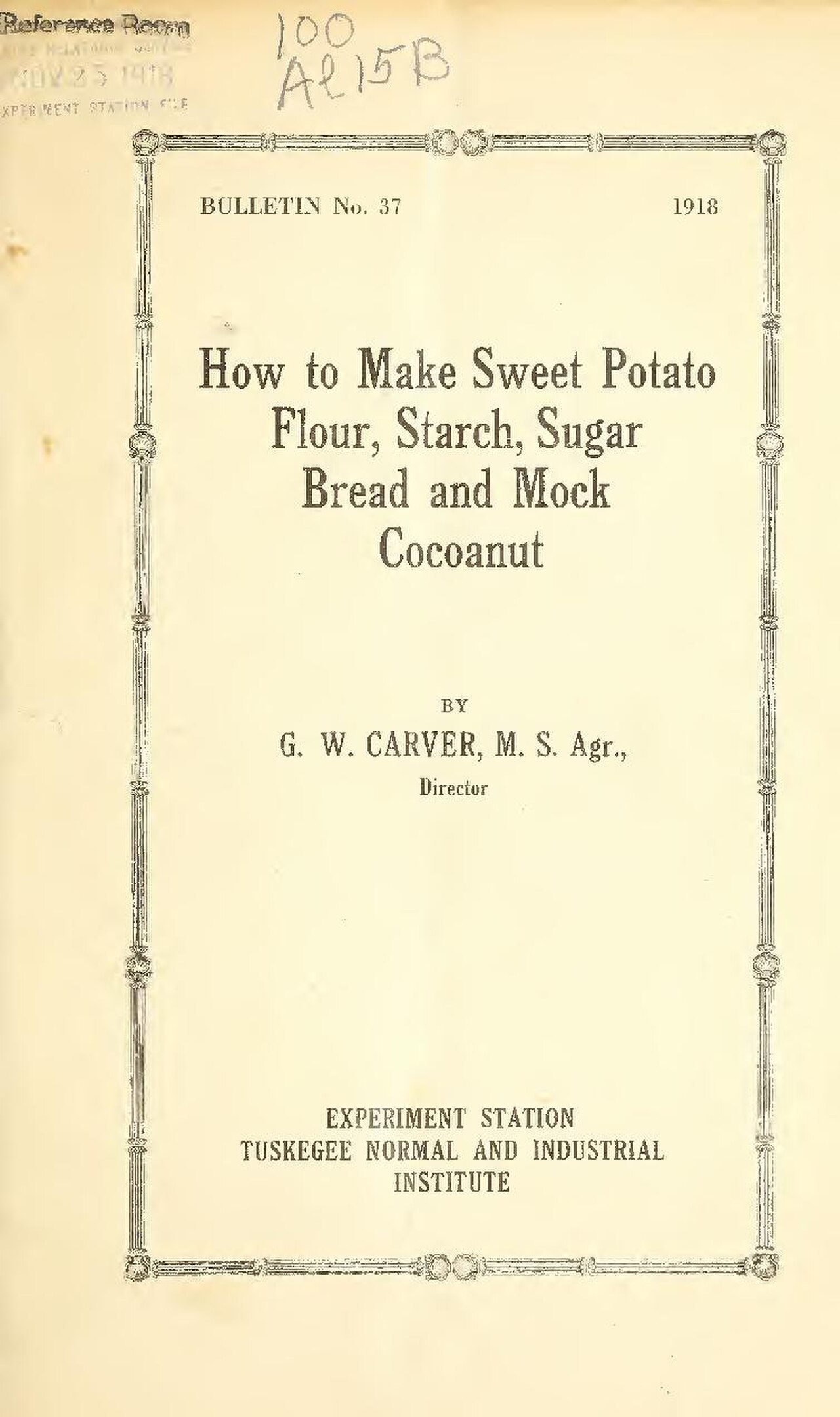
How to Make Sweet Potato Flour, Starch, Sugar, Bread and Mock Cocoanut
George Washington Carver · 1918
A 1918 bulletin by George Washington Carver describing ways to turn sweet potatoes into flour, starch, sugar, bread, and a coconut substitute.
Carver authored this bulletin, showing his wartime research into sweet potato-based substitute foods.
About this source
What it is
This bulletin, numbered 37, was written in 1918 by George Washington Carver, Director of the Experiment Station at Tuskegee Normal and Industrial Institute. It is held by the Tuskegee University Archives.
The text explains several methods for processing sweet potatoes into flour and other products, beginning with a description of different flour types.
Why it matters
Published during World War I, when staple foods were scarce, the bulletin shows Carver searching for substitute crops and products that farmers could make from sweet potatoes instead of relying on imported goods.
Look closer
- Why would wartime shortages make a bulletin like this especially useful?
- What does the detailed, step-by-step style tell you about who Carver expected to read it?
- What does this bulletin suggest about Carver's view of science as a tool for ordinary people?
This book is part of the curated material that grounds the AI version of George Washington Carver on Humy.ai — when students ask about related events, the AI can quote it and cite it.
More George Washington Carver sources
Meet the AI George Washington Carver →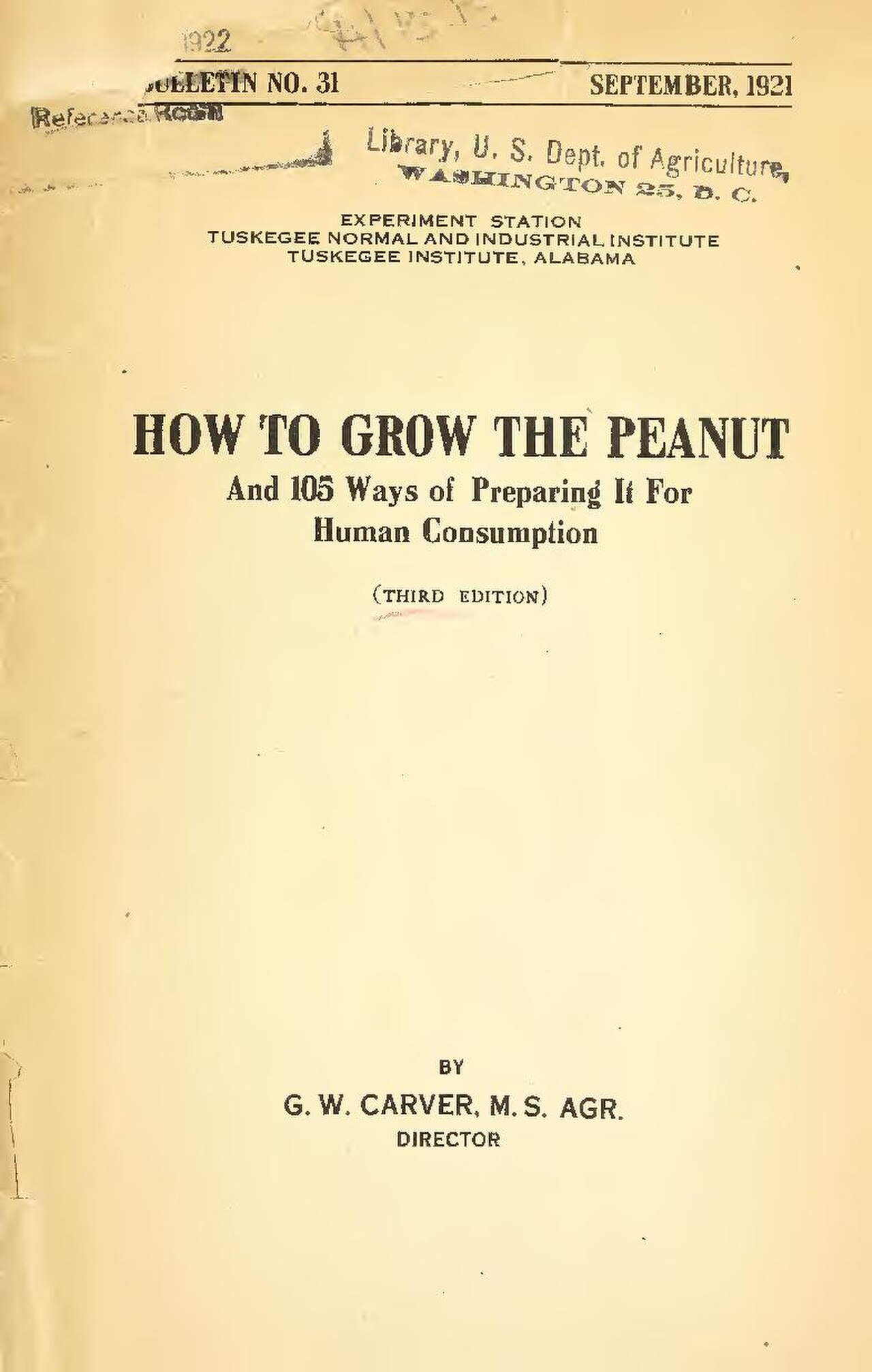 Book
Primary source
How to Grow the Peanut and 105 Ways of Preparing It for Human Consumption
George Washington Carver · 1916 (revised 1925)
Primary source
How to Build Up Worn Out Soils
George Washington Carver · 1905
 Photograph
Primary source
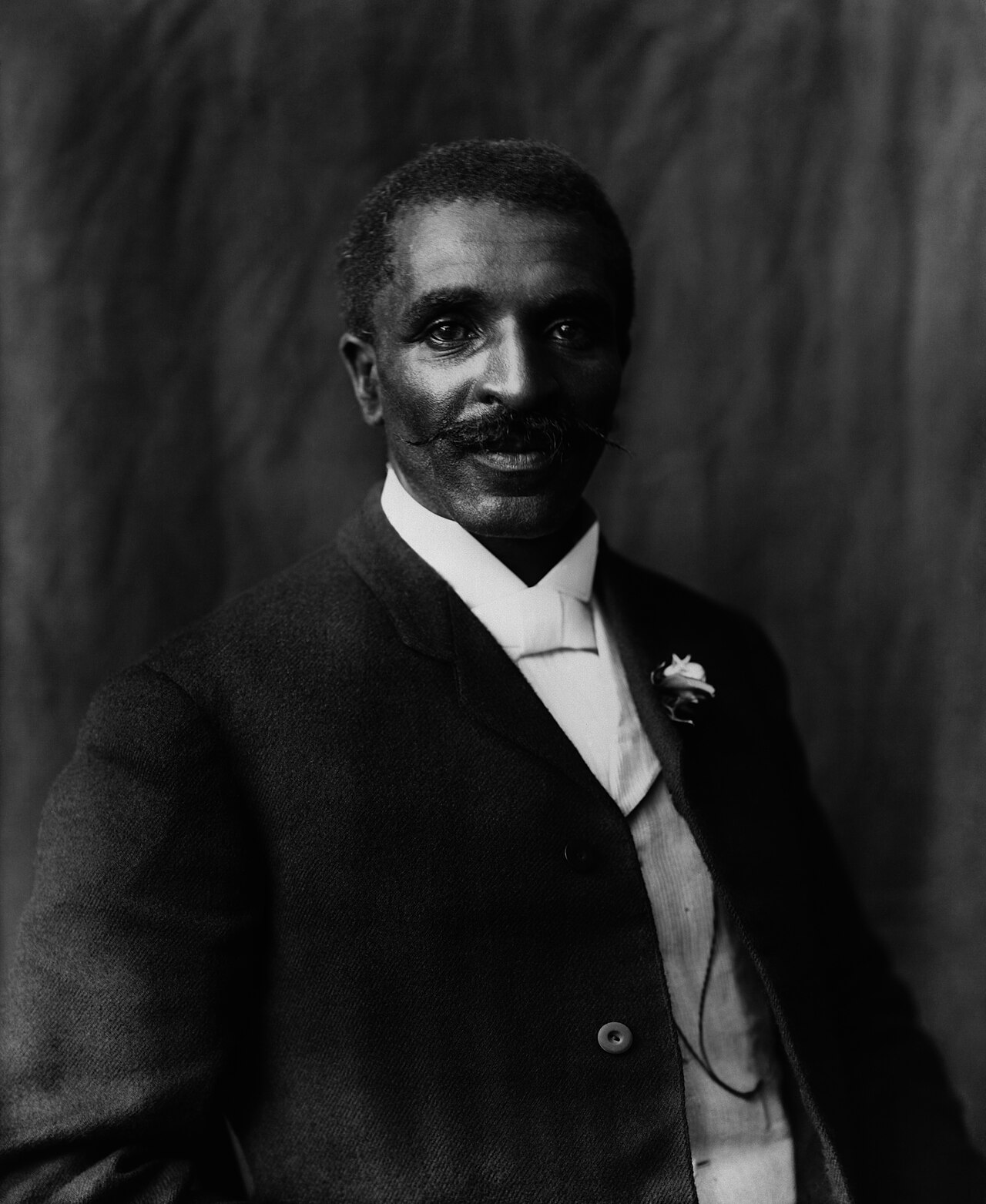
George Washington Carver by Frances Benjamin Johnston
Frances Benjamin Johnston · 1906
 Photograph
Primary source
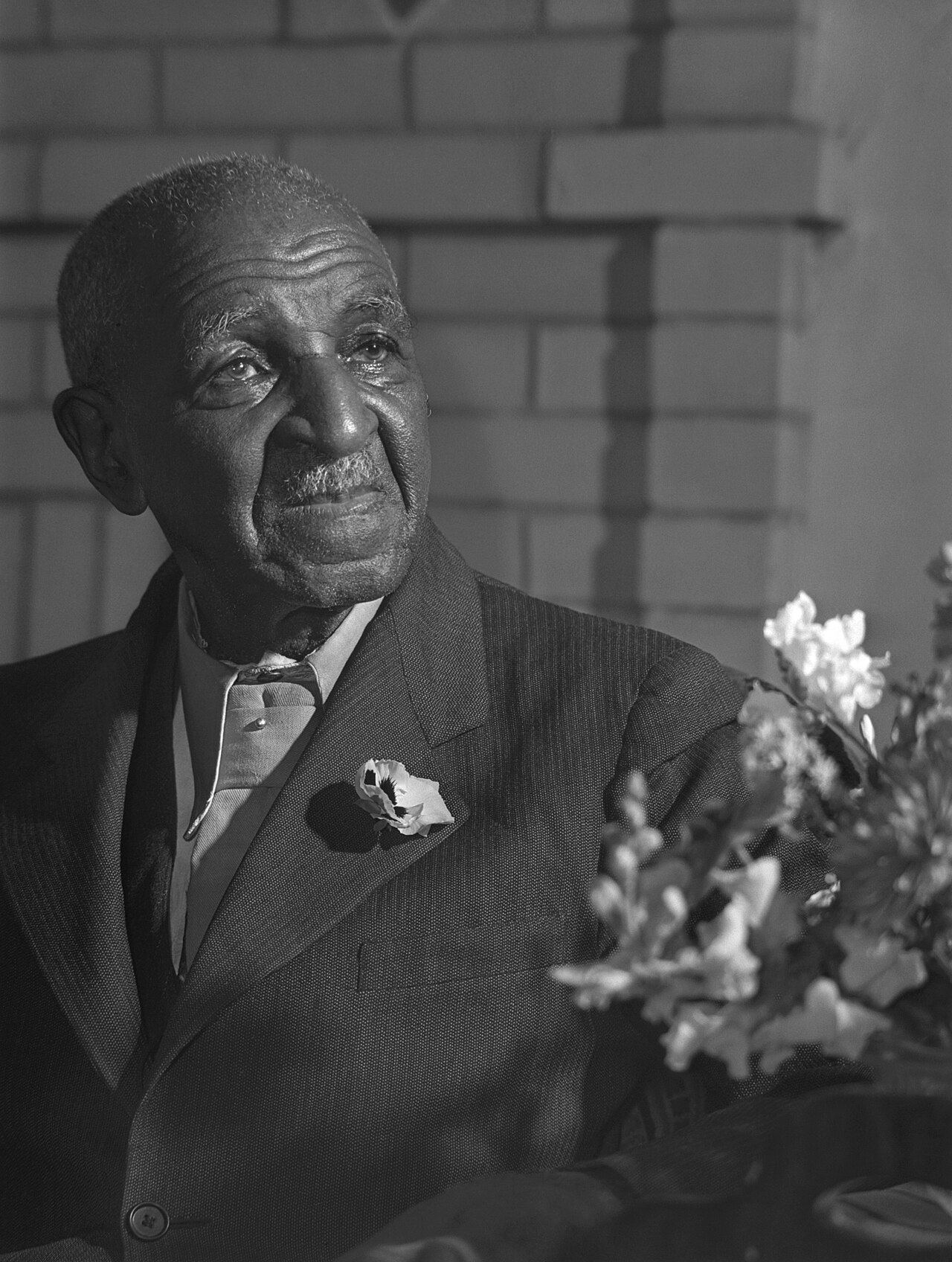
George Washington Carver Portrait by Arthur Rothstein
Arthur Rothstein · 1942
 Photograph
Primary source
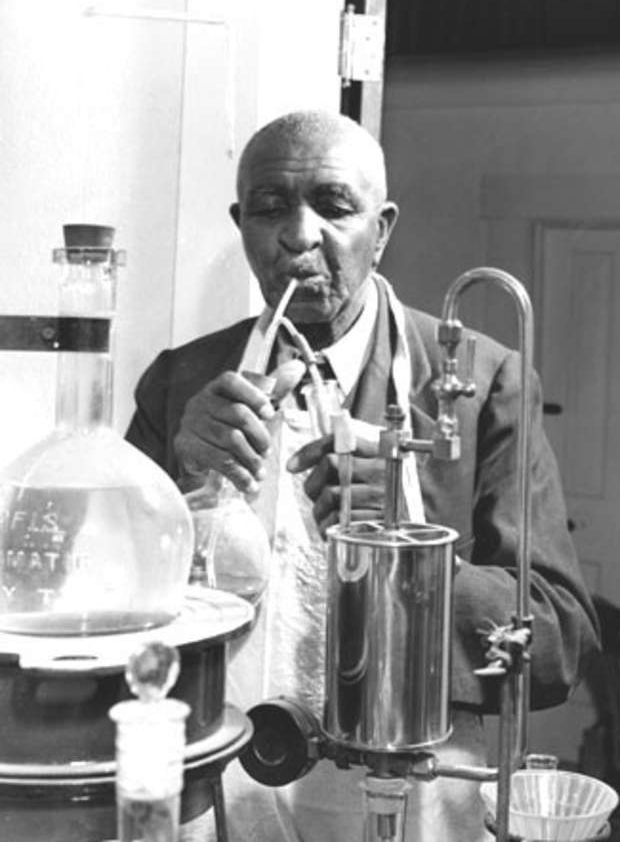
George Washington Carver at Work in His Laboratory
Ready when you are
Start chatting with George Washington Carver now.
20 messages free · No credit card · Available in 50+ languages.