


Primary sourceDocument20 April 1884
Humanum Genus
Leo XIII · 20 April 1884
Leo XIII's 1884 encyclical condemning Freemasonry as a force behind secularism and anticlericalism.
Leo XIII issued this encyclical condemning Freemasonry as part of his broader fight against secularism.
Free Humy account · No credit card · 120,912 sources to read
About this source
What it is
Humanum Genus is a papal encyclical promulgated on 20 April 1884 by Pope Leo XIII. It is chiefly a condemnation of Freemasonry, issued after the loss of the Papal States to the Kingdom of Italy in 1870.
Why it matters
The encyclical presents history as a struggle between the City of God and the City of Man, and casts Freemasonry as leading the second. It built on a long line of papal condemnations of Freemasonry going back to Pope Clement XII, and reflects Leo's anxiety about naturalism, popular sovereignty and the separation of church and state in his own time. It reveals how the papacy, having lost political power in Italy, fought for influence through doctrine instead.
Look closer
- Why might secret societies have worried a pope who had just lost his temporal territory?
- What does the language used about Freemasonry tell you about how Leo framed his opponents?
- What earlier papal documents does this one build on, and why might that continuity matter?
This document is part of the curated material that grounds the AI version of Pope Leo XIII on Humy.ai — when students ask about related events, the AI can quote it and cite it.
More Pope Leo XIII sources
Browse all 96 →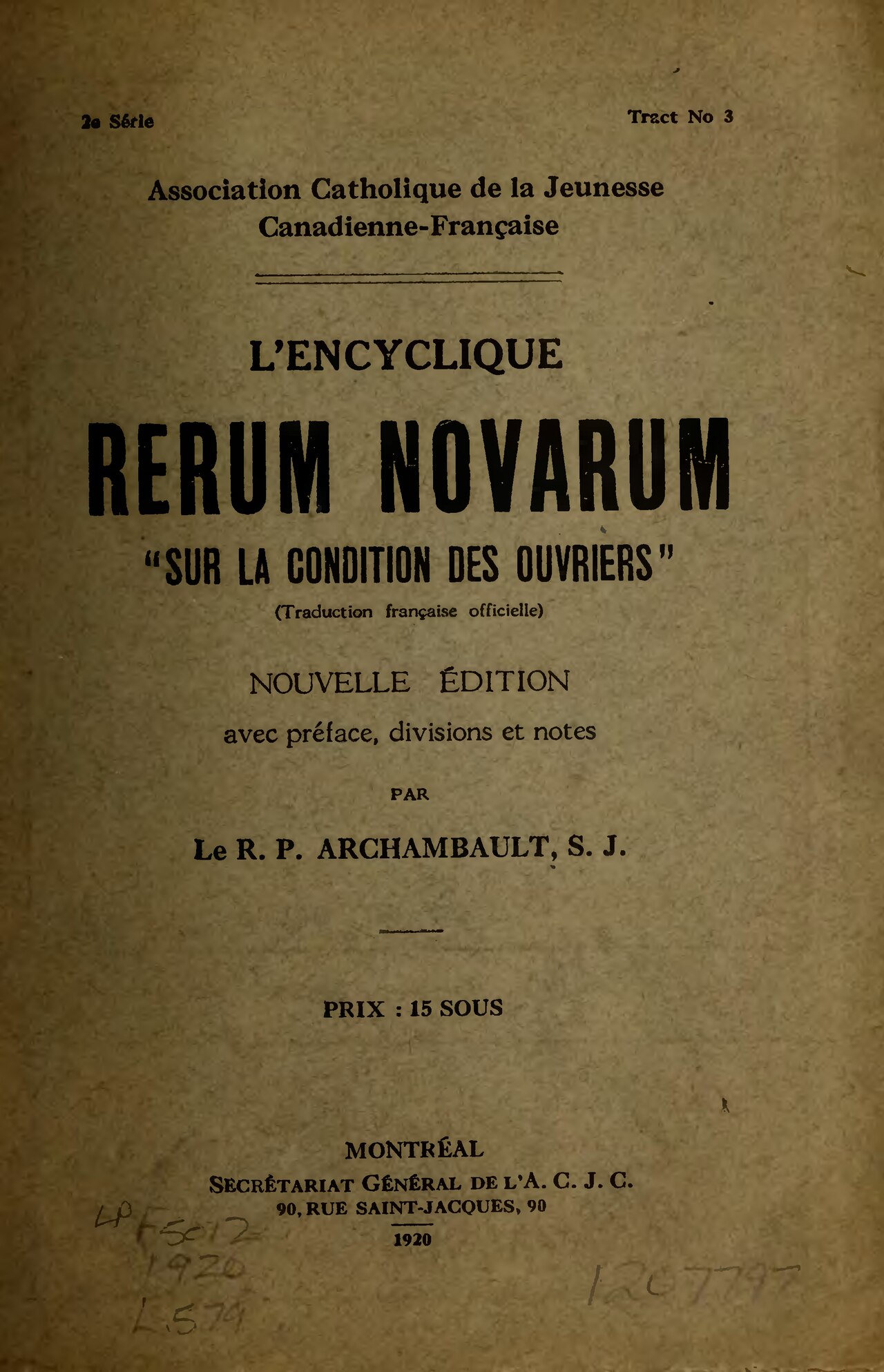 Document
Primary source
Rerum Novarum
Leo XIII · 15 May 1891
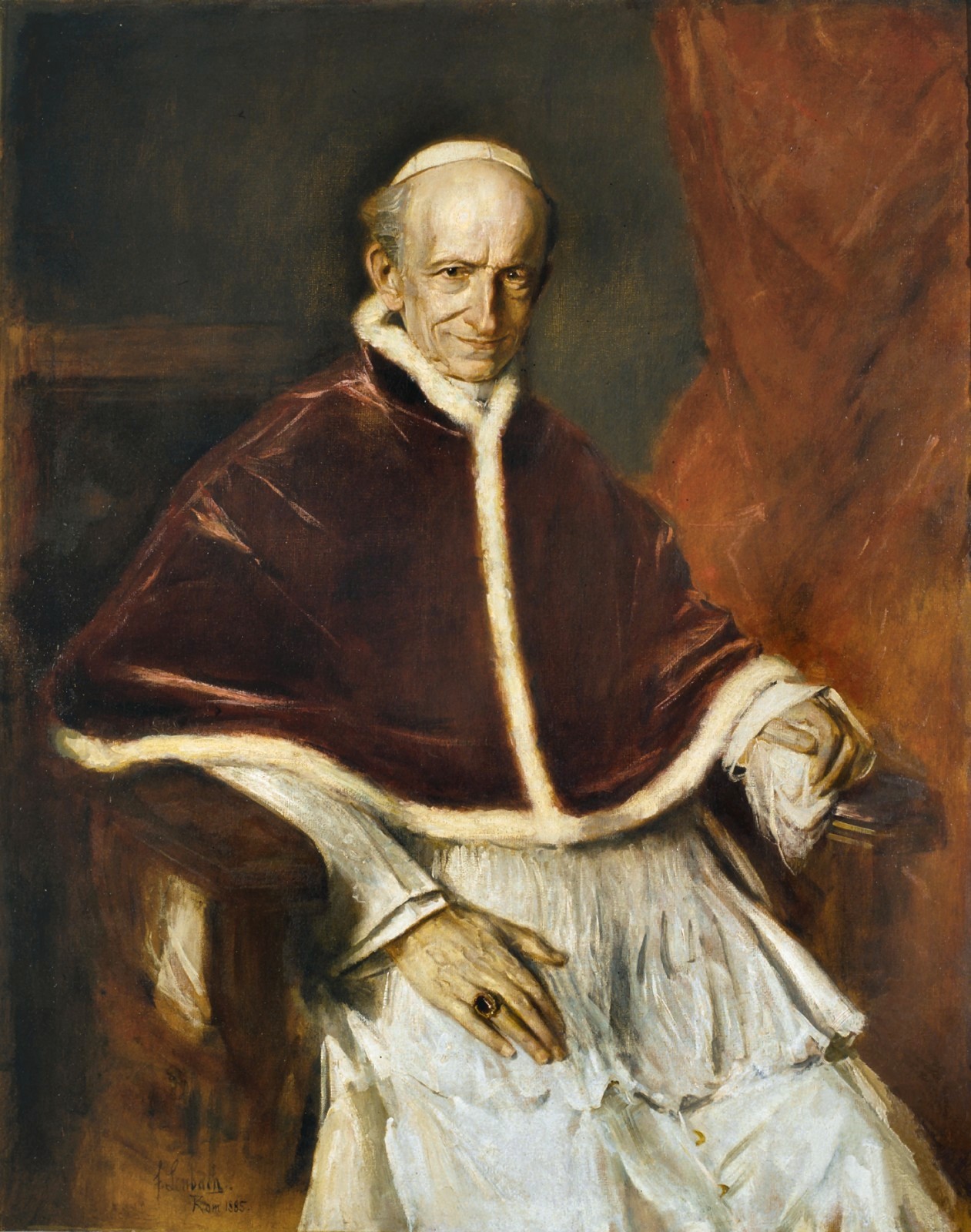
Secondary source
Aeterni Patris
Pope Leo XIII · 4 August 1879
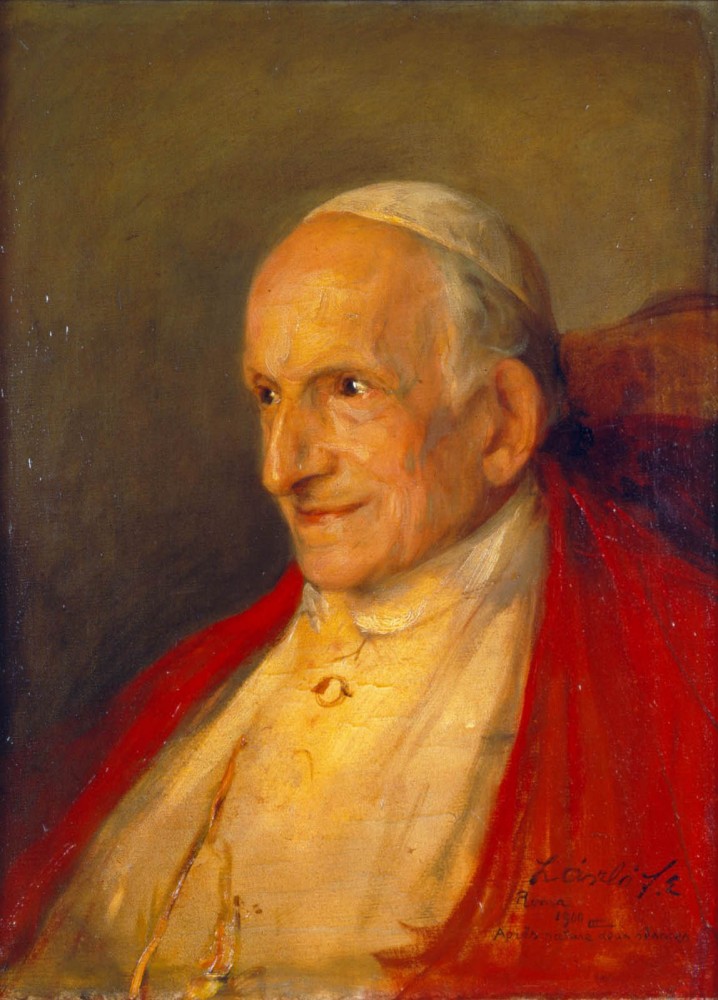
Primary source
Immortale Dei
Leo XIII · 1 November 1885
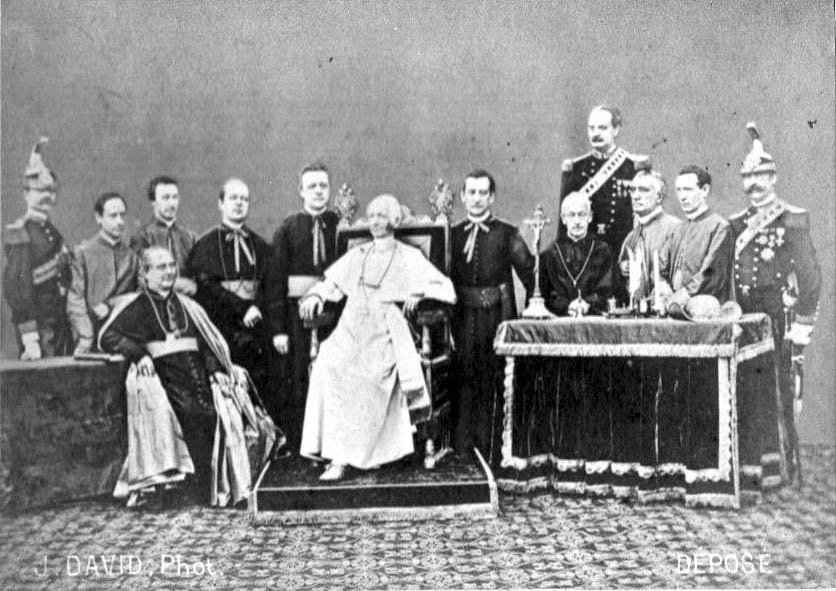
Primary source
Au milieu des sollicitudes
Leo XIII · 16 February 1892
Free account
Read every Pope Leo XIII source
Sign up free →
Ready when you are
Start chatting with Pope Leo XIII now.
20 messages free · No credit card · Available in 50+ languages.