


Primary sourceDocument1 November 1885
Immortale Dei
Leo XIII · 1 November 1885
Leo XIII's 1885 encyclical on Church-state relations, arguing all civil authority ultimately comes from God.
Leo XIII wrote this encyclical setting out his vision of Church-state relations.
Free Humy account · No credit card · 120,912 sources to read
About this source
What it is
Immortale Dei is an encyclical of Pope Leo XIII, issued on 1 November 1885, titled Concerning the Christian Constitution of States. It was written during the Kulturkampf in Germany and the removal of religion from French schools.
Why it matters
The letter sets out Leo's theory that there are two powers, Church and State, each with its own sphere but both ultimately under God's authority. He rejected the idea that governments derive authority purely from the people, and criticised unrestricted freedom of thought and the press. It shows how Leo tried to defend the Church's position in an age of liberal constitutional states and growing secular government, without endorsing any single form of government.
Look closer
- Why might a pope want to avoid naming one correct form of government?
- What historical conflicts in Germany and France might have shaped this document?
- What does Leo's view of
This document is part of the curated material that grounds the AI version of Pope Leo XIII on Humy.ai — when students ask about related events, the AI can quote it and cite it.
More Pope Leo XIII sources
Browse all 96 →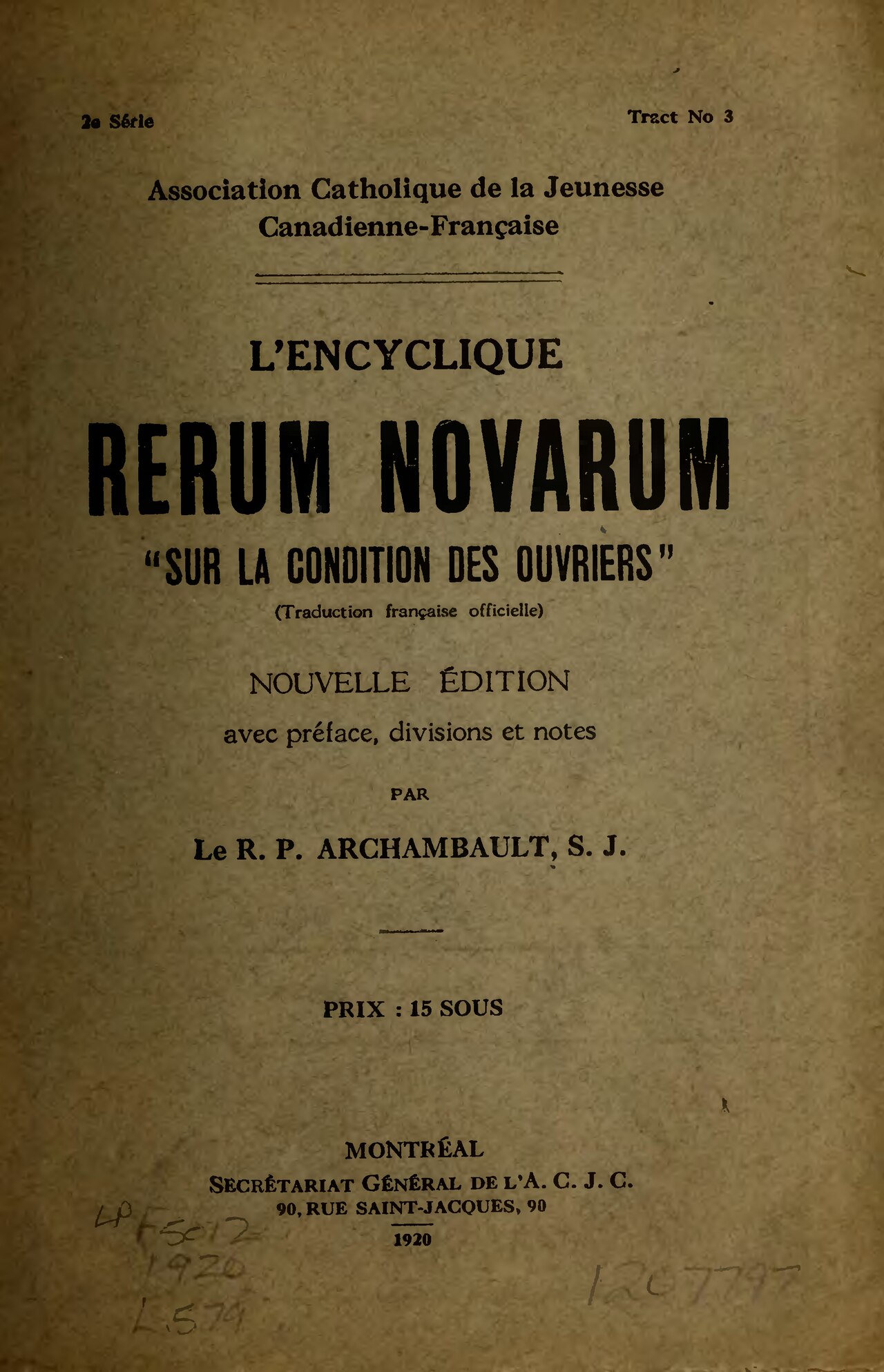 Document
Primary source
Rerum Novarum
Leo XIII · 15 May 1891
Secondary source
Aeterni Patris
Pope Leo XIII · 4 August 1879
Primary source
Humanum Genus
Leo XIII · 20 April 1884
Primary source
Au milieu des sollicitudes
Leo XIII · 16 February 1892
Free account
Read every Pope Leo XIII source
Sign up free →
Ready when you are
Start chatting with Pope Leo XIII now.
20 messages free · No credit card · Available in 50+ languages.