


Primary sourceBookc. 1600 (surviving manuscript)
Humayunnama
Gulbadan Begum · c. 1600 (surviving manuscript)
A memoir written by Akbar's aunt Gulbadan Begum at his request, recording his father Humayun's life and Akbar's own early childhood.
Akbar commissioned this memoir from his aunt to preserve memories of his father Humayun and his own childhood.

About this source
What it is
The Humayun-nama is a 16th-century Persian prose memoir written by Gulbadan Begum, daughter of Babur and aunt of Akbar. Akbar commissioned her to write down what she remembered of her brother Humayun's life, to help the scholar Abul Fazl compile the official Akbarnama. The only surviving manuscript is incomplete, breaking off in 1552.
Why it matters
It is the only surviving contemporary history written by a Mughal royal woman of the 16th century, and it gives an intimate view of the Mughal harem's role in politics and daily life. Because Akbar ordered it written, it also shows how he used family memory as a historical source, alongside the more formal Akbarnama. Among its stories is the marriage of Humayun and Hamida Banu Begum, which led to Akbar's own birth.
Look closer
- Why might Akbar want his aunt's memories recorded alongside the official history?
- What does Gulbadan's simple writing style suggest about her approach compared to court historians?
- What kinds of details might a woman in the harem notice that male chroniclers would miss?
This book is part of the curated material that grounds the AI version of Akbar the Great on Humy.ai — when students ask about related events, the AI can quote it and cite it.
More Akbar the Great sources
Meet the AI Akbar the Great →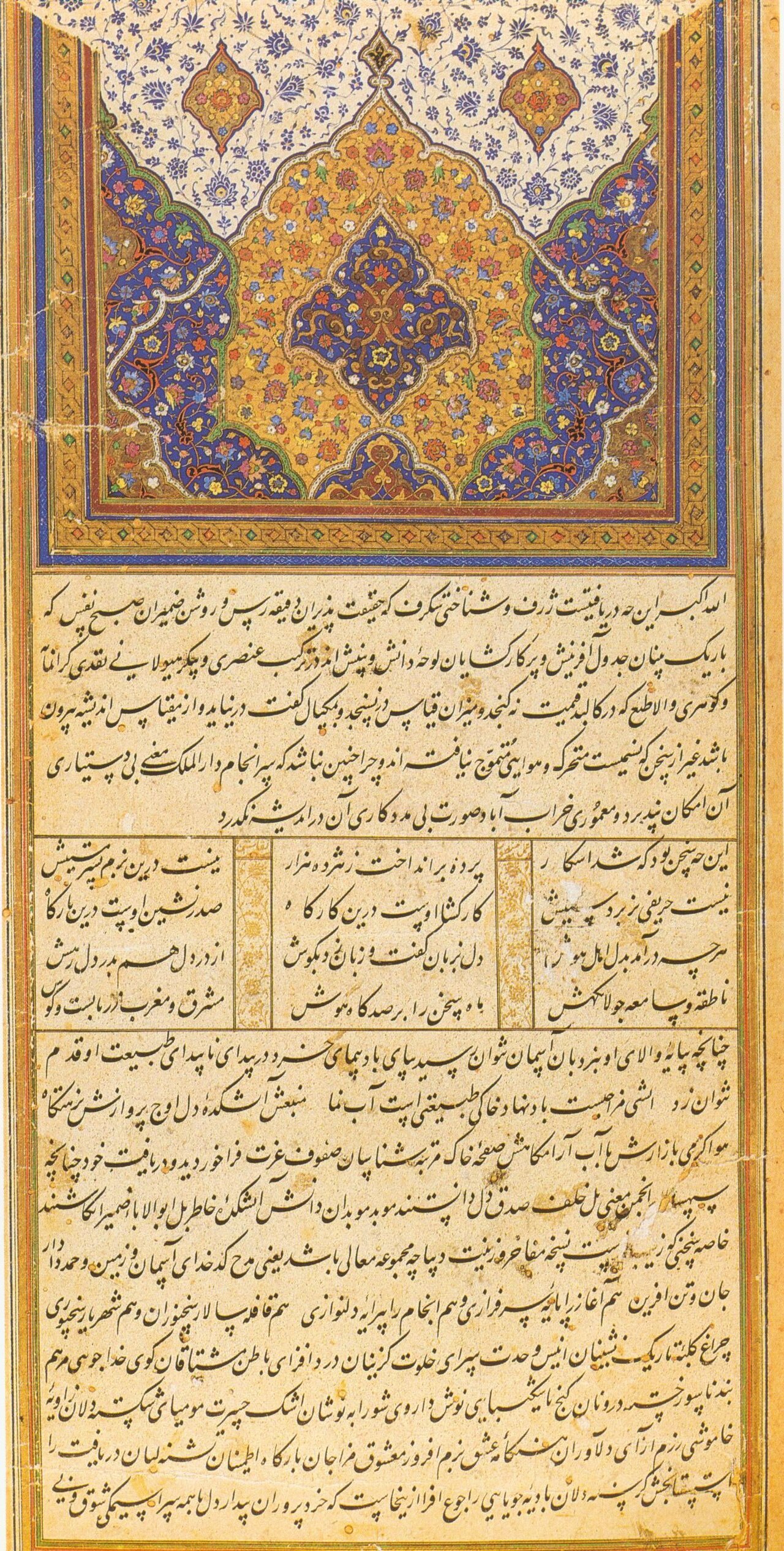

Ready when you are
Start chatting with Akbar the Great now.
20 messages free · No credit card · Available in 50+ languages.