


Secondary sourcePainting1842
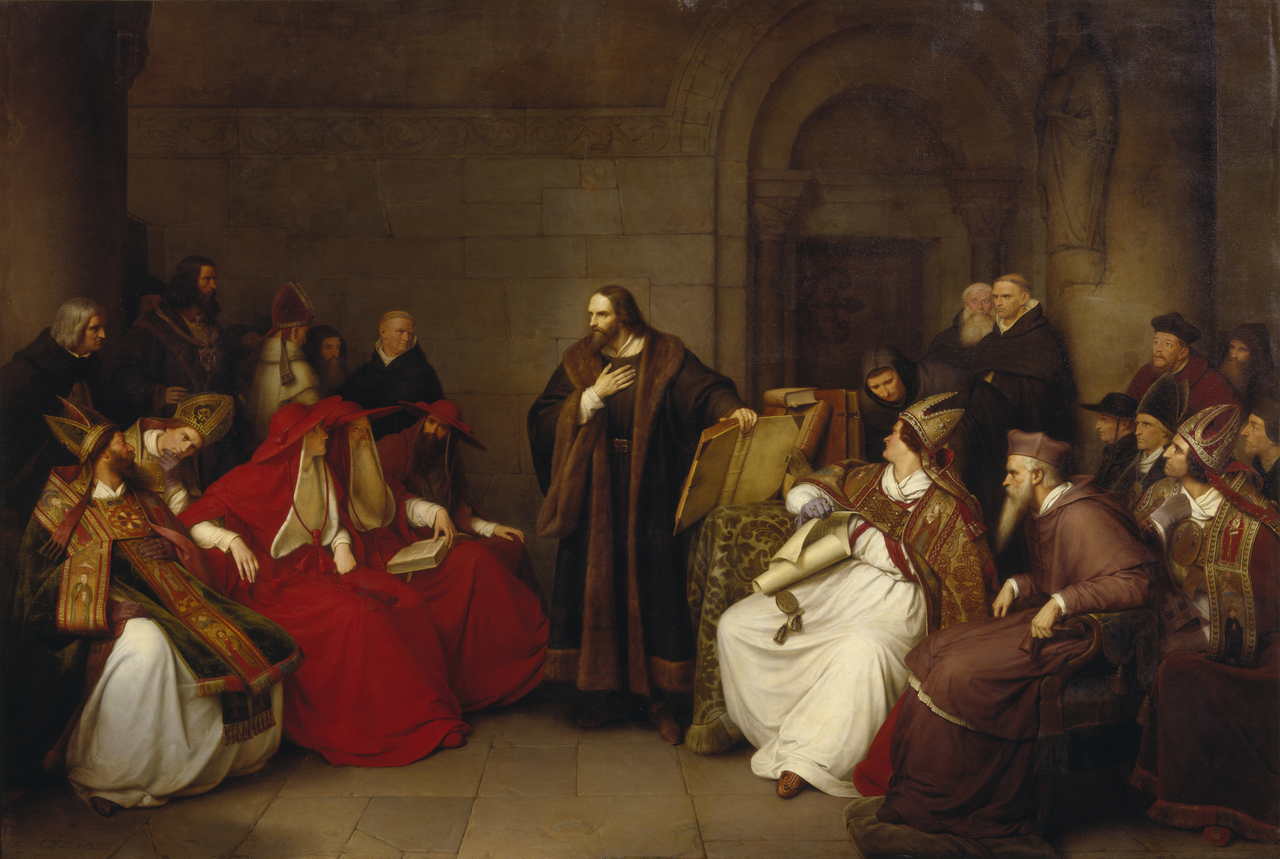
Huss at the Council of Constance
Carl Friedrich Lessing · 1842
A 19th-century history painting by Carl Friedrich Lessing showing Jan Hus standing before the clergy at the Council of Constance.
This painting depicts Hus defending his beliefs before the clergy at the Council of Constance, the trial that led to his execution.
About this source
What it is
This 1842 painting by the German artist Carl Friedrich Lessing shows Jan Hus standing before a group of cardinals, bishops and other clergy in a stone hall at the Council of Constance. It is held by the Städel Museum in Frankfurt.
Why it matters
The painting is a major example of 19th-century German history painting, a genre that used scenes from the past to comment on the present. Lessing shows Hus as a lone figure of conviction facing the assembled power of the Church, reflecting how Hus became a symbol of freedom of conscience for German Protestants of Lessing's own time.
Look closer
- How does the painting use posture and position to contrast Hus with the seated clergy around him?
- Why might a 19th-century German artist have chosen this particular moment from Hus's trial?
- What does the painting tell us about Lessing's own time, as well as about the Council of Constance itself?
This painting is part of the curated material that grounds the AI version of Jan Hus on Humy.ai — when students ask about related events, the AI can quote it and cite it.
More Jan Hus sources
Meet the AI Jan Hus →Primary source
Appeal to Jesus Christ
Jan Hus · 1412
Primary source
Safe Conduct to John Huss
Sigismund
 Document
Primary source
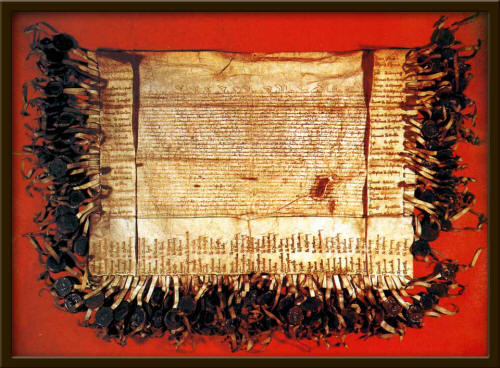
Letter of Complaint Against the Burning of Jan Hus
1415
 Artifact
Primary source
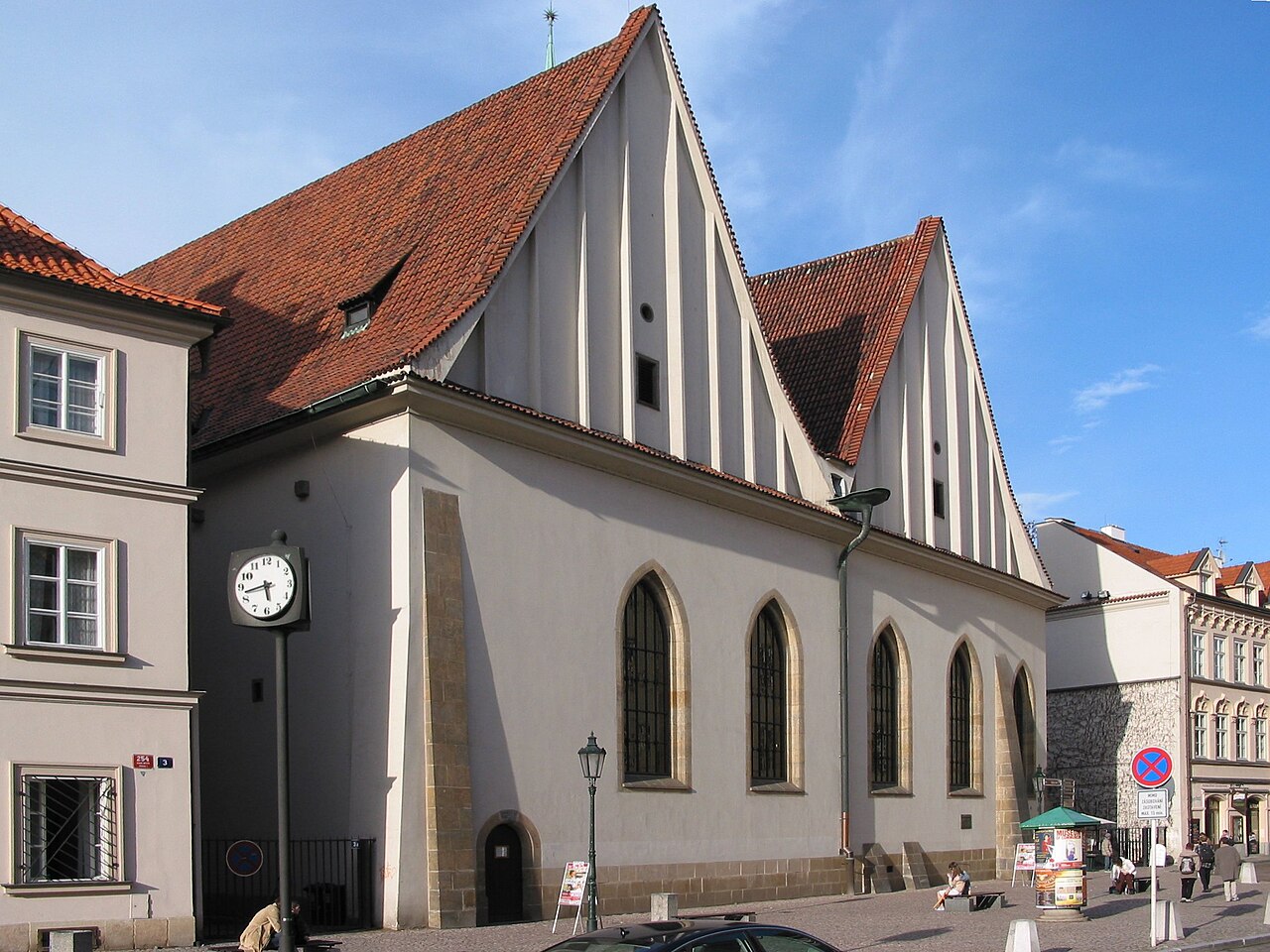
Bethlehem Chapel
founded 1391
 Document
Primary source
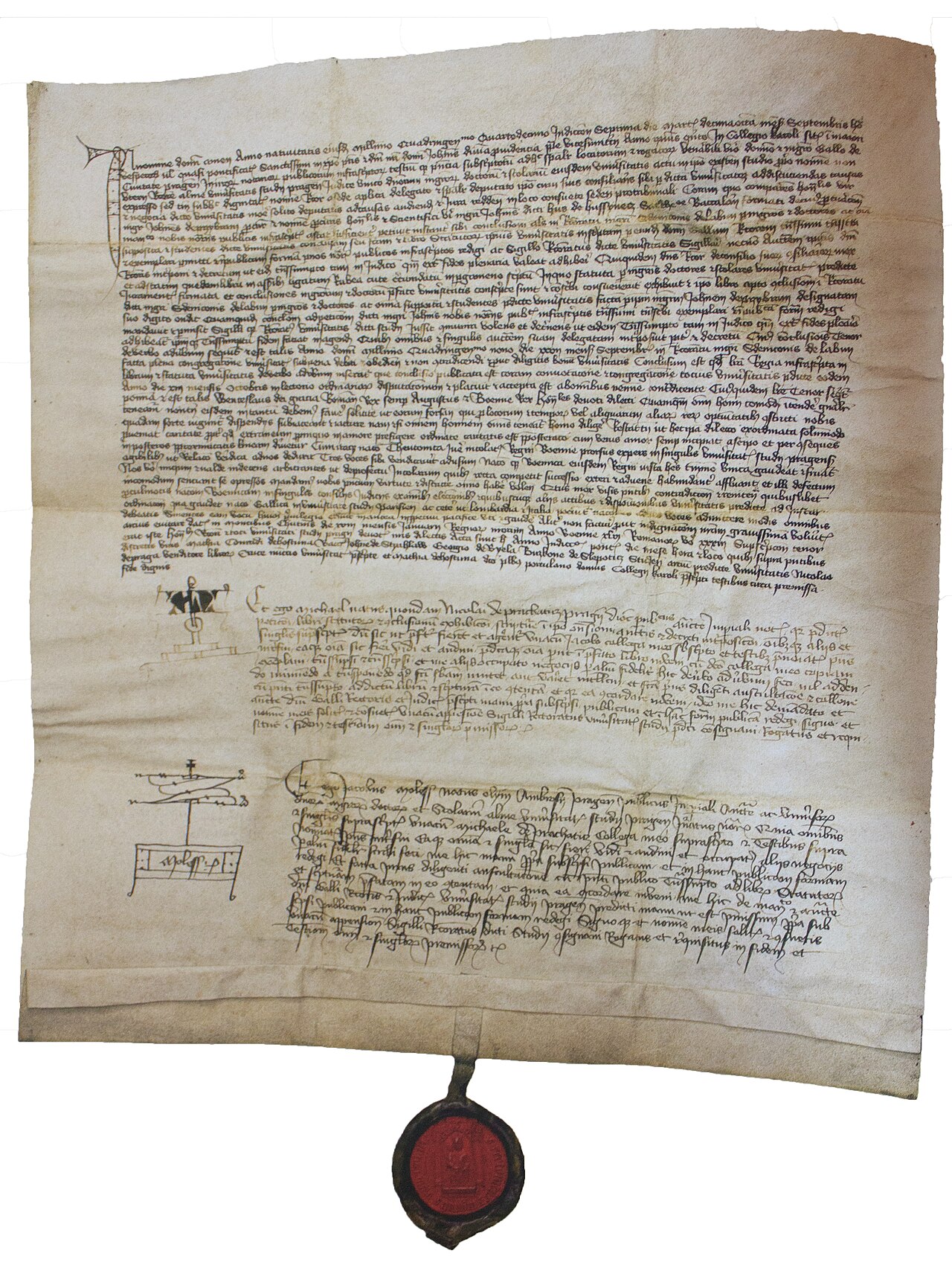
Decree of Kutná Hora
Wenceslaus IV of Bohemia · 18 January 1409
Ready when you are
Start chatting with Jan Hus now.
20 messages free · No credit card · Available in 50+ languages.