


Primary sourcePainting1911
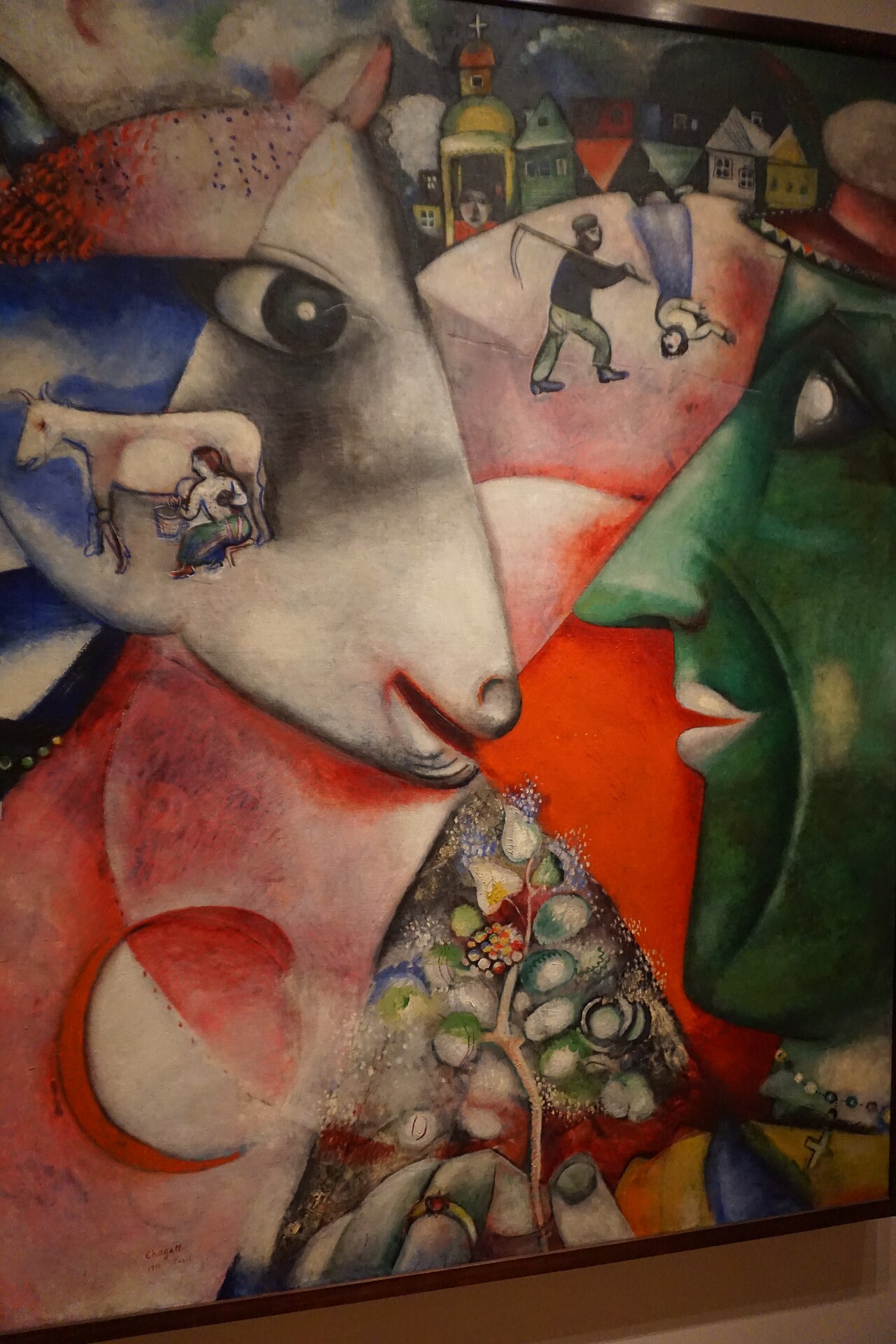
I and the Village
Marc Chagall · 1911
A 1911 Cubist-influenced painting by Marc Chagall blending memories of his hometown with dreamlike imagery.
Painted by Chagall in Paris, this work is considered his signature early statement blending memory and modern art.
About this source
What it is
This is an oil-on-canvas painting made by Marc Chagall in 1911, while he was living in Paris. It is now held by the Museum of Modern Art in New York.
Why it matters
The painting fuses the fragmented, geometric style of Cubism with vivid memories of peasant and shtetl life from Chagall's hometown of Vitebsk. It is considered one of his earliest and most important works, showing how he combined modern Parisian art movements with the folklore and culture of Eastern European Jewish life.
Look closer
- What different scenes and figures can you find overlapping in the painting?
- Why might Chagall have shown a man and an animal face to face, with scenes inside the animal's head?
- What does the mix of village and dreamlike imagery tell you about memory and imagination?
This painting is part of the curated material that grounds the AI version of Marc Chagall on Humy.ai — when students ask about related events, the AI can quote it and cite it.
More Marc Chagall sources
Browse all 98 →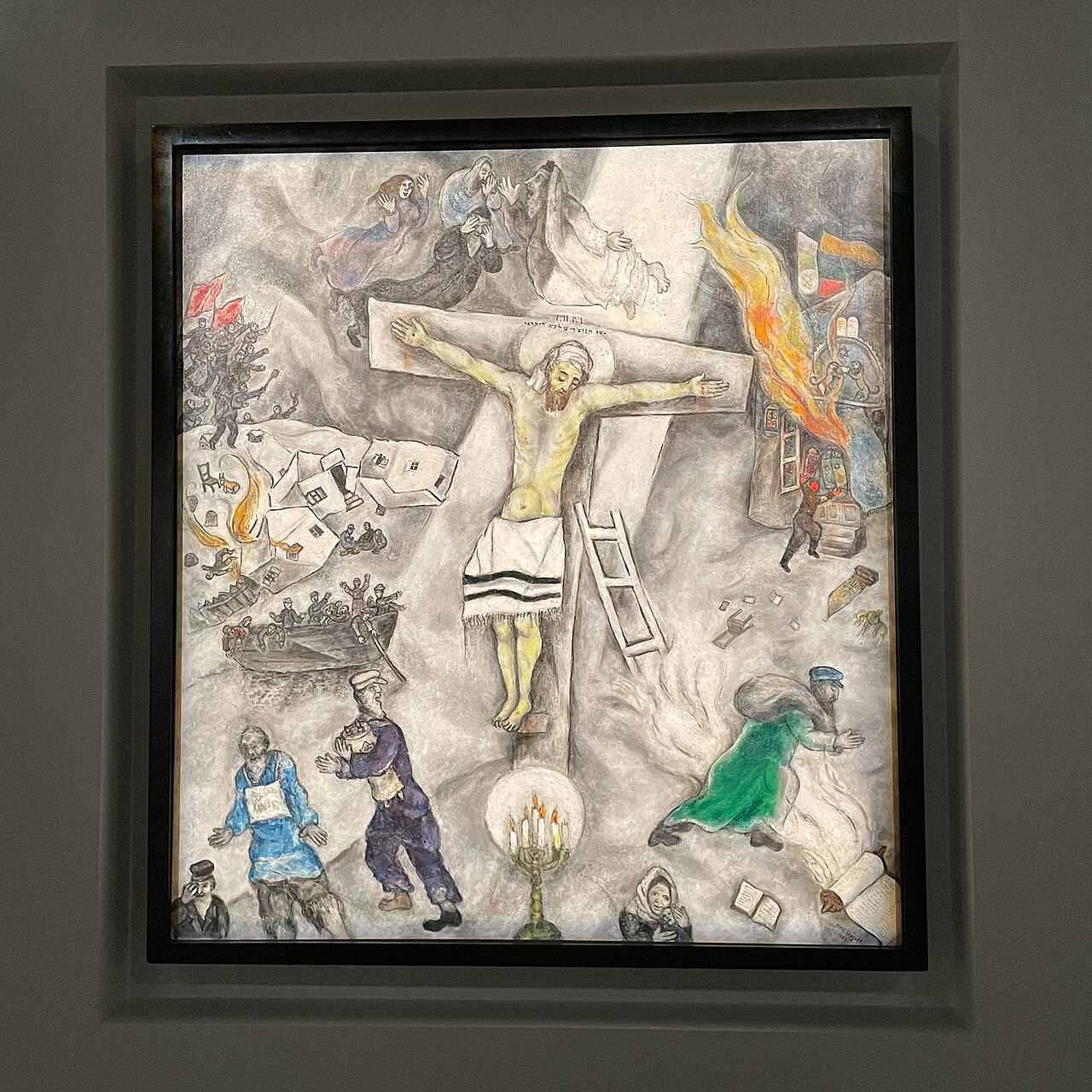 Painting
Primary source
White Crucifixion
Marc Chagall · 1938
 Painting
Primary source
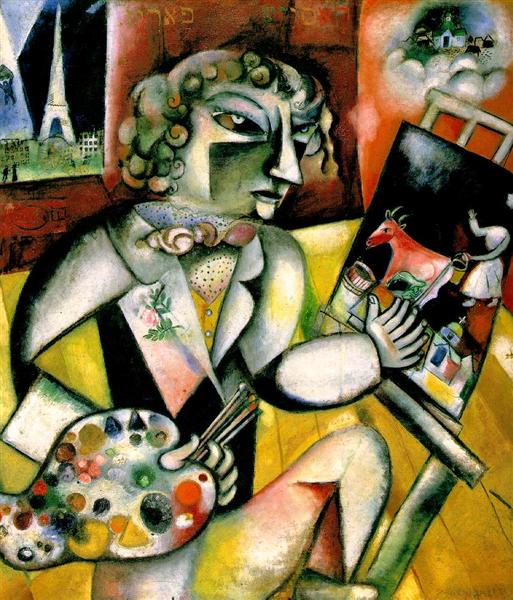
Self-Portrait with Seven Fingers
Marc Chagall · 1913
 Painting
Primary source
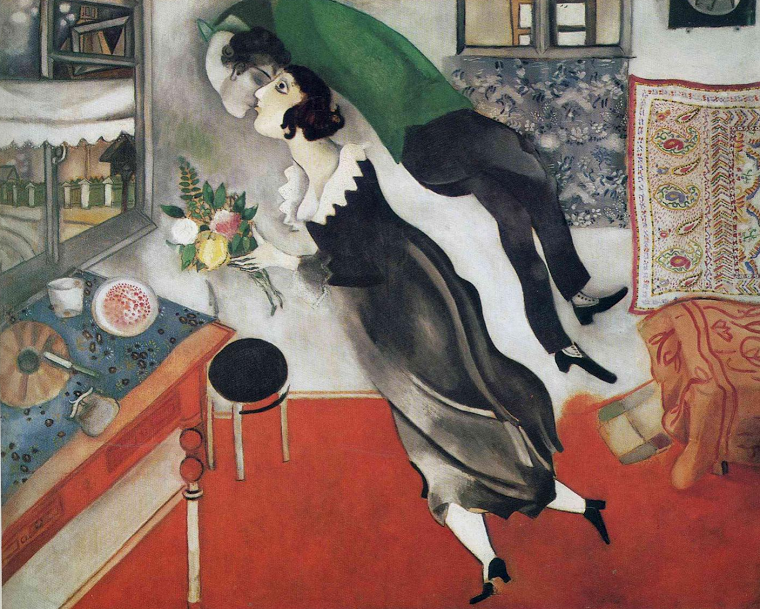
Birthday
Marc Chagall · 1915
 Artifact
Primary source
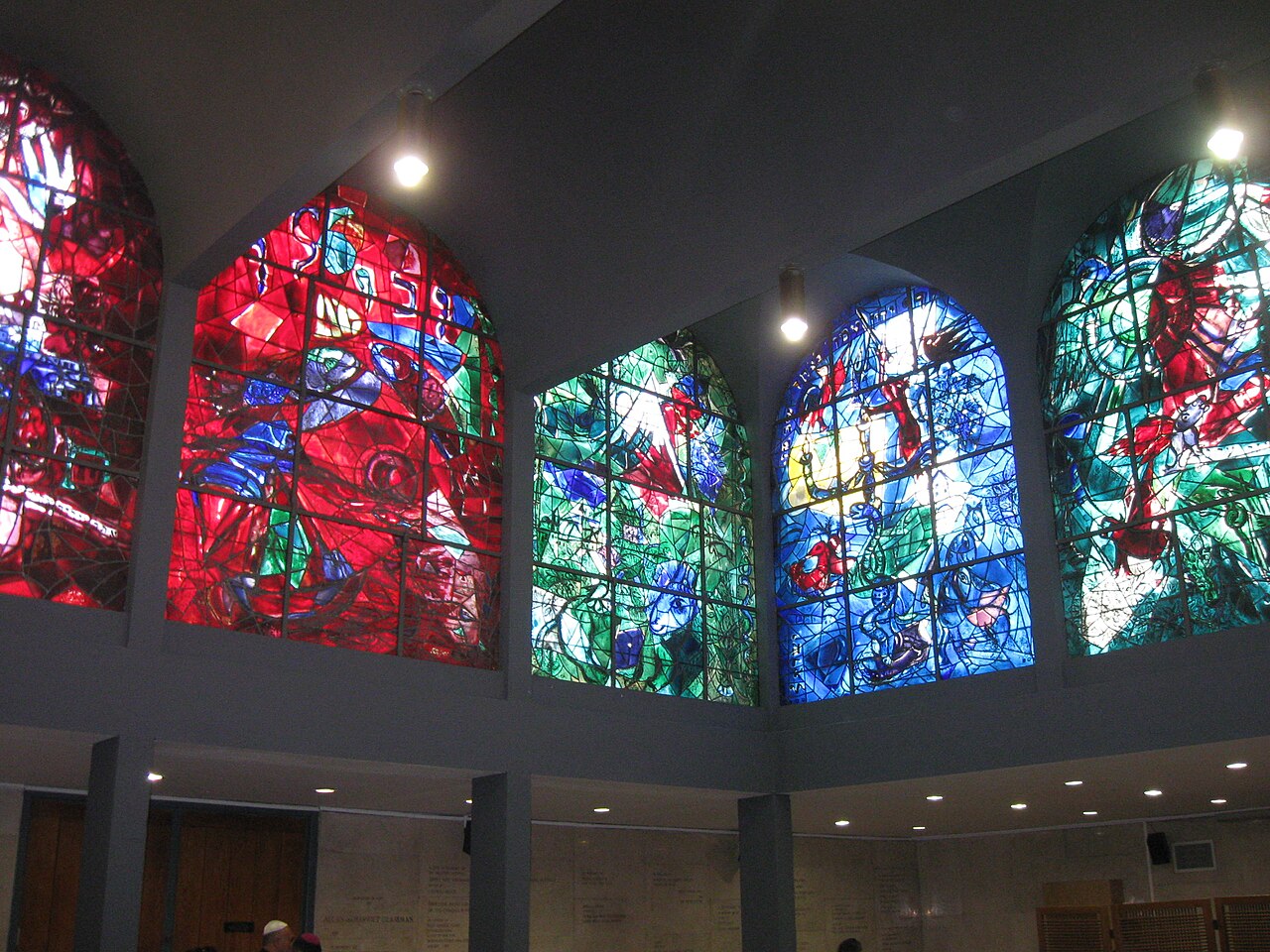
Chagall Windows
Marc Chagall · 1962
Free account
Read every Marc Chagall source
Sign up free →
Ready when you are
Start chatting with Marc Chagall now.
20 messages free · No credit card · Available in 50+ languages.