


Primary sourcePainting1912
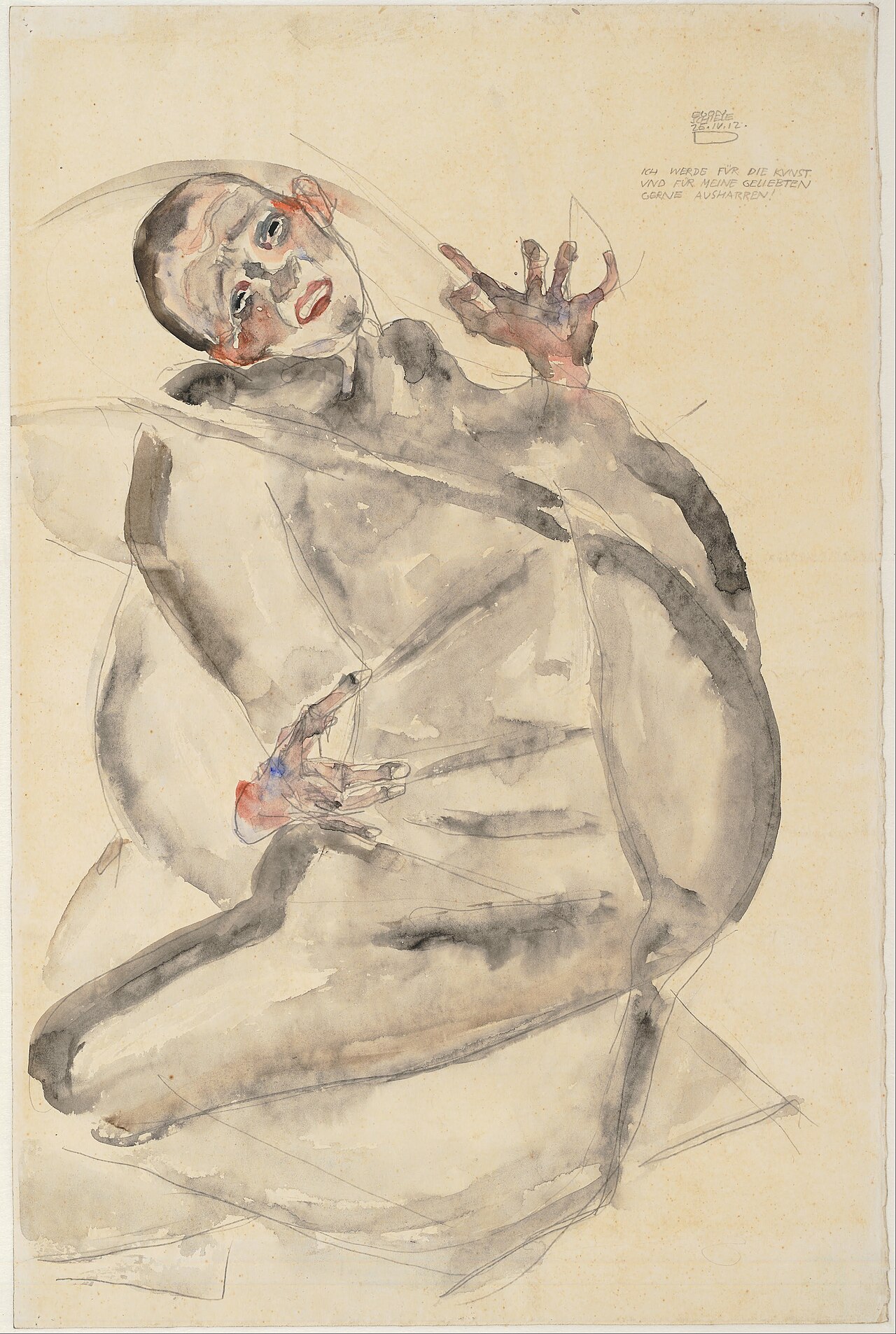
I Will Gladly Endure for Art and My Loved Ones
Egon Schiele · 1912
A 1912 watercolour and pencil drawing Schiele made while imprisoned in Neulengbach on charges connected to his drawings.
Schiele made this drawing himself while imprisoned, recording his personal response to his arrest.
About this source
What it is
This 1912 watercolour and pencil drawing by Egon Schiele shows a nude, seated figure with an inscription in German meaning 'I will gladly endure for art and my loved ones.' It is held at the Albertina in Vienna.
Why it matters
Schiele made this drawing while jailed in Neulengbach after being arrested and charged over his drawings and conduct, with many of his works seized as obscene. The inscription shows his defiant attitude toward his imprisonment, framing his suffering as a sacrifice for his art and the people he loved.
Look closer
- Why might Schiele have chosen to write directly on the drawing?
- What does the pose and expression of the figure suggest about his state of mind in prison?
- How does this drawing reflect the conflict between Schiele's art and the society around him?
This painting is part of the curated material that grounds the AI version of Egon Schiele on Humy.ai — when students ask about related events, the AI can quote it and cite it.
More Egon Schiele sources
Browse all 92 →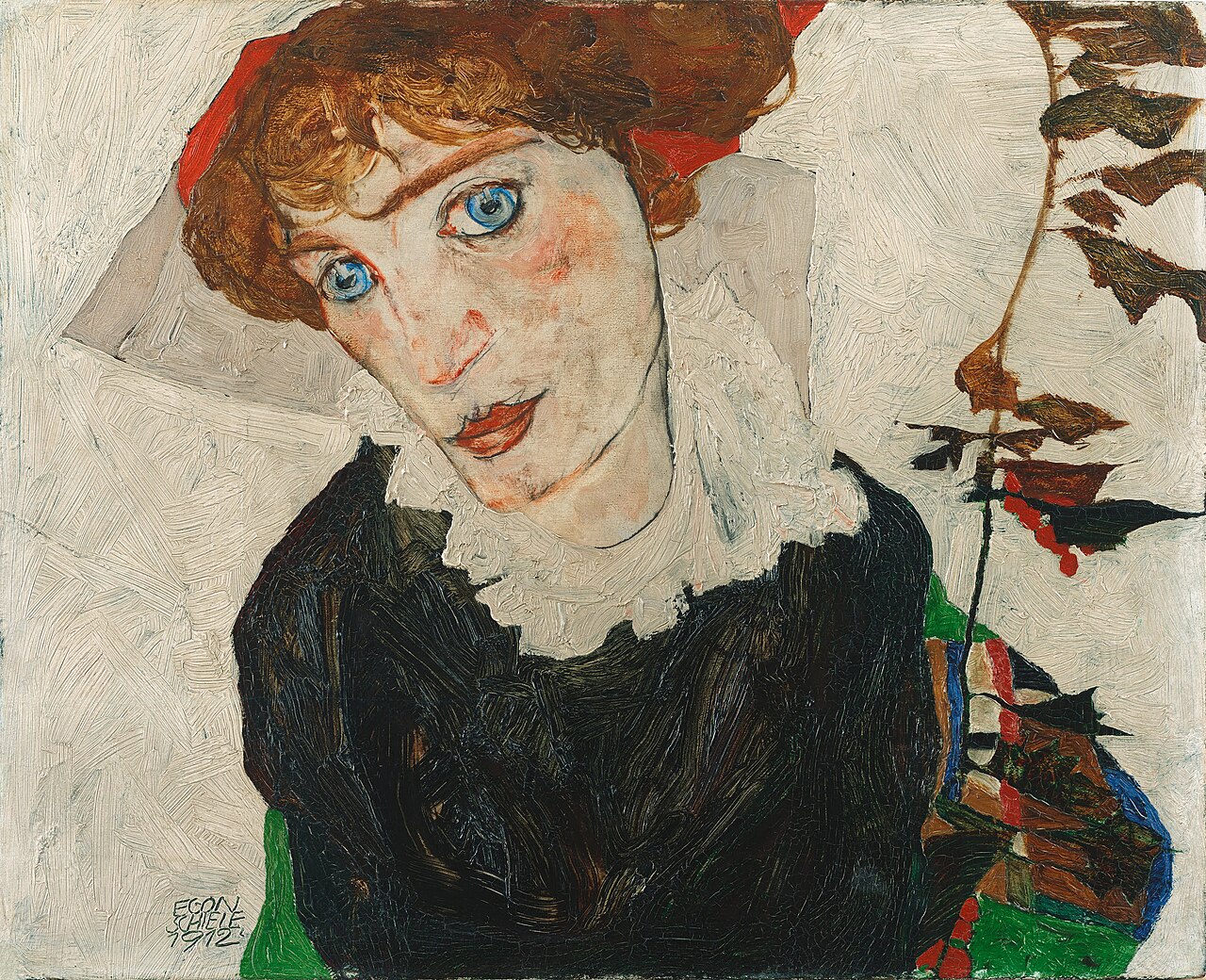 Painting
Primary source
Portrait of Wally
Egon Schiele · 1912
 Painting
Primary source
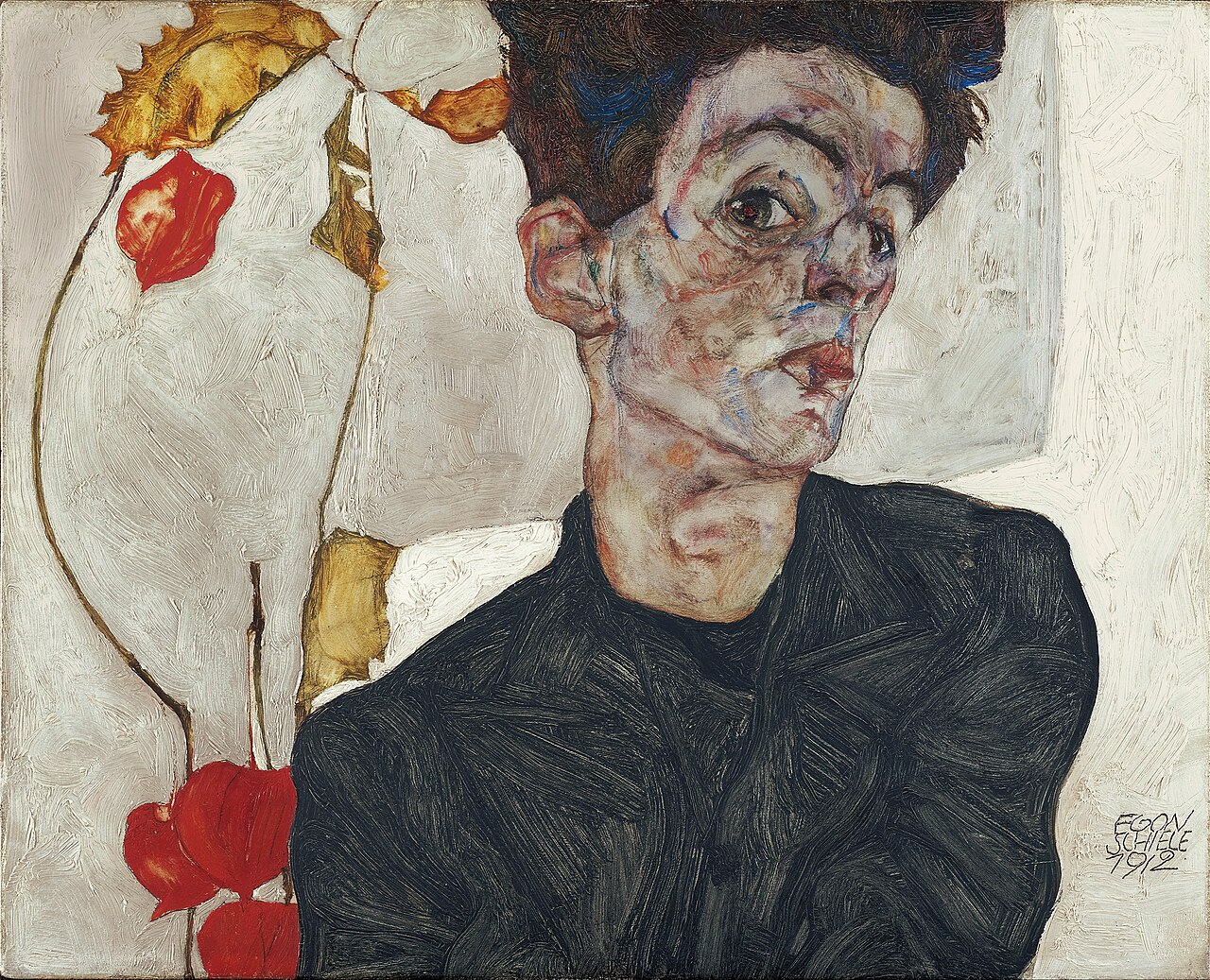
Self-Portrait with Physalis
Egon Schiele · 1912
 Painting
Primary source
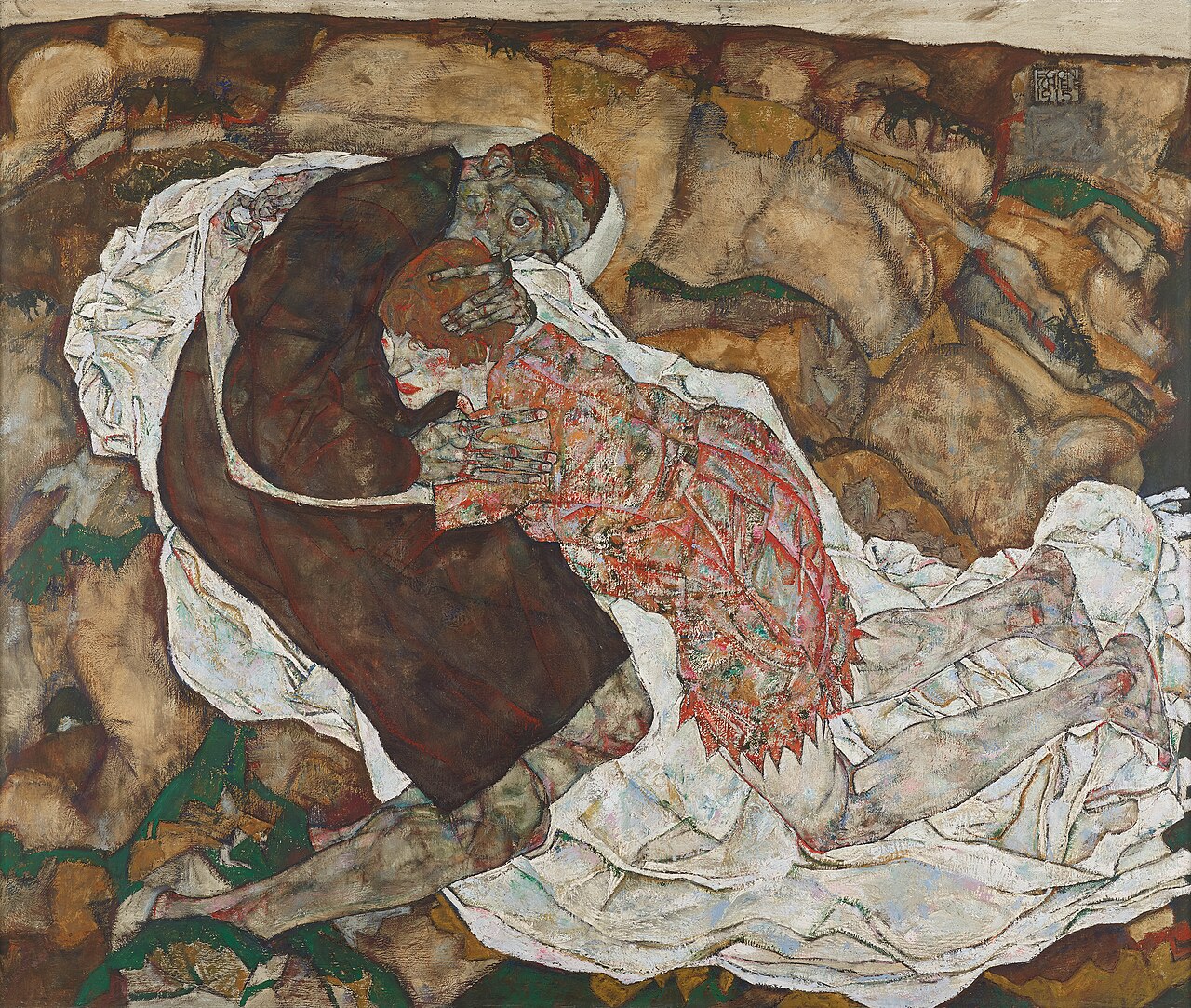
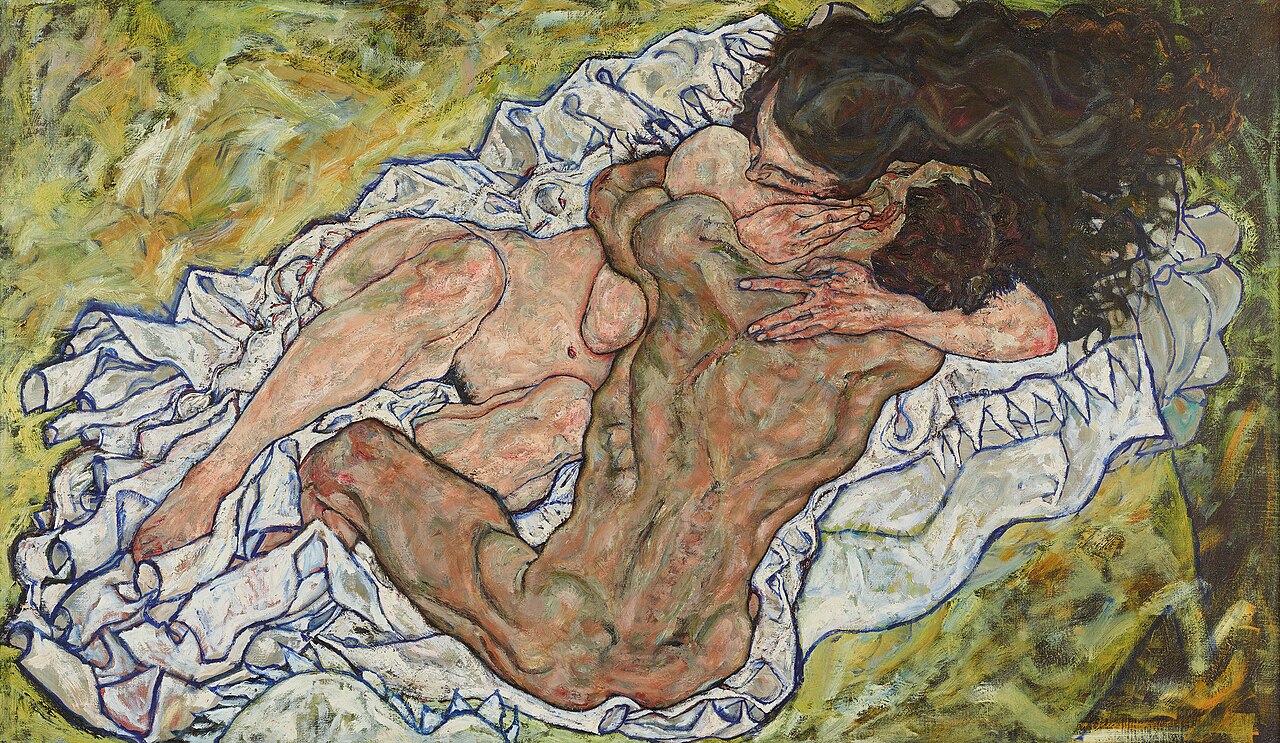
Death and the Maiden
Egon Schiele · 1915
 Painting
Primary source
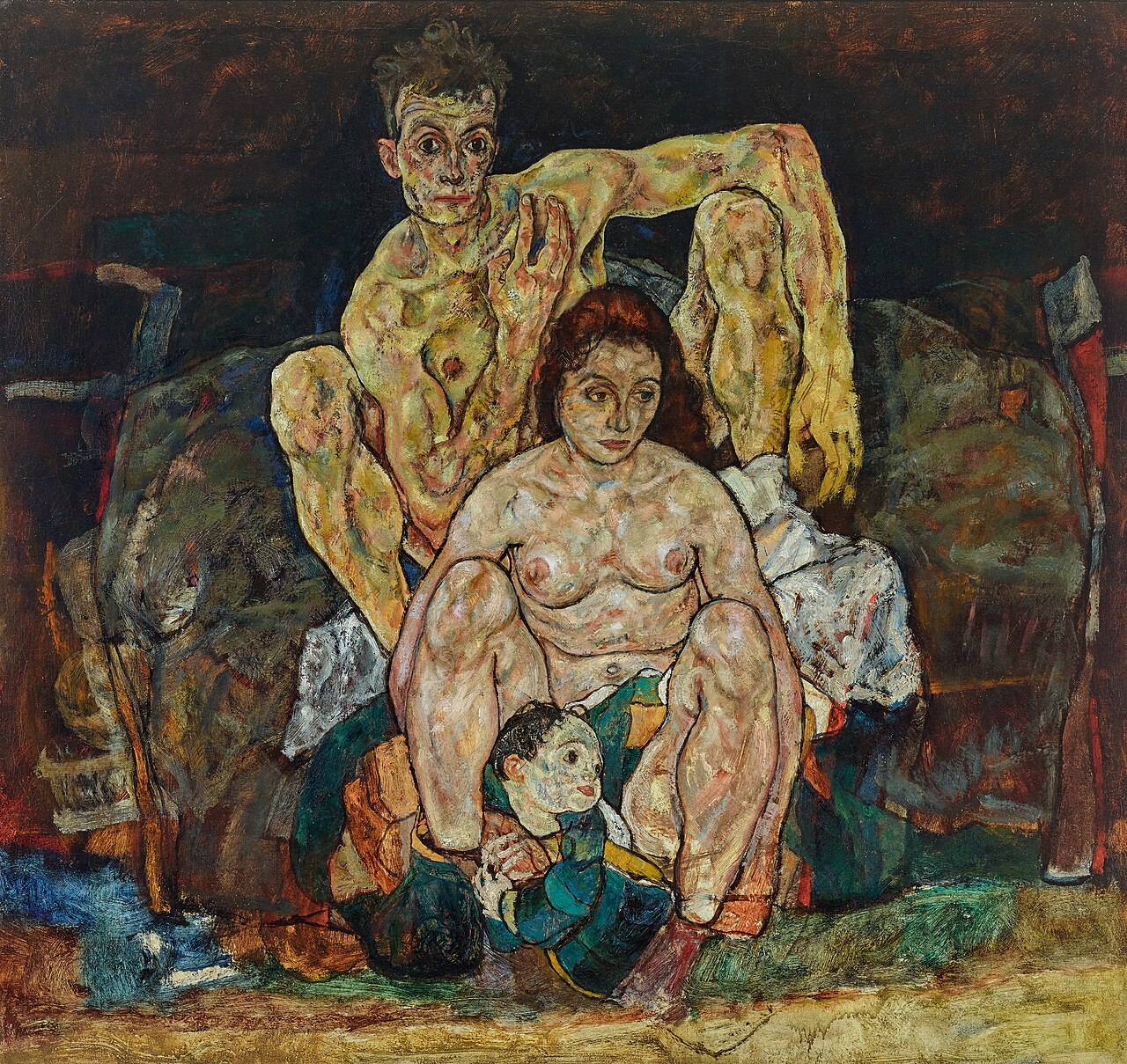
The Family
Egon Schiele · 1918
Free account
Read every Egon Schiele source
Sign up free →
Ready when you are
Start chatting with Egon Schiele now.
20 messages free · No credit card · Available in 50+ languages.