


Primary sourcePainting1912
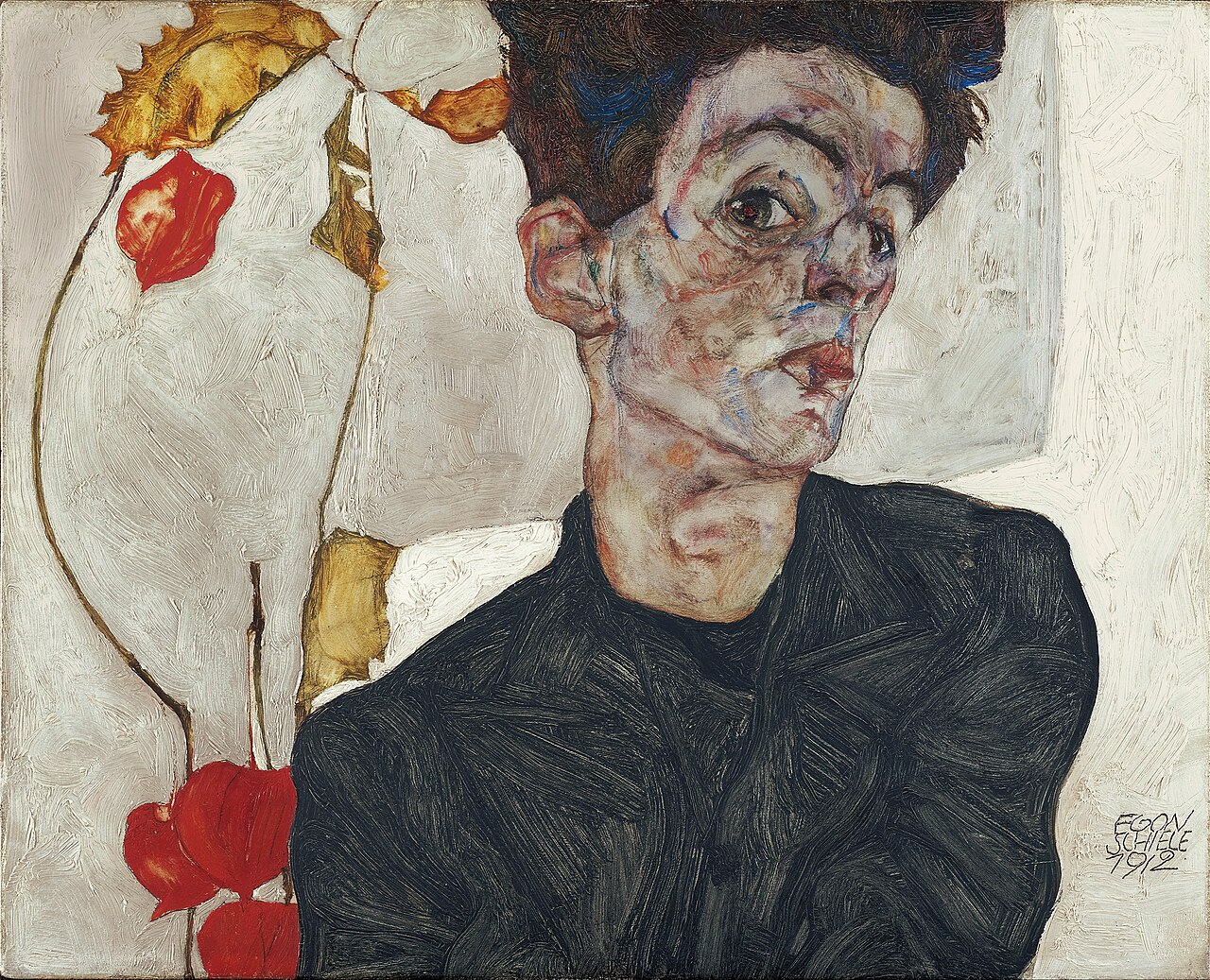
Self-Portrait with Physalis
Egon Schiele · 1912
Schiele's 1912 self-portrait, painted as a companion piece to his portrait of Wally Neuzil, showing his tense Expressionist style.
Schiele's self-portrait, painted as a pendant to his portrait of Wally Neuzil, showing his artistic self-image.
About this source
What it is
This 1912 oil painting is a self-portrait by Egon Schiele, created as a pendant to his Portrait of Wally. It is held at the Leopold Museum in Vienna.
Why it matters
The painting shows Schiele's distinctive Expressionist approach to the human face and body, with sharp angles and intense expression. As a self-image made alongside his portrait of Wally Neuzil, it reflects how Schiele linked his own identity as an artist to his personal relationships.
Look closer
- What does the distorted, intense expression suggest about how Schiele wanted to present himself?
- Why might an artist paint a self-portrait alongside a portrait of someone else?
- What do the physalis lanterns add to the mood of the painting?
This painting is part of the curated material that grounds the AI version of Egon Schiele on Humy.ai — when students ask about related events, the AI can quote it and cite it.
More Egon Schiele sources
Browse all 92 →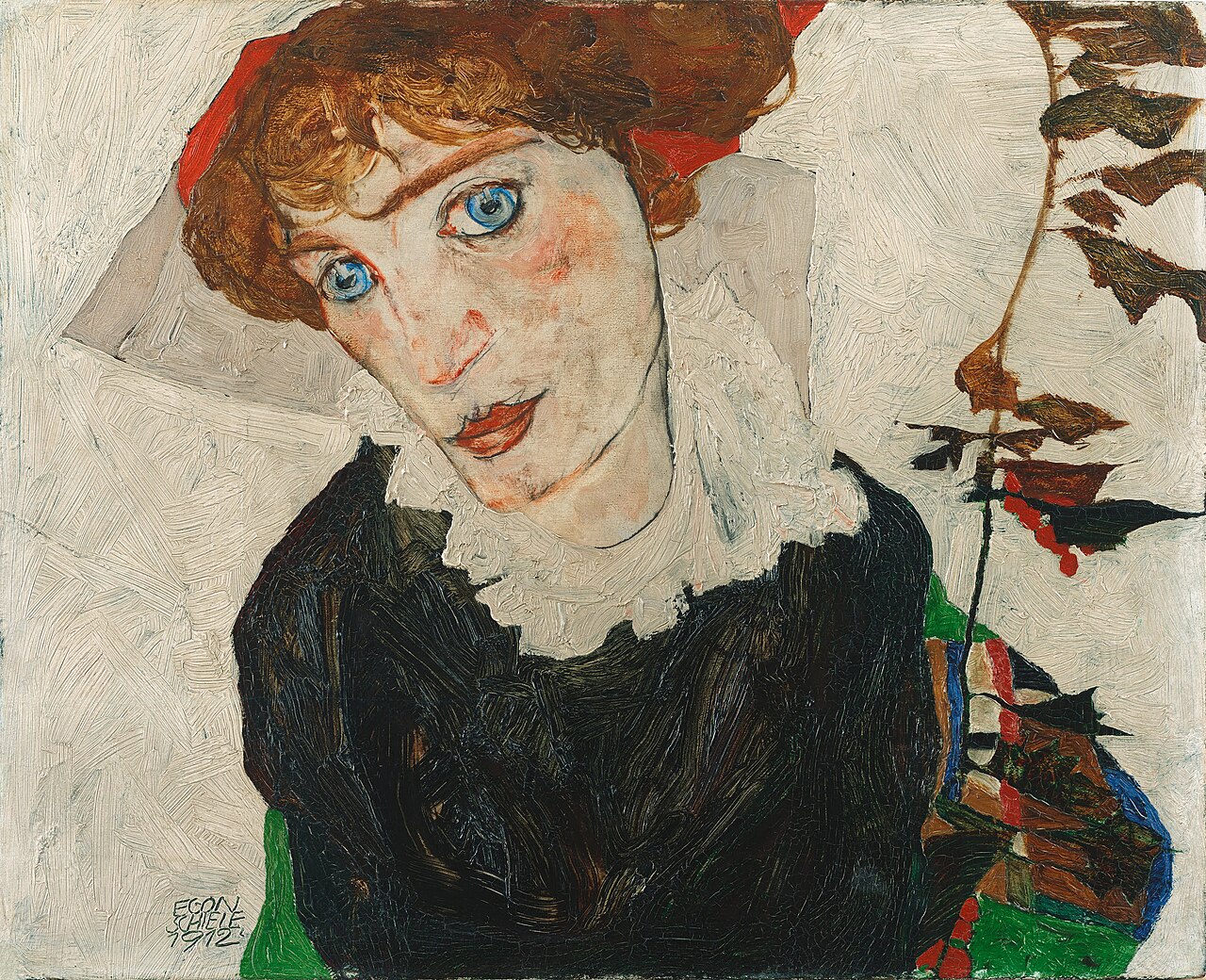 Painting
Primary source
Portrait of Wally
Egon Schiele · 1912
 Painting
Primary source
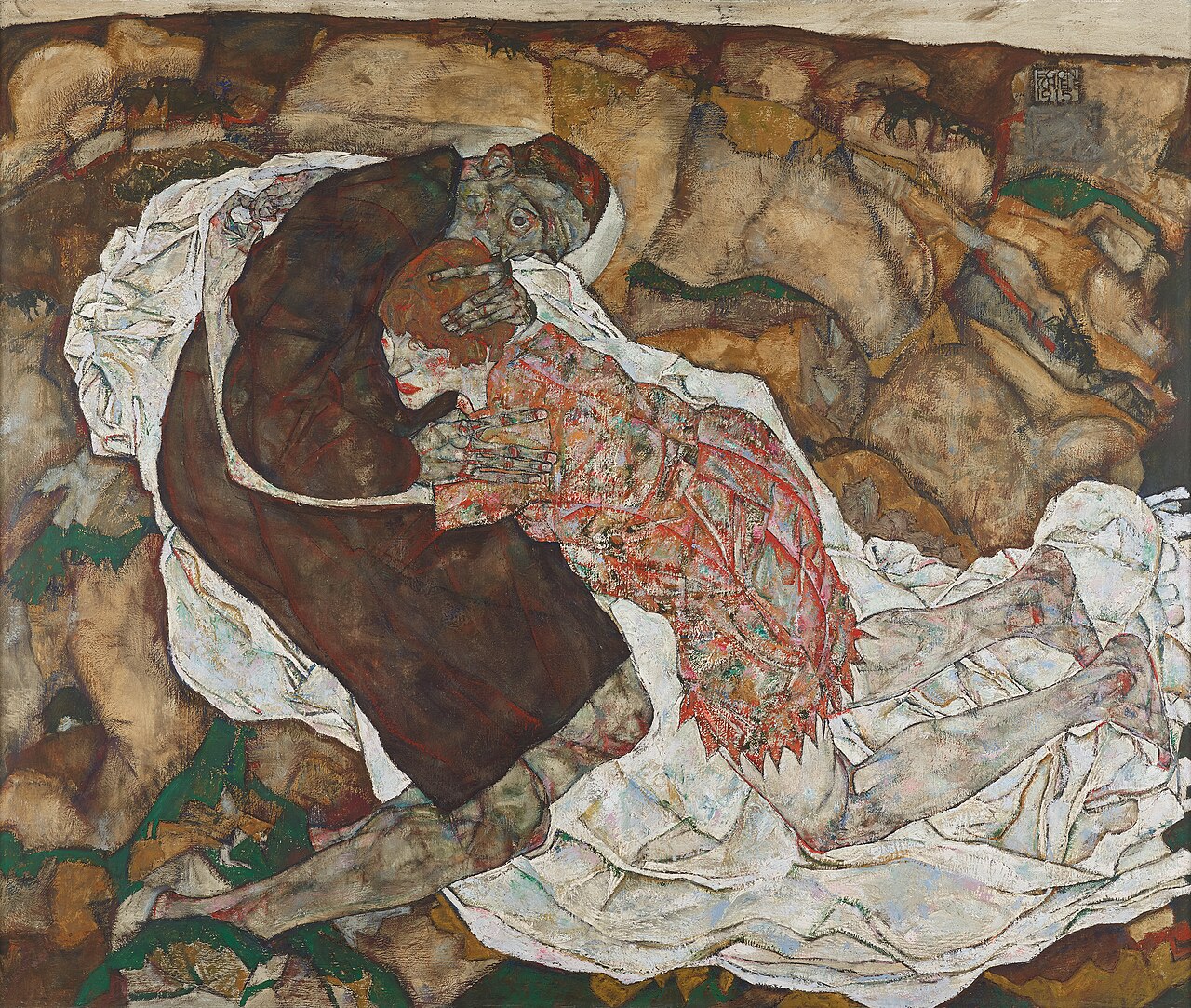
Death and the Maiden
Egon Schiele · 1915
 Painting
Primary source
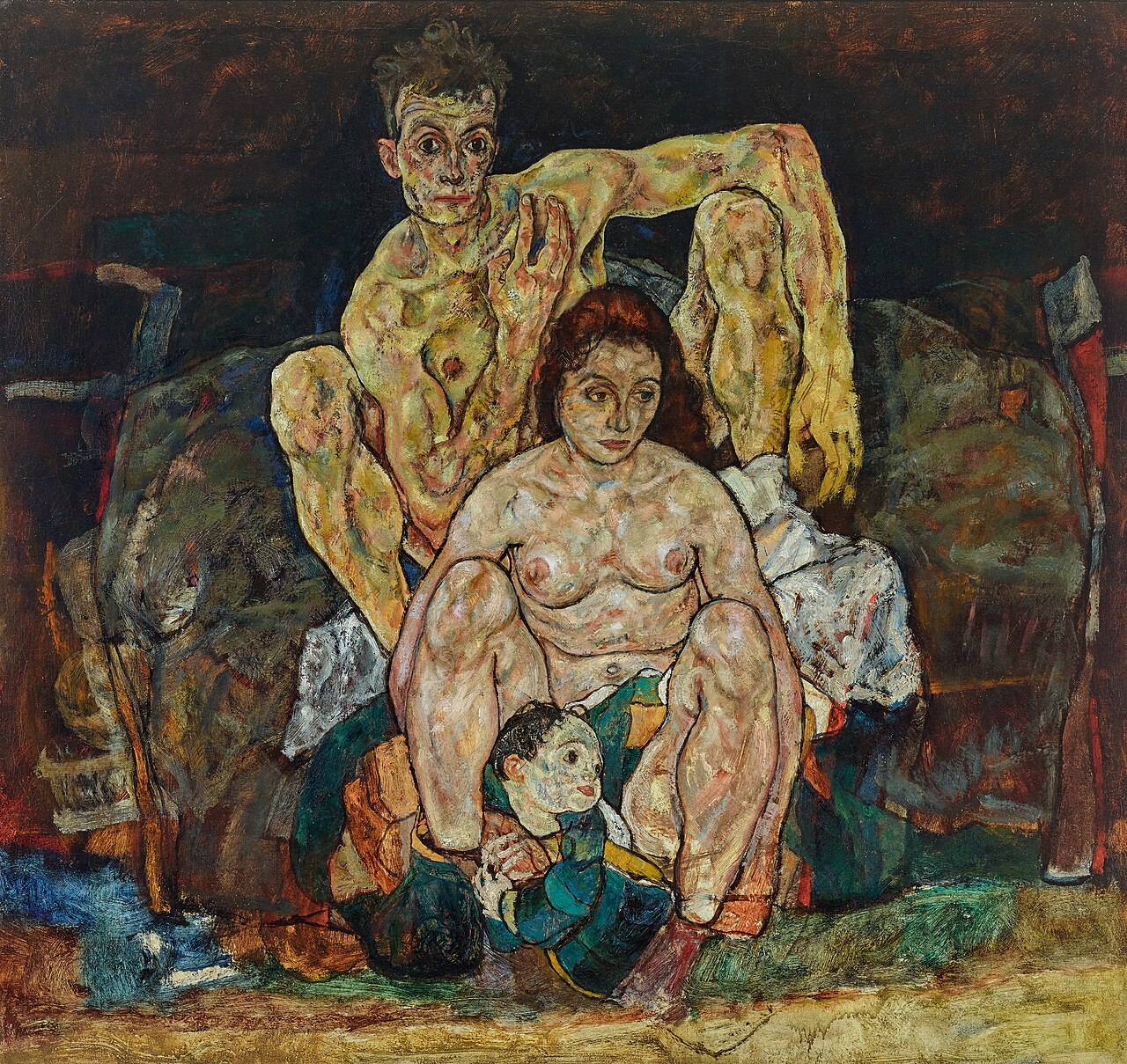
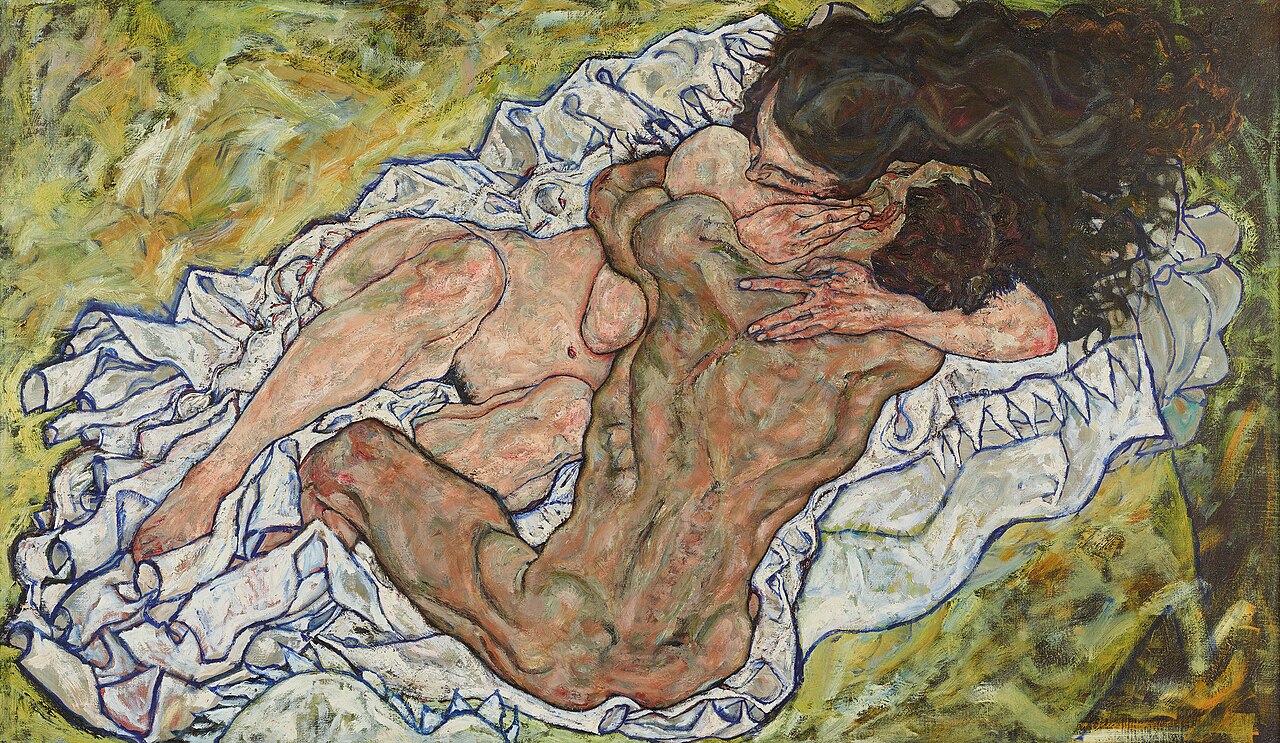
The Family
Egon Schiele · 1918
 Painting
Primary source
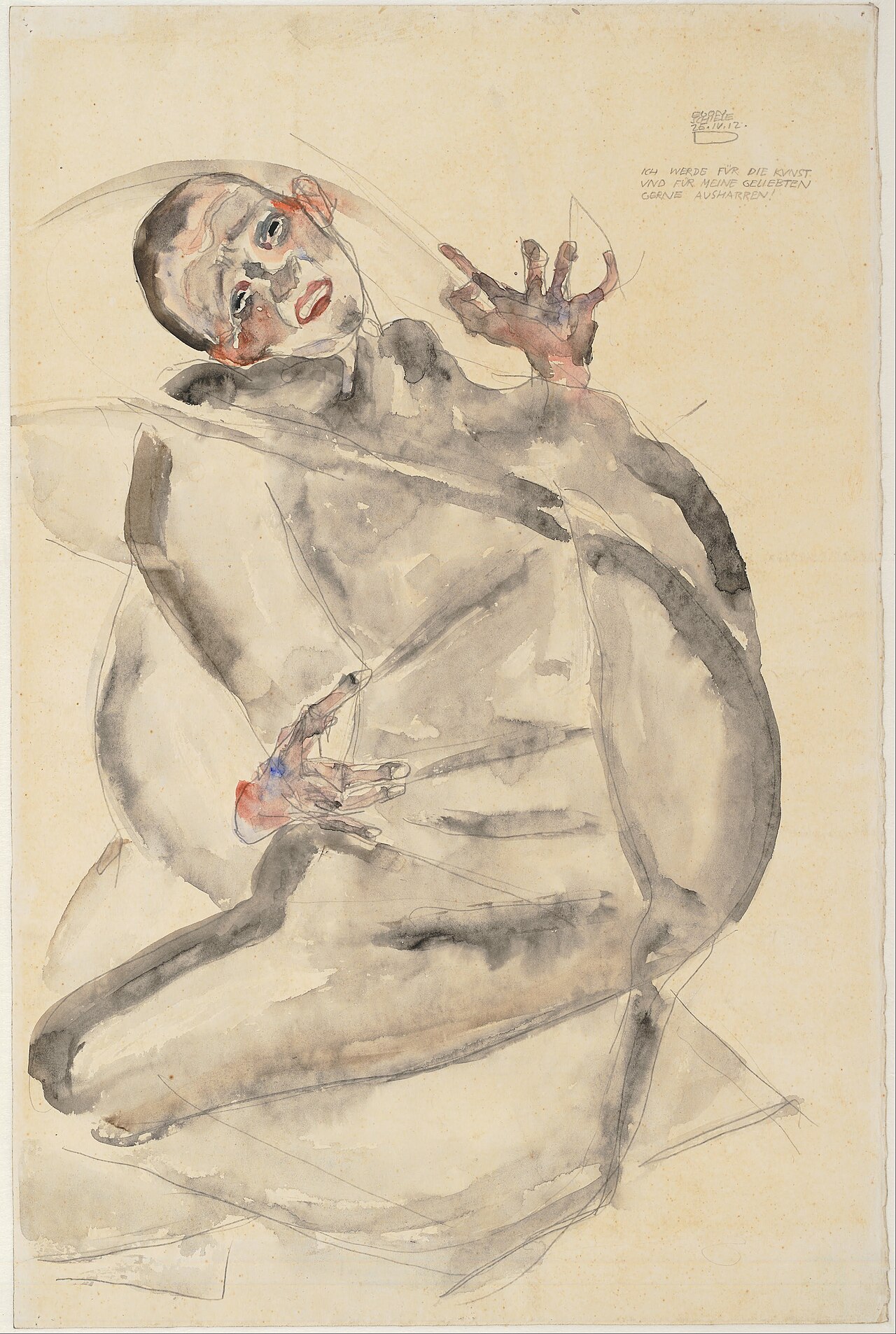
I Will Gladly Endure for Art and My Loved Ones
Egon Schiele · 1912
Free account
Read every Egon Schiele source
Sign up free →
Ready when you are
Start chatting with Egon Schiele now.
20 messages free · No credit card · Available in 50+ languages.