


Primary sourceDocument12 February 1912
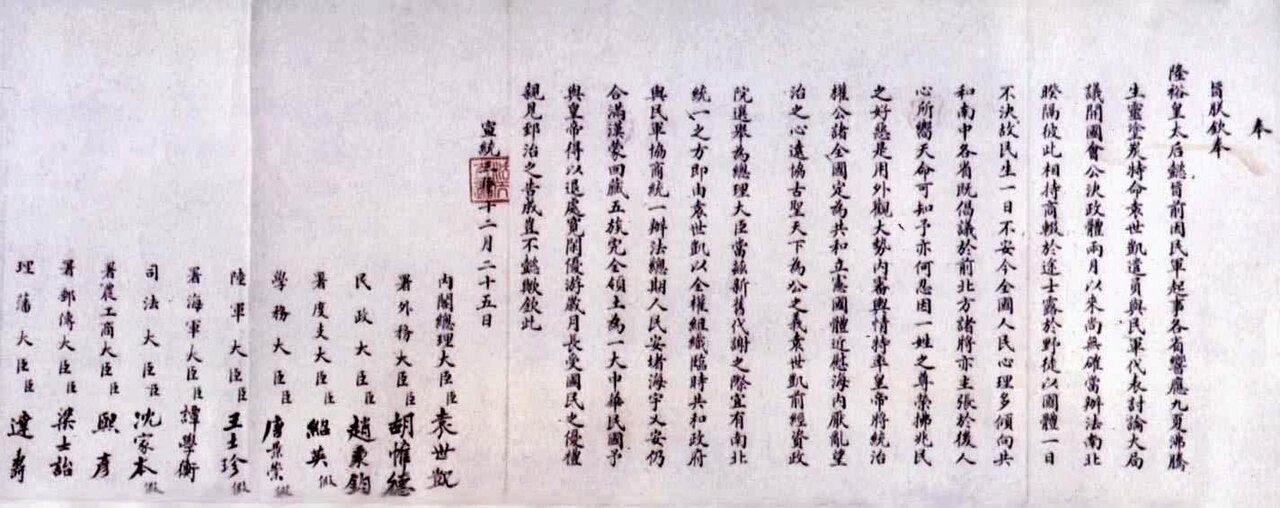
Imperial Edict of the Abdication of the Qing Emperor
Empress Dowager Longyu · 12 February 1912
The February 1912 edict ending Qing rule, negotiated through Yuan Shikai, which ended the dynasty Sun had fought and led to his ceding the presidency to Yuan.
This edict, the price of Sun's handing the presidency to Yuan Shikai, ended the dynasty Sun had fought for two decades.
Free Humy account · No credit card · 120,912 sources to read
About this source
What it is
This is the official decree issued by Empress Dowager Longyu on behalf of the child Xuantong Emperor on 12 February 1912, ending Qing dynasty rule. It is held by the National Museum of China.
Why it matters
The edict ended over two centuries of Qing rule and the era of Chinese imperial government entirely, transferring power to the new Republic of China. It was the outcome of negotiations led by Yuan Shikai, and for Sun Yat-sen it marked both the triumph of the revolution he had pursued for two decades and the price of that victory: he handed the presidency to Yuan Shikai as part of the settlement. The edict shows how a revolution's goals can be achieved through negotiation as much as through fighting.
Why it matters
Look closer
- Who actually drafted this edict, and what does that tell you about who held real power at the time?
- How does the language of the edict try to make the end of imperial rule seem natural or inevitable?
- What was Sun Yat-sen's role in the events that led to this document, even though he did not write it himself?
This document is part of the curated material that grounds the AI version of Sun Yat-sen, Puyi and Yuan Shikai on Humy.ai — when students ask about related events, the AI can quote it and cite it.
More Sun Yat-sen sources
Browse all 97 →Primary source
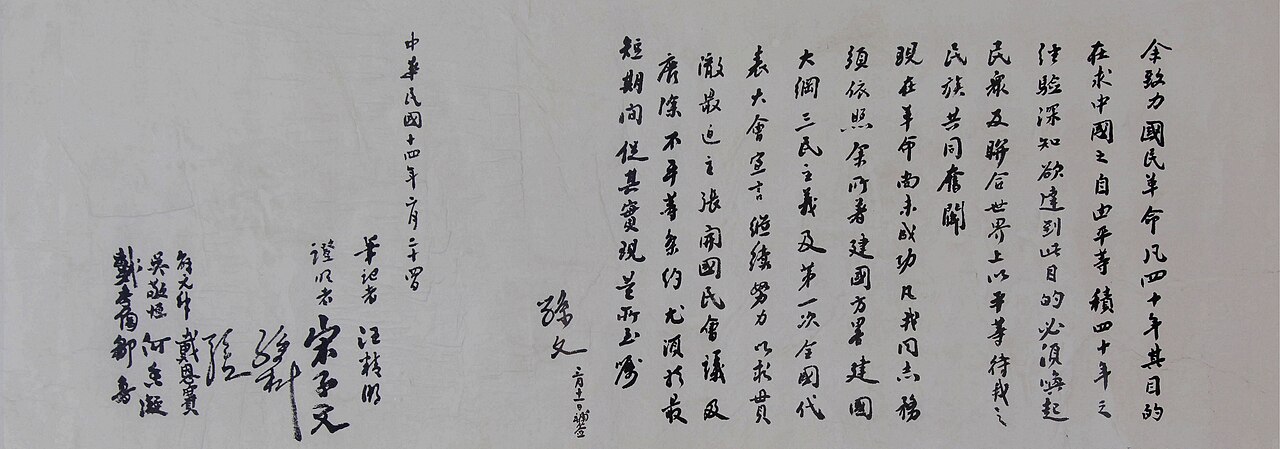
Three Principles of the People
Sun Yat-sen · 1924
 Document
Primary source
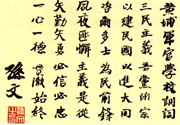
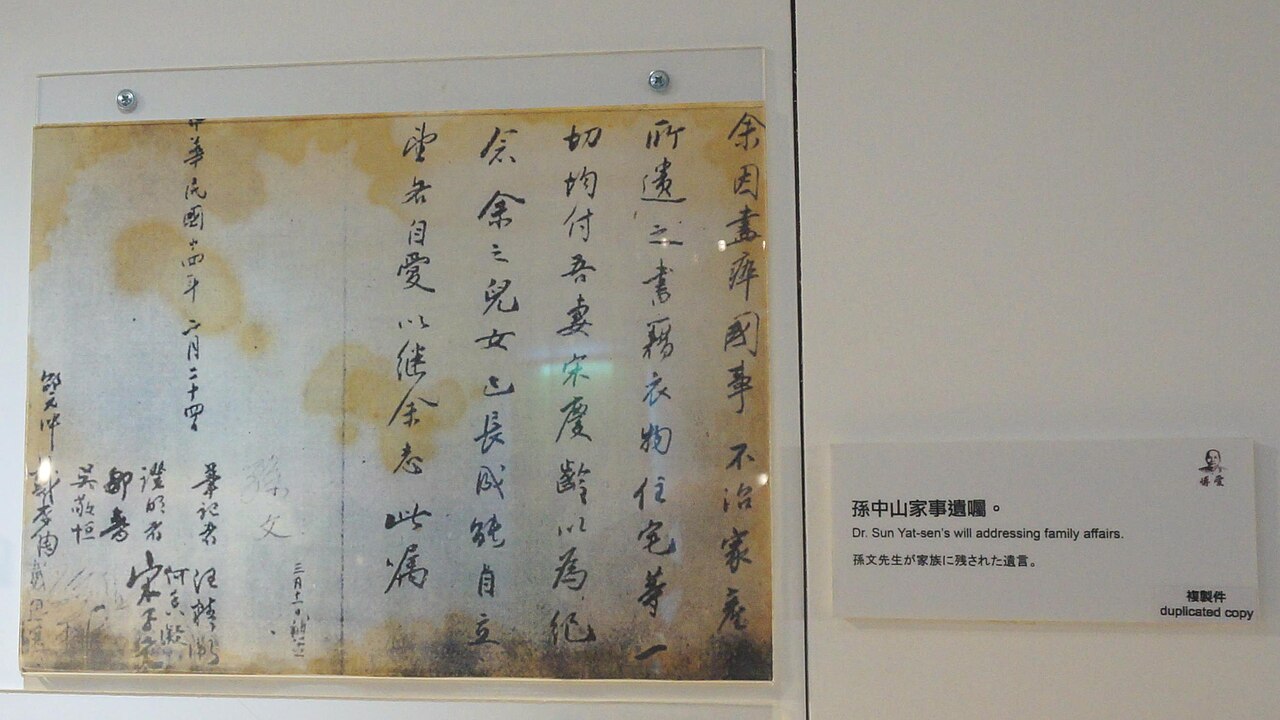
Last Will and Testament of Sun Yat-sen
Sun Yat-sen · 1925
 Document
Primary source
National Anthem of the Republic of China
Cheng Maoyun · 1928 (lyrics from 1924 speech)
 Photograph
Primary source
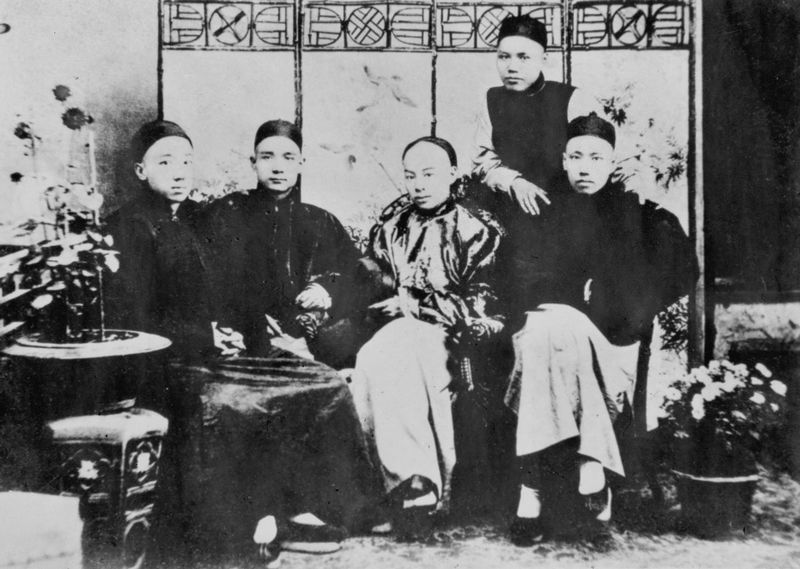
Photograph of the Four Bandits with Guan Jingliang
c. 1888
Free account
Read every Sun Yat-sen source
Sign up free →
Ready when you are
Start chatting with Sun Yat-sen now.
20 messages free · No credit card · Available in 50+ languages.