


Primary sourceArtifact1886
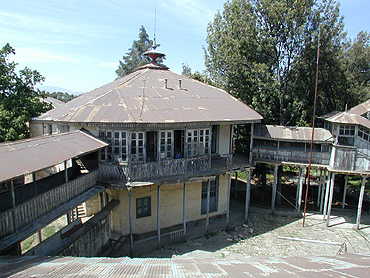
Imperial Palace, Addis Ababa
1886
The palace compound Menelik II built as the seat of his government in Addis Ababa, where he lived and died.
Menelik II commissioned this palace compound as his seat of government and lived and died there.
About this source
What it is
This is the palace compound, also called the Great Ghebbi, built in Addis Ababa, Ethiopia. It includes residences, halls, chapels and churches, and today houses offices of the Ethiopian Prime Minister.
Why it matters
Emperor Menelik II commissioned the compound as the seat of power for his new capital. It later held the tombs of Menelik, his wife Empress Taitu, and his daughter Empress Zewditu, and was reused by later governments, including as a prison during the Mengistu era. The site reflects the long history of Ethiopian imperial and state power.
Look closer
- Why might a ruler want a large palace complex in a new capital city?
- What does the later reuse of the palace by different governments tell you about power in Ethiopia?
- What is missing from a building that a written document might tell you?
This artifact is part of the curated material that grounds the AI version of Emperor Menelik II on Humy.ai — when students ask about related events, the AI can quote it and cite it.
More Emperor Menelik II sources
Meet the AI Emperor Menelik II →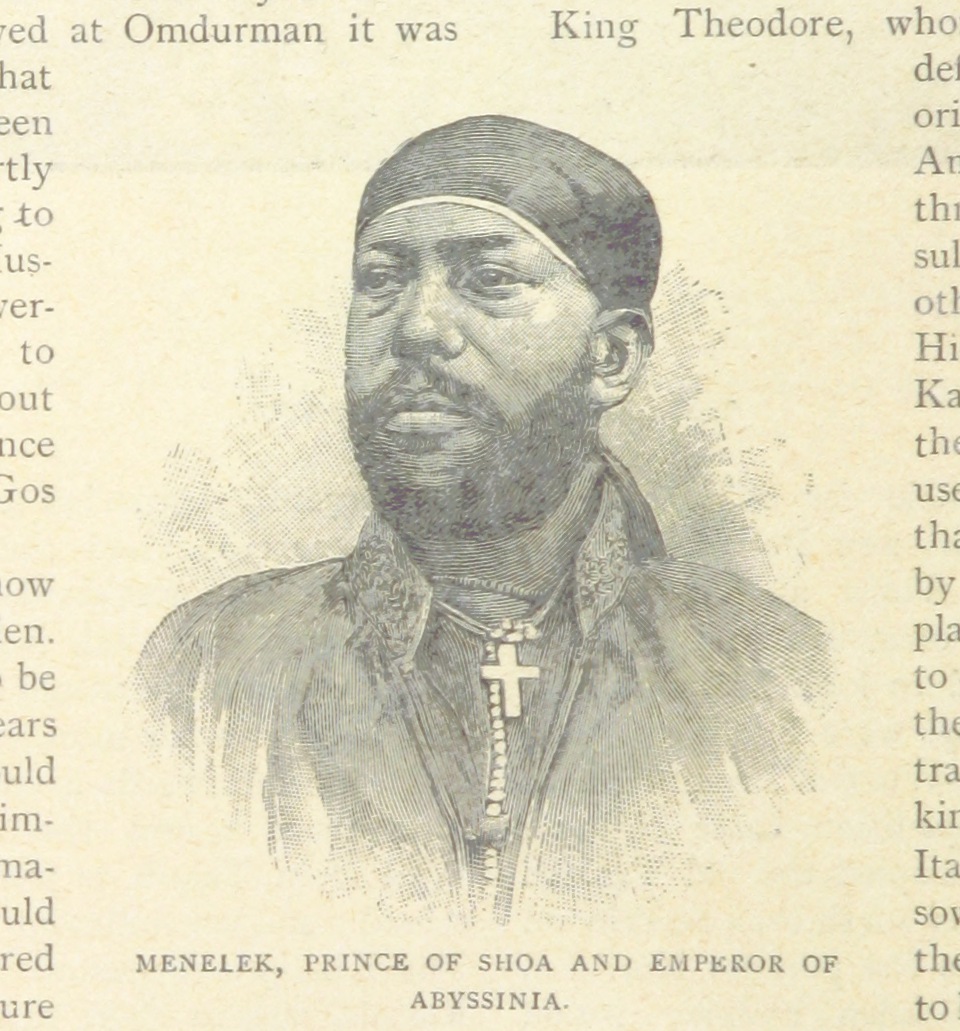 Painting
Primary source
Menelek II illustration from The Wars of the 'Nineties
1899
 Photograph
Primary source
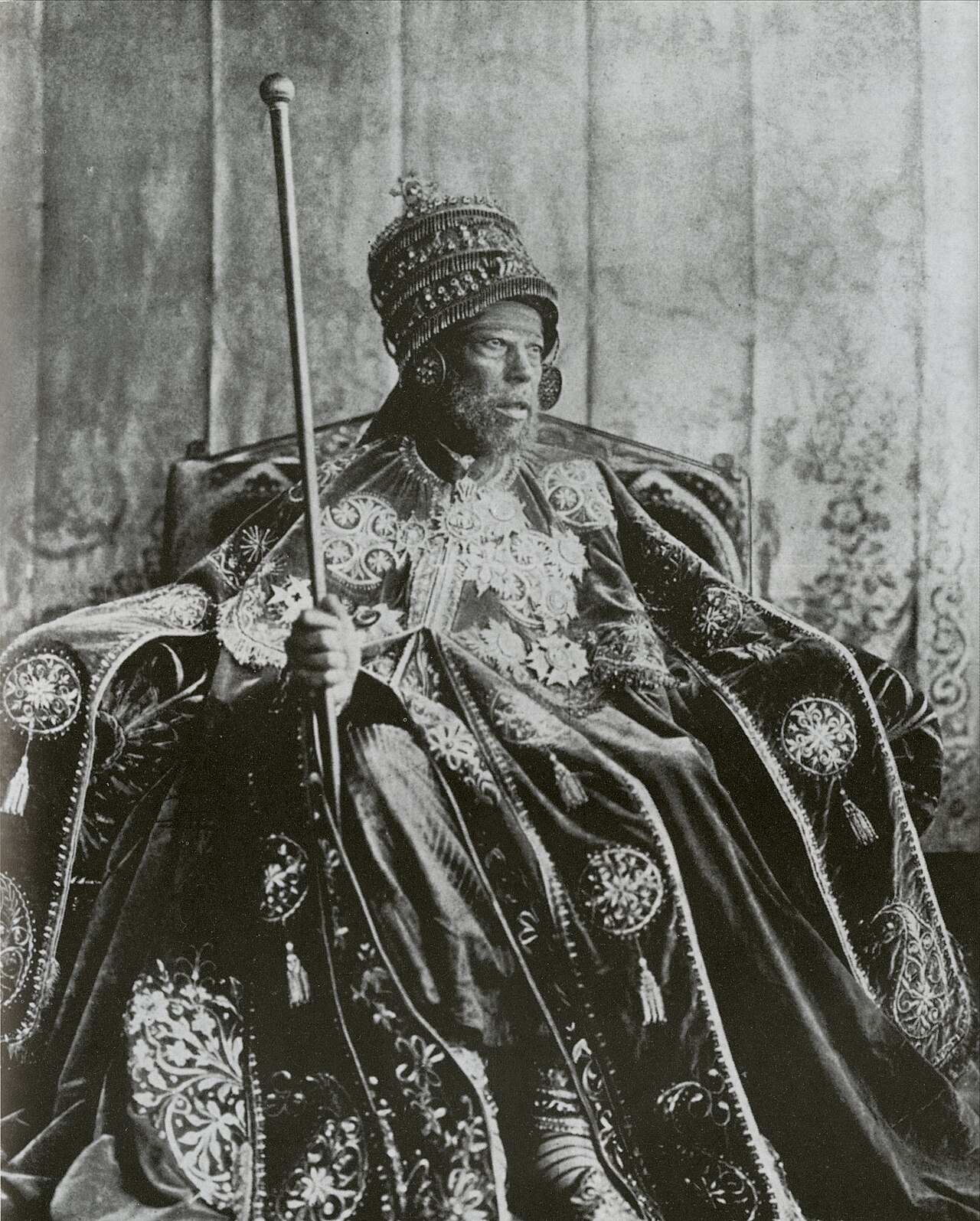
Menelik II in Coronation Garb
 Newspaper article
Primary source
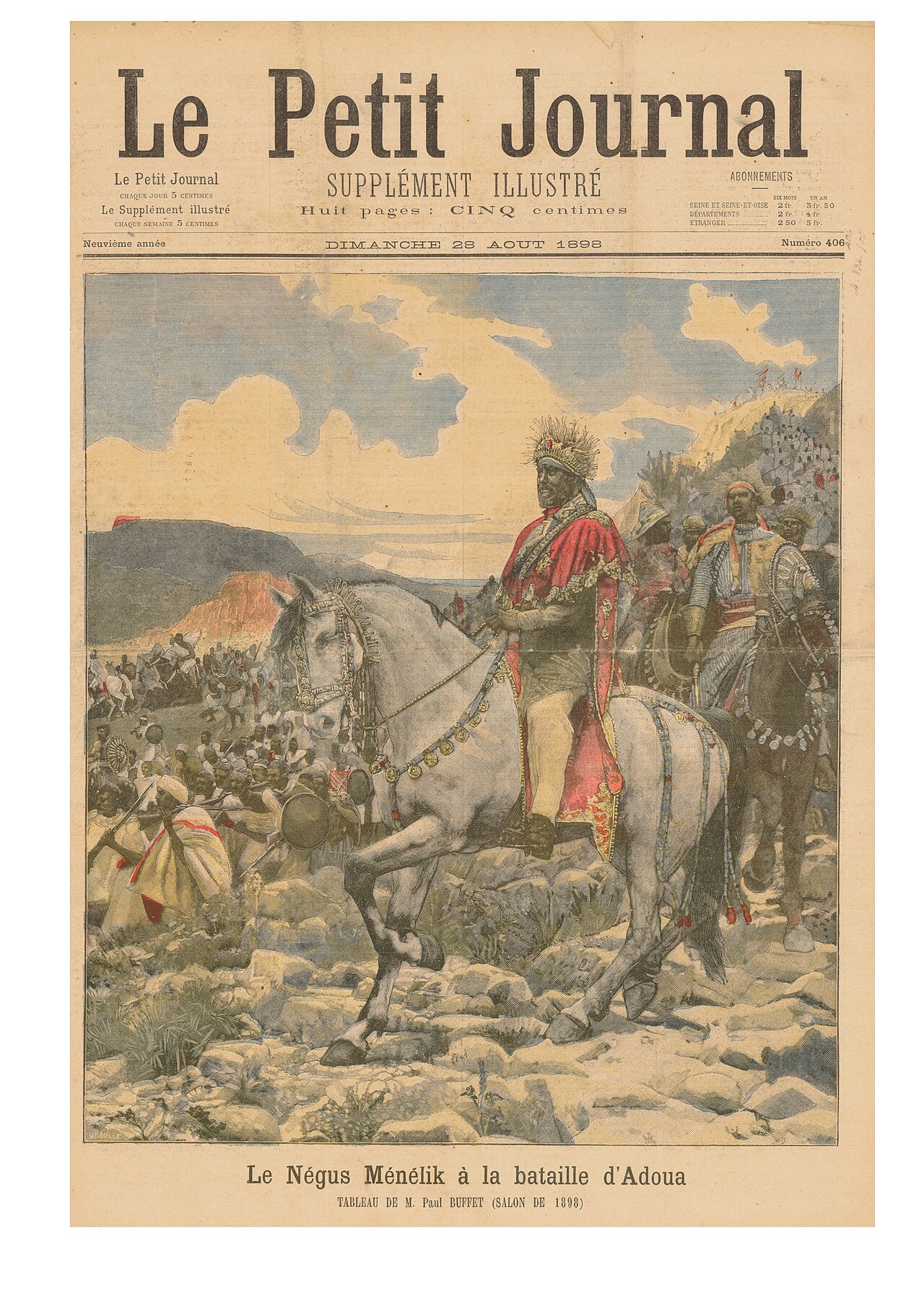
Menelik - Adoua
F. Méaulle · 28 August 1898
 Photograph
Primary source
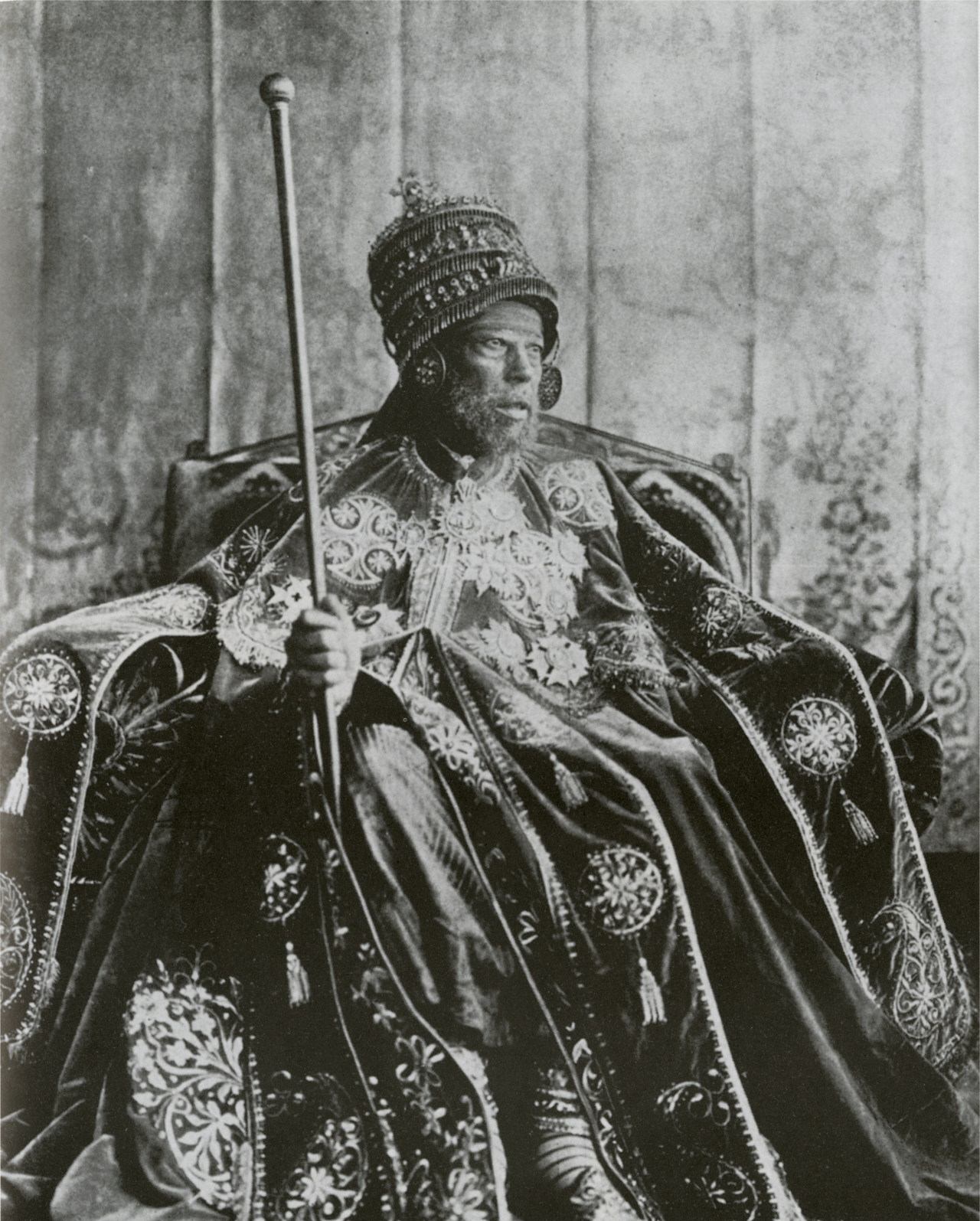
Emperor Menelik II Enthroned
 Photograph
Primary source
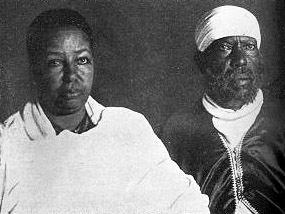
Menelik II and Empress Taytu Betul
Ready when you are
Start chatting with Emperor Menelik II now.
20 messages free · No credit card · Available in 50+ languages.