





Dr. Michael Calvert
Assistant Superintendent, South Allegheny School District, Pennsylvania
Been using Humy in his district since 2024
“We enjoyed the program last year and used it frequently.”

AI Historical Figure
Ethiopian emperor known for modernizing the country and leading the successful resistance against Italian colonization.
Chat with Emperor Menelik II via text or voice — in 42 languages, drawing on a curated biography and 75 historical sources. Available 24/7.

Emperor Menelik II
Online · responds in seconds
Hello — I'm Emperor Menelik II. Ethiopian emperor known for modernizing the country and leading the successful resistance against Italian colonization. What would you like to ask me?
20 messages free · No credit card · Powered by Humy.ai
Live preview · Switch between 42 languages above · Send a message to continue in the app
Multilingual
Ask Emperor Menelik II questions in any language below, and the rest of Humy's app speaks it too. Pick yours to open the chat in that language.
Also in German (Austria), German (Switzerland), English (UK), English (Australia), English (Canada).
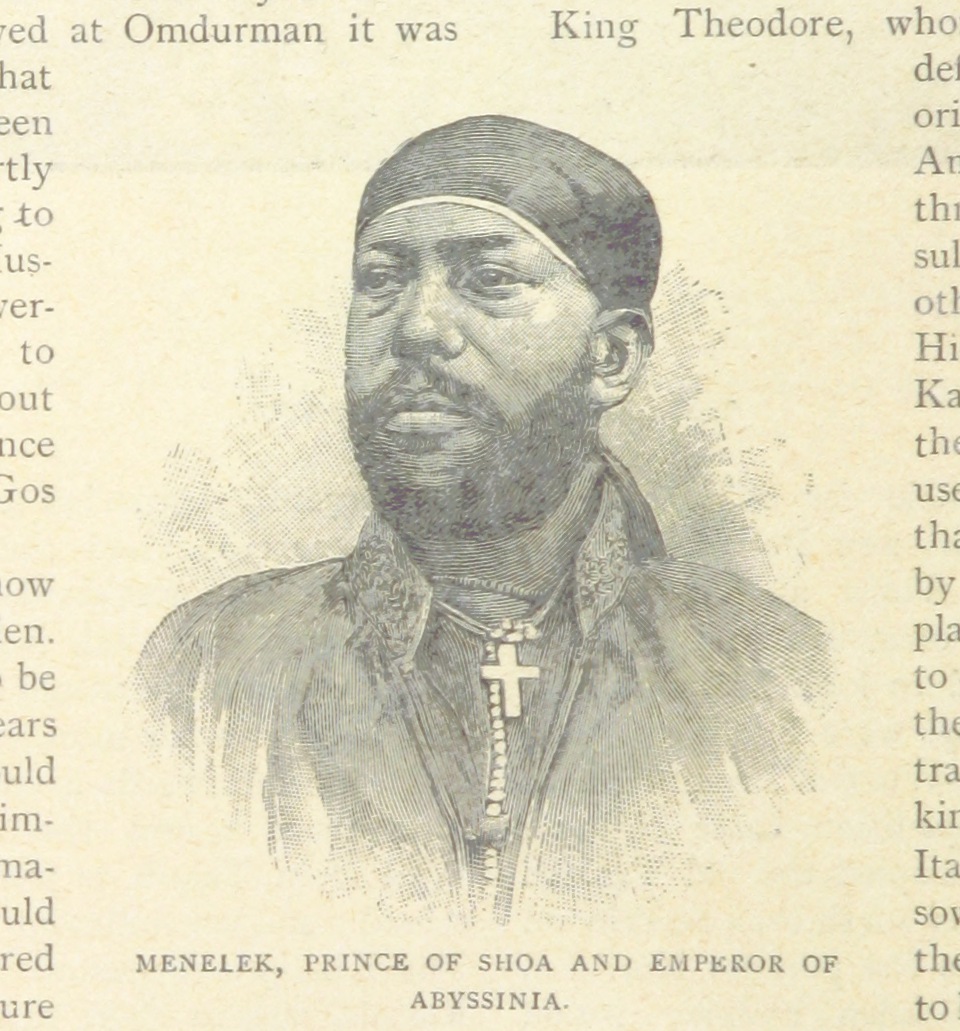
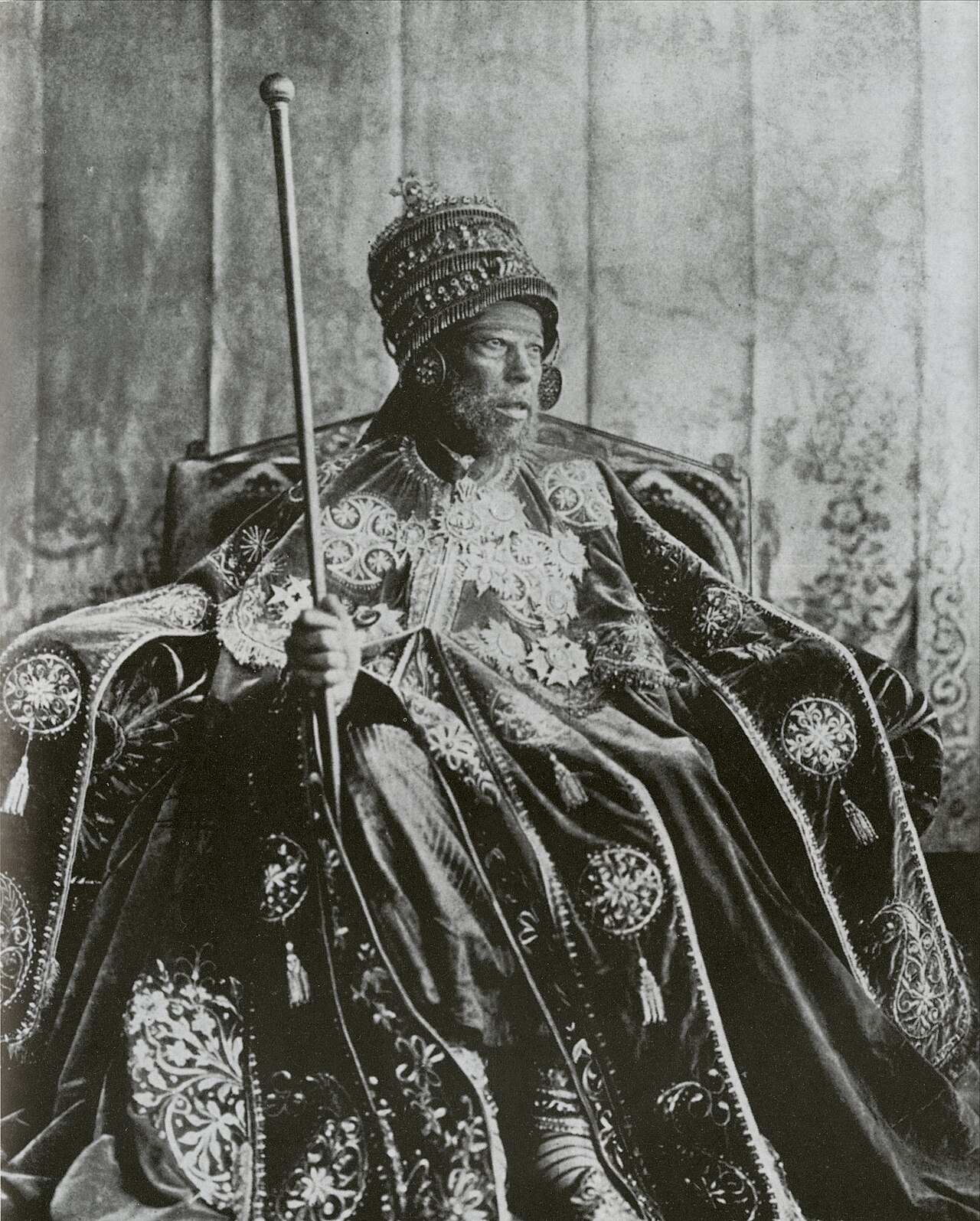
75 sources · 28 photographs · 16 paintings · 14 artifacts · 7 newspaper articles · 5 documents · 3 books · 1 sculpture · 1 letter
Emperor Menelik II doesn’t improvise from thin air. The AI is grounded in 75 curated historical sources students can inspect. Open any of them to see what informs the conversation.
 Painting
Primary source
1899
 Photograph
Primary source
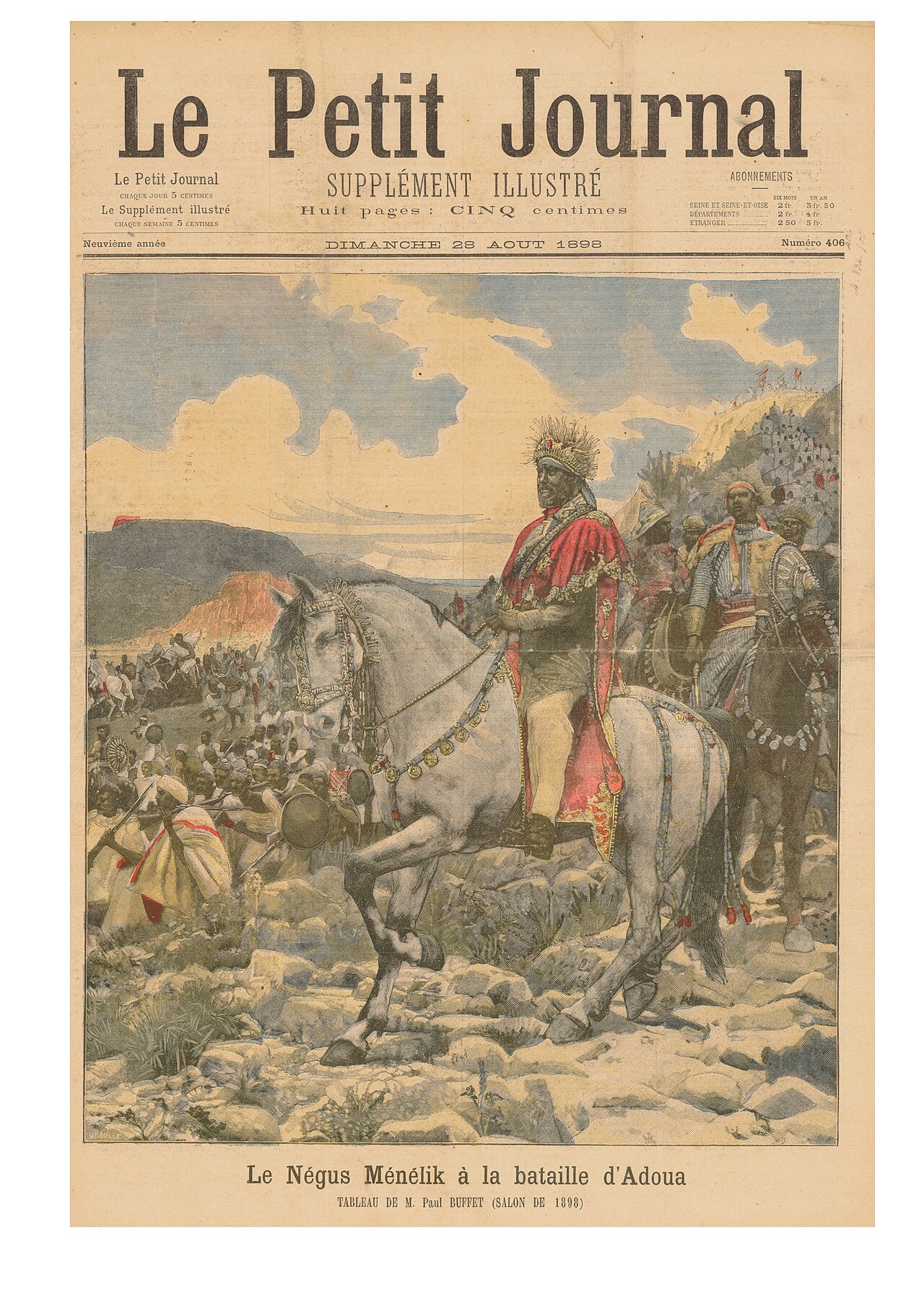 Newspaper article
Primary source
F. Méaulle · 28 August 1898
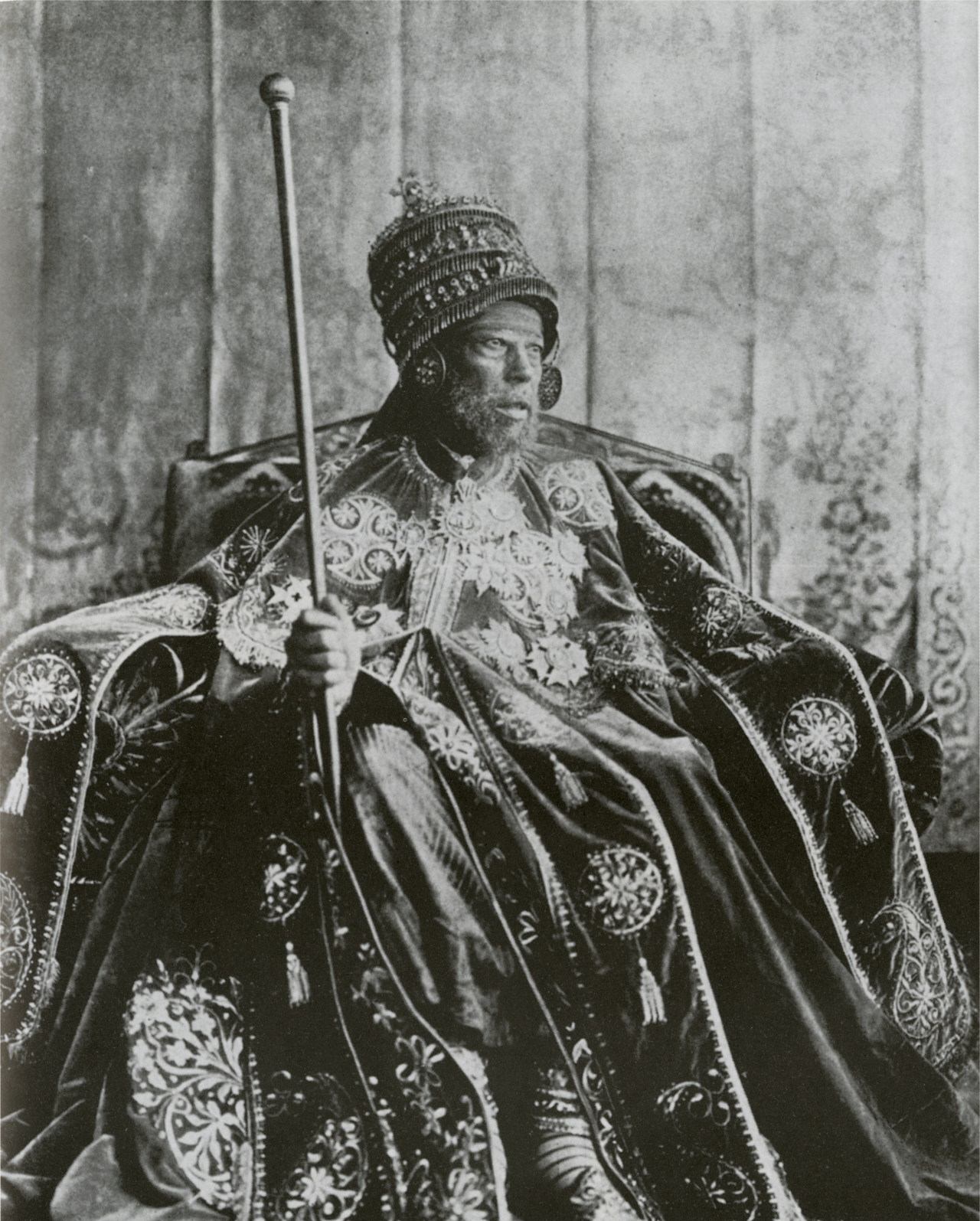 Photograph
Primary source
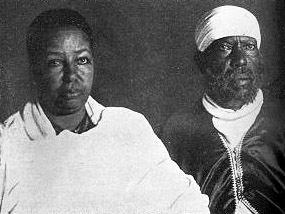 Photograph
Primary source
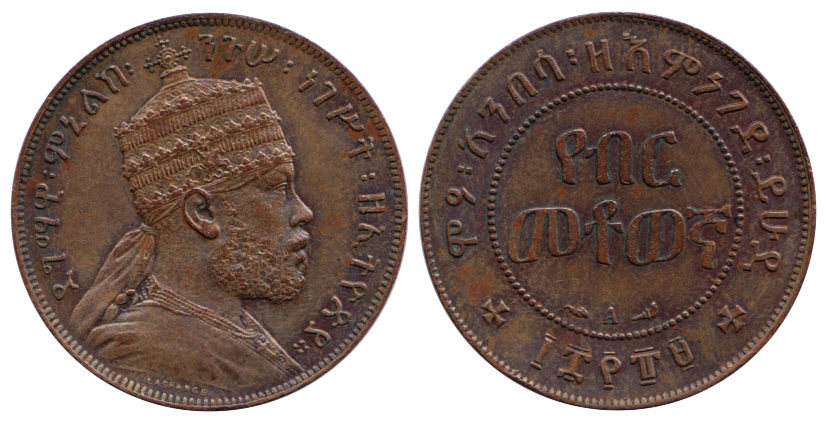 Artifact
Primary source
Jean Lagrange · 1897 (1889 Ethiopian calendar)
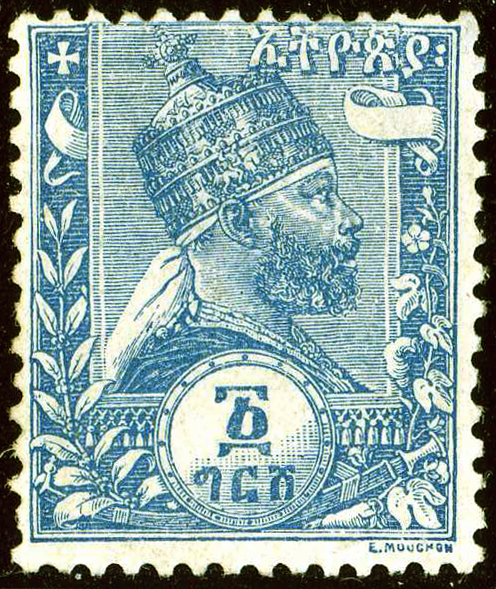 Artifact
Primary source
Louis-Eugène Mouchon · 1894
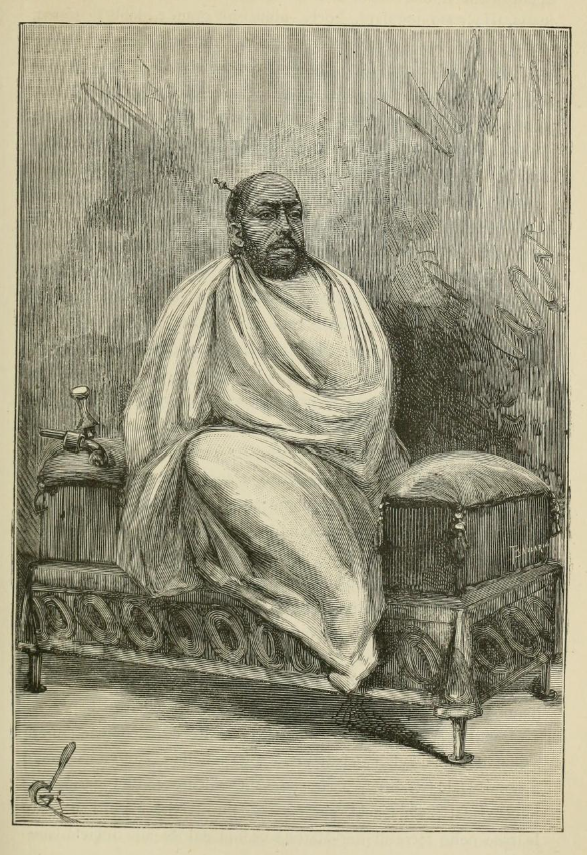 Painting
Primary source
Unattributed · 1877
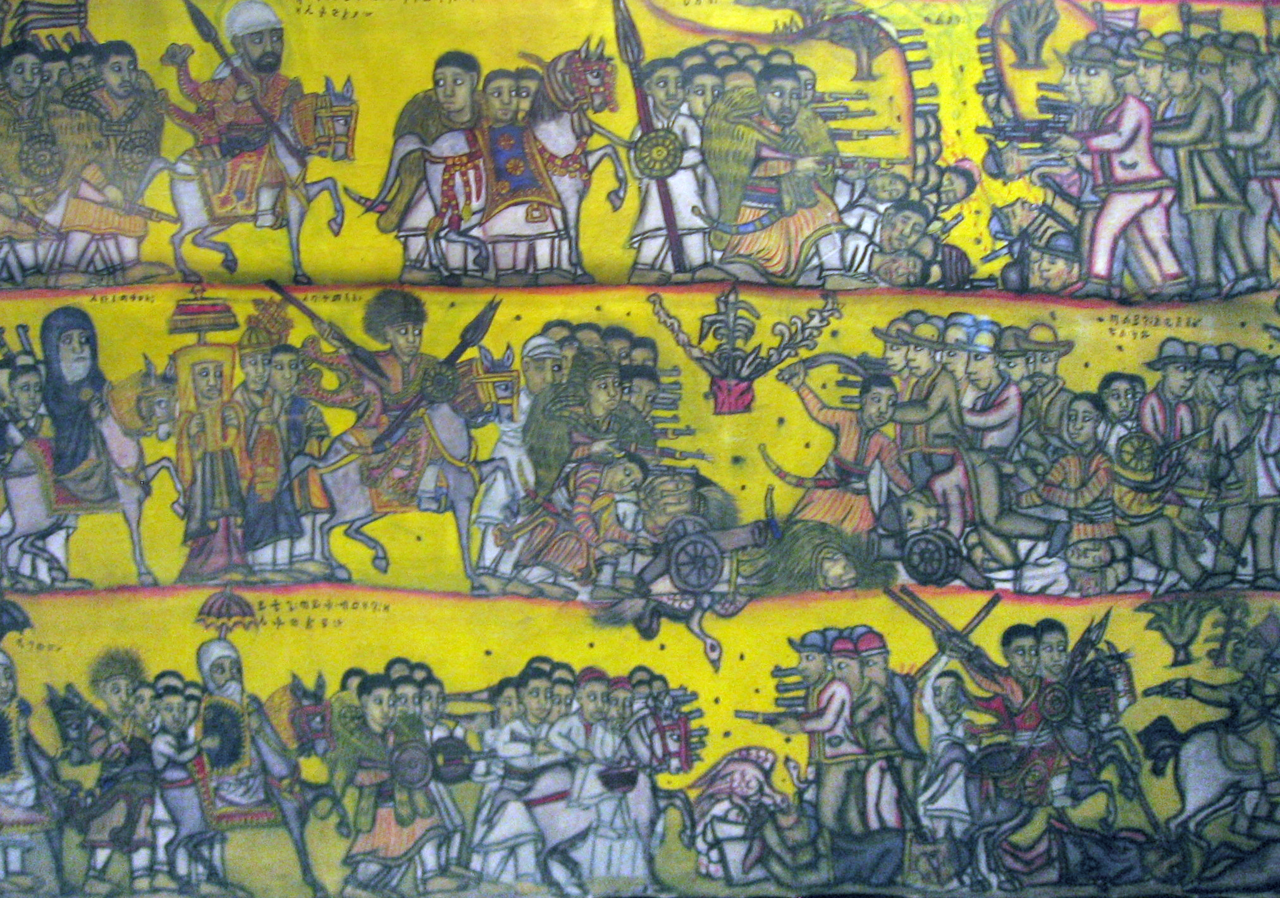 Painting
Secondary source
Joshua Sherurcij
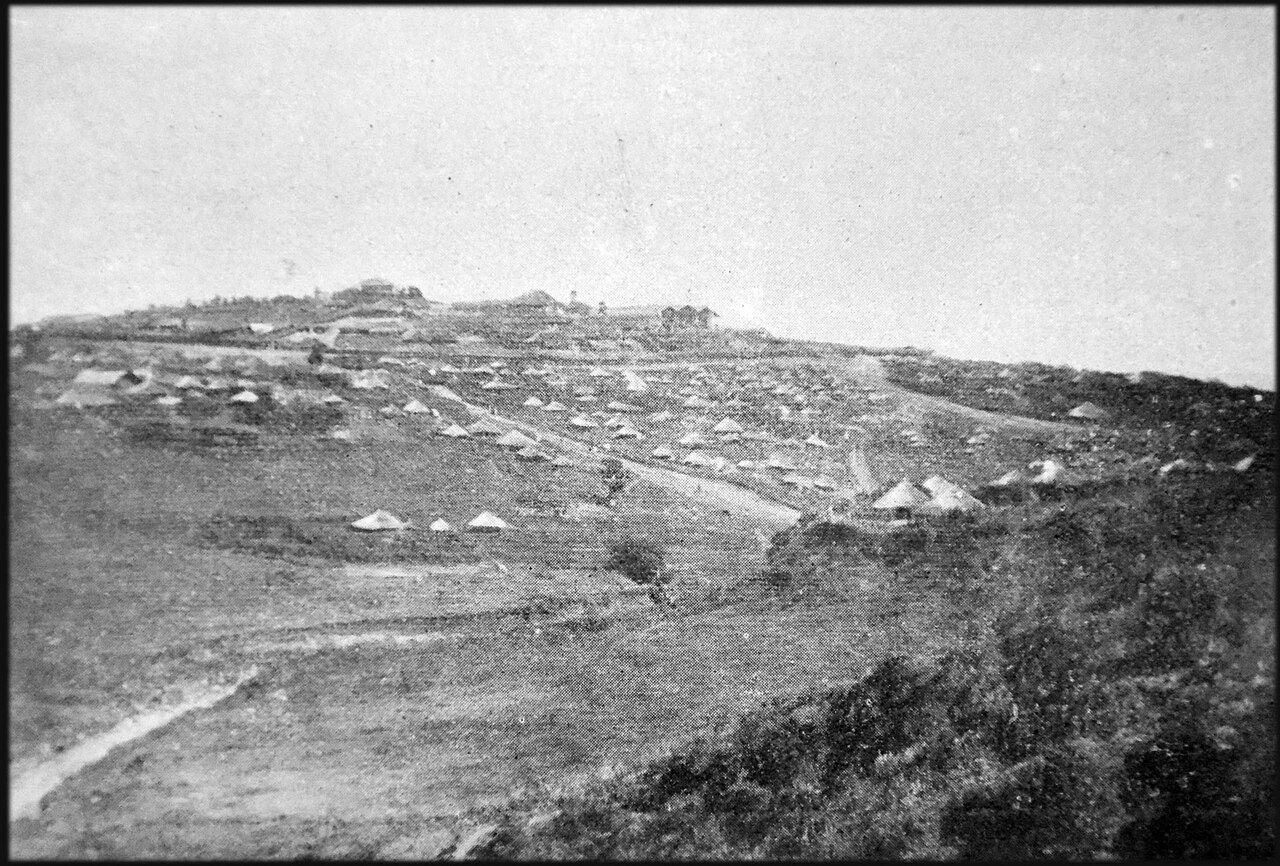 Photograph
Primary source
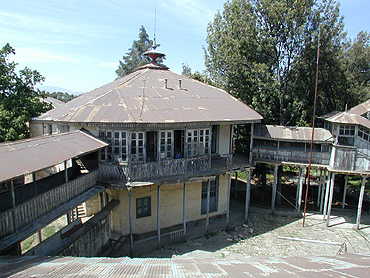 Artifact
Primary source
1886
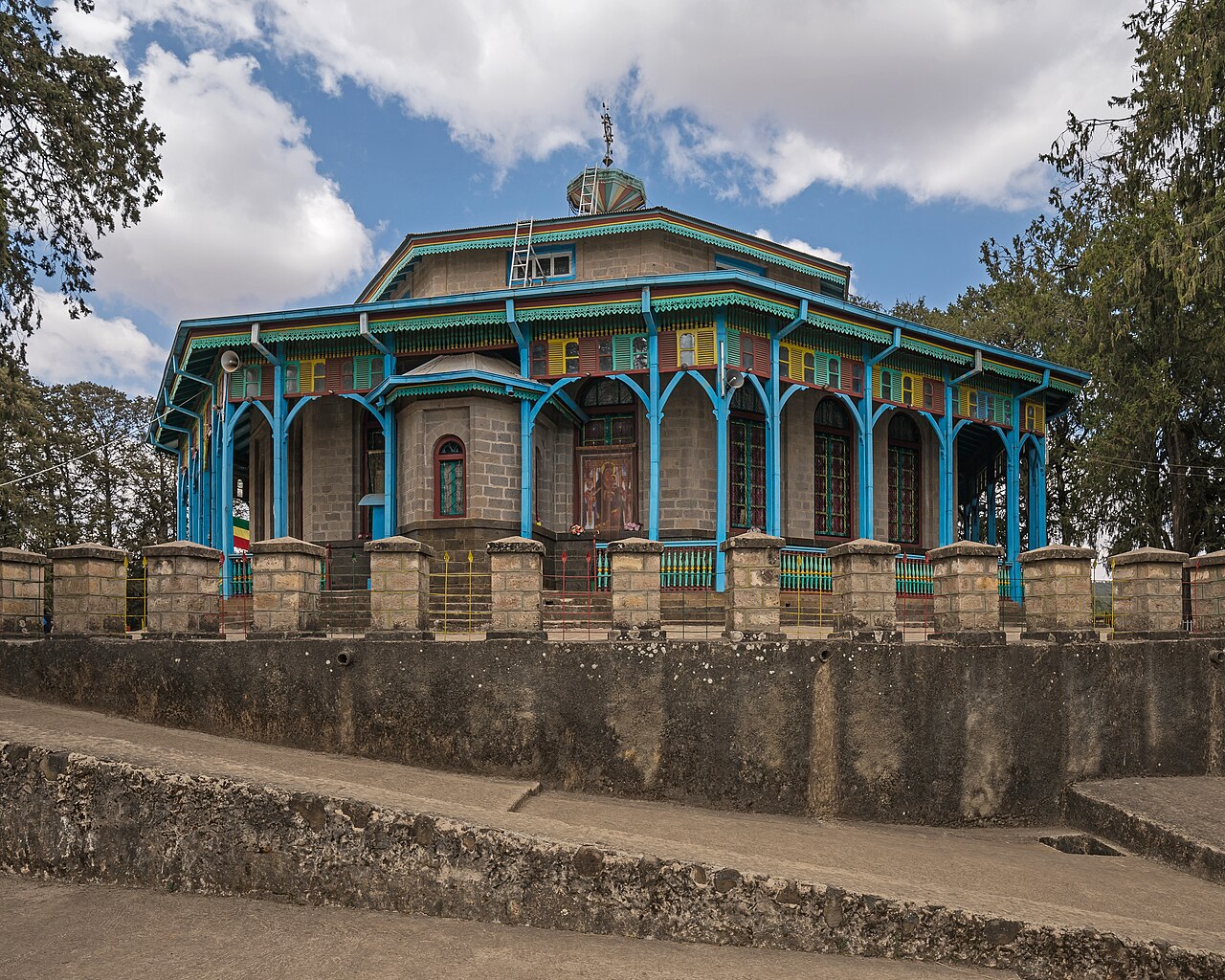 Artifact
Primary source
1877
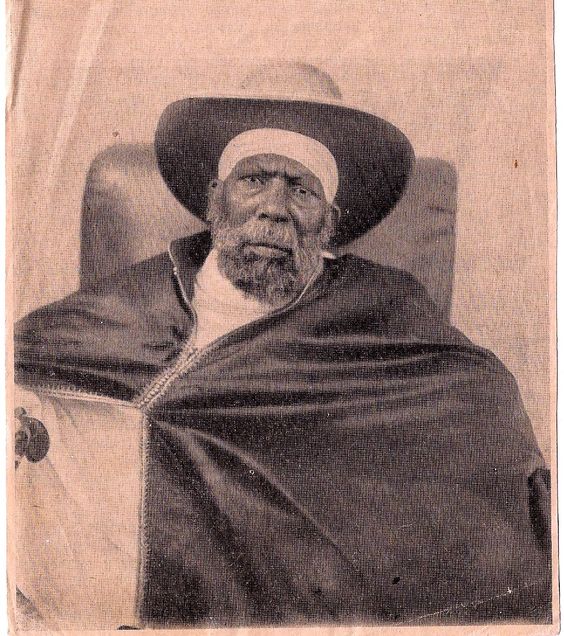 Photograph
Primary source
Unknown
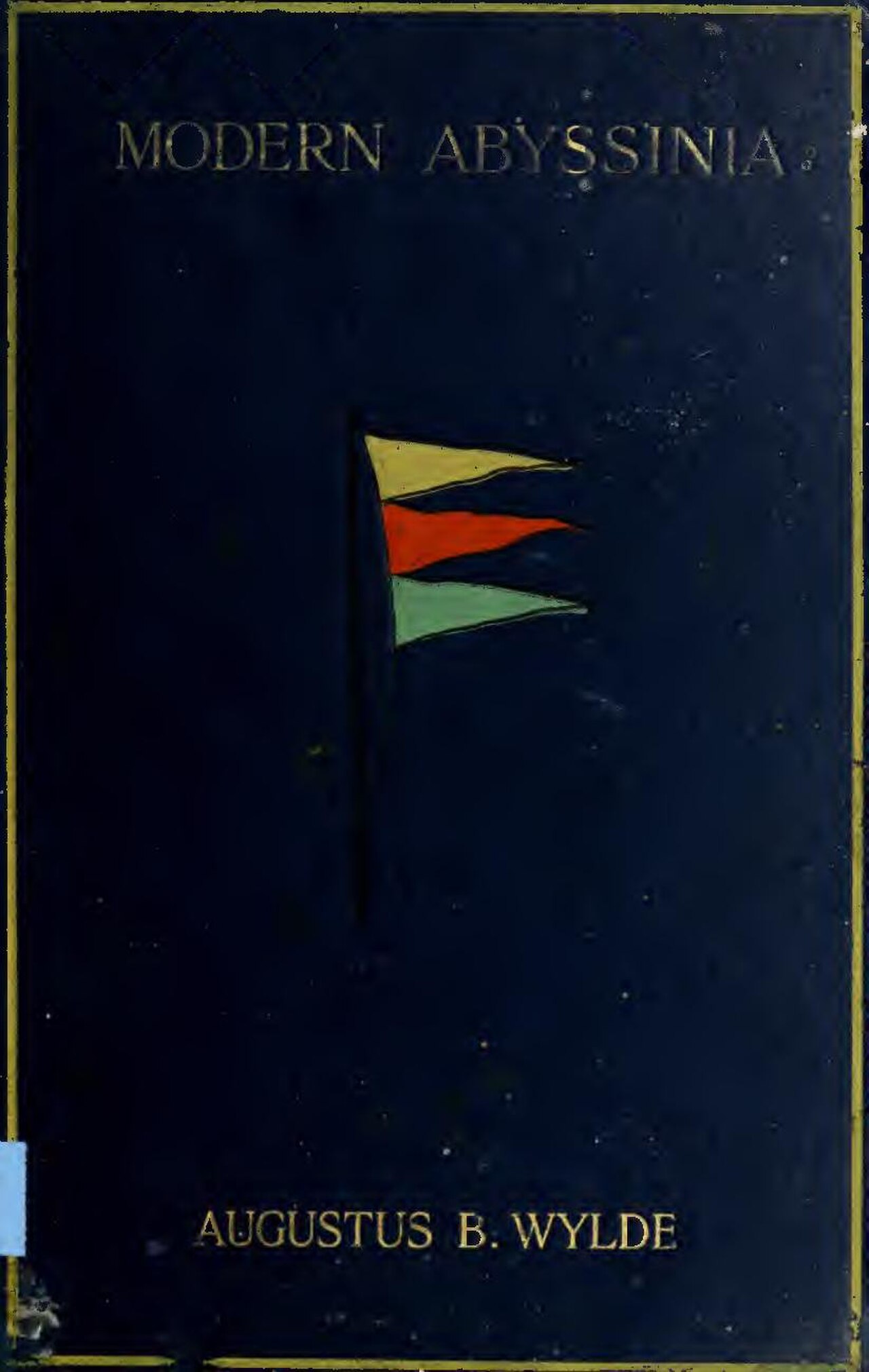 Book
Secondary source
Augustus B. Wylde · 1901
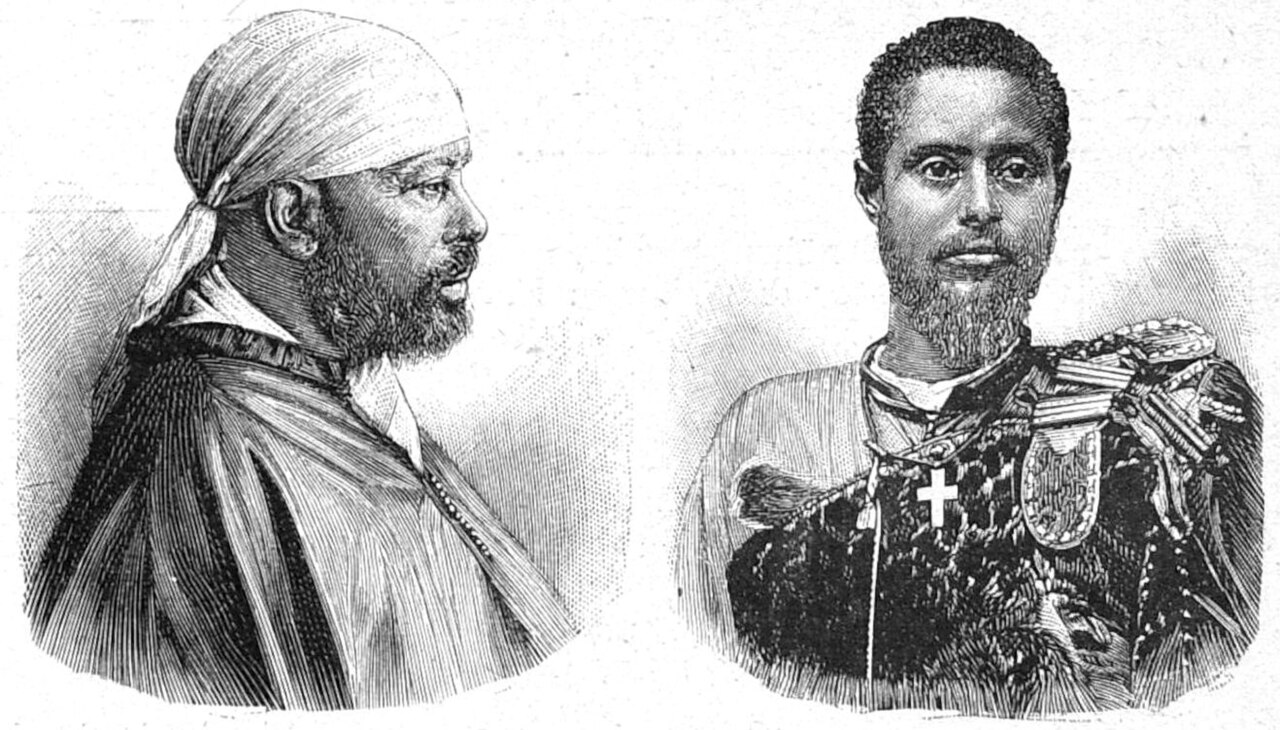 Painting
Secondary source
various · 1896
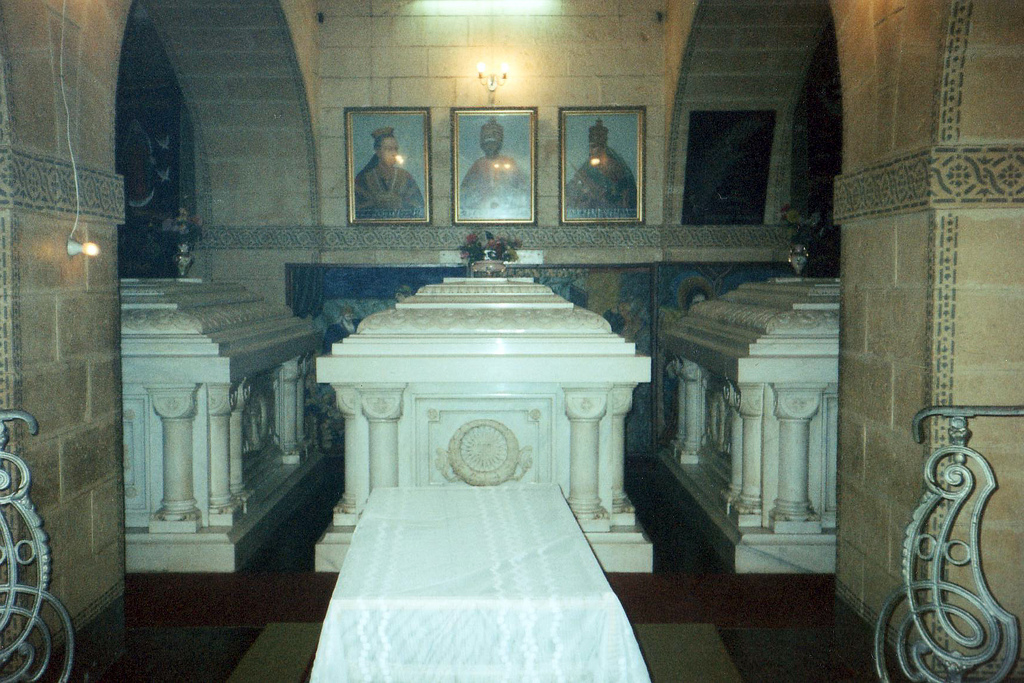 Artifact
Secondary source
1917
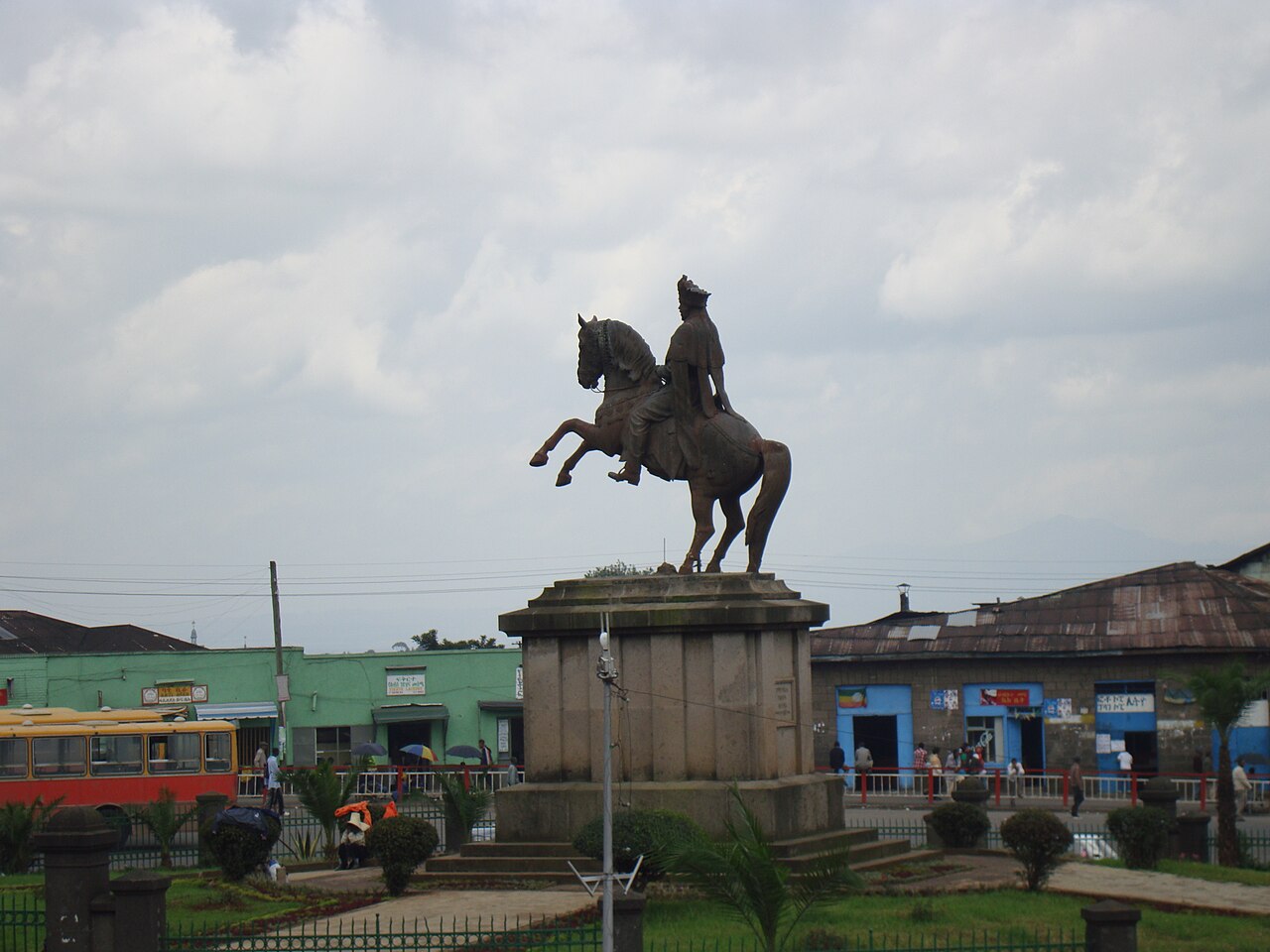 Sculpture
Secondary source
1930
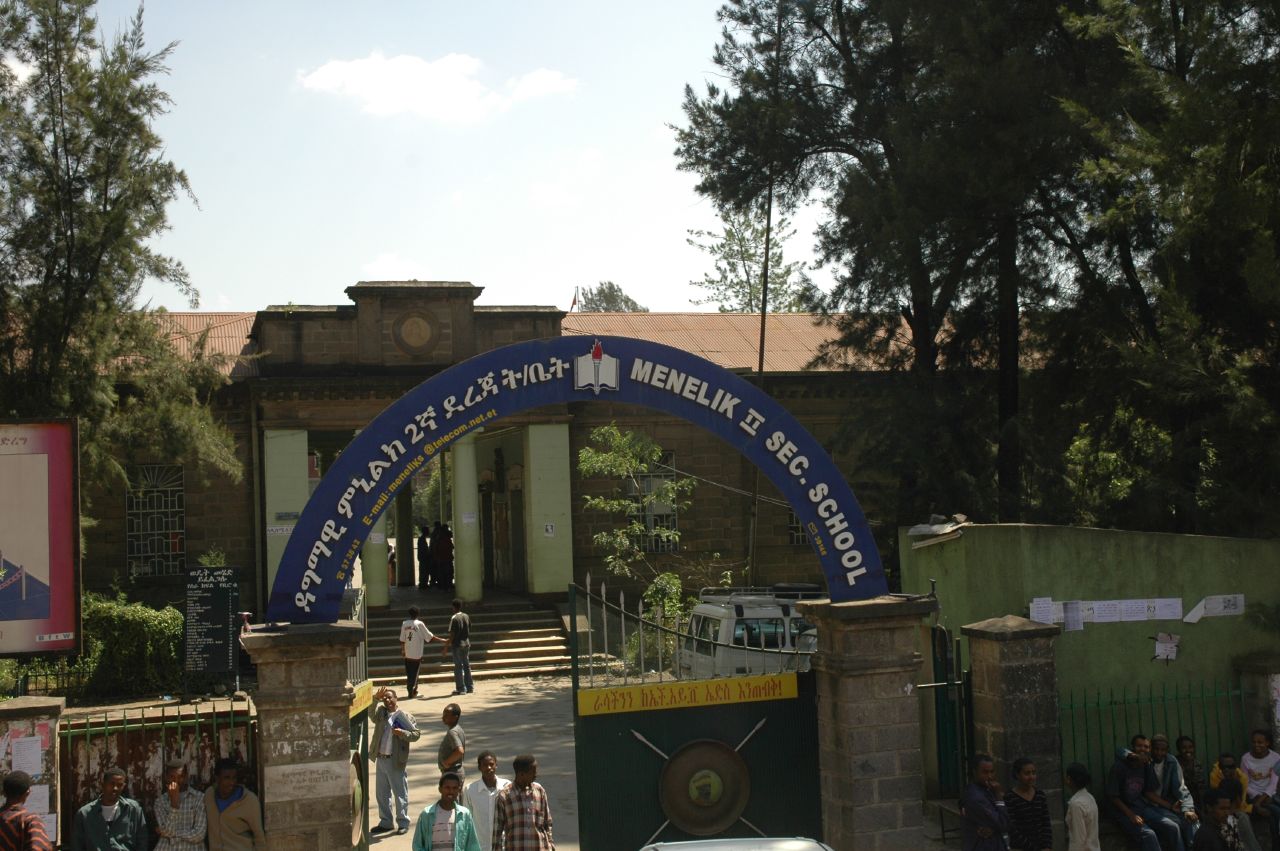 Artifact
Secondary source
Menelik II · 1908
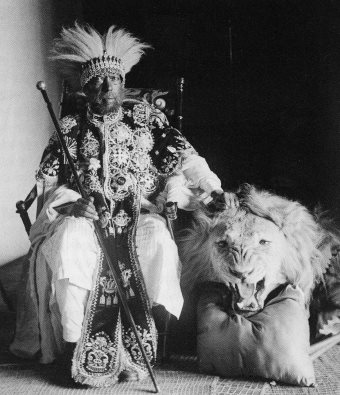 Photograph
Primary source
Unknown
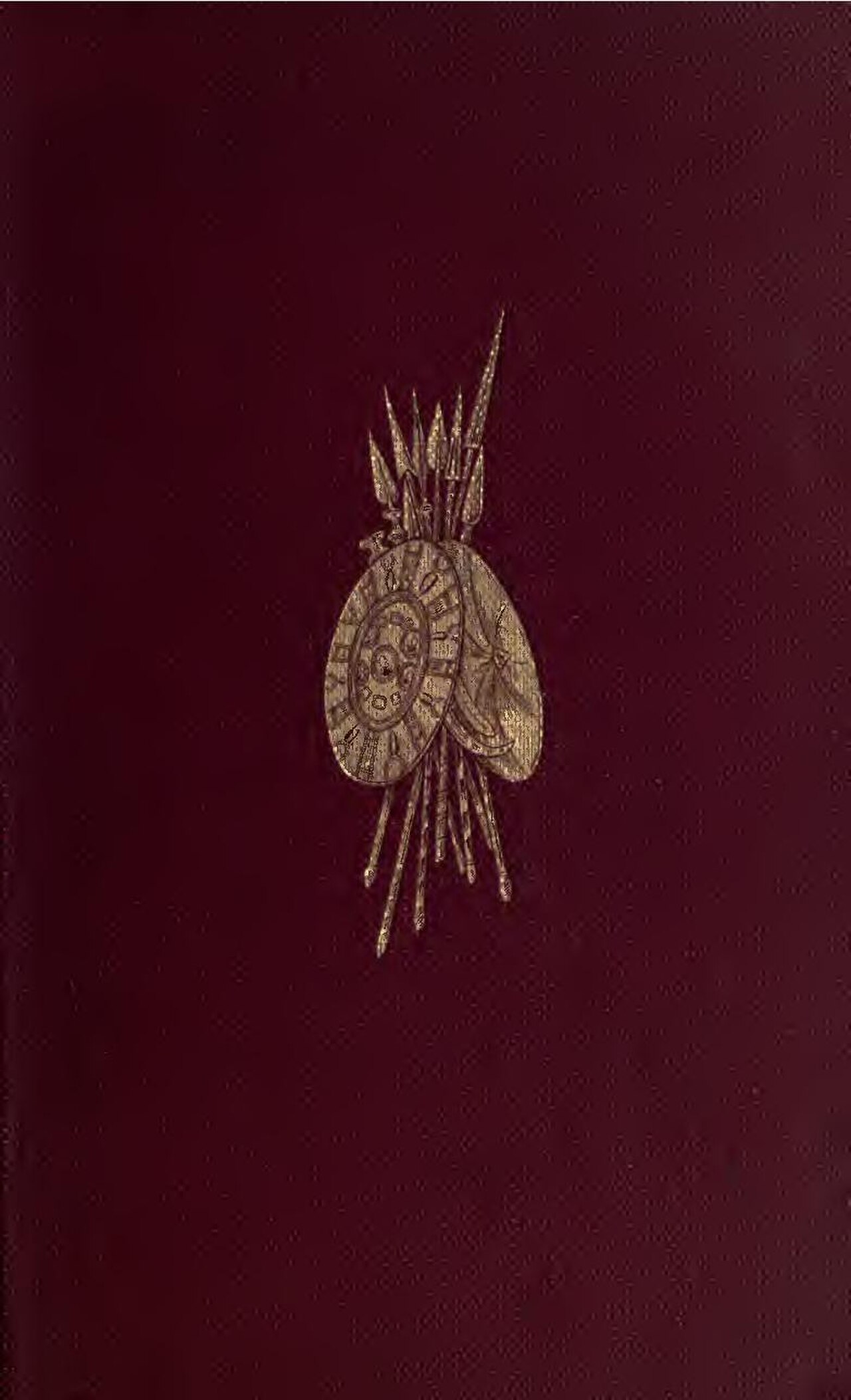 Book
Primary source
Robert P. Skinner · 1906
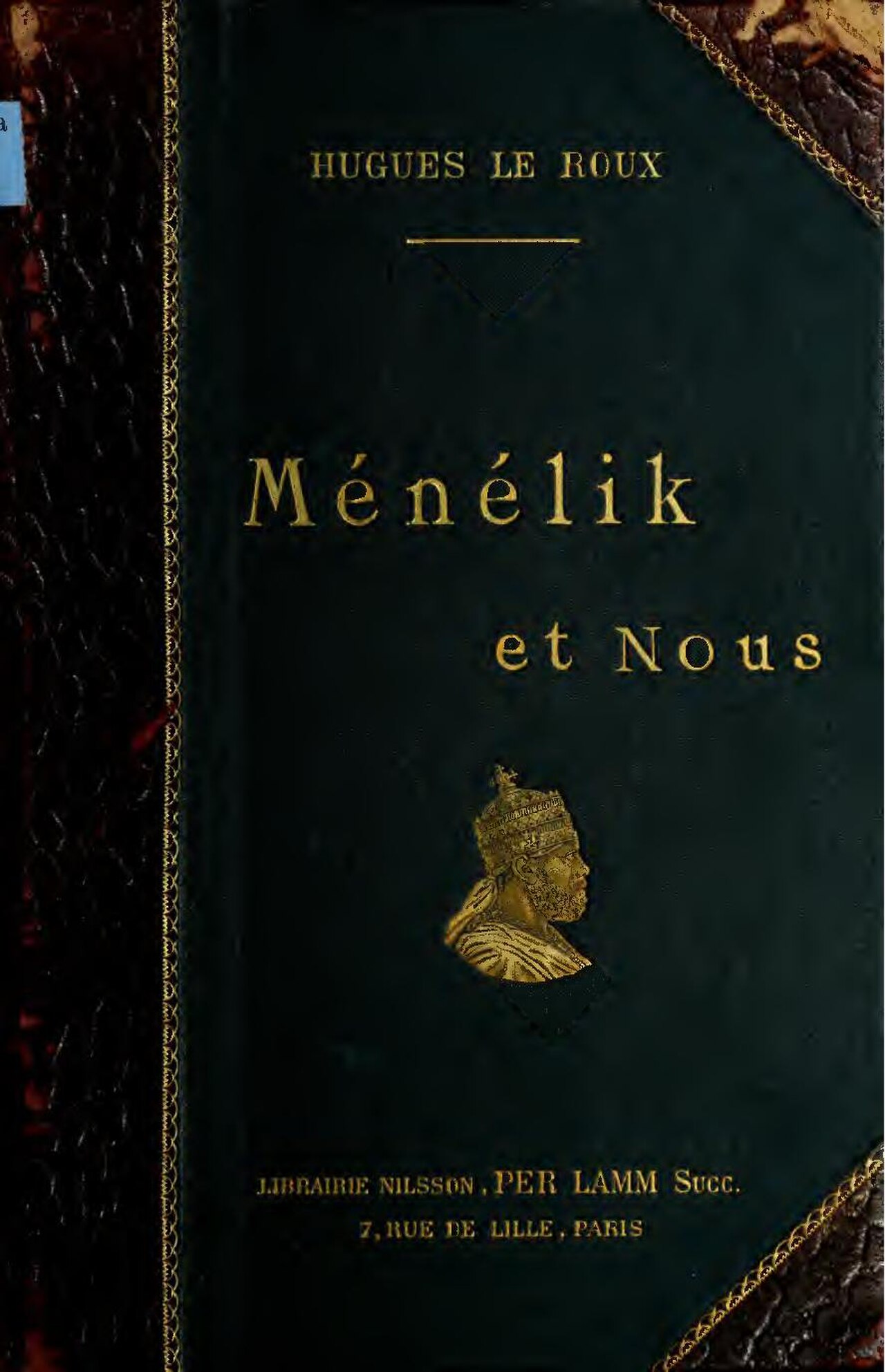 Book
Primary source
Hugues Le Roux · 1901
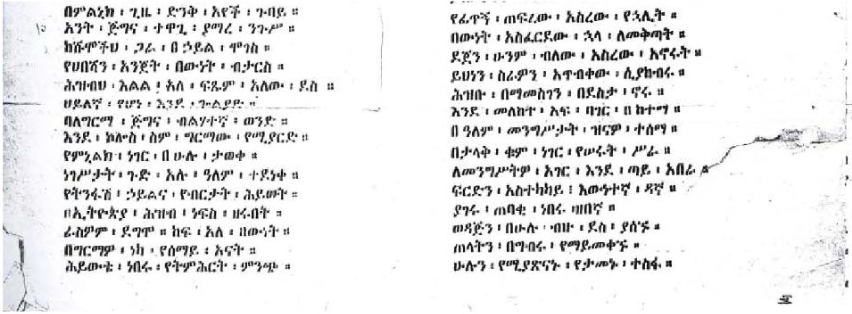 Newspaper article
Secondary source
Turtlewong
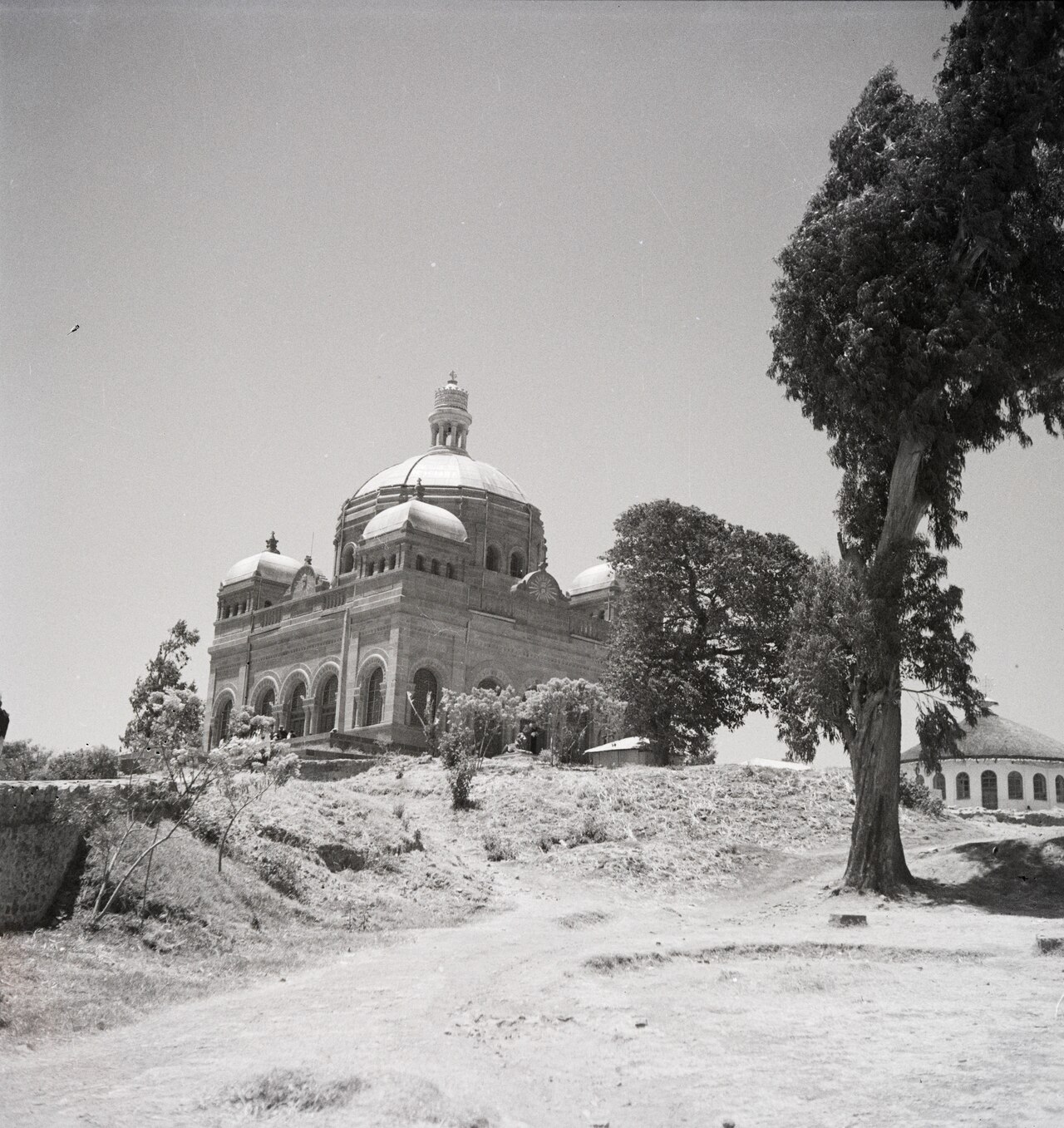 Photograph
Secondary source
Walter Mittelholzer · 1934
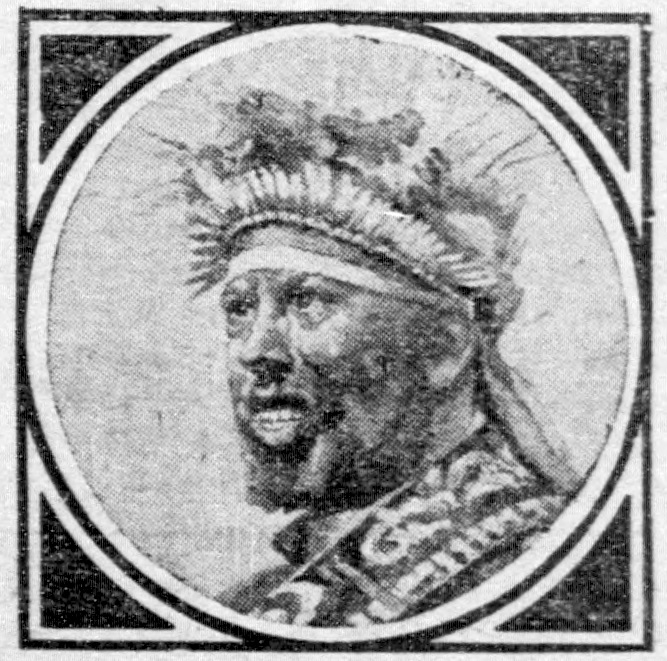 Newspaper article
Primary source
The Minneapolis Journal · 27 April 1901
 Newspaper article
Primary source
The Somerset Herald · 18 December 1878
 Newspaper article
Primary source
The Morning News (Savannah, Ga.) · 14 August 1898
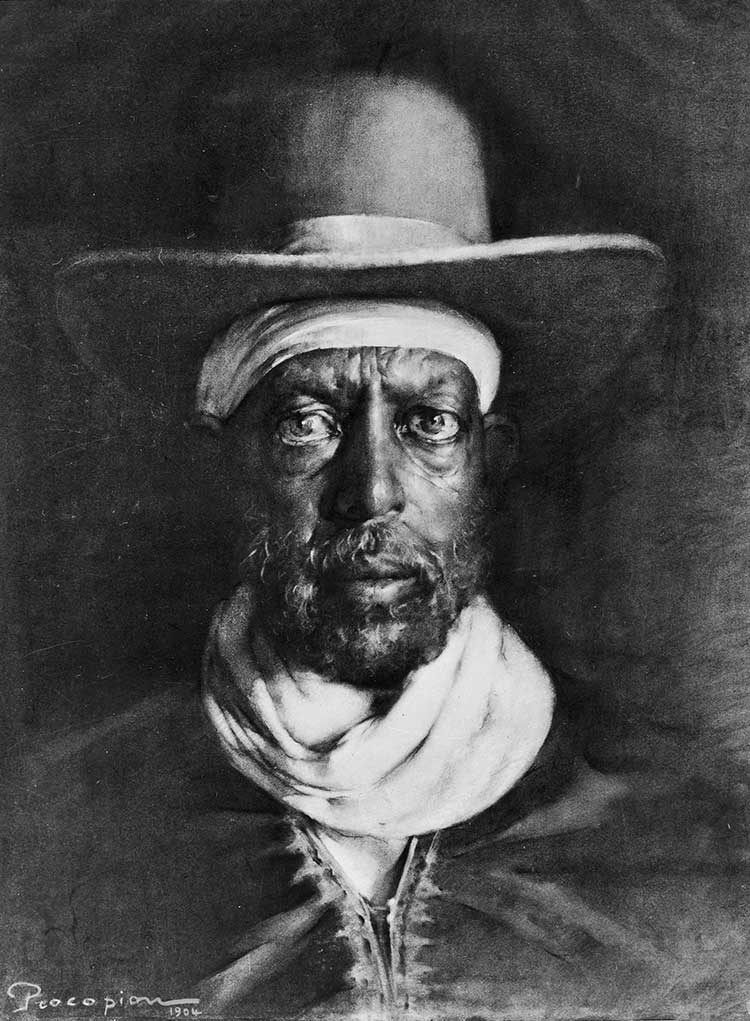 Painting
Secondary source
George Prokopiou · 1904
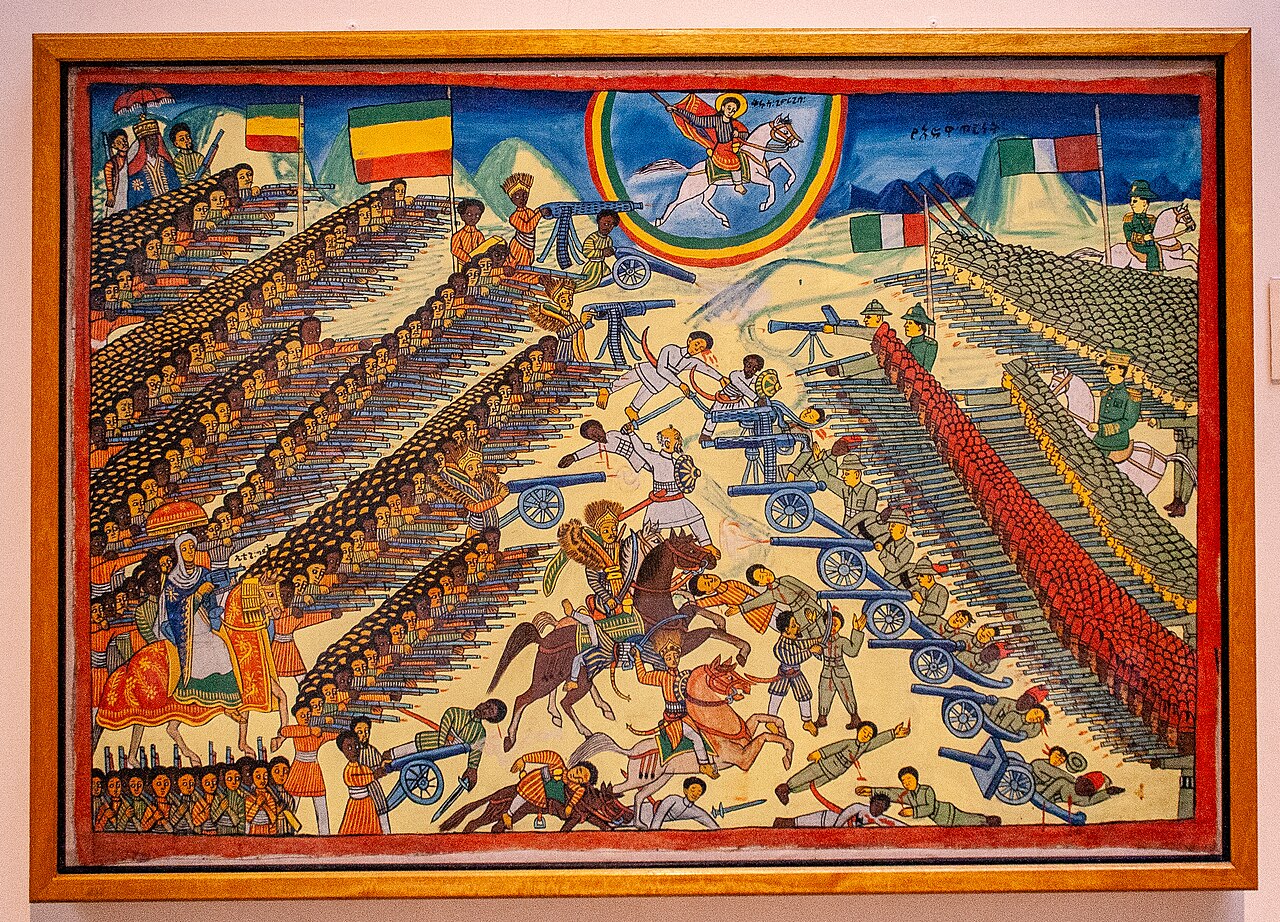 Painting
Secondary source
Unknown artist · circa 1940
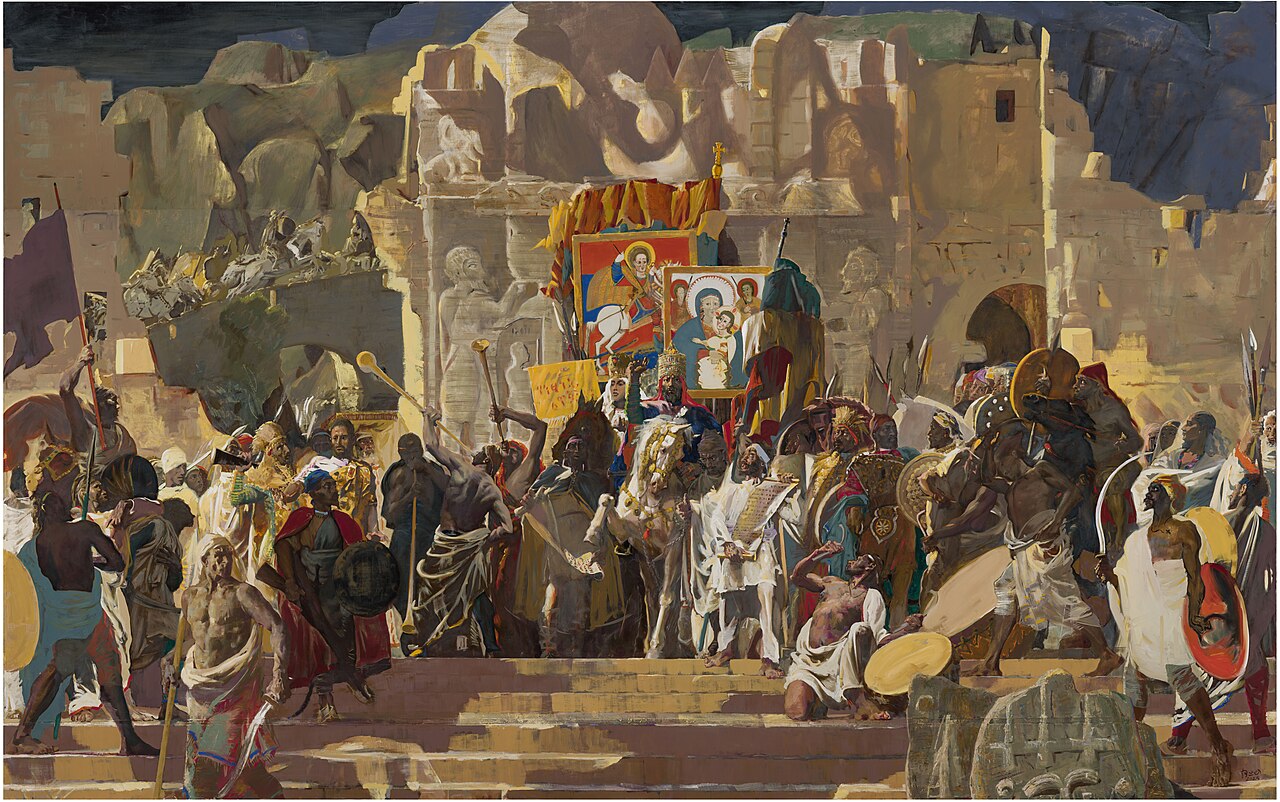 Painting
Secondary source
Tewodros Abebaw Zeleke · 2025
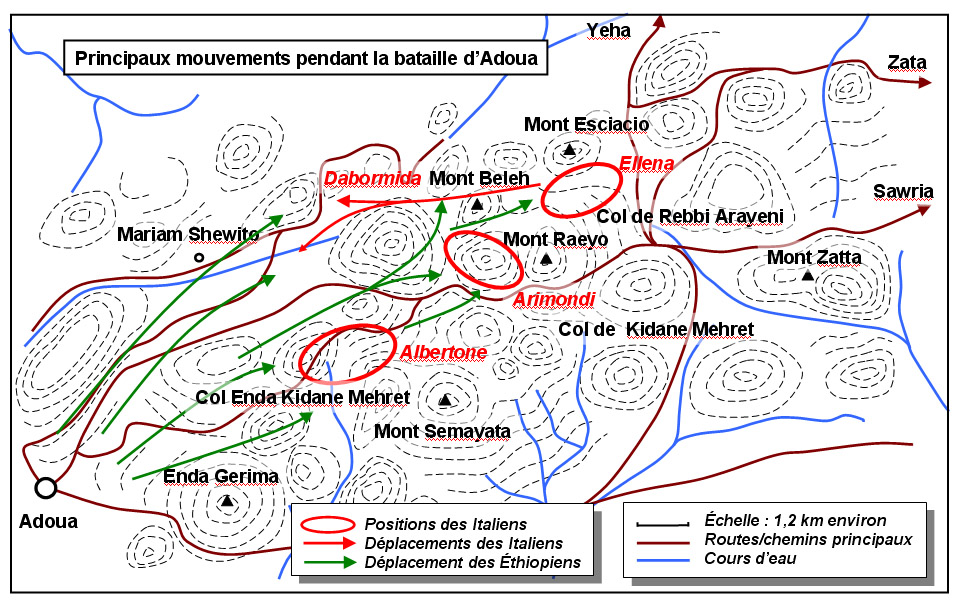 Document
Secondary source
Zheim · 2009-11-30
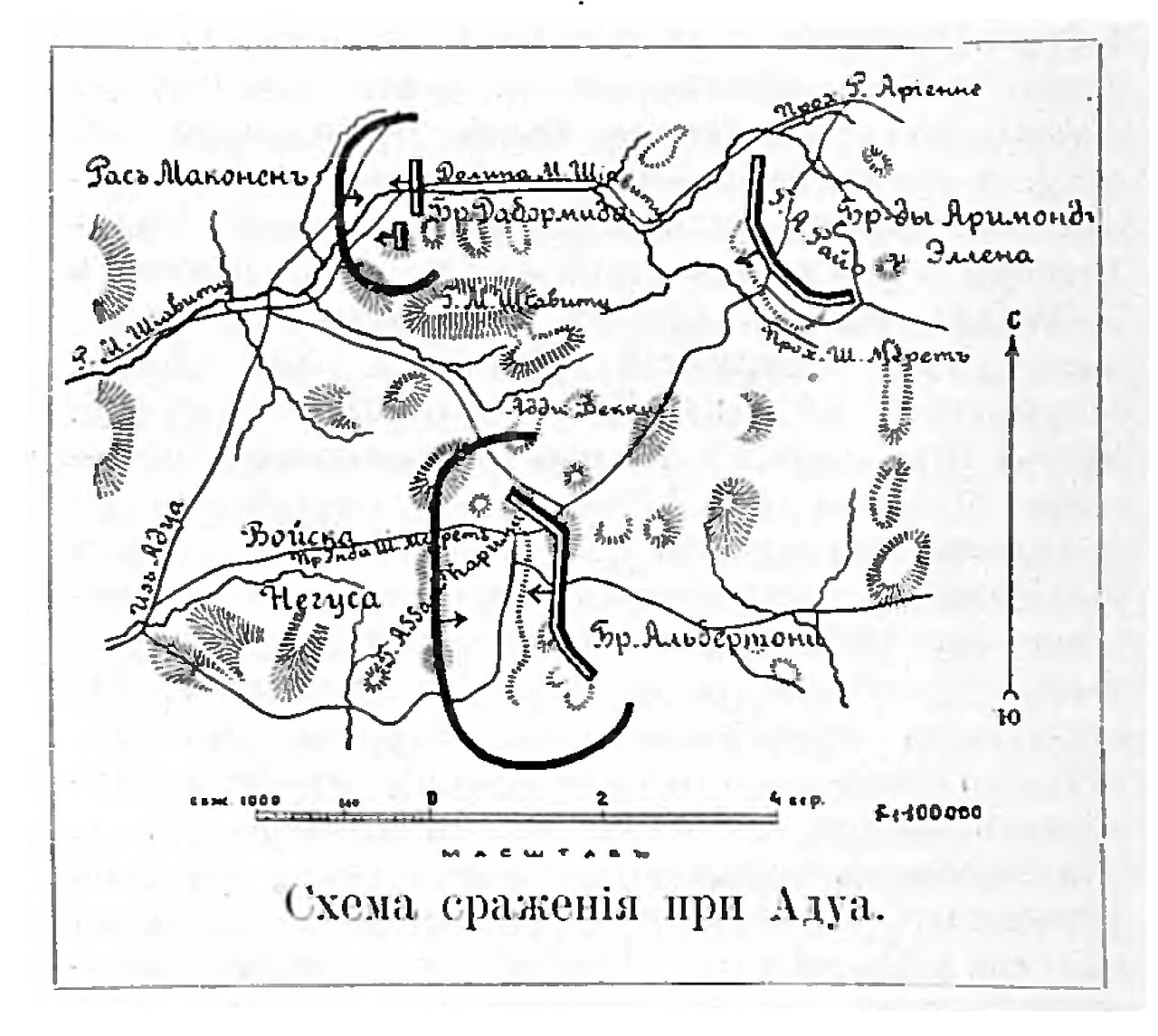 Document
Secondary source
ВЭС · not later than 1915
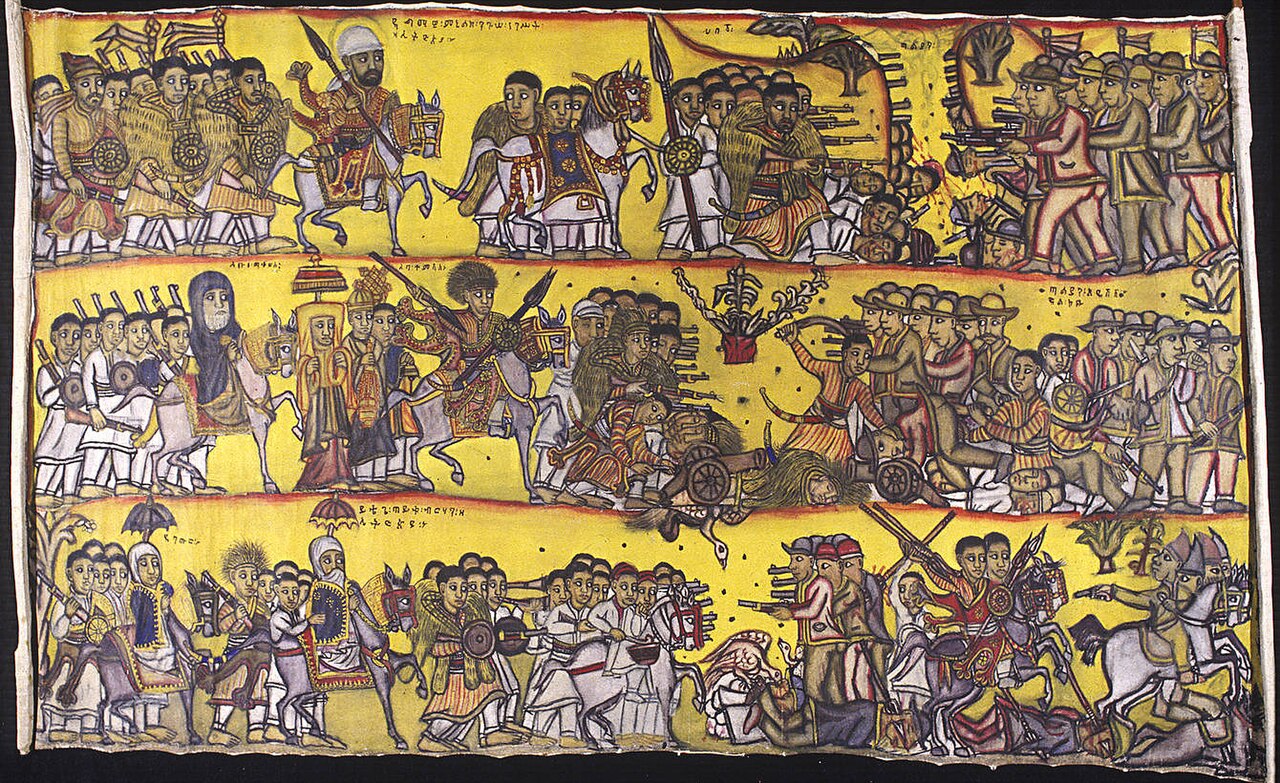 Painting
Secondary source
unknown Ethiopian artist · 2 October 1930
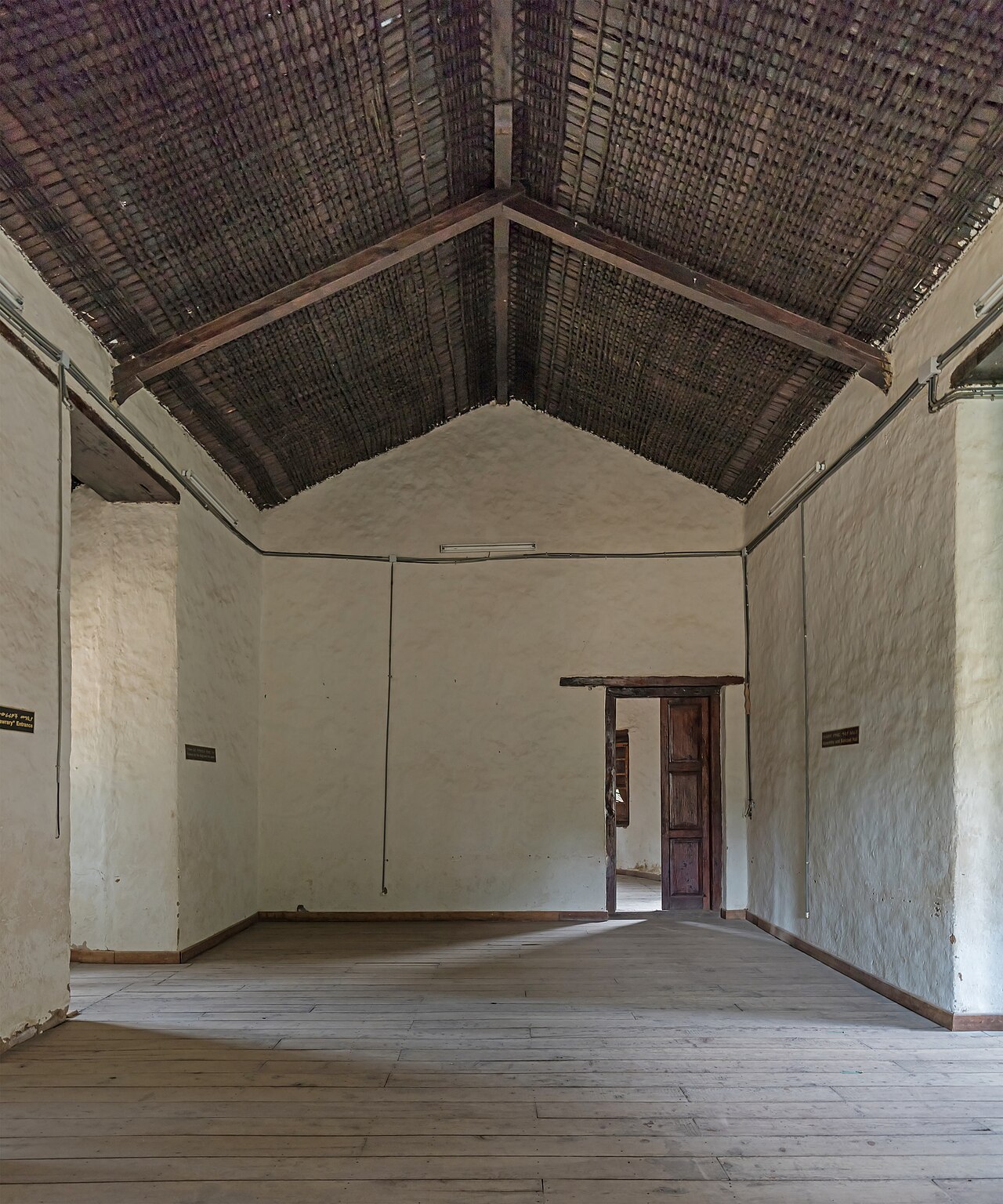 Photograph
Secondary source
A.Savin · 23 January 2018
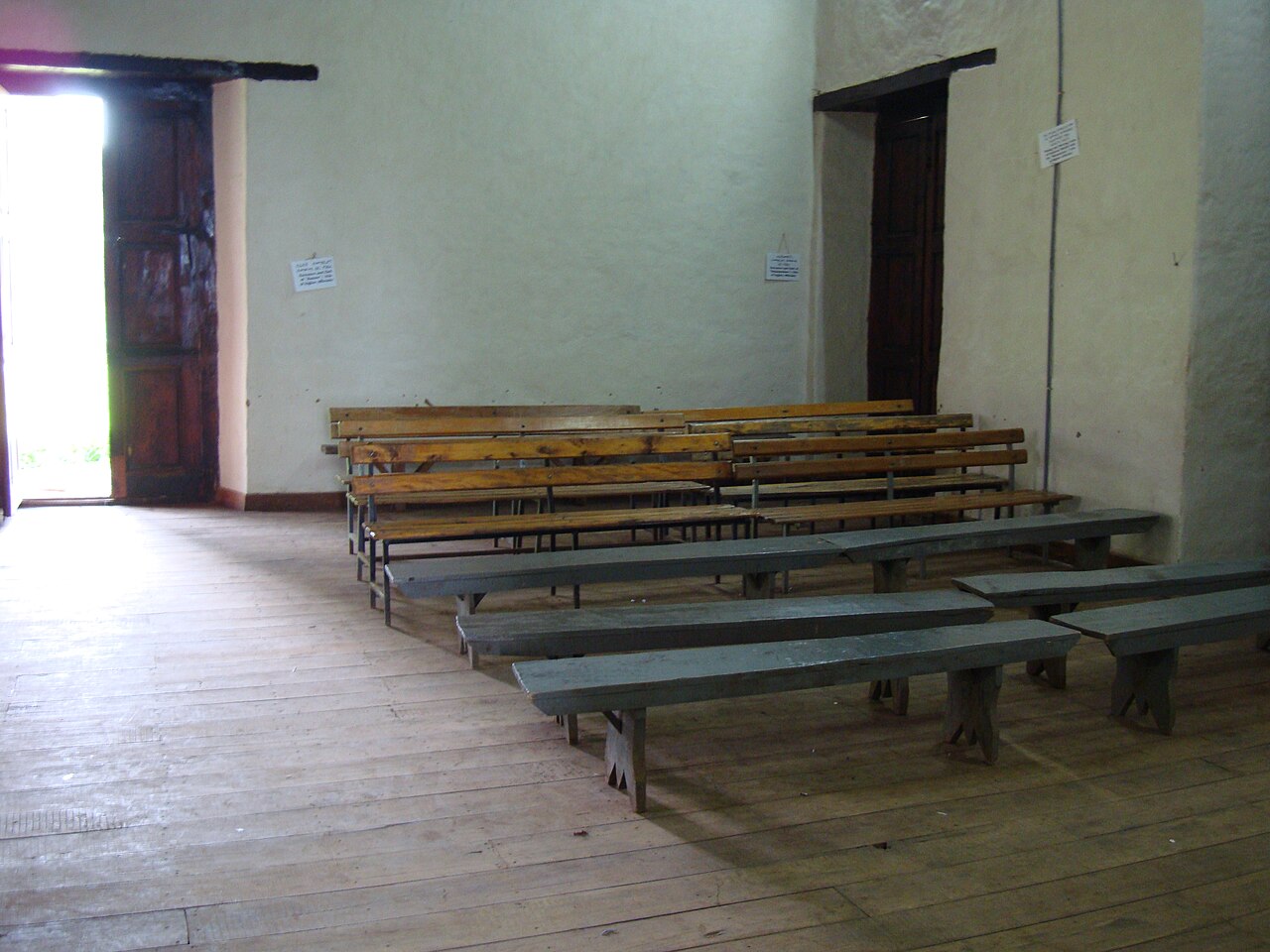 Photograph
Secondary source
Vob08 · 15 August 2008
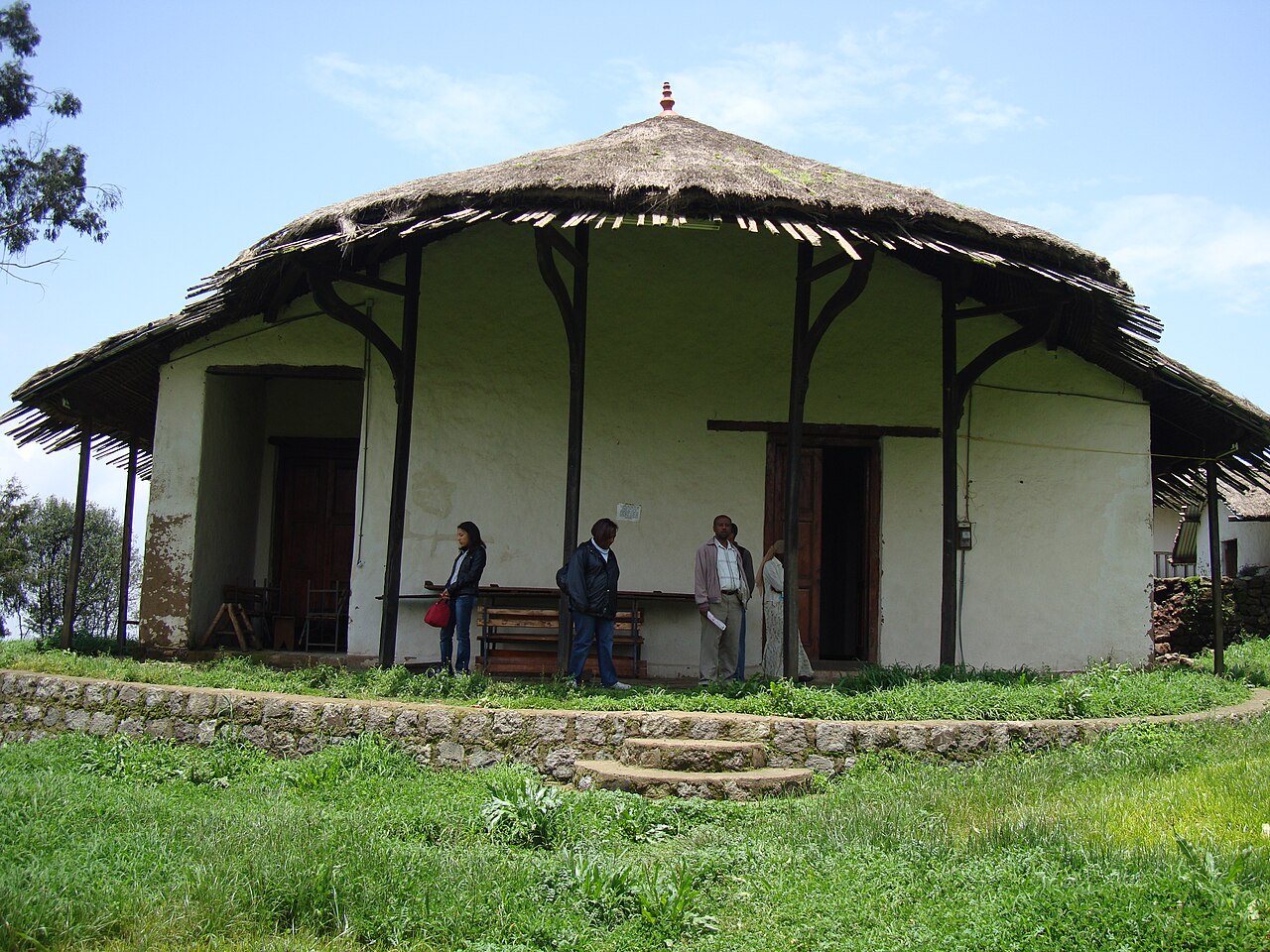 Photograph
Secondary source
Vob08 · 15 August 2008
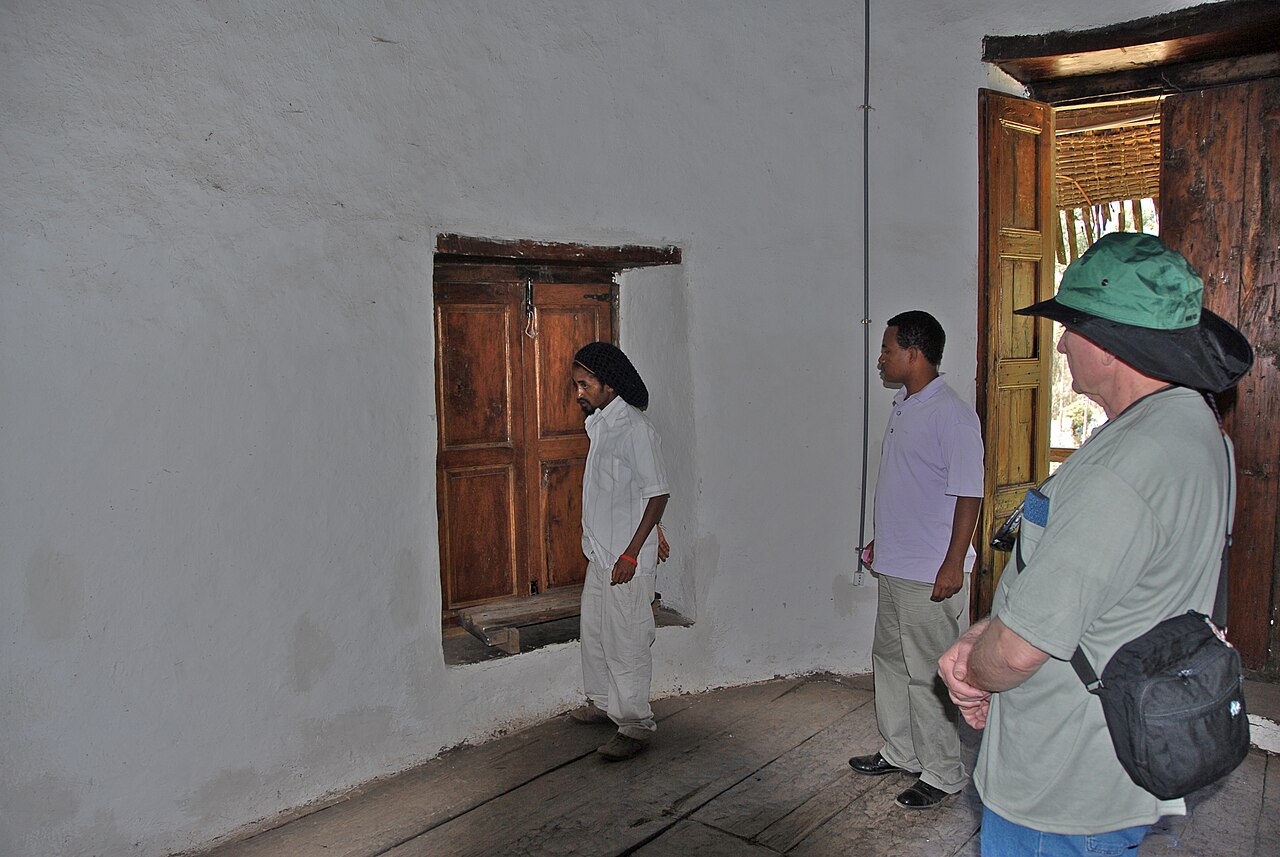 Photograph
Secondary source
Dave Proffer · 16 March 2007
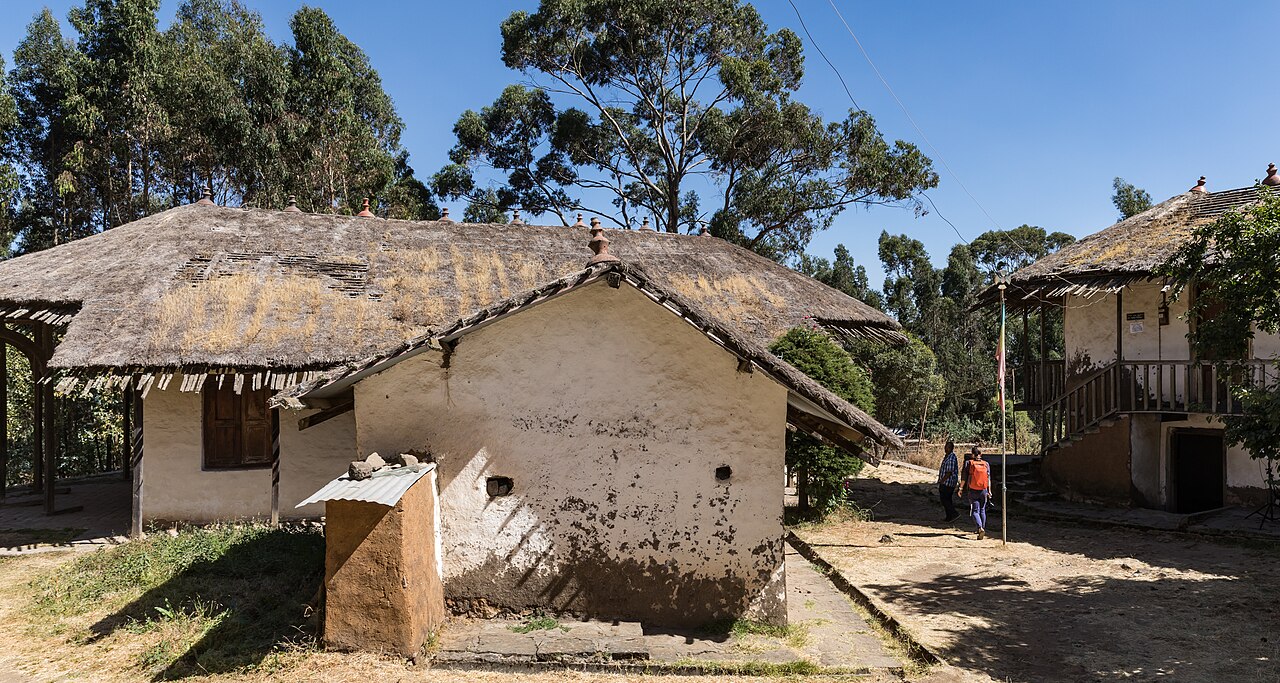 Photograph
Secondary source
Ninaras · 29 December 2017
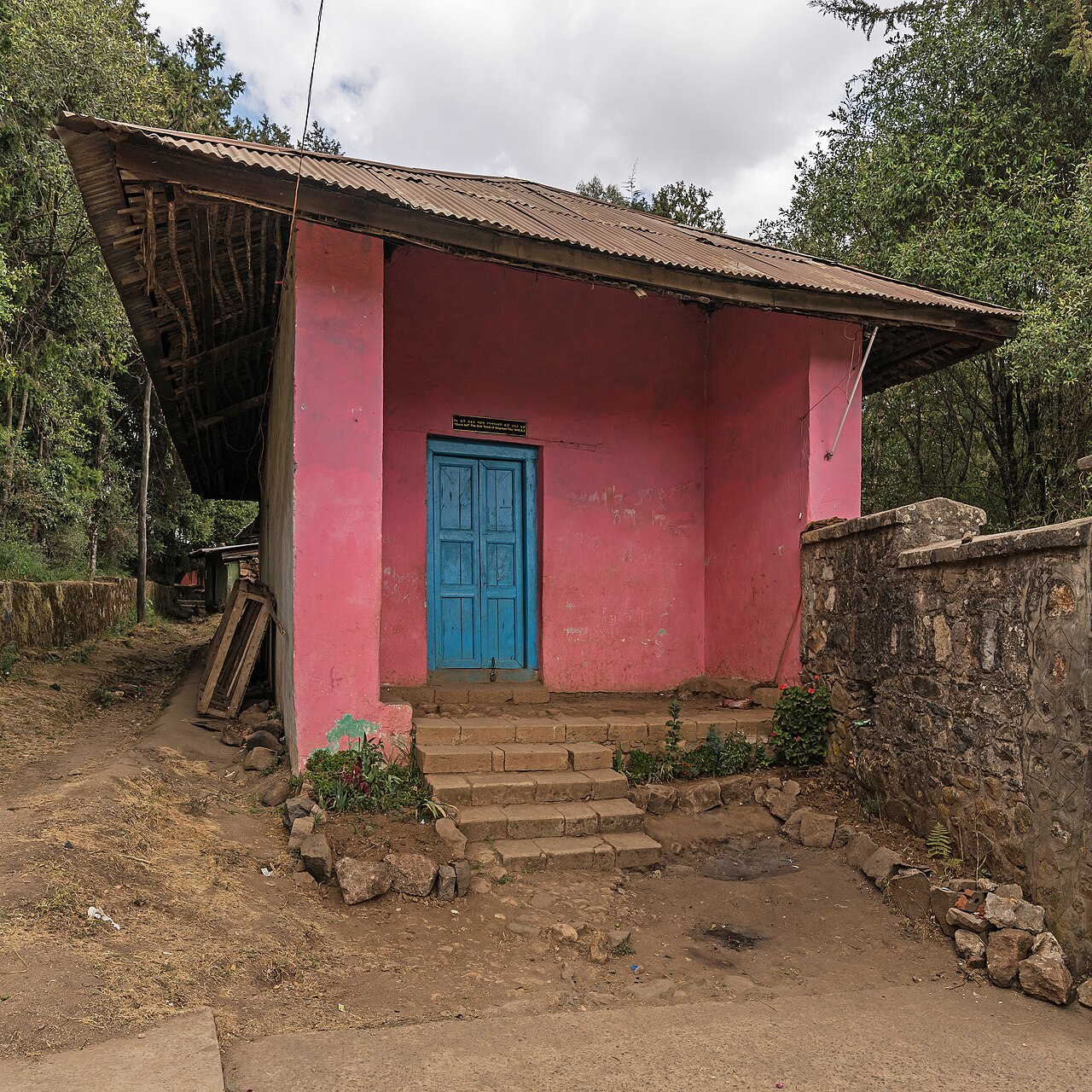 Photograph
Secondary source
A.Savin · 23 January 2018
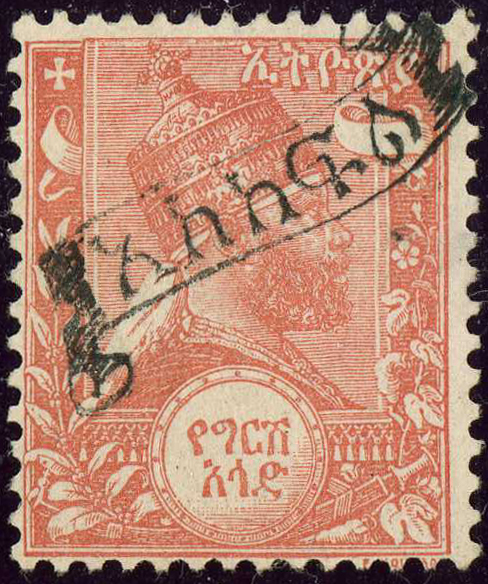 Artifact
Primary source
Louis-Eugène Mouchon · 1896
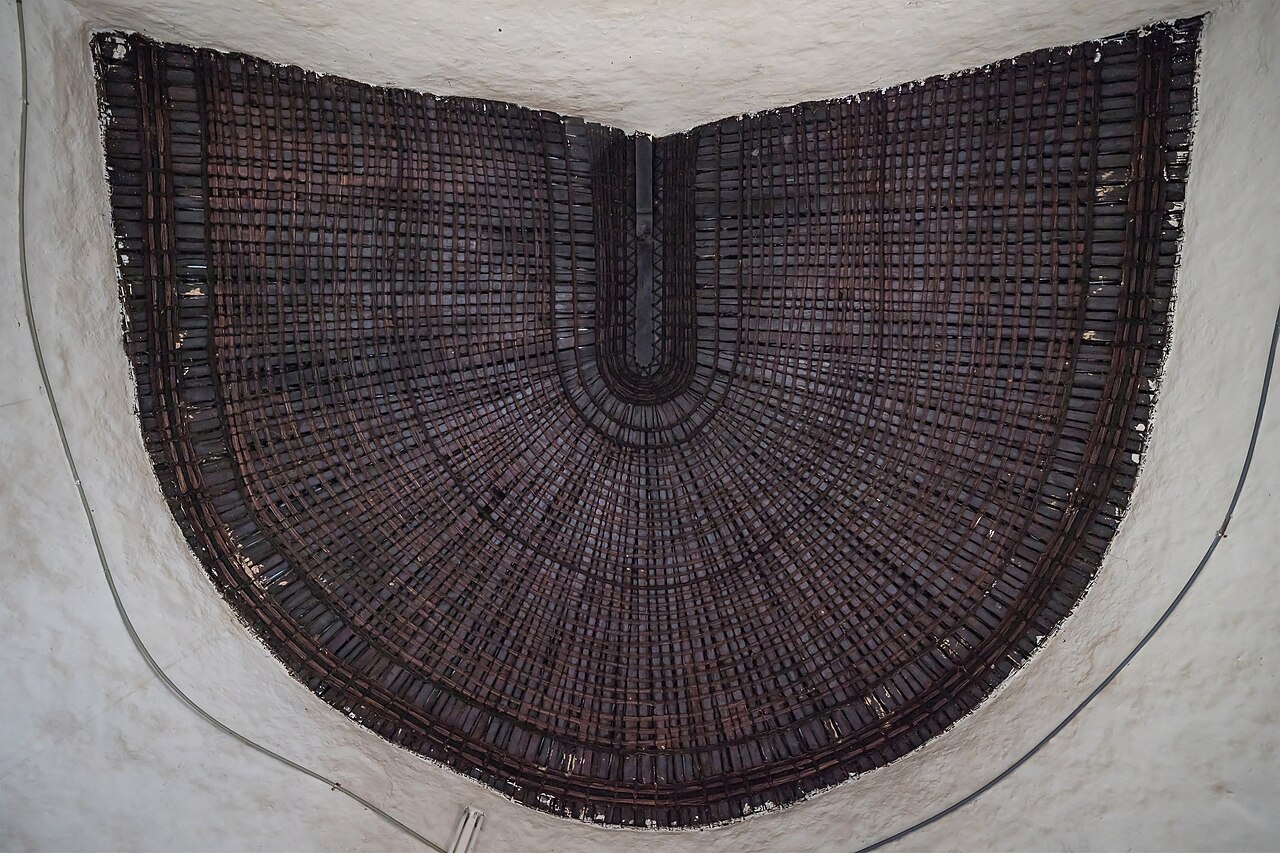 Photograph
Secondary source
A.Savin · 23 January 2018
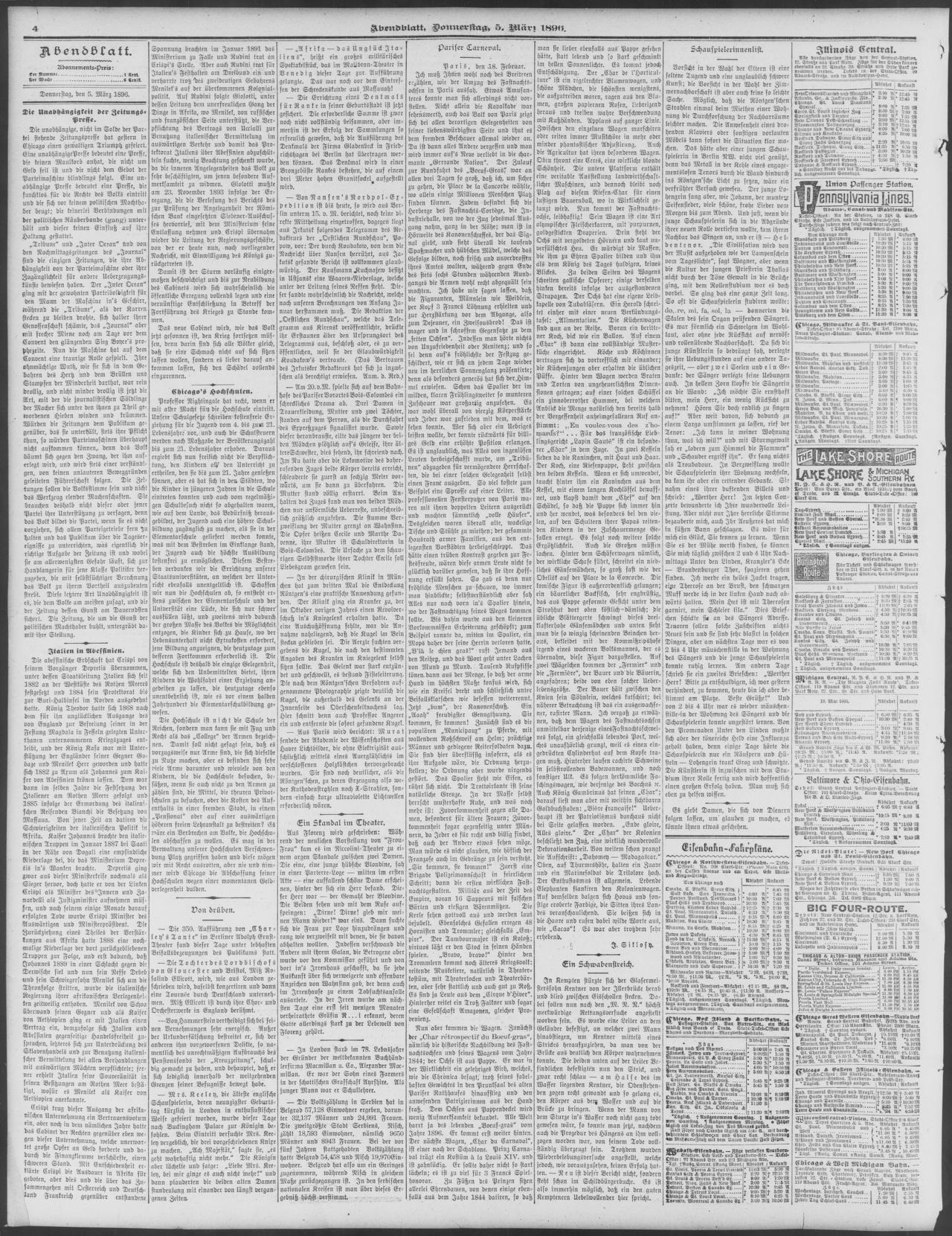 Newspaper article
Primary source
Abendblatt (Chicago, Ill.) · 5 March 1896
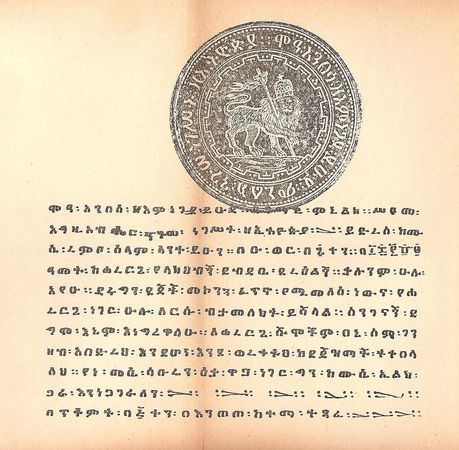 Letter
Primary source
Menelik II · 1887
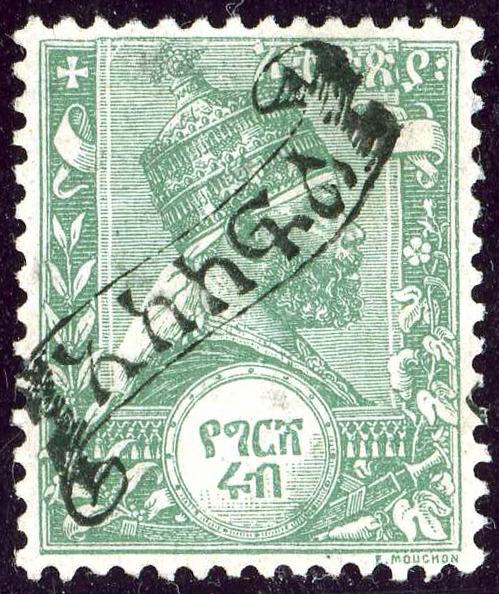 Artifact
Primary source
Louis-Eugène Mouchon · 1896
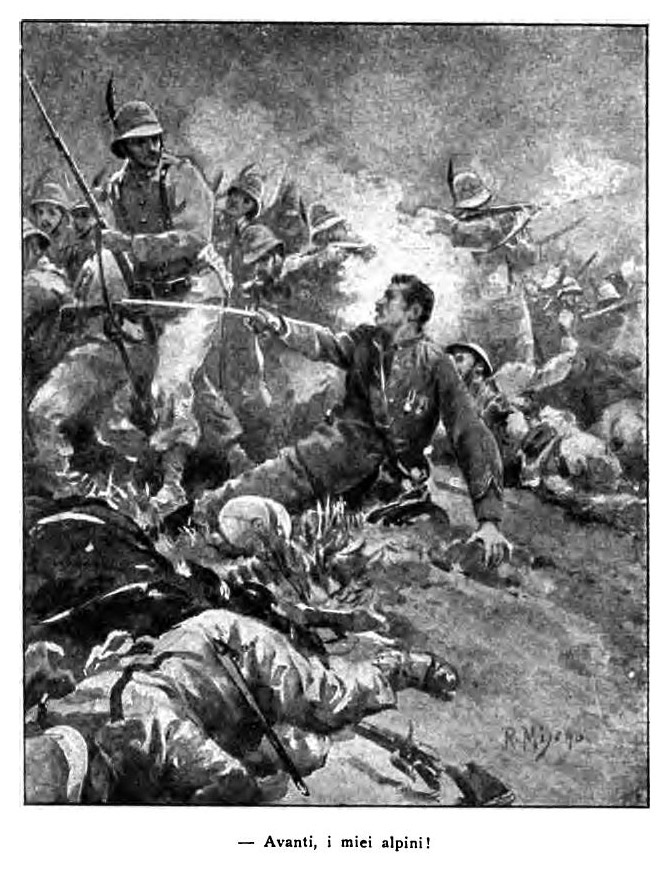 Painting
Primary source
R. Miseno · c. 1896-1897
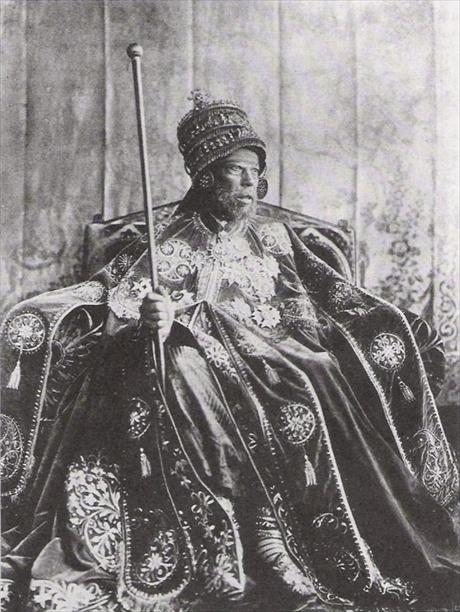 Photograph
Primary source
end of 19th century
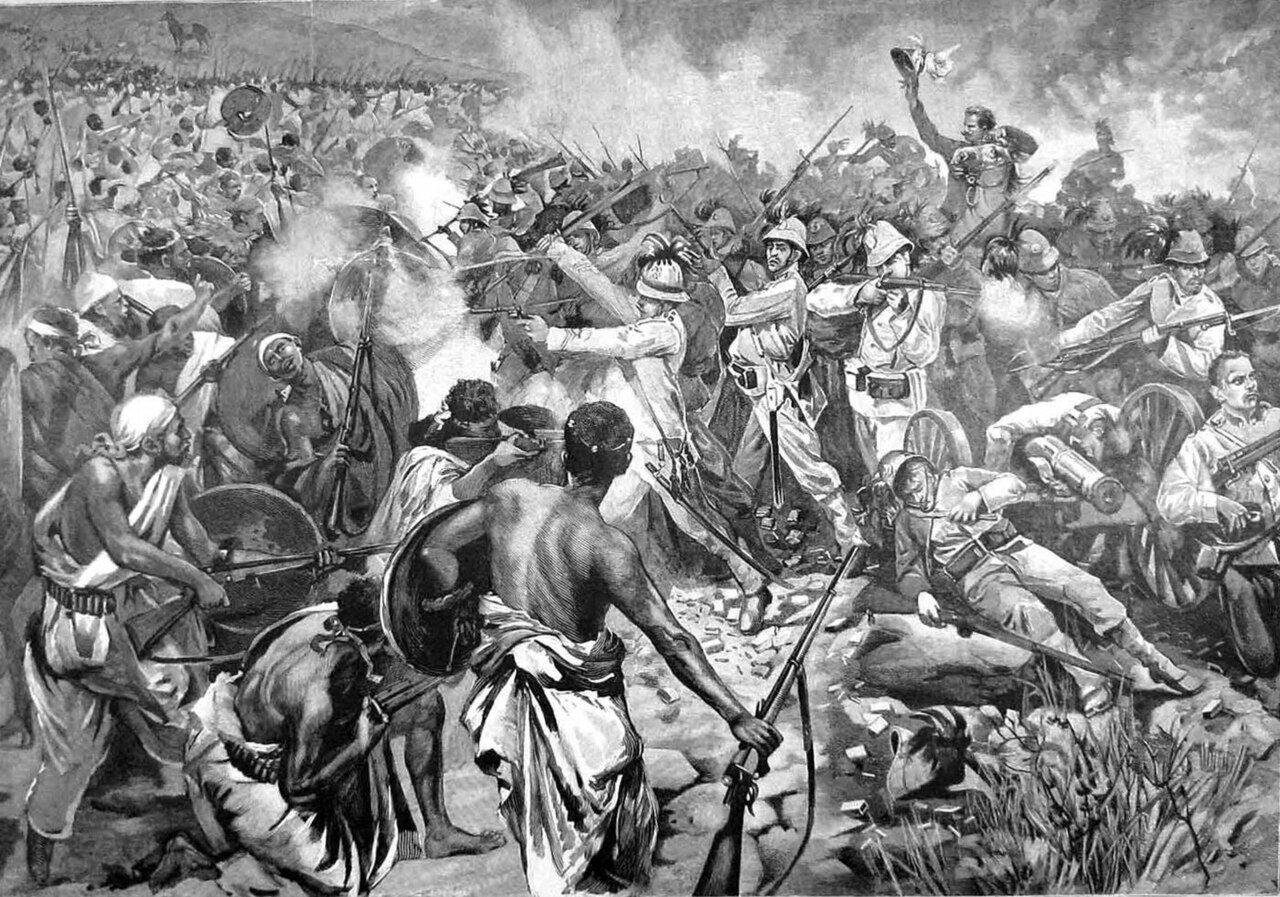 Painting
Primary source
The Graphic · 11 April 1896
 Artifact
Primary source
Zheim · photographed 4 December 2007
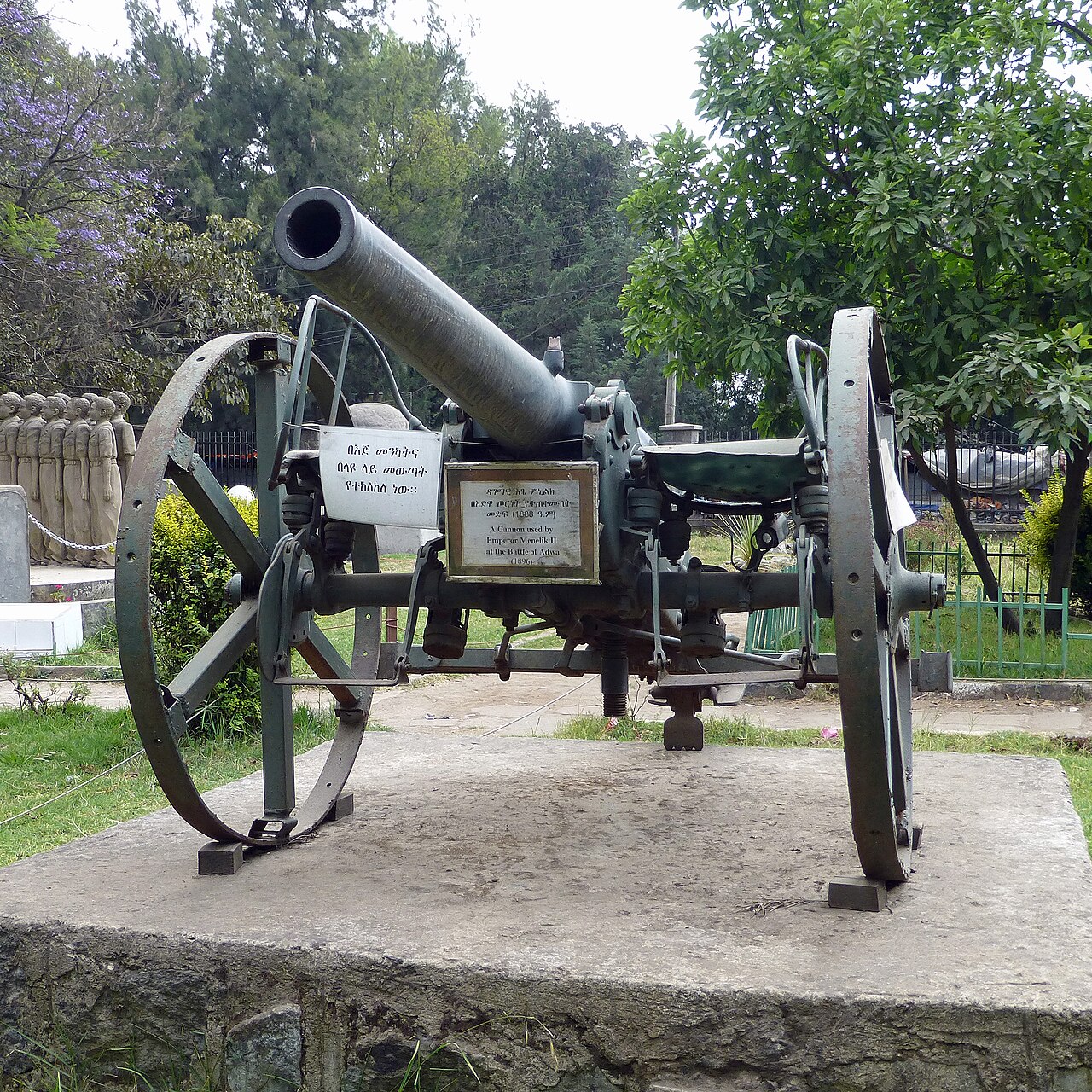 Artifact
Primary source
1896 (used); photographed 2014
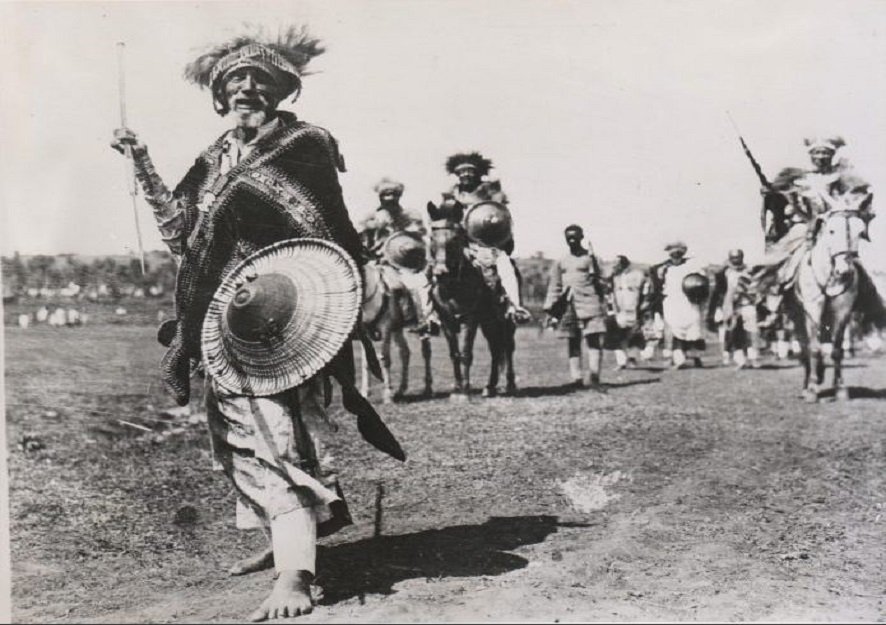 Photograph
Primary source
1896
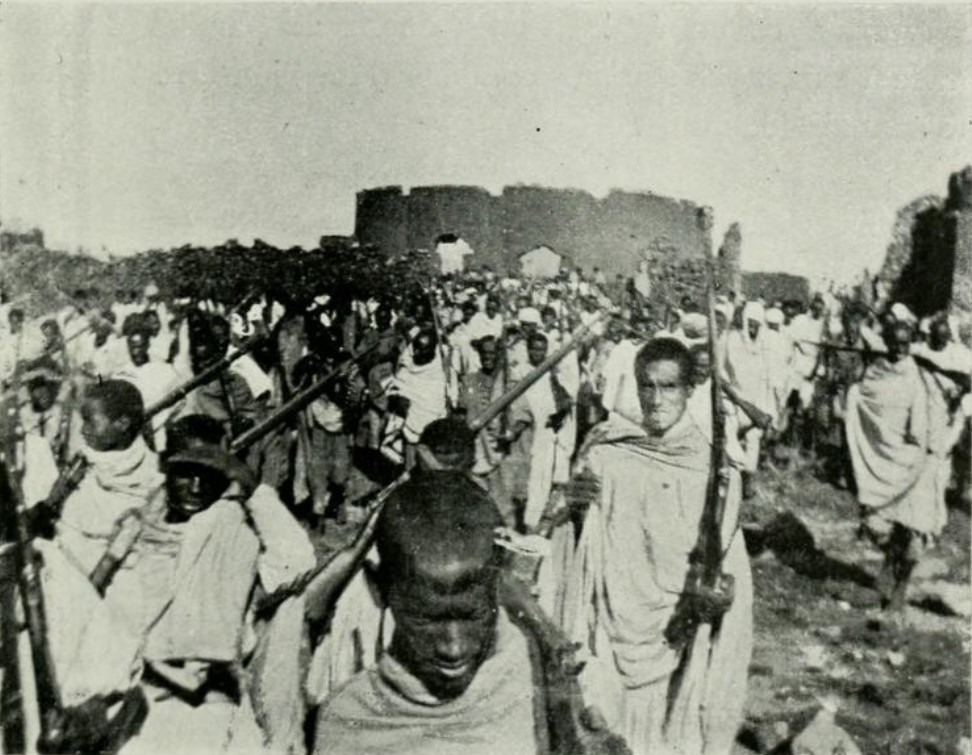 Photograph
Primary source
Charles Michel · 1897 (photograph dated 1900)
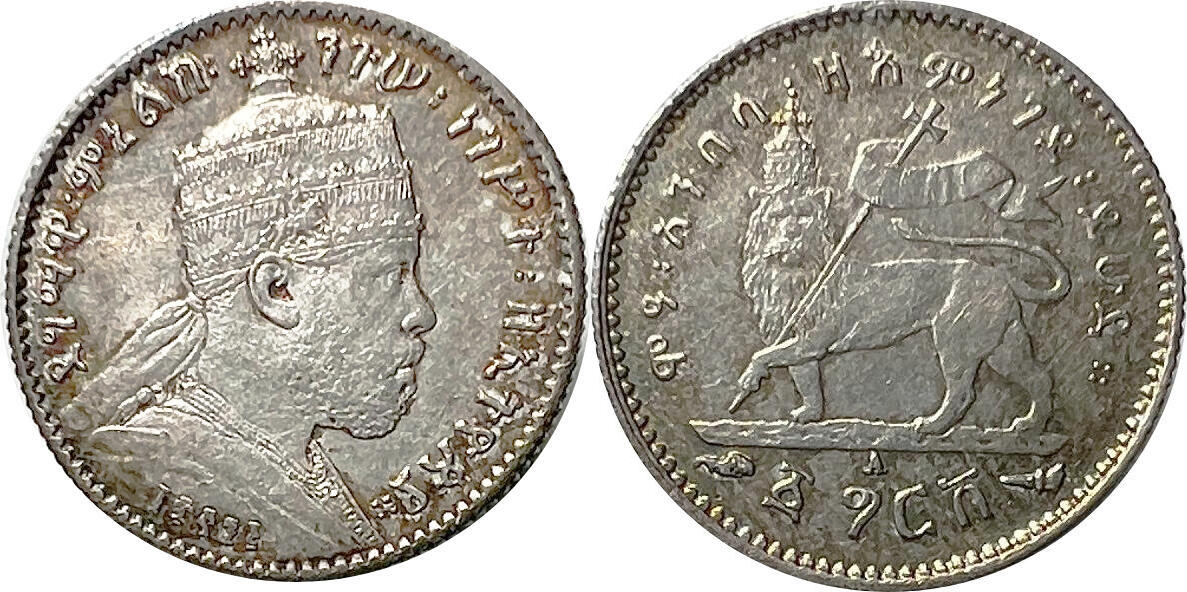 Artifact
Primary source
Government of the Empire of Ethiopia · 1889
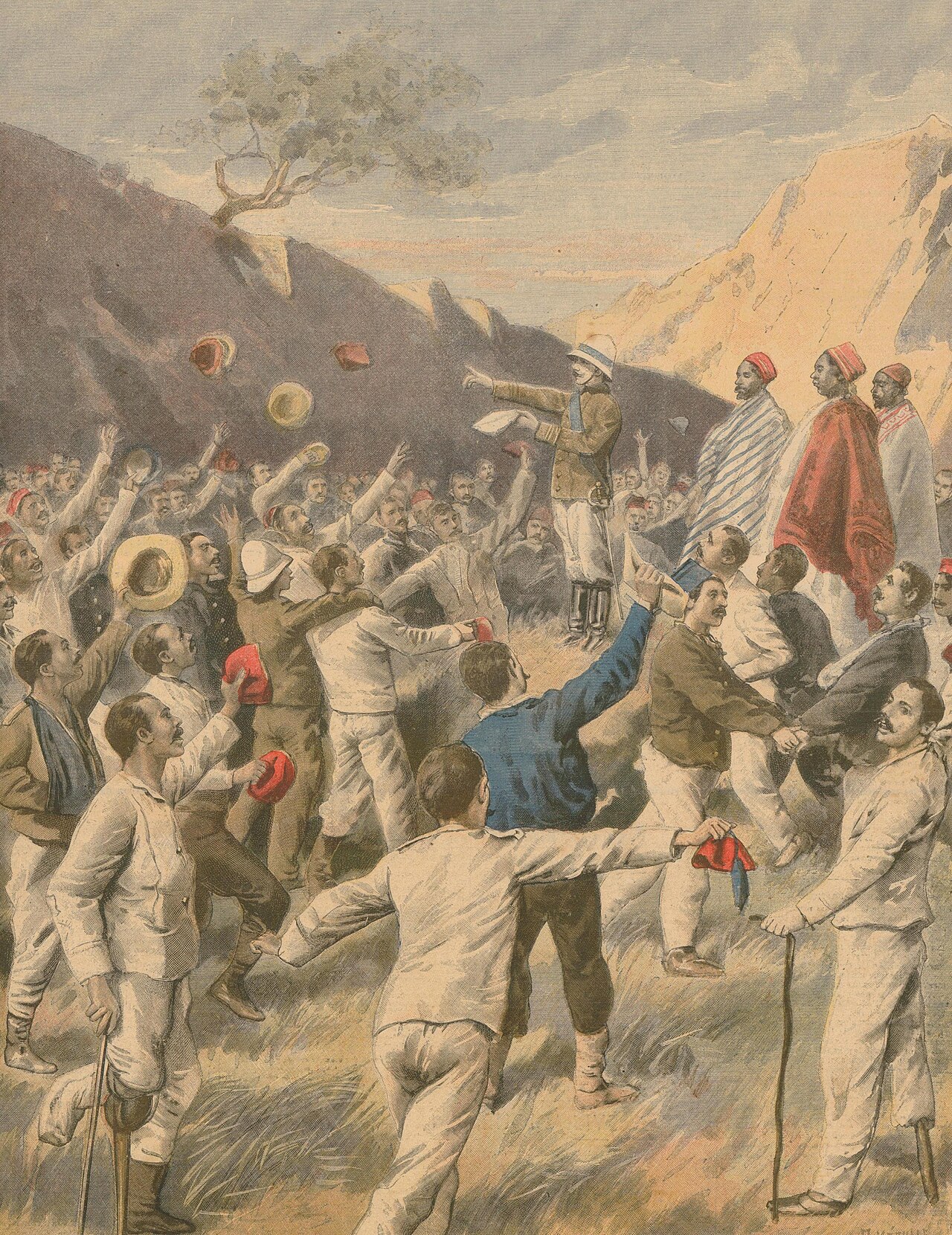 Painting
Primary source
F. Méaulle · 29 November 1896
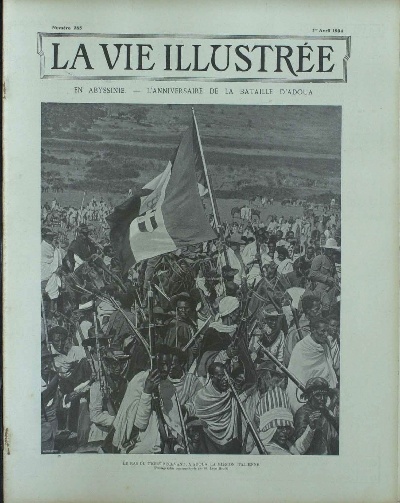 Newspaper article
Primary source
1 April 1904
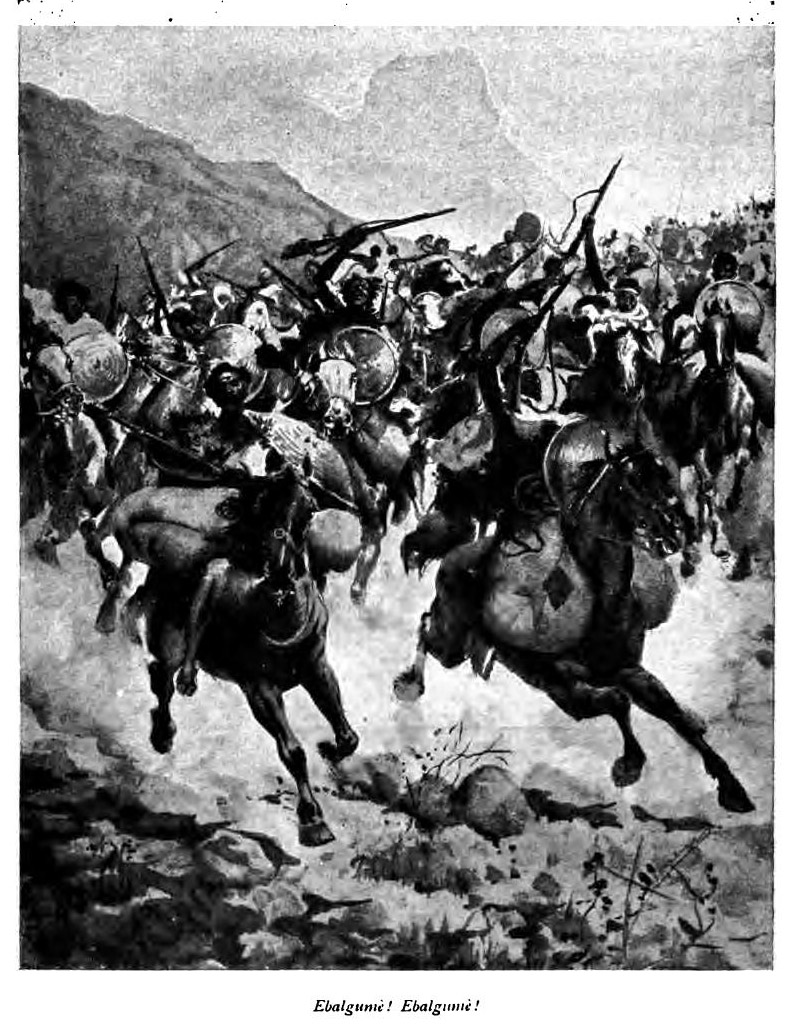 Painting
Secondary source
c. 1895-1896
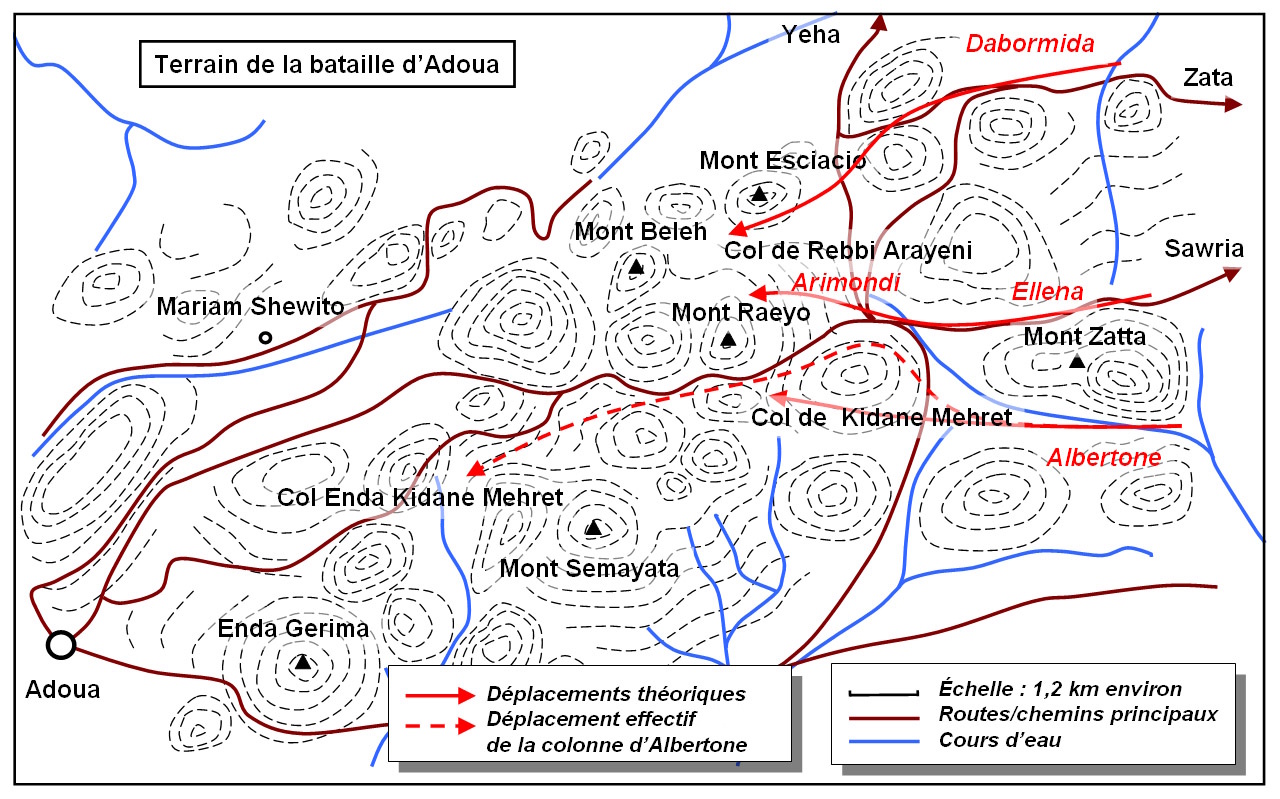 Document
Secondary source
Oreste Baratieri (original); Zheim (derivative) · 1898 (map), derivative 2009
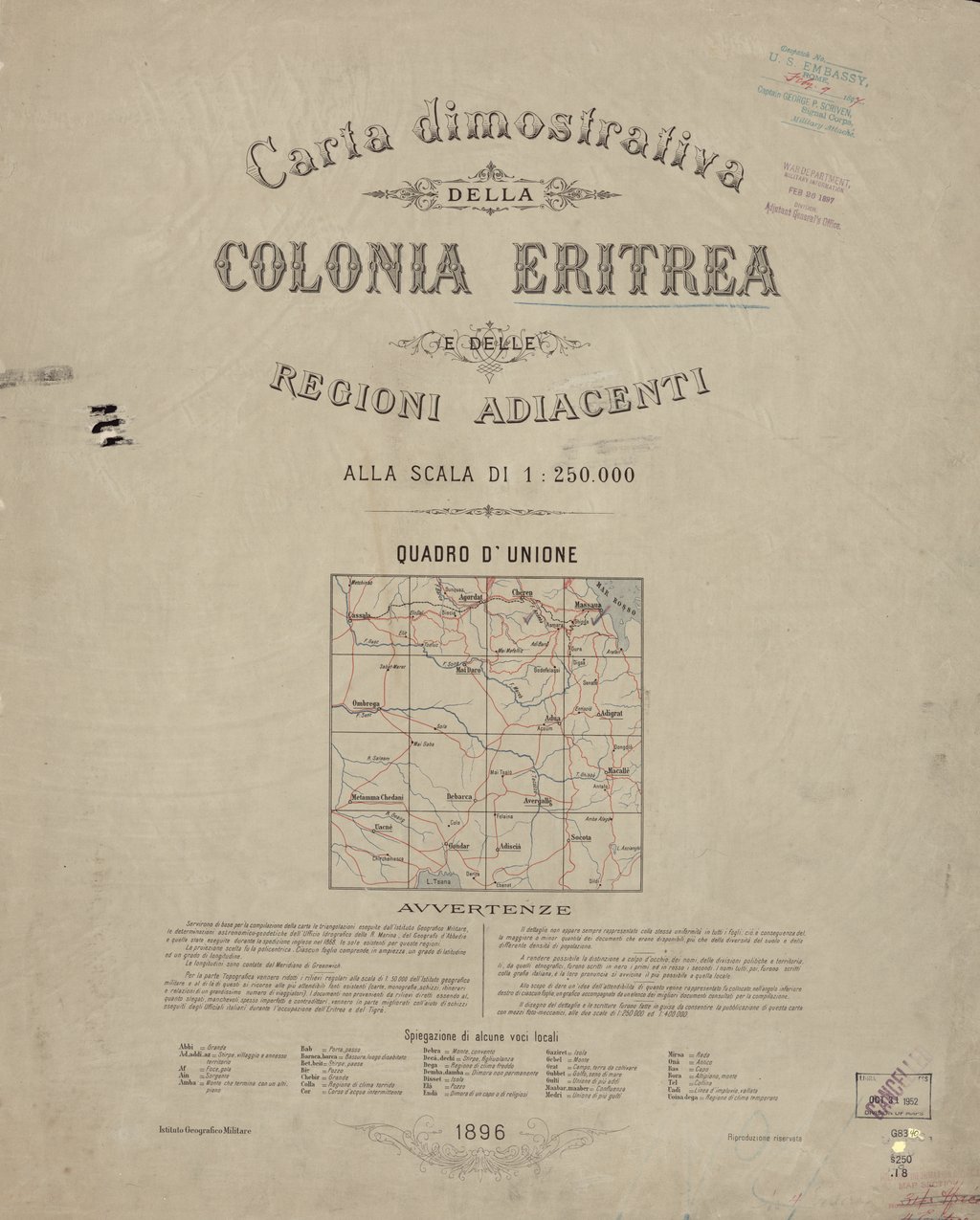 Document
Primary source
Institute for Military Geography (Florence) · 1896
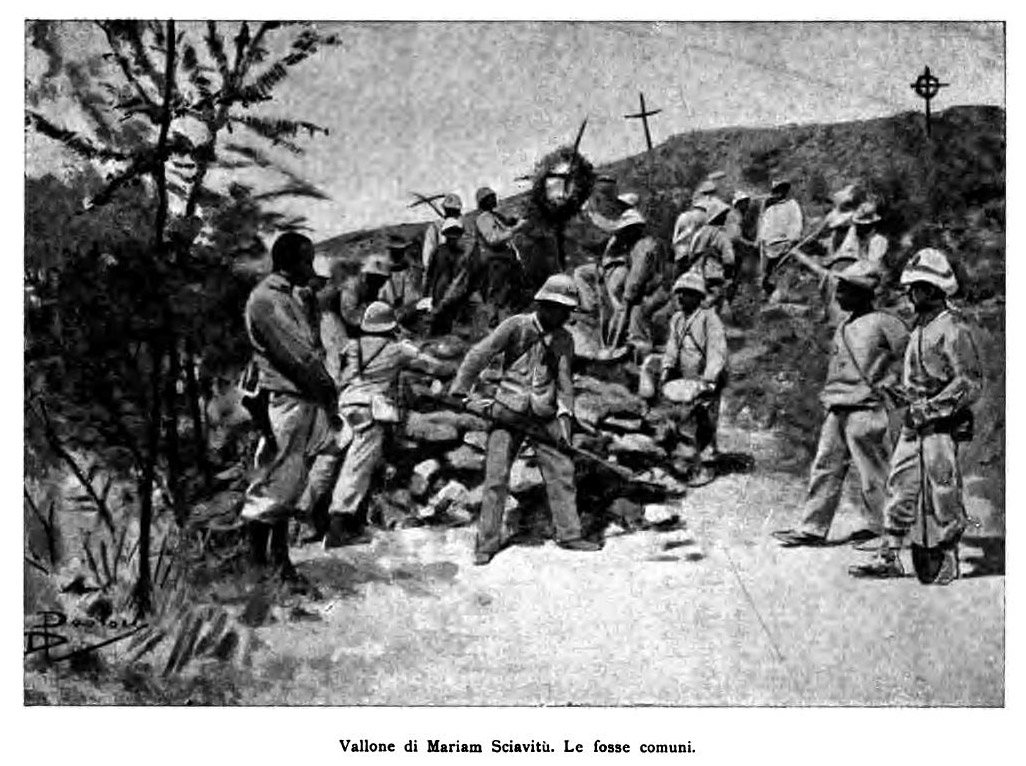 Painting
Primary source
probably 1896
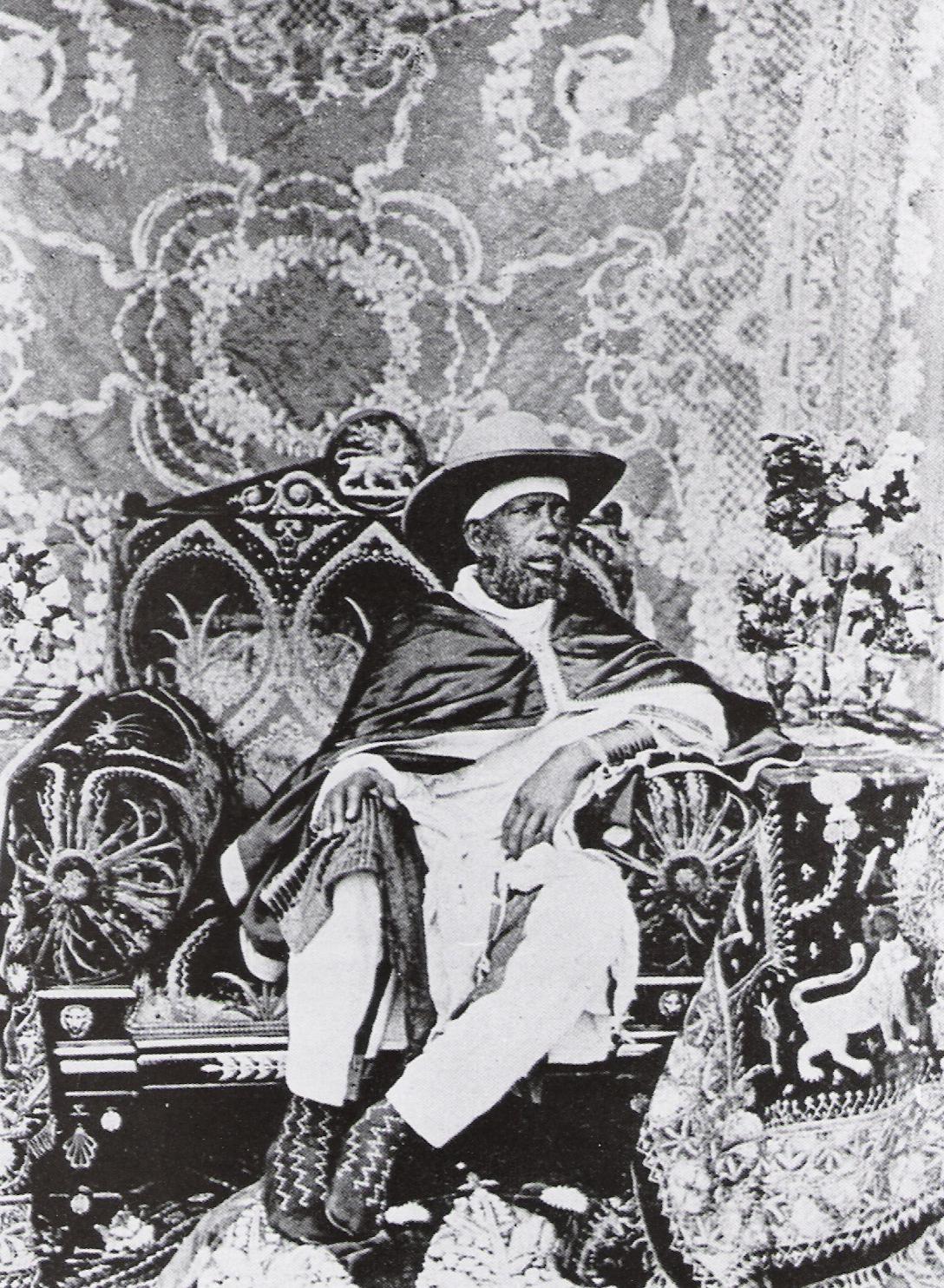 Photograph
Primary source
late 19th century
 Artifact
Primary source
Reign of Menelik II (1889-1913)
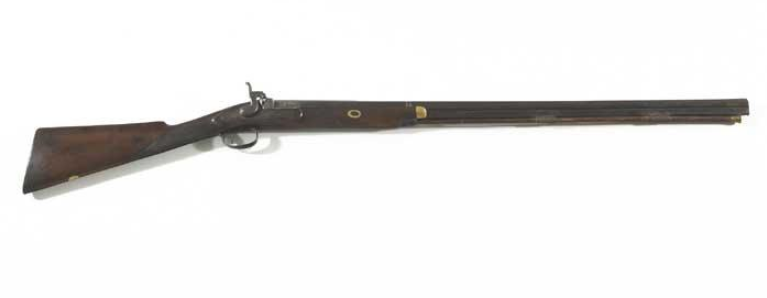 Artifact
Primary source
1896
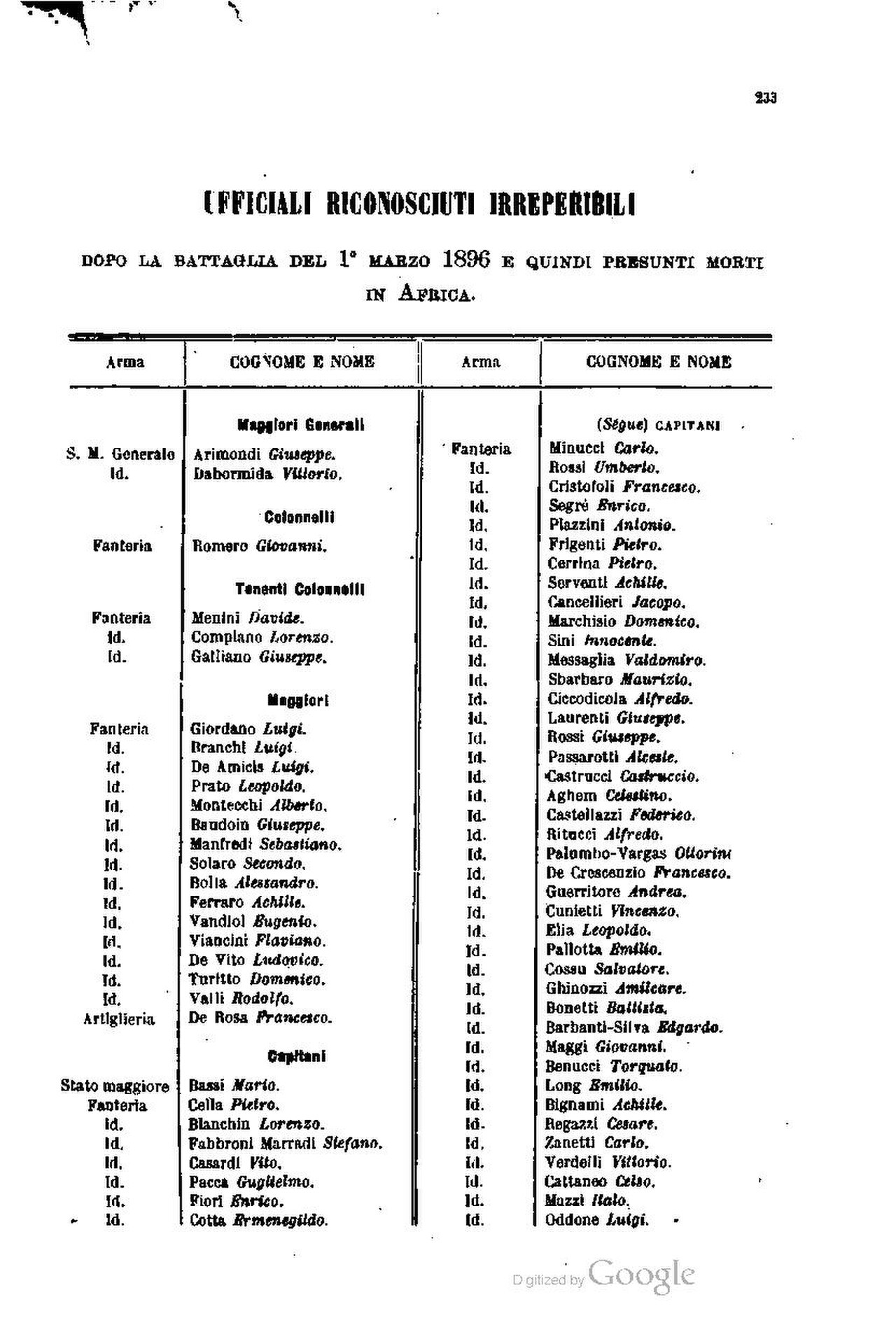 Document
Primary source
1897
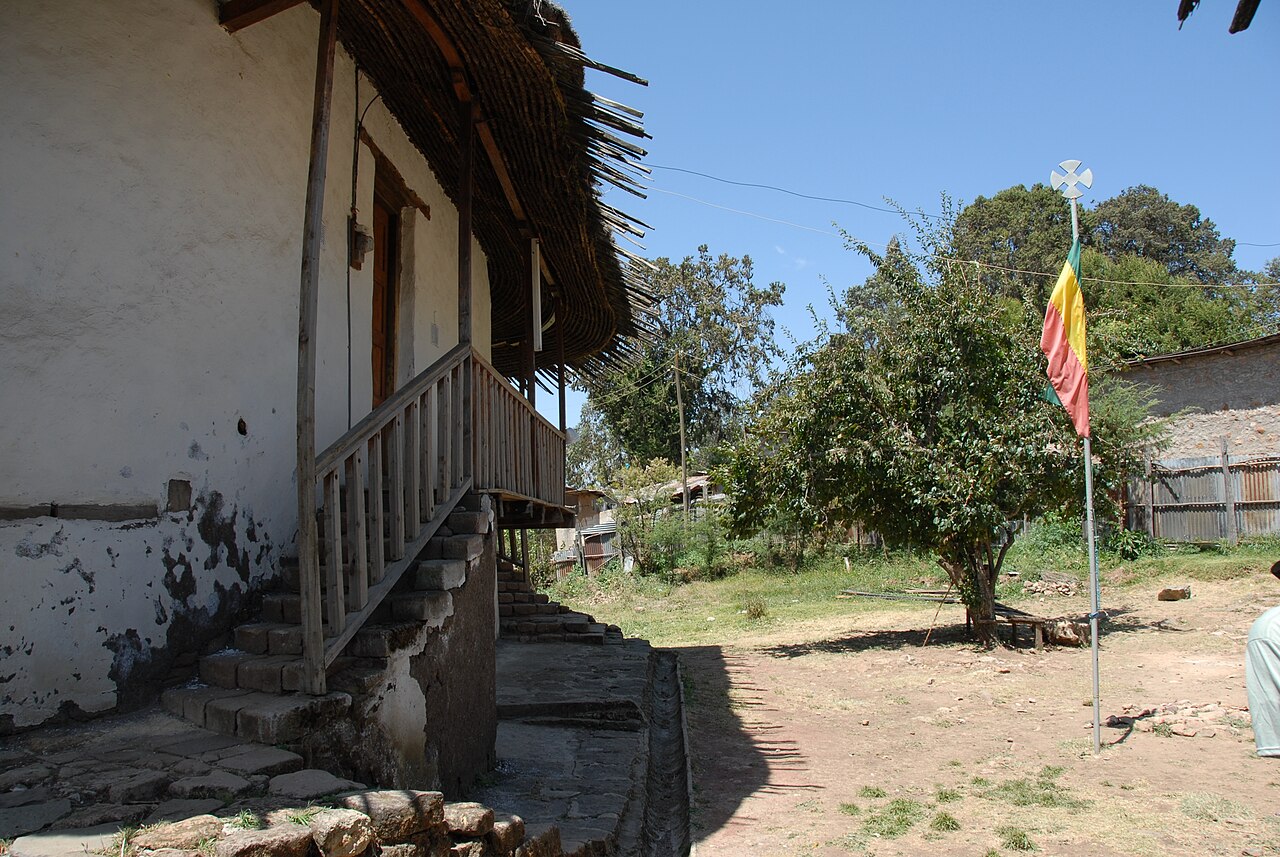 Photograph
Secondary source
Dave Proffer · 16 March 2007
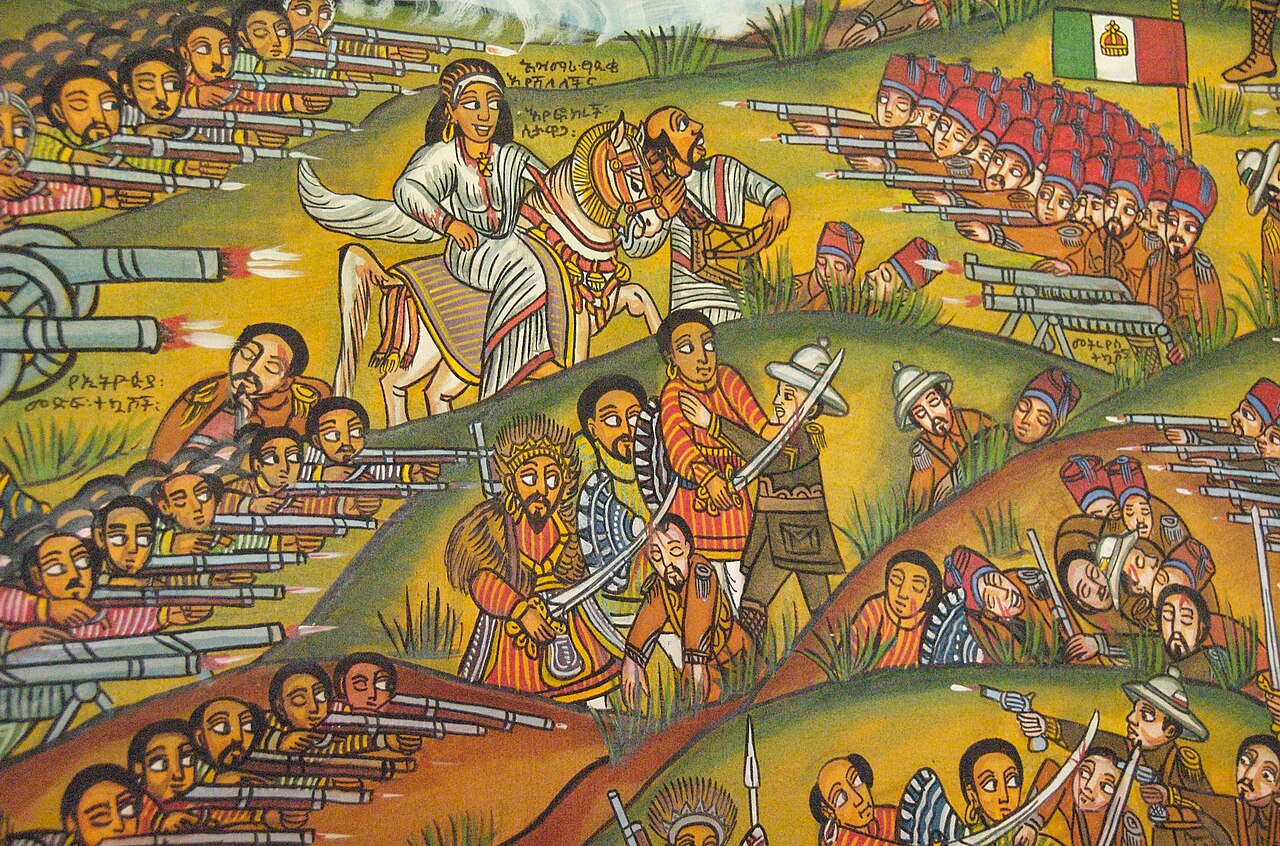 Photograph
Secondary source
A. Davey · 22 October 2007
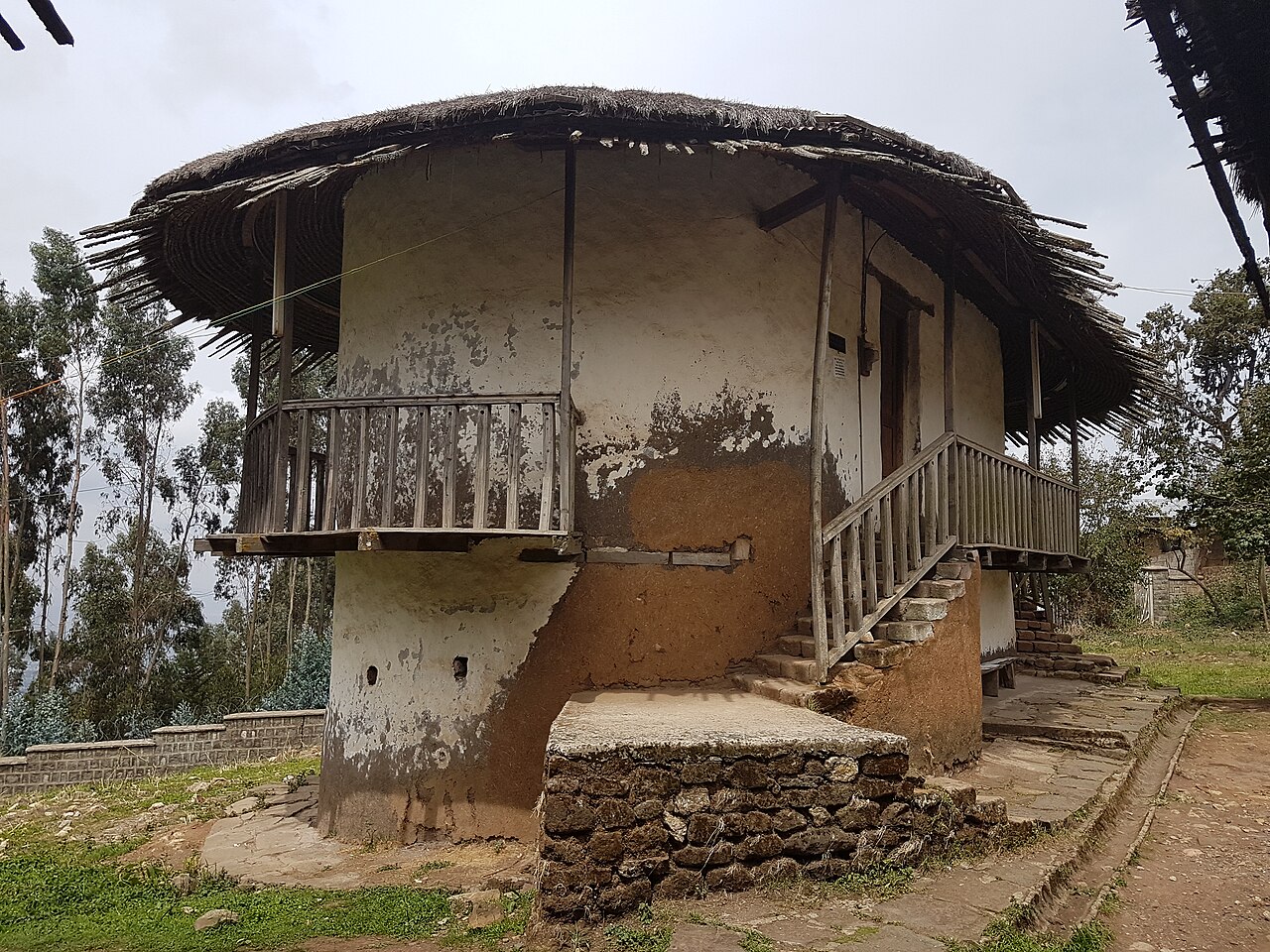 Photograph
Secondary source
Felitsata · 17 May 2018
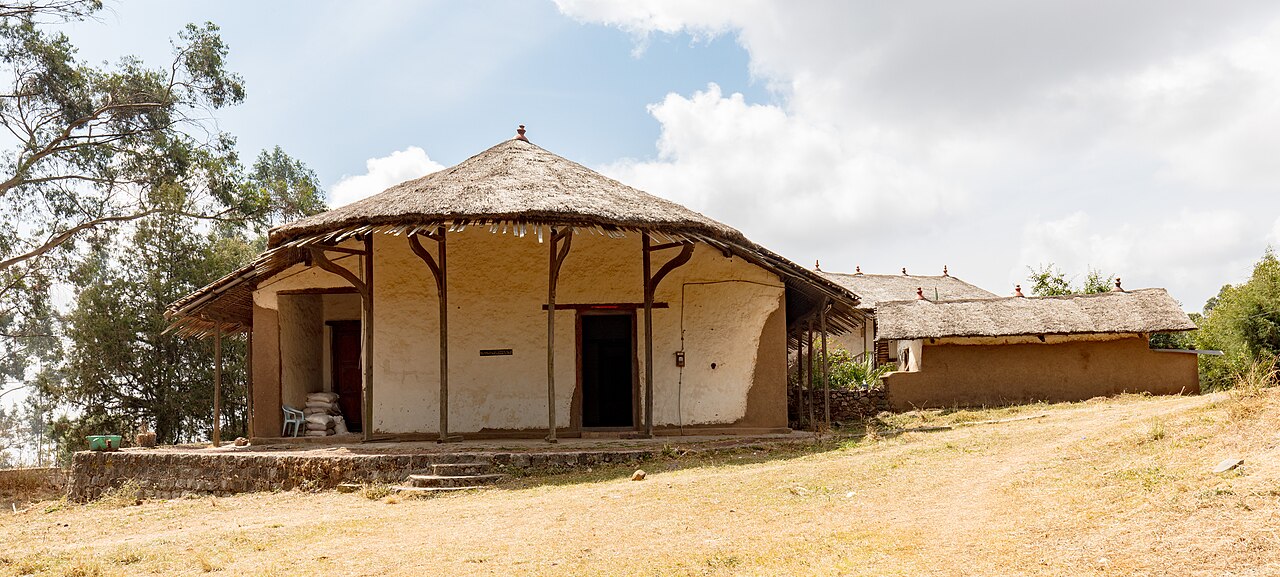 Photograph
Secondary source
Diego Delso · 19 January 2024
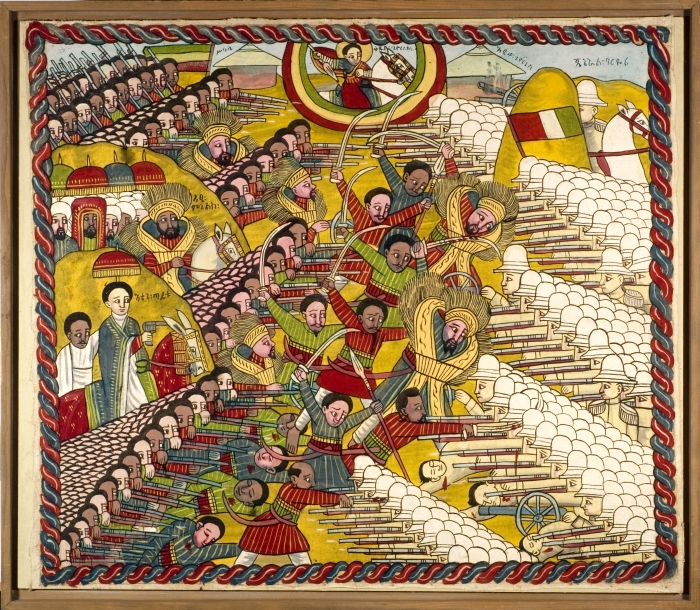 Painting
Secondary source
between 1965 and 1975
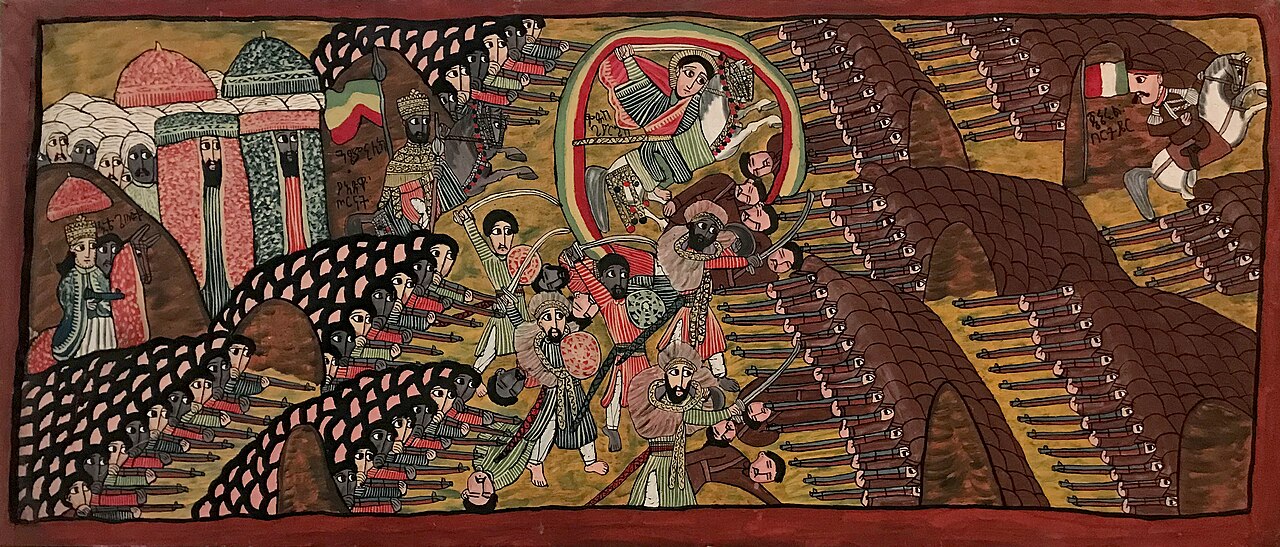 Painting
Secondary source
AralGuillaume · 2023
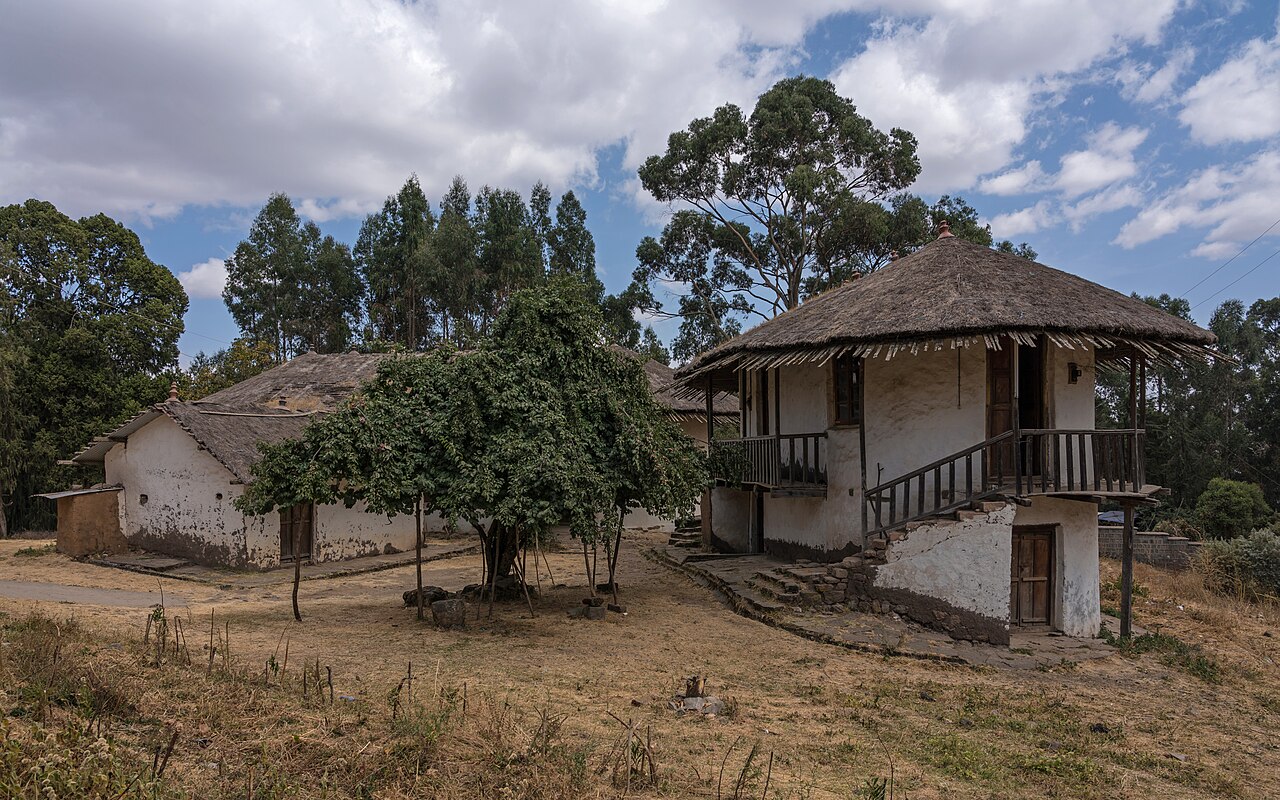 Photograph
Secondary source
A.Savin · 23 January 2018
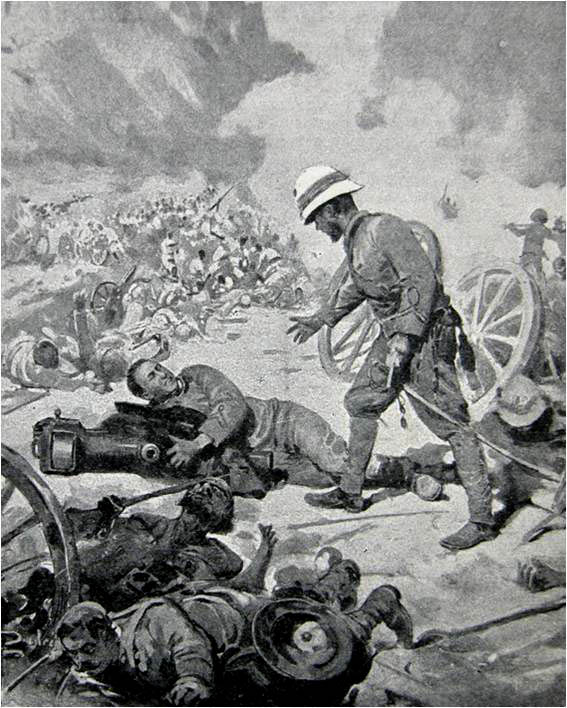 Painting
Secondary source
Dante Paolocci
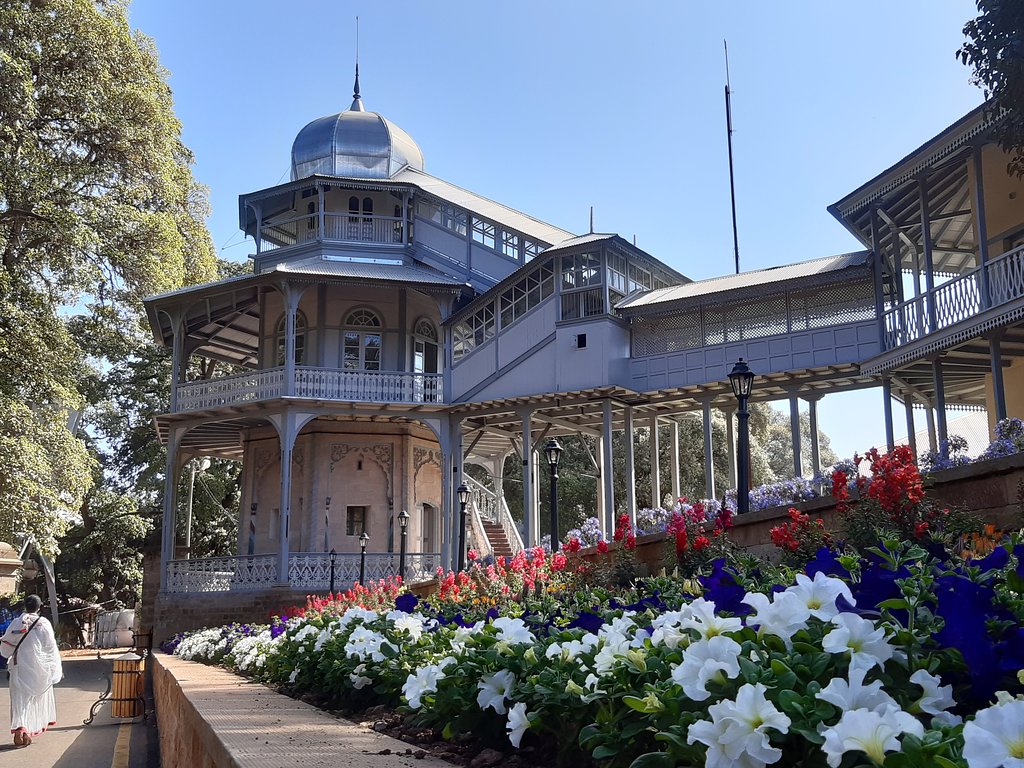 Photograph
Secondary source
Varavour · 4 January 2020
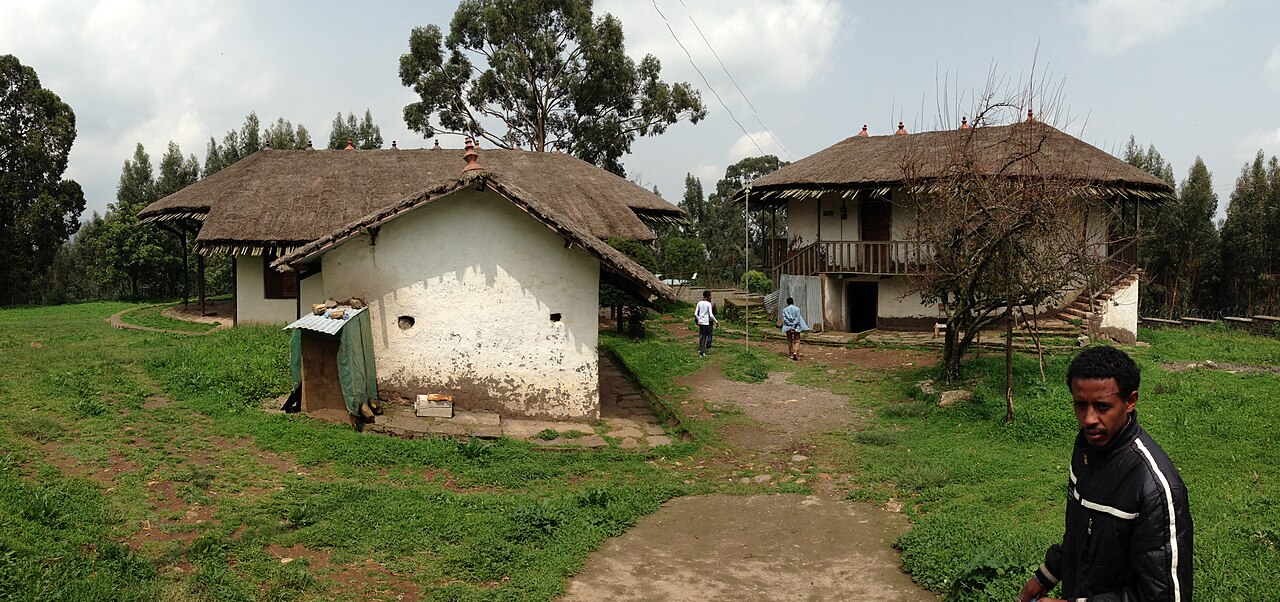 Photograph
Secondary source
mjr74 · 11 July 2013
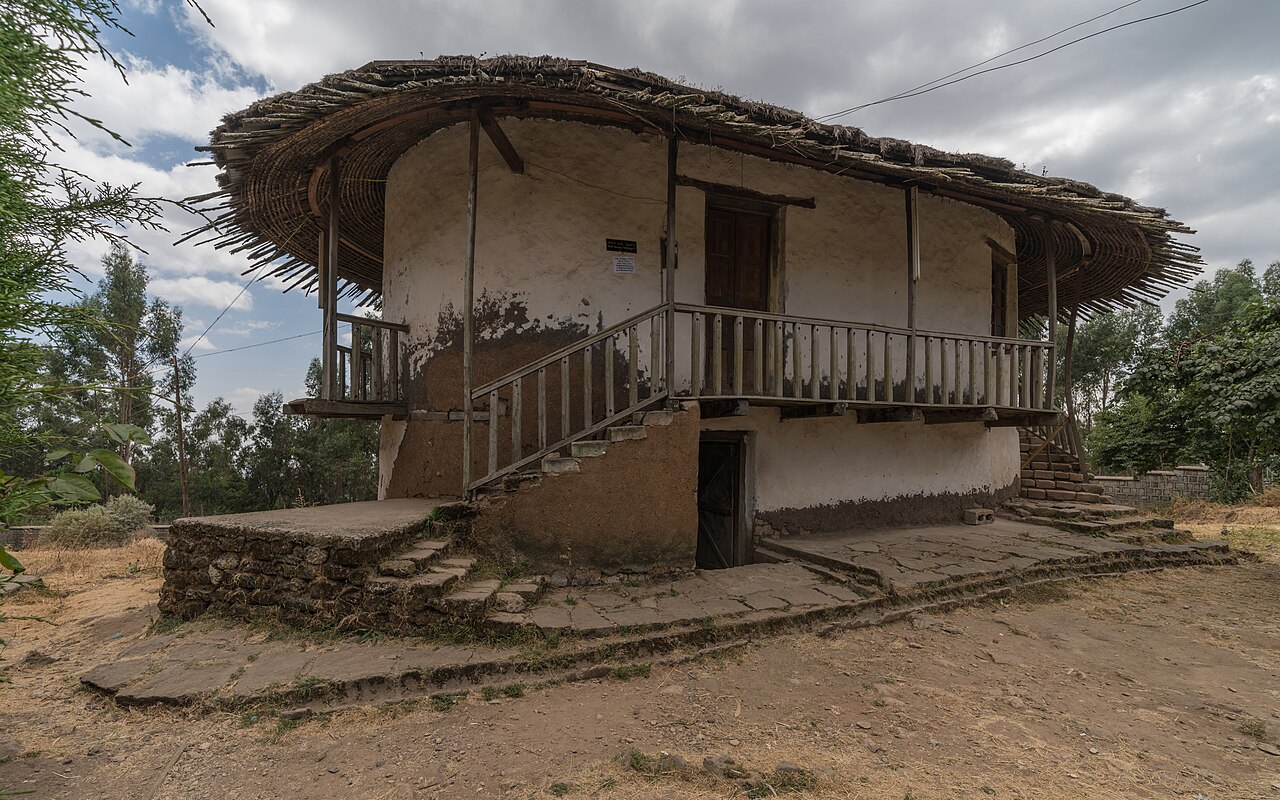 Photograph
Secondary source
A.Savin · 23 January 2018
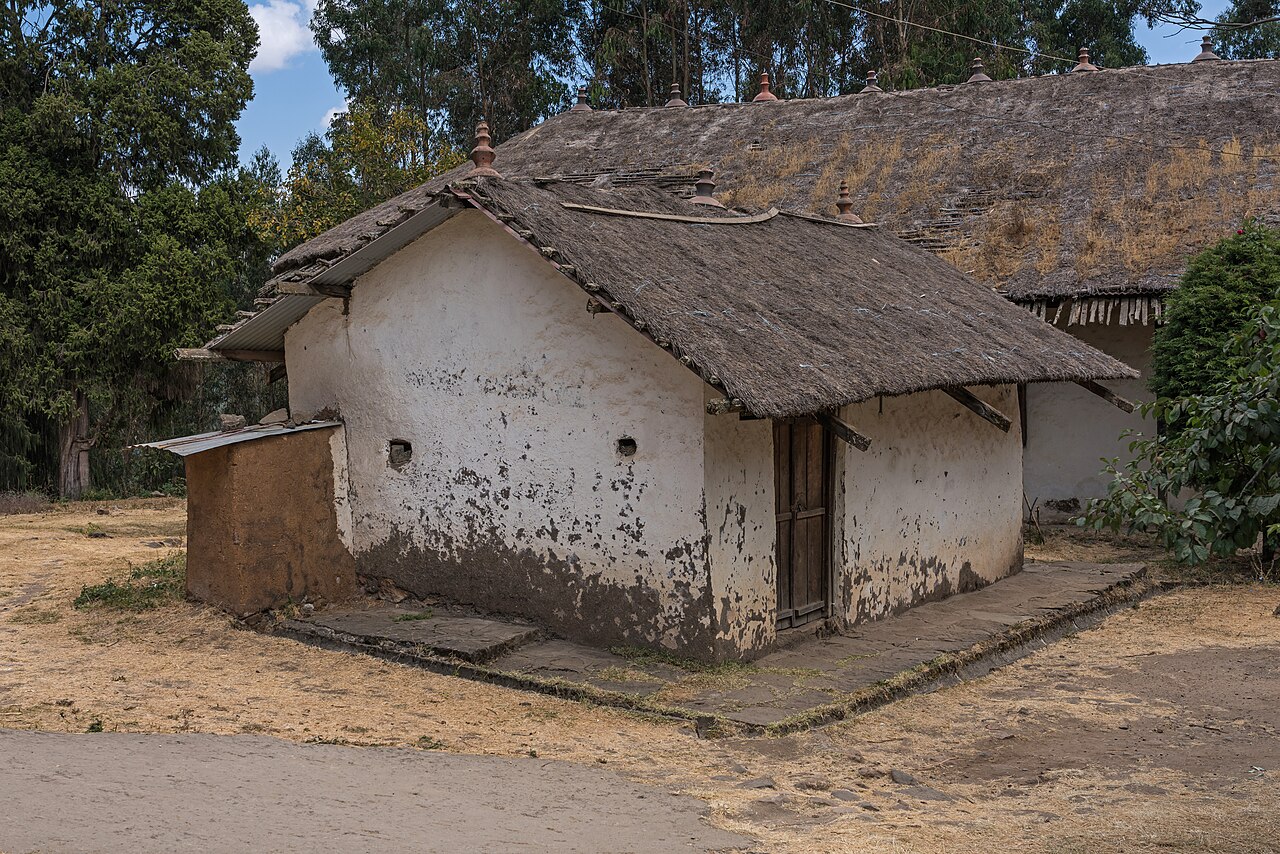 Photograph
Secondary source
A.Savin · 23 January 2018
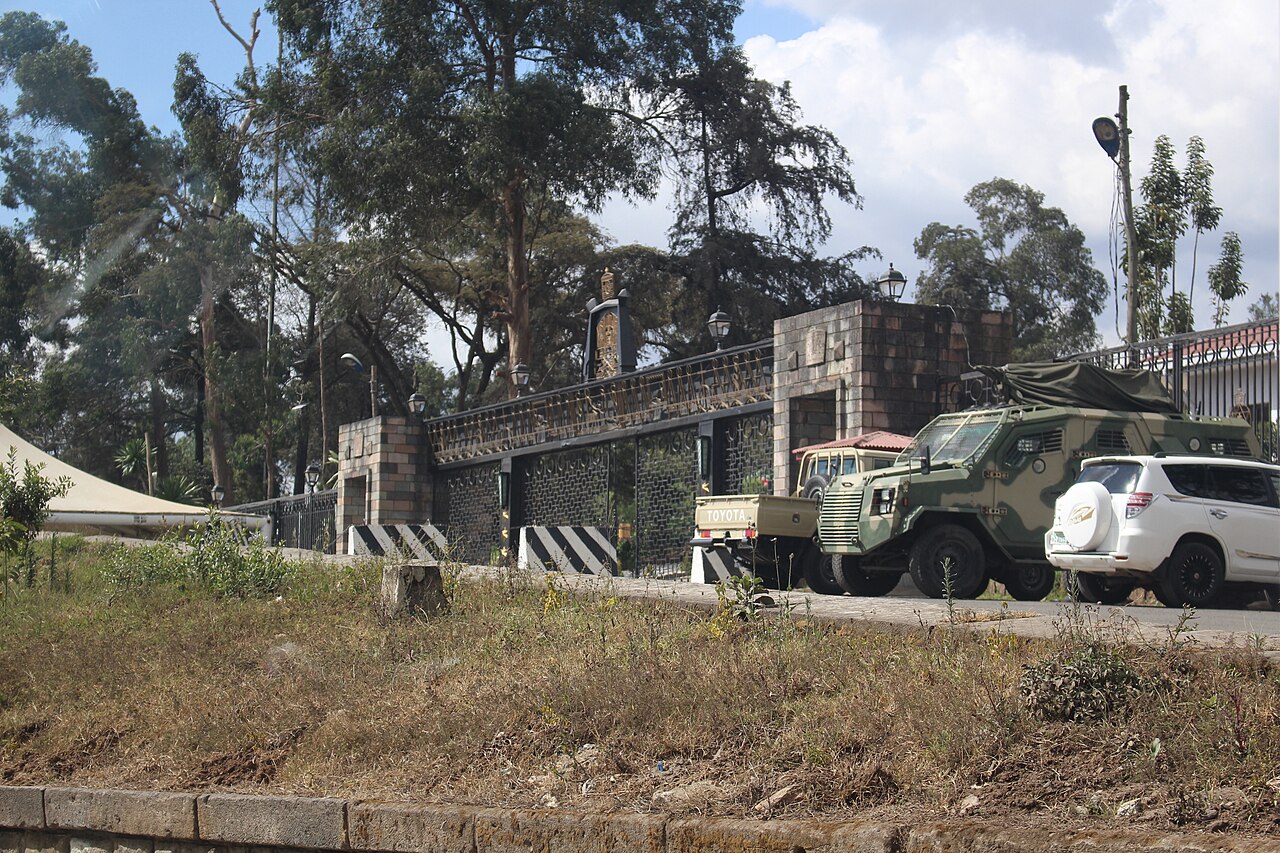 Photograph
Secondary source
Varavour · 4 January 2020
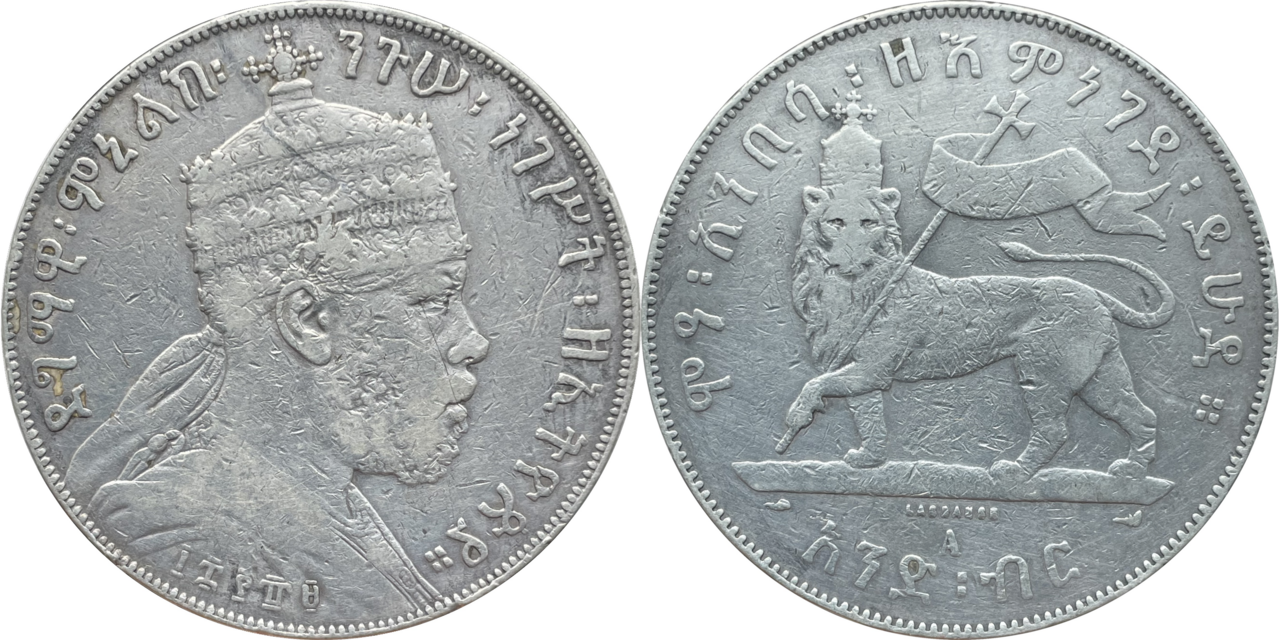 Artifact
Secondary source
Windrain · 1889
Want the full shelf? Chat with Emperor Menelik II in the app and open the Sources panel — every quote links back to the original.
1 collection
A ready-made collection from the Humy team that features Emperor Menelik II. Preview it, then try it free.
Paying customers



























Dr. Michael Calvert
Assistant Superintendent, South Allegheny School District, Pennsylvania
Been using Humy in his district since 2024
“We enjoyed the program last year and used it frequently.”

Jacob Chisom
World and American History, Monticello High School, Arkansas
Been using Humy in his classroom since 2024
“My students say it’s a welcome change of pace. I’m not a fan of the “sage on the stage” model, so I try to incorporate research-oriented and self-paced activities. With Humy, students have to take charge of their learning. They’ve become more adept at critical thinking, forming better questions, and improving their reading comprehension. The interview feature has been my go-to tool. I create assignments where students must ask historical figures a set number of questions, then summarize the responses to ensure they’re truly absorbing the material. This approach lets them actively explore the past rather than passively consuming information.”
Roger Campbell
7th-grade World History, Lancaster County, Pennsylvania
Been using Humy in his classroom since 2024
“Humy has helped me bring historical figures, sometimes long past, to life. When my students interact with these figures in real-time, it eliminates some of the perceived “ancient” characteristics of my curriculum. This has shifted my students’ thinking away from viewing history as abstract or irrelevant. Real-time interactions make historical figures relatable, even allowing students to ask off-topic questions that help put historical lives in a more relevant context for 13-year-olds. The feature I use the most is the interview feature. After teaching a topic, most recently Gandhi and Joan of Arc, I have the students ask pointed, focused questions. We practice good conversation techniques beforehand, teaching them to listen (or read) carefully and formulate thoughtful follow-up questions rather than just interrogating. It helps students practice effective conversation skills.”
Dr. Michael Calvert
Assistant Superintendent, South Allegheny School District, Pennsylvania
Been using Humy in his district since 2024
“We enjoyed the program last year and used it frequently.”
Jacob Chisom
World and American History, Monticello High School, Arkansas
Been using Humy in his classroom since 2024
“My students say it’s a welcome change of pace. I’m not a fan of the “sage on the stage” model, so I try to incorporate research-oriented and self-paced activities. With Humy, students have to take charge of their learning. They’ve become more adept at critical thinking, forming better questions, and improving their reading comprehension. The interview feature has been my go-to tool. I create assignments where students must ask historical figures a set number of questions, then summarize the responses to ensure they’re truly absorbing the material. This approach lets them actively explore the past rather than passively consuming information.”
Roger Campbell
7th-grade World History, Lancaster County, Pennsylvania
Been using Humy in his classroom since 2024
“Humy has helped me bring historical figures, sometimes long past, to life. When my students interact with these figures in real-time, it eliminates some of the perceived “ancient” characteristics of my curriculum. This has shifted my students’ thinking away from viewing history as abstract or irrelevant. Real-time interactions make historical figures relatable, even allowing students to ask off-topic questions that help put historical lives in a more relevant context for 13-year-olds. The feature I use the most is the interview feature. After teaching a topic, most recently Gandhi and Joan of Arc, I have the students ask pointed, focused questions. We practice good conversation techniques beforehand, teaching them to listen (or read) carefully and formulate thoughtful follow-up questions rather than just interrogating. It helps students practice effective conversation skills.”
FAQ
Like any LLM, the AI version of Emperor Menelik II can get details wrong. Open one of these sources in a new tab to verify what you’ve read.

Historical ruler and founder of the Akkadian Empire.

Byzantine emperor known for his military conquests and expansion of the Byzantine Empire.

The first Emperor of China, known for unifying the country and constructing the Great Wall.

Babylonian king known for his code of laws.

Pharaoh of ancient Egypt.

Babylonian king known for his architectural achievements, including the construction of the Hanging Gardens of Babylon.
Ready when you are
20 messages free · No credit card · Available in 50+ languages.