







Dr. Michael Calvert
Assistant Superintendent, South Allegheny School District, Pennsylvania
Been using Humy in his district since 2024
“We enjoyed the program last year and used it frequently.”

AI Historical Figure
Babylonian king known for his architectural achievements, including the construction of the Hanging Gardens of Babylon.
Chat with Nebuchadnezzar II via text or voice — in 42 languages, drawing on a curated biography and 77 historical sources. Available 24/7.

Nebuchadnezzar II
Online · responds in seconds
Hello — I'm Nebuchadnezzar II. Babylonian king known for his architectural achievements, including the construction of the Hanging Gardens of Babylon. What would you like to ask me?
20 messages free · No credit card · Powered by Humy.ai
Live preview · Switch between 42 languages above · Send a message to continue in the app
Multilingual
Ask Nebuchadnezzar II questions in any language below, and the rest of Humy's app speaks it too. Pick yours to open the chat in that language.
Also in German (Austria), German (Switzerland), English (UK), English (Australia), English (Canada).
77 sources · 21 artifacts · 20 paintings · 17 books · 12 documents · 3 photographs · 3 sculptures · 1 letter
Nebuchadnezzar II doesn’t improvise from thin air. The AI is grounded in 77 curated historical sources students can inspect. Open any of them to see what informs the conversation.
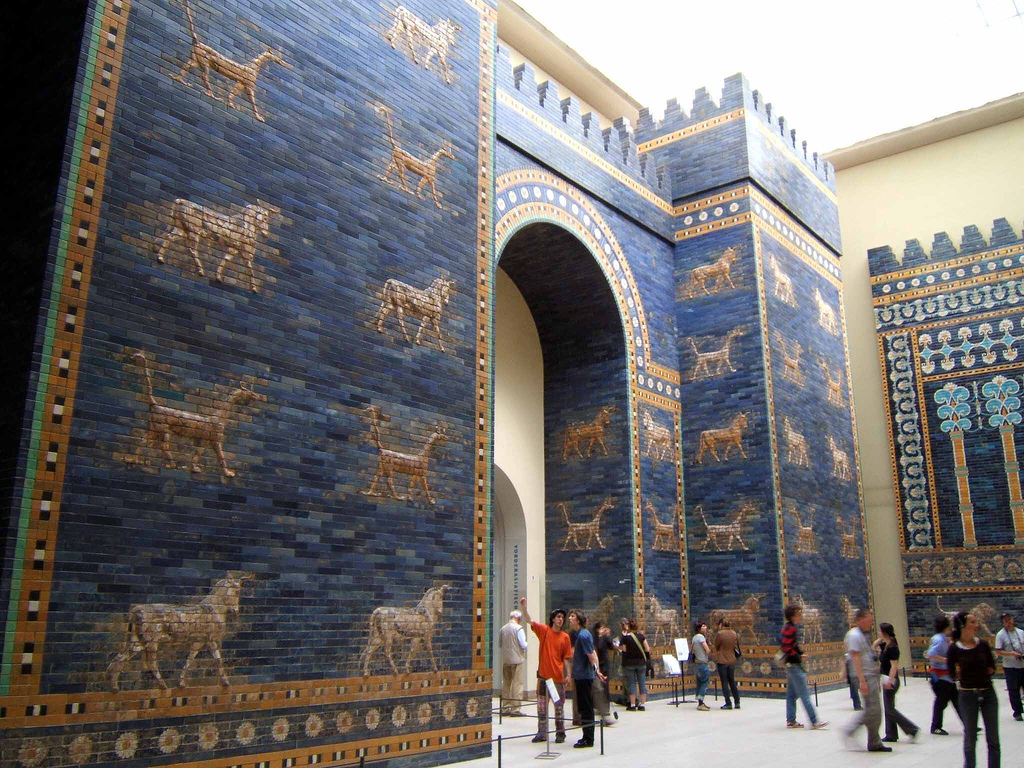 Artifact
Primary source
c. 574 BC
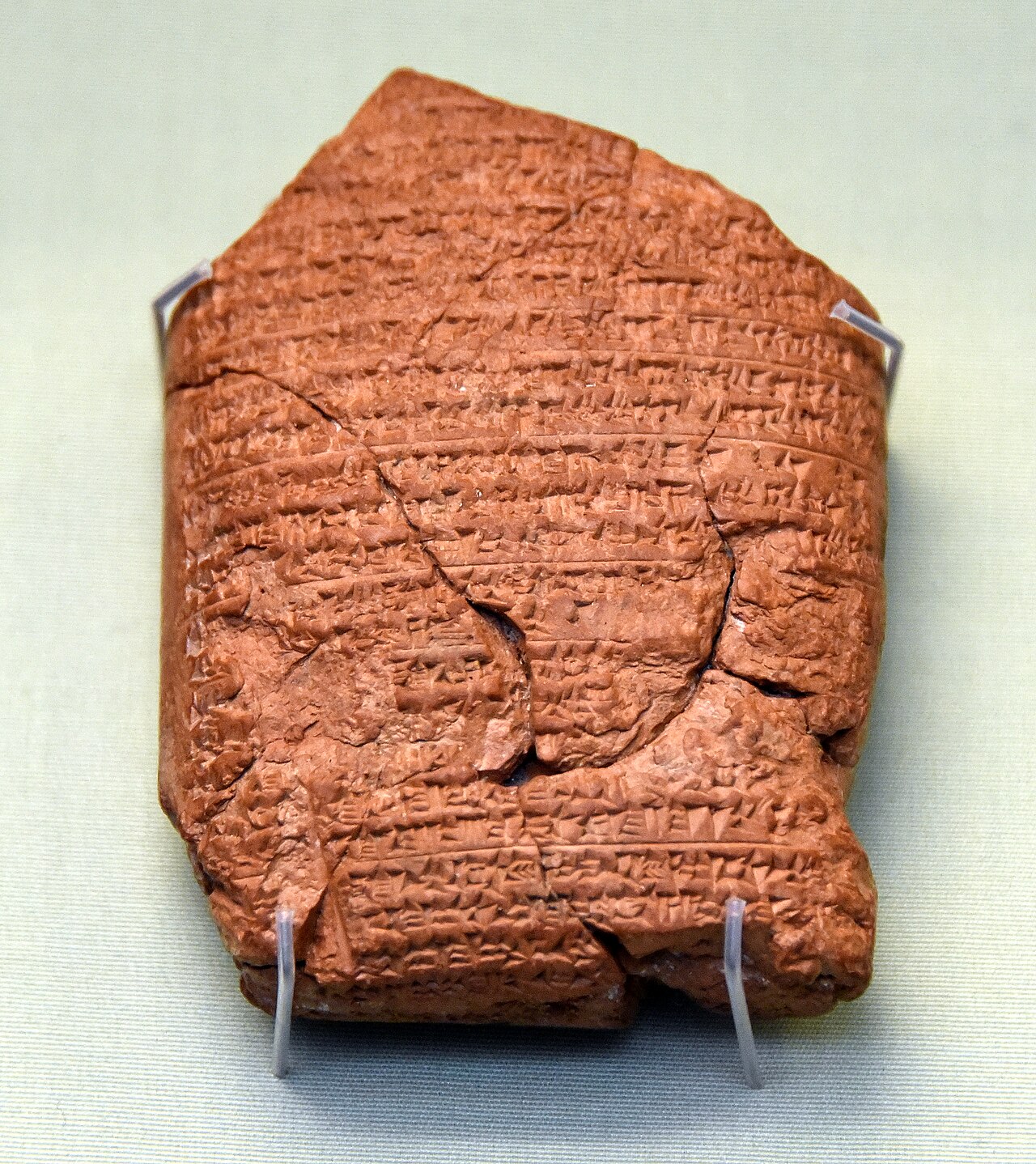 Document
Primary source
Babylonian scribes · c. 550-400 BC (recording events of 605-594 BC)
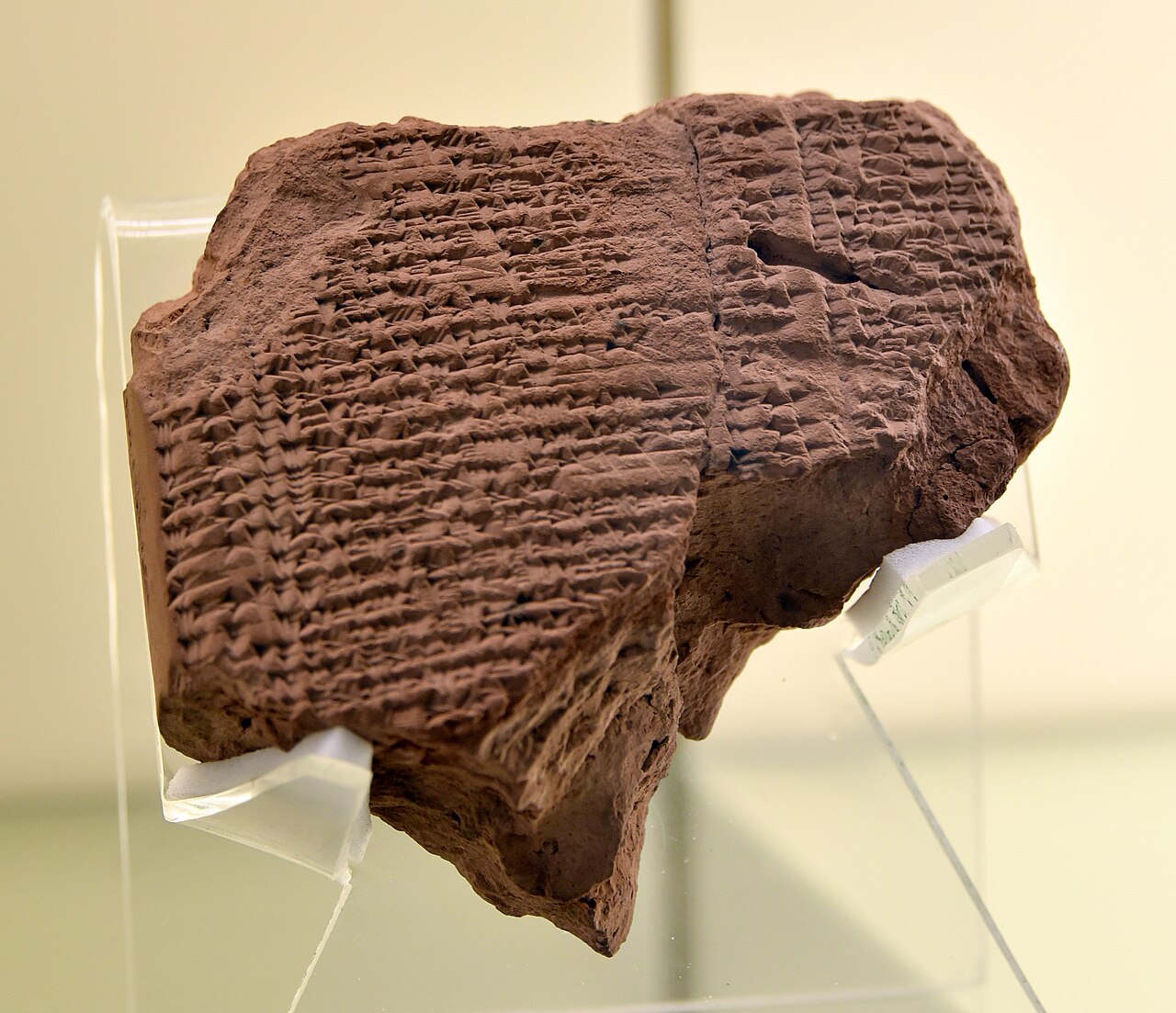 Document
Primary source
Babylonian palace scribes · c. 592 BC
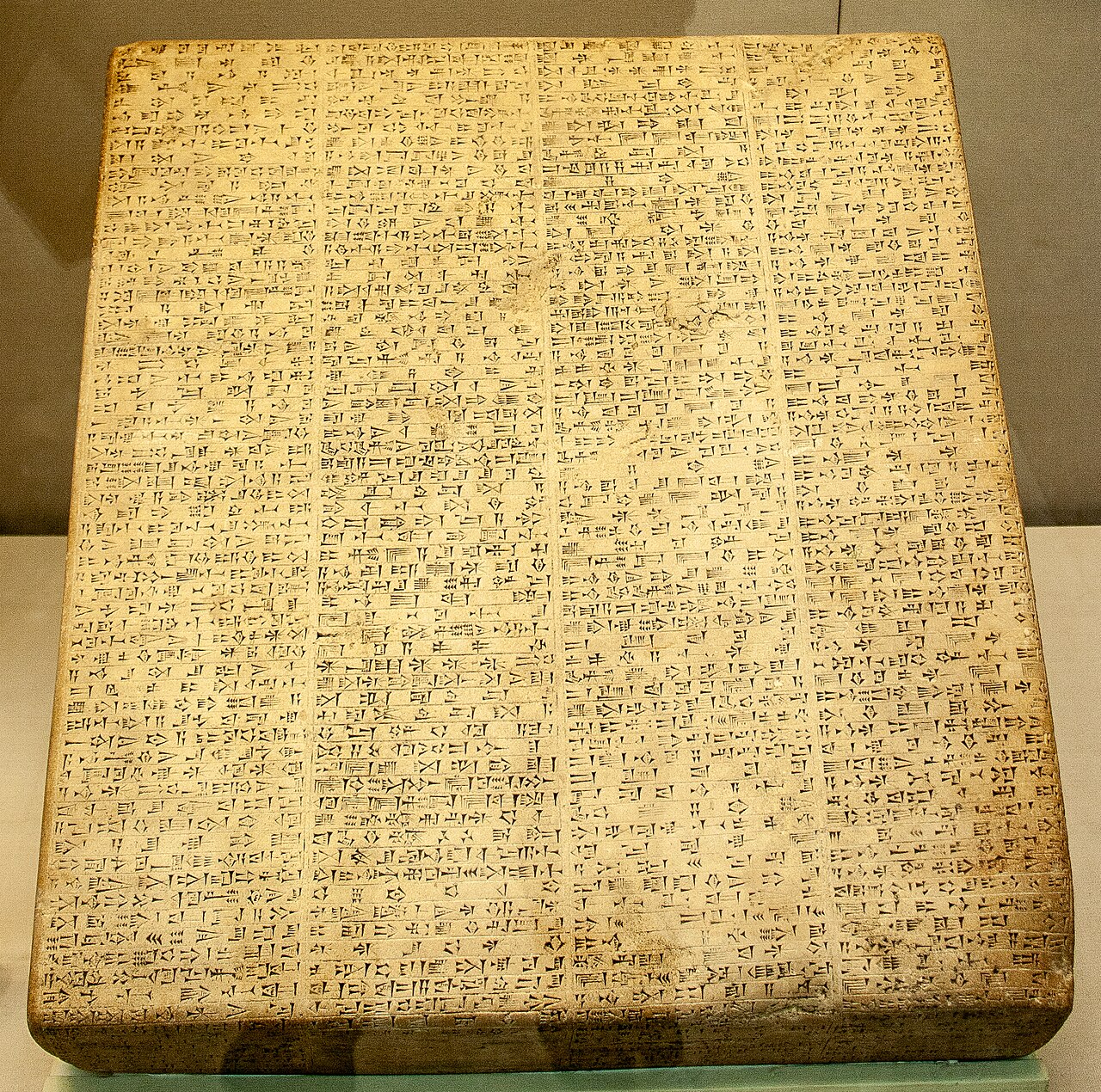 Document
Primary source
Nebuchadnezzar II (scribes writing for him) · 604-562 BC
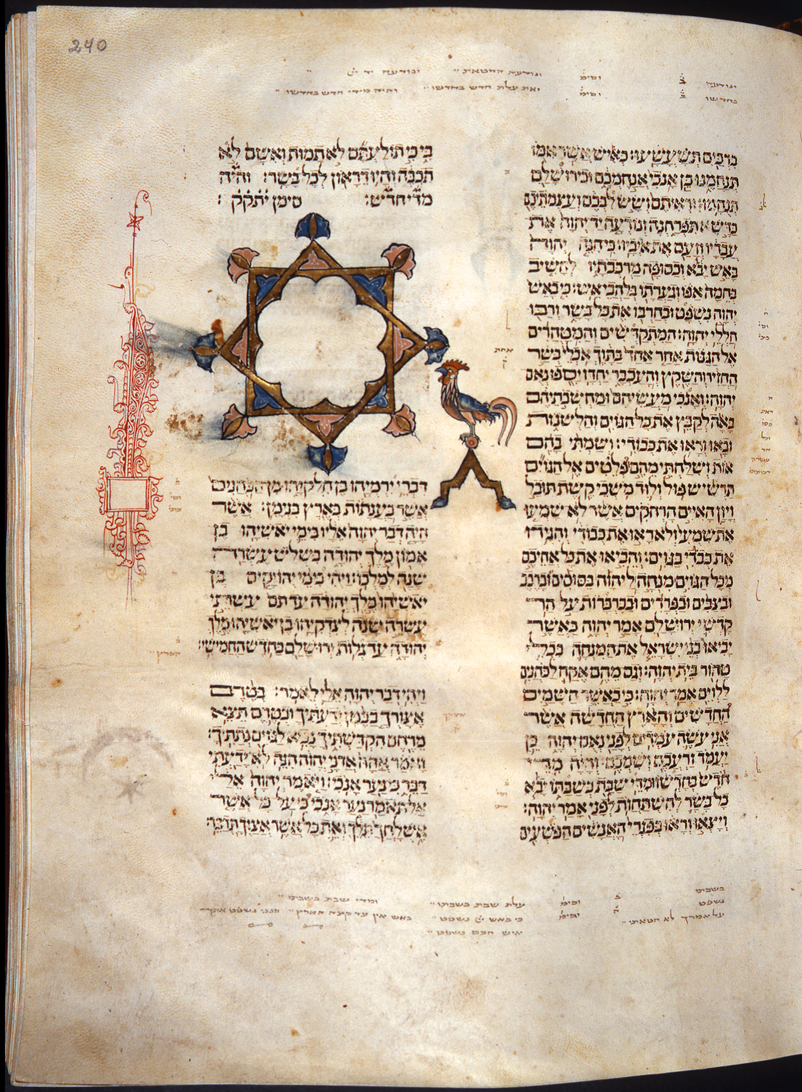 Book
Primary source
Jeremiah · c. 6th century BC (text); manuscript illuminated later
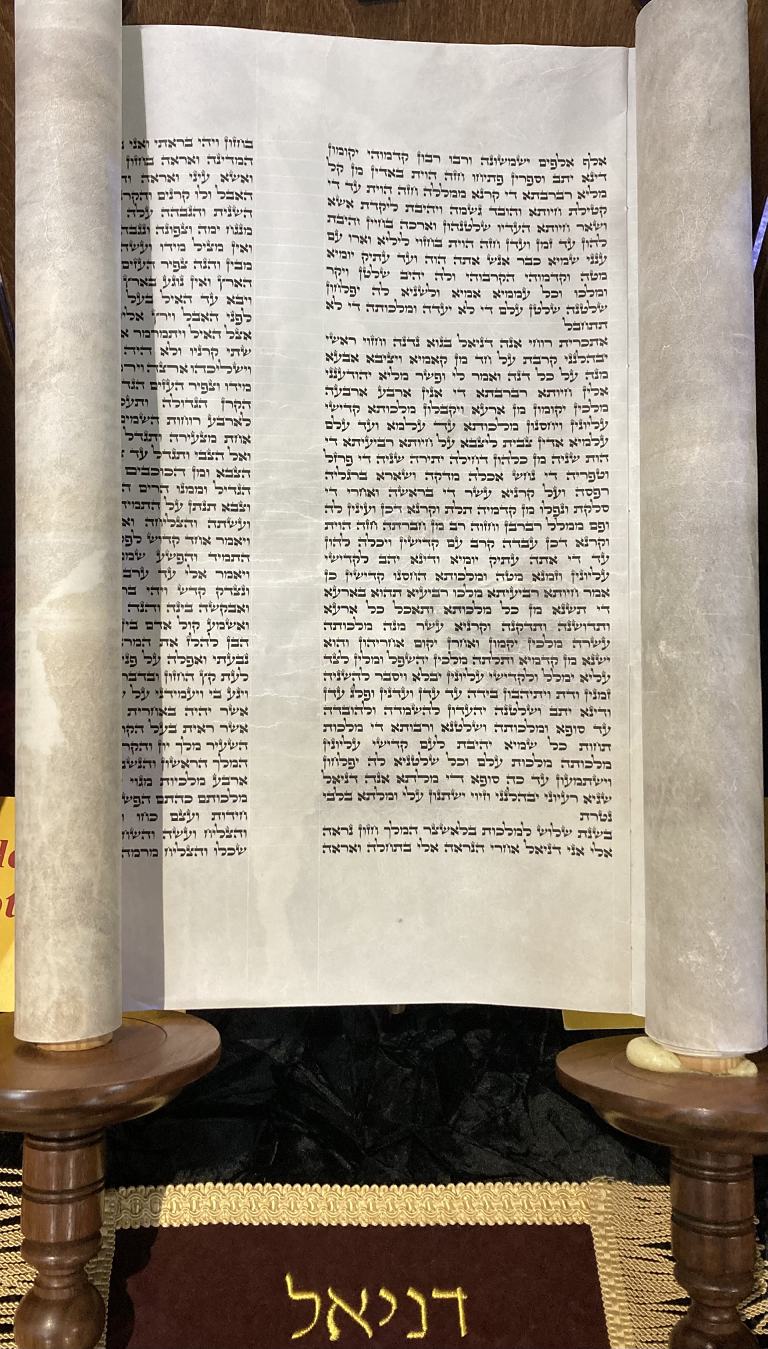 Book
Secondary source
c. 200 BC
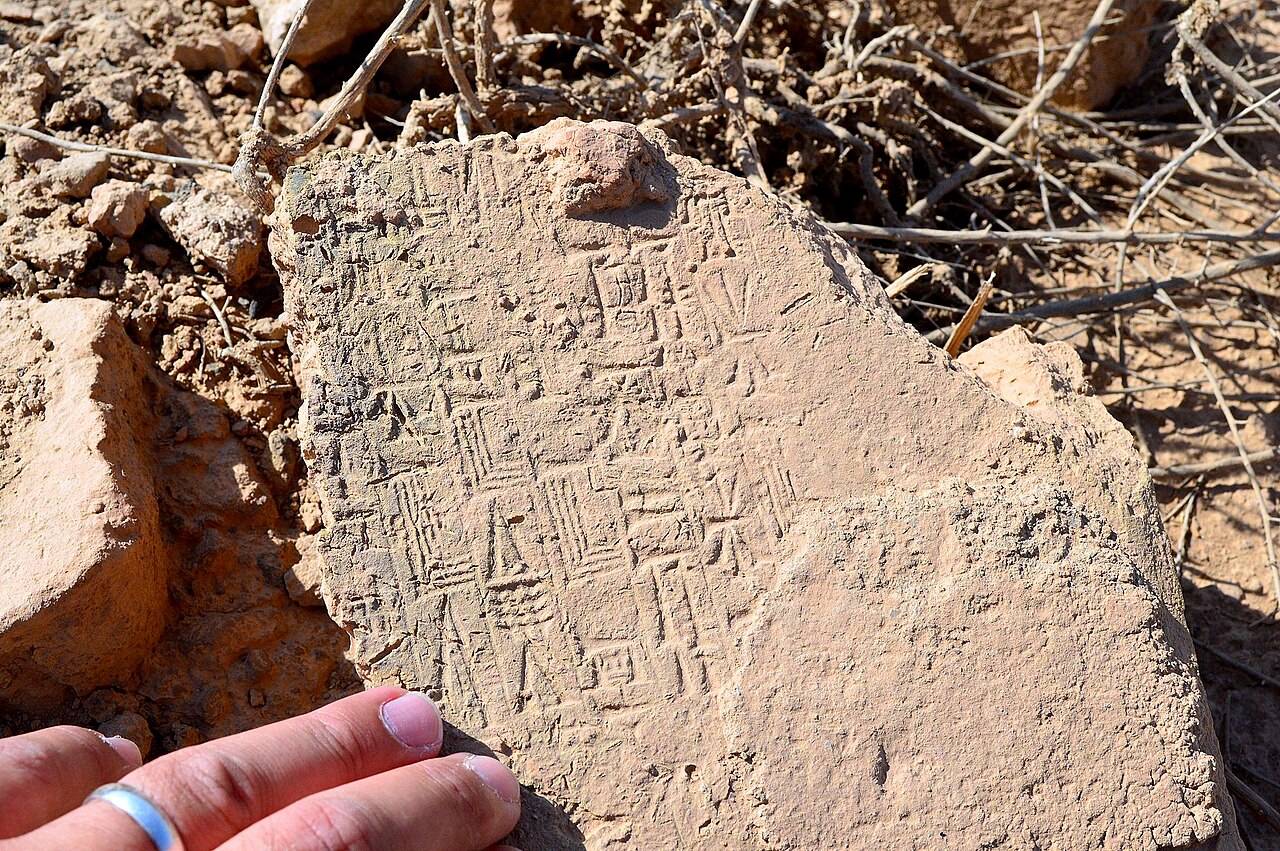 Artifact
Primary source
Royal brickworks of Nebuchadnezzar II · c. 604–562 BCE
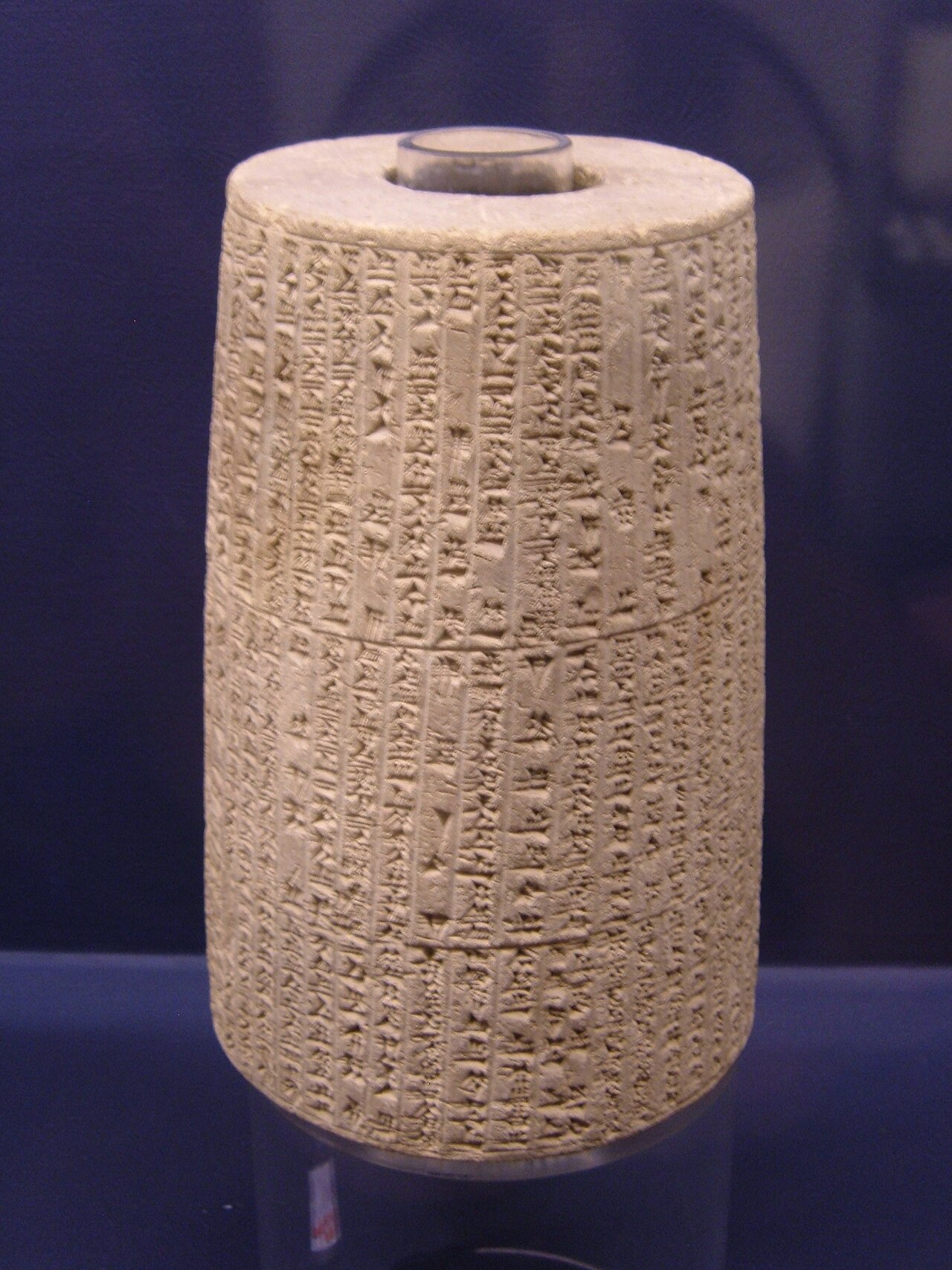 Document
Primary source
Scribes of Nebuchadnezzar II · c. 604–562 BCE
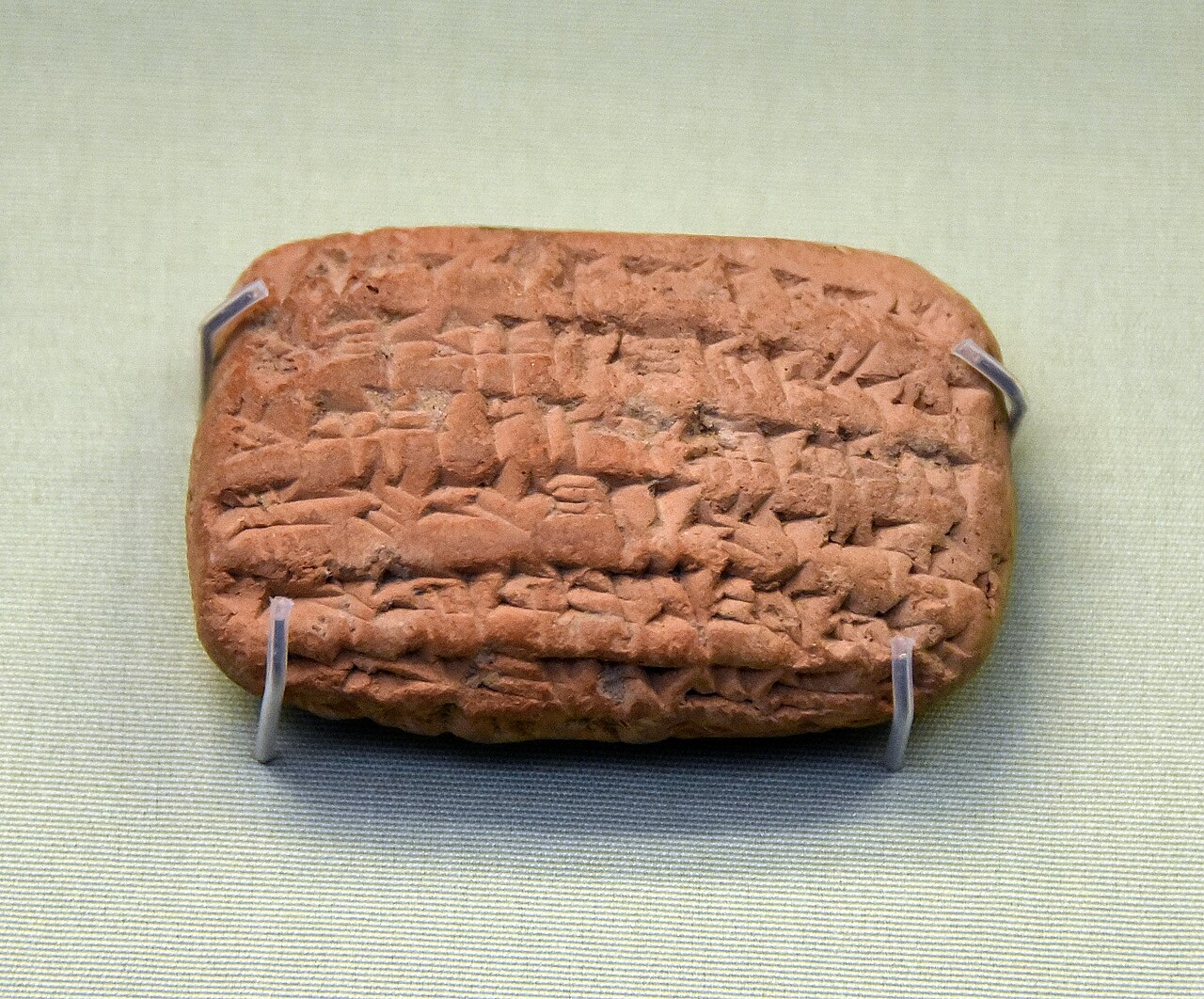 Document
Primary source
c. 595 BCE
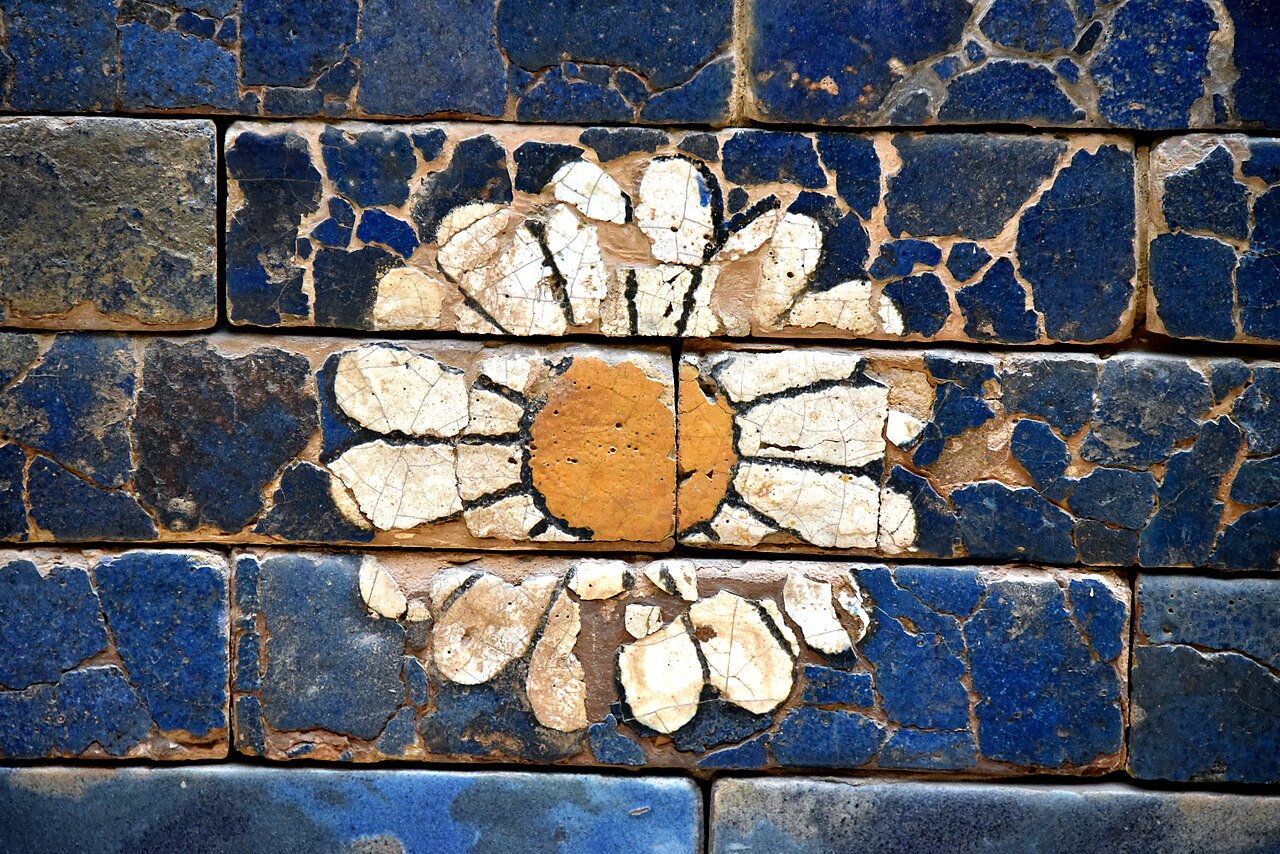 Artifact
Primary source
Neo-Babylonian builders under Nebuchadnezzar II · c. 604–562 BCE
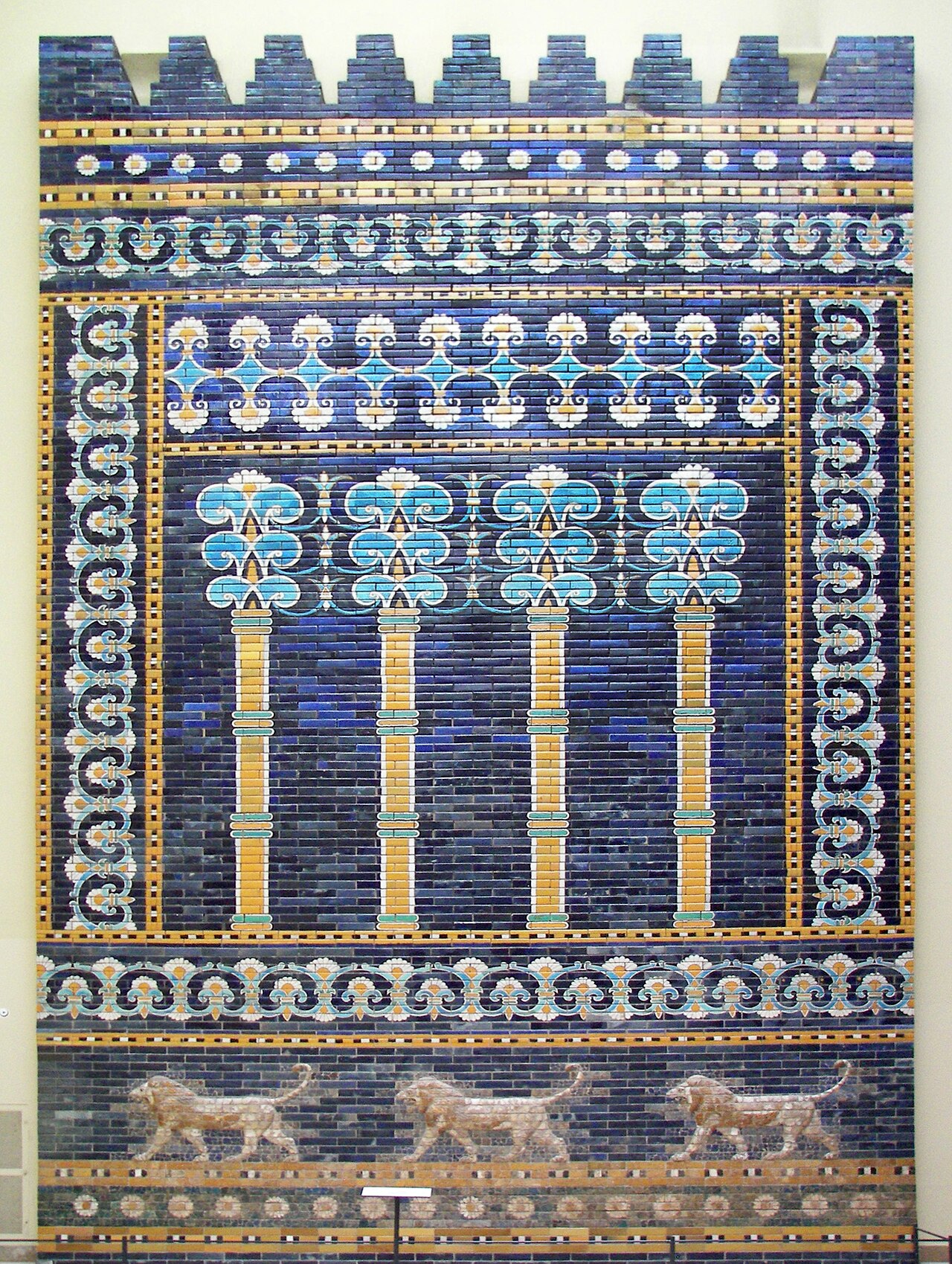 Artifact
Primary source
Neo-Babylonian builders under Nebuchadnezzar II · c. 604–562 BCE
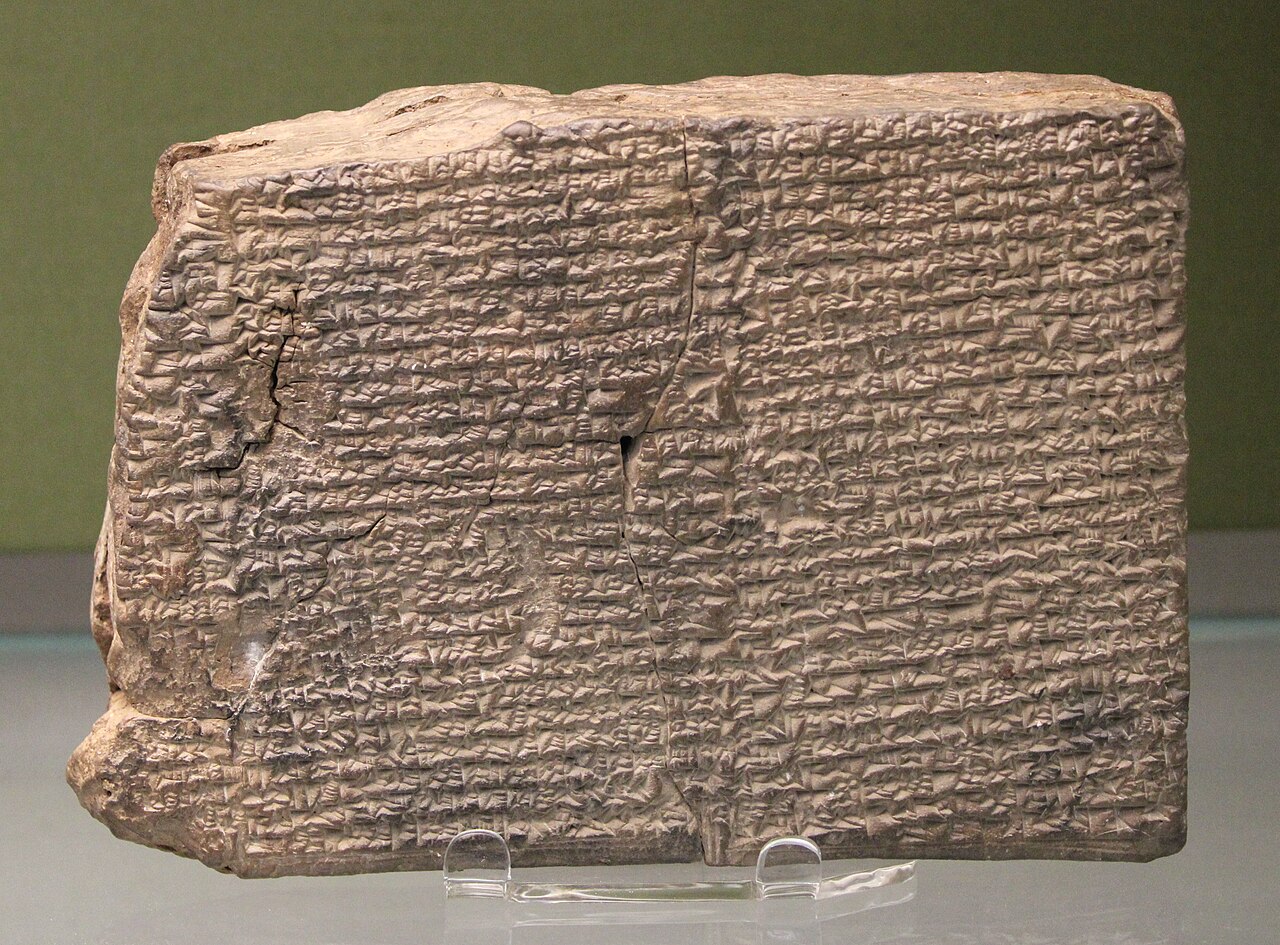 Document
Secondary source
Zunkir · 605–562 BCE
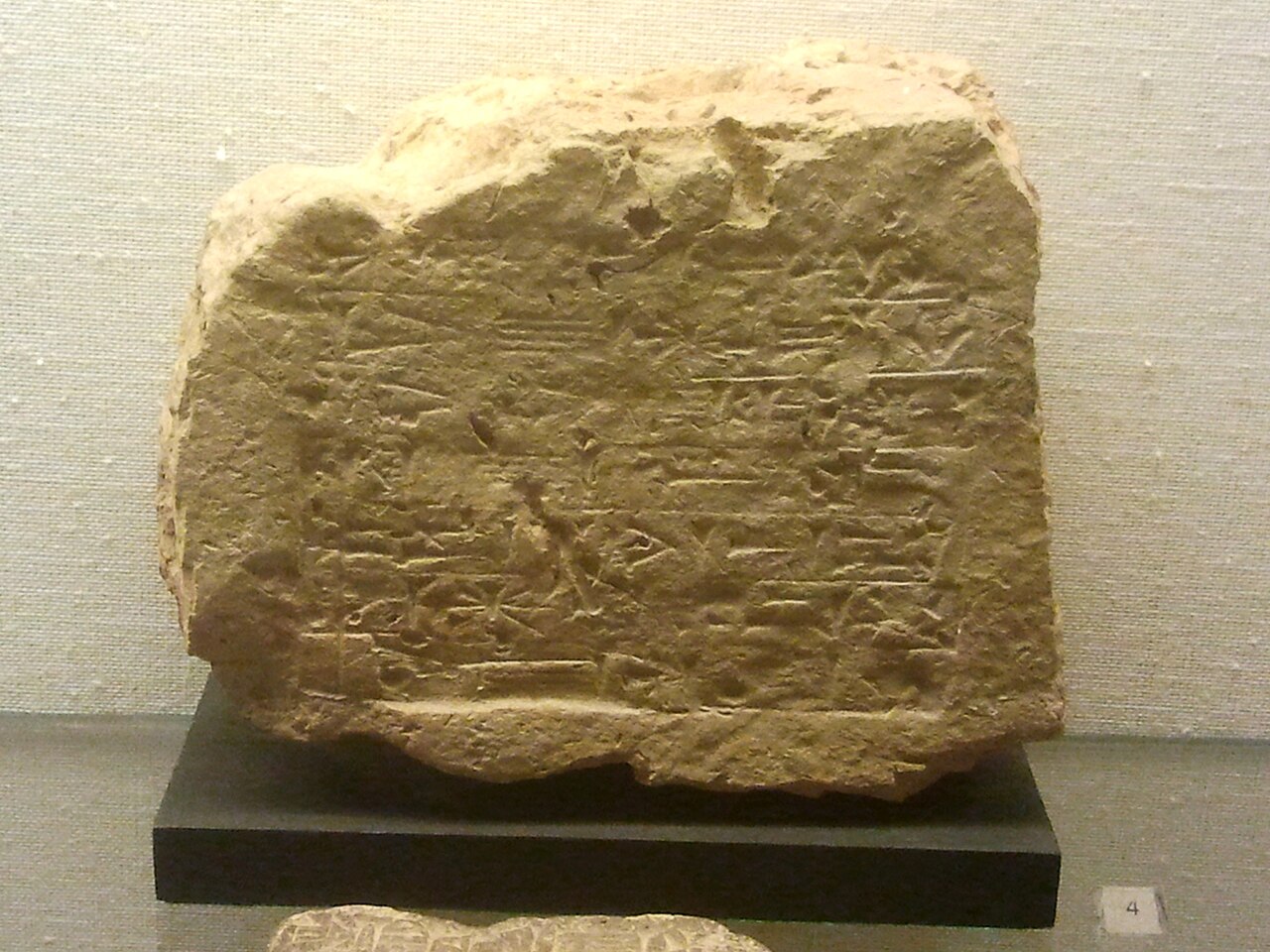 Artifact
Primary source
6th century BC
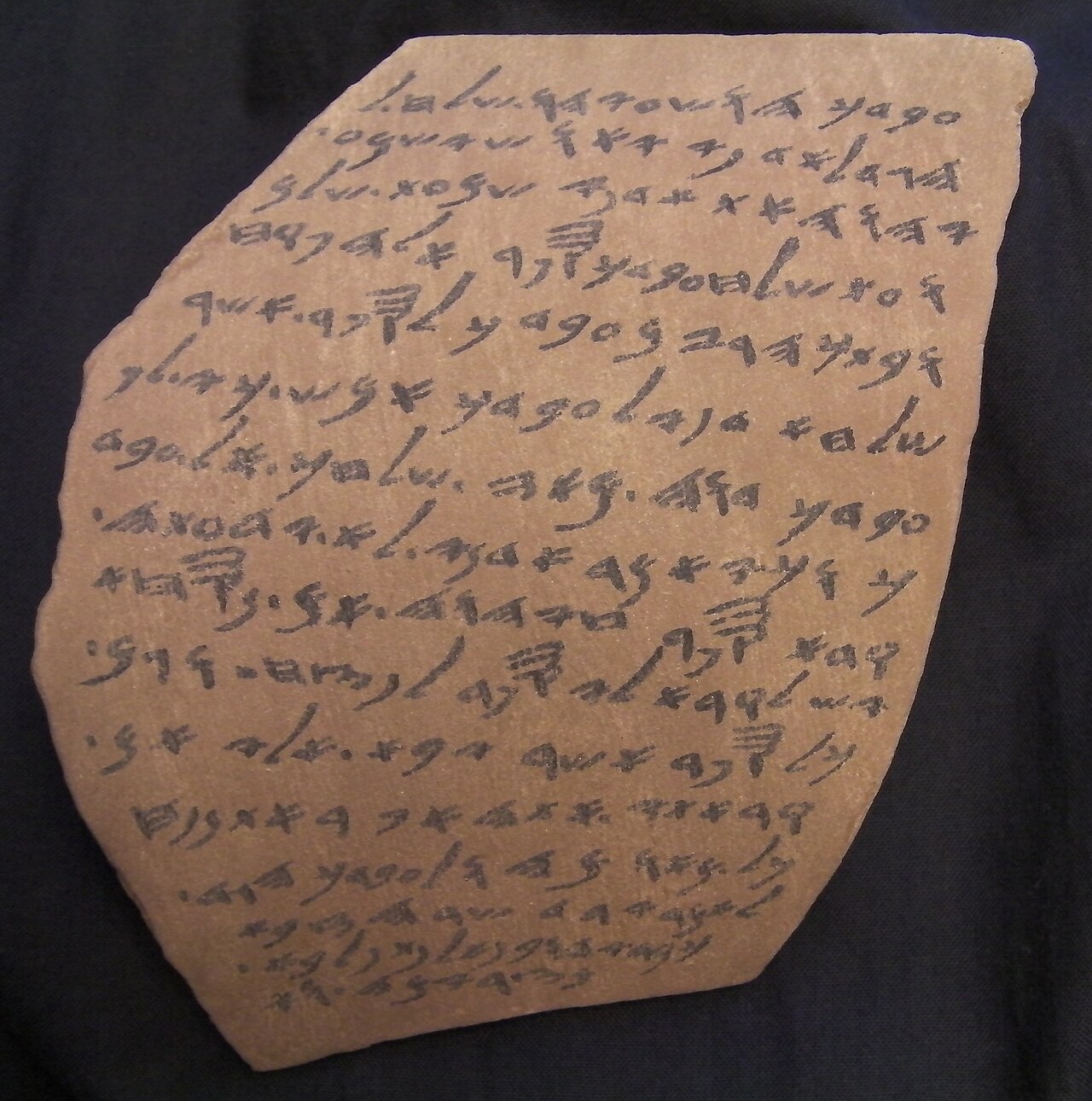 Letter
Primary source
Hoshaiah · c. 588-586 BC
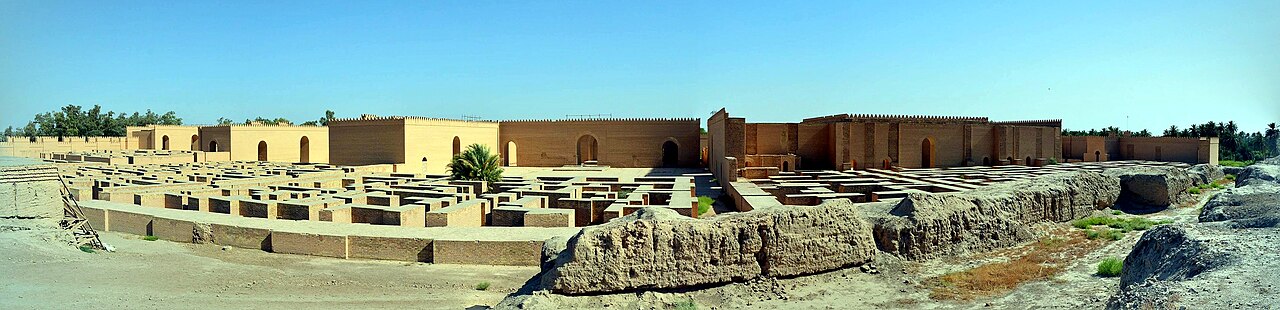 Photograph
Tertiary source
Osama Shukir Muhammed Amin FRCP(Glasg)
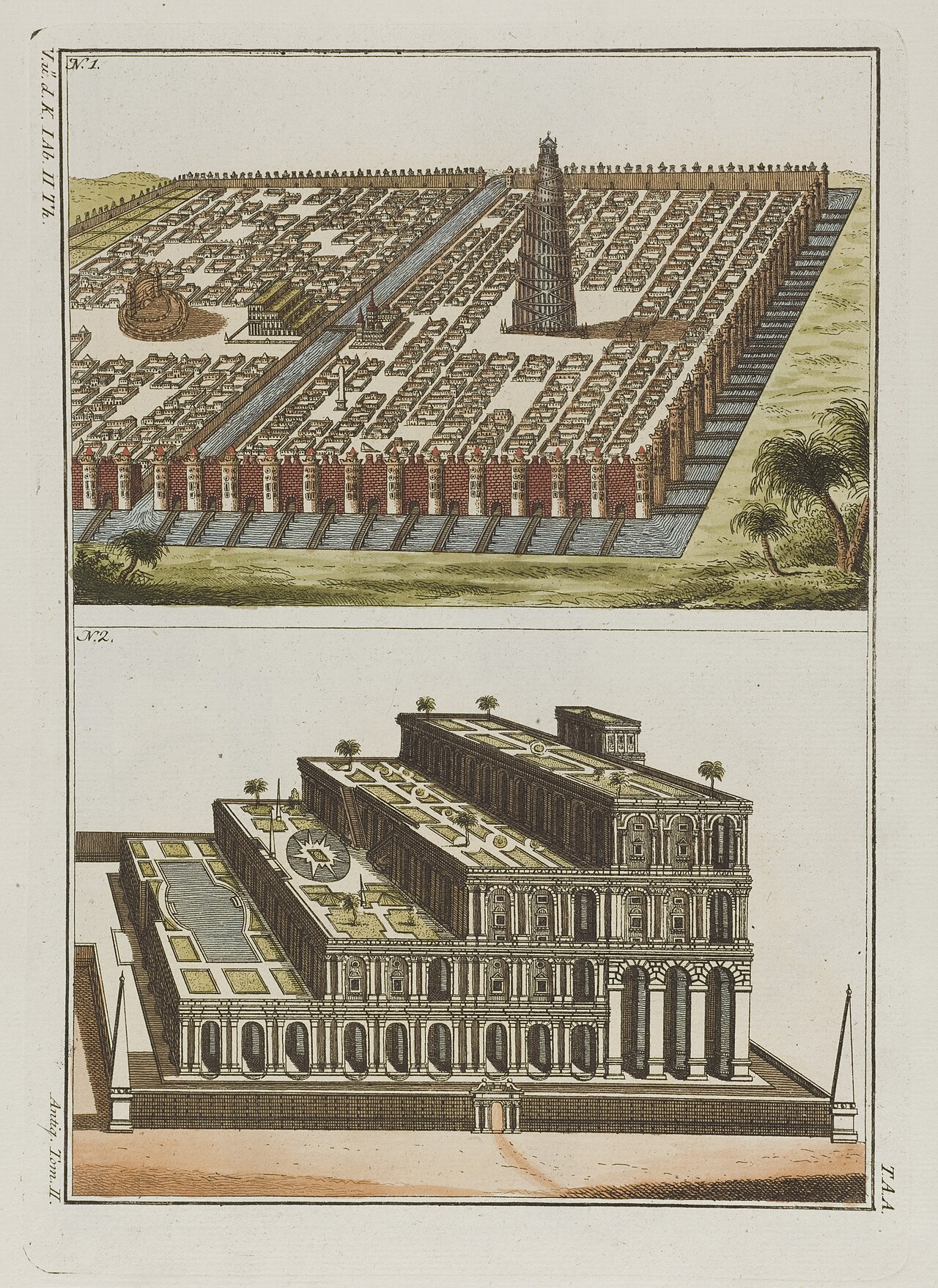 Artifact
Secondary source
c. 600 BC (legendary)
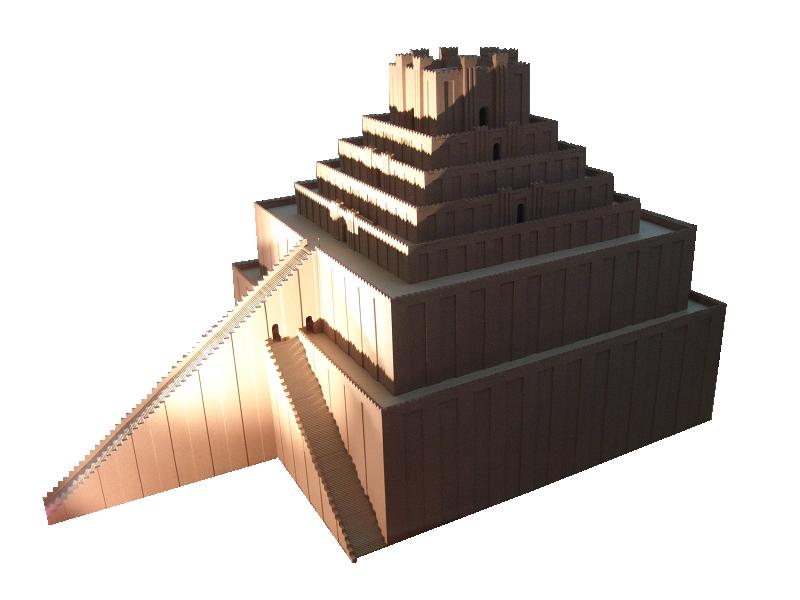 Artifact
Primary source
completed 6th century BC
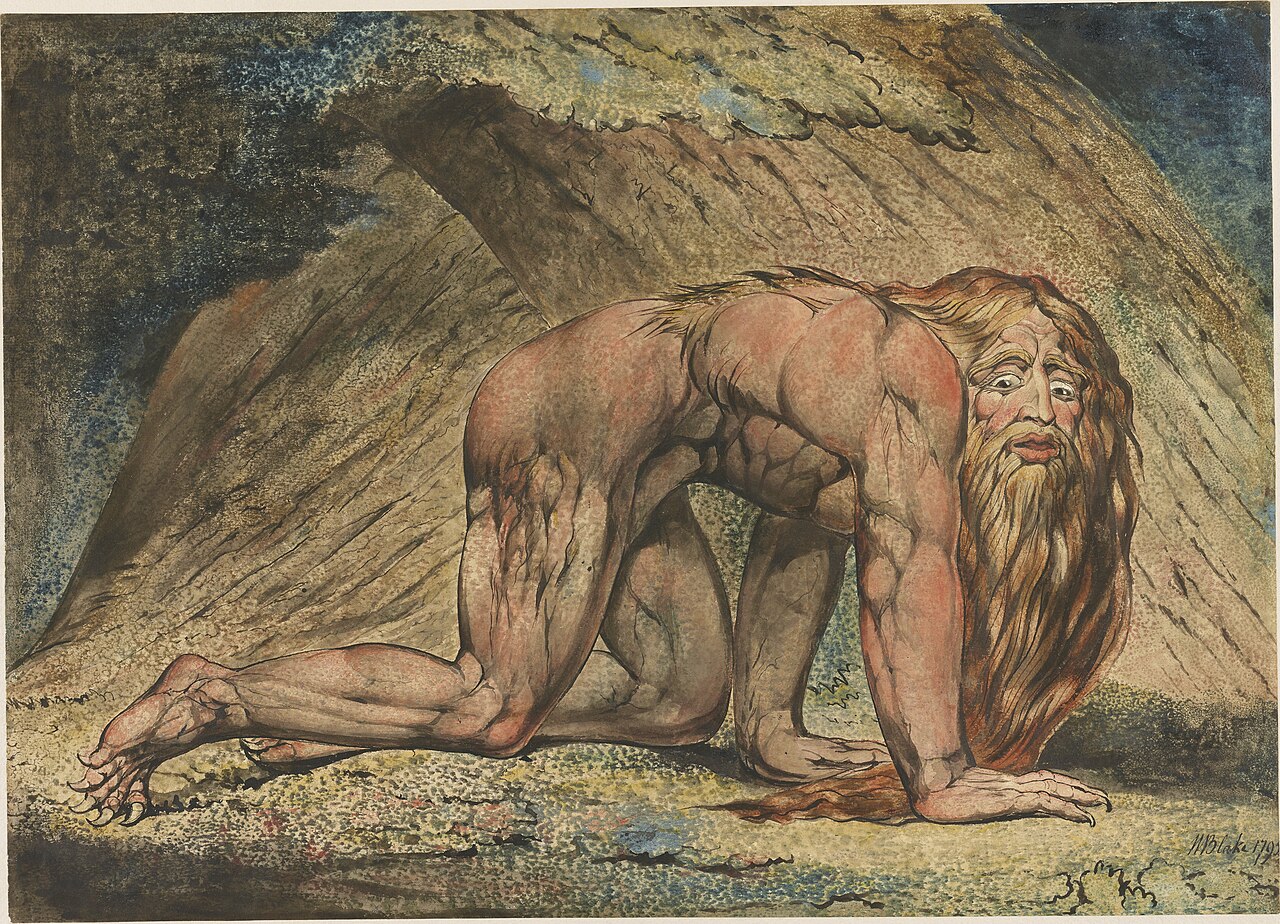 Painting
Secondary source
William Blake · 1795
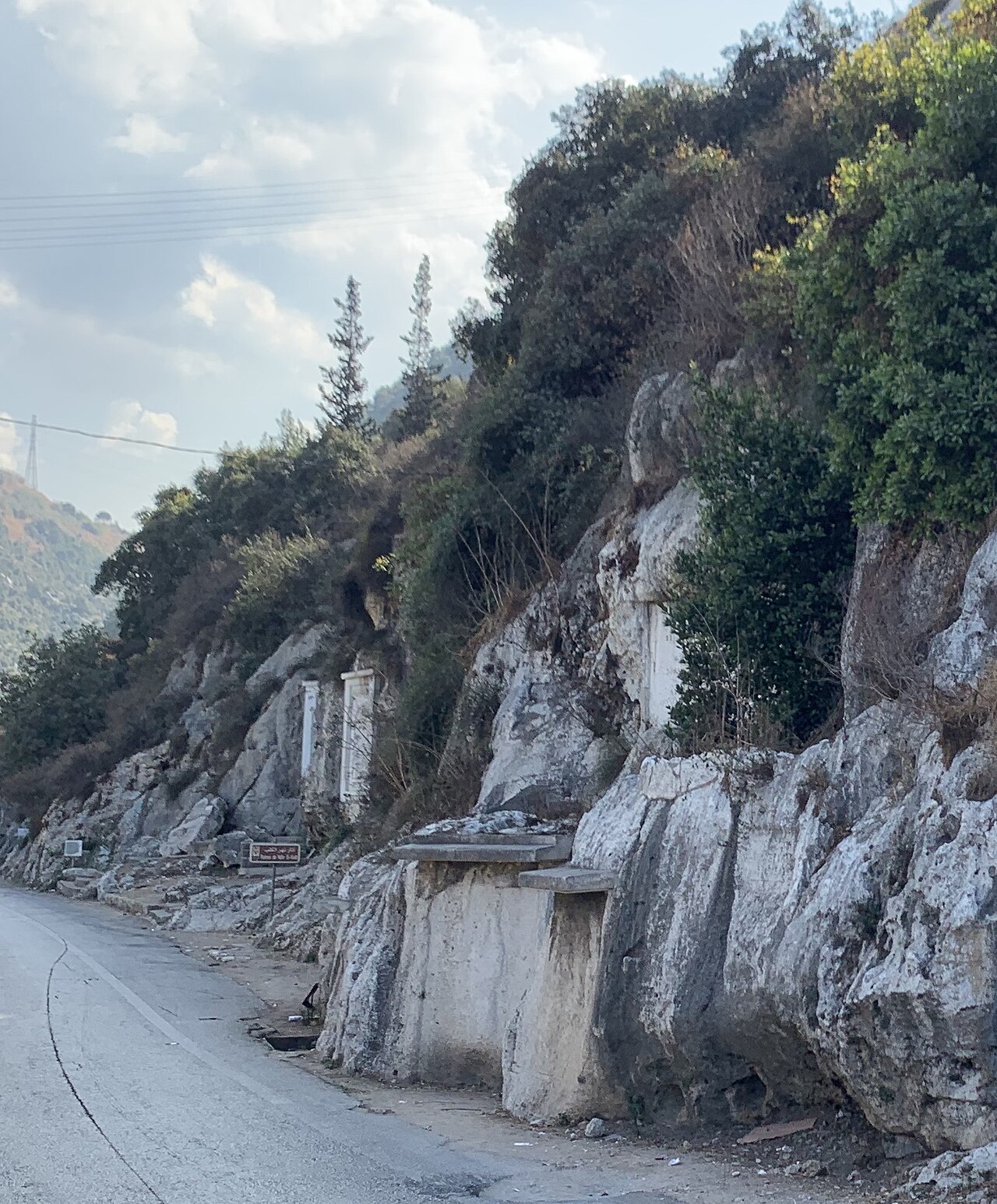 Artifact
Primary source
Nebuchadnezzar II (commissioner, one of several rulers represented)
Secondary source
Anonymous Judean poets (traditionally attributed to Jeremiah) · 6th century BCE
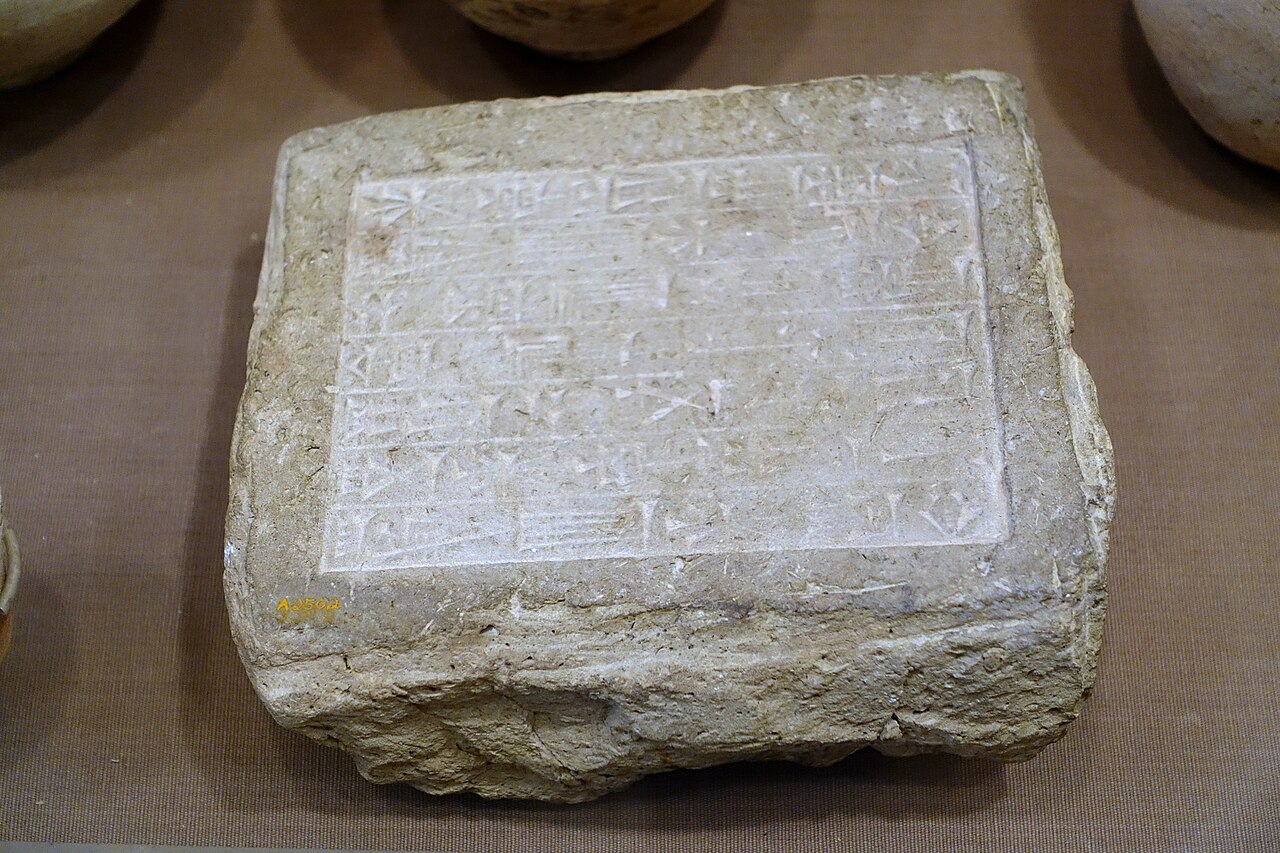 Artifact
Primary source
Nebuchadnezzar II · c. 604–562 BC
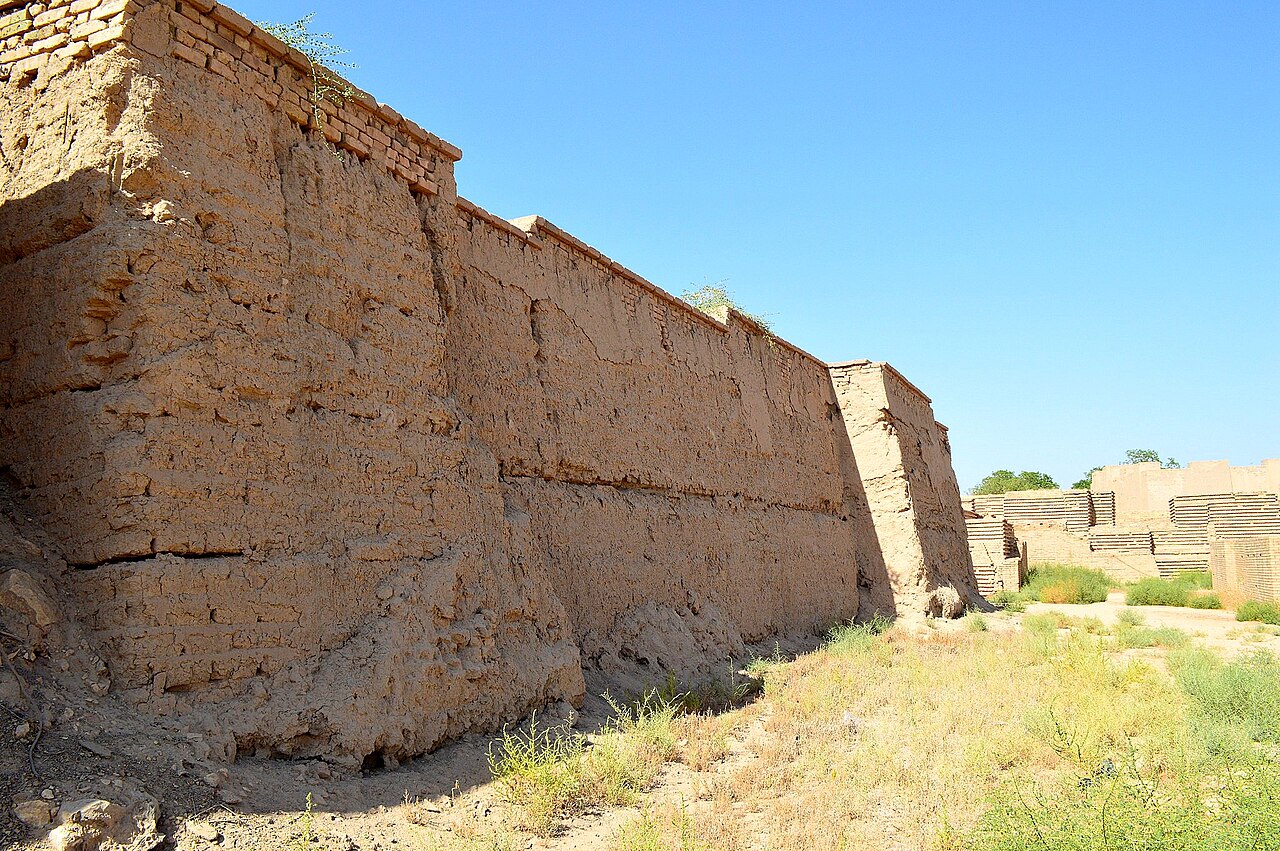 Photograph
Tertiary source
Osama Shukir Muhammed Amin FRCP(Glasg)
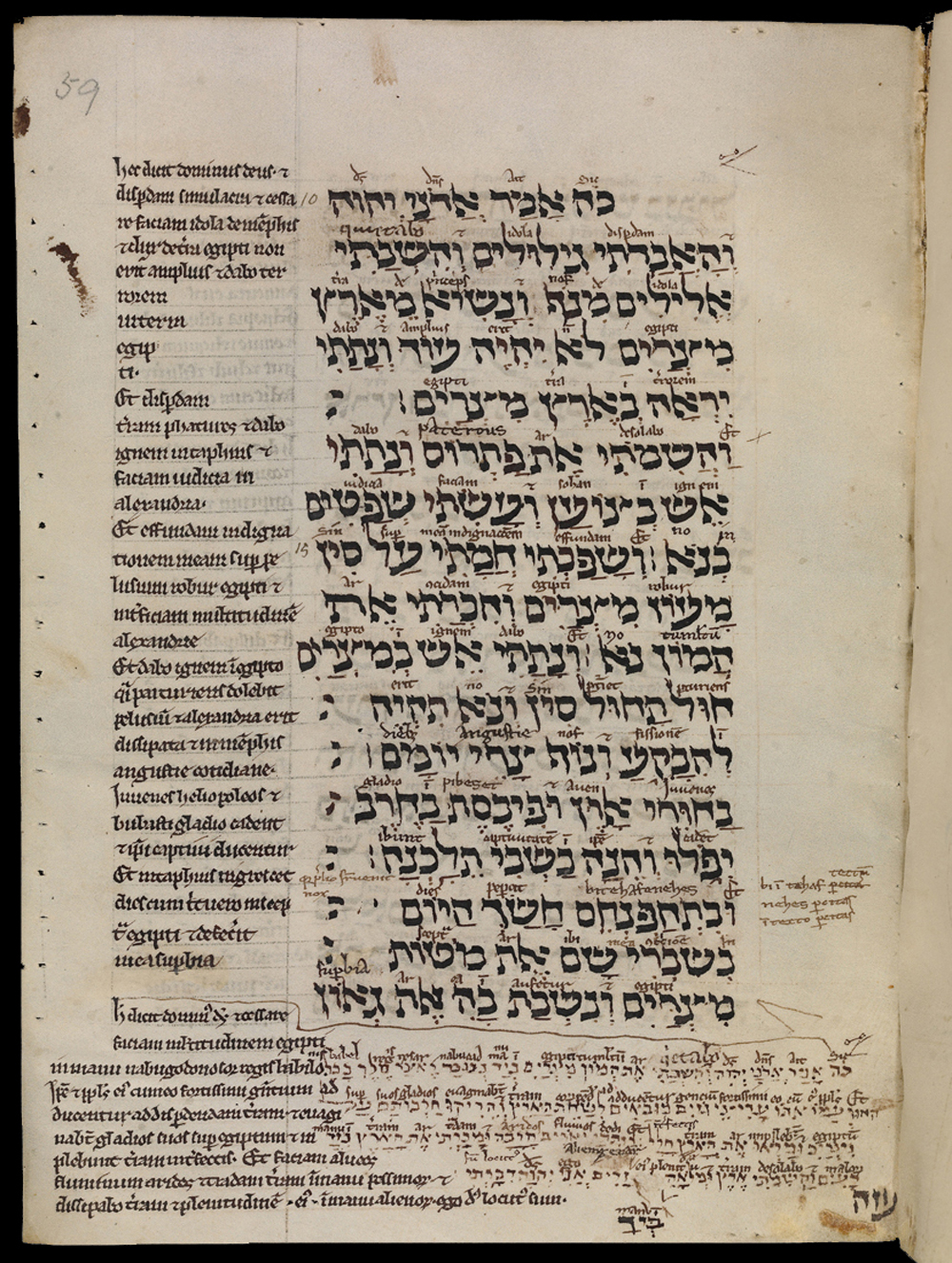 Book
Secondary source
Ezekiel · 6th century BCE
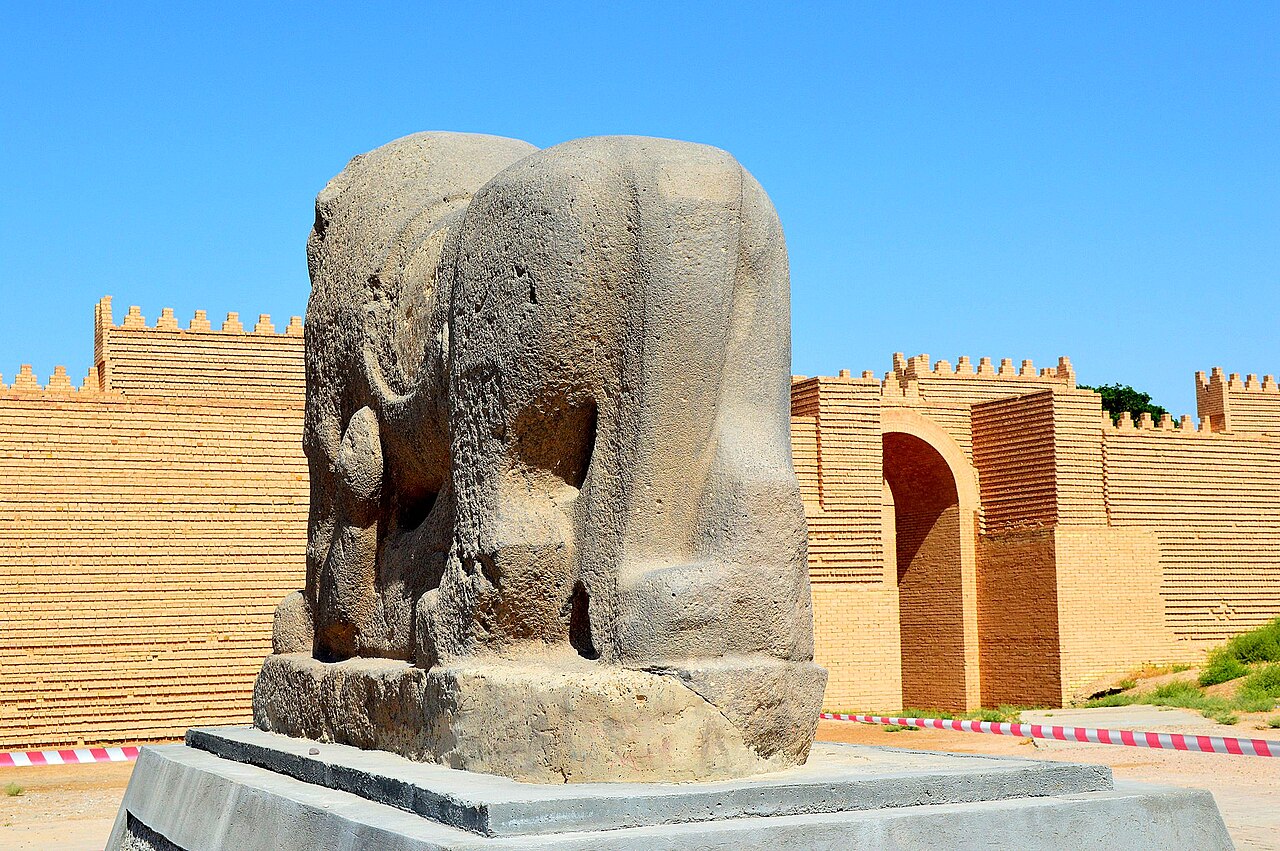 Sculpture
Tertiary source
Osama Shukir Muhammed Amin FRCP(Glasg)
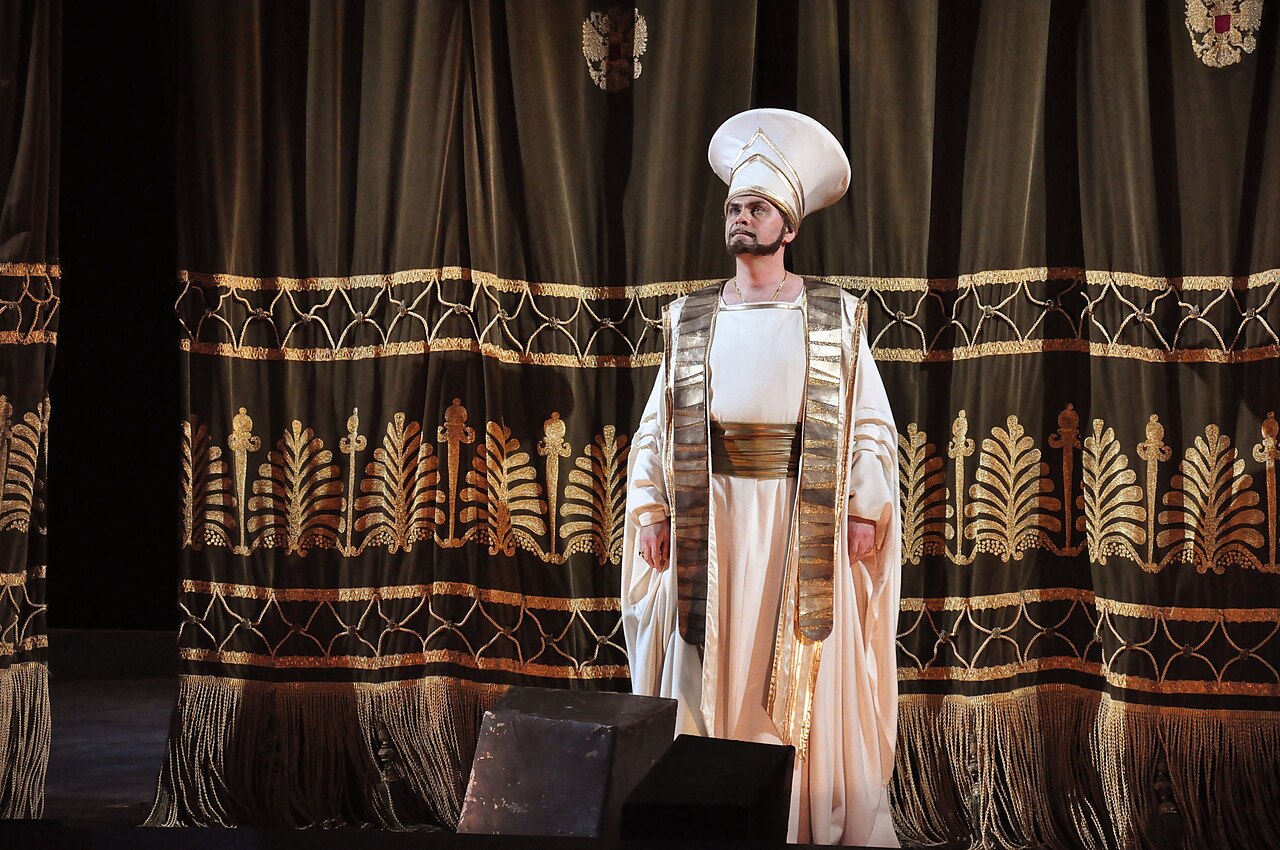 Document
Secondary source
Giuseppe Verdi · 1841
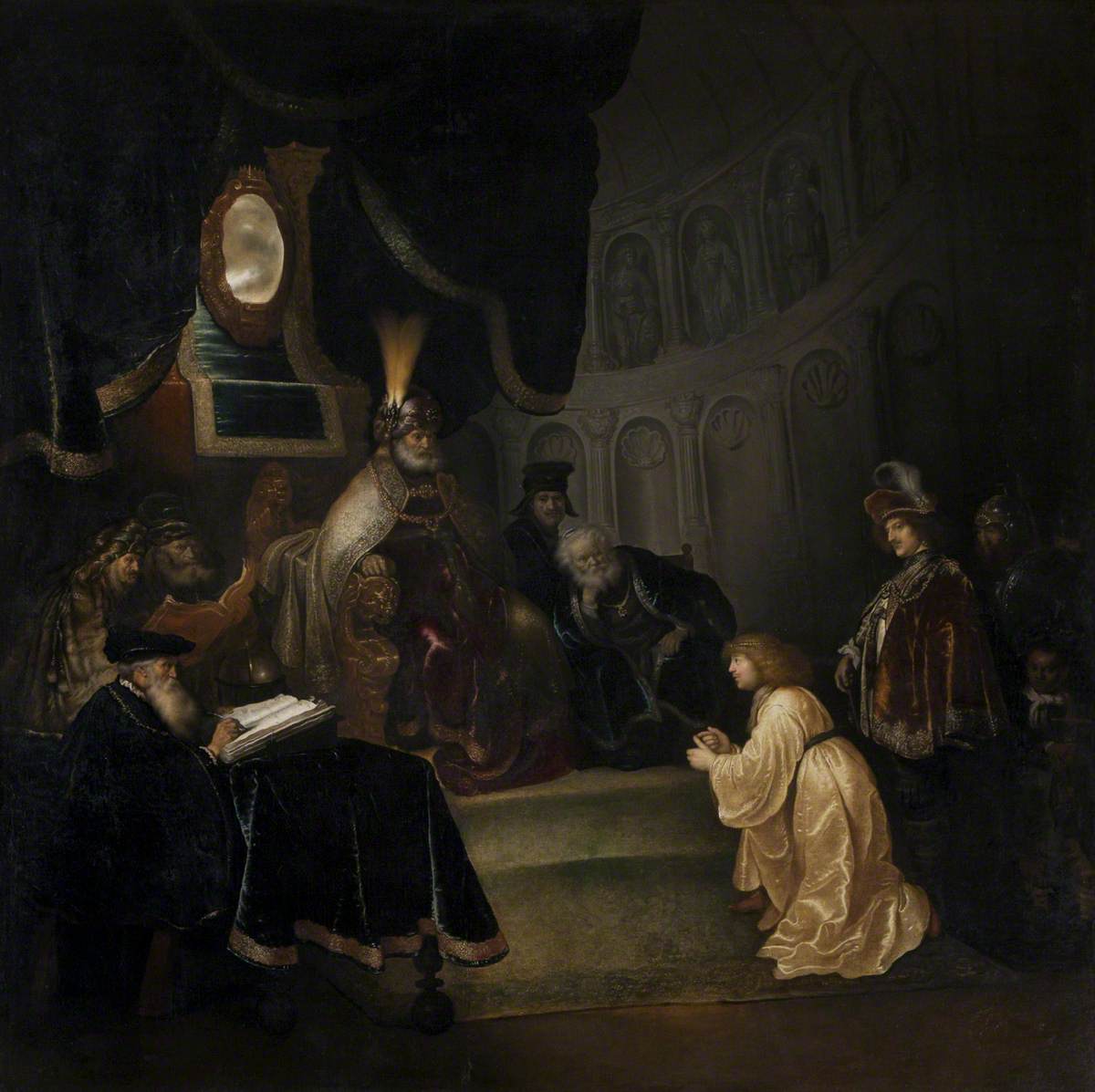 Painting
Secondary source
Salomon Koninck · 1643
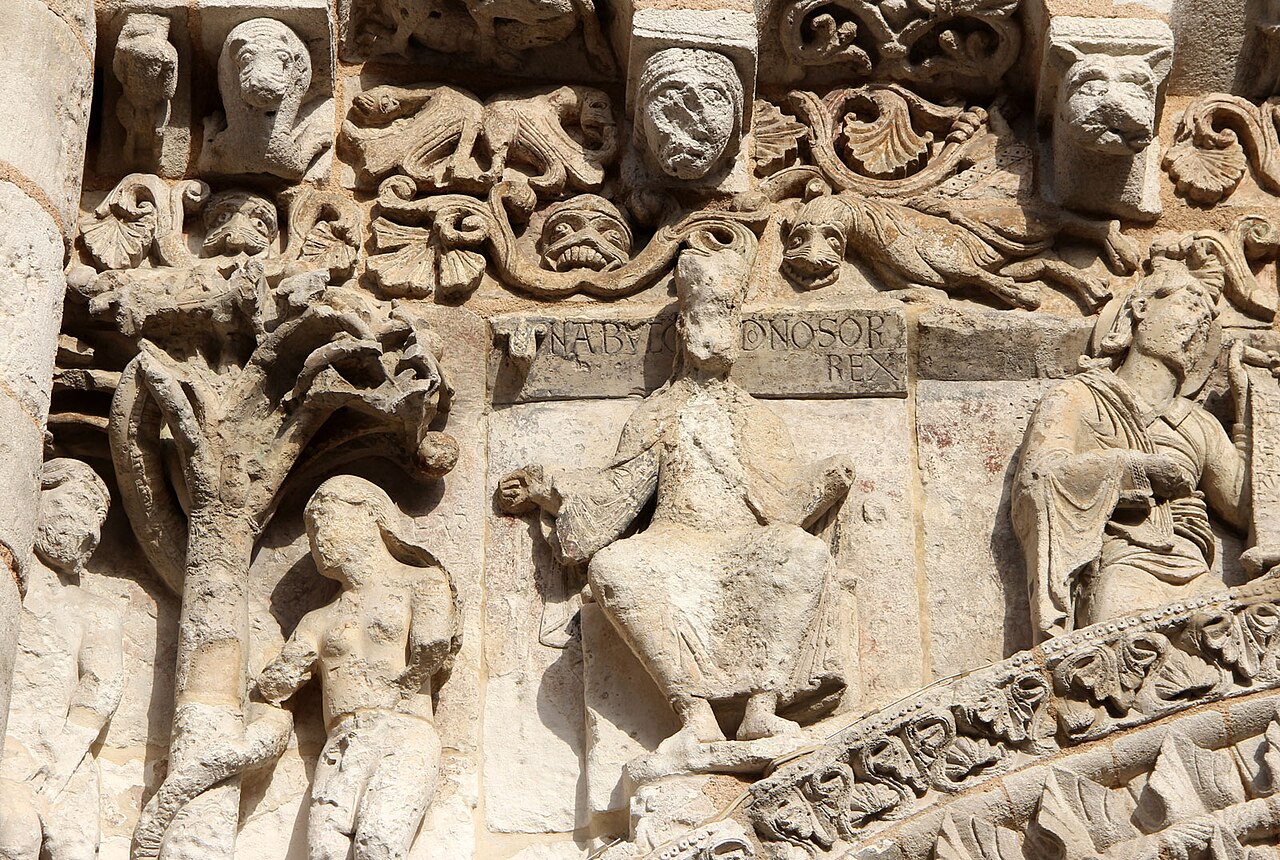 Sculpture
Secondary source
 Painting
Secondary source
Michel Wolgemut; Wilhelm Pleydenwurff
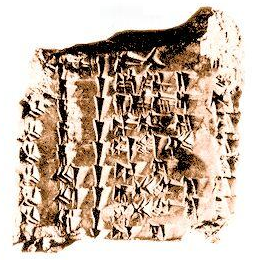 Document
Primary source
Babylonian scribes · Seleucid period
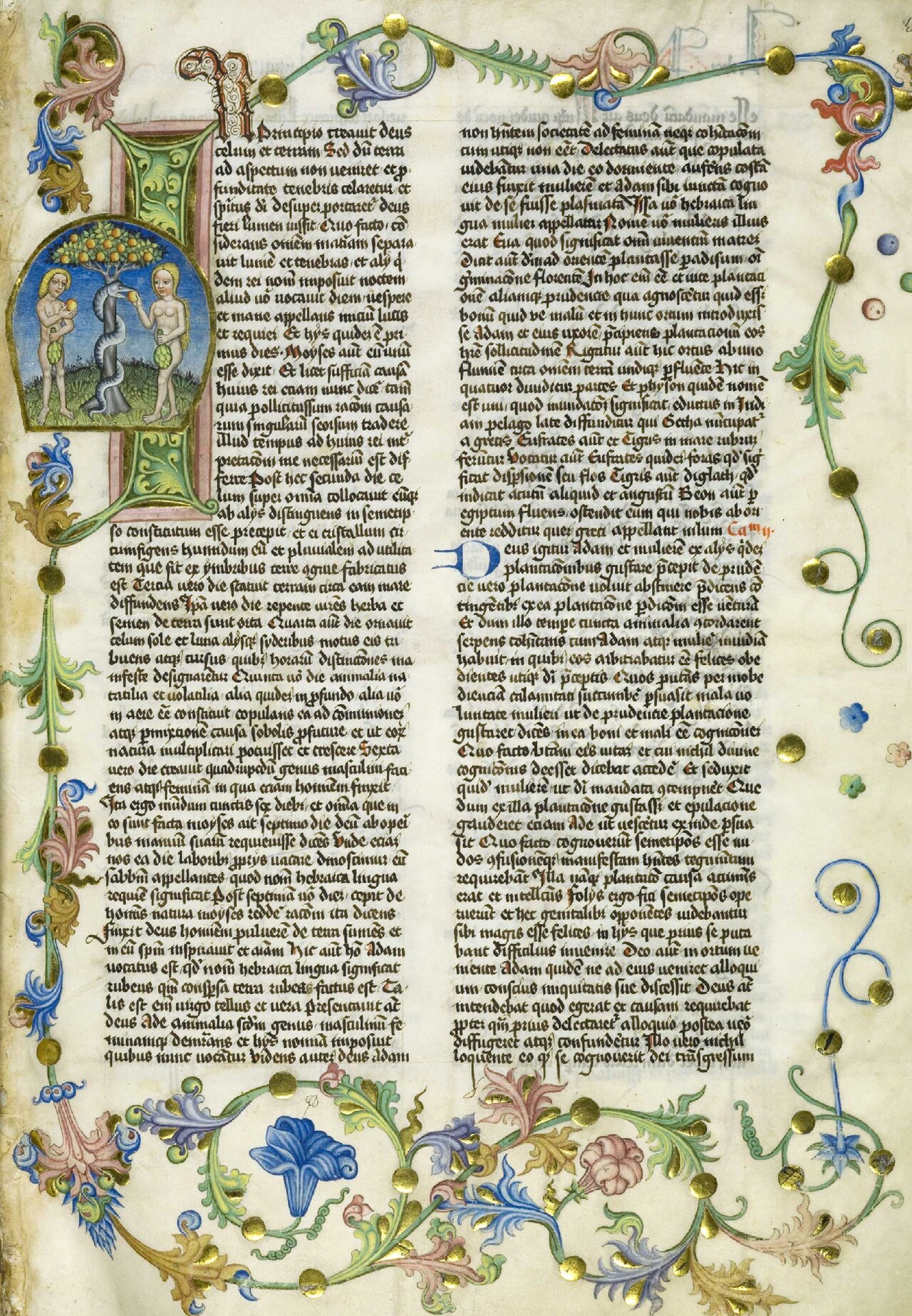 Book
Secondary source
Josephus · 94 CE
 Book
Secondary source
Herodotus · c. 440 BCE
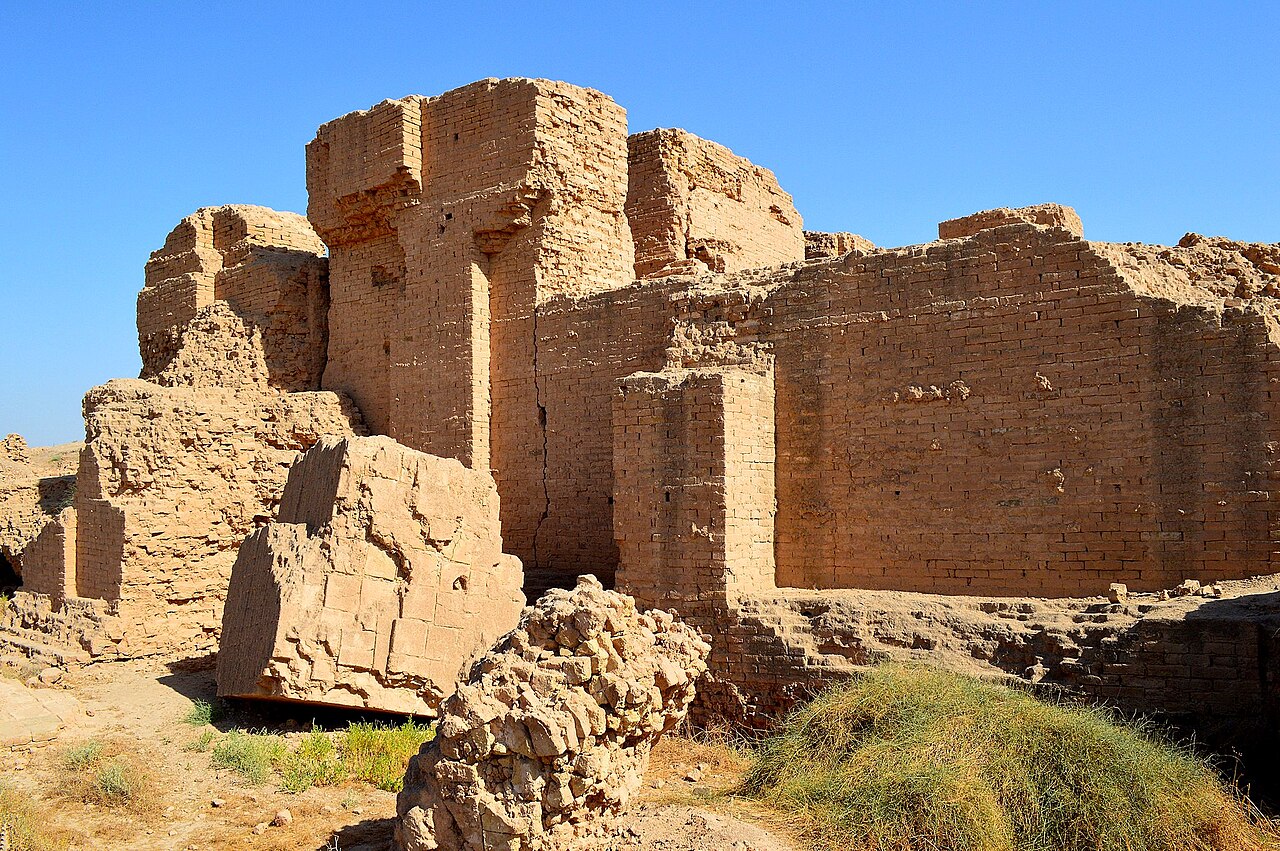 Photograph
Tertiary source
Osama Shukir Muhammed Amin FRCP(Glasg)
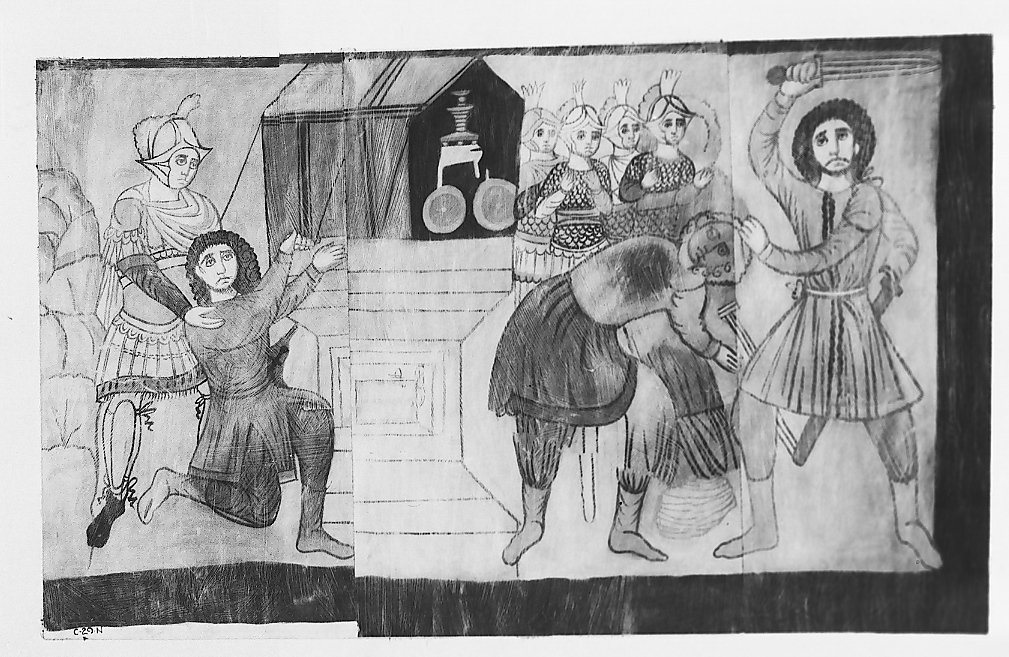 Painting
Secondary source
c. 244 CE
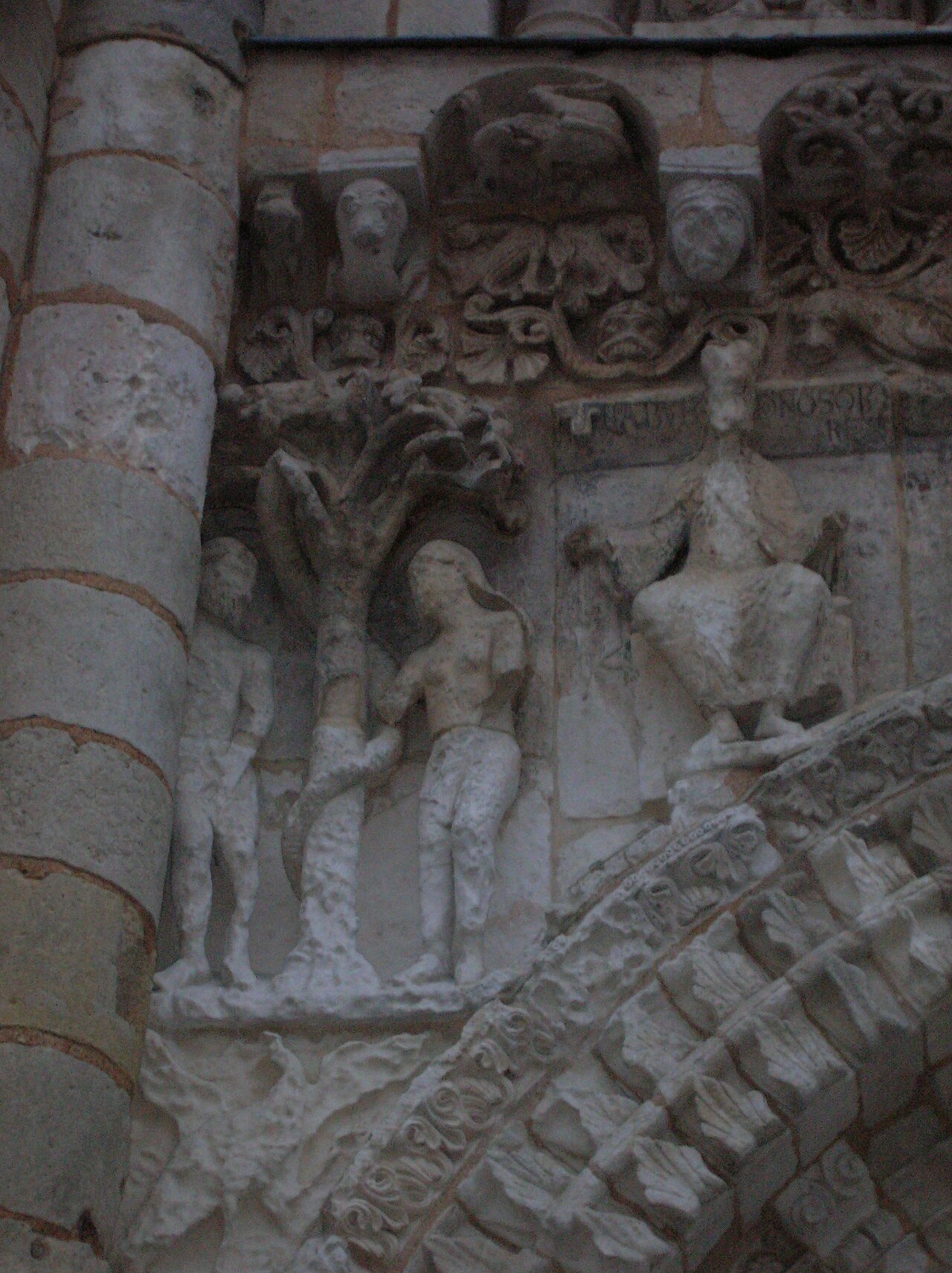 Sculpture
Secondary source
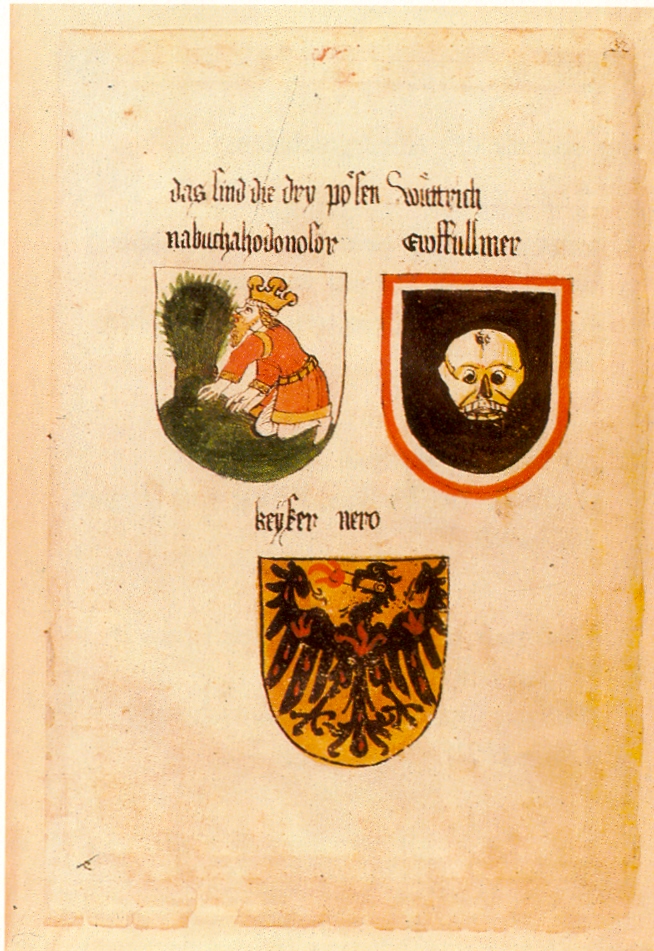 Artifact
Secondary source
Hans Ingeram and Exempla-master
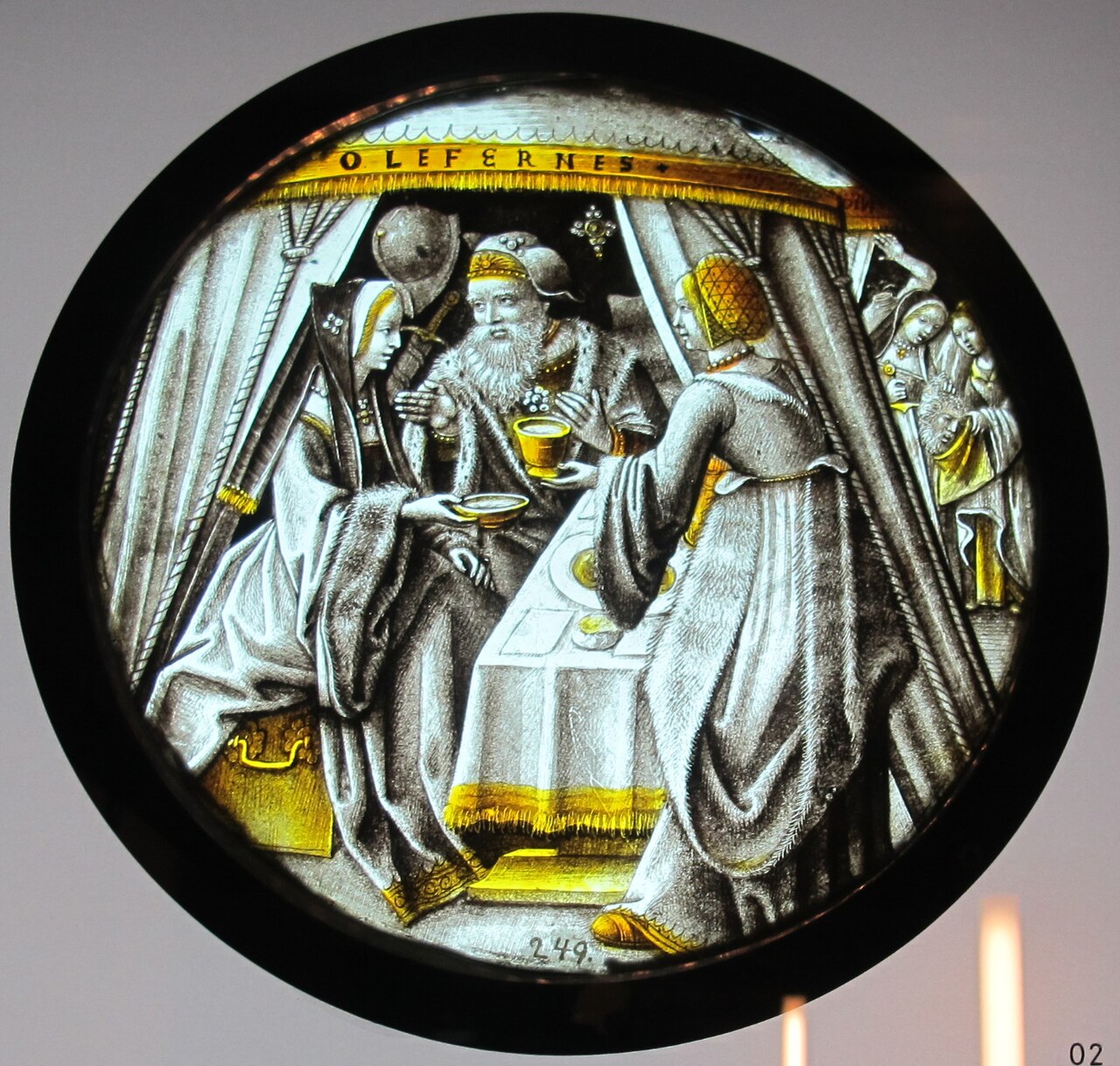 Artifact
Secondary source
c. 1600
 Book
Secondary source
1906
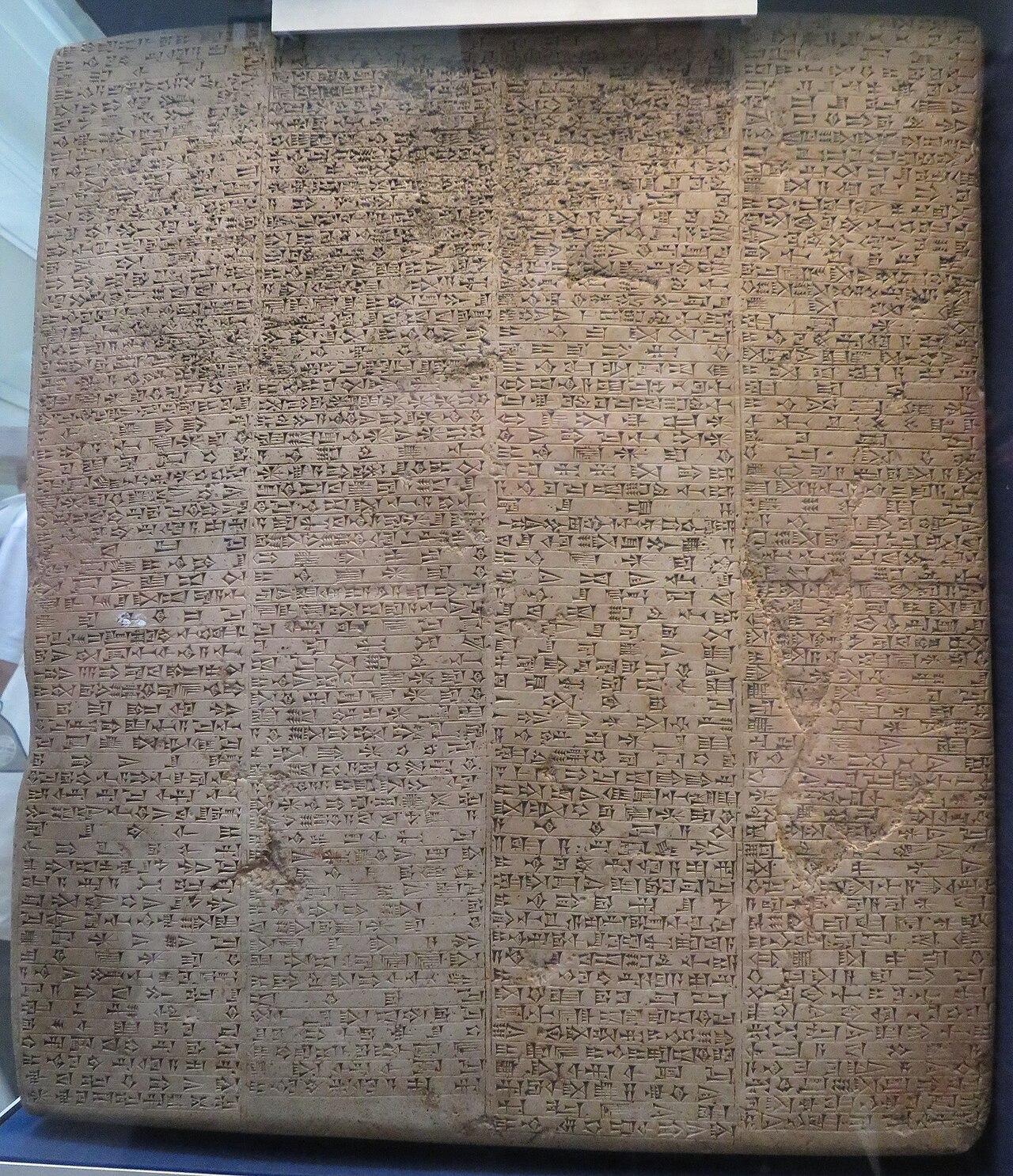 Artifact
Primary source
605-562 BCE
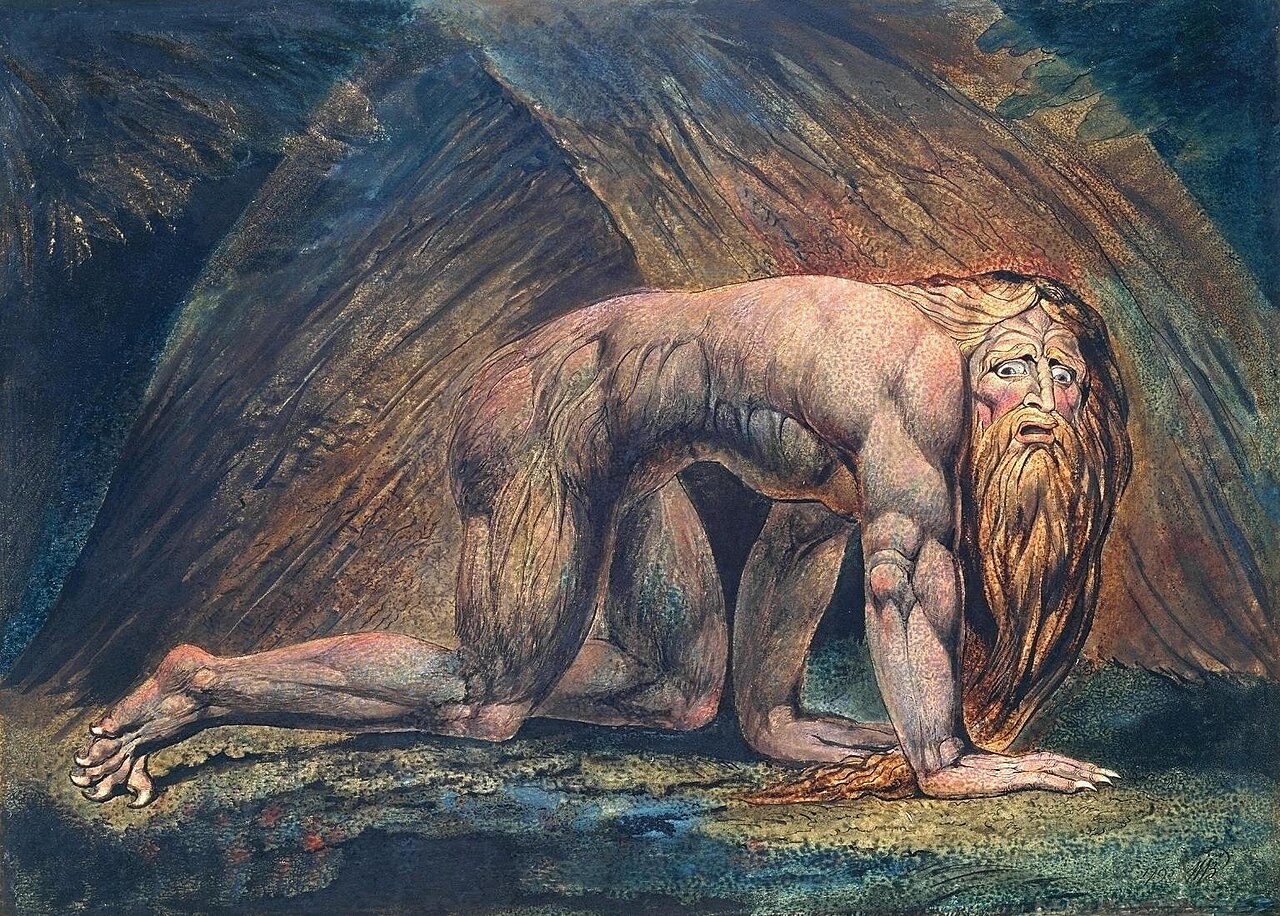 Painting
Secondary source
William Blake · c. 1795-1805
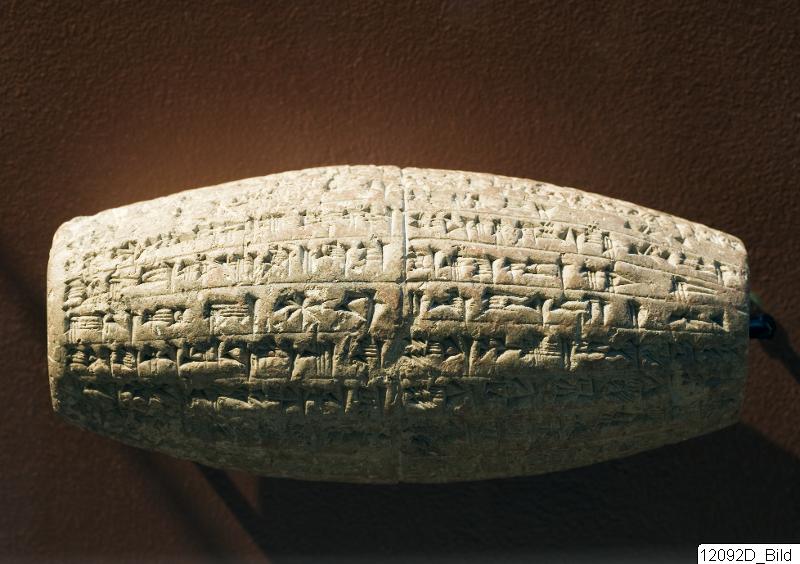 Artifact
Primary source
604-562 BCE
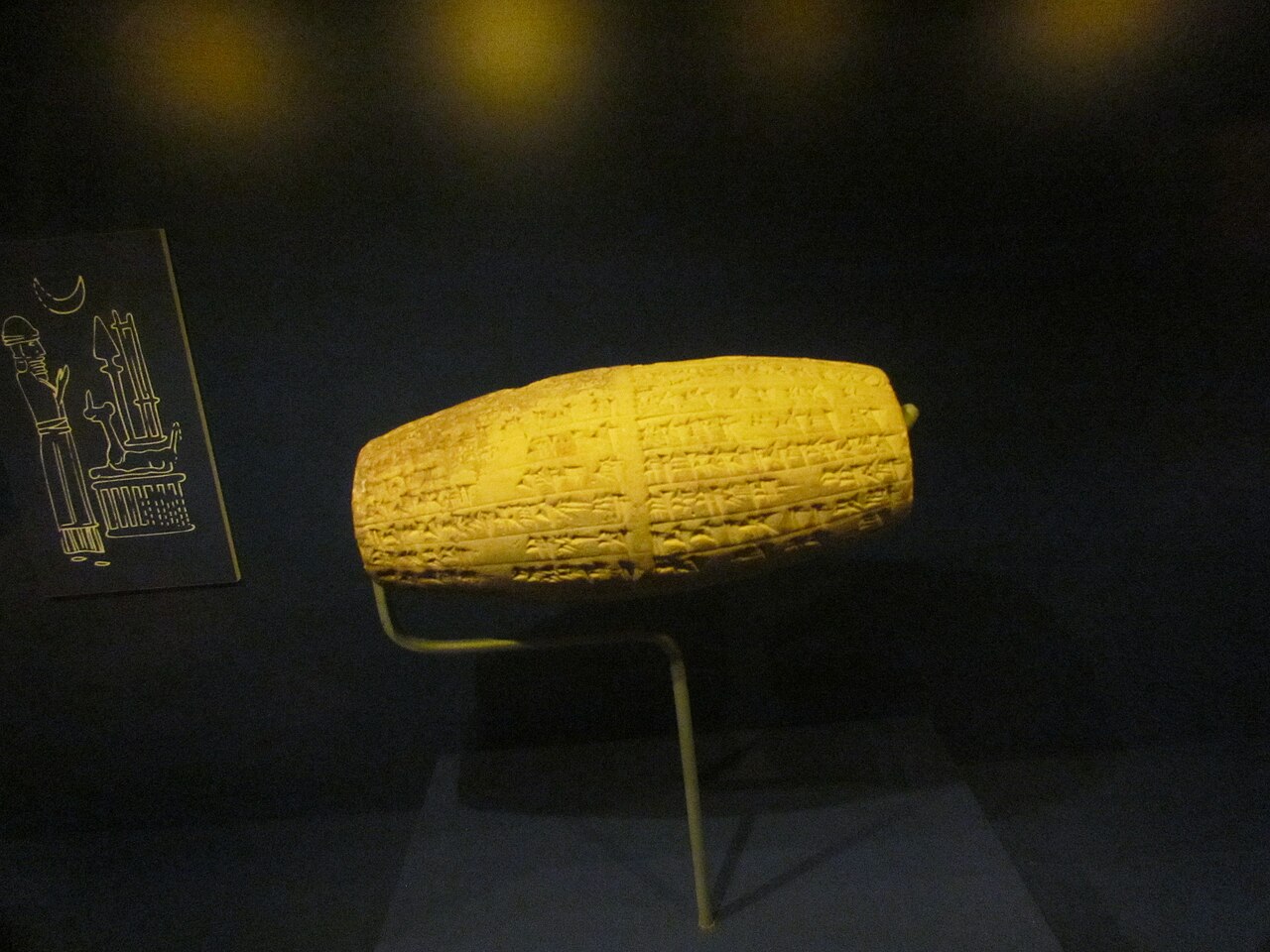 Artifact
Primary source
605-562 BCE
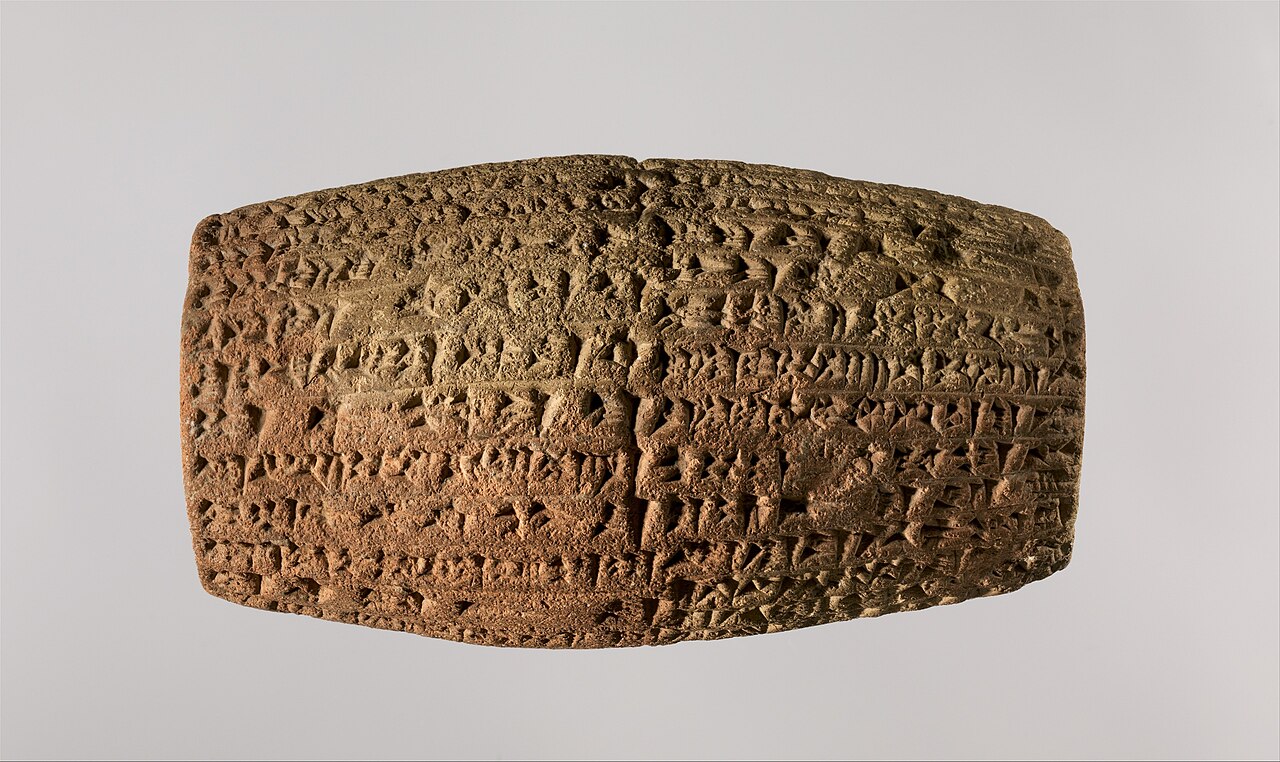 Artifact
Primary source
Nebuchadnezzar II · circa 604–562 B.C.
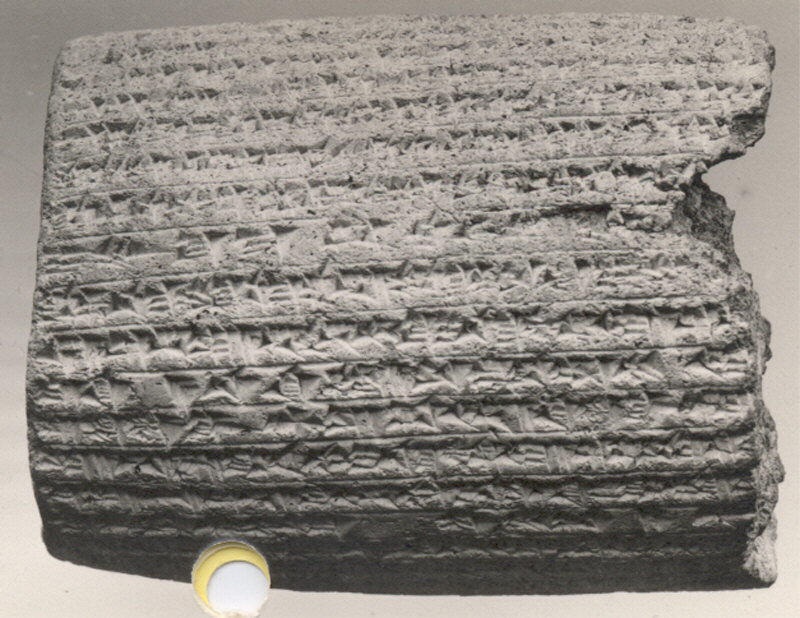 Artifact
Primary source
Nebuchadnezzar II · circa 604–562 B.C.
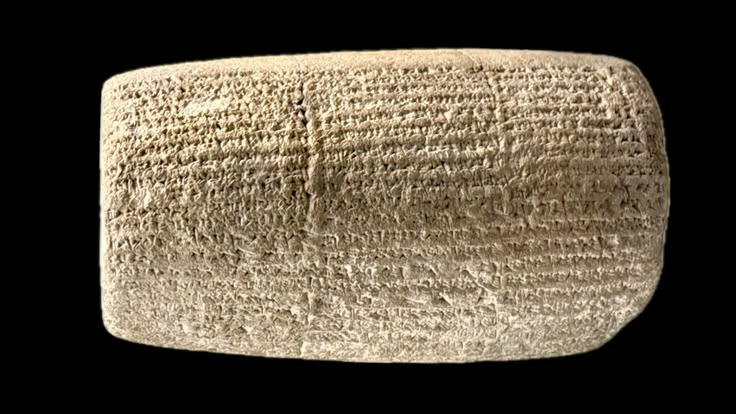 Artifact
Primary source
Nebuchadnezzar II · 605–562 BCE
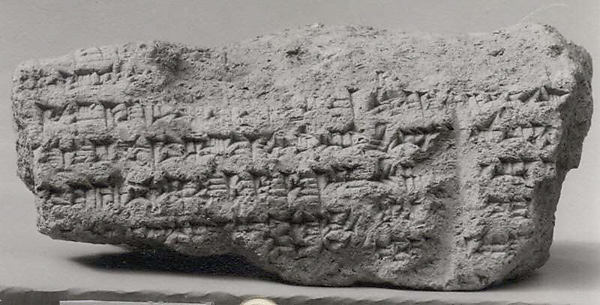 Artifact
Primary source
Nebuchadnezzar II · ca. 604–562 BCE
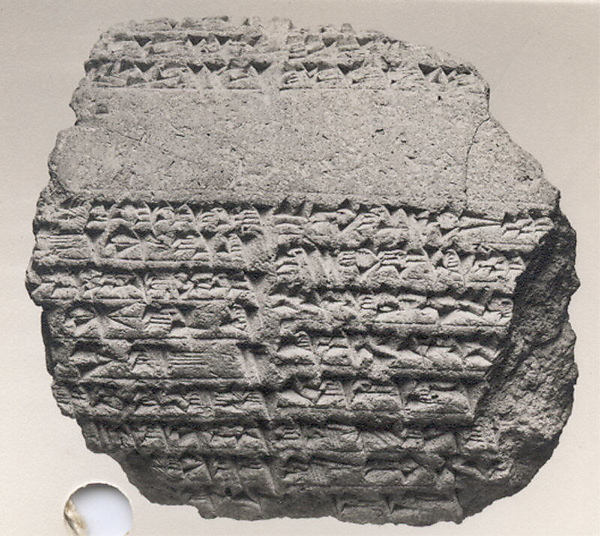 Artifact
Primary source
Nebuchadnezzar II · ca. 604–562 BCE
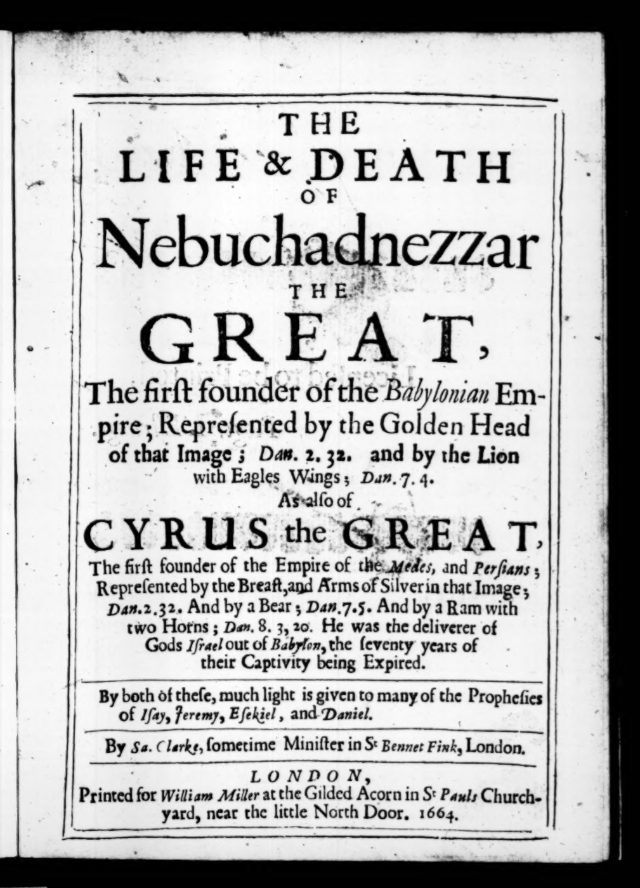 Book
Secondary source
Samuel Clarke · 1664
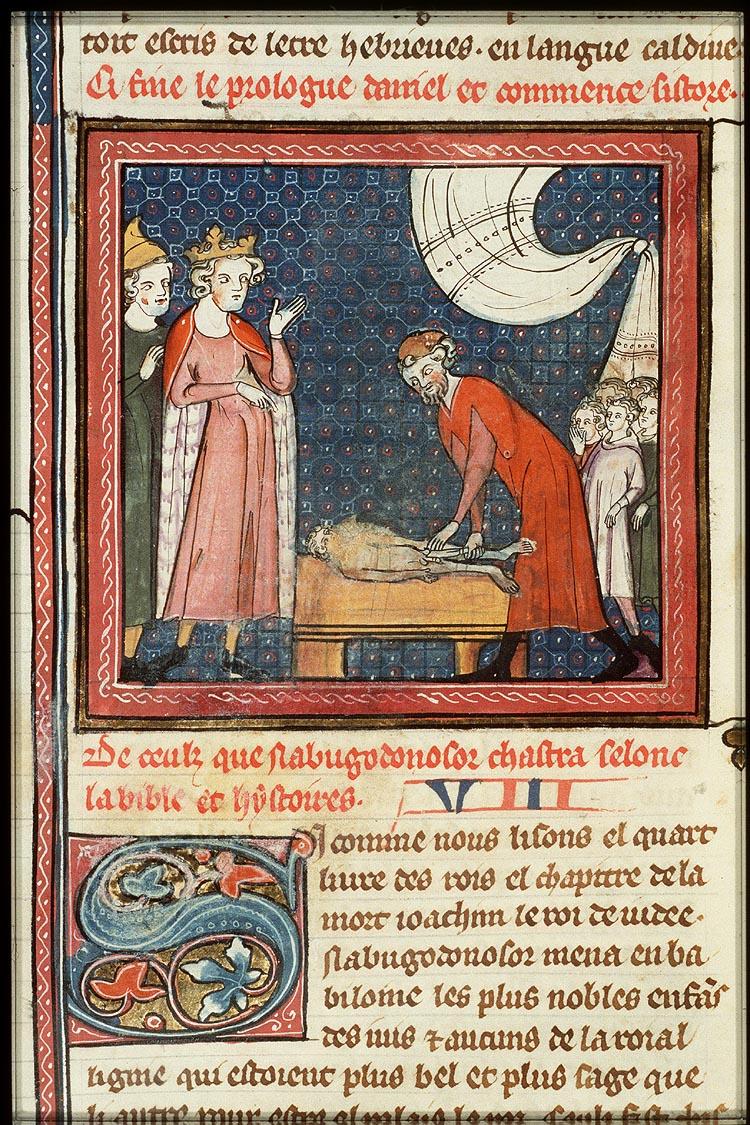 Painting
Secondary source
Unknown · 14th century
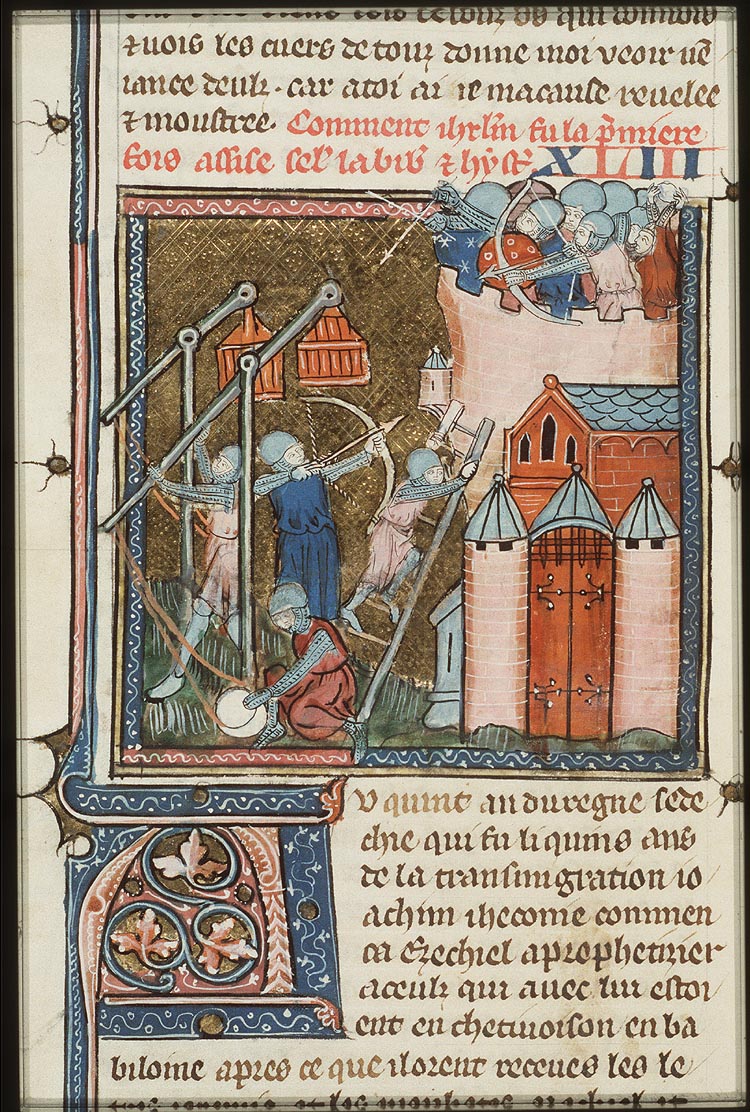 Painting
Secondary source
Sub-Fauvel master
Secondary source
1879
Secondary source
Matthew George Easton · 1897
Secondary source
1911
Secondary source
1902
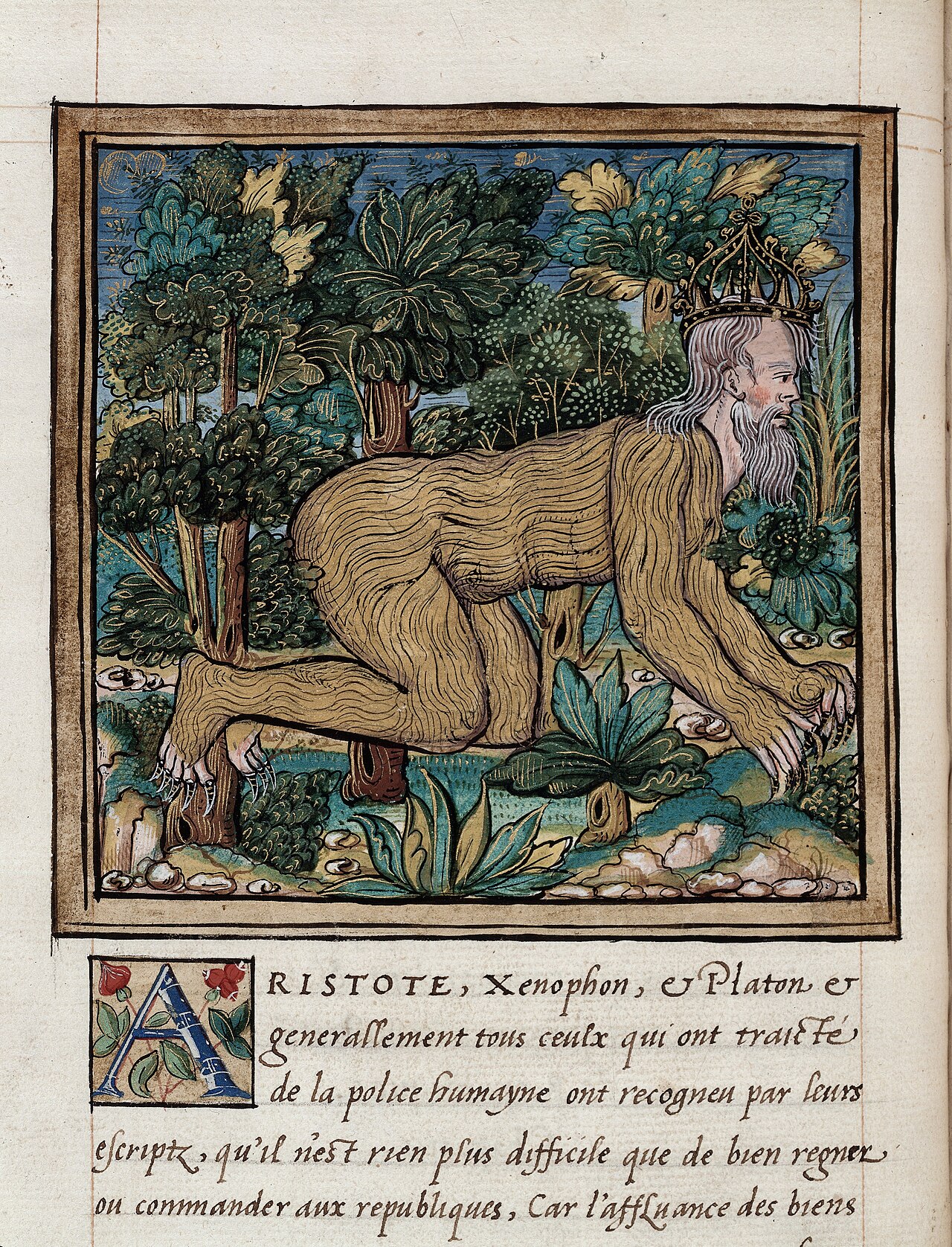 Painting
Secondary source
16th century
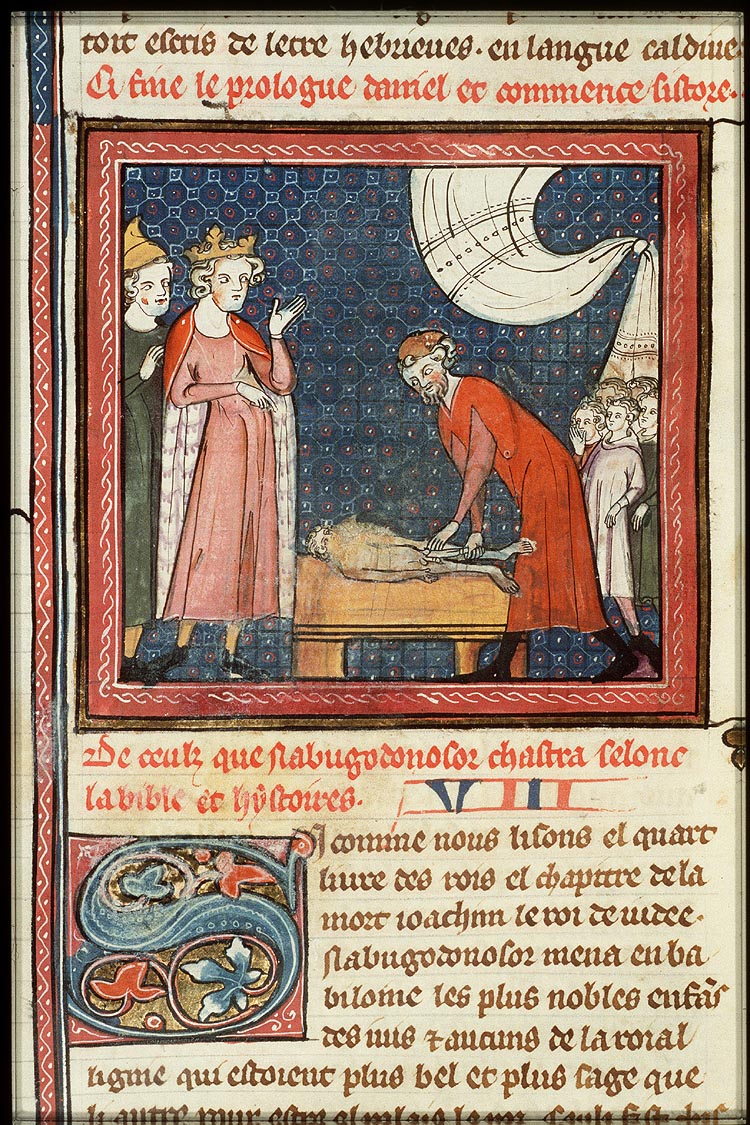 Painting
Secondary source
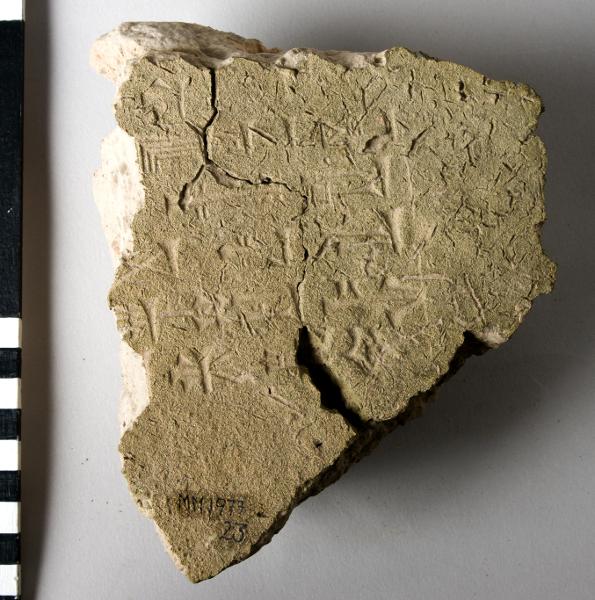 Artifact
Primary source
Nebuchadnezzar II
Secondary source
George Rawlinson
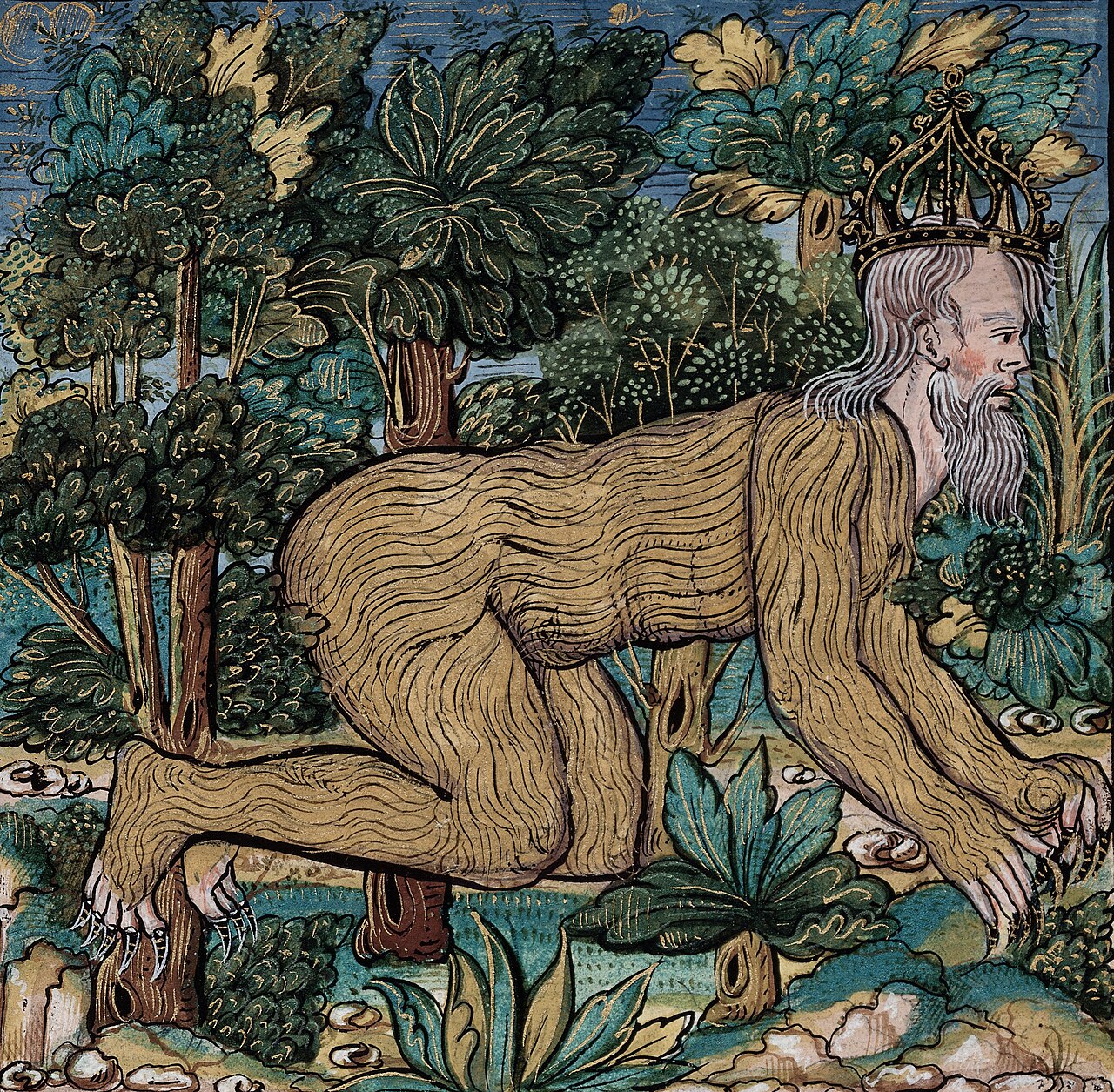 Painting
Secondary source
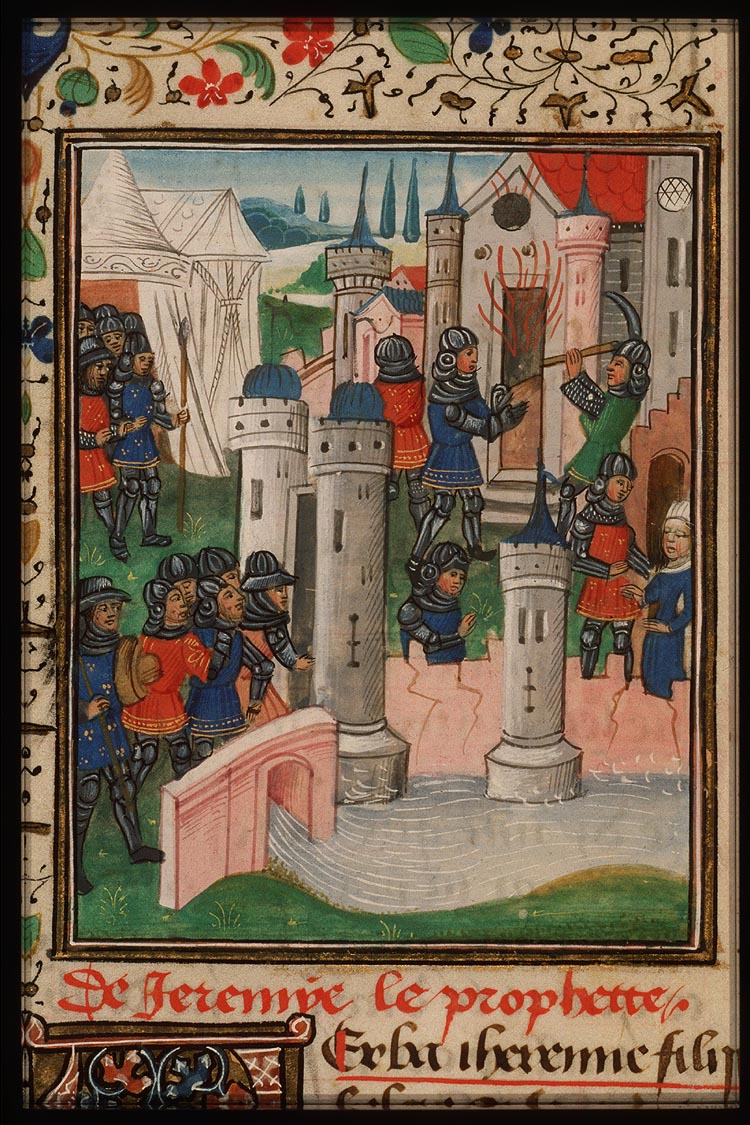 Painting
Secondary source
1465
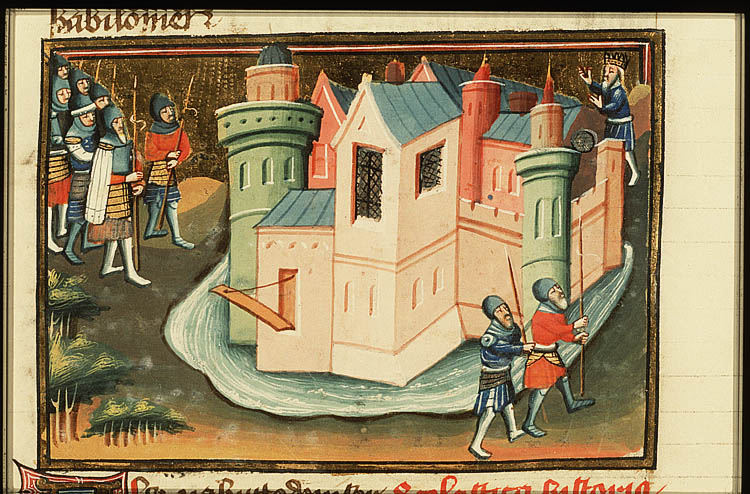 Painting
Secondary source
Masters of Otto van Moerdrecht · c. 1430
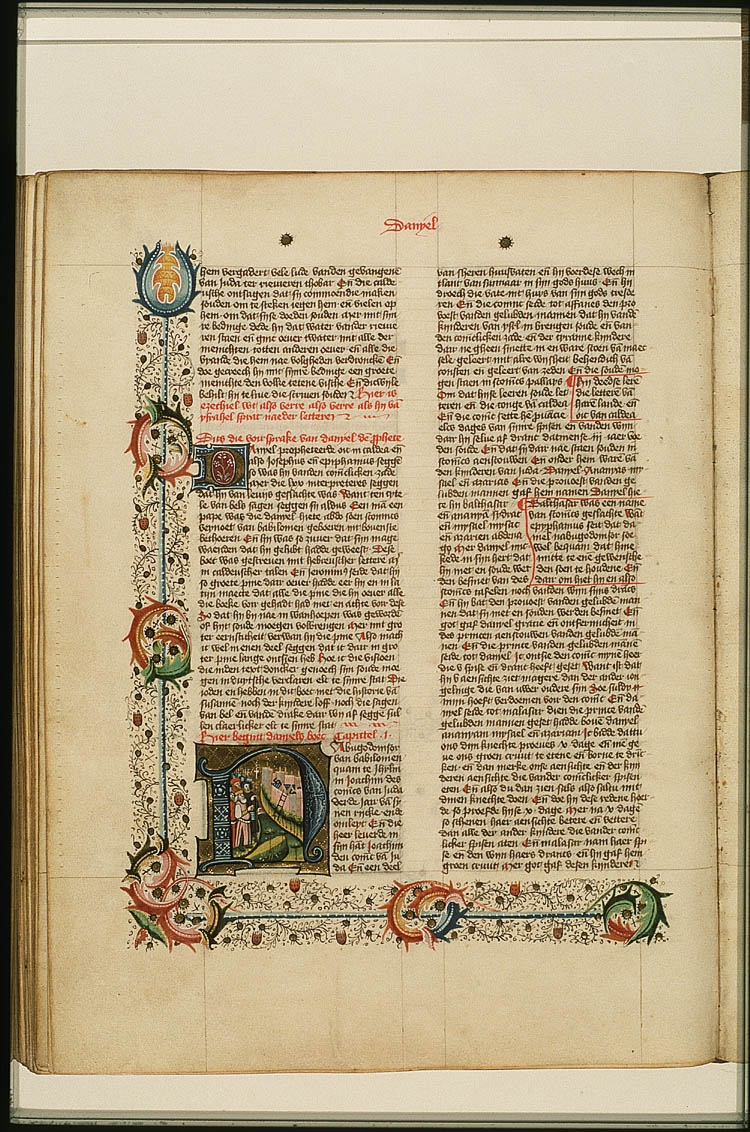 Painting
Secondary source
Claes Brouwer · c. 1430
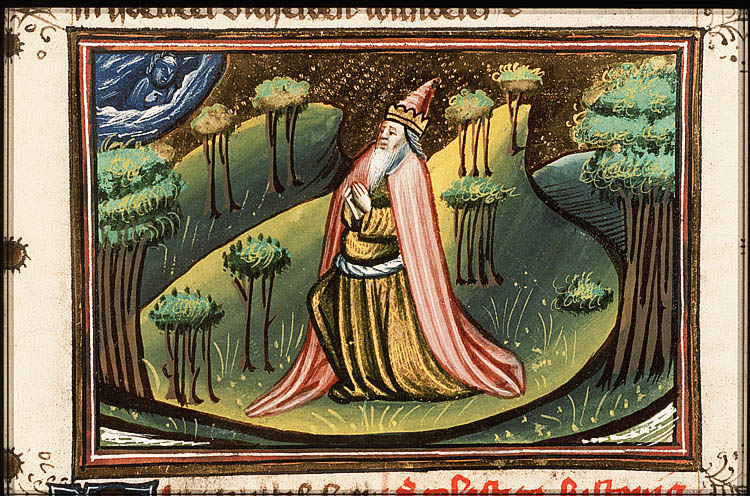 Painting
Secondary source
Claes Brouwer · c. 1430
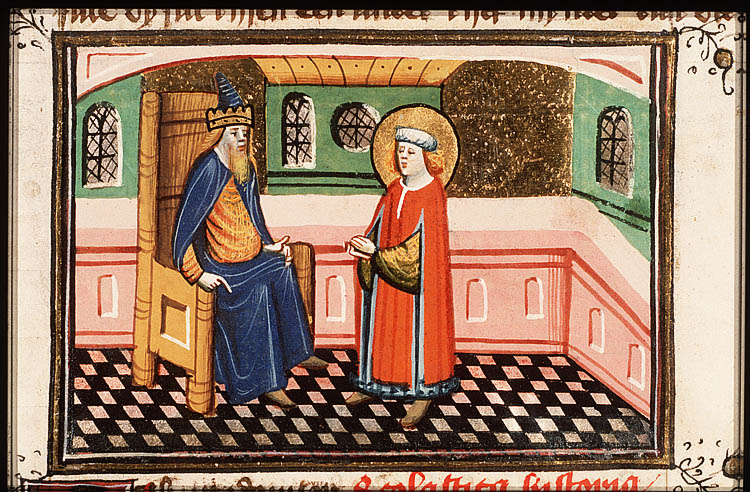 Painting
Secondary source
Claes Brouwer · c. 1430
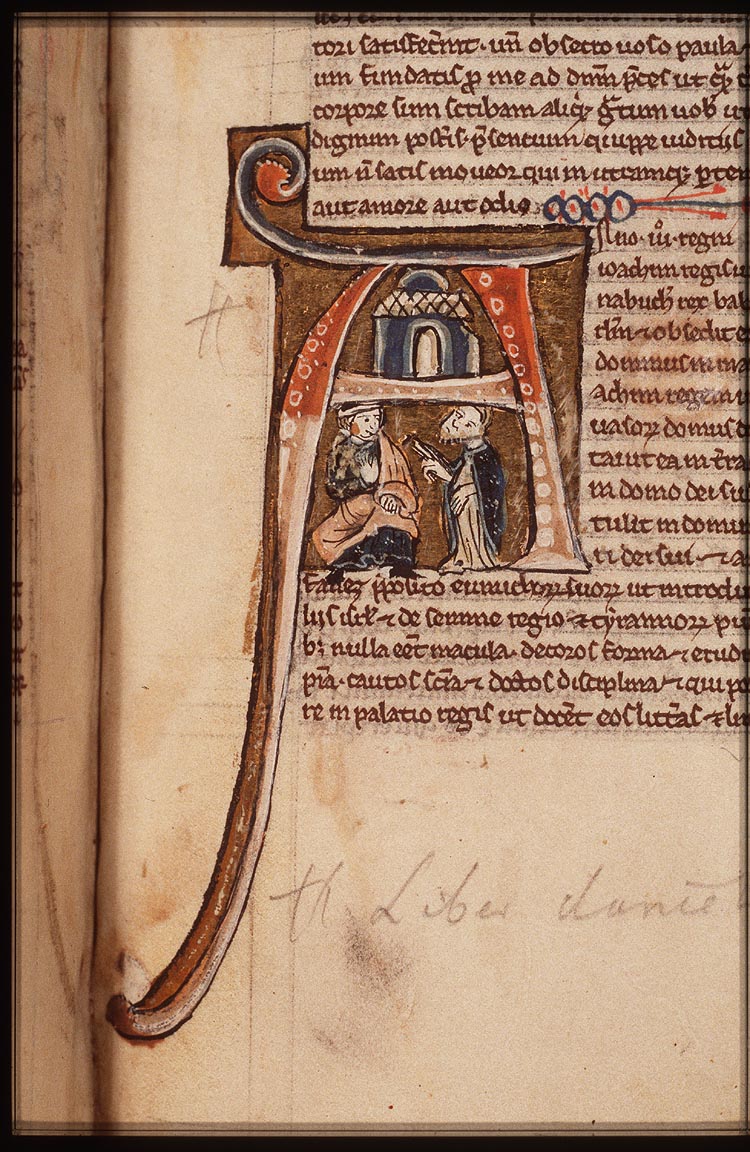 Painting
Secondary source
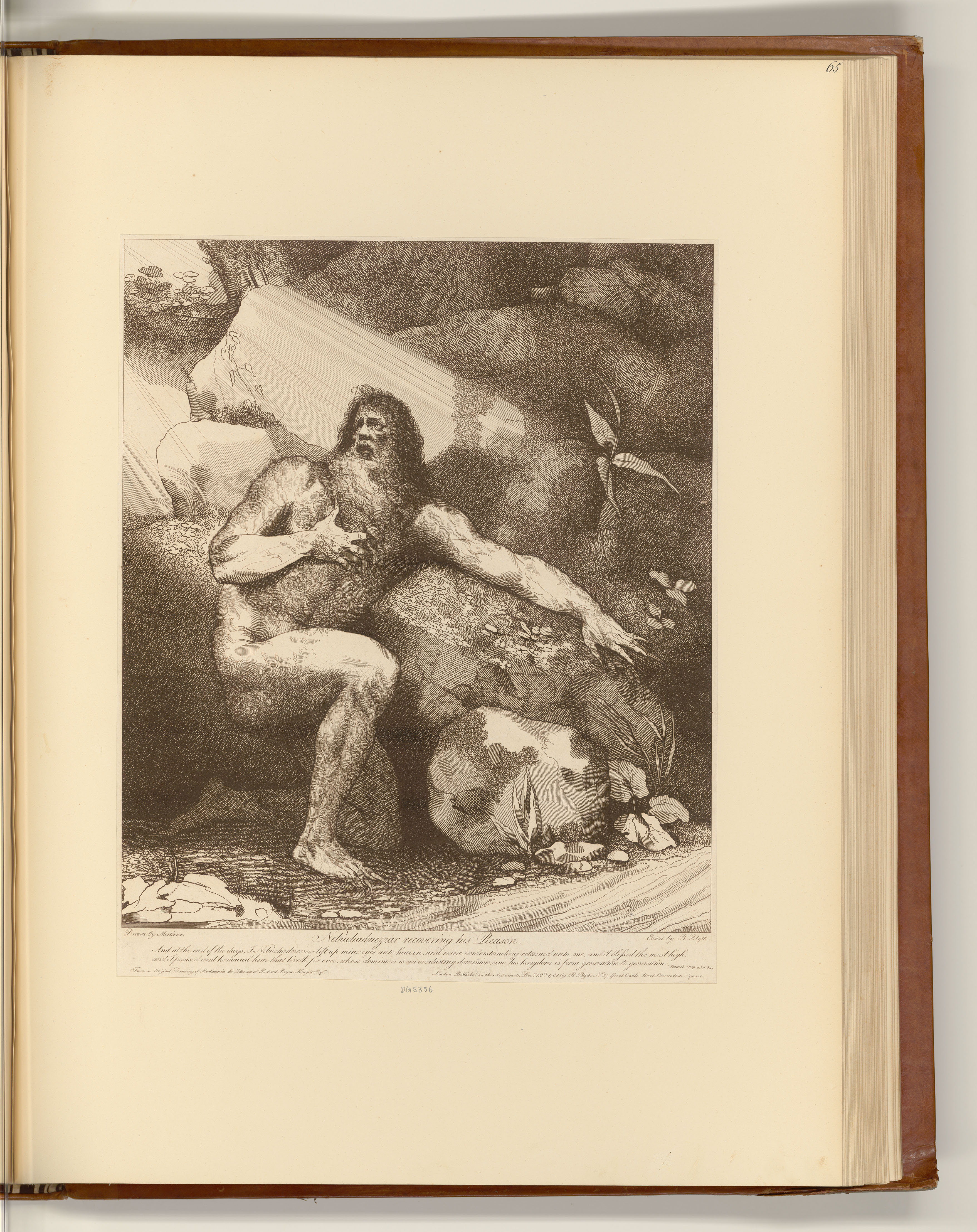 Painting
Secondary source
Robert Blyth · 1781
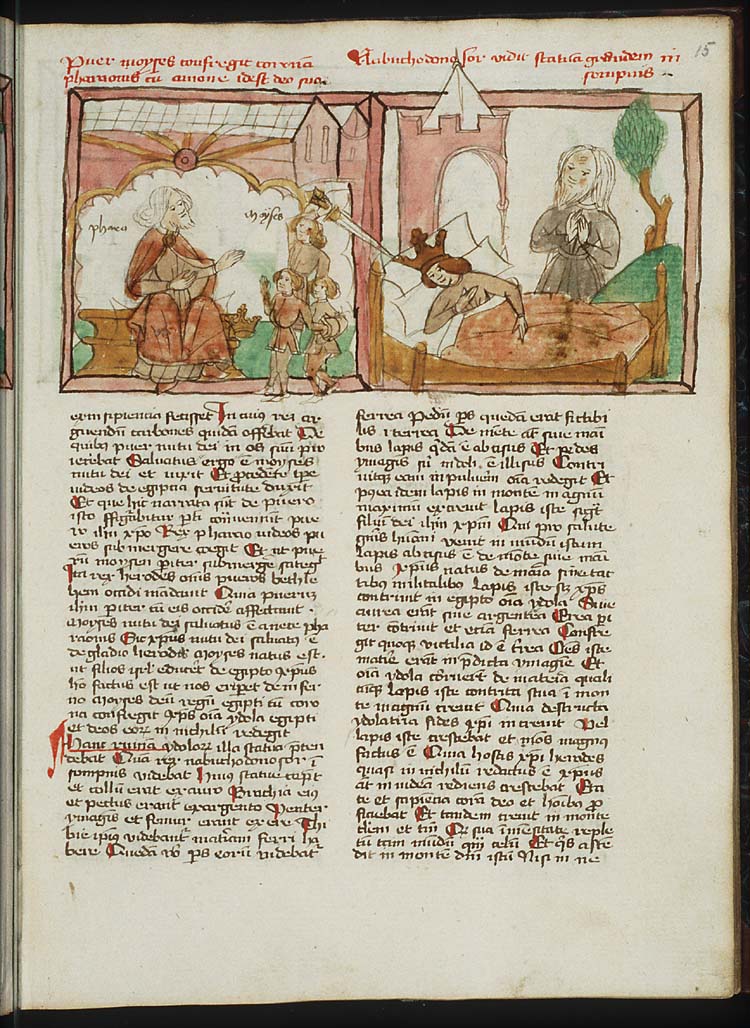 Painting
Secondary source
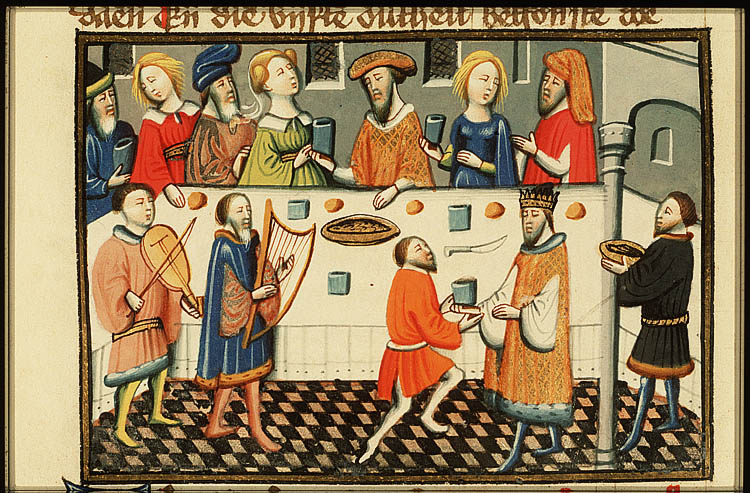 Painting
Secondary source
Masters of Otto van Moerdrecht · c. 1430
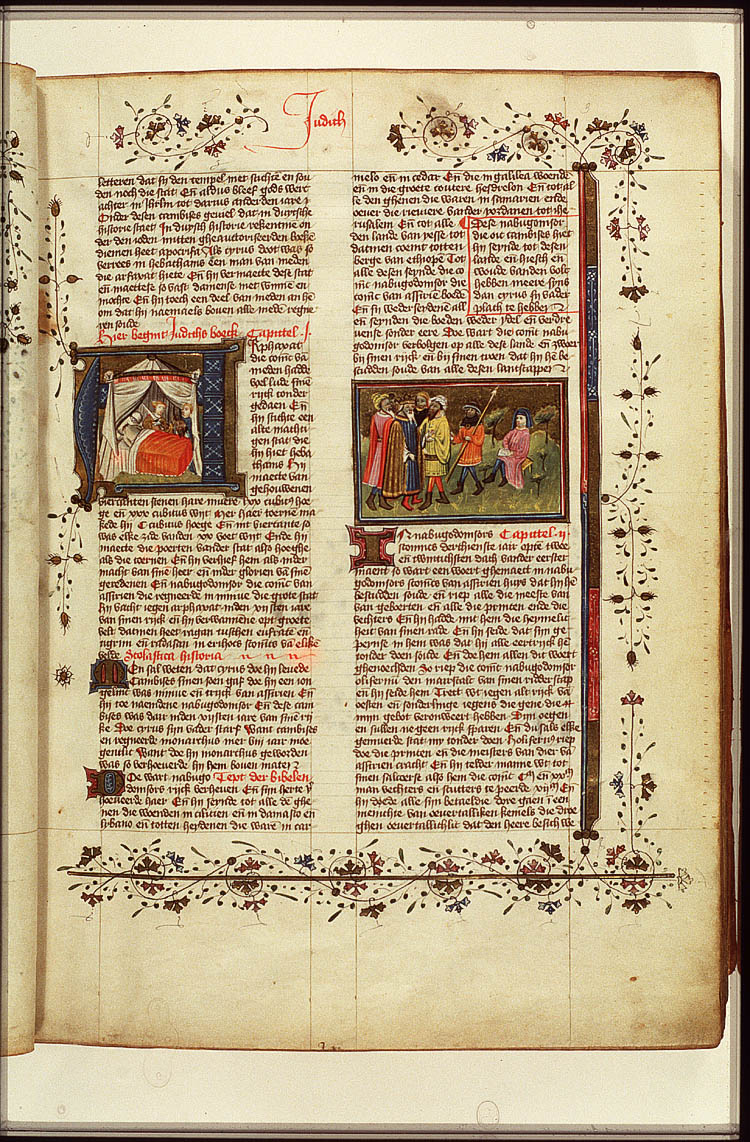 Painting
Secondary source
Azor Masters · c. 1430
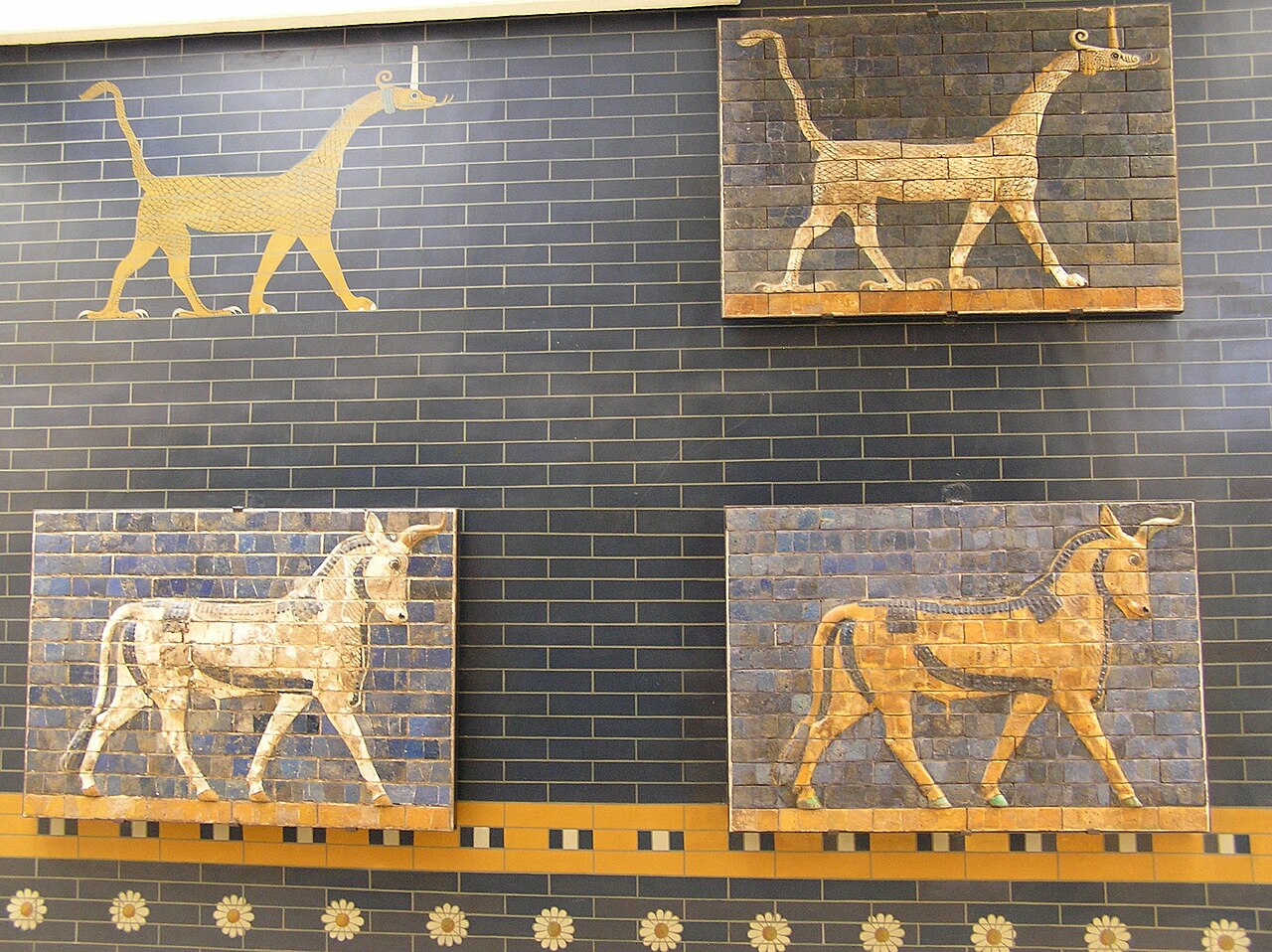 Artifact
Primary source
604–562 BCE
Tertiary source
1914
 Book
Secondary source
Various · 1873
Secondary source
Secondary source
Josephus, Flavius · 1895
Secondary source
1890
Primary source
Isaac Newton · 1733
Secondary source
Luther Wilson · 1906
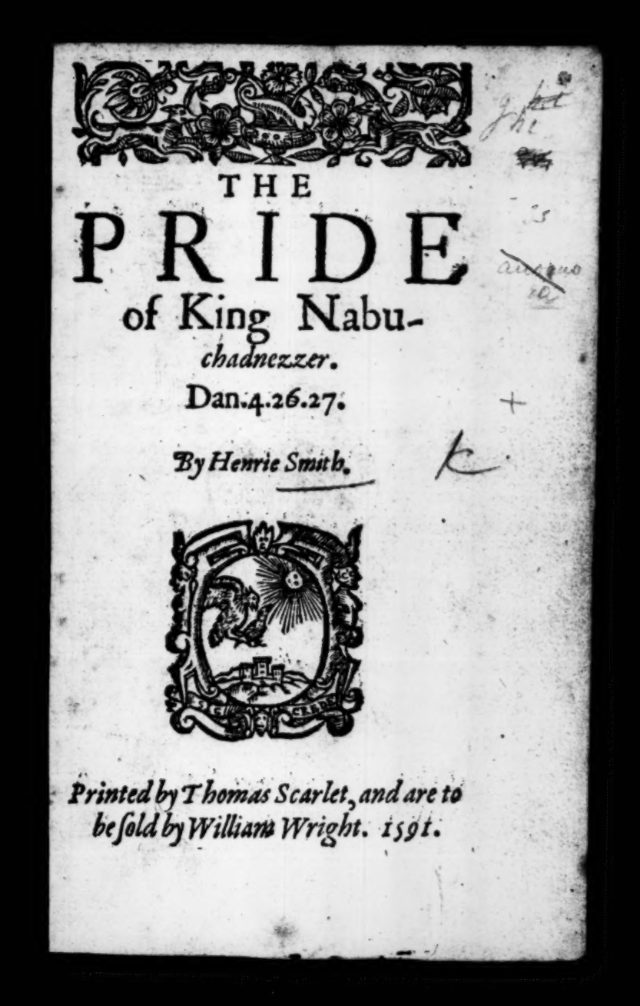 Book
Secondary source
Henry Smith · 1591
Want the full shelf? Chat with Nebuchadnezzar II in the app and open the Sources panel — every quote links back to the original.
3 collections
Ready-made collections from the Humy team and other teachers that feature Nebuchadnezzar II. Preview any of them, then try it free.
Paying customers



























Dr. Michael Calvert
Assistant Superintendent, South Allegheny School District, Pennsylvania
Been using Humy in his district since 2024
“We enjoyed the program last year and used it frequently.”

Jacob Chisom
World and American History, Monticello High School, Arkansas
Been using Humy in his classroom since 2024
“My students say it’s a welcome change of pace. I’m not a fan of the “sage on the stage” model, so I try to incorporate research-oriented and self-paced activities. With Humy, students have to take charge of their learning. They’ve become more adept at critical thinking, forming better questions, and improving their reading comprehension. The interview feature has been my go-to tool. I create assignments where students must ask historical figures a set number of questions, then summarize the responses to ensure they’re truly absorbing the material. This approach lets them actively explore the past rather than passively consuming information.”
Roger Campbell
7th-grade World History, Lancaster County, Pennsylvania
Been using Humy in his classroom since 2024
“Humy has helped me bring historical figures, sometimes long past, to life. When my students interact with these figures in real-time, it eliminates some of the perceived “ancient” characteristics of my curriculum. This has shifted my students’ thinking away from viewing history as abstract or irrelevant. Real-time interactions make historical figures relatable, even allowing students to ask off-topic questions that help put historical lives in a more relevant context for 13-year-olds. The feature I use the most is the interview feature. After teaching a topic, most recently Gandhi and Joan of Arc, I have the students ask pointed, focused questions. We practice good conversation techniques beforehand, teaching them to listen (or read) carefully and formulate thoughtful follow-up questions rather than just interrogating. It helps students practice effective conversation skills.”
Dr. Michael Calvert
Assistant Superintendent, South Allegheny School District, Pennsylvania
Been using Humy in his district since 2024
“We enjoyed the program last year and used it frequently.”
Jacob Chisom
World and American History, Monticello High School, Arkansas
Been using Humy in his classroom since 2024
“My students say it’s a welcome change of pace. I’m not a fan of the “sage on the stage” model, so I try to incorporate research-oriented and self-paced activities. With Humy, students have to take charge of their learning. They’ve become more adept at critical thinking, forming better questions, and improving their reading comprehension. The interview feature has been my go-to tool. I create assignments where students must ask historical figures a set number of questions, then summarize the responses to ensure they’re truly absorbing the material. This approach lets them actively explore the past rather than passively consuming information.”
Roger Campbell
7th-grade World History, Lancaster County, Pennsylvania
Been using Humy in his classroom since 2024
“Humy has helped me bring historical figures, sometimes long past, to life. When my students interact with these figures in real-time, it eliminates some of the perceived “ancient” characteristics of my curriculum. This has shifted my students’ thinking away from viewing history as abstract or irrelevant. Real-time interactions make historical figures relatable, even allowing students to ask off-topic questions that help put historical lives in a more relevant context for 13-year-olds. The feature I use the most is the interview feature. After teaching a topic, most recently Gandhi and Joan of Arc, I have the students ask pointed, focused questions. We practice good conversation techniques beforehand, teaching them to listen (or read) carefully and formulate thoughtful follow-up questions rather than just interrogating. It helps students practice effective conversation skills.”
FAQ
Like any LLM, the AI version of Nebuchadnezzar II can get details wrong. Open one of these sources in a new tab to verify what you’ve read.

Chinese philosopher and educator.

Ancient Chinese philosopher and writer of the Tao Te Ching.

Powerful pharaoh of ancient Egypt. Led military campaigns and constructed massive monuments.

Assyrian king known for military campaigns and construction projects.

Ancient Egyptian monarch known for constructing the Great Pyramid of Giza.

Historical ruler and founder of the Akkadian Empire.
Ready when you are
20 messages free · No credit card · Available in 50+ languages.