


Secondary sourcePainting
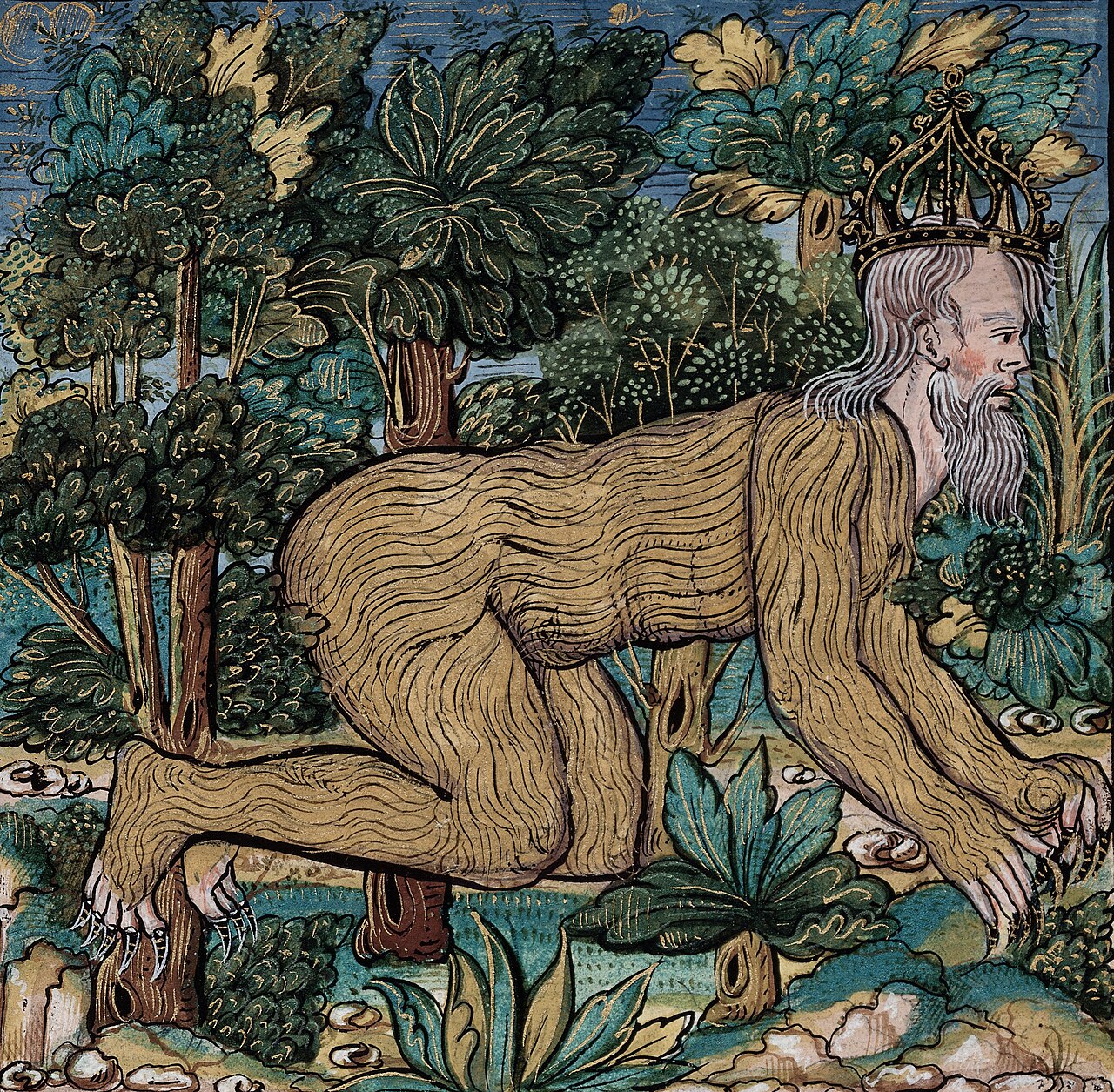
Le miserable Roy Nabugodonozor
A 16th-century French illustration showing Nebuchadnezzar transformed into a wild, beast-like man as a punishment for his pride.
This later French illustration retells a legendary story about Nebuchadnezzar's punishment and transformation.
About this source
What it is
This painted miniature comes from a French sixteenth-century collection of strange and wondrous stories, Histoires prodigieuses. It illustrates a chapter about Nebuchadnezzar, described as the fourth king of the Babylonians, showing him transformed into a wild, hairy, crawling creature living in a forest.
Why it matters
This image reflects a biblical story in which Nebuchadnezzar is punished for his pride by losing his human reason and living like an animal. The book was part of a popular genre in Renaissance France that collected marvels and moral tales, showing how later writers and artists used ancient kings as examples in religious and moral storytelling, long after Nebuchadnezzar's actual lifetime.
Look closer
- What details in the picture show that this is meant to be a once-powerful king, not an ordinary animal?
- Why might storytellers centuries later have been drawn to tell this particular tale about Nebuchadnezzar?
- How does this image differ from the kind of evidence found on an inscribed brick made in the king's own time?
This painting is part of the curated material that grounds the AI version of Nebuchadnezzar II on Humy.ai — when students ask about related events, the AI can quote it and cite it.
More Nebuchadnezzar II sources
Meet the AI Nebuchadnezzar II →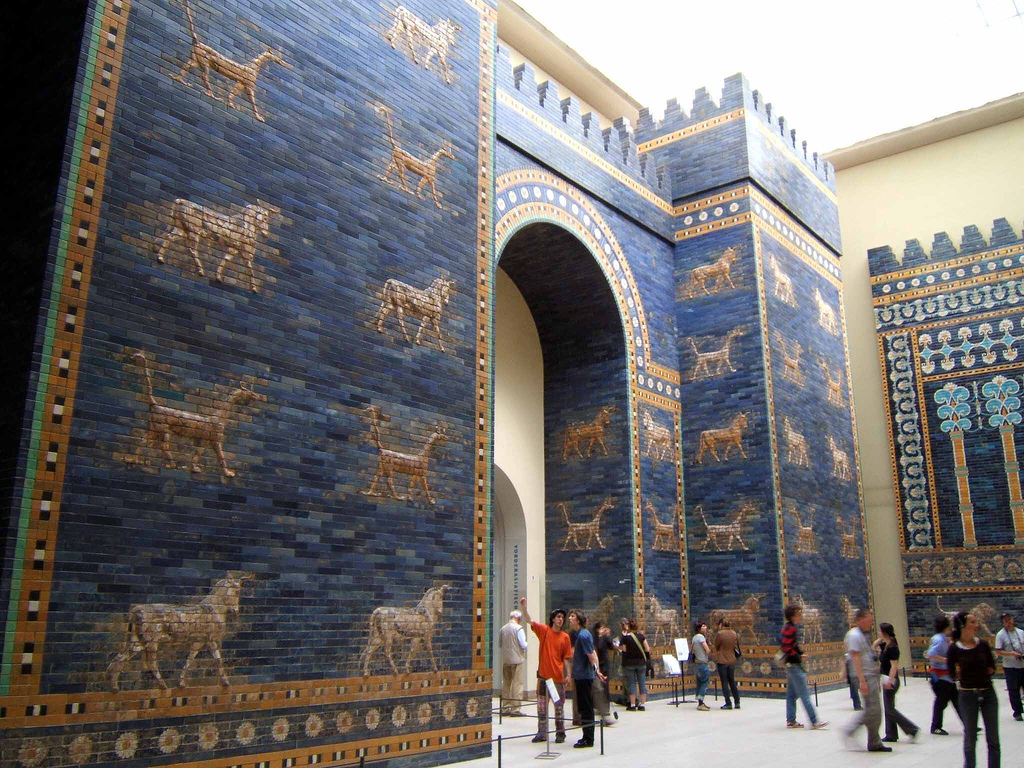 Artifact
Primary source
Ishtar Gate
c. 574 BC
 Document
Primary source
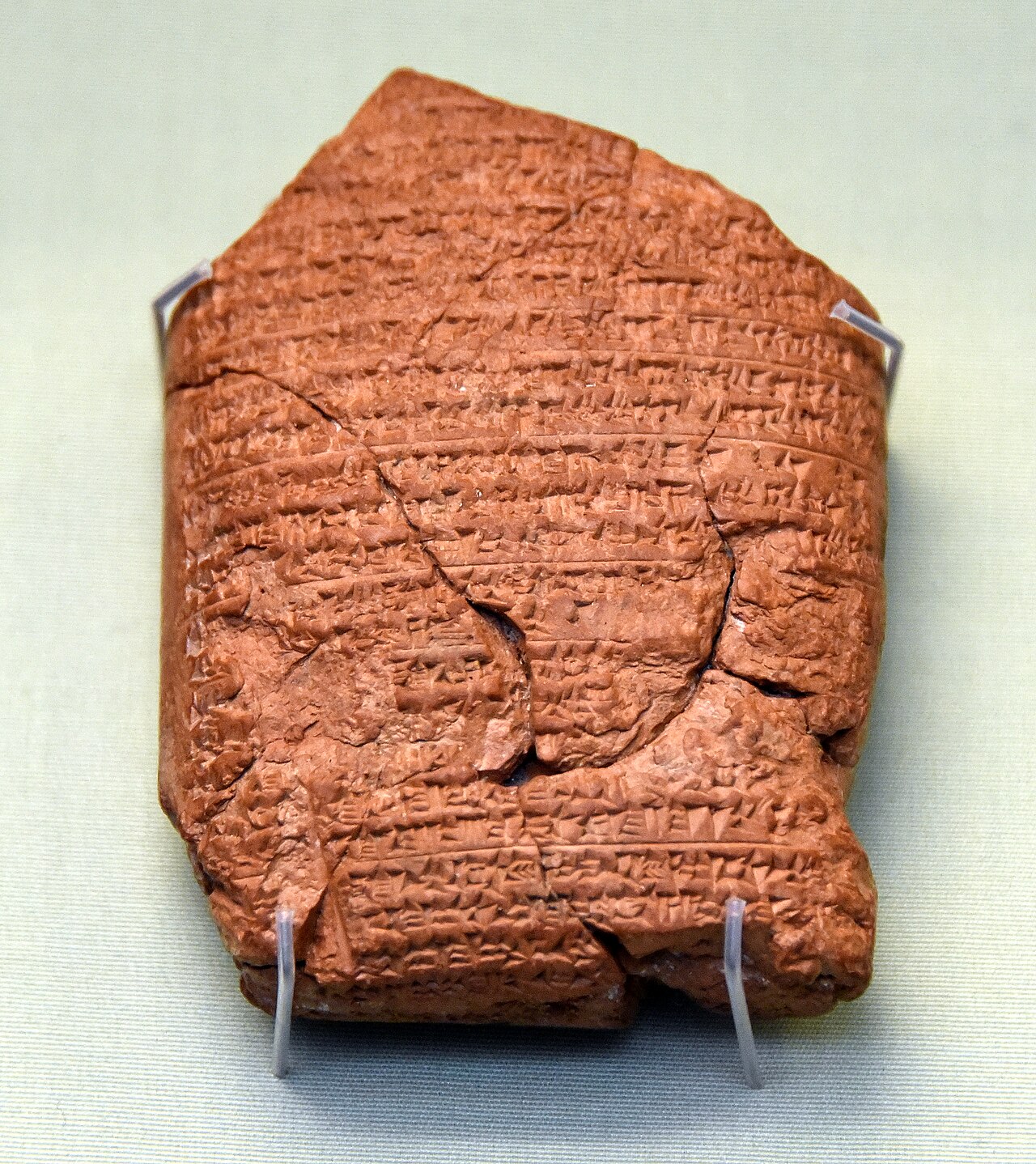
Nebuchadnezzar Chronicle
Babylonian scribes · c. 550-400 BC (recording events of 605-594 BC)
 Document
Primary source
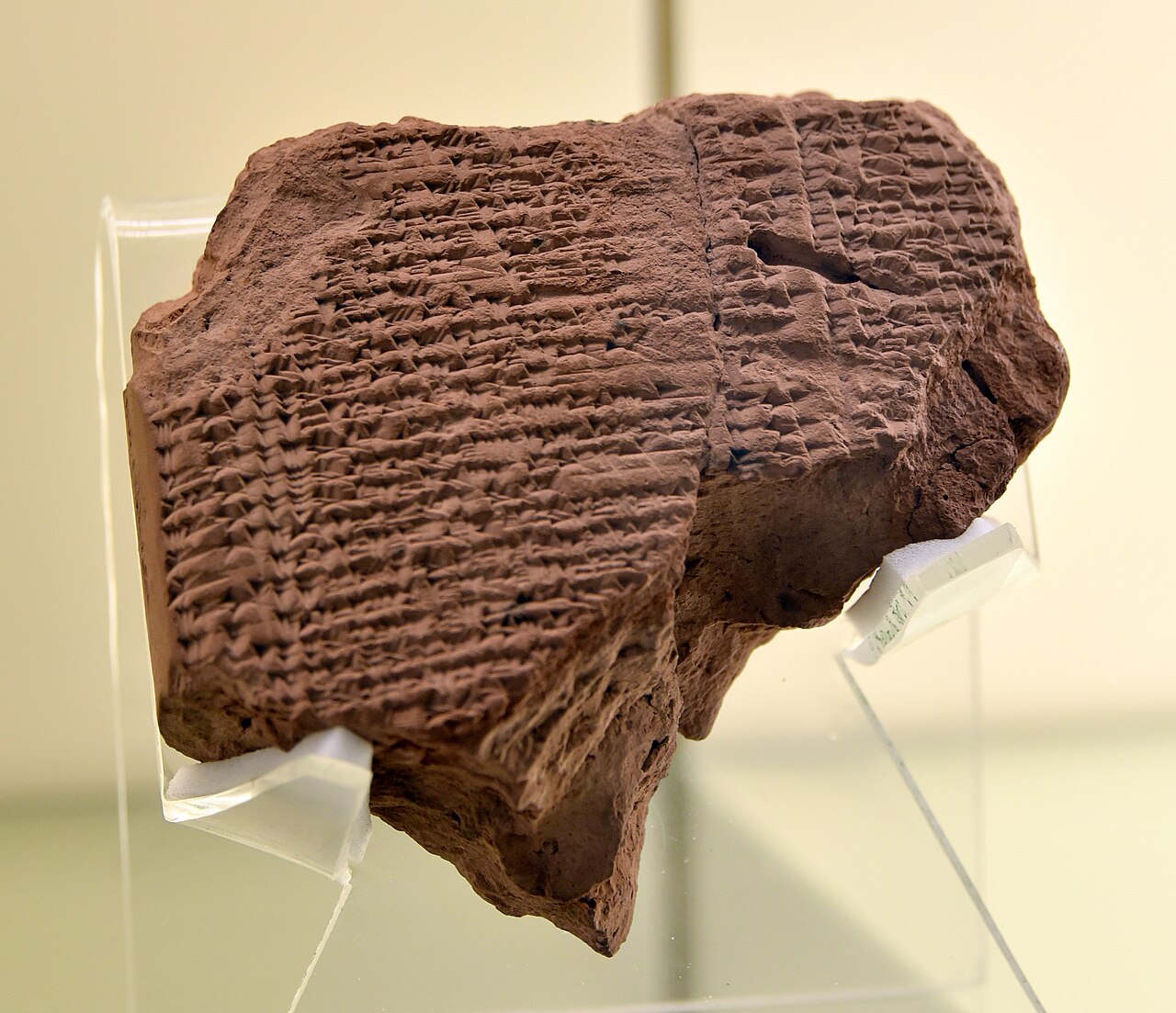
Jehoiachin's Rations Tablets
Babylonian palace scribes · c. 592 BC
 Document
Primary source
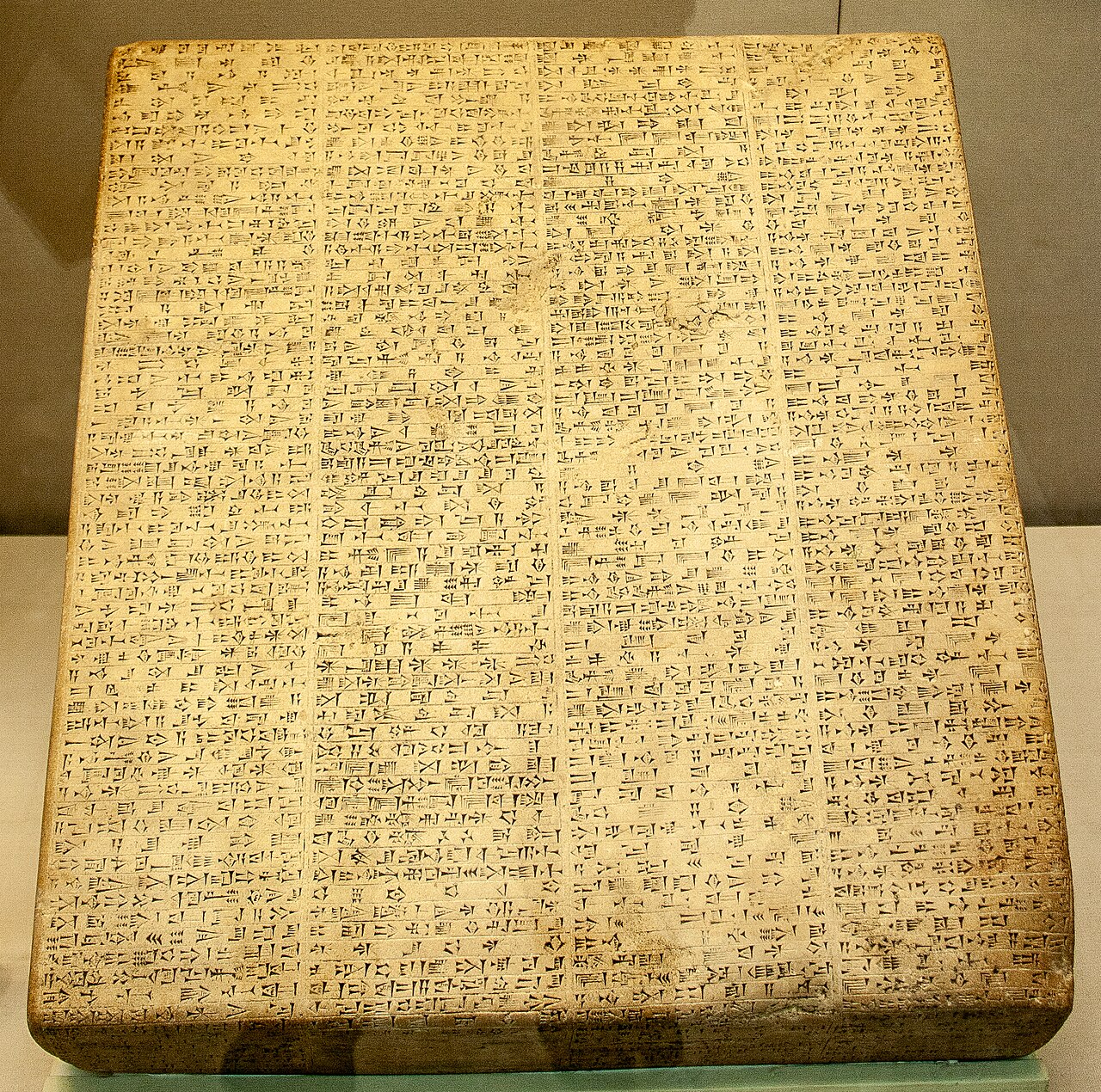
East India House Inscription
Nebuchadnezzar II (scribes writing for him) · 604-562 BC
 Book
Primary source
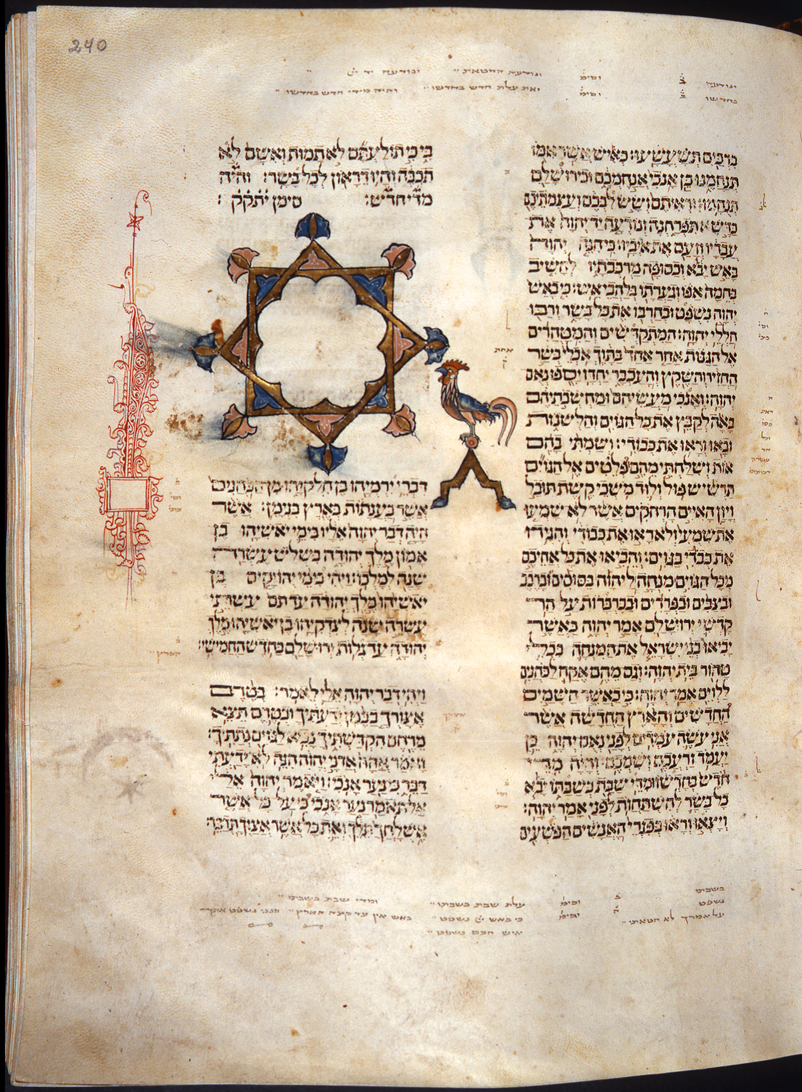
Book of Jeremiah
Jeremiah · c. 6th century BC (text); manuscript illuminated later
Ready when you are
Start chatting with Nebuchadnezzar II now.
20 messages free · No credit card · Available in 50+ languages.