


Primary sourceDocument604-562 BC
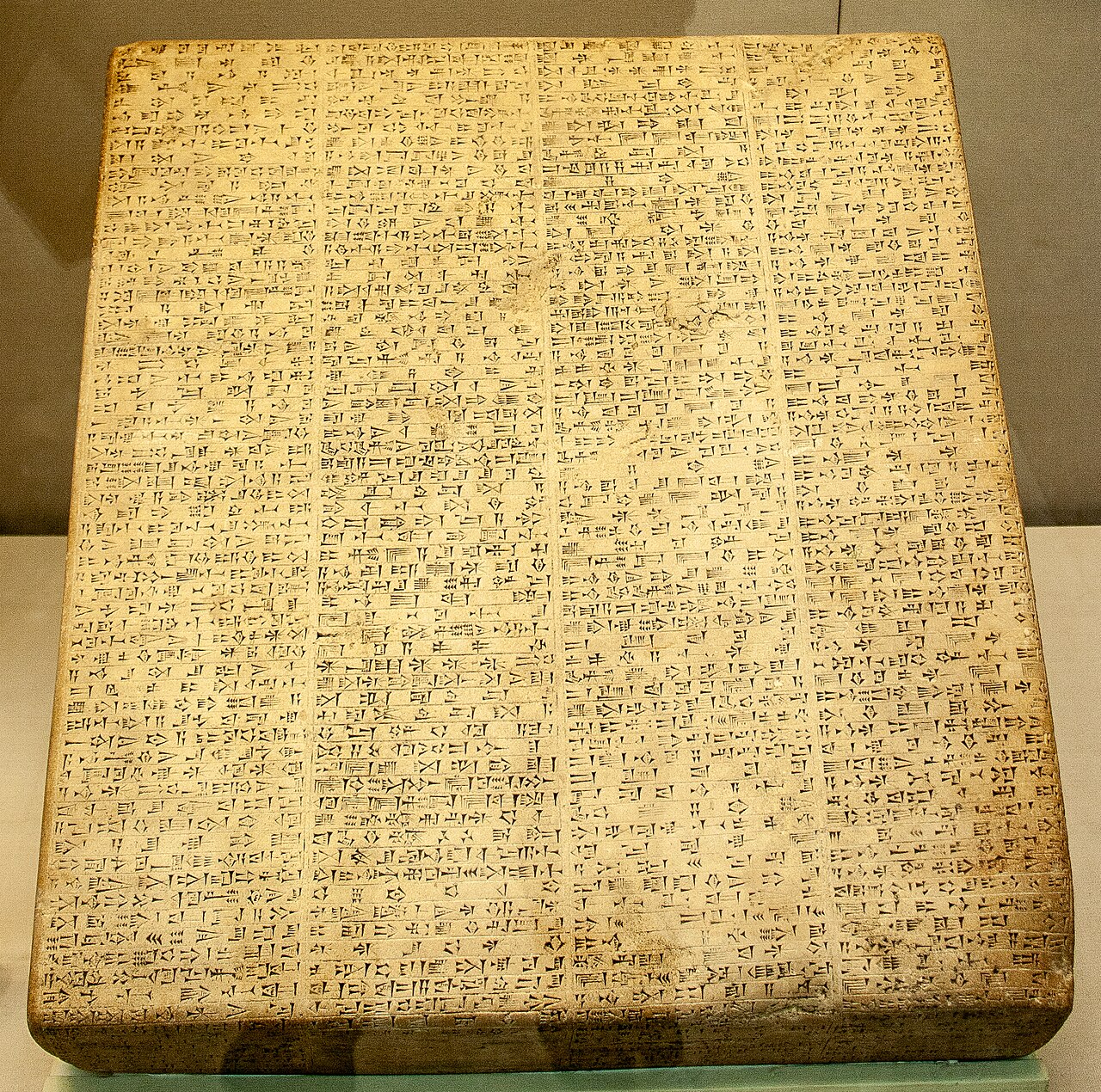
East India House Inscription
Nebuchadnezzar II (scribes writing for him) · 604-562 BC
A stone foundation tablet carrying Nebuchadnezzar II's own words describing his piety and his building works at Babylon.
This inscription records Nebuchadnezzar's own words about his piety and building works, the longest surviving text in his voice.
About this source
What it is
This stone foundation tablet, carved rather than written on clay, was probably buried in the foundations of one of Nebuchadnezzar II's building projects in Babylon between 604 and 562 BC. It was found before 1803 in the ruins of Babylon and eventually came to the British Museum, where it has been kept since 1938.
Why it matters
The inscription is written in the first person as Nebuchadnezzar himself, describing his devotion to the gods Marduk and Nabu and his achievements in building and maintaining temples. It is one of the longest surviving texts in the king's own voice, showing how he wanted to be remembered.
Look closer
- What words does the king use to describe himself, and what do they suggest he wanted people to think of him?
- Why was this text buried rather than displayed?
- How might a ruler's own words about himself differ from how others described him?
This document is part of the curated material that grounds the AI version of Nebuchadnezzar II on Humy.ai — when students ask about related events, the AI can quote it and cite it.
More Nebuchadnezzar II sources
Meet the AI Nebuchadnezzar II →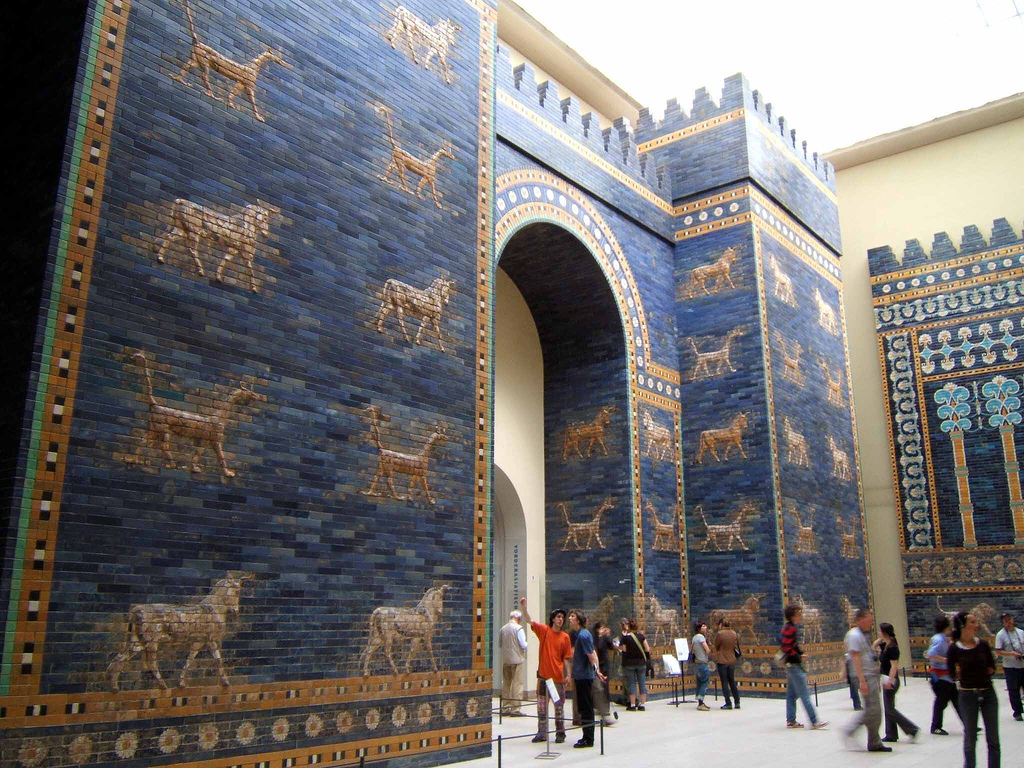 Artifact
Primary source
Ishtar Gate
c. 574 BC
 Document
Primary source
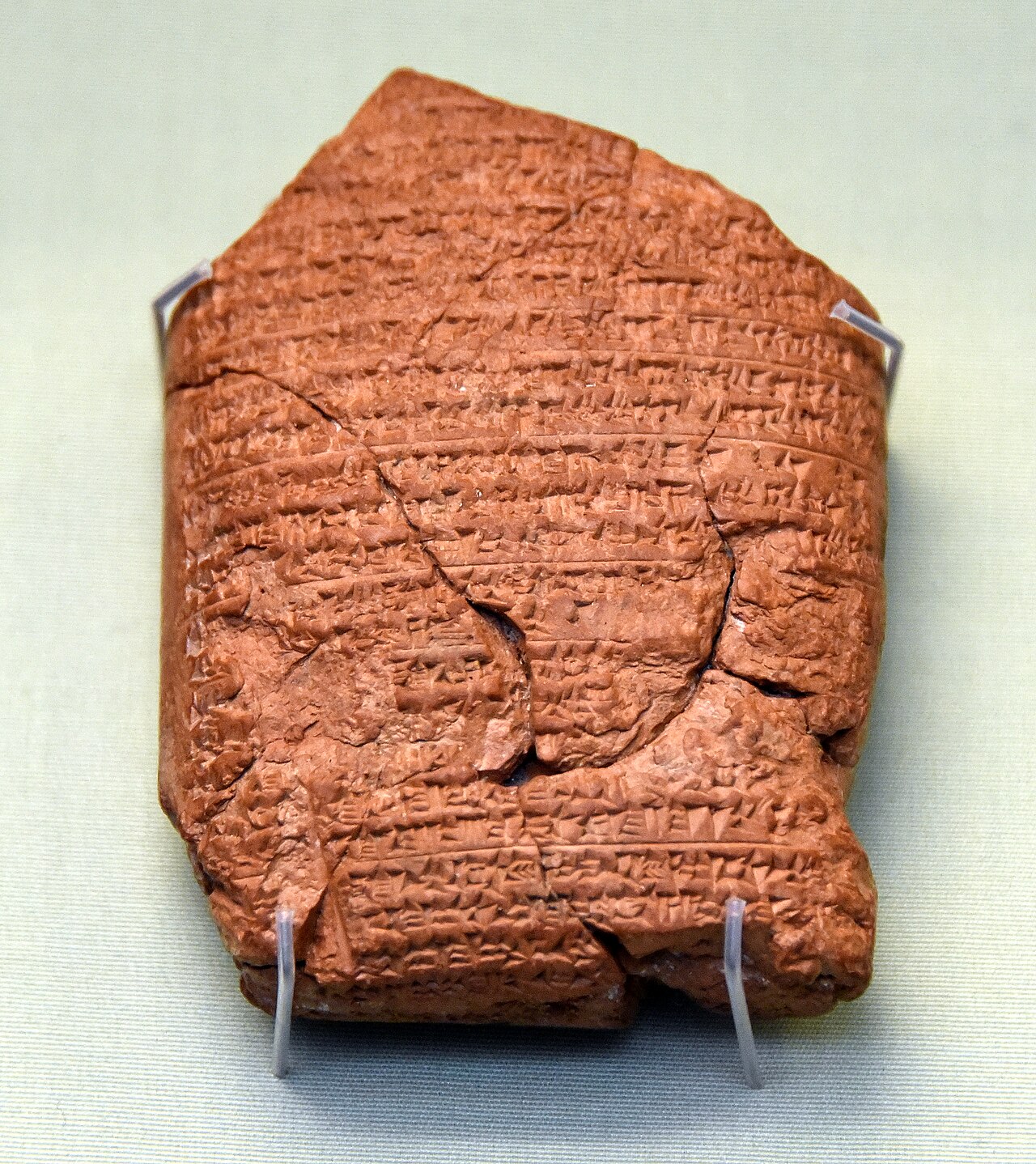
Nebuchadnezzar Chronicle
Babylonian scribes · c. 550-400 BC (recording events of 605-594 BC)
 Document
Primary source
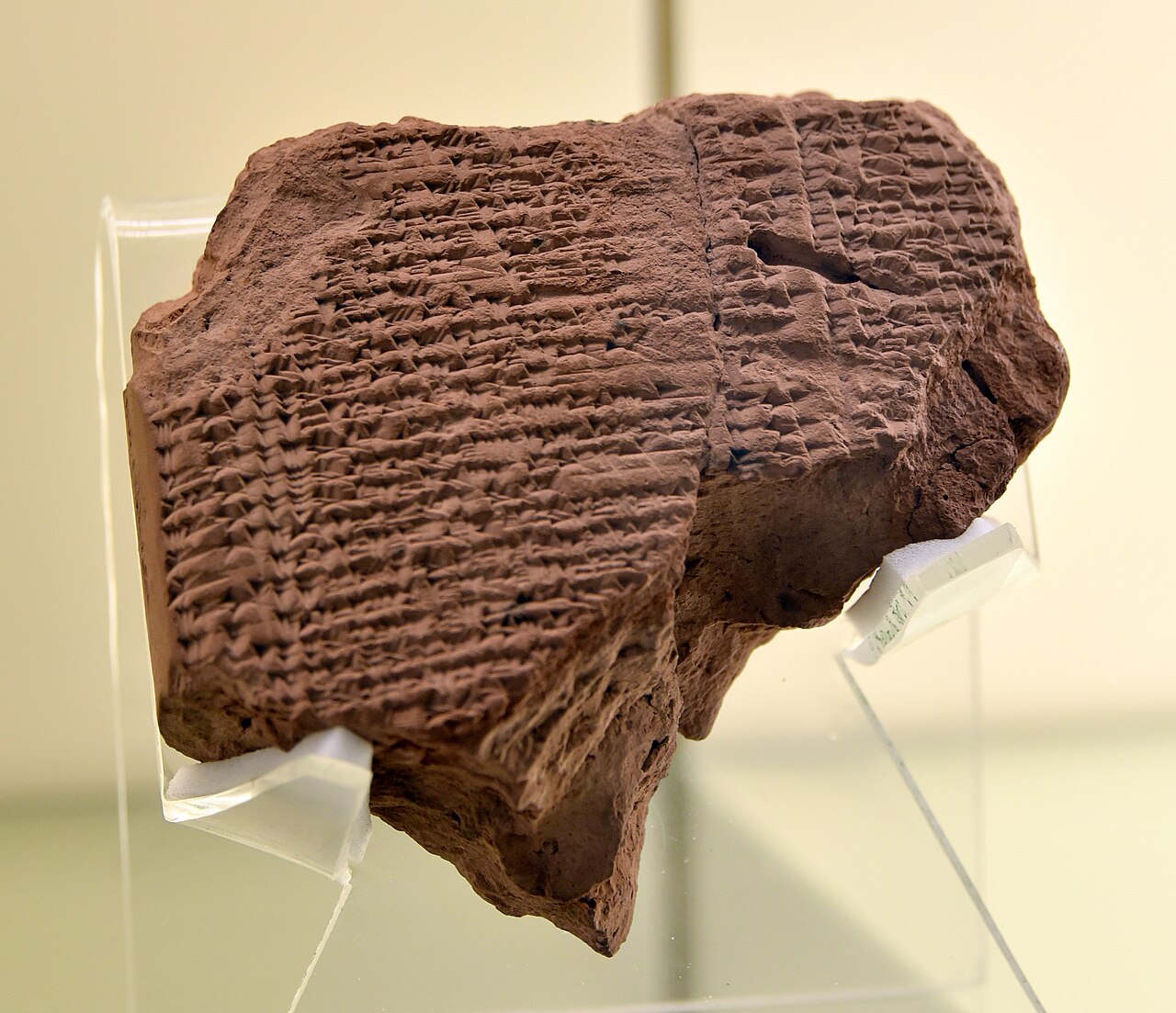
Jehoiachin's Rations Tablets
Babylonian palace scribes · c. 592 BC
 Book
Primary source
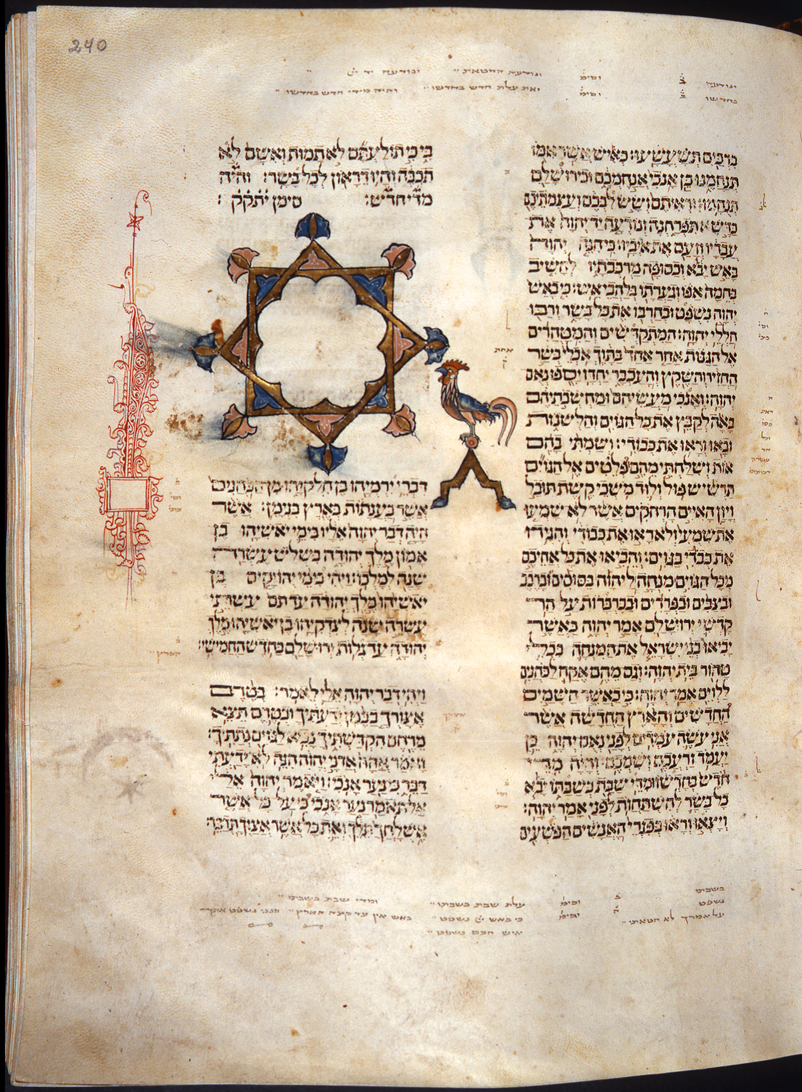
Book of Jeremiah
Jeremiah · c. 6th century BC (text); manuscript illuminated later
 Book
Secondary source
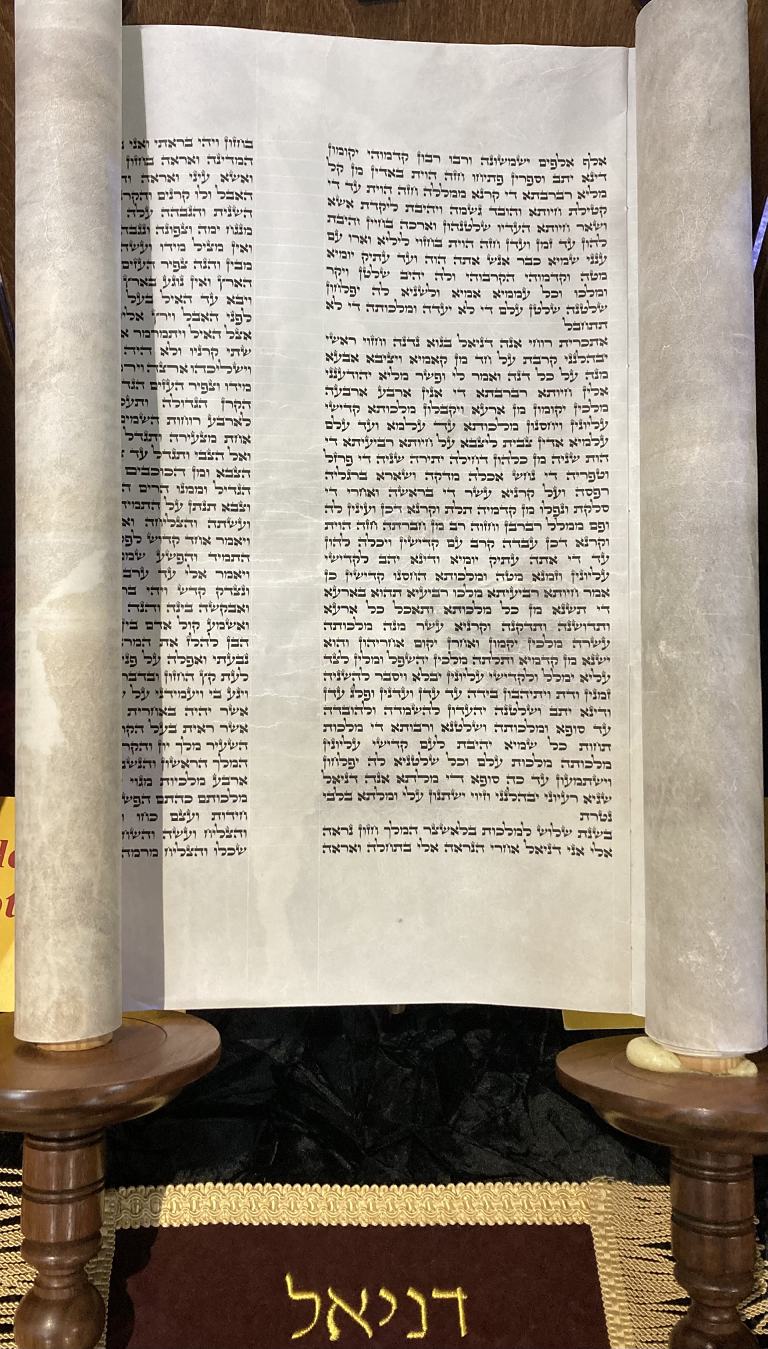
Book of Daniel
c. 200 BC
Ready when you are
Start chatting with Nebuchadnezzar II now.
20 messages free · No credit card · Available in 50+ languages.