


Primary sourceArtifactc. 574 BC
Ishtar Gate
c. 574 BC
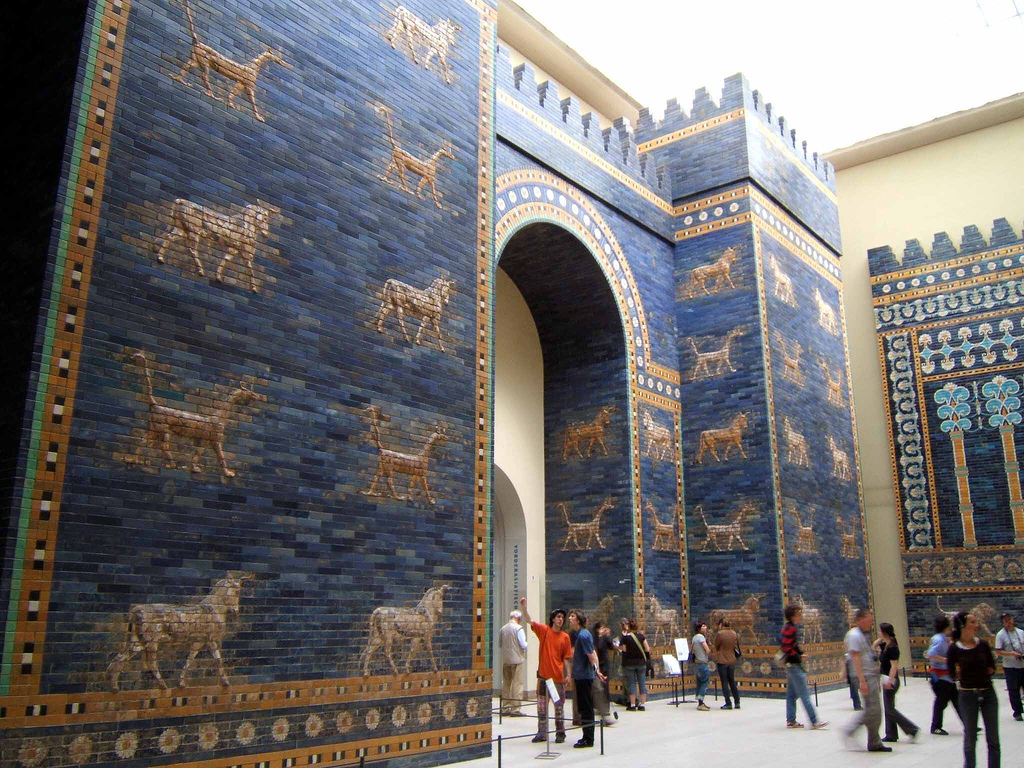
A monumental glazed-brick gate built by Nebuchadnezzar II as part of his rebuilding of Babylon, decorated with dragons, bulls and lions.
Nebuchadnezzar commissioned this gate as part of his rebuilding of Babylon, with his own dedicatory inscription on it.
About this source
What it is
The Ishtar Gate was one of the gates into the inner city wall of Babylon, built by order of King Nebuchadnezzar II around the 6th century BC. Its walls were covered in blue glazed bricks decorated with rows of animals in relief. German archaeologists excavated it in the early 1900s, and the smaller front gate was later rebuilt in the Pergamon Museum in Berlin, where it stands today.
Why it matters
The gate shows how Nebuchadnezzar used architecture to display his power and piety. It was dedicated to the goddess Ishtar, and its animal reliefs symbolised the gods Marduk, Adad and Ishtar. It is the most spectacular physical evidence of his rebuilding of Babylon into an imperial capital.
Look closer
- What do the materials and colours tell you about what the Babylonians valued?
- Why might a king want his gate covered in images of gods rather than himself?
- How much of what you see is original, and how much is modern reconstruction?
This artifact is part of the curated material that grounds the AI version of Nebuchadnezzar II on Humy.ai — when students ask about related events, the AI can quote it and cite it.
More Nebuchadnezzar II sources
Meet the AI Nebuchadnezzar II →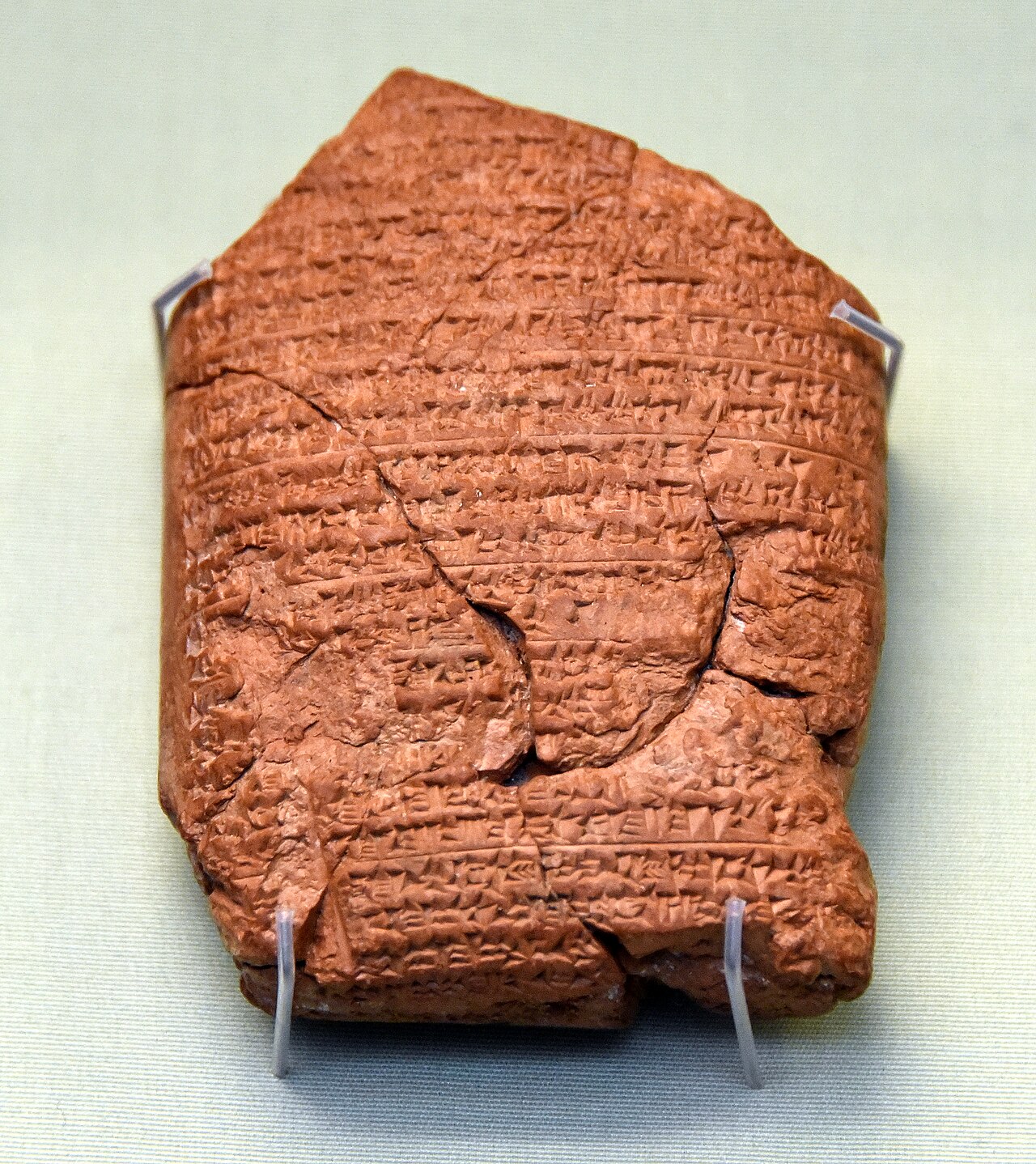 Document
Primary source
Nebuchadnezzar Chronicle
Babylonian scribes · c. 550-400 BC (recording events of 605-594 BC)
 Document
Primary source
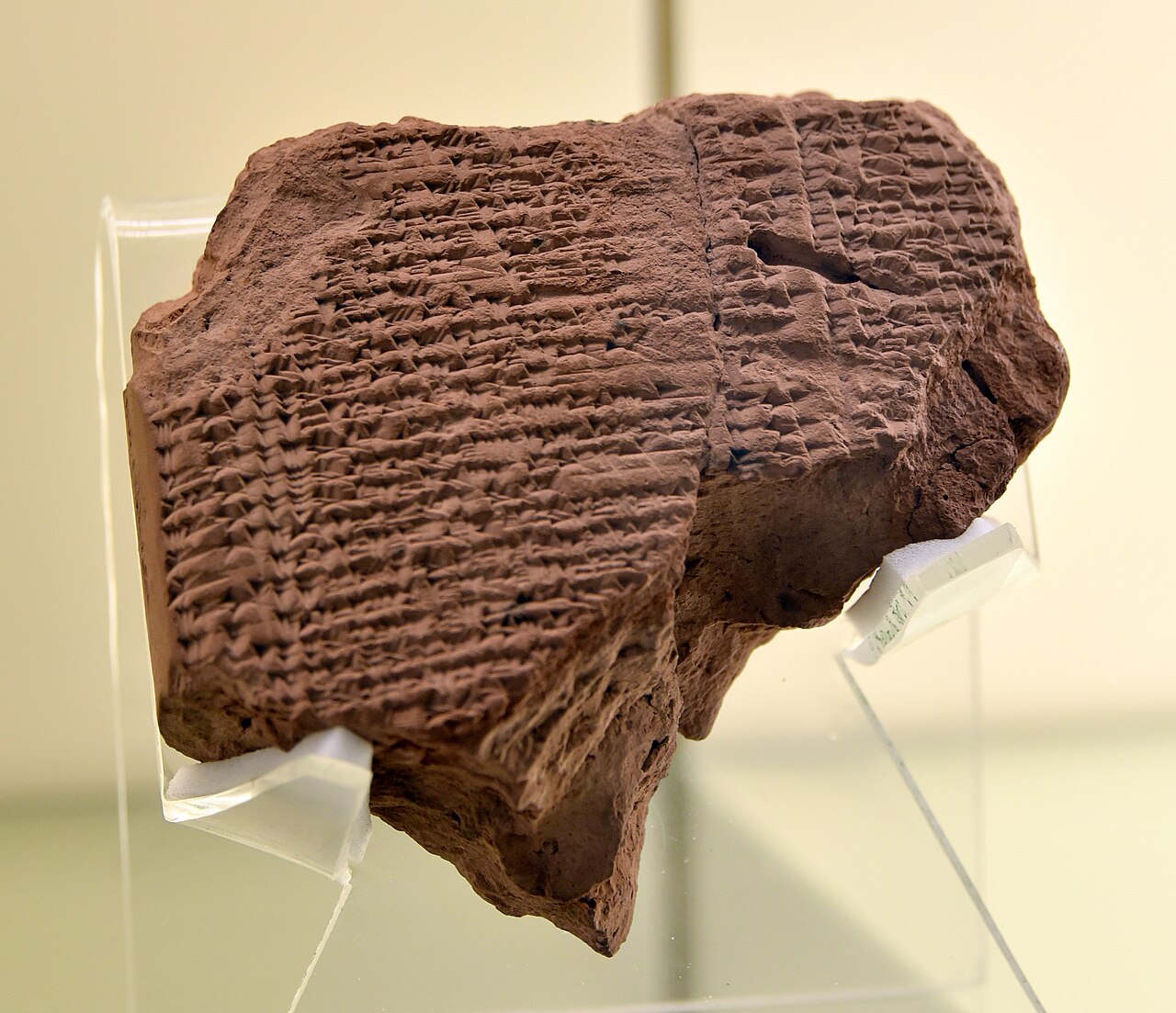
Jehoiachin's Rations Tablets
Babylonian palace scribes · c. 592 BC
 Document
Primary source
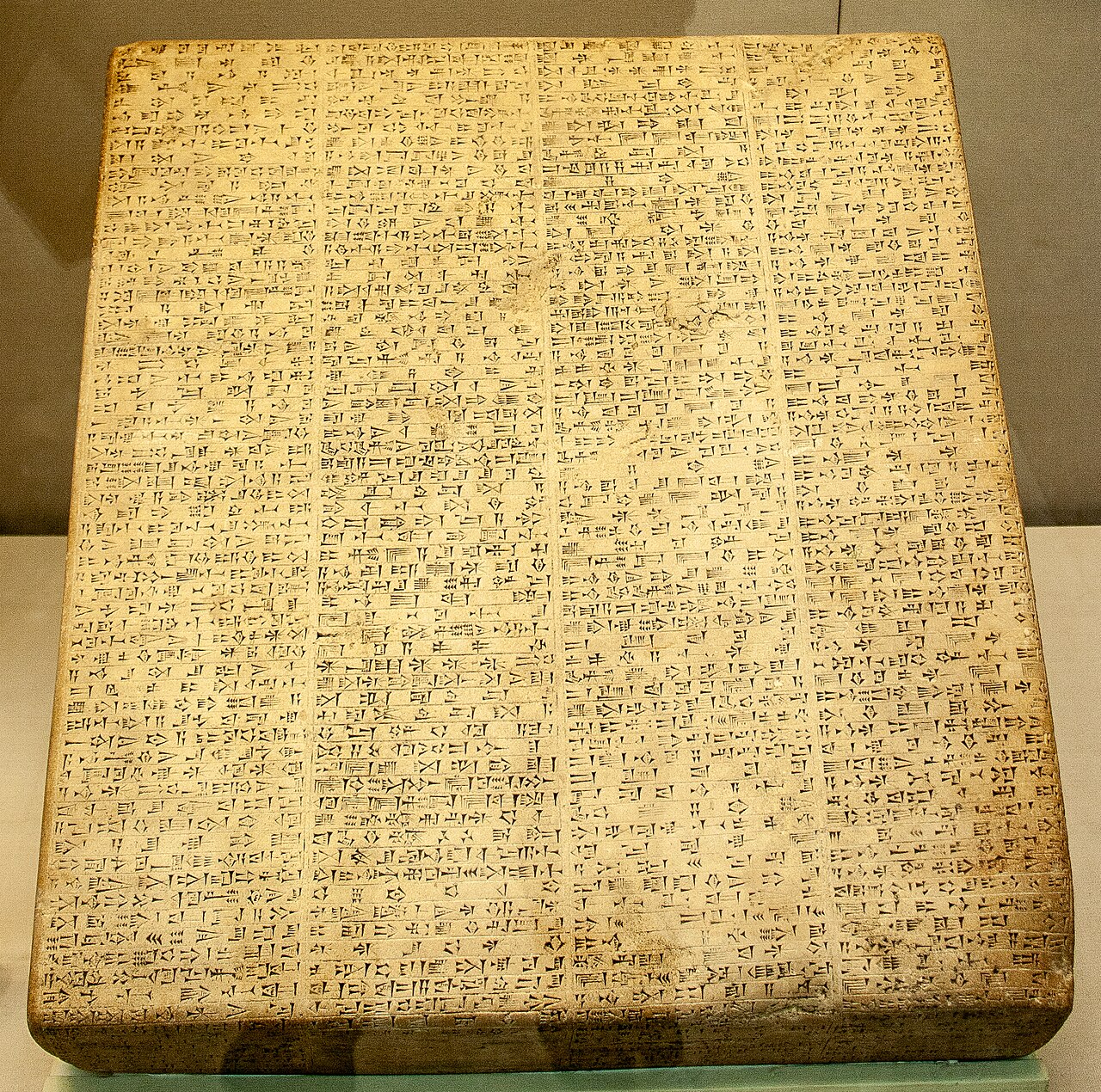
East India House Inscription
Nebuchadnezzar II (scribes writing for him) · 604-562 BC
 Book
Primary source
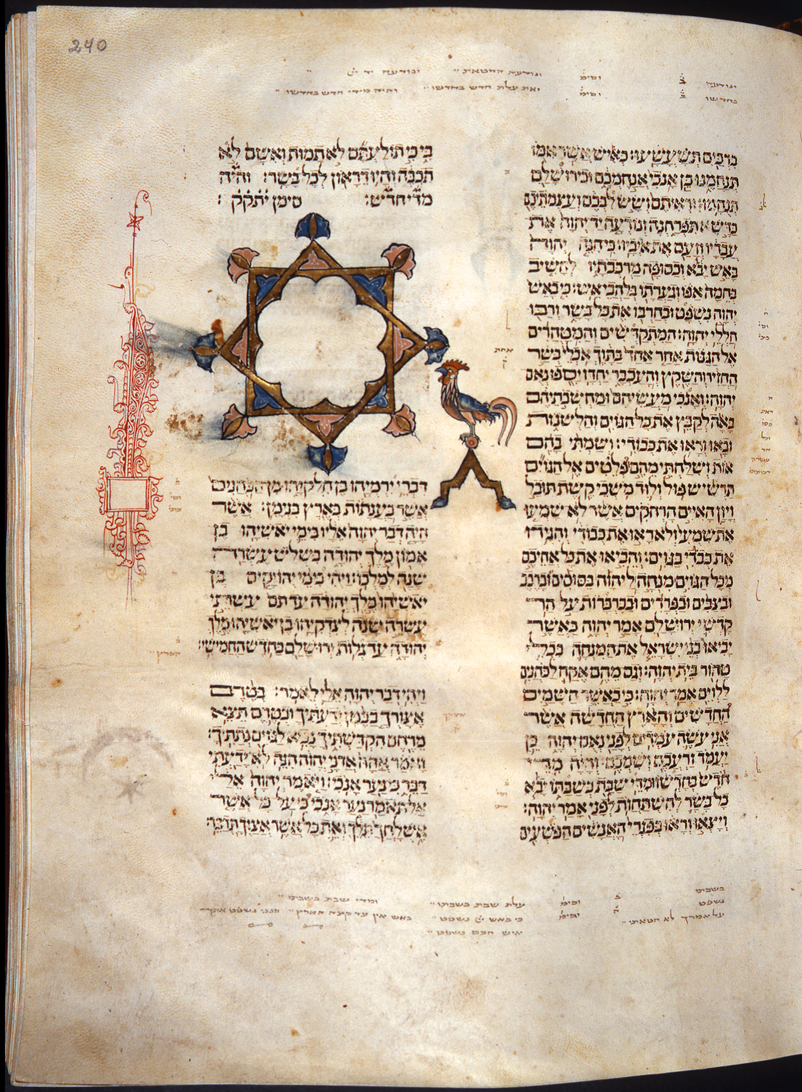
Book of Jeremiah
Jeremiah · c. 6th century BC (text); manuscript illuminated later
 Book
Secondary source
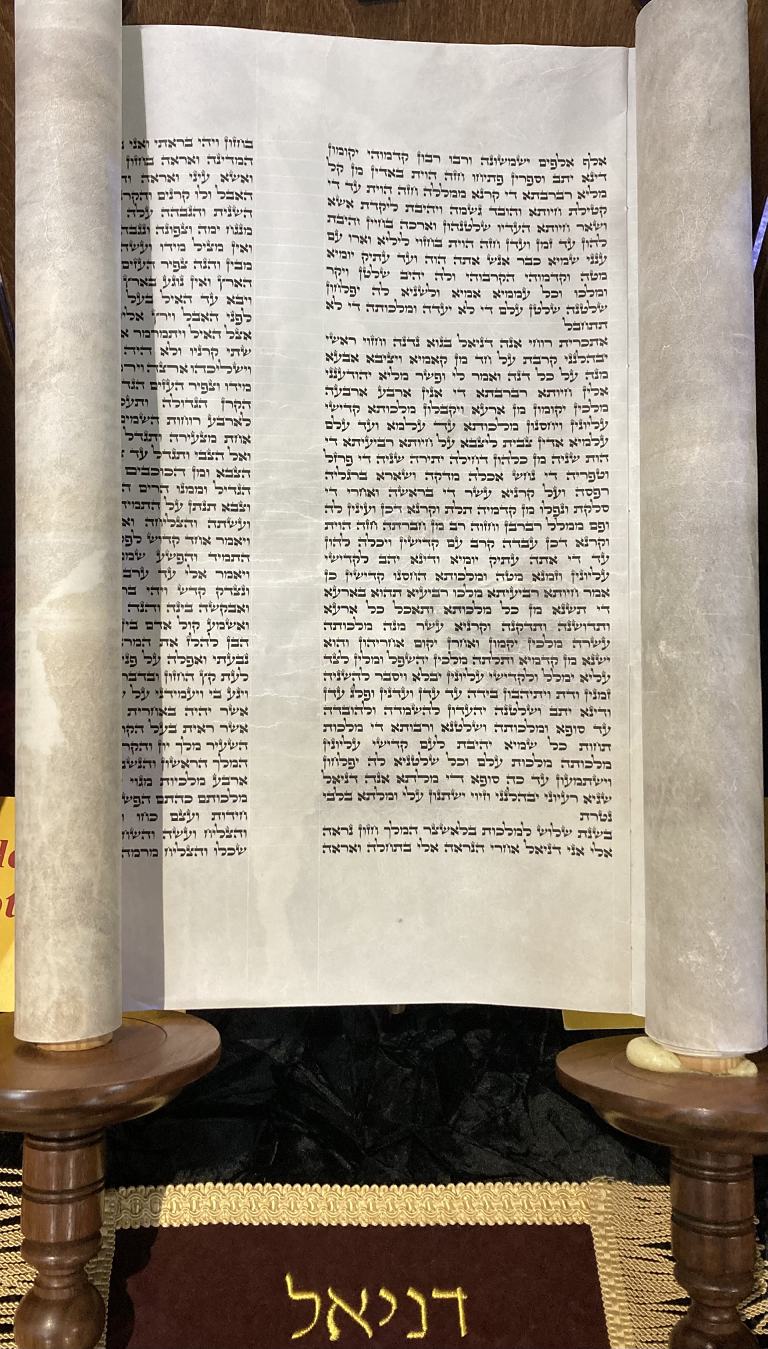
Book of Daniel
c. 200 BC
Ready when you are
Start chatting with Nebuchadnezzar II now.
20 messages free · No credit card · Available in 50+ languages.