


Primary sourceArtifact605-562 BCE
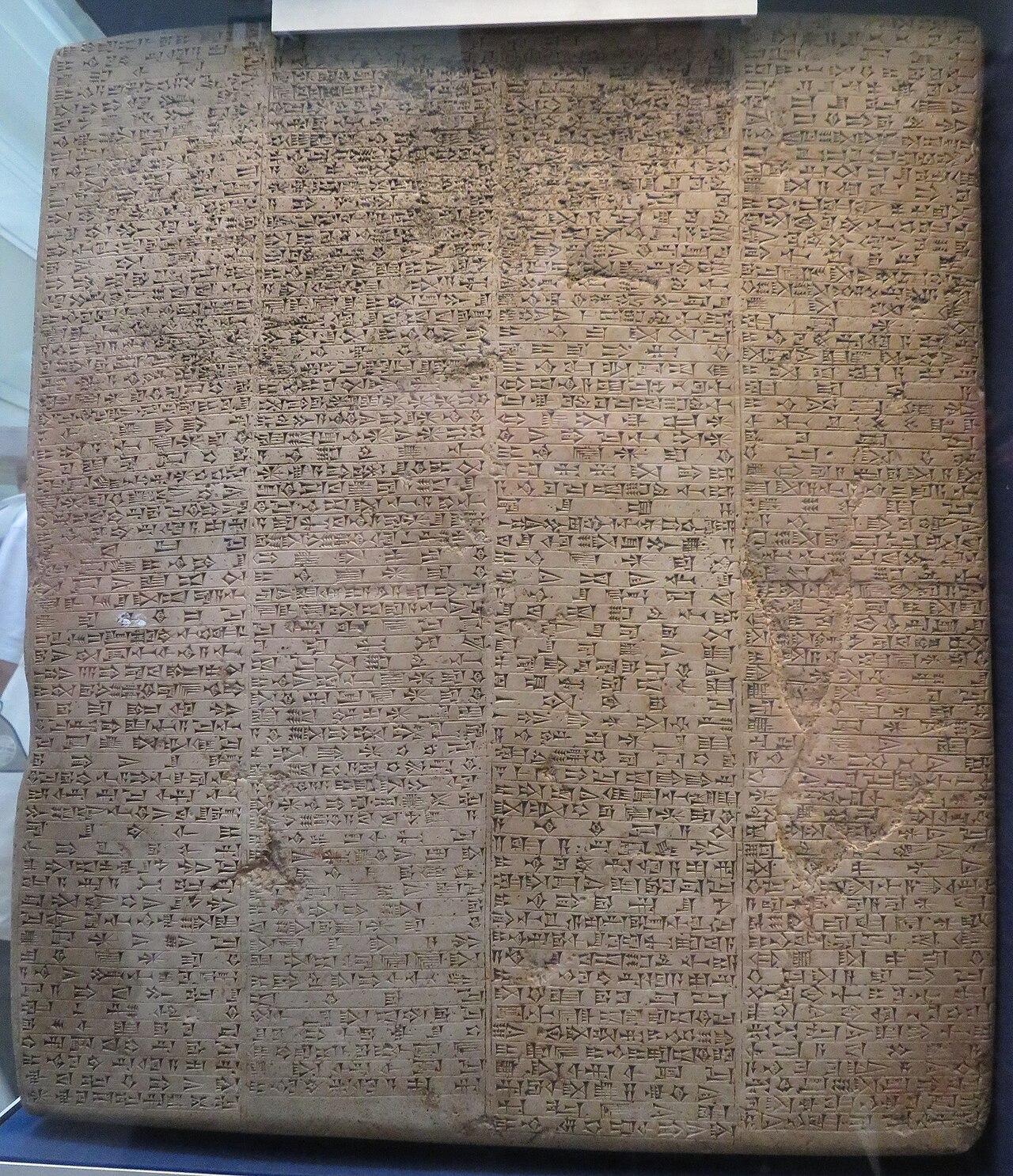
Inscribed Stone of Nebuchadnezzar II from Babylon
605-562 BCE
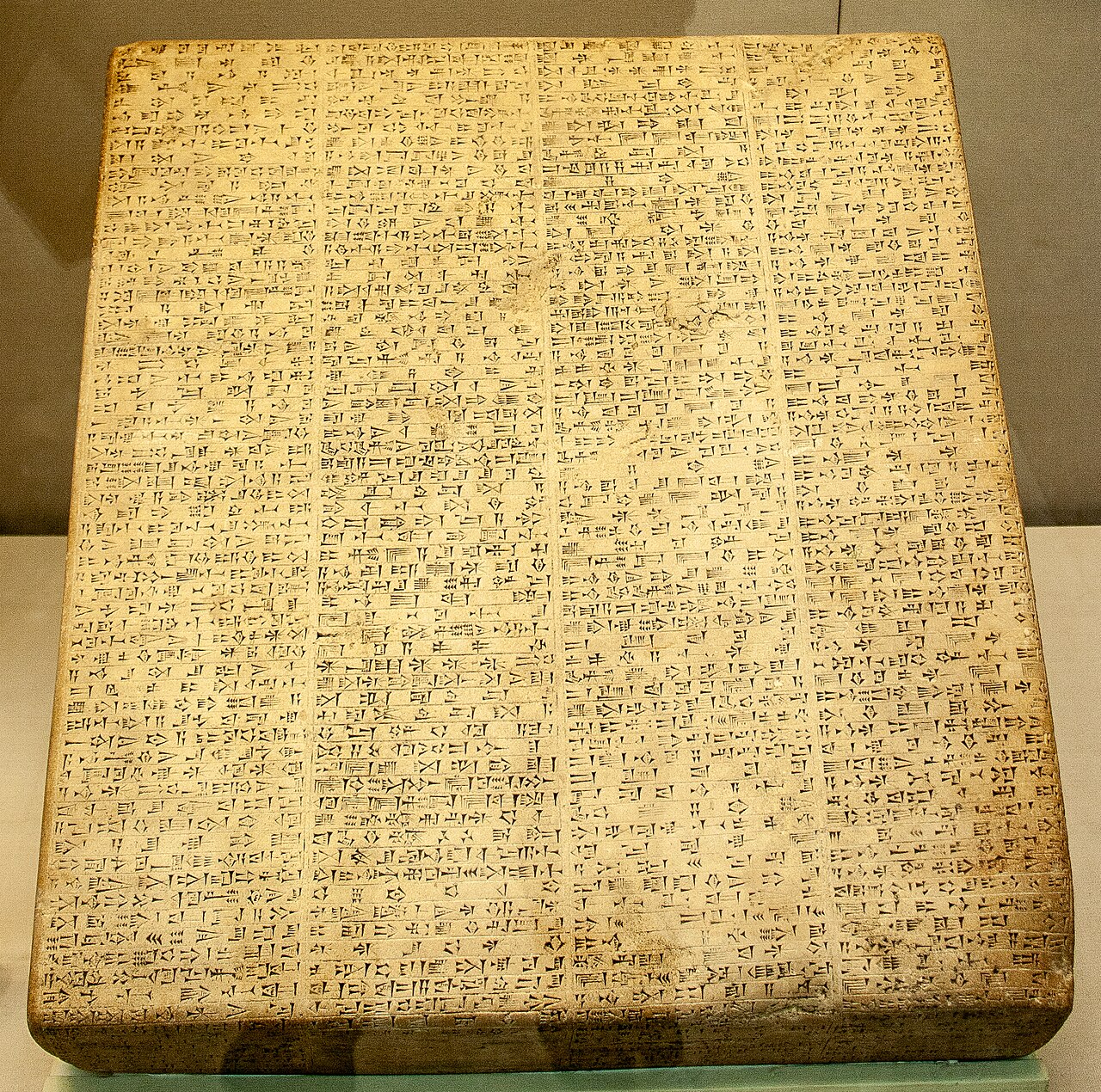
A stone from the ruins of Babylon carved with a long cuneiform inscription describing Nebuchadnezzar II's achievements, now in the British Museum.
This stone inscription was created to record Nebuchadnezzar II's own building achievements as king of Babylon.
About this source
What it is
This is a stone slab from the ancient ruins of Babylon, covered in rows of cuneiform writing. The inscription describes the building achievements of Nebuchadnezzar II, who ruled Babylon in the 7th-6th centuries BCE. It is held today in the British Museum.
Why it matters
This stone is a primary source: it was created during or shortly after Nebuchadnezzar's reign and records, in his own words or those of his scribes, what he built and accomplished. Such inscriptions were a common way for Mesopotamian kings to announce their power and piety to the gods and to future generations.
Look closer
- What does it mean that this inscription survived thousands of years to end up in a museum case today?
- Why would a king want to carve a record of his achievements onto stone?
- What is missing from this kind of royal inscription that a modern history book might include?
This artifact is part of the curated material that grounds the AI version of Nebuchadnezzar II on Humy.ai — when students ask about related events, the AI can quote it and cite it.
More Nebuchadnezzar II sources
Meet the AI Nebuchadnezzar II →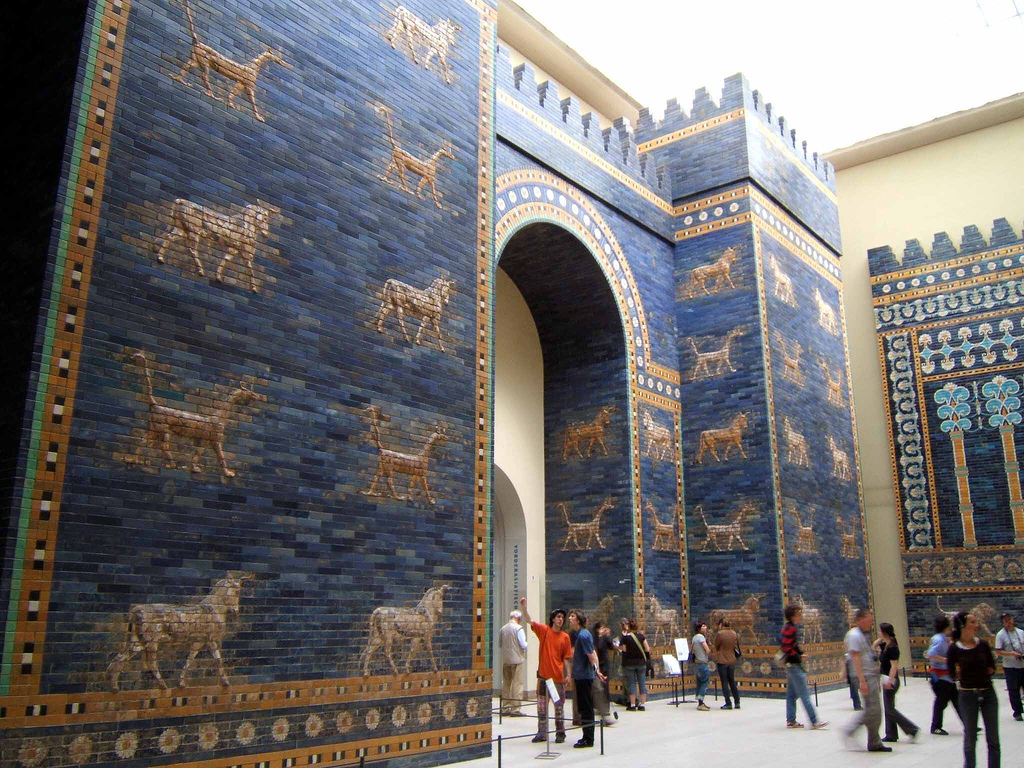 Artifact
Primary source
Ishtar Gate
c. 574 BC
 Document
Primary source
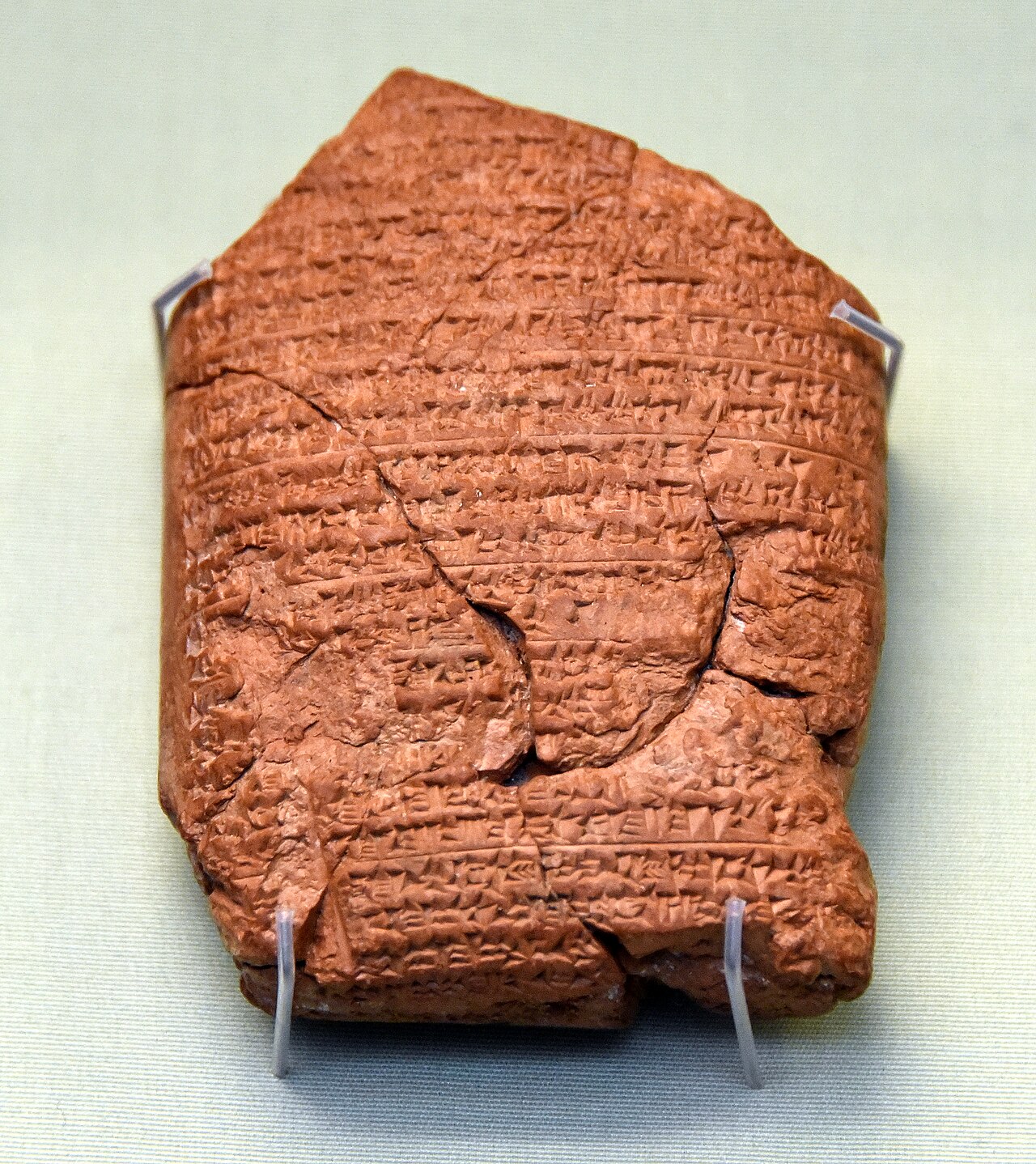
Nebuchadnezzar Chronicle
Babylonian scribes · c. 550-400 BC (recording events of 605-594 BC)
 Document
Primary source
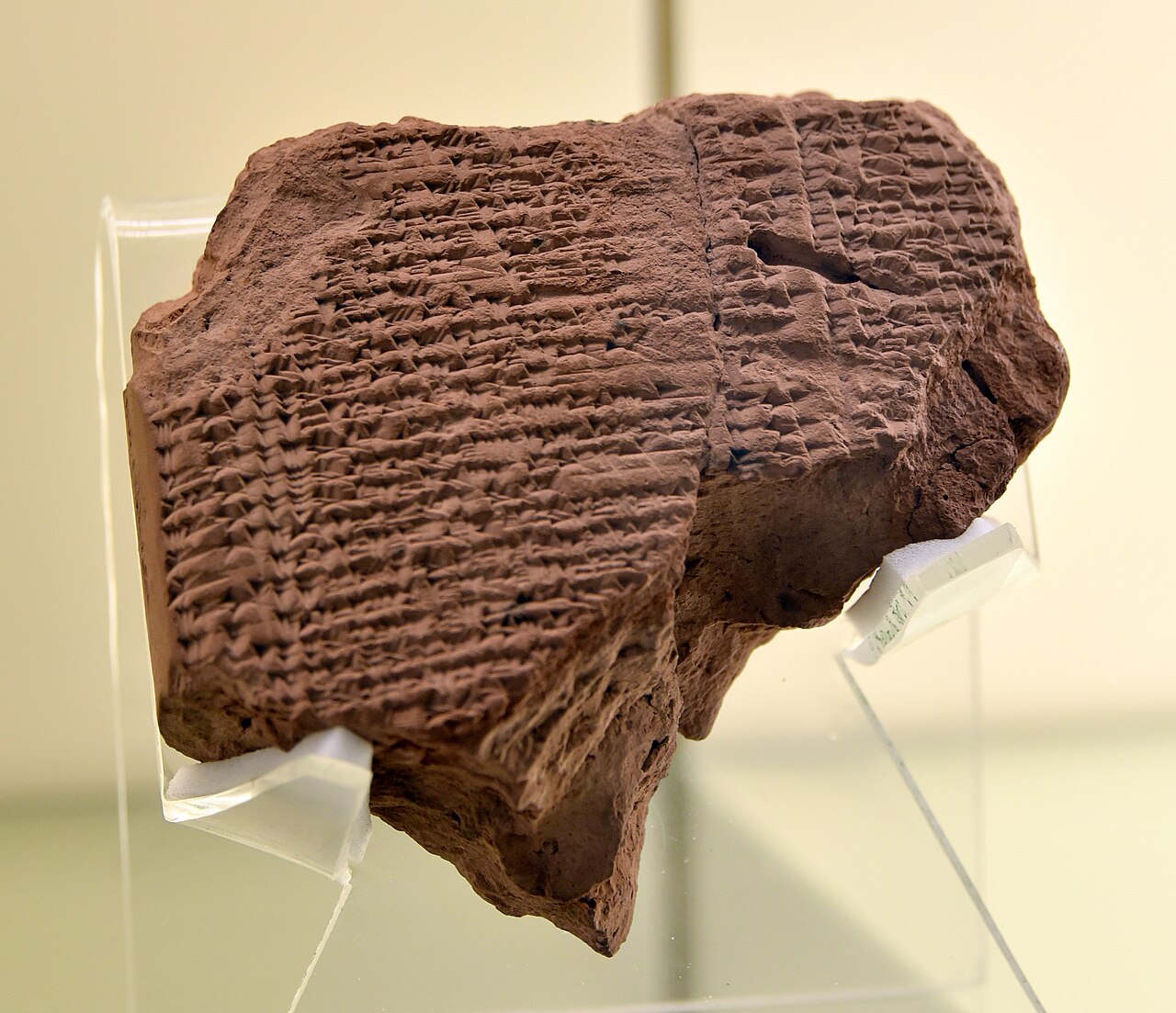
Jehoiachin's Rations Tablets
Babylonian palace scribes · c. 592 BC
 Document
Primary source
East India House Inscription
Nebuchadnezzar II (scribes writing for him) · 604-562 BC
 Book
Primary source
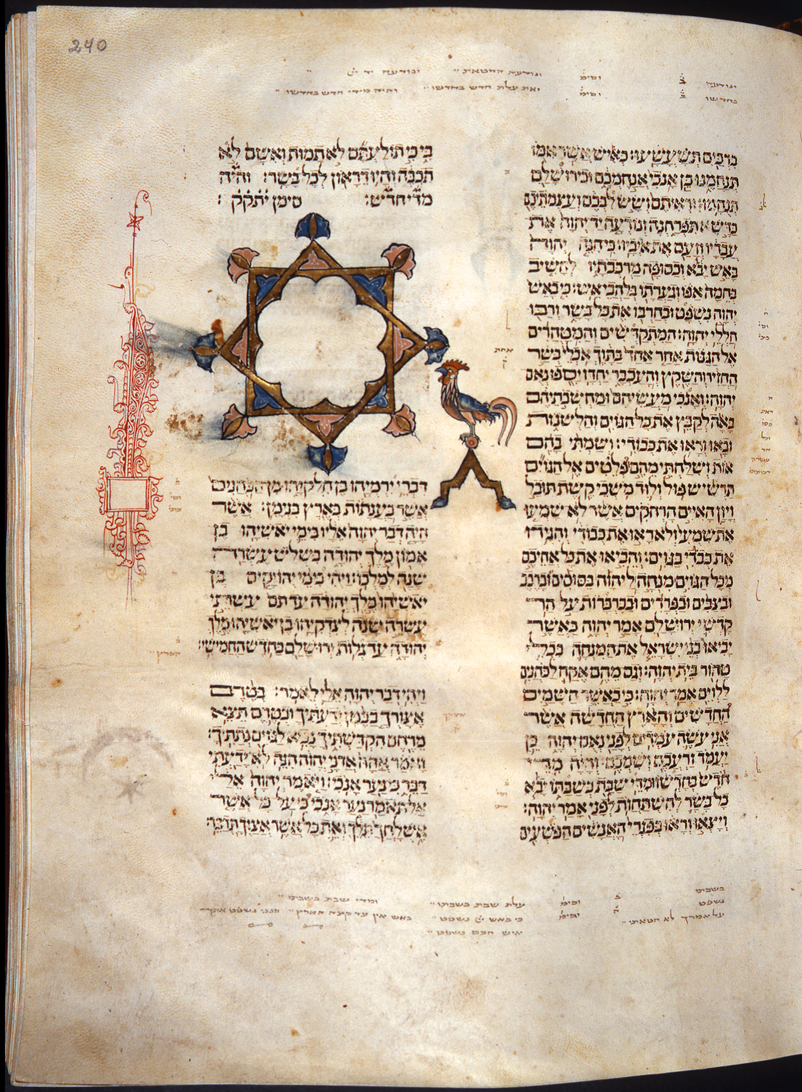
Book of Jeremiah
Jeremiah · c. 6th century BC (text); manuscript illuminated later
Ready when you are
Start chatting with Nebuchadnezzar II now.
20 messages free · No credit card · Available in 50+ languages.