


Primary sourceArtifactca. 604–562 BCE
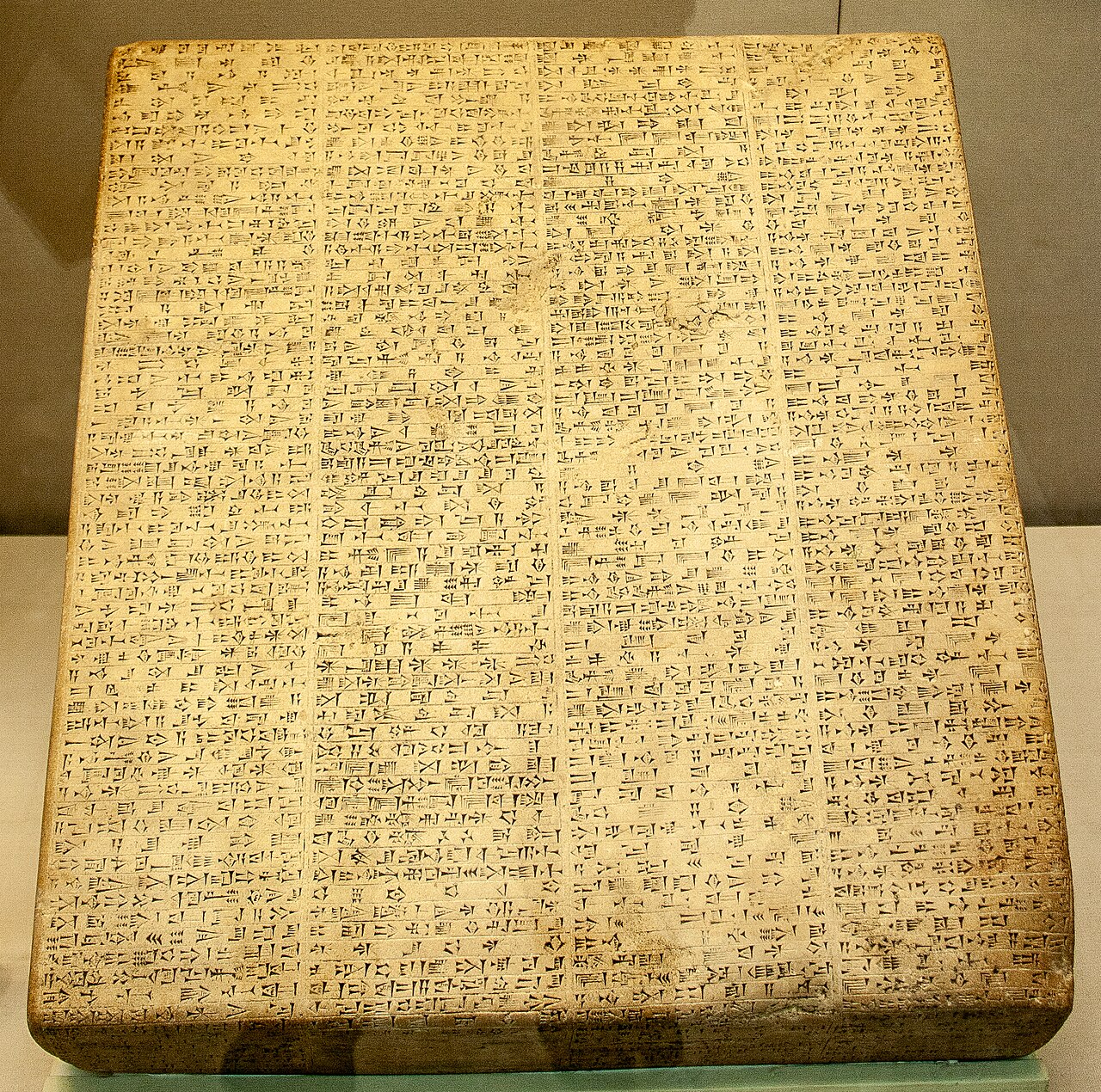
Cuneiform Cylinder on a Wall and Moat at Babylon
Nebuchadnezzar II · ca. 604–562 BCE
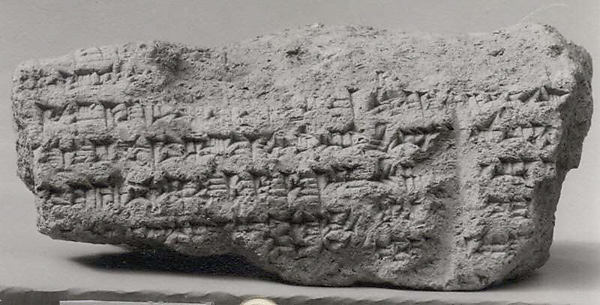
A royal Neo-Babylonian cylinder, held by the Met, recording Nebuchadnezzar II's work on a wall and moat at Babylon.
This cylinder records Nebuchadnezzar II's own account of building a wall and moat at Babylon.
About this source
What it is
This clay cylinder, covered in rows of small cuneiform signs, is a Neo-Babylonian royal inscription describing work done on a wall and moat by Nebuchadnezzar II. It dates to around 604–562 BCE and is held at The Metropolitan Museum of Art, having entered the collection through an 1886 purchase.
Why it matters
Defensive structures like walls and moats were central to protecting Babylon, and this inscription shows Nebuchadnezzar presenting himself as the protector and builder of his city. As a primary source from his own reign, it gives direct evidence of royal priorities rather than a later retelling.
Look closer
- Why might a king emphasize defensive works like walls and moats in his inscriptions?
- What can the rough, uneven clay surface tell you about how these objects were made?
- What questions would you want to ask about how this object traveled from ancient Babylon to a museum in New York?
This artifact is part of the curated material that grounds the AI version of Nebuchadnezzar II on Humy.ai — when students ask about related events, the AI can quote it and cite it.
More Nebuchadnezzar II sources
Meet the AI Nebuchadnezzar II →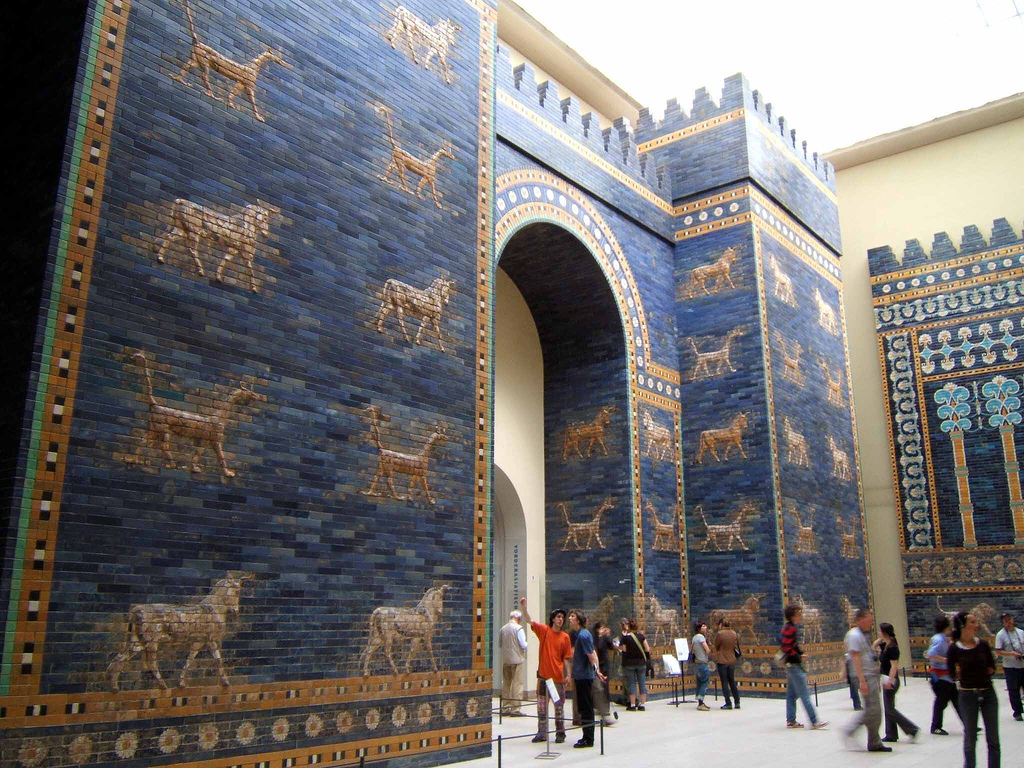 Artifact
Primary source
Ishtar Gate
c. 574 BC
 Document
Primary source
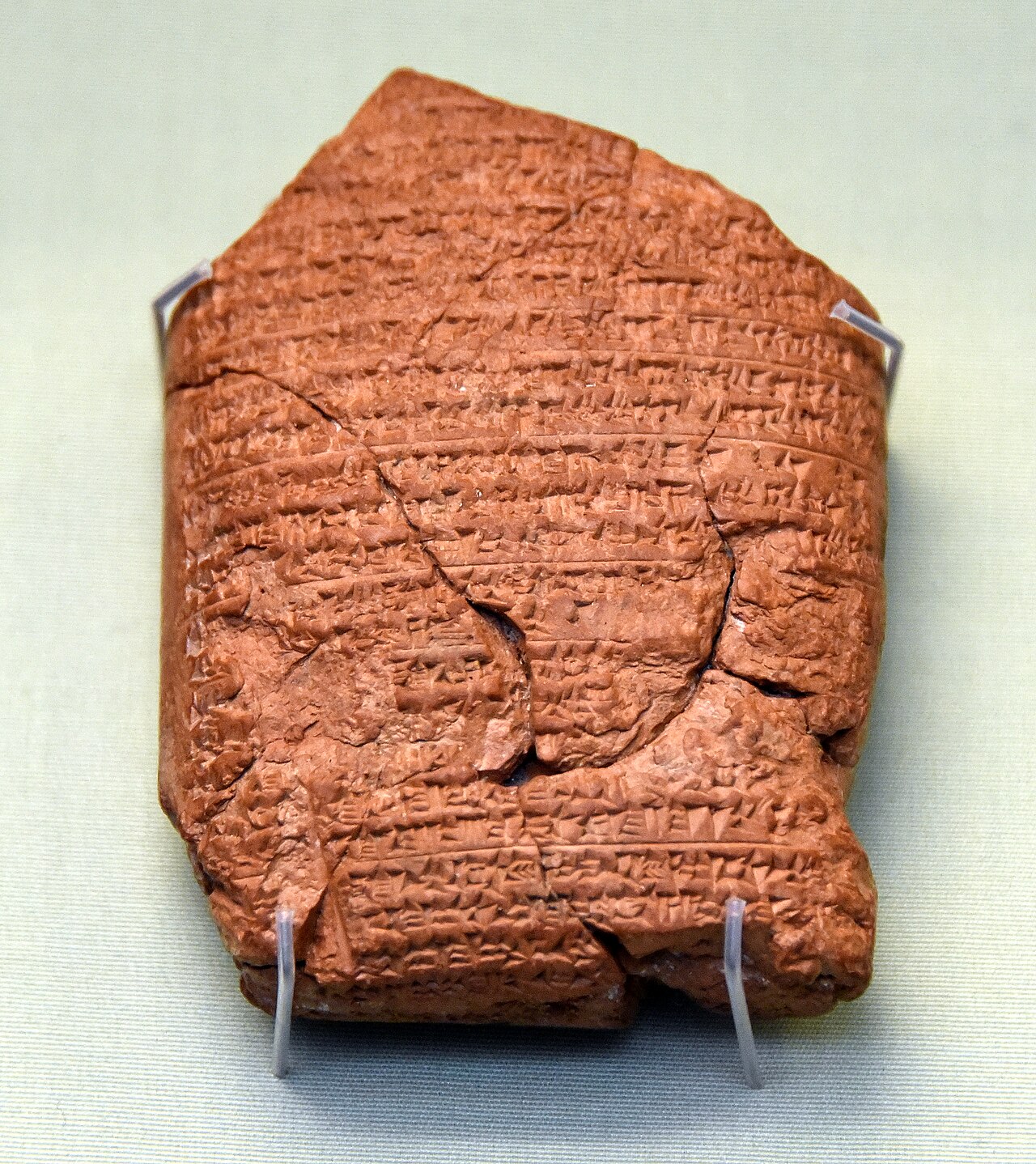
Nebuchadnezzar Chronicle
Babylonian scribes · c. 550-400 BC (recording events of 605-594 BC)
 Document
Primary source
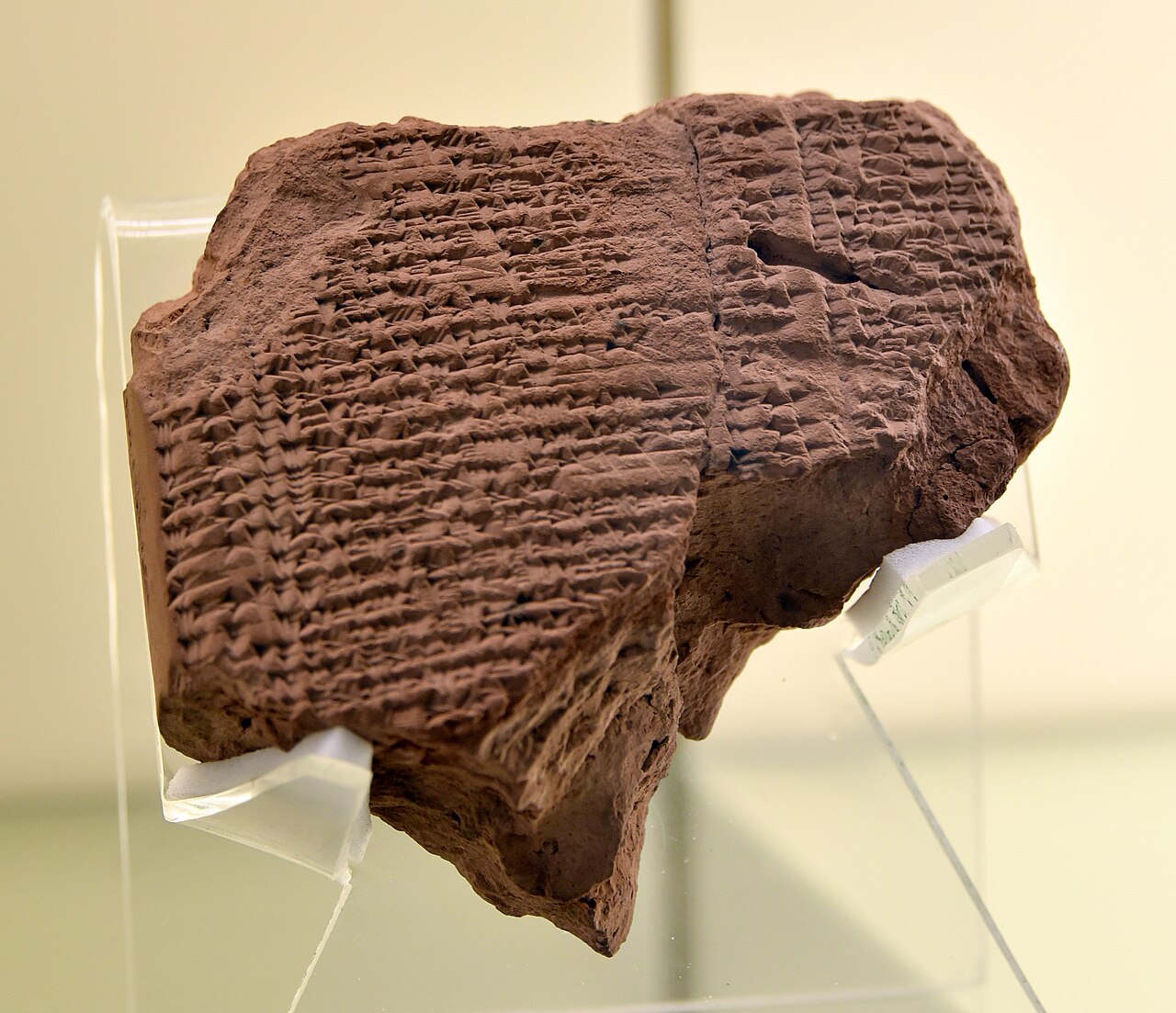
Jehoiachin's Rations Tablets
Babylonian palace scribes · c. 592 BC
 Document
Primary source
East India House Inscription
Nebuchadnezzar II (scribes writing for him) · 604-562 BC
 Book
Primary source
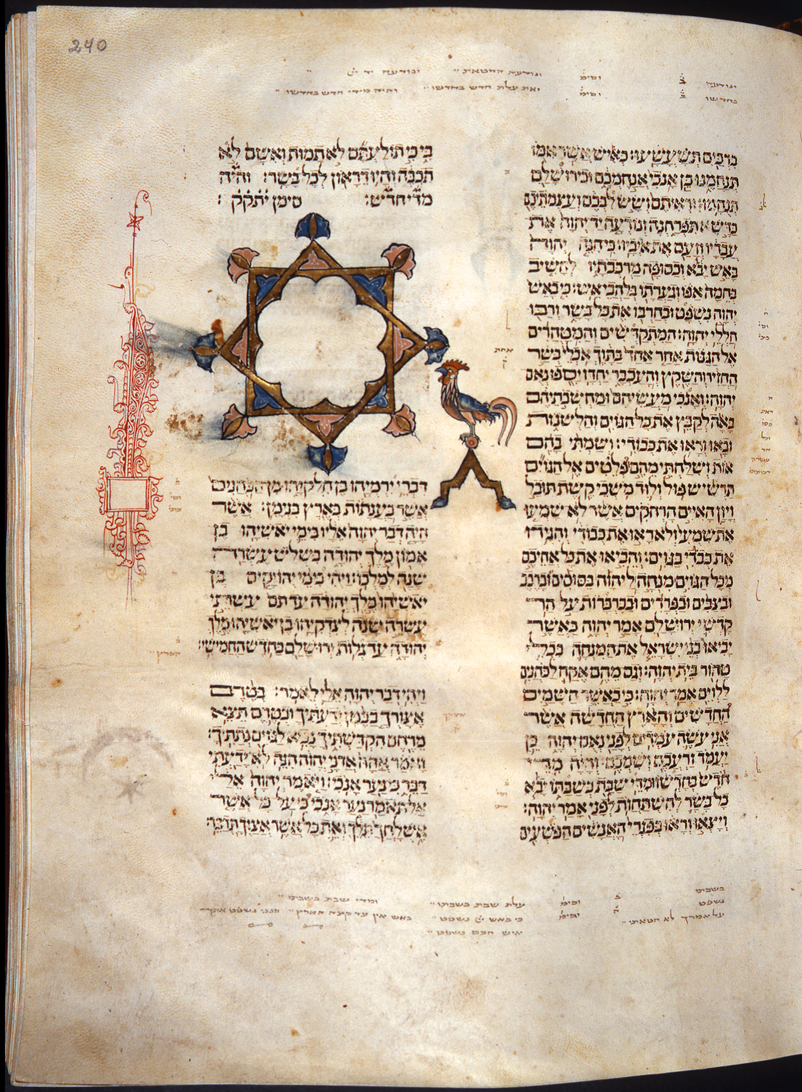
Book of Jeremiah
Jeremiah · c. 6th century BC (text); manuscript illuminated later
Ready when you are
Start chatting with Nebuchadnezzar II now.
20 messages free · No credit card · Available in 50+ languages.