


Primary sourceArtifactc. 604–562 BCE
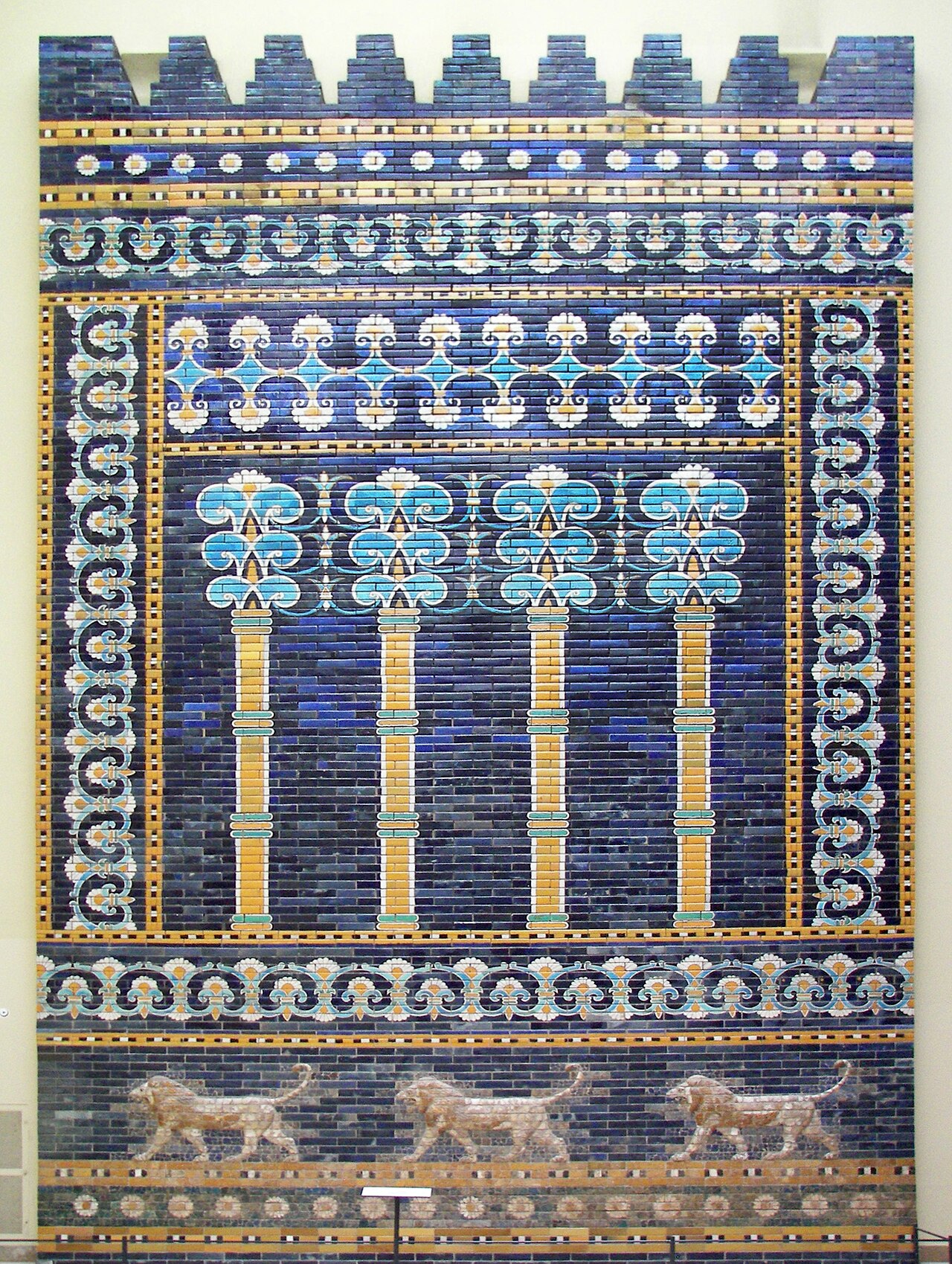
Throne room façade of Nebuchadnezzar II
Neo-Babylonian builders under Nebuchadnezzar II · c. 604–562 BCE
A glazed-brick wall with lions and palm columns from the throne room of Nebuchadnezzar's Southern Palace in Babylon.
Nebuchadnezzar commissioned this façade for his throne room, the setting of his royal audiences.
About this source
What it is
This glazed-brick façade decorated the throne room of Nebuchadnezzar II's Southern Palace in Babylon, built by Neo-Babylonian builders around 604–562 BCE. It was excavated by Robert Koldewey in the early twentieth century and is now reconstructed in the Vorderasiatisches Museum in Berlin, displayed alongside the Ishtar Gate.
Why it matters
The throne room was where Nebuchadnezzar held official royal receptions, so its decoration of columns, rosettes, and striding lions was designed to impress visitors and display royal authority. The lions were likely arranged to face the main entrance, directing attention toward the king's throne.
Look closer
- Why might a king decorate the room where he received visitors so elaborately?
- What do the lion figures and columns suggest about the image Nebuchadnezzar wanted to project?
- This façade was partly reconstructed from fragments — how might reconstruction change what we can know about the original?
This artifact is part of the curated material that grounds the AI version of Nebuchadnezzar II on Humy.ai — when students ask about related events, the AI can quote it and cite it.
More Nebuchadnezzar II sources
Meet the AI Nebuchadnezzar II →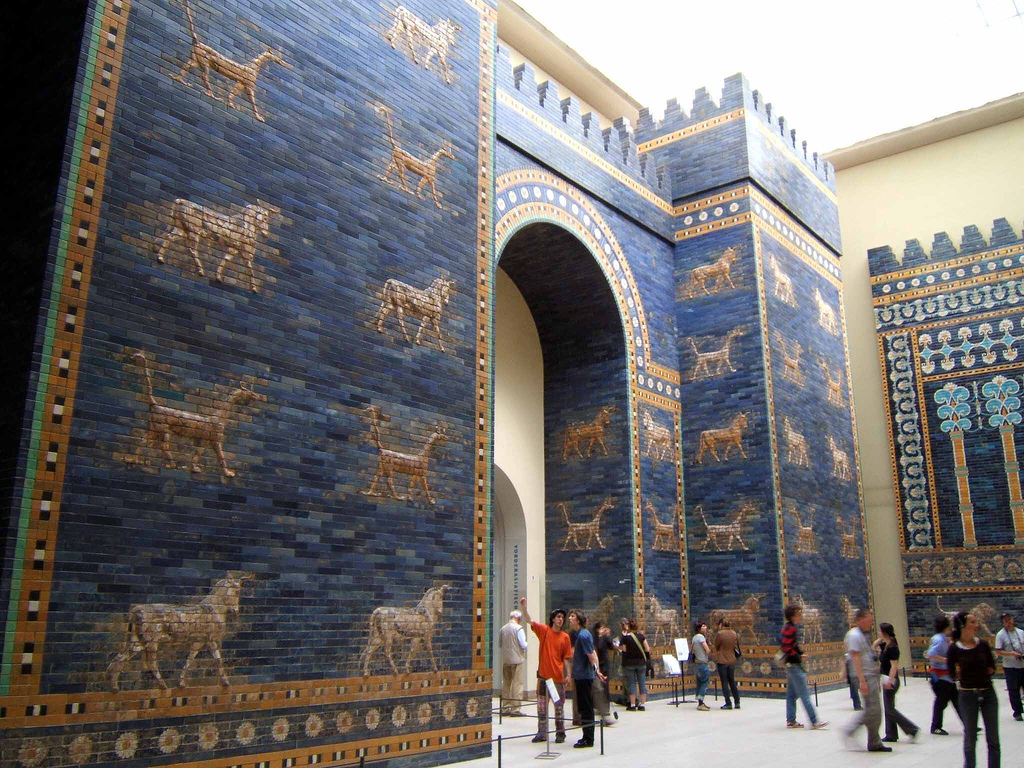 Artifact
Primary source
Ishtar Gate
c. 574 BC
 Document
Primary source
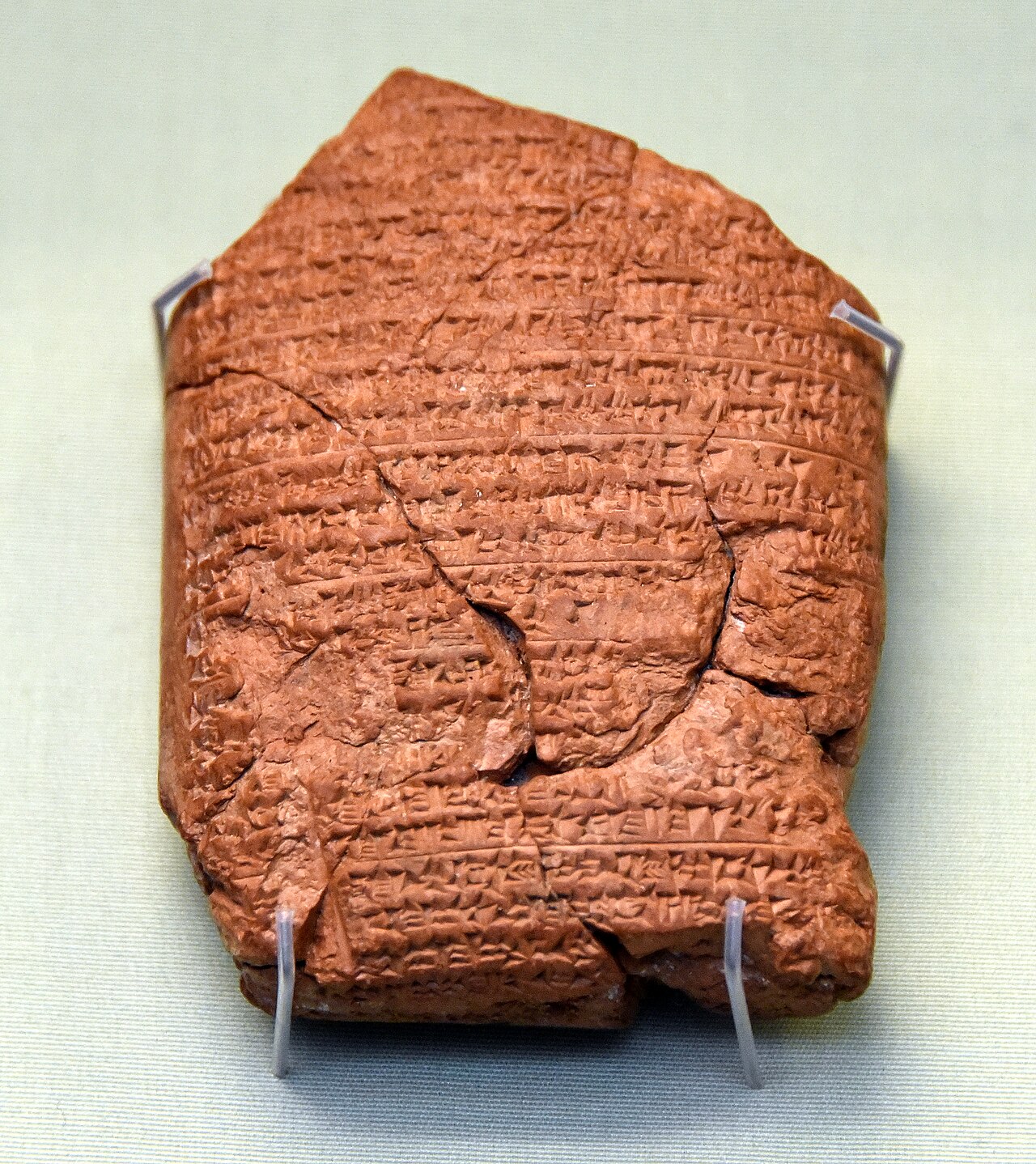
Nebuchadnezzar Chronicle
Babylonian scribes · c. 550-400 BC (recording events of 605-594 BC)
 Document
Primary source
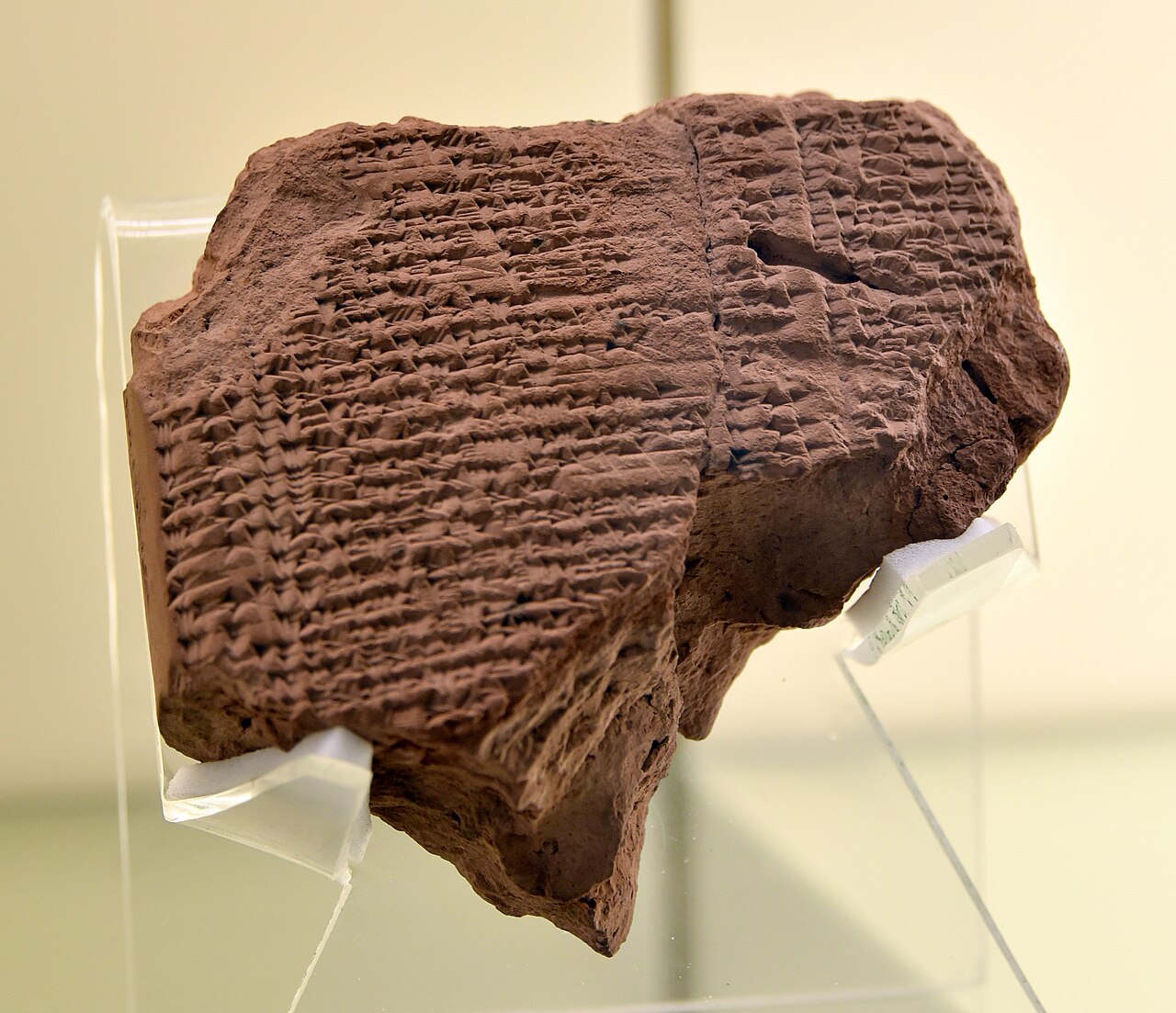
Jehoiachin's Rations Tablets
Babylonian palace scribes · c. 592 BC
 Document
Primary source
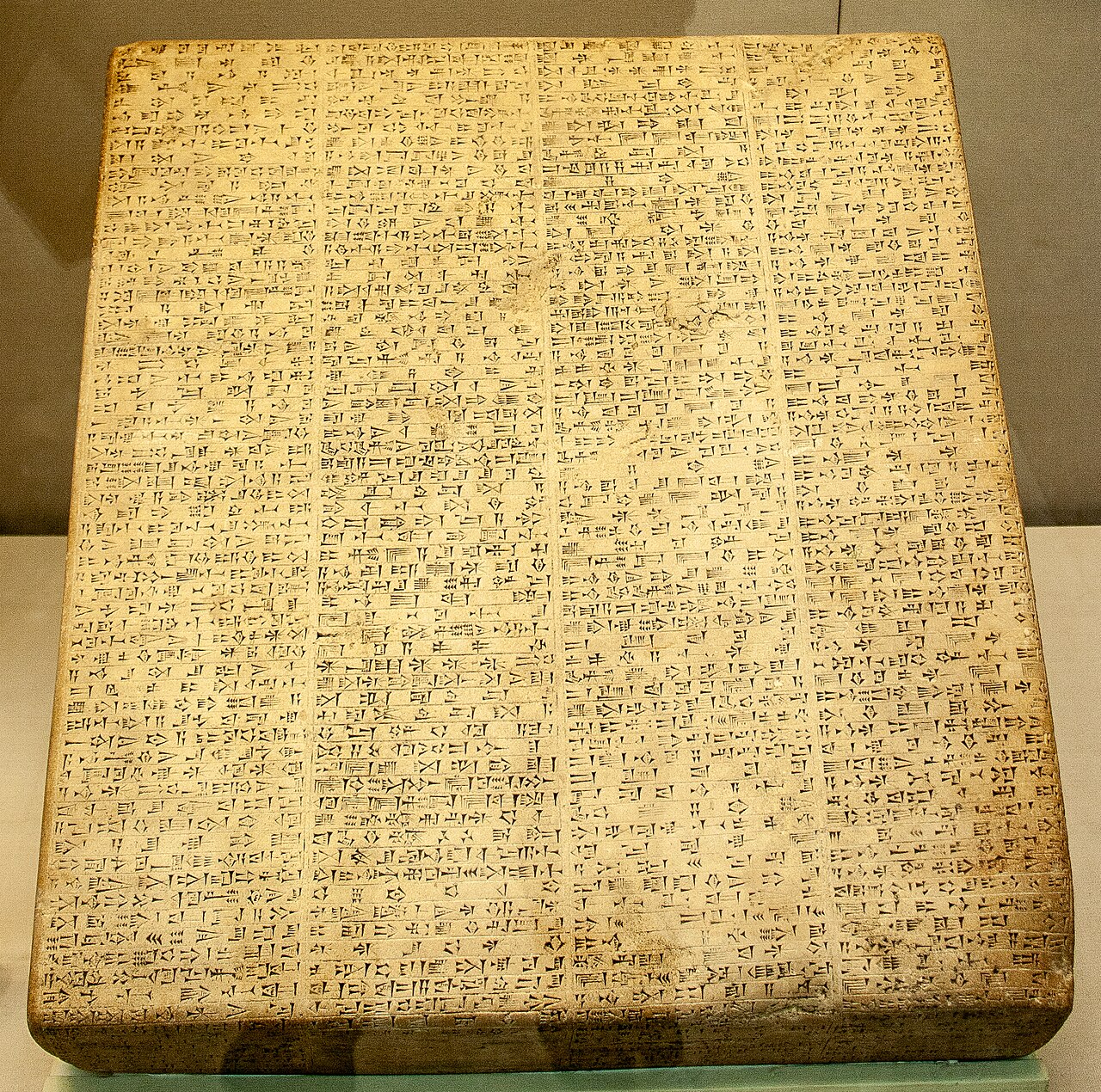
East India House Inscription
Nebuchadnezzar II (scribes writing for him) · 604-562 BC
 Book
Primary source
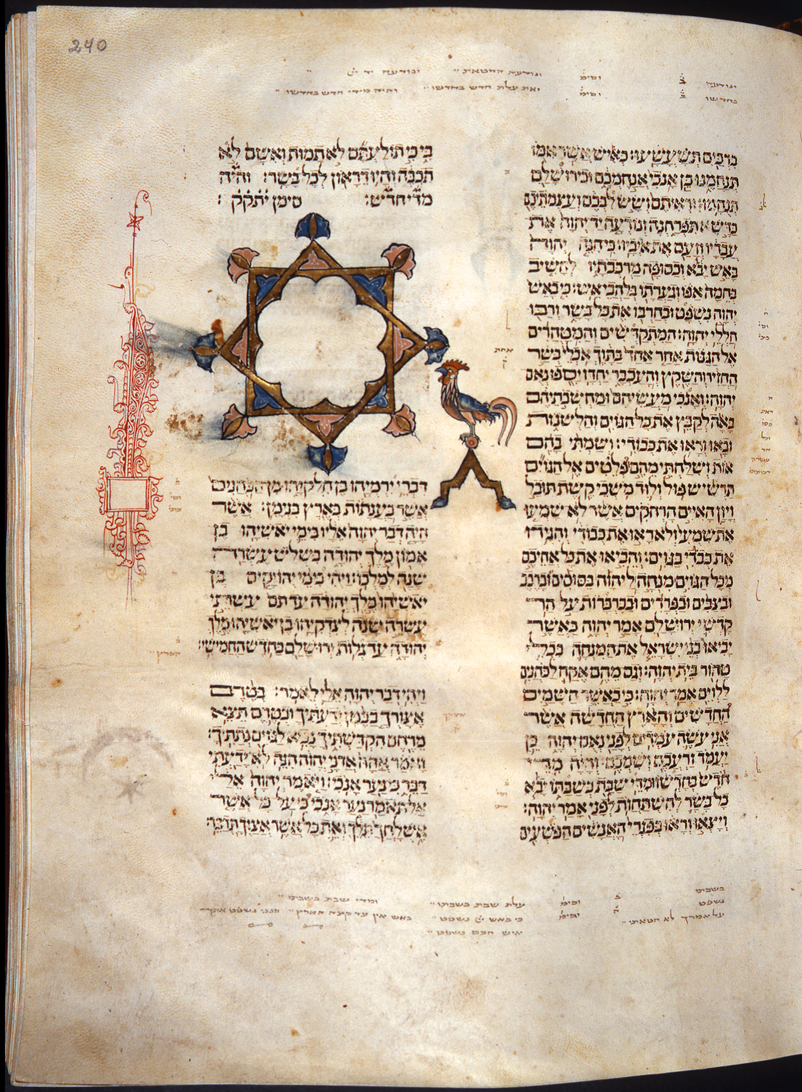
Book of Jeremiah
Jeremiah · c. 6th century BC (text); manuscript illuminated later
Ready when you are
Start chatting with Nebuchadnezzar II now.
20 messages free · No credit card · Available in 50+ languages.