


Secondary sourceSculpture
Portail-Nabuchodonosor
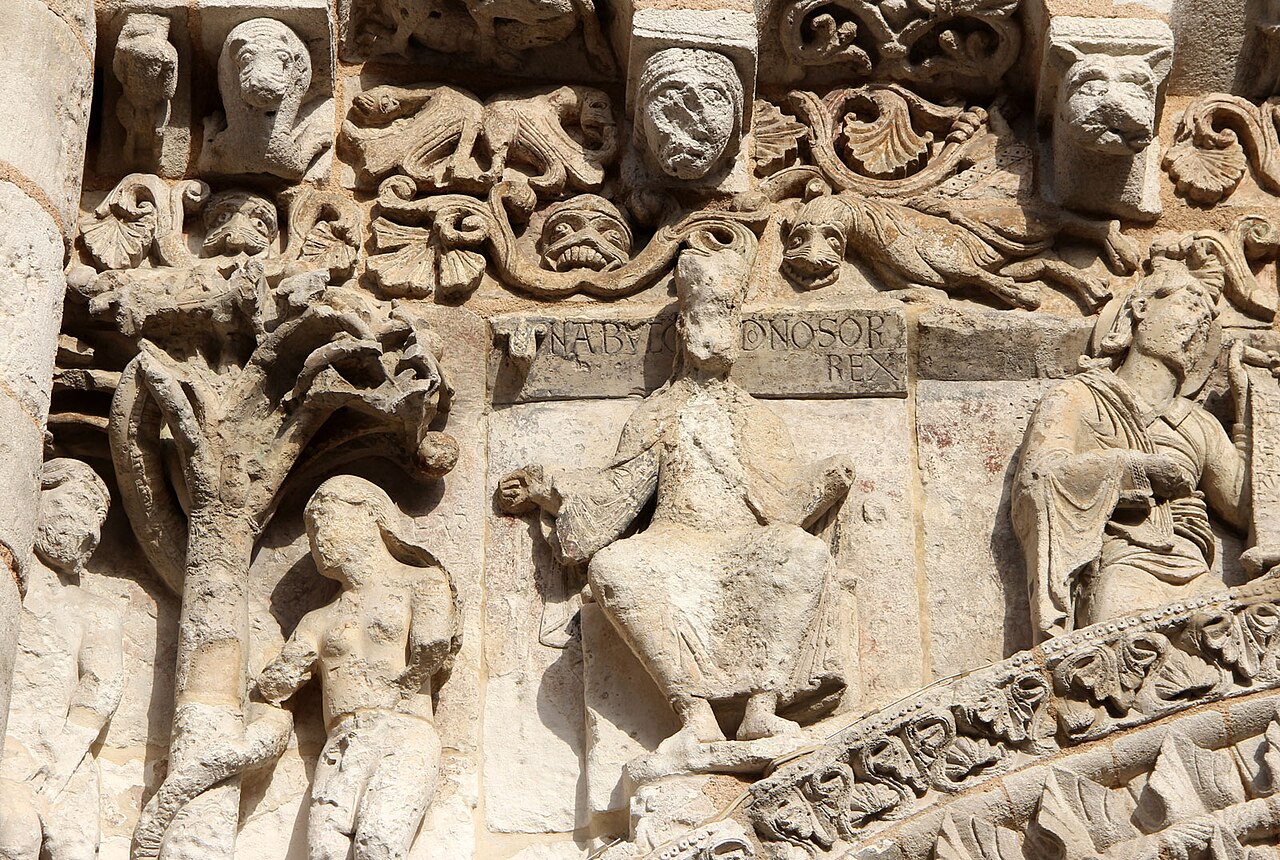
A Romanesque stone carving on a church façade in Poitiers showing Nebuchadnezzar as a crowned figure in Christian prophetic imagery.
This medieval church carving depicts Nebuchadnezzar as a figure within Christian religious symbolism.
About this source
What it is
This is a carved stone relief on the west façade of the church of Notre-Dame La Grande in Poitiers, labeled with the Latin inscription naming Nebuchadnezzar as king ('NABUCHODONOSOR REX'). It is a work of Romanesque sculpture.
Why it matters
Medieval churches often used Old Testament kings like Nebuchadnezzar as figures within Christian teaching, linking ancient history to biblical prophecy. This carving shows how, centuries after his reign, Nebuchadnezzar remained a recognizable symbol used by medieval artists and clergy to teach religious ideas to a largely illiterate public.
Why it matters
Look closer
- Why do you think the sculptor labeled the figure with his name directly on the stone?
- What might the nude figure beside the tree represent, and how does it relate to the crowned king?
- How does carving a historical king onto a church wall change how people understood his story?
This sculpture is part of the curated material that grounds the AI version of Nebuchadnezzar II on Humy.ai — when students ask about related events, the AI can quote it and cite it.
More Nebuchadnezzar II sources
Meet the AI Nebuchadnezzar II →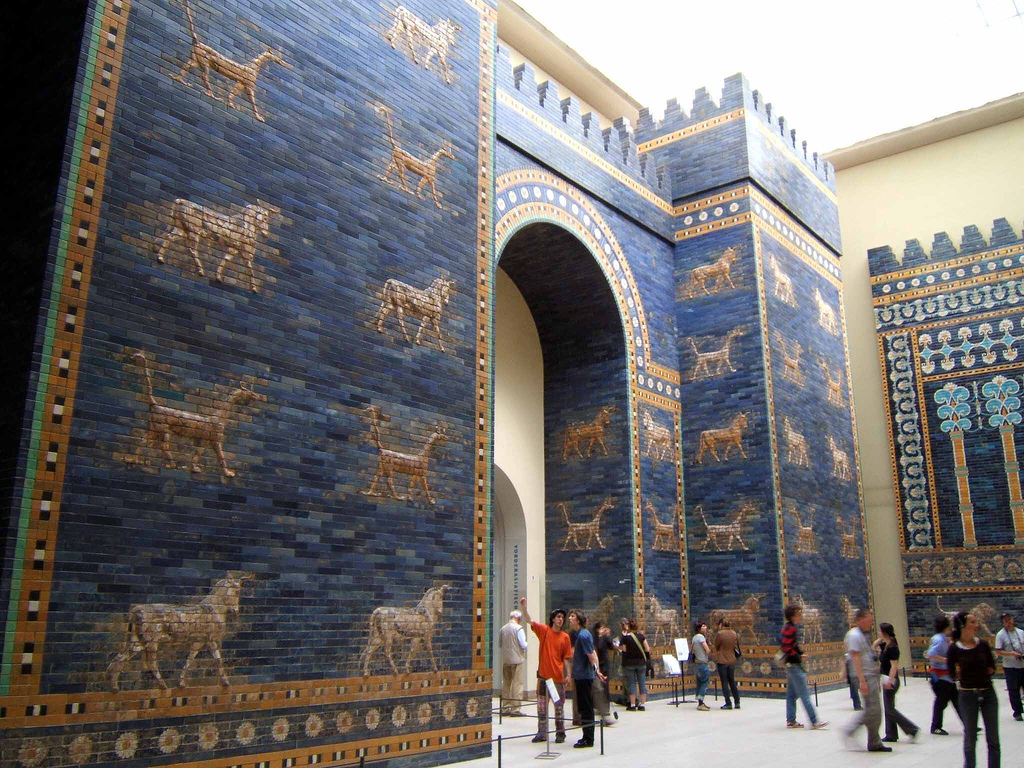 Artifact
Primary source
Ishtar Gate
c. 574 BC
 Document
Primary source
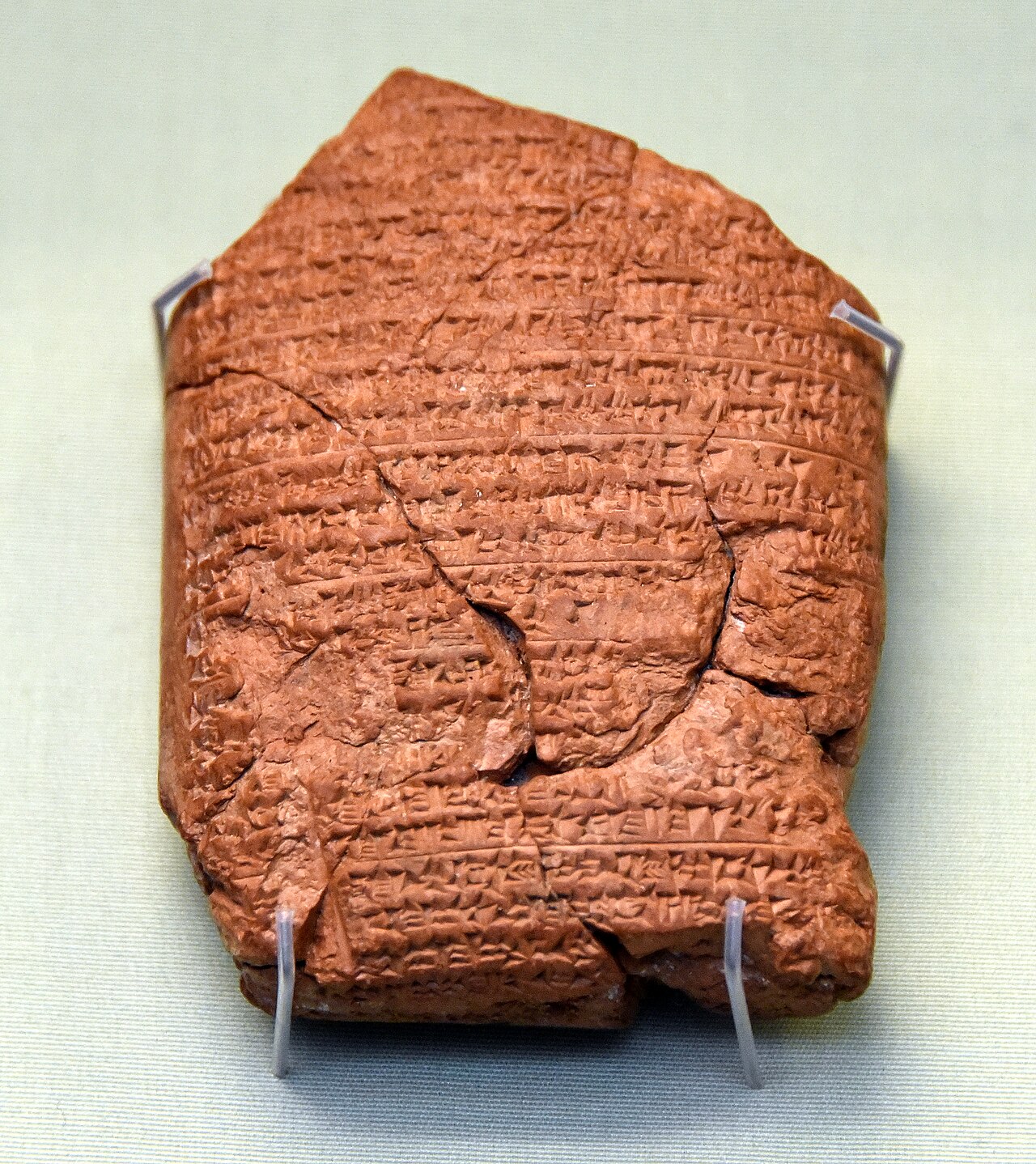
Nebuchadnezzar Chronicle
Babylonian scribes · c. 550-400 BC (recording events of 605-594 BC)
 Document
Primary source
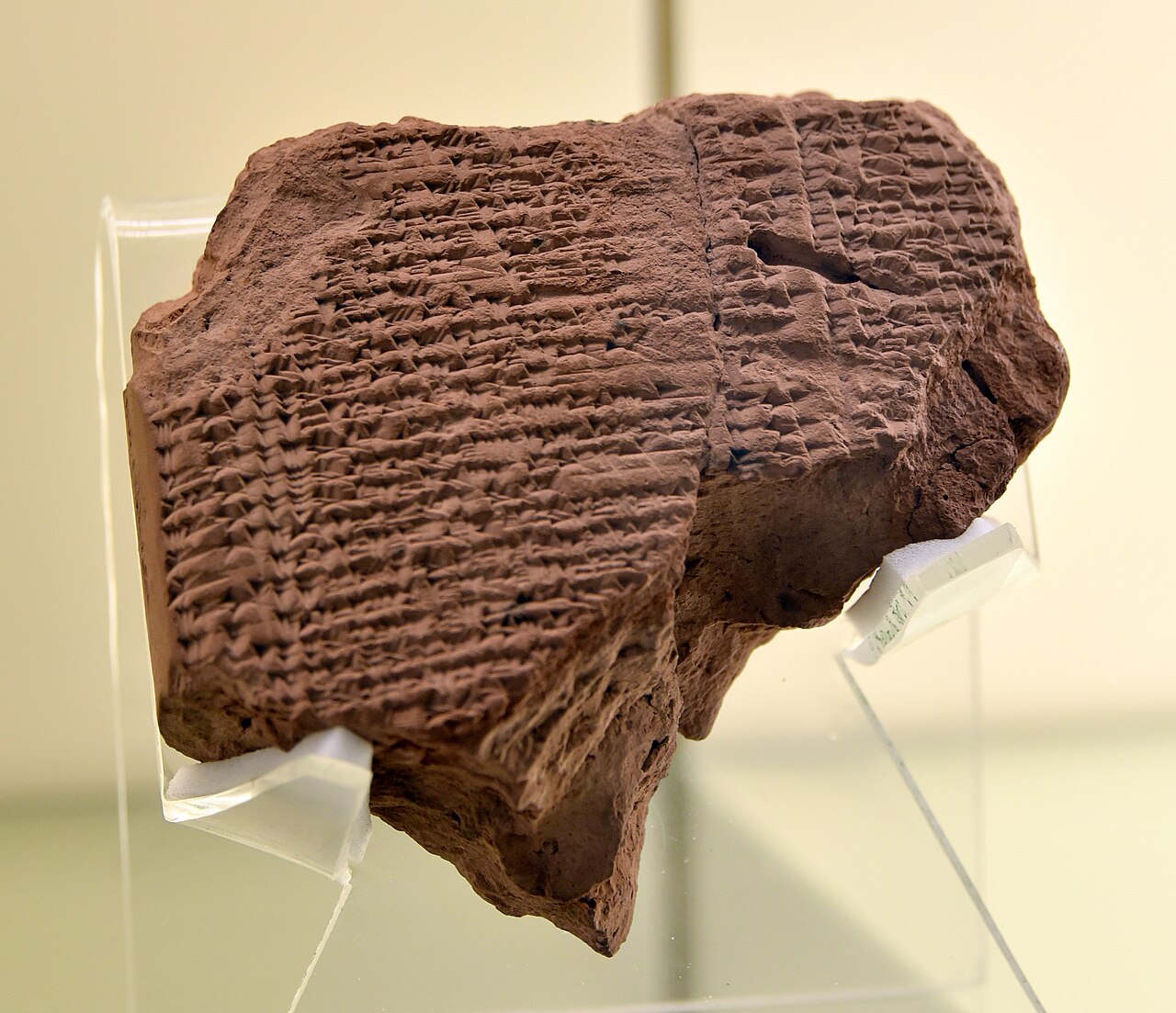
Jehoiachin's Rations Tablets
Babylonian palace scribes · c. 592 BC
 Document
Primary source
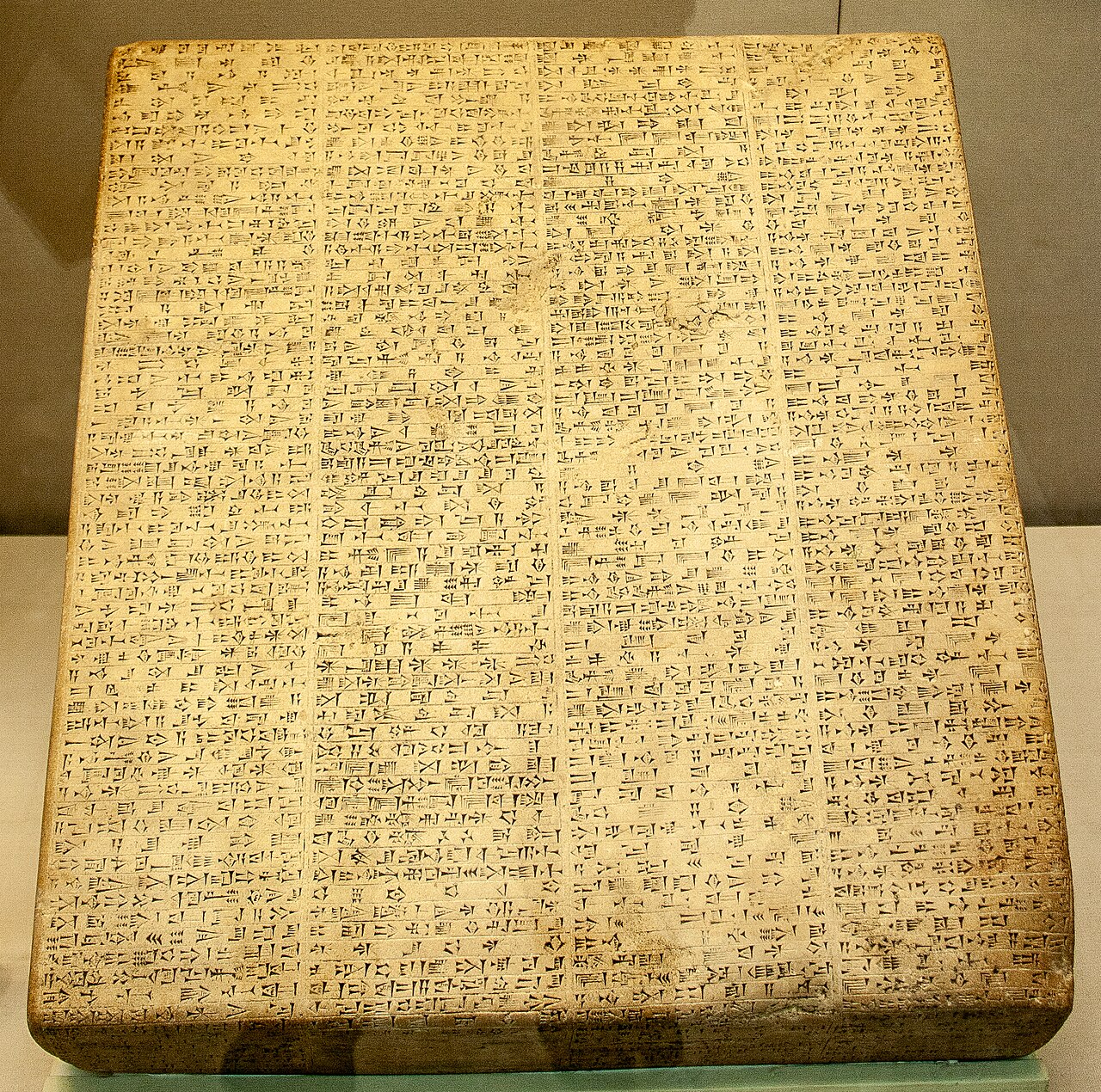
East India House Inscription
Nebuchadnezzar II (scribes writing for him) · 604-562 BC
 Book
Primary source
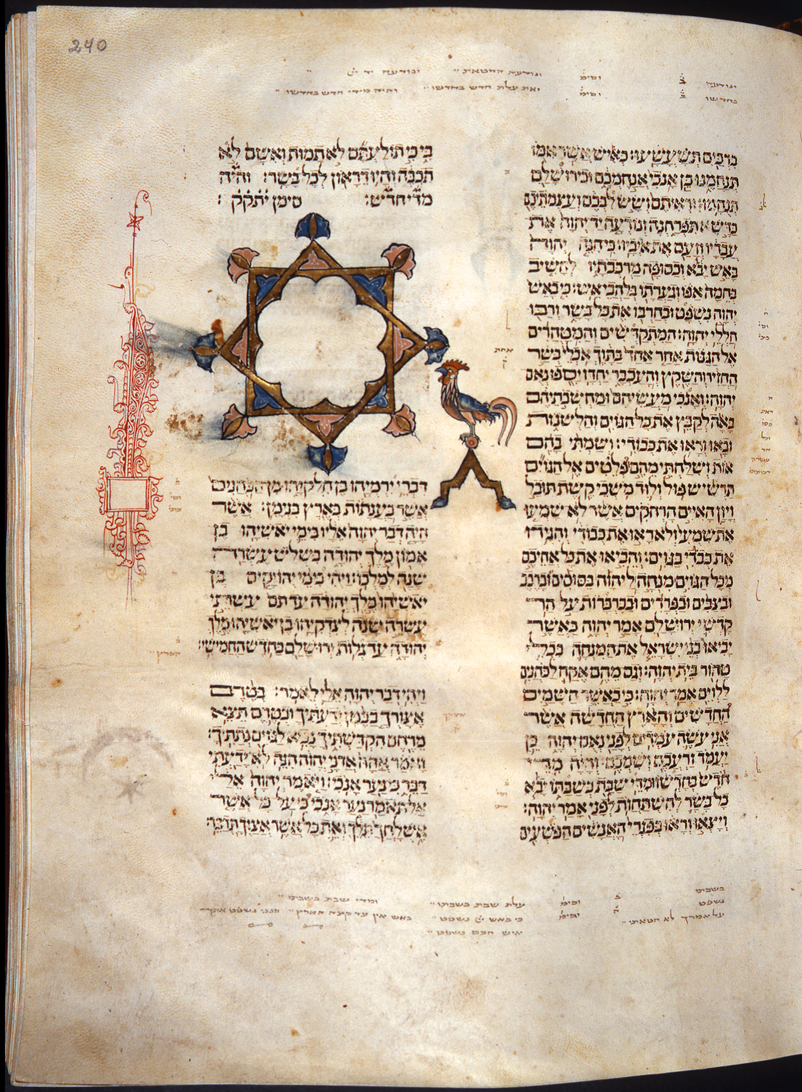
Book of Jeremiah
Jeremiah · c. 6th century BC (text); manuscript illuminated later
Ready when you are
Start chatting with Nebuchadnezzar II now.
20 messages free · No credit card · Available in 50+ languages.