


Tertiary sourceSculpture
Lion of Babylon Statue
Osama Shukir Muhammed Amin FRCP(Glasg)
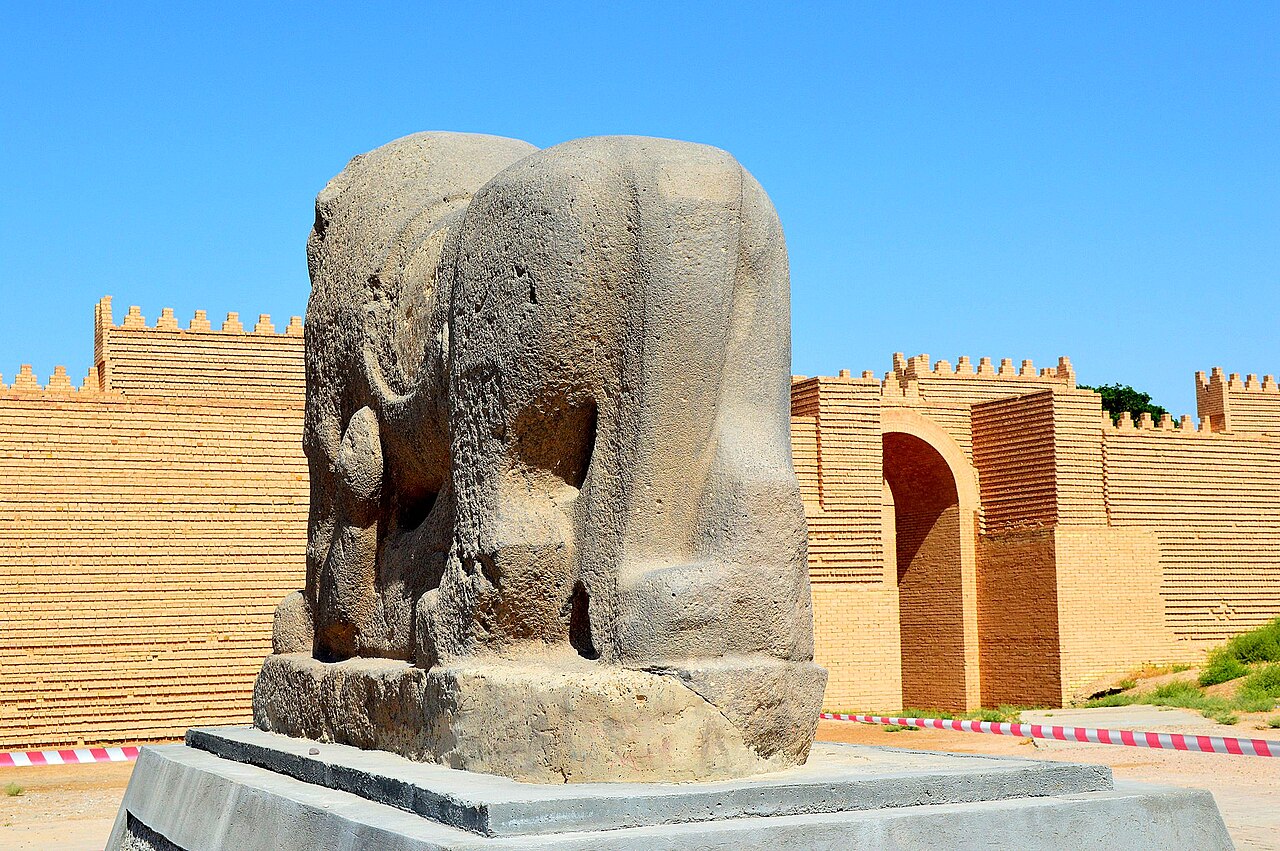
A basalt lion statue found in Babylon's palace area, an iconic symbol of the city Nebuchadnezzar II ruled, though its exact date is debated.
The statue, found in Babylon's palace area, symbolises the city Nebuchadnezzar ruled, though its date relative to his reign is debated.
About this source
What it is
The Lion of Babylon is a basalt statue of a lion found in the palace area of ancient Babylon, Iraq. This photograph, by Osama Shukir Muhammed Amin, shows the statue as it stands today on a plinth near a reconstructed brick wall. Its exact date is debated among scholars.
Why it matters
The lion is one of the most recognisable symbols of ancient Babylon, the city that Nebuchadnezzar II ruled and transformed with major building projects. While its precise connection to his reign is uncertain, it is strongly associated with the city at its height and with the power it projected.
Look closer
- Why might a lion have been chosen as a symbol of royal or civic power?
- What does the uncertainty about this statue's date tell us about the challenges of dating ancient objects?
- How does seeing a modern photograph of an ancient statue differ from seeing the object in its original setting?
This sculpture is part of the curated material that grounds the AI version of Nebuchadnezzar II on Humy.ai — when students ask about related events, the AI can quote it and cite it.
More Nebuchadnezzar II sources
Meet the AI Nebuchadnezzar II →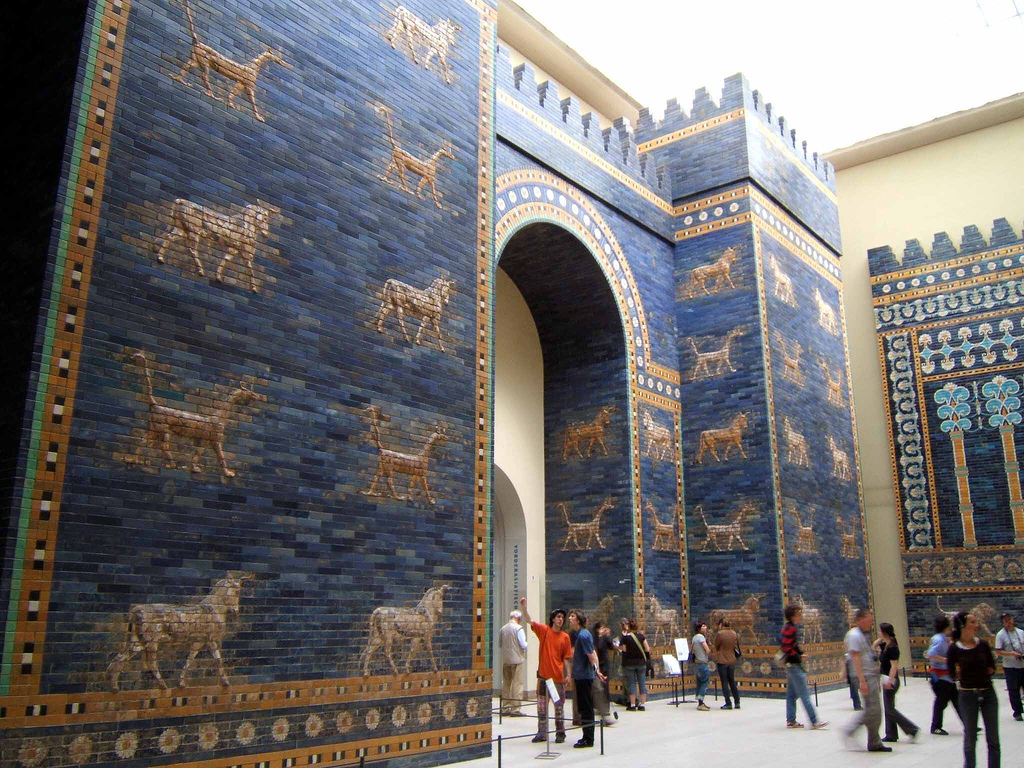 Artifact
Primary source
Ishtar Gate
c. 574 BC
 Document
Primary source
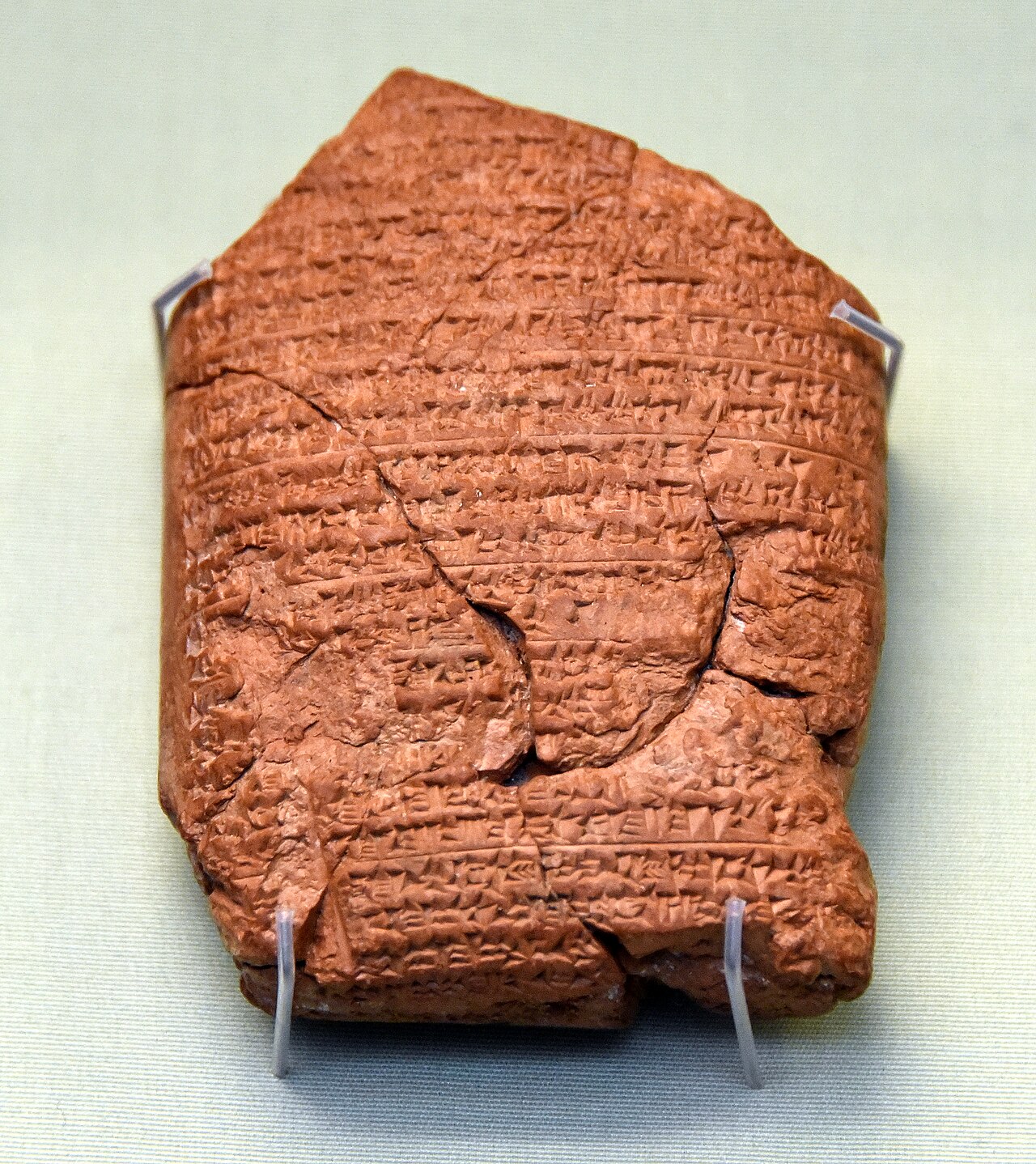
Nebuchadnezzar Chronicle
Babylonian scribes · c. 550-400 BC (recording events of 605-594 BC)
 Document
Primary source
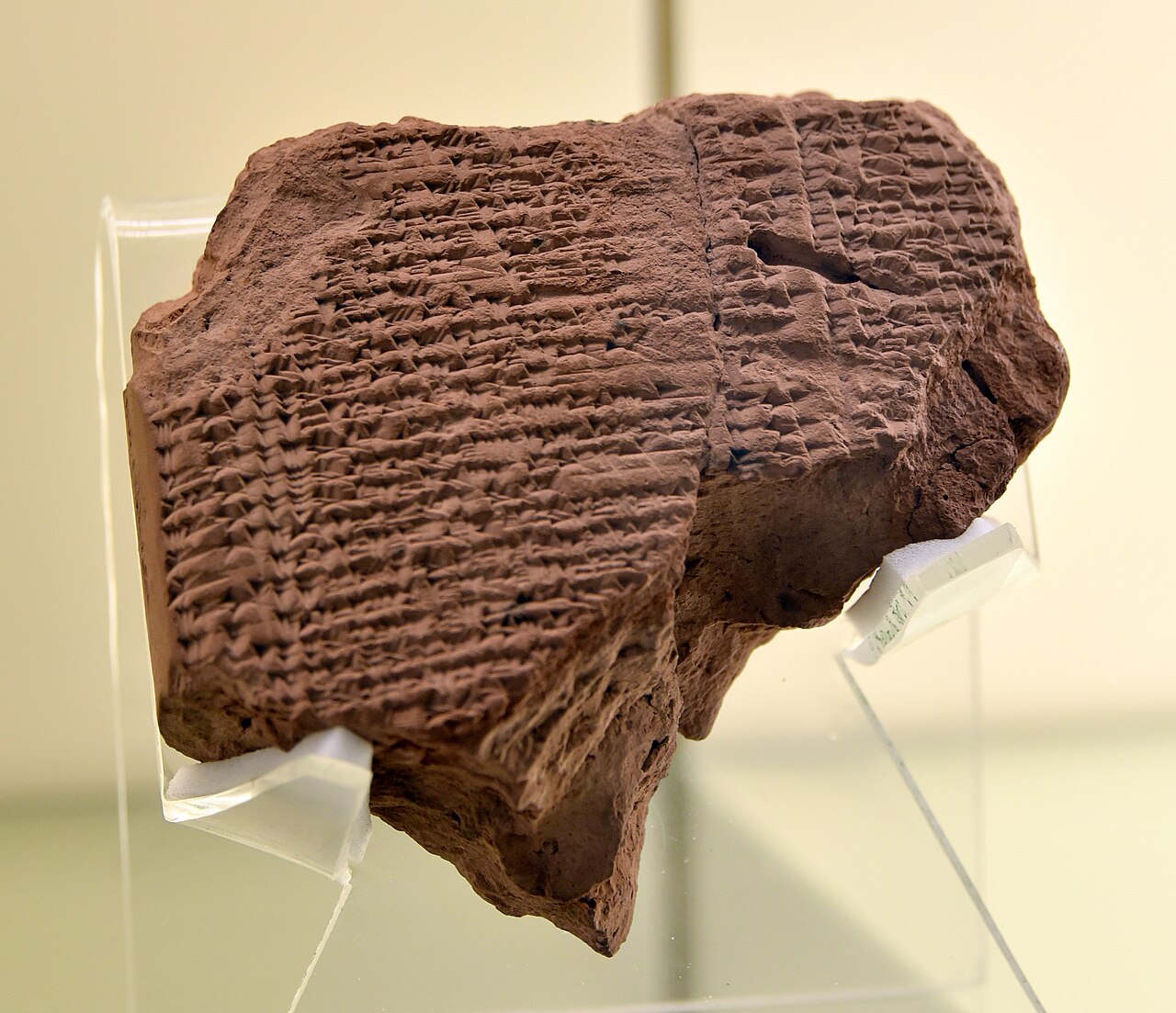
Jehoiachin's Rations Tablets
Babylonian palace scribes · c. 592 BC
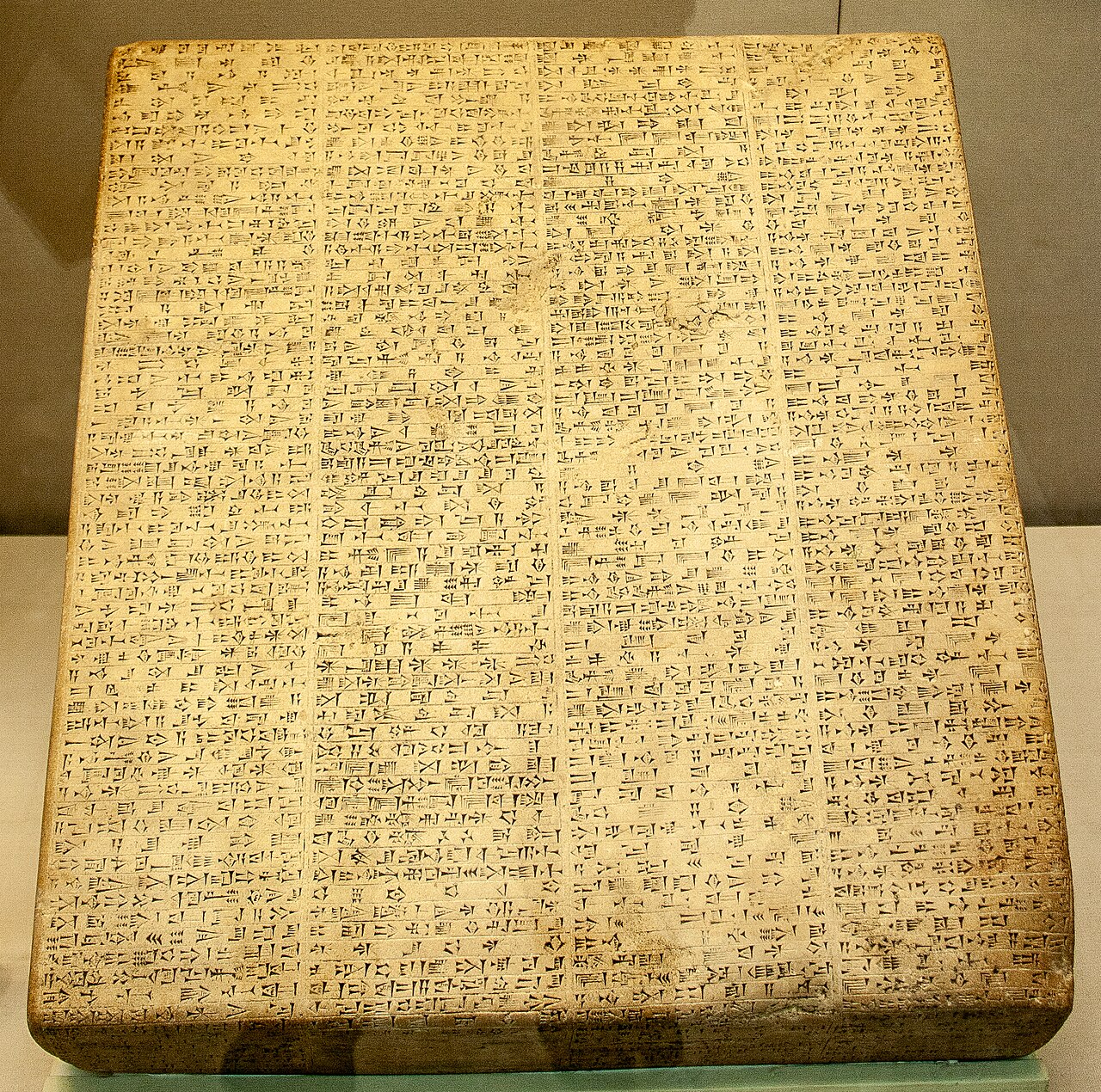 Document
Primary source
East India House Inscription
Nebuchadnezzar II (scribes writing for him) · 604-562 BC
 Book
Primary source
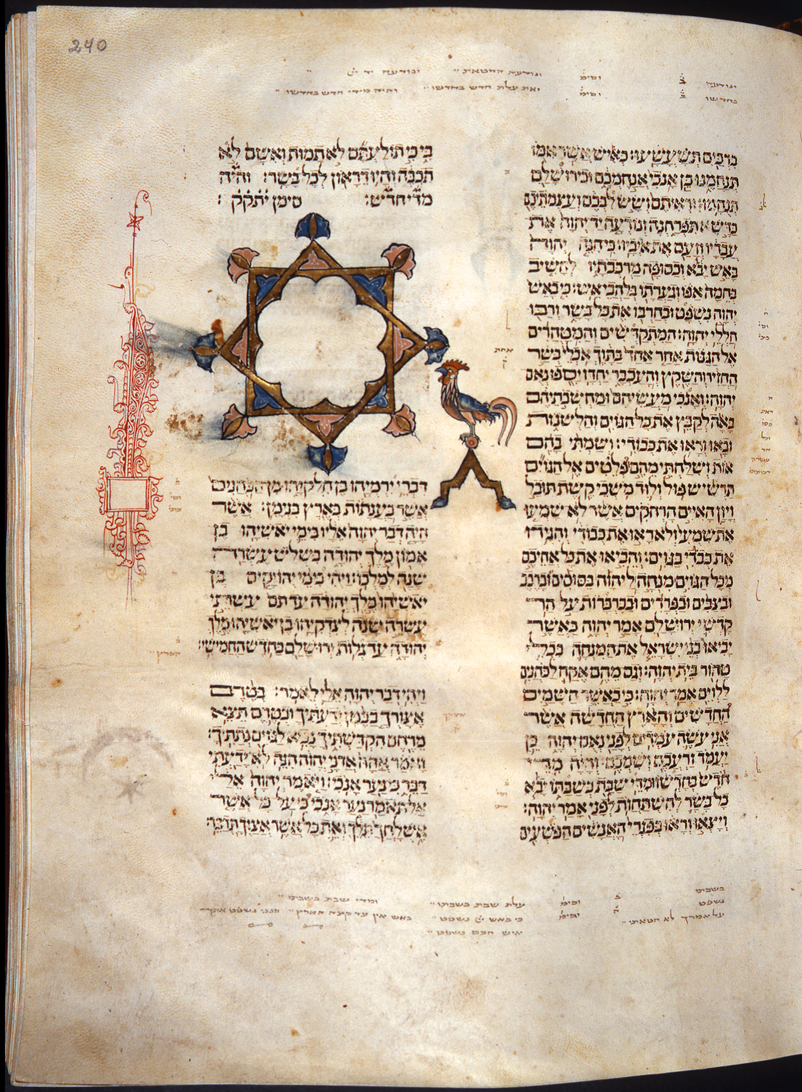
Book of Jeremiah
Jeremiah · c. 6th century BC (text); manuscript illuminated later
Ready when you are
Start chatting with Nebuchadnezzar II now.
20 messages free · No credit card · Available in 50+ languages.