


Primary sourceArtifact6th century BC
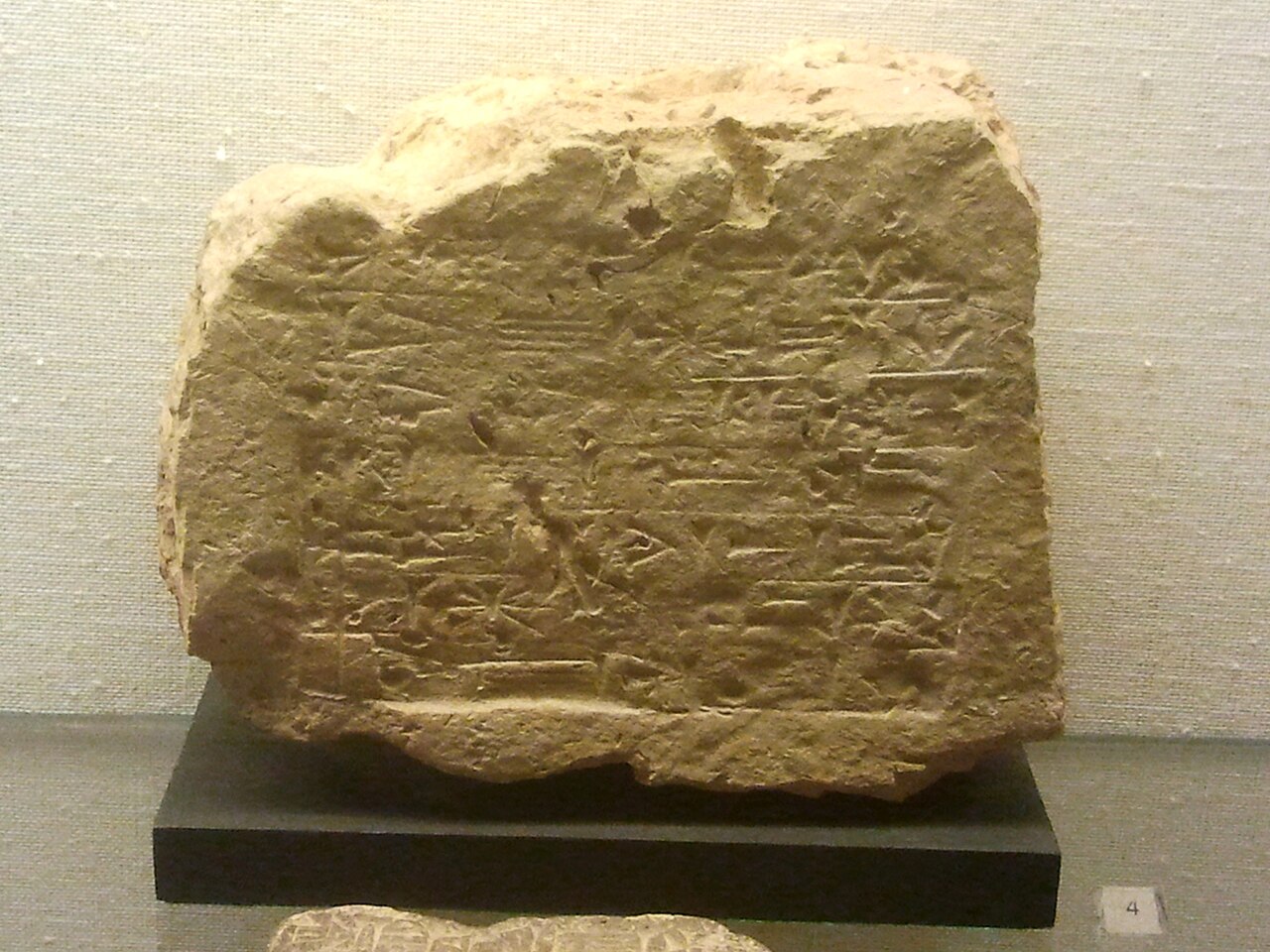
Nebuchadnezzar II Inscribed Brick
6th century BC
A clay brick stamped with cuneiform text naming Nebuchadnezzar II and recording his support of temples in Babylon and Borsippa.
This brick bears Nebuchadnezzar's own name and titles, showing how he branded his building projects across Babylon.
About this source
What it is
This is a Babylonian clay brick, stamped in cuneiform script, dating from the sixth century BC. The inscription names Nebuchadnezzar as eldest son of Nabopolassar, king of Babylon, and records his support for the Esagila temple and a temple at Borsippa. It is now held at the Hecht Museum, Haifa.
Why it matters
Bricks like this were made by the million and stamped into the walls of Babylon's buildings. They show how thoroughly Nebuchadnezzar II marked his capital with his own name and titles, turning everyday construction material into a lasting record of his rule and his religious devotion to Marduk's temples.
Look closer
- Why would a king want his name stamped on ordinary building bricks rather than just on monuments?
- What does repeating the same inscription on millions of bricks tell us about how rulers communicated power?
- What is missing from this brick that a modern record might include?
This artifact is part of the curated material that grounds the AI version of Nebuchadnezzar II on Humy.ai — when students ask about related events, the AI can quote it and cite it.
More Nebuchadnezzar II sources
Meet the AI Nebuchadnezzar II →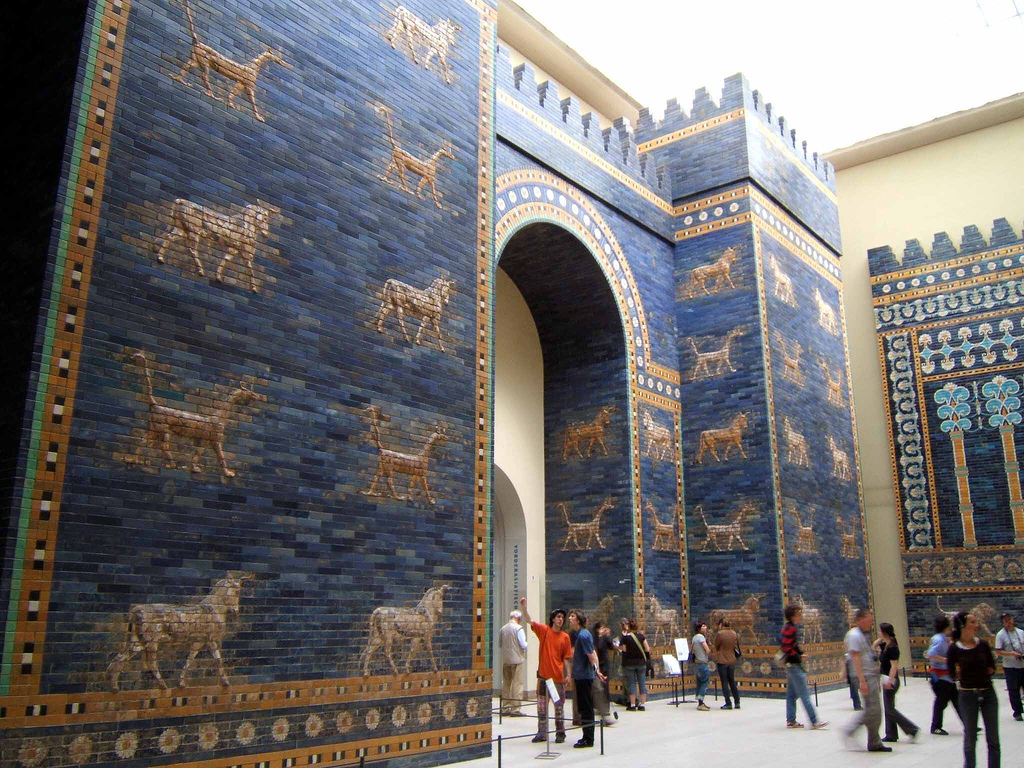 Artifact
Primary source
Ishtar Gate
c. 574 BC
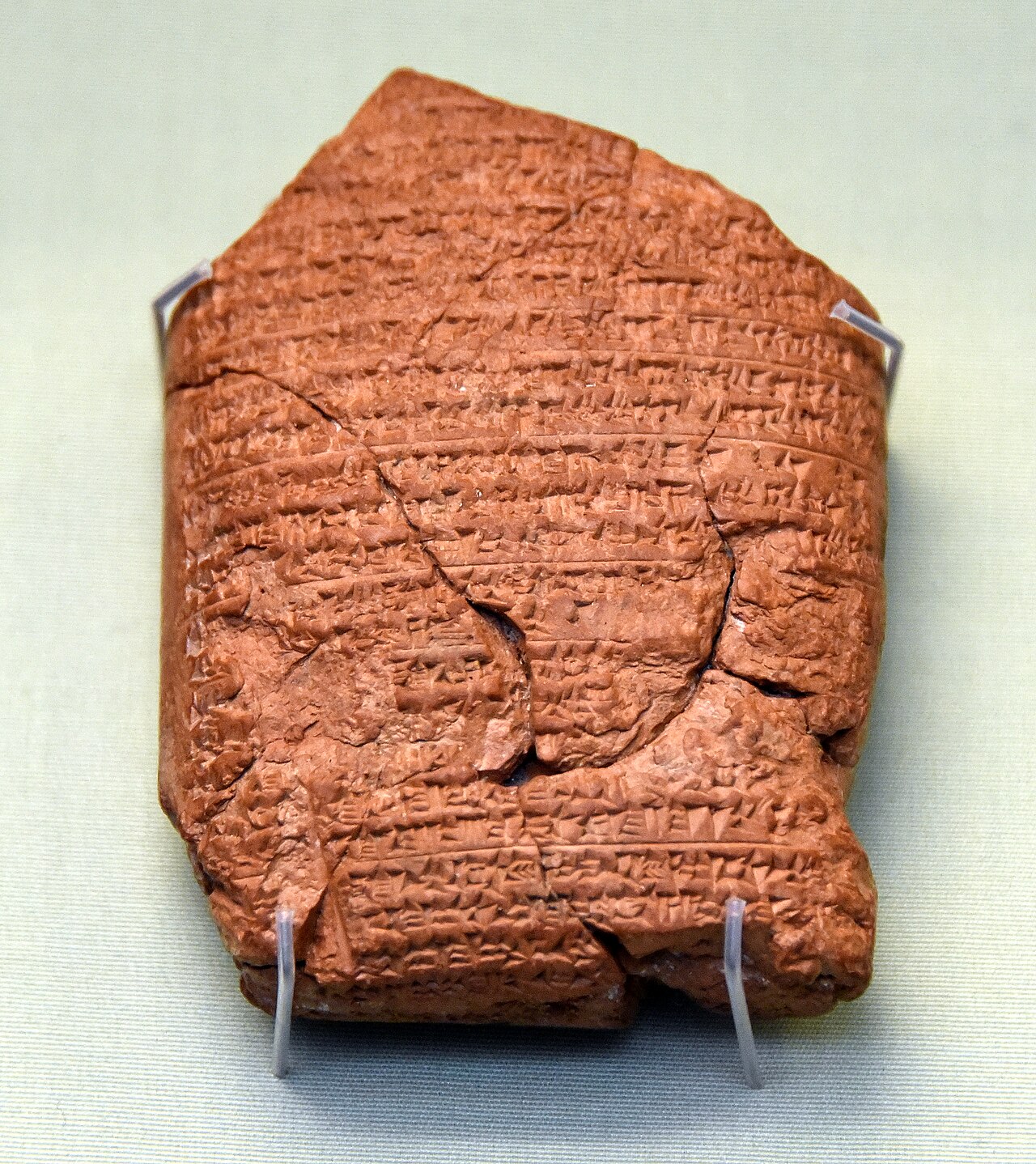 Document
Primary source
Nebuchadnezzar Chronicle
Babylonian scribes · c. 550-400 BC (recording events of 605-594 BC)
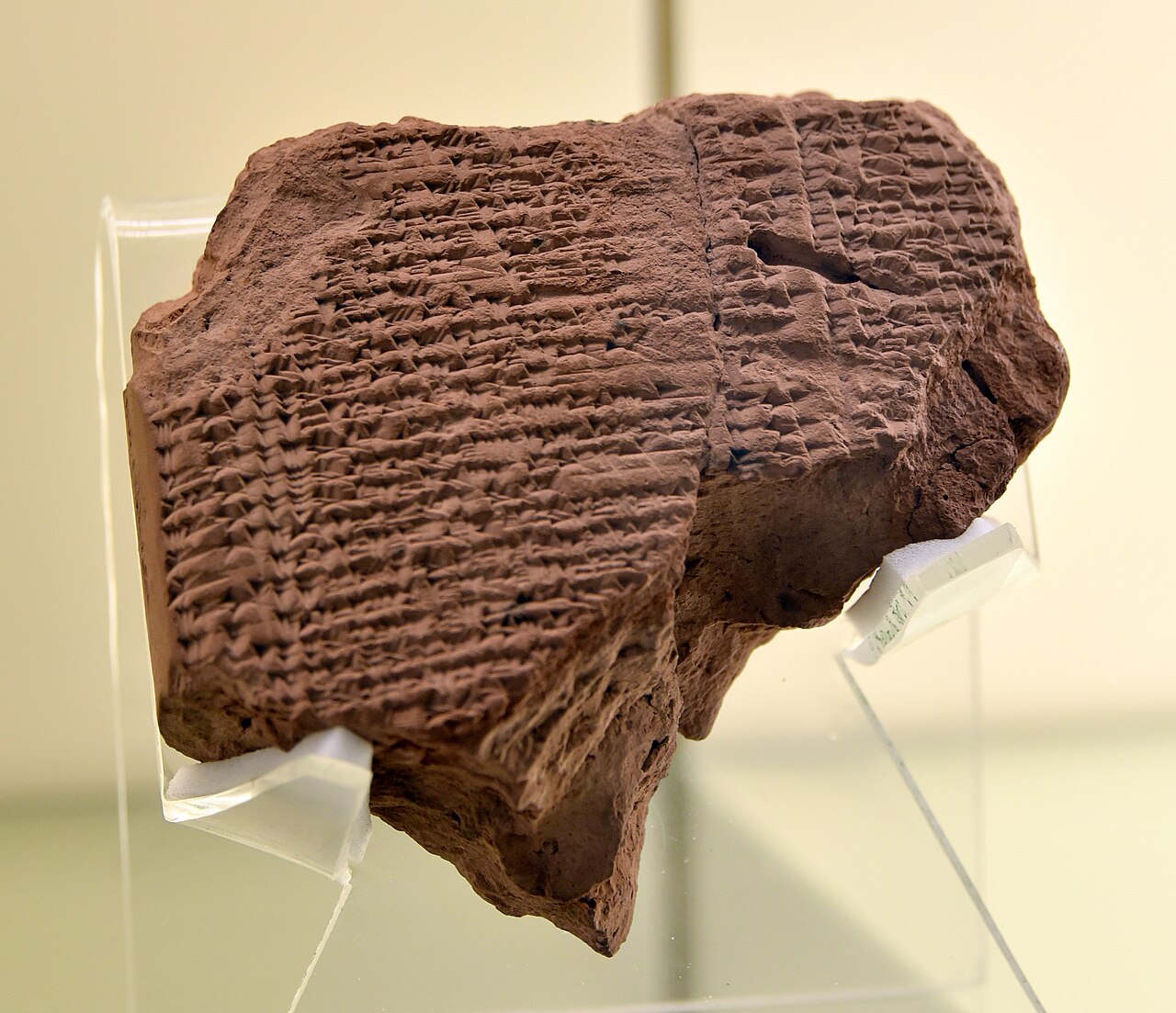 Document
Primary source
Jehoiachin's Rations Tablets
Babylonian palace scribes · c. 592 BC
 Document
Primary source
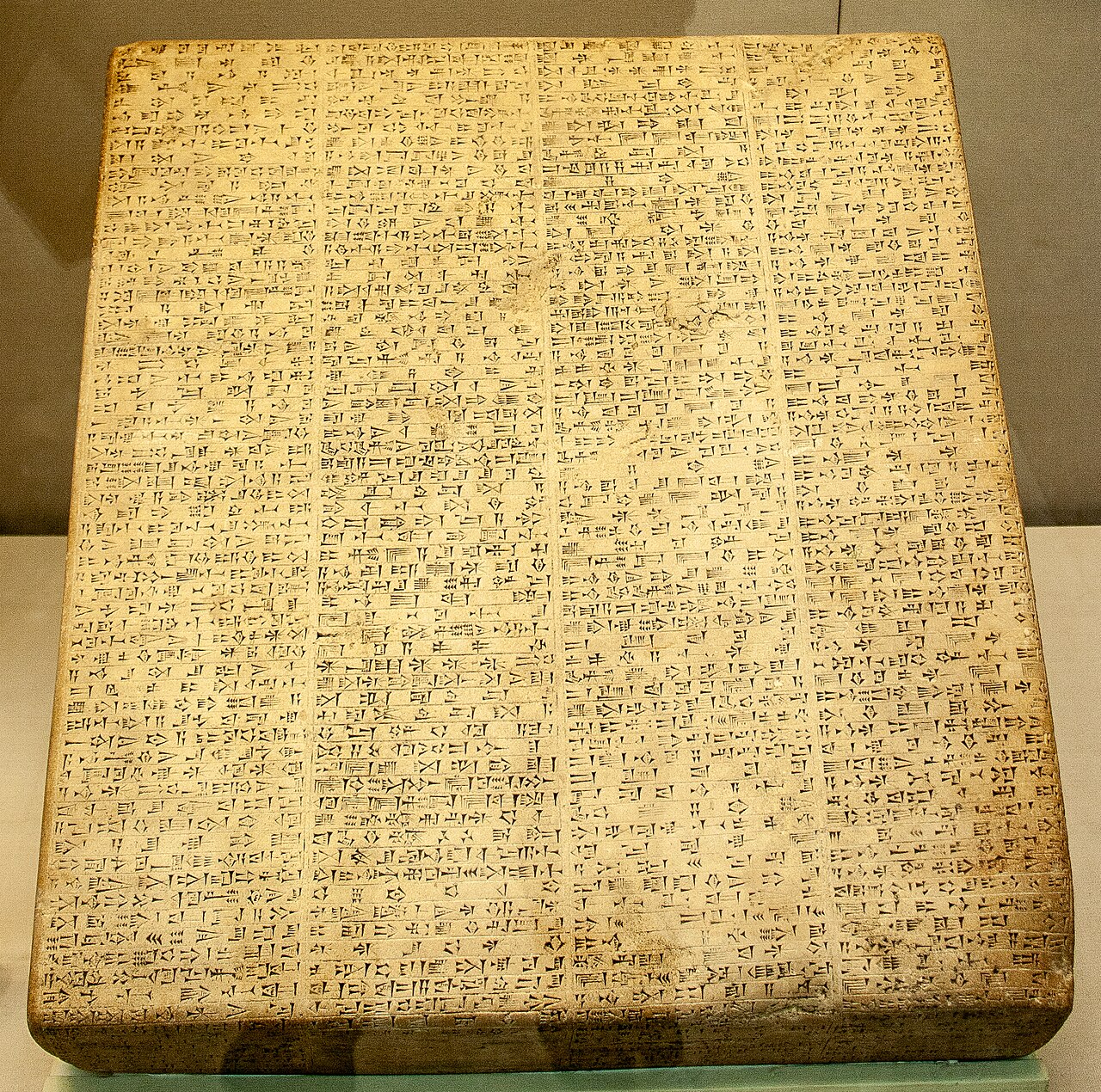
East India House Inscription
Nebuchadnezzar II (scribes writing for him) · 604-562 BC
 Book
Primary source
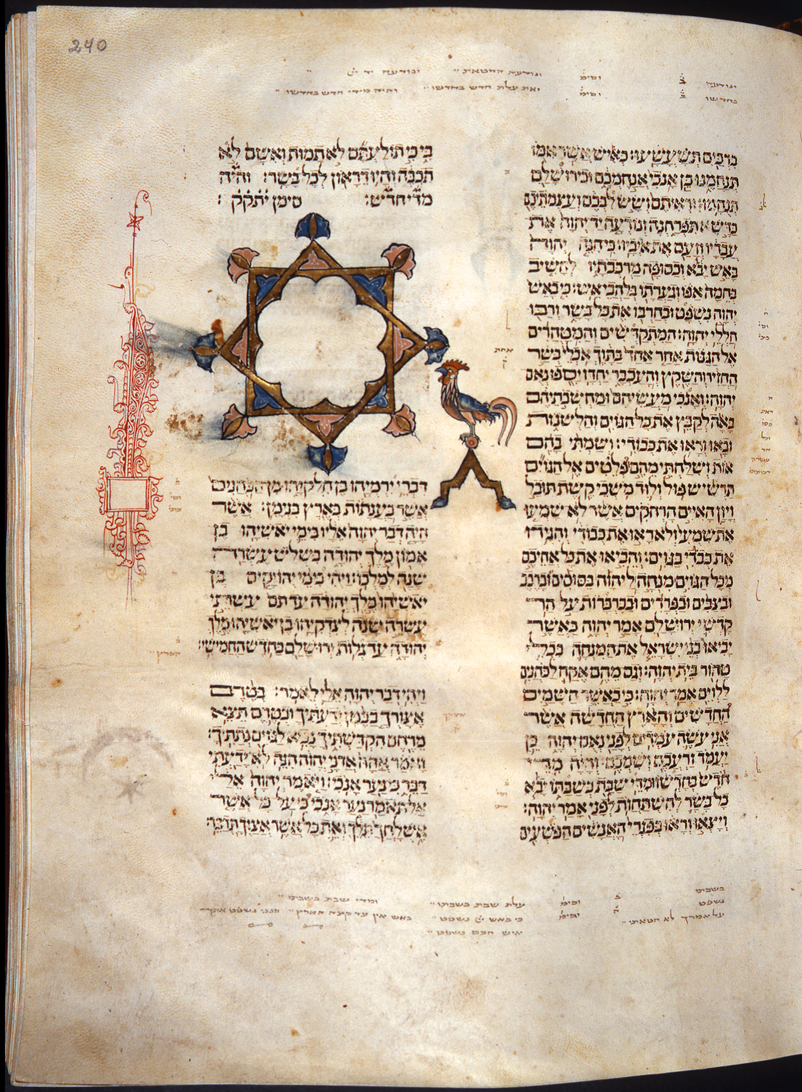
Book of Jeremiah
Jeremiah · c. 6th century BC (text); manuscript illuminated later
Ready when you are
Start chatting with Nebuchadnezzar II now.
20 messages free · No credit card · Available in 50+ languages.