


Primary sourceDocumentSeleucid period
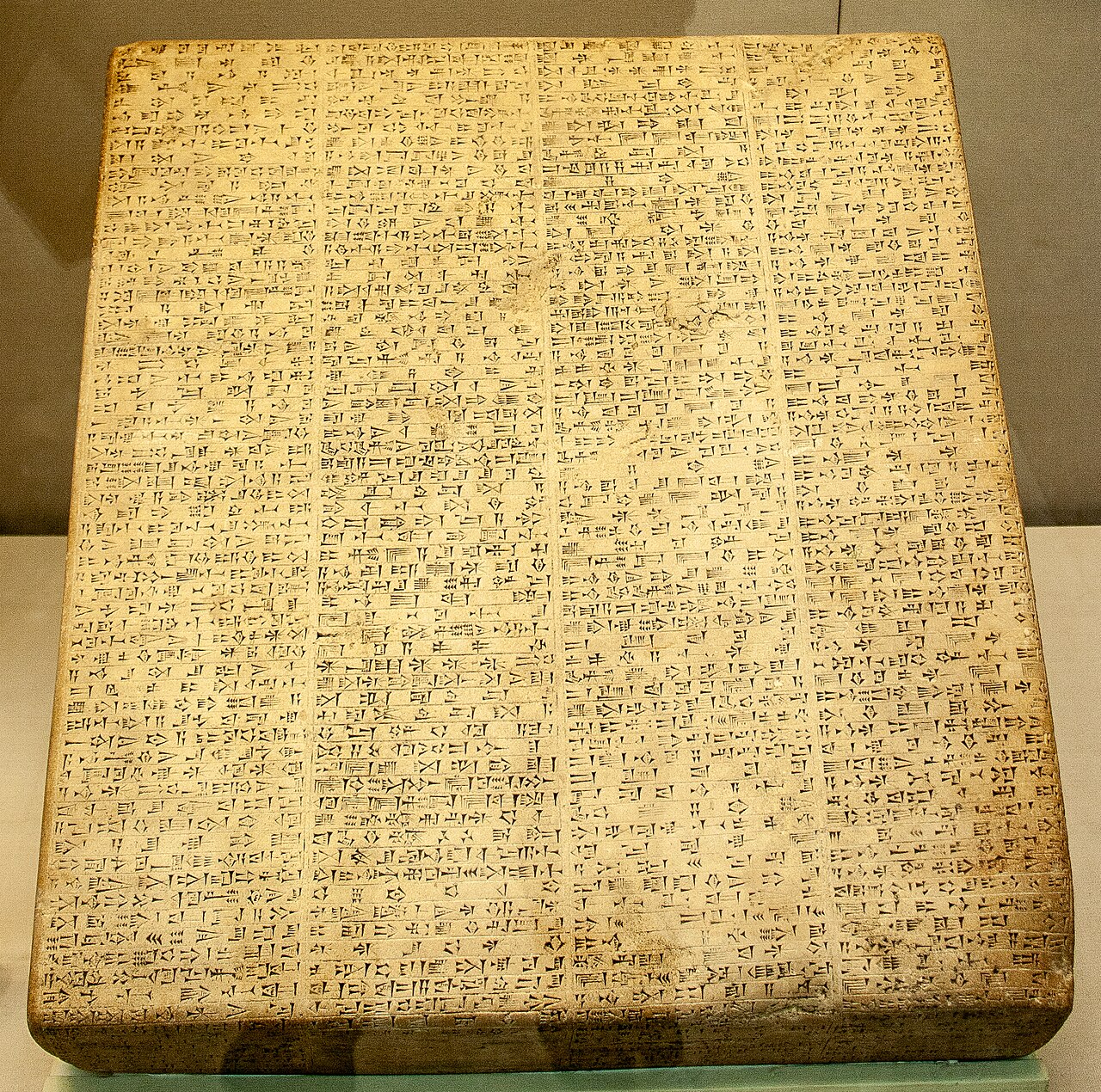
Uruk King List
Babylonian scribes · Seleucid period
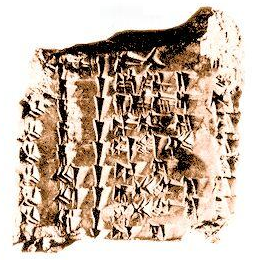
A cuneiform tablet listing Babylonian kings in succession, recording Nebuchadnezzar's 43-year reign.
This official king list records the length of Nebuchadnezzar's reign within the sequence of Babylonian rulers.
About this source
What it is
The Uruk King List is a clay tablet inscribed in cuneiform by Babylonian scribes, dating to the Seleucid period. It is held in the Iraq Museum and records a succession of Babylonian rulers, including Nebuchadnezzar II's 43-year reign.
Why it matters
King lists like this one were official records used by scribes to track royal succession and reign lengths. This tablet gives historians a chronological anchor for Nebuchadnezzar's rule, helping confirm details found in other ancient sources about his long reign over Babylon.
Look closer
- Why would ancient scribes have kept careful records of how long each king ruled?
- What can a damaged or incomplete tablet still tell historians, even with missing pieces?
- How do written records like this differ from stories told later, such as in the Bible or by Greek historians?
This document is part of the curated material that grounds the AI version of Nebuchadnezzar II on Humy.ai — when students ask about related events, the AI can quote it and cite it.
More Nebuchadnezzar II sources
Meet the AI Nebuchadnezzar II →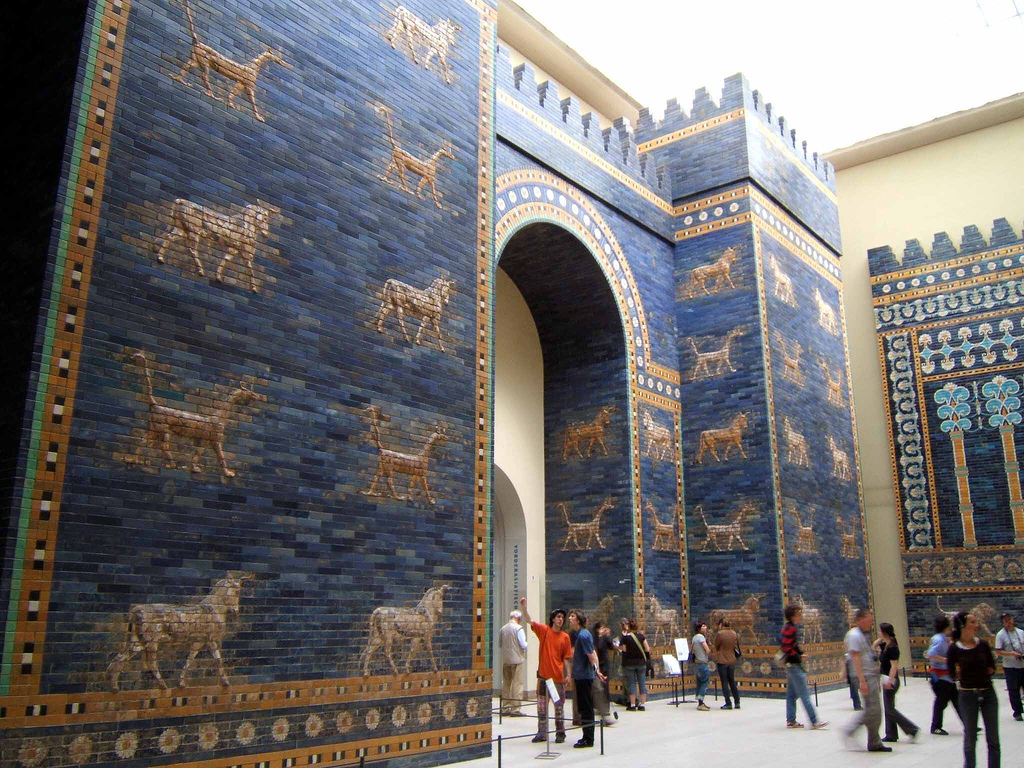 Artifact
Primary source
Ishtar Gate
c. 574 BC
 Document
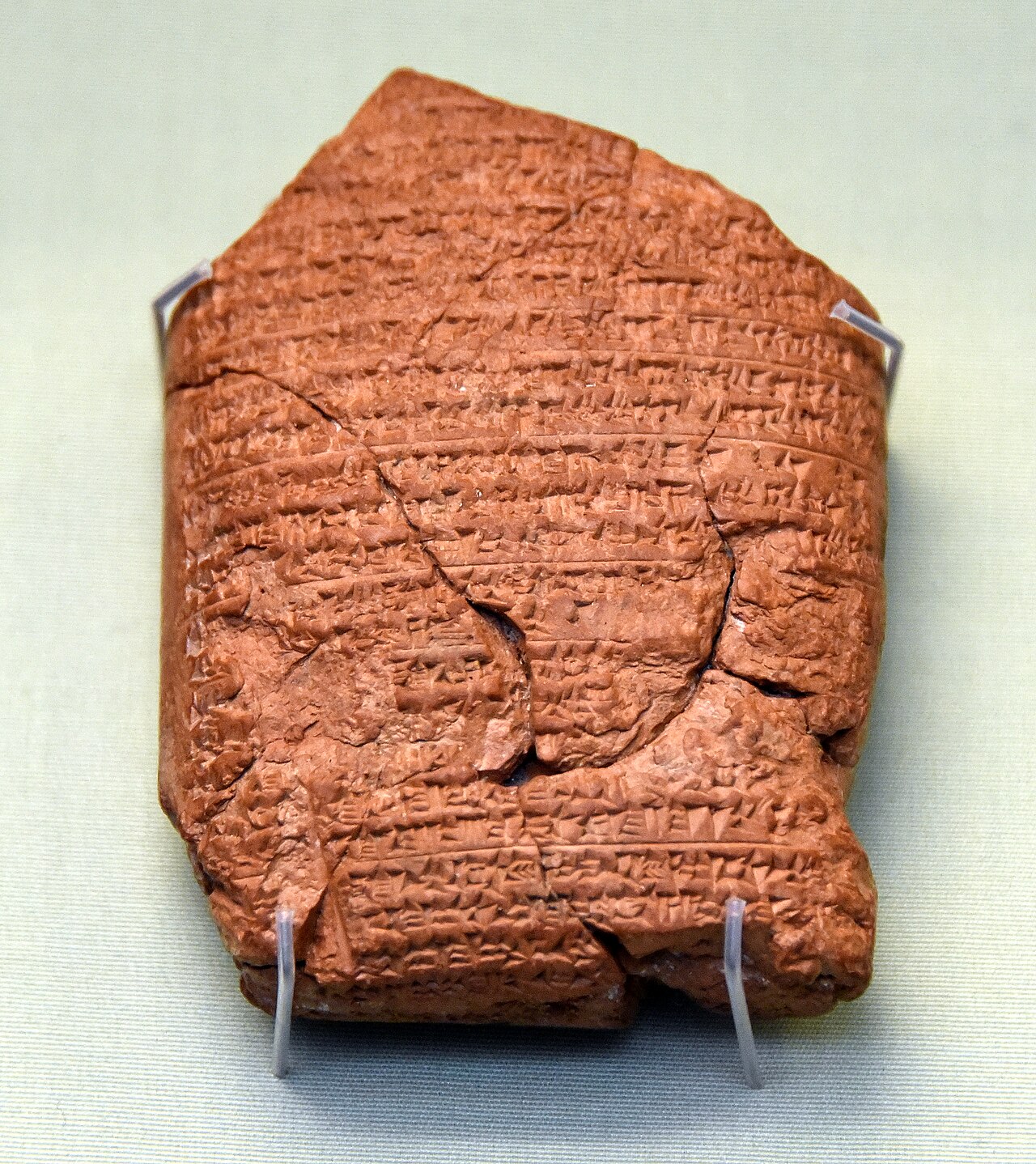
Primary source
Nebuchadnezzar Chronicle
Babylonian scribes · c. 550-400 BC (recording events of 605-594 BC)
 Document
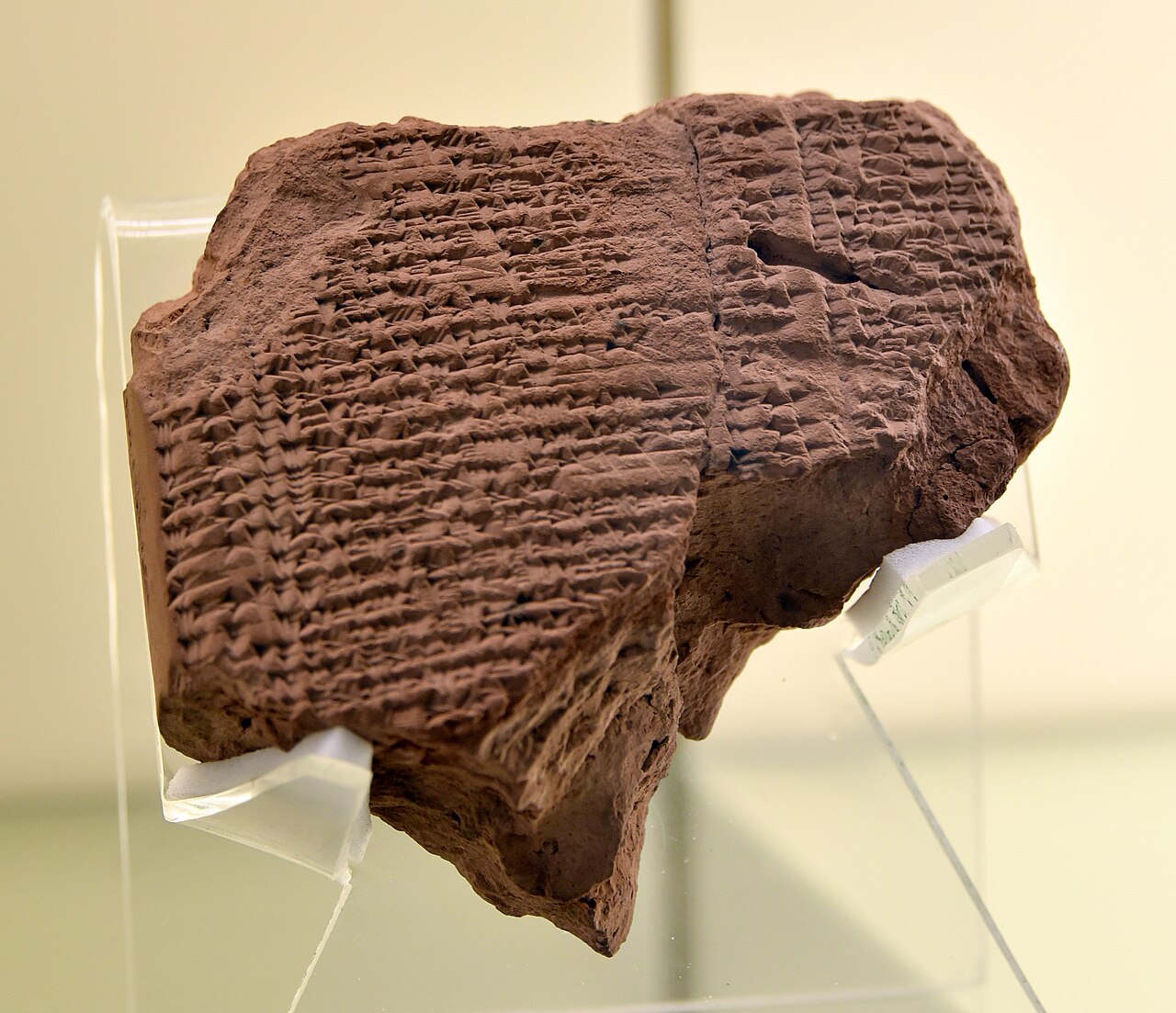
Primary source
Jehoiachin's Rations Tablets
Babylonian palace scribes · c. 592 BC
 Document
Primary source
East India House Inscription
Nebuchadnezzar II (scribes writing for him) · 604-562 BC
 Book
Primary source
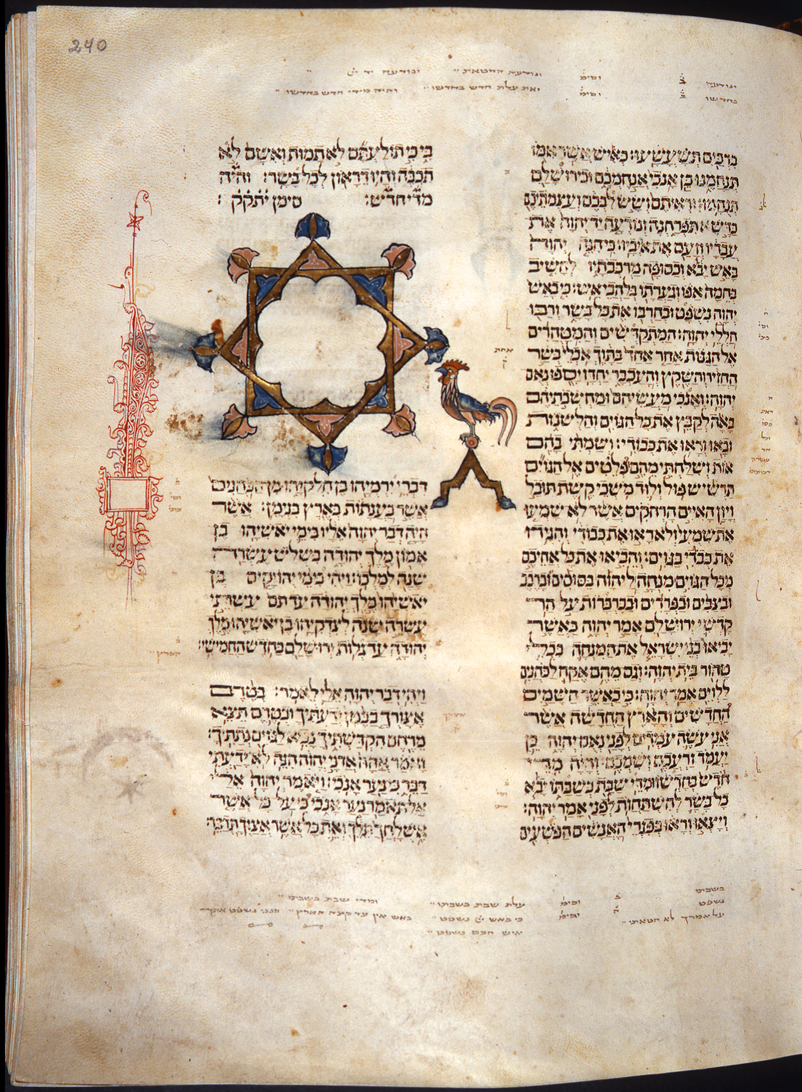
Book of Jeremiah
Jeremiah · c. 6th century BC (text); manuscript illuminated later
Ready when you are
Start chatting with Nebuchadnezzar II now.
20 messages free · No credit card · Available in 50+ languages.