


Secondary sourcePainting1795
Nebuchadnezzar
William Blake · 1795
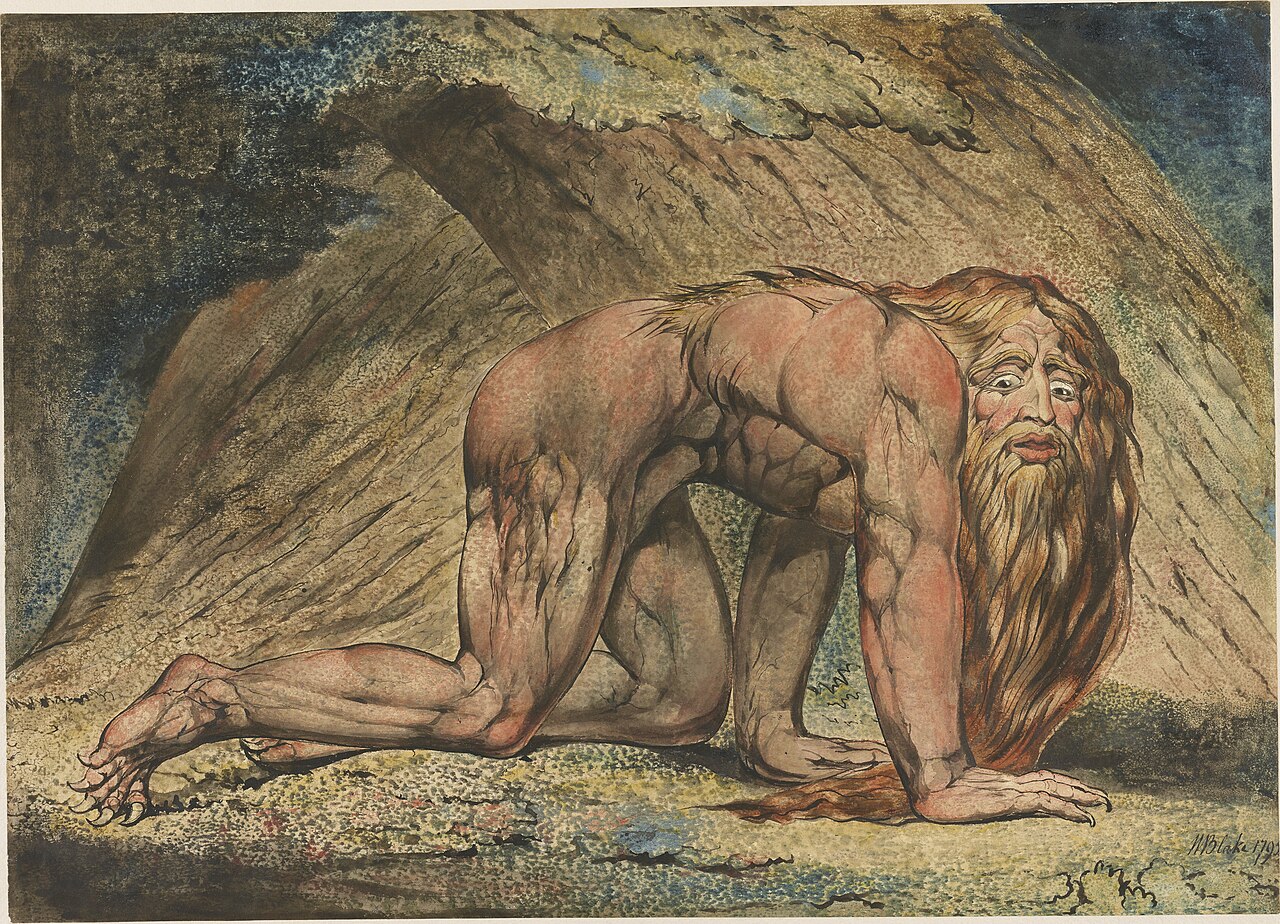
William Blake's 1795 print showing the Babylonian king reduced to animal madness, based on the Book of Daniel's account of his downfall.
Blake's print reflects the biblical legend of Nebuchadnezzar's madness, which dominated later memory of the king.
About this source
What it is
This is a colour monotype print with added ink and watercolour by the English artist William Blake, made in 1795 as part of his series of Large Colour Prints. It portrays Nebuchadnezzar II as described in the Book of Daniel: a king who, through pride, lost his sanity and was reduced to crawling and eating grass like an animal. Copies exist at Tate Britain, the Museum of Fine Arts Boston, and the Minneapolis Institute of Art.
Why it matters
Blake's image shows how the biblical story of Nebuchadnezzar's madness, rather than historical records, shaped European memory of the king for centuries. Blake connected the image to his own ideas about human downfall and spiritual transformation, showing how later artists reused ancient figures to explore their own beliefs.
Look closer
- How does Blake's depiction differ from how a king would normally be portrayed in art?
- What biblical story is Blake illustrating, and how reliable is it as a historical source about the real Nebuchadnezzar?
- Why might this image have stayed so powerful in Western art and literature for so long?
This painting is part of the curated material that grounds the AI version of Nebuchadnezzar II on Humy.ai — when students ask about related events, the AI can quote it and cite it.
More Nebuchadnezzar II sources
Meet the AI Nebuchadnezzar II →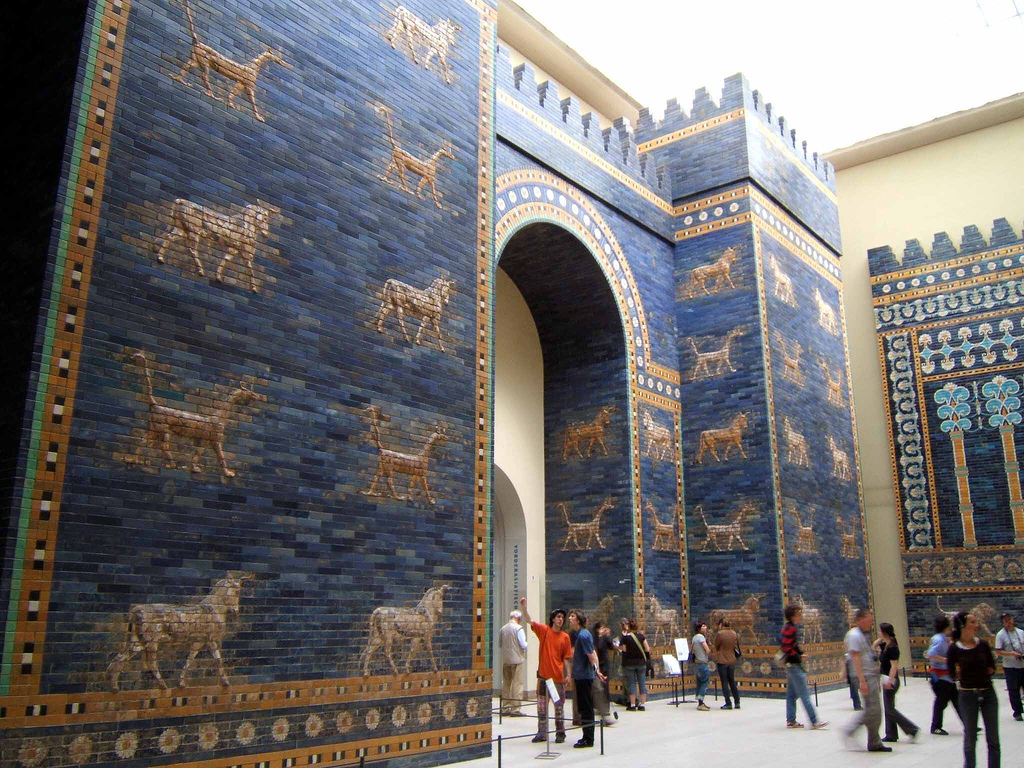 Artifact
Primary source
Ishtar Gate
c. 574 BC
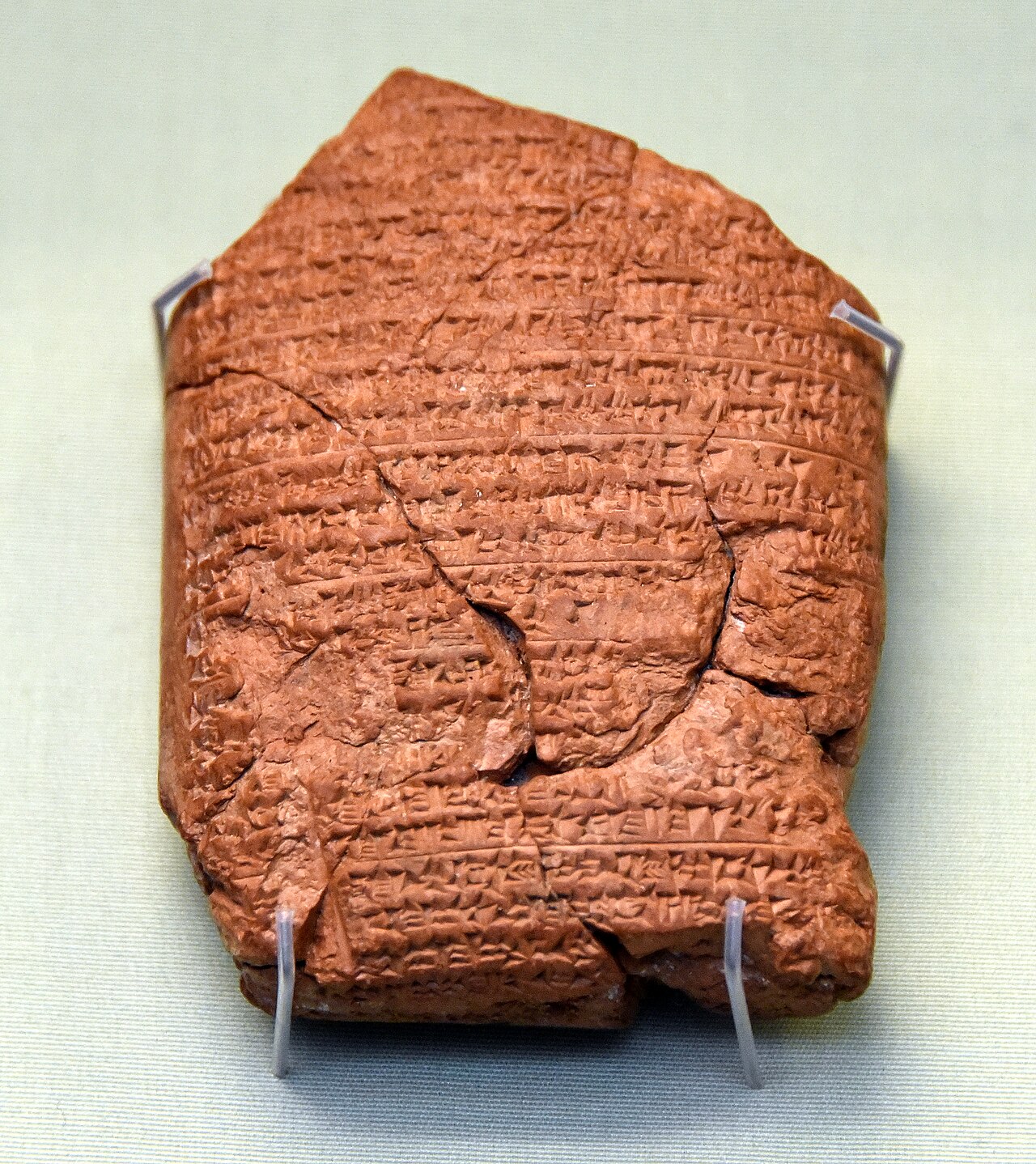 Document
Primary source
Nebuchadnezzar Chronicle
Babylonian scribes · c. 550-400 BC (recording events of 605-594 BC)
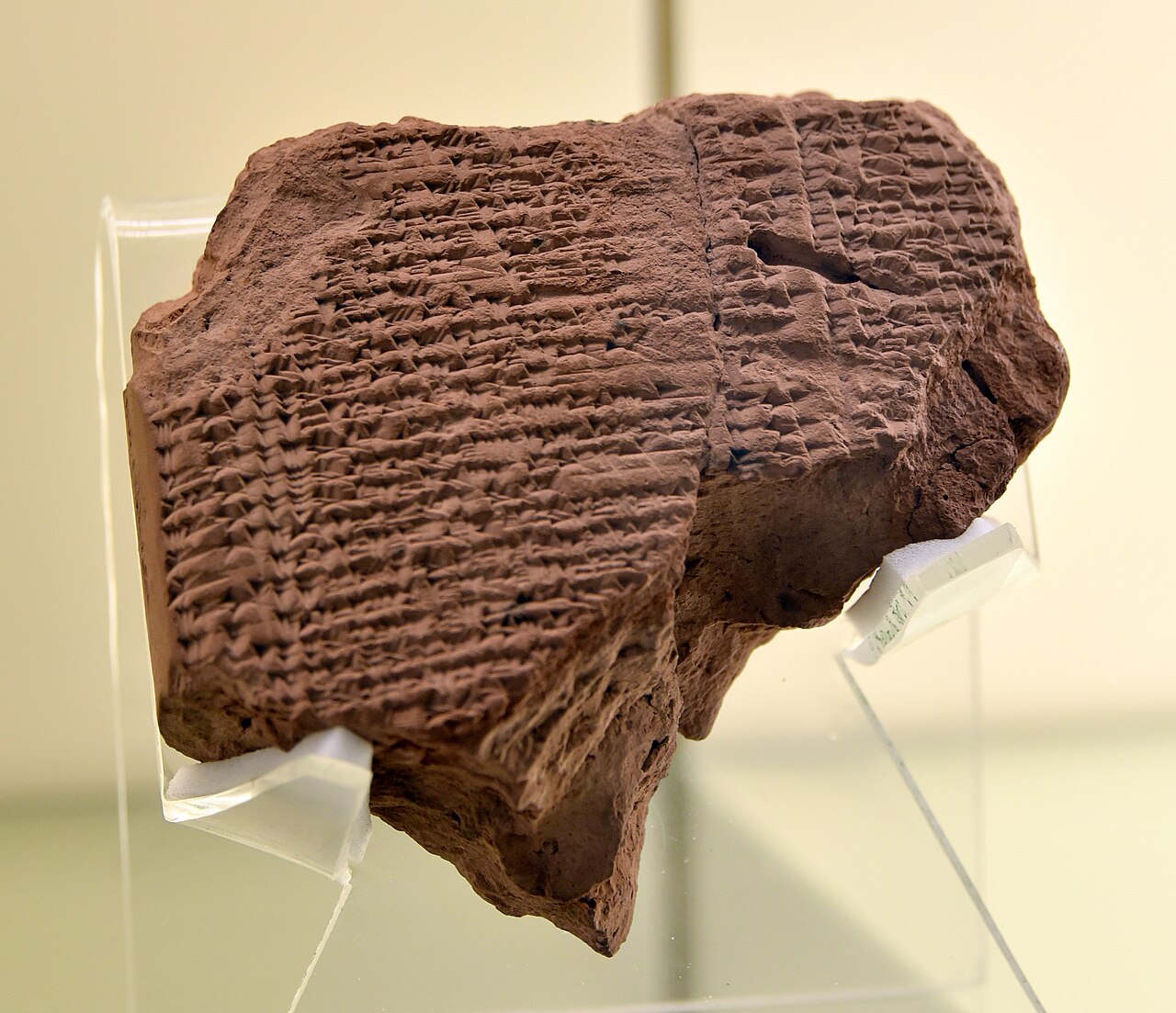 Document
Primary source
Jehoiachin's Rations Tablets
Babylonian palace scribes · c. 592 BC
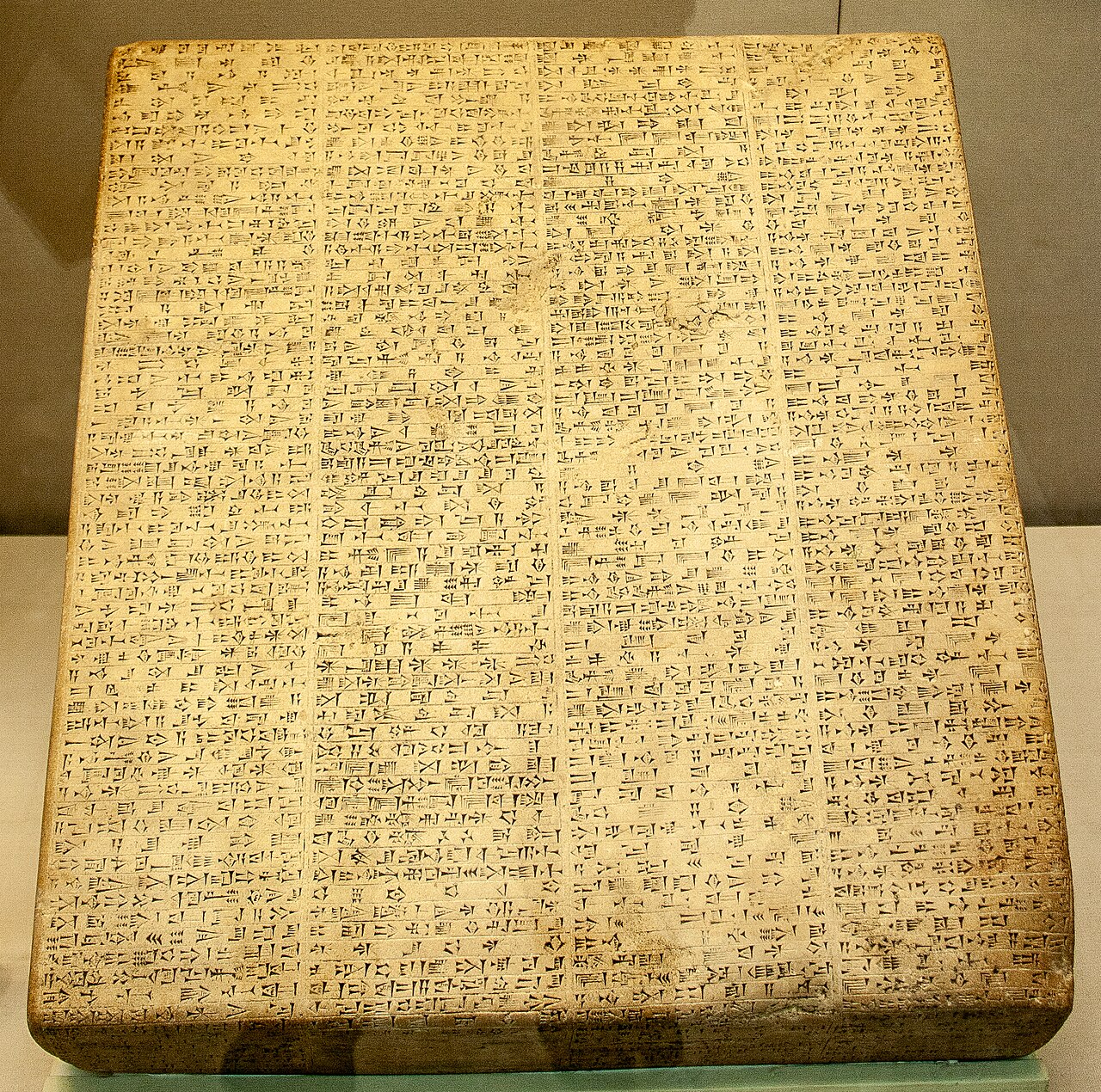 Document
Primary source
East India House Inscription
Nebuchadnezzar II (scribes writing for him) · 604-562 BC
 Book
Primary source
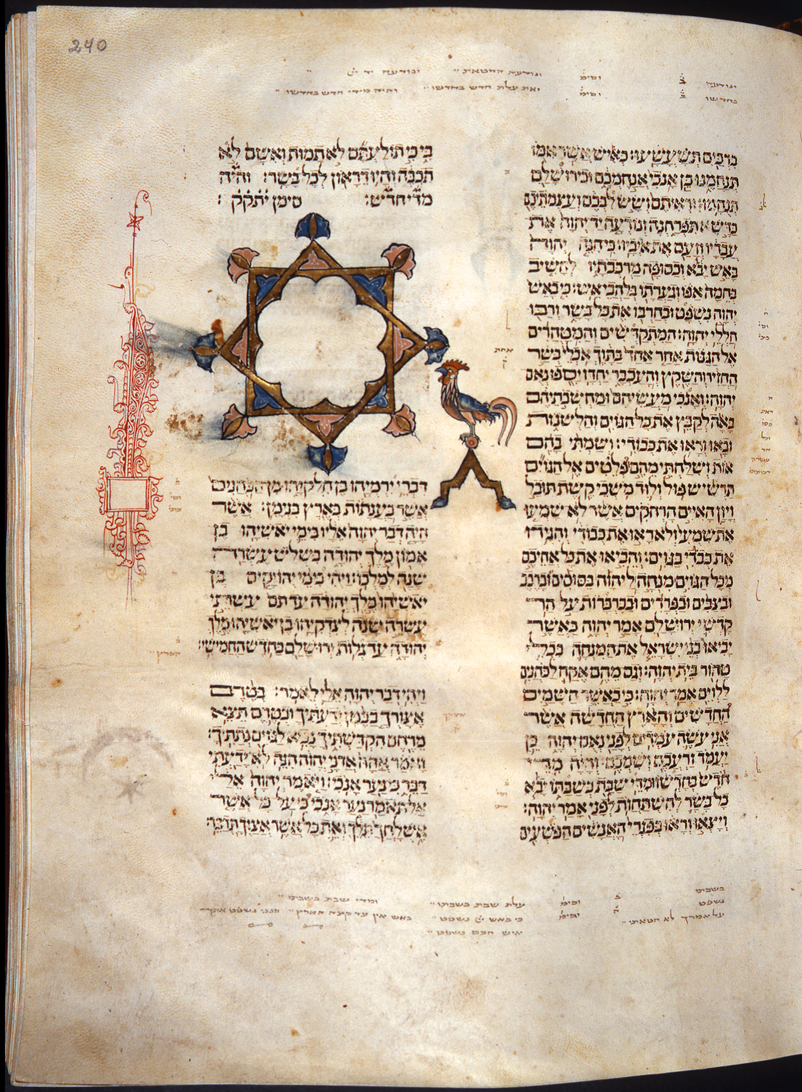
Book of Jeremiah
Jeremiah · c. 6th century BC (text); manuscript illuminated later
Ready when you are
Start chatting with Nebuchadnezzar II now.
20 messages free · No credit card · Available in 50+ languages.