


Secondary sourcePaintingc. 244 CE
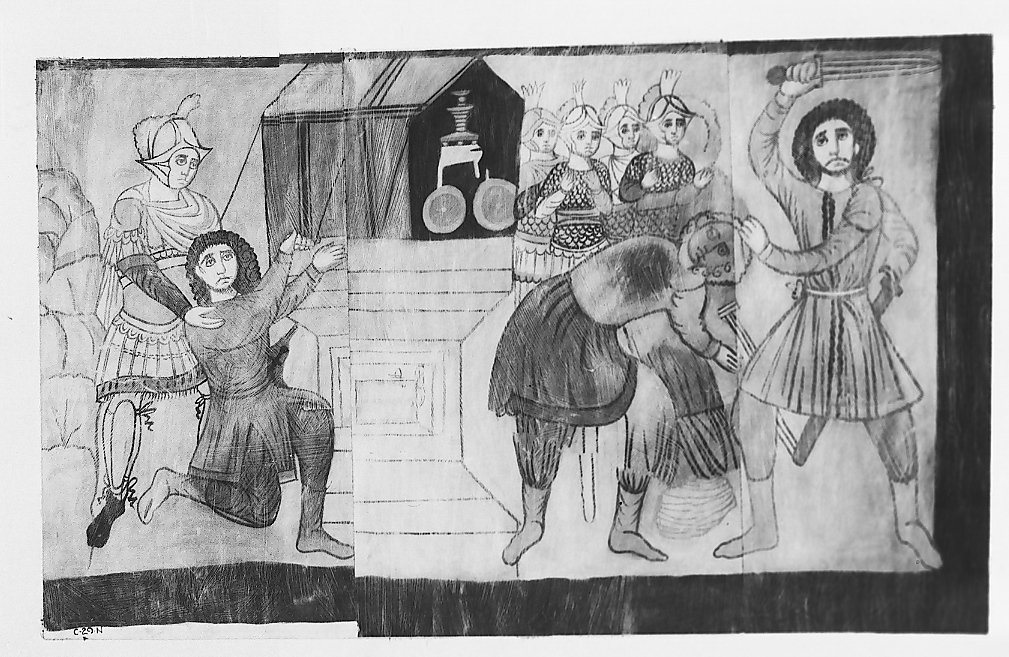
Dura-Europos Ezekiel Painting Archival Photograph
c. 244 CE
An archival photograph of a 3rd-century synagogue painting of Ezekiel's vision, which links Israel's destruction and restoration to Nebuchadnezzar II's conquest.
This painting depicts the destruction and restoration tied to the conquest of Israel by Nebuchadnezzar II.
About this source
What it is
This black-and-white photograph, held by the Yale University Art Gallery, records a painted scene from the synagogue at Dura-Europos, dated to around 244 CE. The scene shows the destruction and restoration of national life, based on the biblical prophet Ezekiel.
Why it matters
The Babylonian conquest led by Nebuchadnezzar II, and the exile of the Jewish people that followed, is a central event behind Ezekiel's prophecies. This early Jewish artwork shows how deeply that conquest shaped later religious memory and imagery, centuries after the events themselves.
Look closer
- What figures and actions can you identify in this scene, and what story might they be telling?
- Why might a community choose to paint this particular story on the walls of their synagogue?
- What does this image leave out about the actual historical events of the conquest?
This painting is part of the curated material that grounds the AI version of Nebuchadnezzar II on Humy.ai — when students ask about related events, the AI can quote it and cite it.
More Nebuchadnezzar II sources
Meet the AI Nebuchadnezzar II →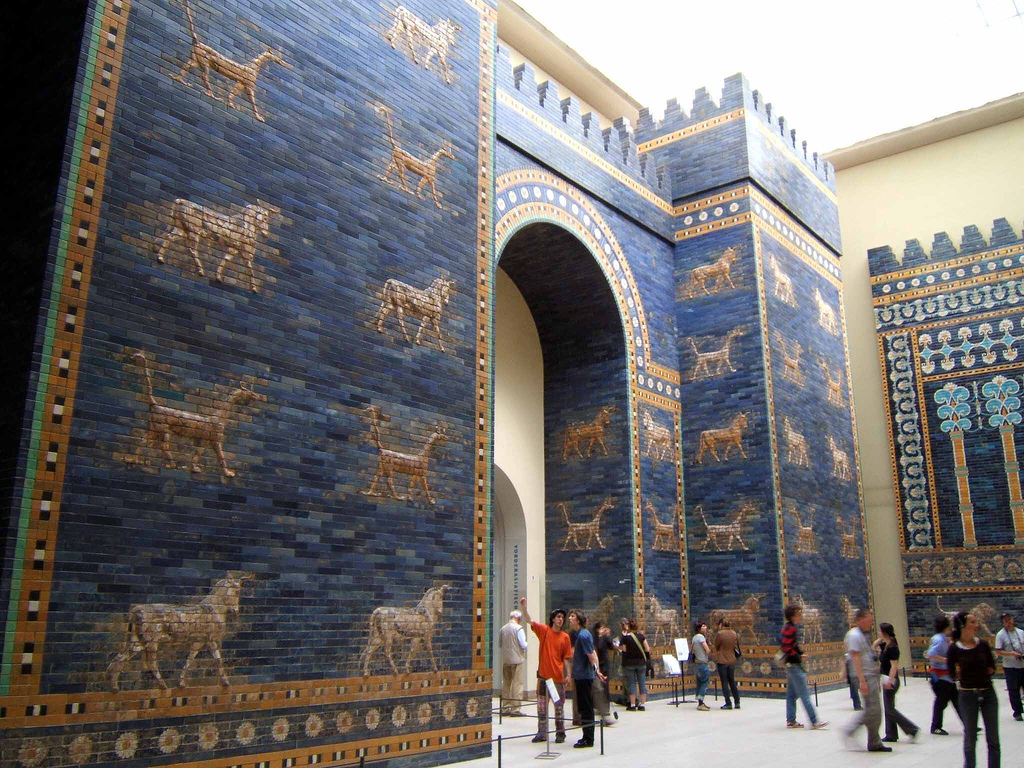 Artifact
Primary source
Ishtar Gate
c. 574 BC
 Document
Primary source
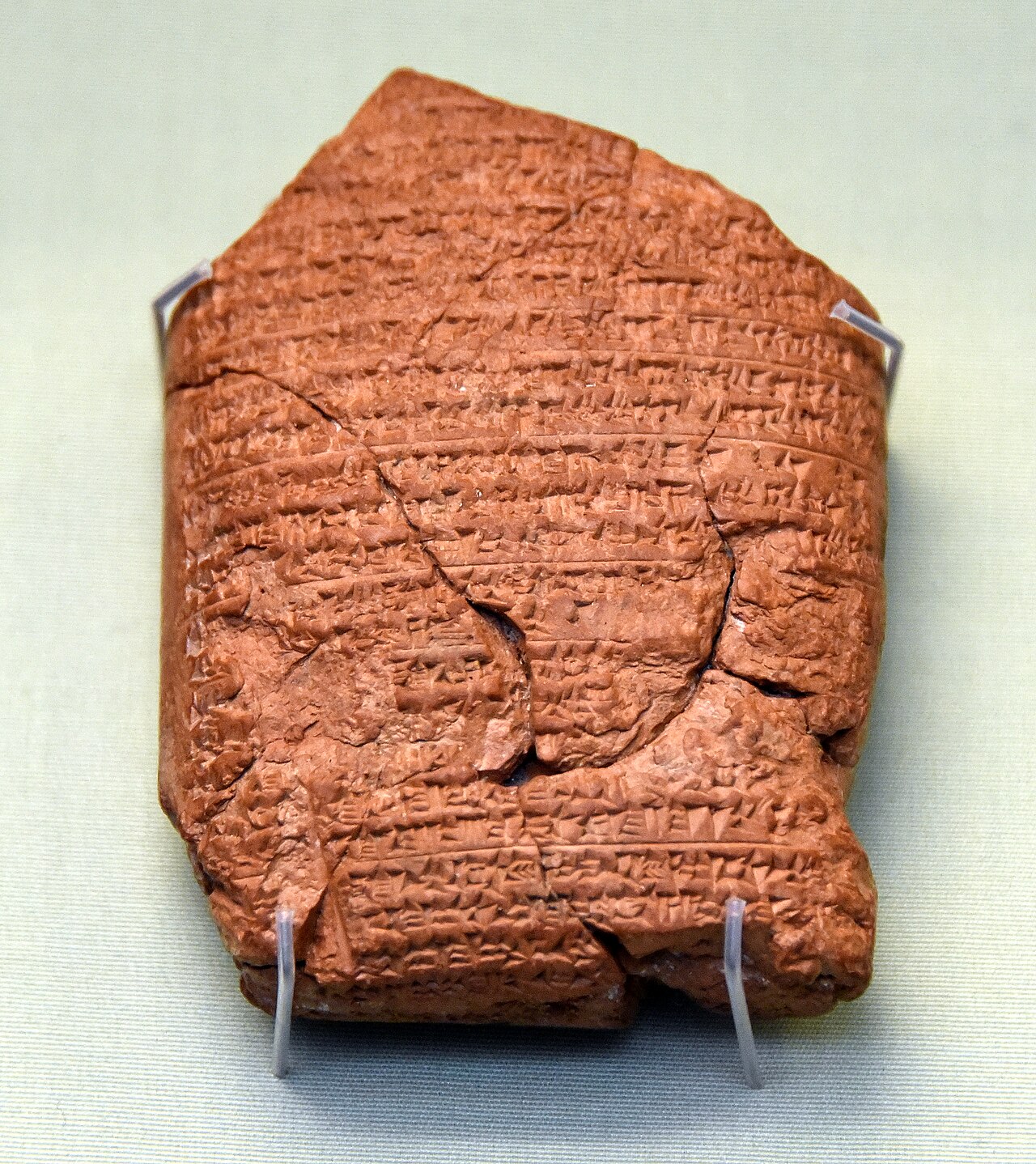
Nebuchadnezzar Chronicle
Babylonian scribes · c. 550-400 BC (recording events of 605-594 BC)
 Document
Primary source
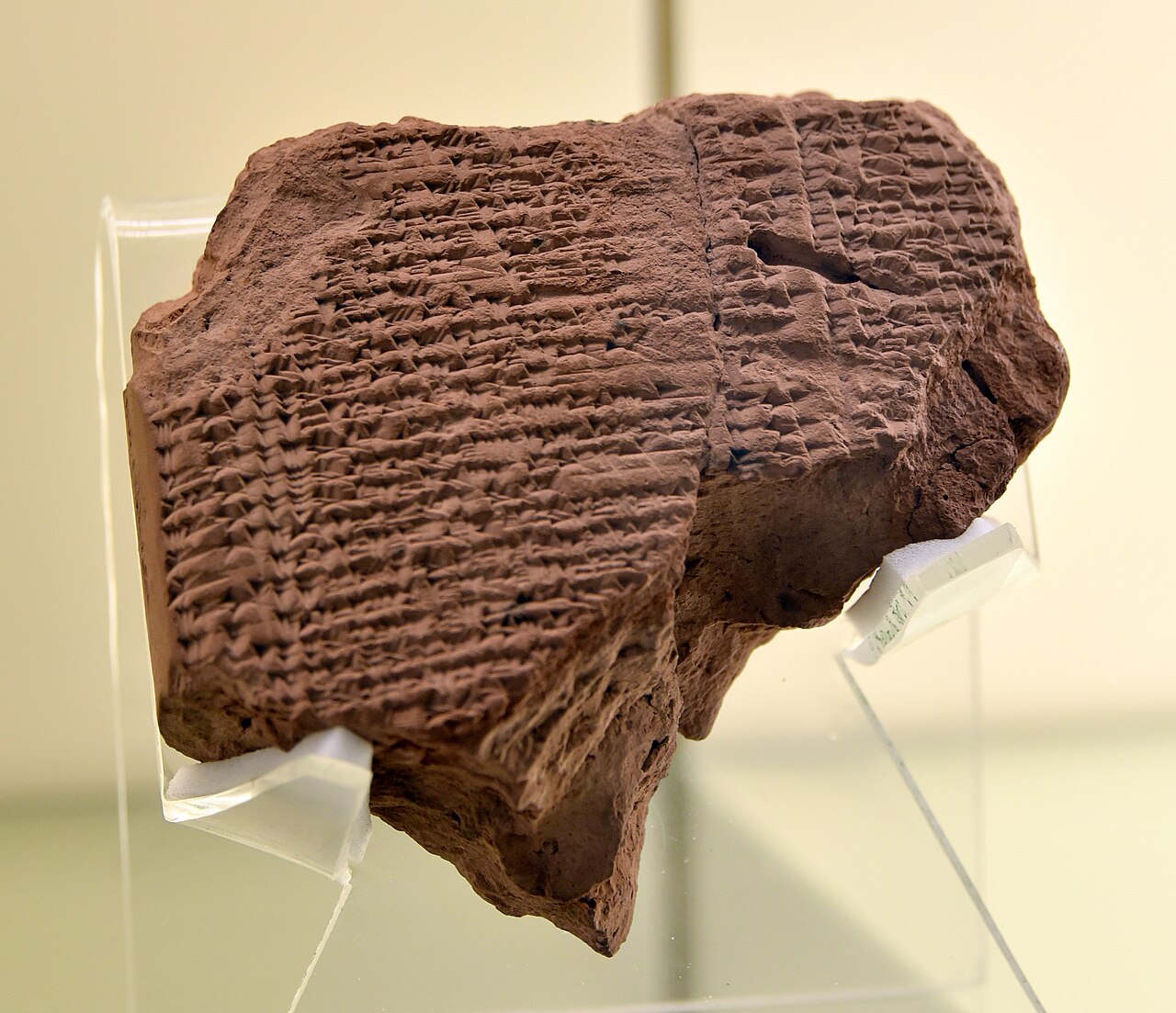
Jehoiachin's Rations Tablets
Babylonian palace scribes · c. 592 BC
 Document
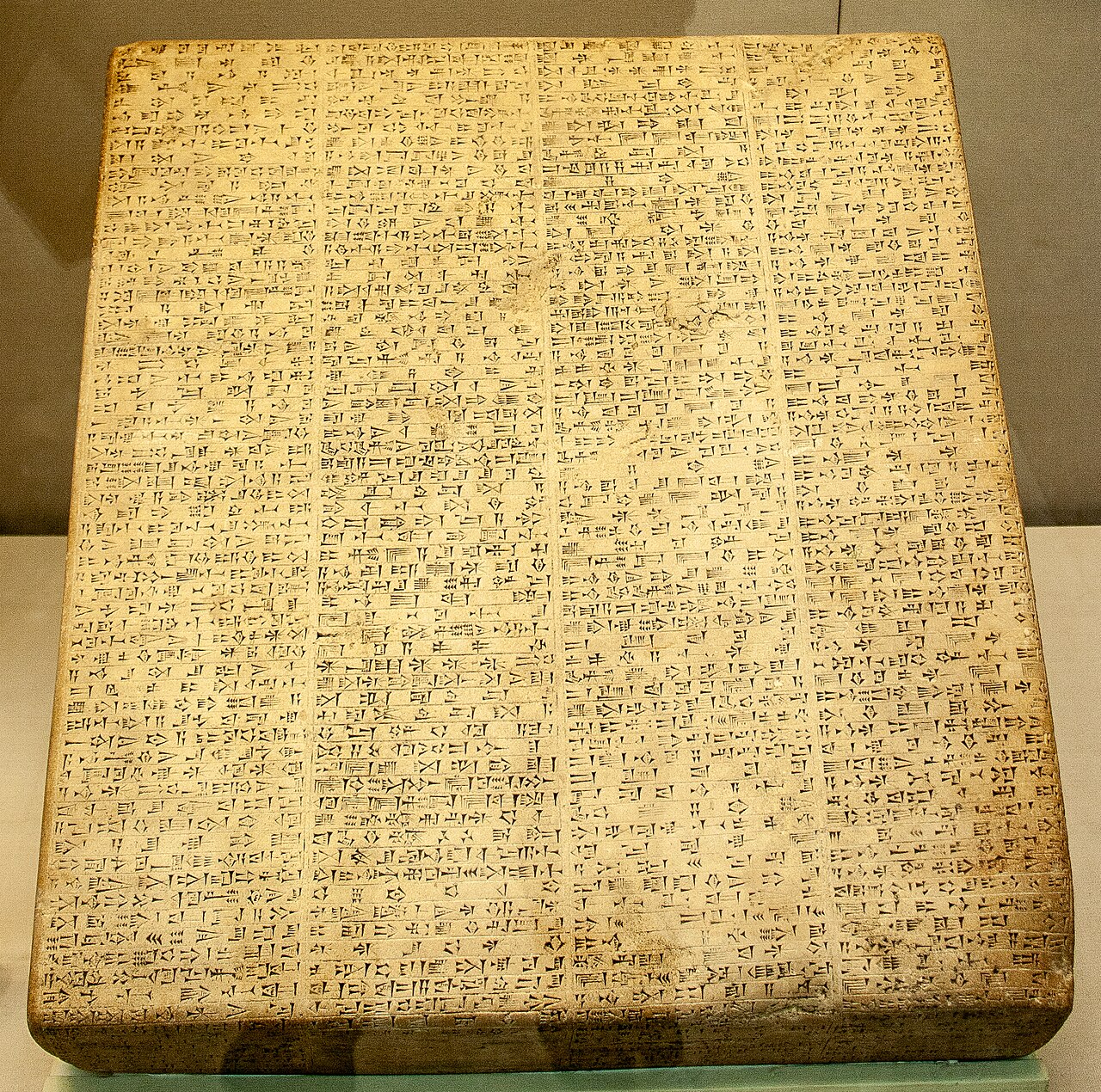
Primary source
East India House Inscription
Nebuchadnezzar II (scribes writing for him) · 604-562 BC
 Book
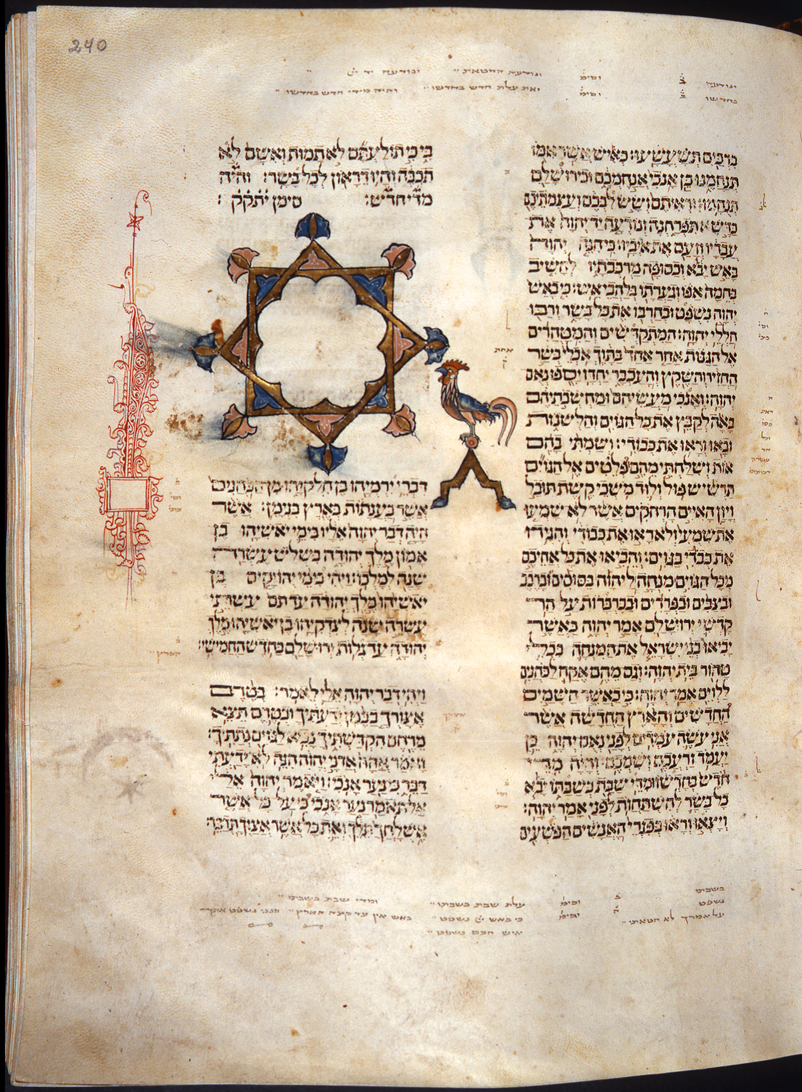
Primary source
Book of Jeremiah
Jeremiah · c. 6th century BC (text); manuscript illuminated later
Ready when you are
Start chatting with Nebuchadnezzar II now.
20 messages free · No credit card · Available in 50+ languages.