


Primary sourceArtifactca. 604–562 BCE
Cuneiform Cylinder on Rebuilding the Etemenanki Ziggurat
Nebuchadnezzar II · ca. 604–562 BCE
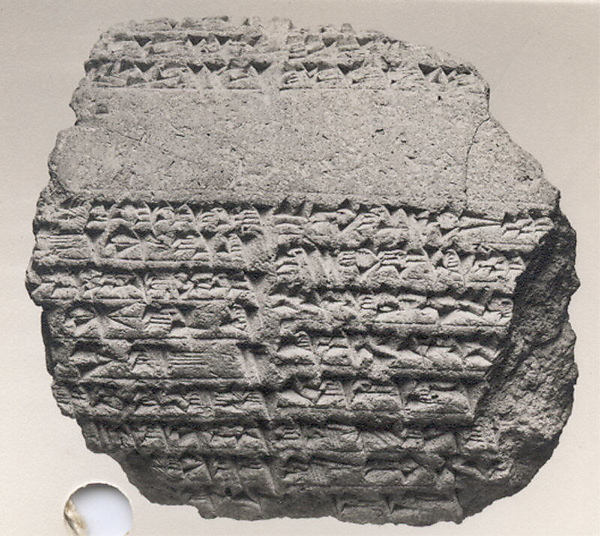
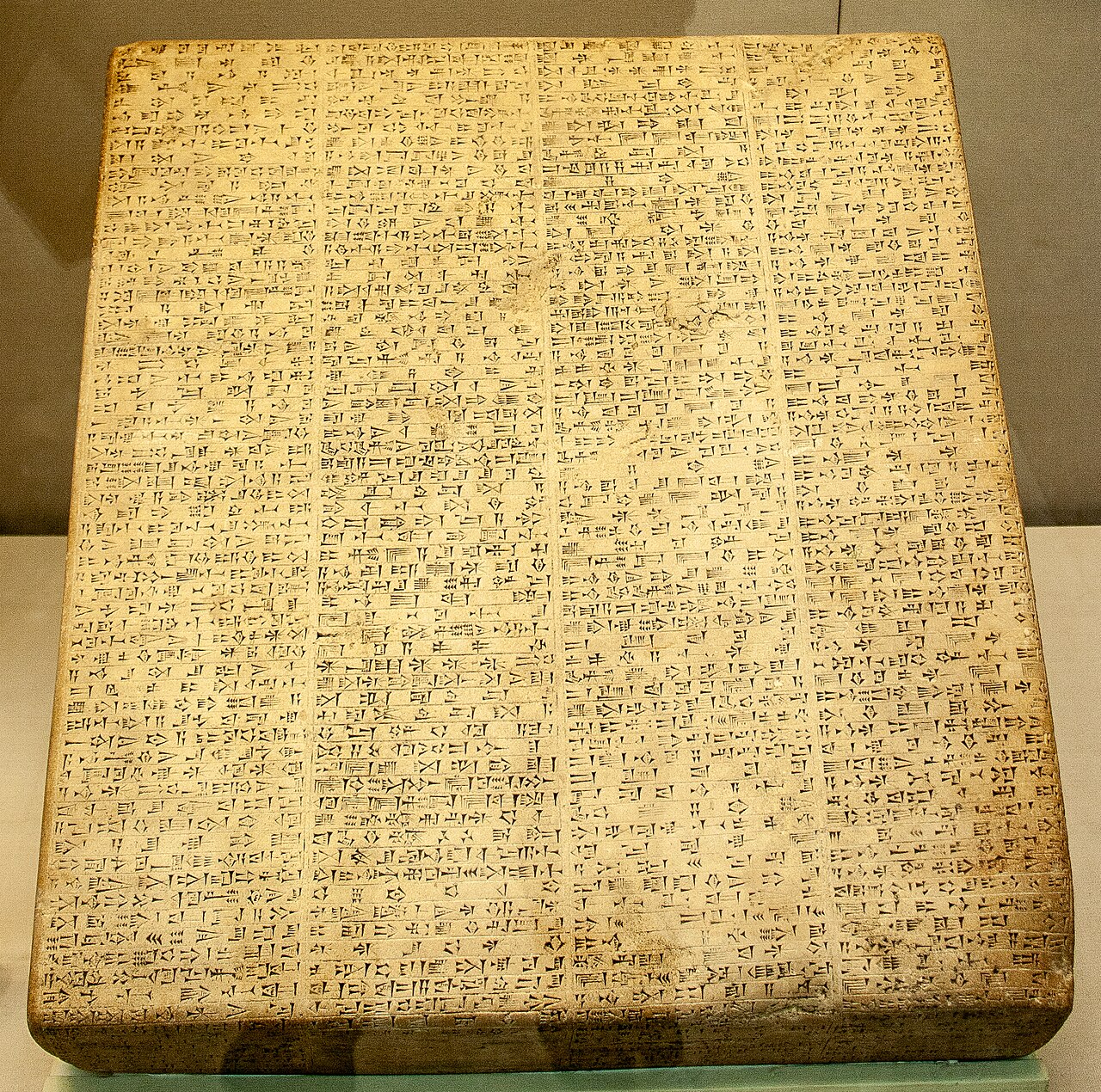
A worn clay cylinder fragment, held by the Met, recording Nebuchadnezzar II's reconstruction of the great ziggurat Etemenanki at Babylon.
This inscription commemorates Nebuchadnezzar II's reconstruction of the Etemenanki ziggurat at Babylon.
About this source
What it is
This fragment of a clay cylinder, covered in worn rows of cuneiform writing, commemorates Nebuchadnezzar II's reconstruction of Etemenanki, the great ziggurat of Babylon. It dates to around 604–562 BCE and is held at The Metropolitan Museum of Art, acquired through an 1886 purchase.
Why it matters
Etemenanki was one of the most famous structures of ancient Babylon, later associated with legends of a great tower. This inscription is direct evidence, from Nebuchadnezzar's own time, of his efforts to rebuild and glorify this temple complex, revealing how religion and royal power were intertwined in his reign.
Look closer
- Why do you think the edges of this cylinder are broken, and how does that limit what historians can learn?
- What does rebuilding a great temple tower suggest about the king's relationship to religion?
- What would you want to compare this inscription to in order to check its claims?
This artifact is part of the curated material that grounds the AI version of Nebuchadnezzar II on Humy.ai — when students ask about related events, the AI can quote it and cite it.
More Nebuchadnezzar II sources
Meet the AI Nebuchadnezzar II →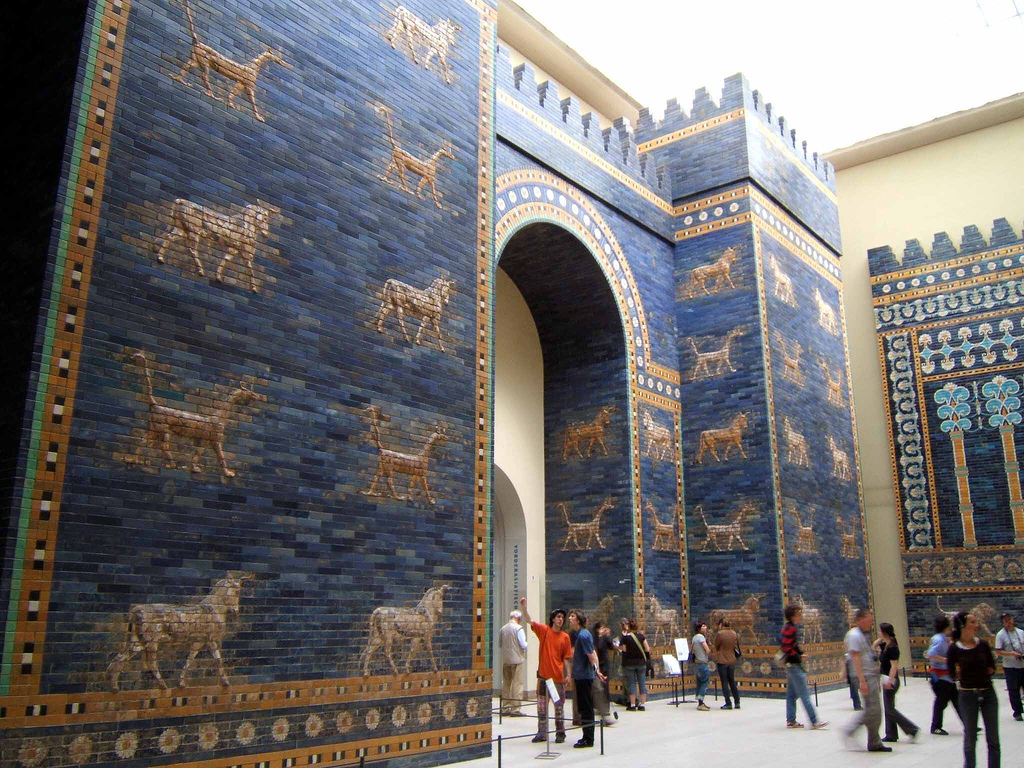 Artifact
Primary source
Ishtar Gate
c. 574 BC
 Document
Primary source
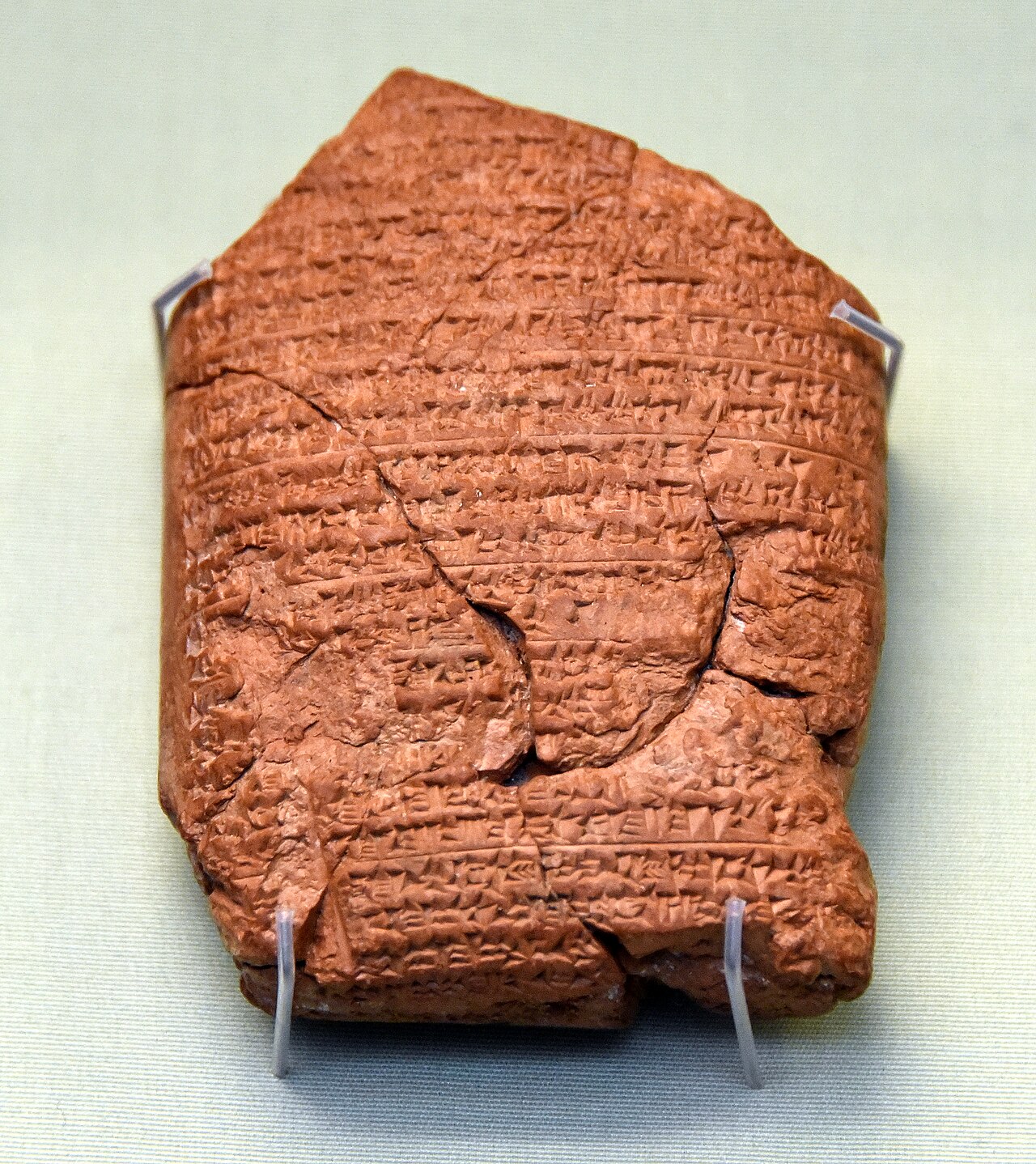
Nebuchadnezzar Chronicle
Babylonian scribes · c. 550-400 BC (recording events of 605-594 BC)
 Document
Primary source
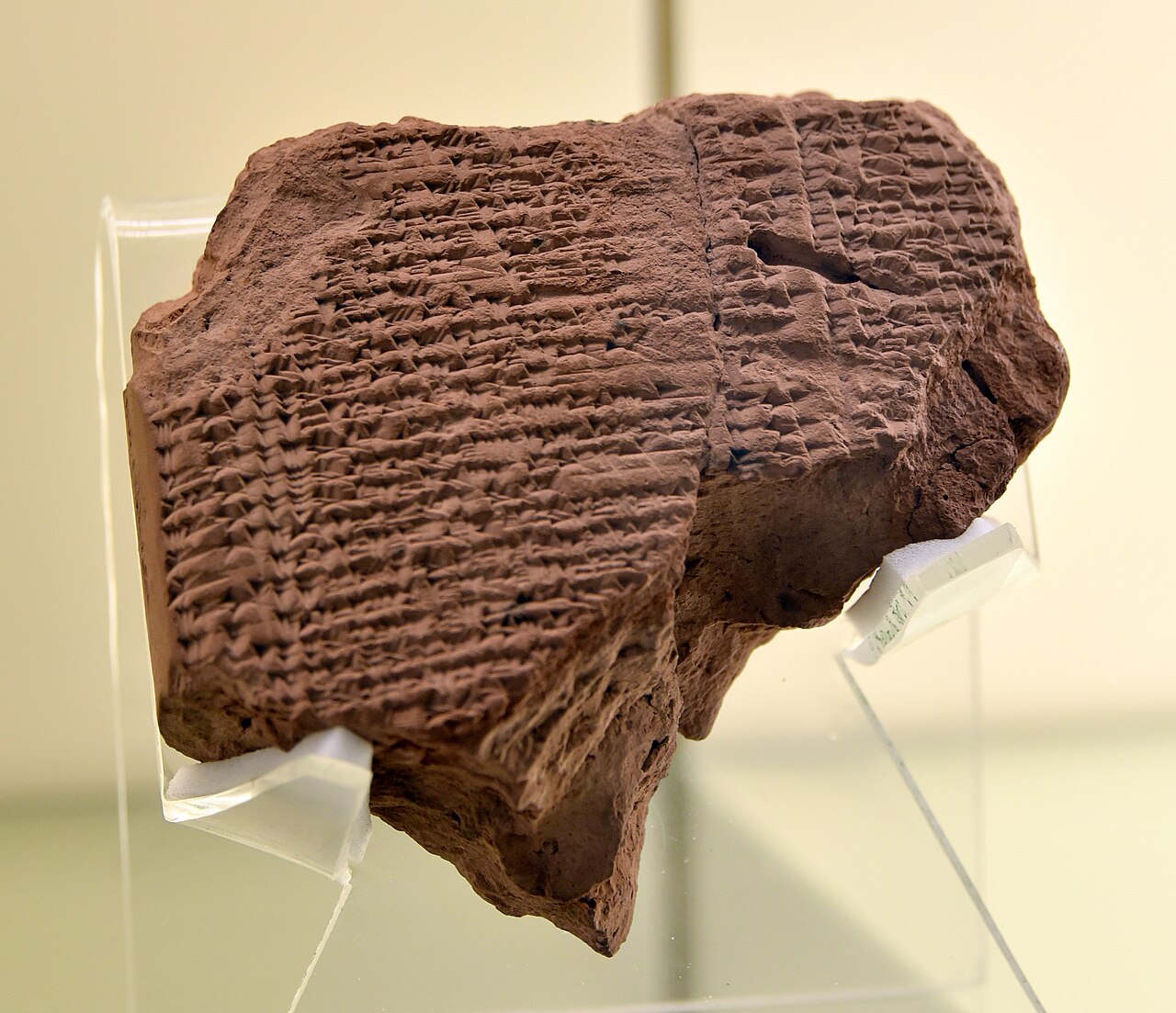
Jehoiachin's Rations Tablets
Babylonian palace scribes · c. 592 BC
 Document
Primary source
East India House Inscription
Nebuchadnezzar II (scribes writing for him) · 604-562 BC
 Book
Primary source
Book of Jeremiah
Jeremiah · c. 6th century BC (text); manuscript illuminated later
Ready when you are
Start chatting with Nebuchadnezzar II now.
20 messages free · No credit card · Available in 50+ languages.