


Secondary sourceBook1591
The Pride of King Nebuchadnezzar
Henry Smith · 1591
A 1591 Elizabethan sermon by Henry Smith that uses the king's pride as a moral warning. It shows how the king was remembered as a symbol of arrogance in later English writing.
Shows how the king's pride was used as a moral warning in later English preaching.
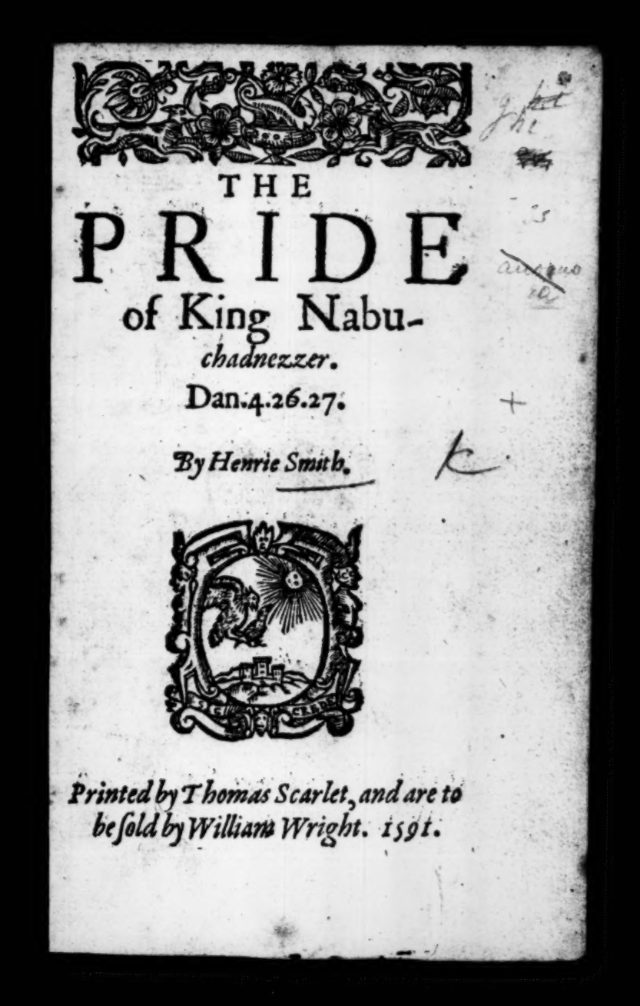 PDF · 39 pages
About this source
What it is
This is a printed book of sermons by Henry Smith, published in 1591 and printed by Thomas Scarlet, with copies sold by William Wright. The sermons are on the story of Nebuchadnezzar and his pride, quoting Daniel 4. The preface says the earlier printing had errors and that the text was corrected against better copies. The archive holds a scanned PDF of the book from the Internet Archive.
Why it matters
Elizabethan preachers used stories of rulers to teach listeners about sin and humility. Nebuchadnezzar's pride, as told in Daniel, became a common warning in English moral writing. This sermon shows how the king was remembered in England long after his reign, not how he actually governed. It helps students see the king as a moral example in a later culture.
Look closer
- What moral lesson does the sermon draw from the king's words and fall?
- Why did the printer say earlier copies had errors, and what does that say about how texts were copied?
- Whose voice do we hear in this book, and whose voice is missing?
This book is part of the curated material that grounds the AI version of Nebuchadnezzar II on Humy.ai — when students ask about related events, the AI can quote it and cite it.
More Nebuchadnezzar II sources
Meet the AI Nebuchadnezzar II →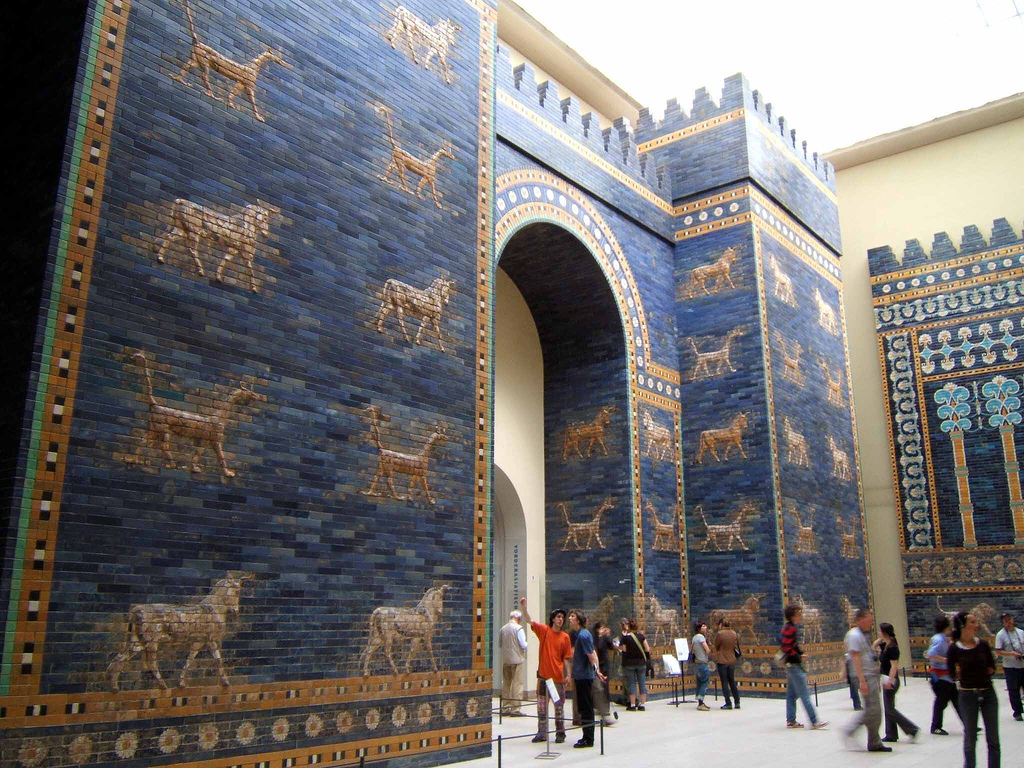 Artifact
Primary source
Ishtar Gate
c. 574 BC
 Document
Primary source
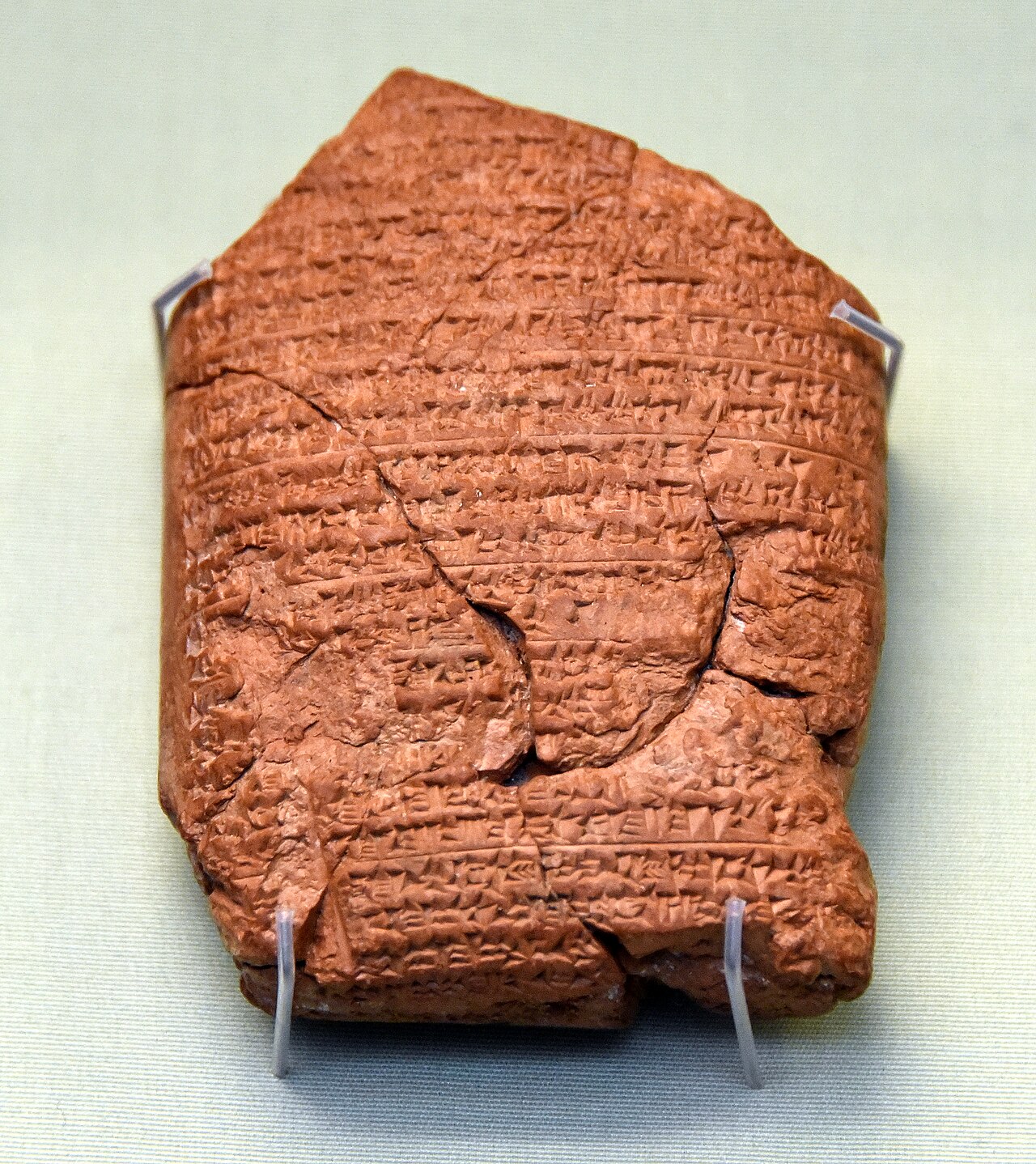
Nebuchadnezzar Chronicle
Babylonian scribes · c. 550-400 BC (recording events of 605-594 BC)
 Document
Primary source
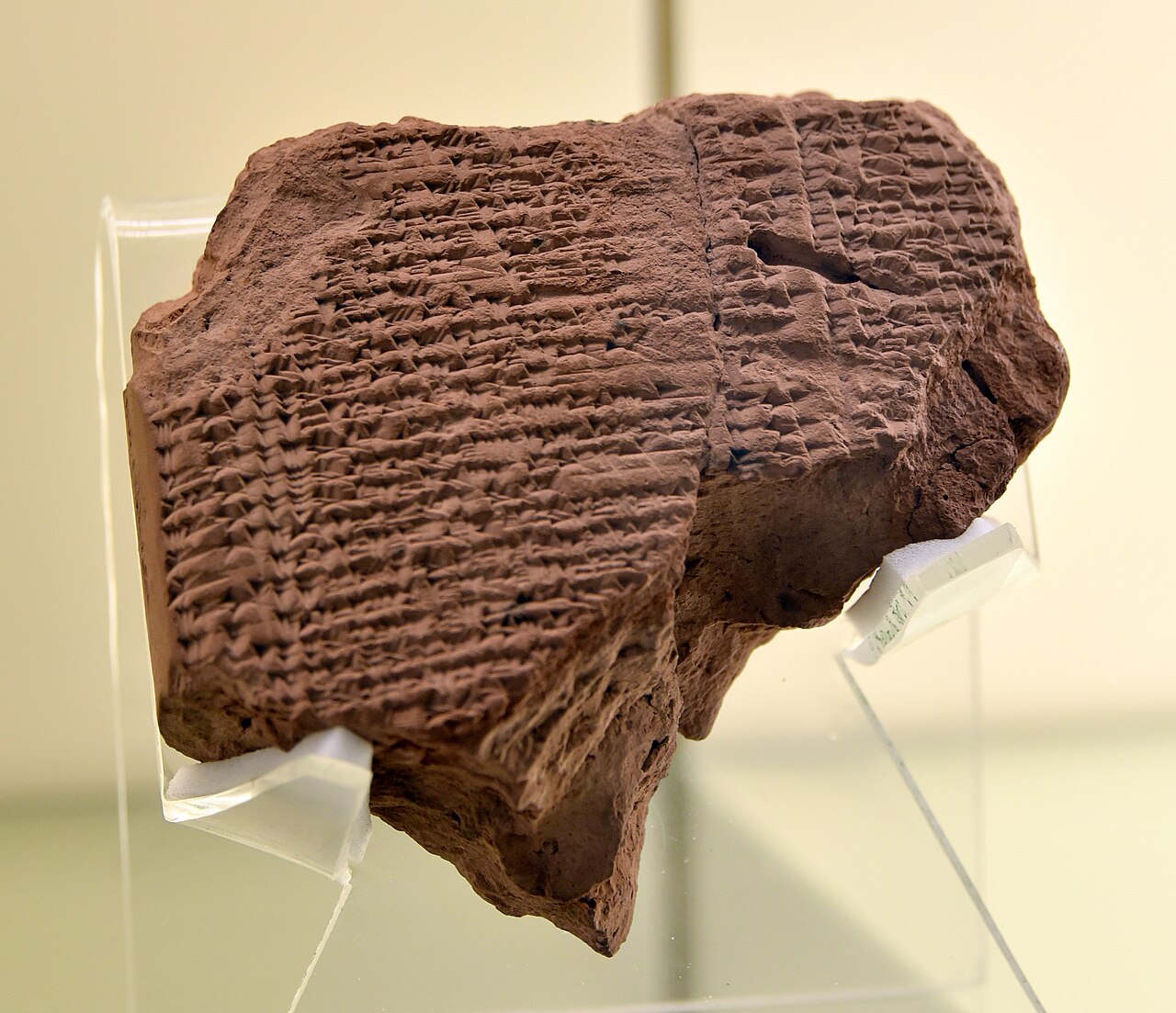
Jehoiachin's Rations Tablets
Babylonian palace scribes · c. 592 BC
 Document
Primary source
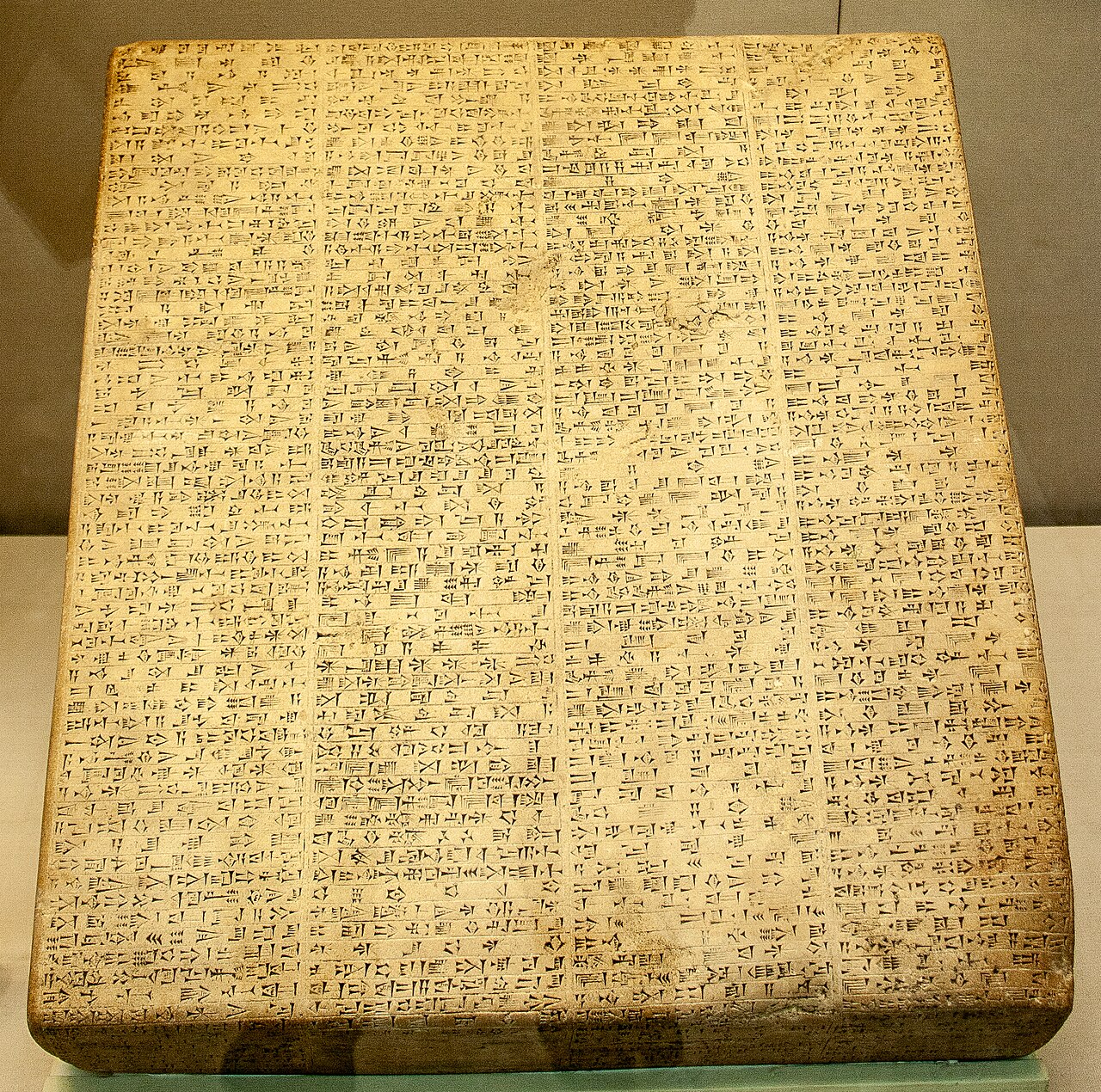
East India House Inscription
Nebuchadnezzar II (scribes writing for him) · 604-562 BC
 Book
Primary source
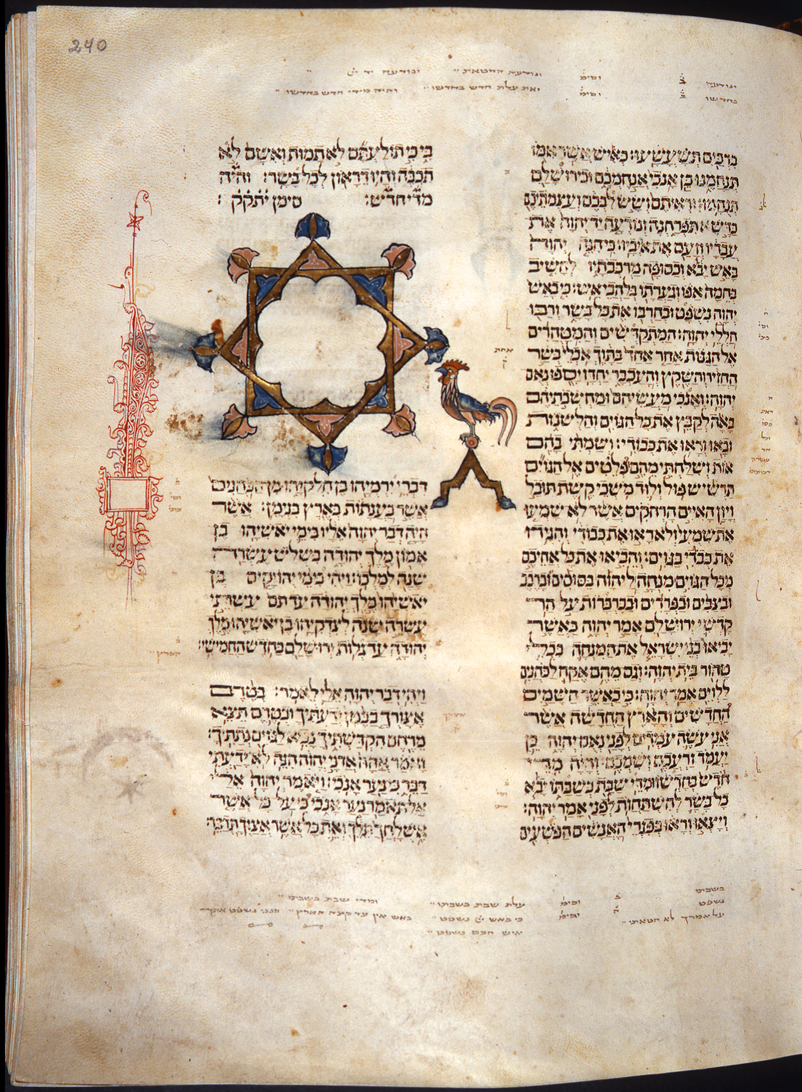
Book of Jeremiah
Jeremiah · c. 6th century BC (text); manuscript illuminated later
Ready when you are
Start chatting with Nebuchadnezzar II now.
20 messages free · No credit card · Available in 50+ languages.