


Primary sourceArtifactc. 604–562 BCE
Processional Way of Babylon
Neo-Babylonian builders under Nebuchadnezzar II · c. 604–562 BCE
A ceremonial street through Babylon lined with glazed lion reliefs, rebuilt by Nebuchadnezzar for the New Year festival of Marduk.
Nebuchadnezzar commissioned this ceremonial street and its decoration as part of his rebuilding of Babylon.
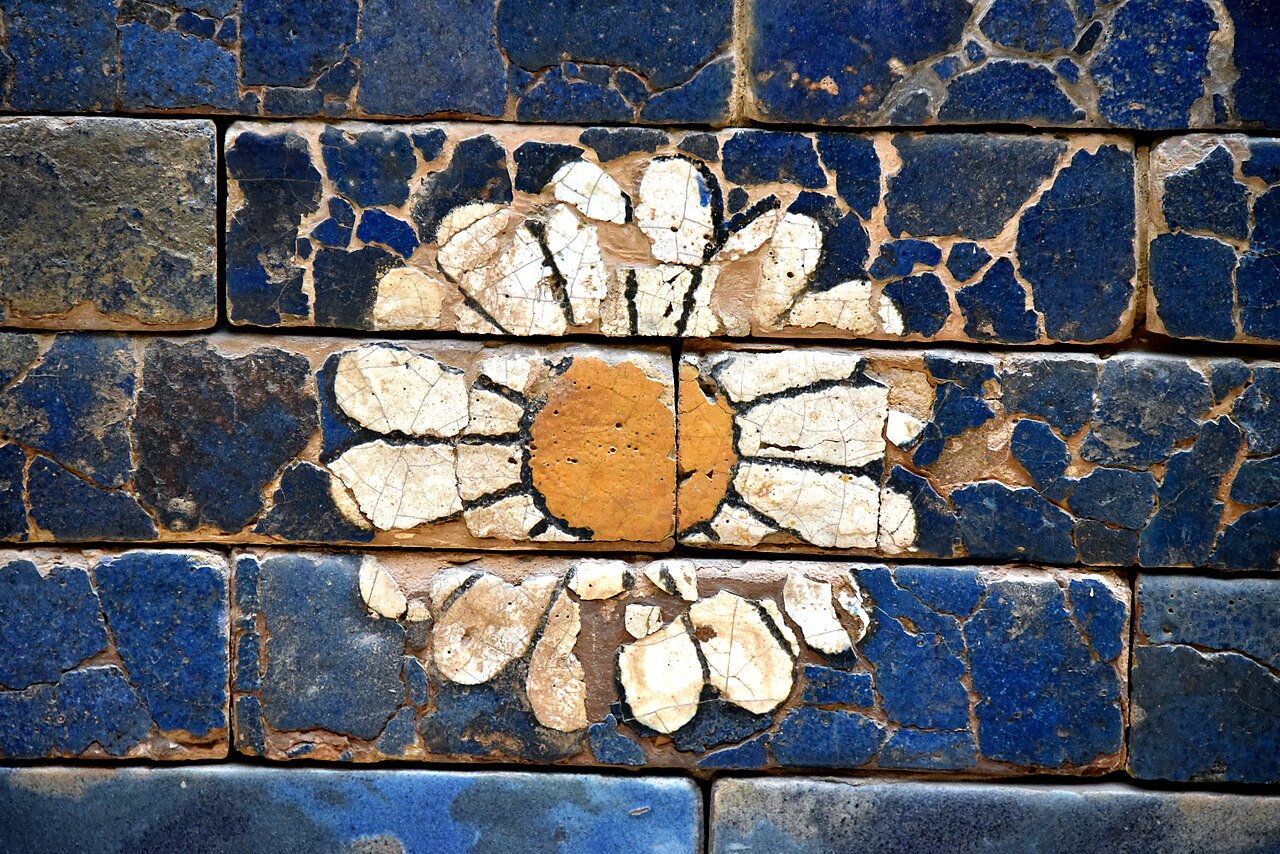
About this source
What it is
The Processional Way was a ceremonial street in ancient Babylon, rebuilt by Neo-Babylonian builders under Nebuchadnezzar II around 604–562 BCE. It formed part of a larger design that included the royal palace, temples, an inner fortress, walls, gardens, and gates. Glazed lion relief panels from the street survive in the Pergamon Museum, the Louvre, the Metropolitan Museum, and elsewhere.
Why it matters
The street was used for the New Year festival honouring the god Marduk, and its decoration of striding lions staged a display of both royal and divine power. The way Nebuchadnezzar rebuilt and decorated this route shows how architecture could be used to impress subjects and visitors with the strength of the king and his gods.
Look closer
- Why line a processional route with images of lions rather than other animals?
- What might the experience of walking this street have felt like for someone in ancient Babylon?
- What does rebuilding on this scale tell you about the resources a king like Nebuchadnezzar could command?
This artifact is part of the curated material that grounds the AI version of Nebuchadnezzar II on Humy.ai — when students ask about related events, the AI can quote it and cite it.
More Nebuchadnezzar II sources
Meet the AI Nebuchadnezzar II →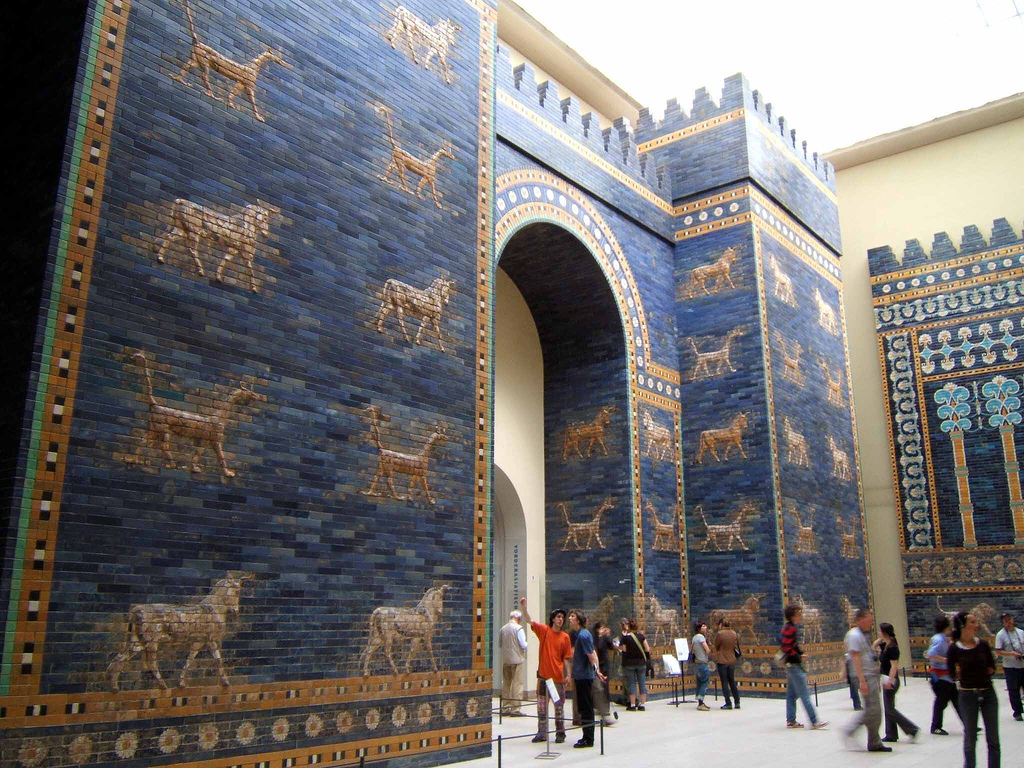 Artifact
Primary source
Ishtar Gate
c. 574 BC
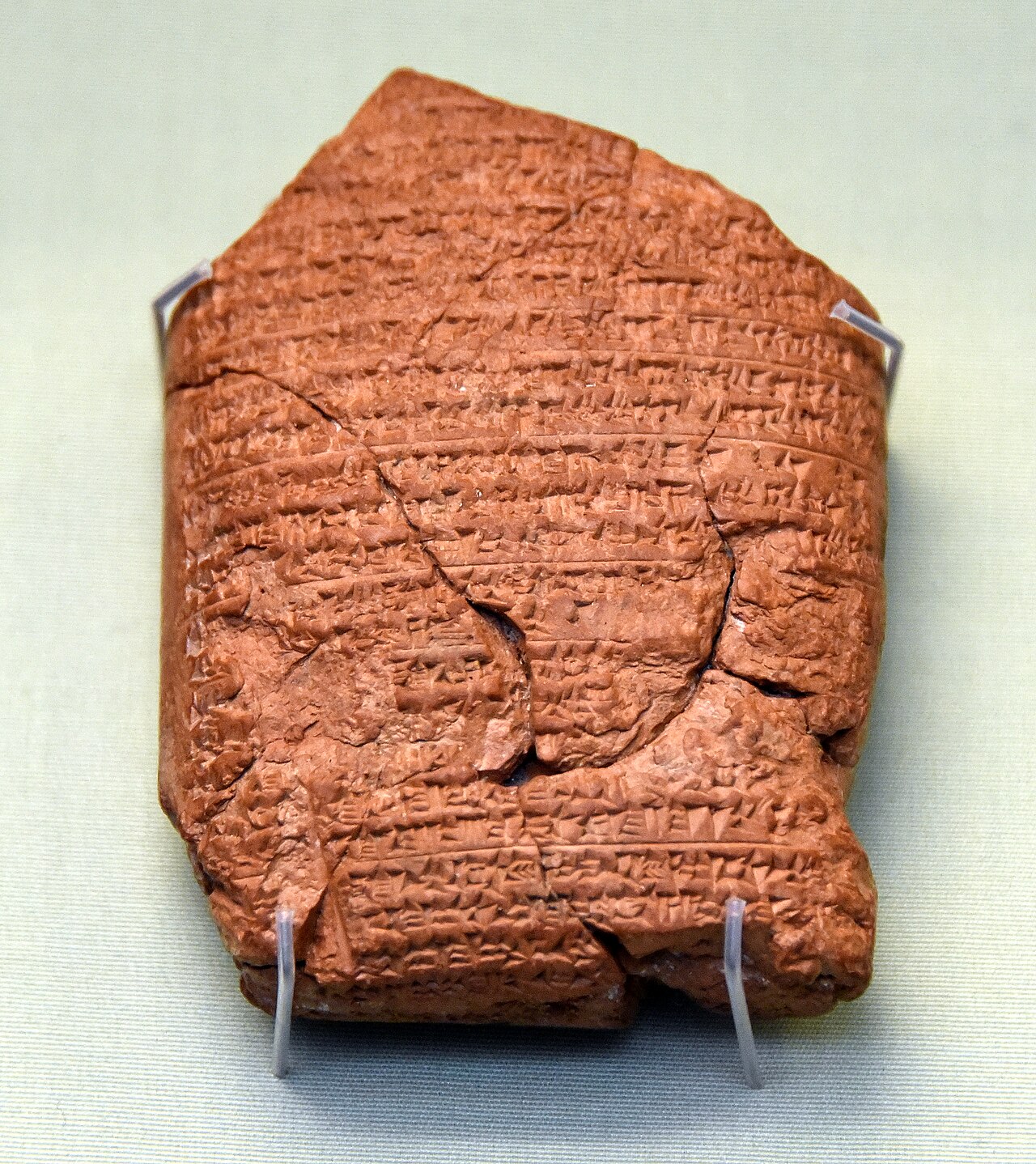 Document
Primary source
Nebuchadnezzar Chronicle
Babylonian scribes · c. 550-400 BC (recording events of 605-594 BC)
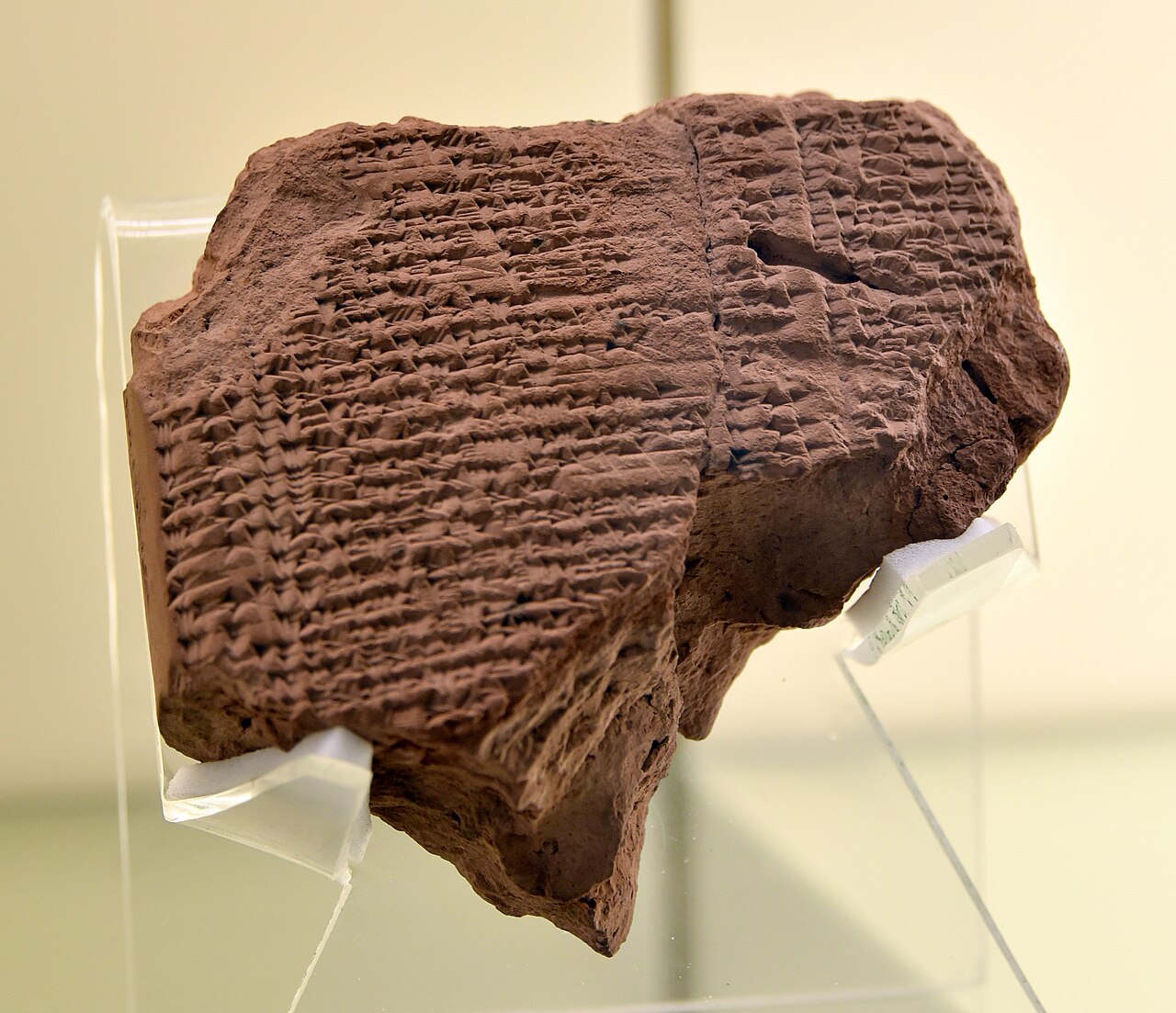 Document
Primary source
Jehoiachin's Rations Tablets
Babylonian palace scribes · c. 592 BC
 Document
Primary source
East India House Inscription
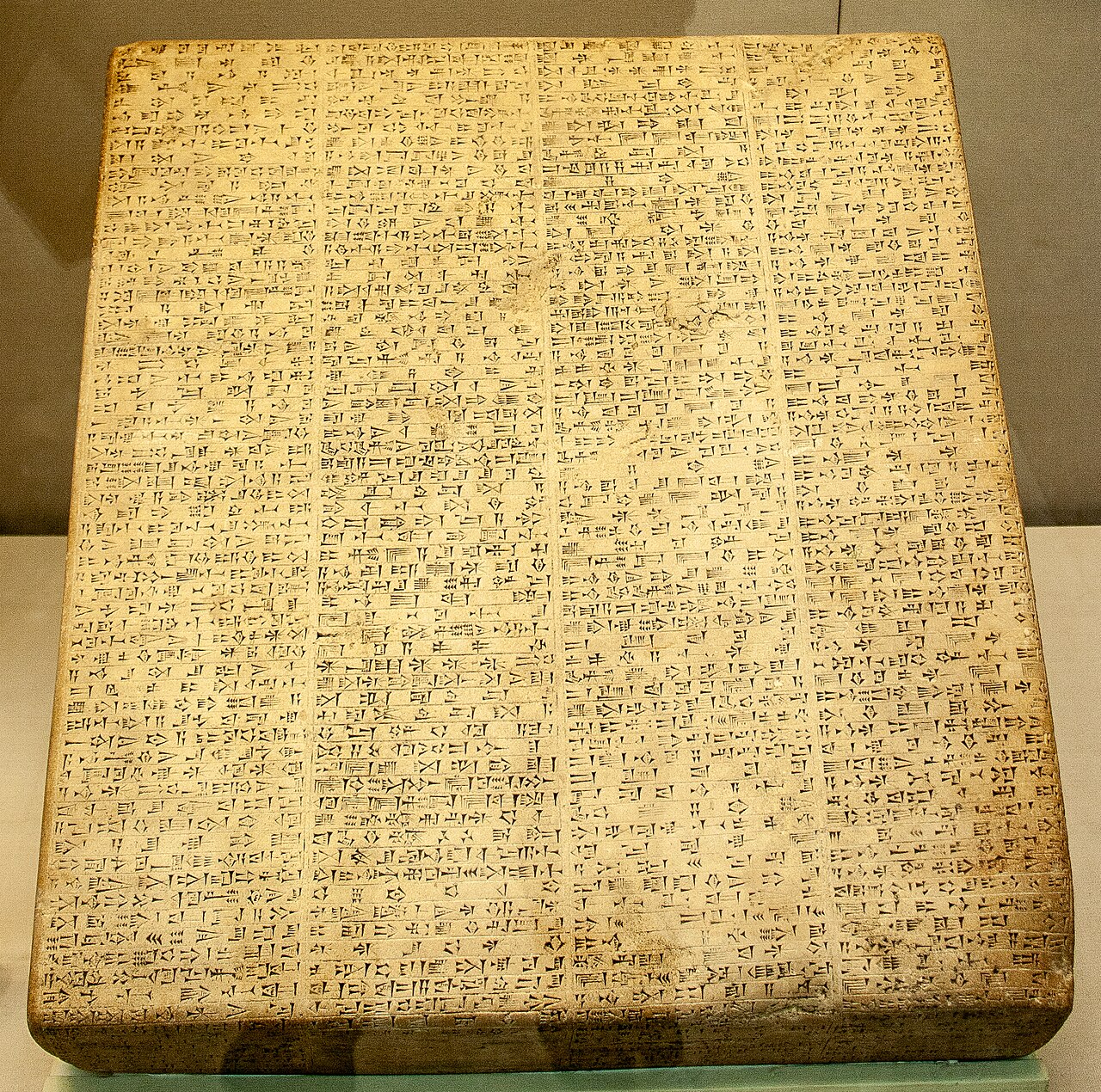
Nebuchadnezzar II (scribes writing for him) · 604-562 BC
 Book
Primary source
Book of Jeremiah
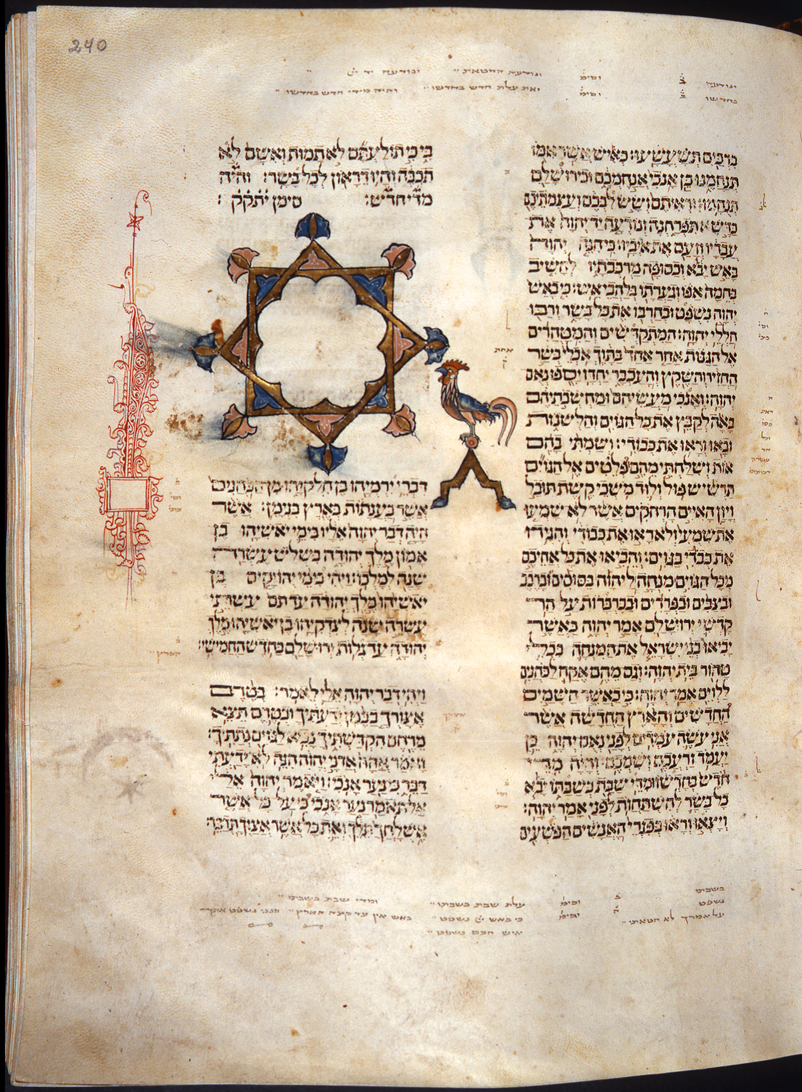
Jeremiah · c. 6th century BC (text); manuscript illuminated later
Ready when you are
Start chatting with Nebuchadnezzar II now.
20 messages free · No credit card · Available in 50+ languages.