


Primary sourceArtifact
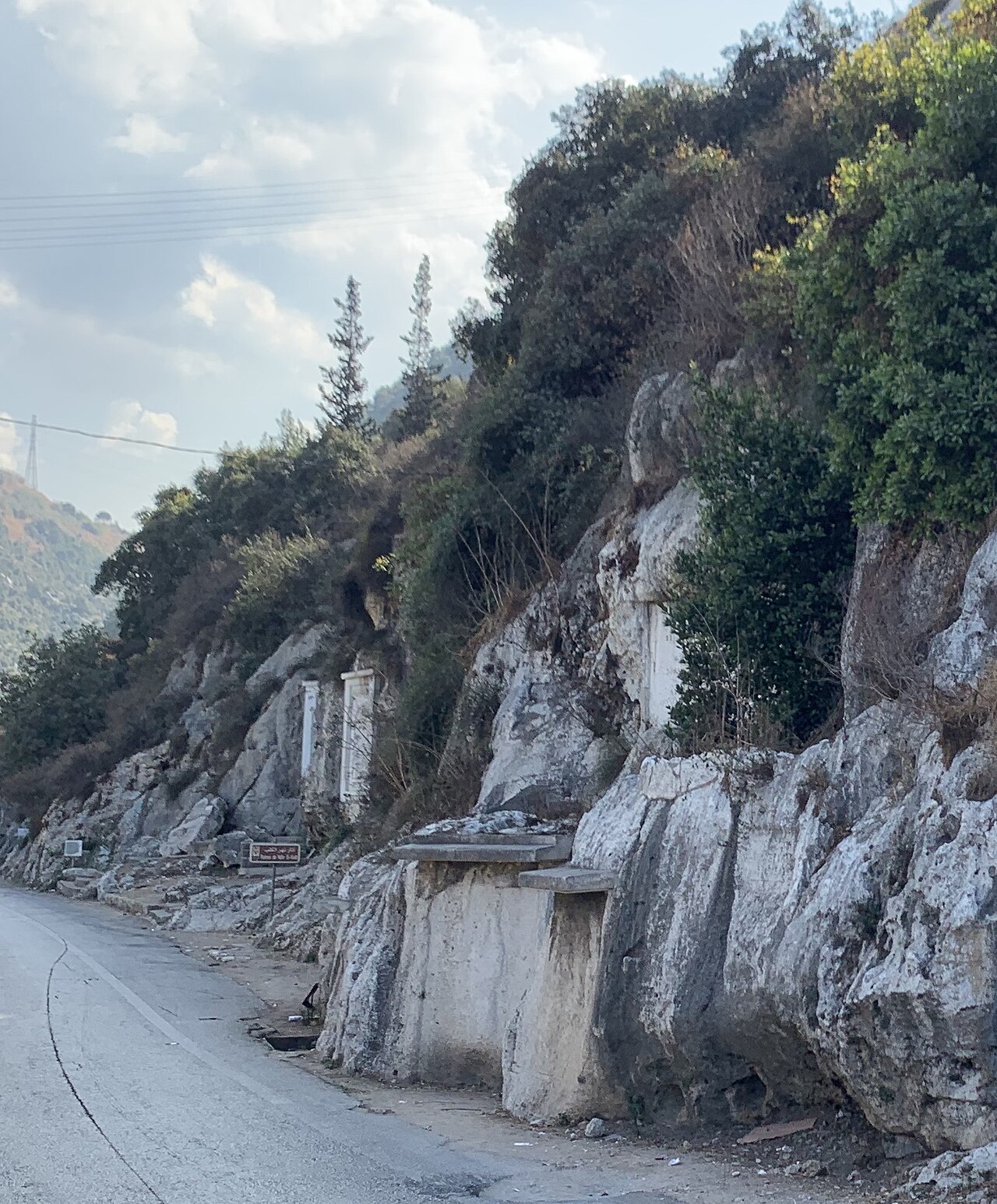
Stelae of Nahr el-Kalb
Nebuchadnezzar II (commissioner, one of several rulers represented)
A cliffside group of carved inscriptions near Beirut where Nebuchadnezzar II placed his own text alongside those of earlier conquerors like Ramesses II.
Nebuchadnezzar carved his own inscription here to proclaim his rule over the Levant, alongside earlier conquerors.
About this source
What it is
The Nahr el-Kalb site is a collection of over 20 inscriptions and rock reliefs carved into cliffs beside the Dog River in Lebanon. Conquerors from Ramesses II of Egypt to Assyrian and Neo-Babylonian kings, including Nebuchadnezzar II, carved texts here, along with later Roman, Arabic and modern inscriptions.
Why it matters
The site shows how, for centuries, rulers marked their control of this strategic coastal route by literally carving their names into the rock. Nebuchadnezzar's inscription placed him in the same tradition as Egyptian pharaoh Ramesses II and Assyrian king Esarhaddon, declaring his power over the Levant for anyone passing along the road.
Look closer
- Why would a king choose to carve his name next to the inscriptions of earlier rulers rather than somewhere new?
- What does placing an inscription on a well-travelled road suggest about who the message was meant for?
- What is missing from a stone inscription that a longer written record might include?
This artifact is part of the curated material that grounds the AI version of Nebuchadnezzar II on Humy.ai — when students ask about related events, the AI can quote it and cite it.
More Nebuchadnezzar II sources
Meet the AI Nebuchadnezzar II →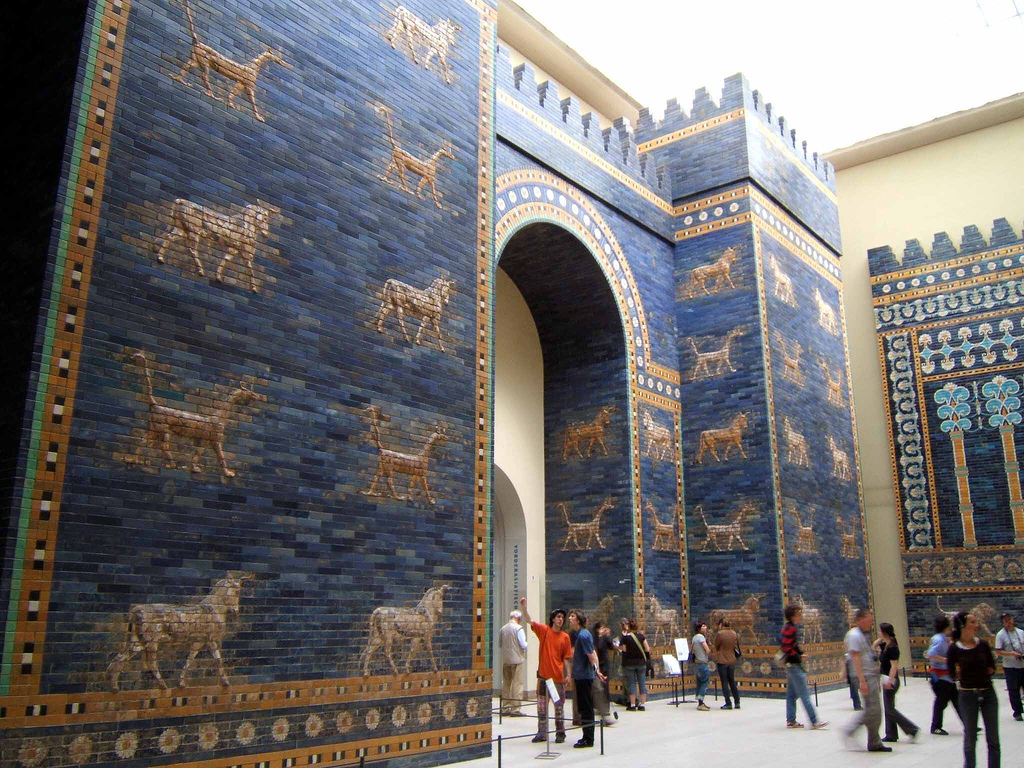 Artifact
Primary source
Ishtar Gate
c. 574 BC
 Document
Primary source
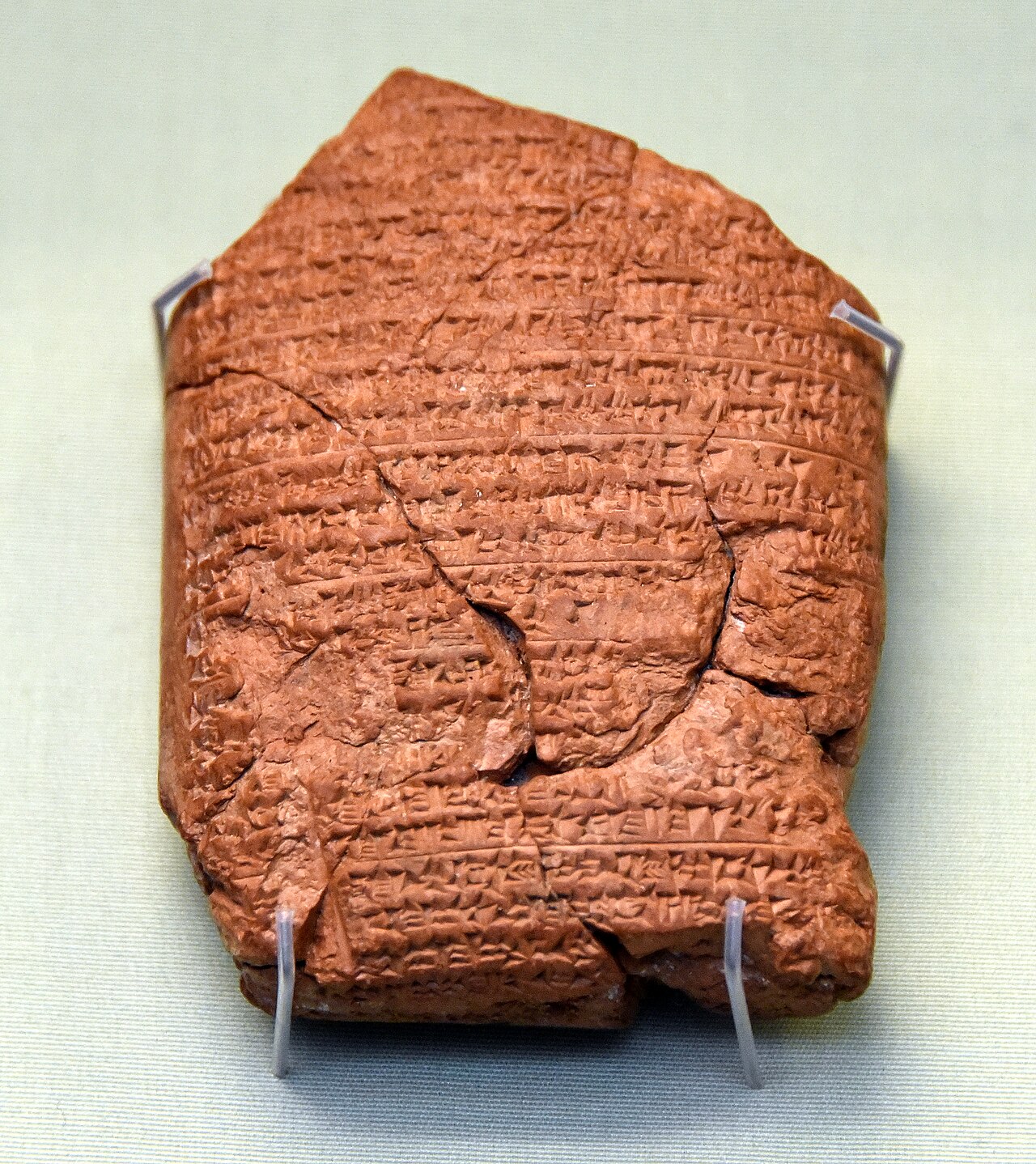
Nebuchadnezzar Chronicle
Babylonian scribes · c. 550-400 BC (recording events of 605-594 BC)
 Document
Primary source
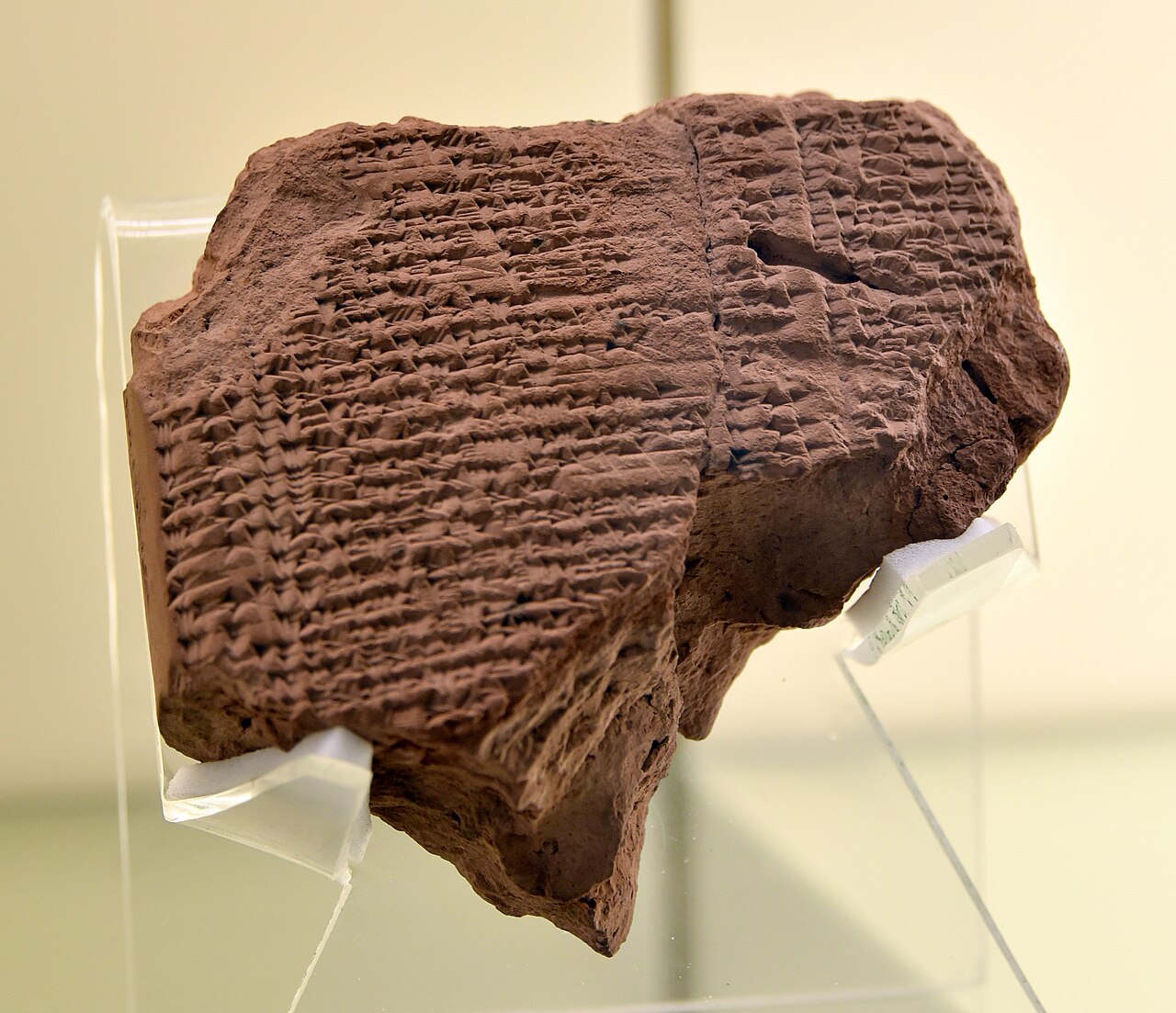
Jehoiachin's Rations Tablets
Babylonian palace scribes · c. 592 BC
 Document
Primary source
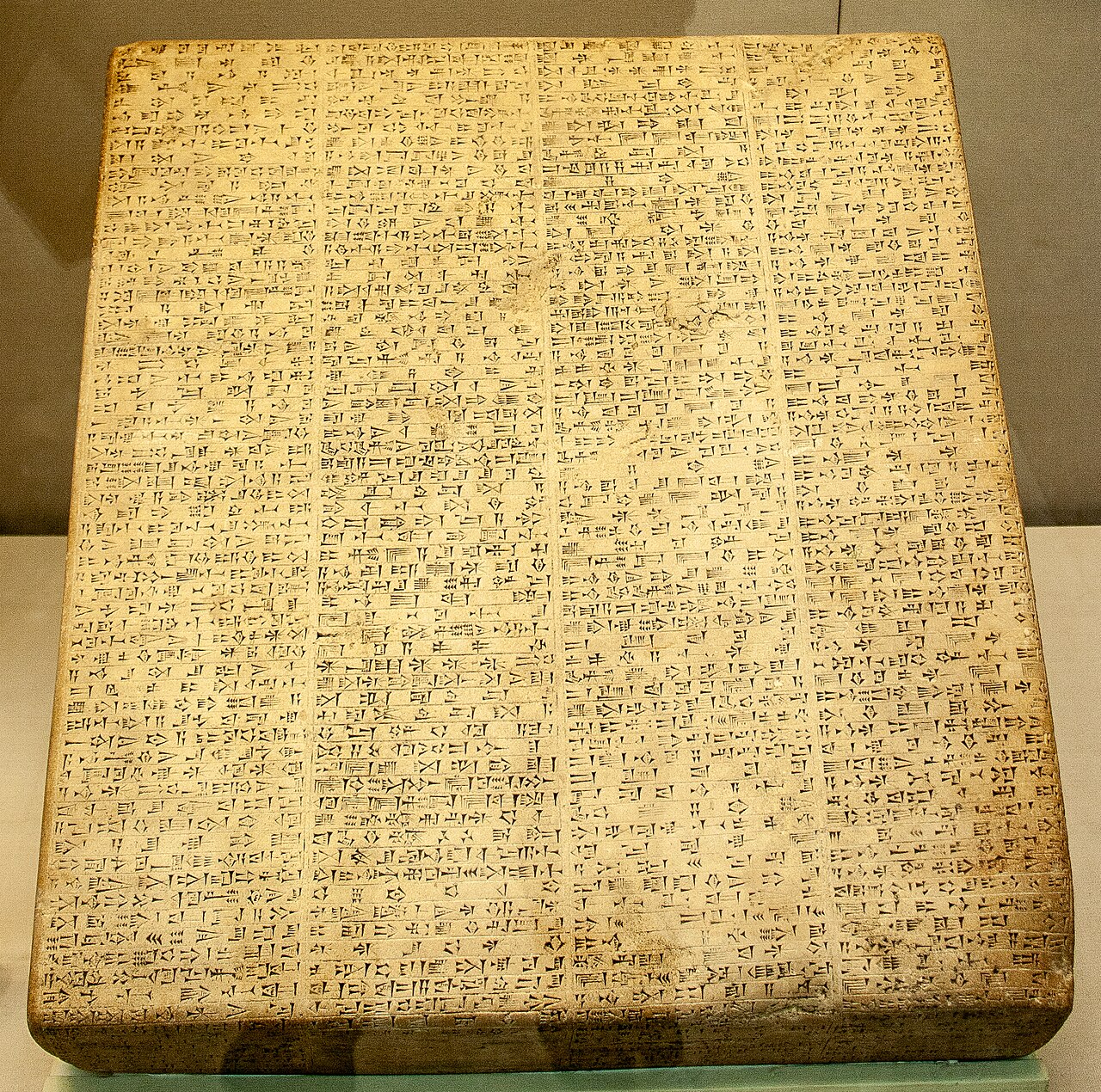
East India House Inscription
Nebuchadnezzar II (scribes writing for him) · 604-562 BC
 Book
Primary source
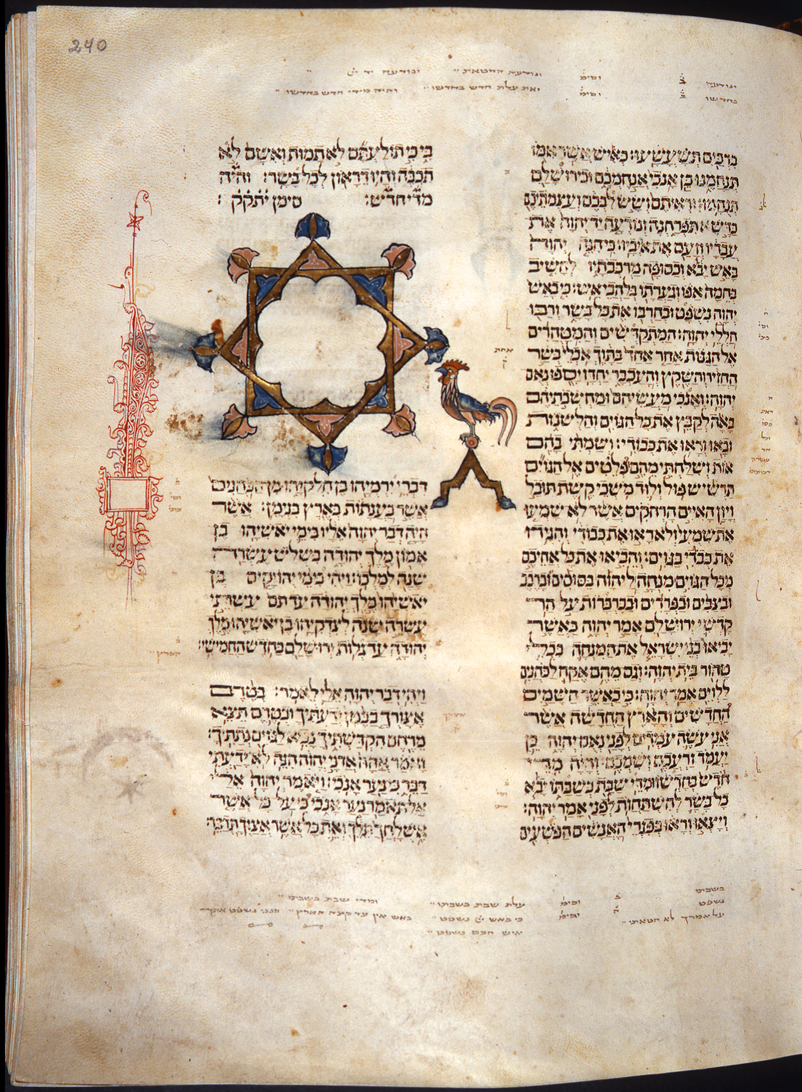
Book of Jeremiah
Jeremiah · c. 6th century BC (text); manuscript illuminated later
Ready when you are
Start chatting with Nebuchadnezzar II now.
20 messages free · No credit card · Available in 50+ languages.