


Secondary sourceDocument1841
Nabucco
Giuseppe Verdi · 1841
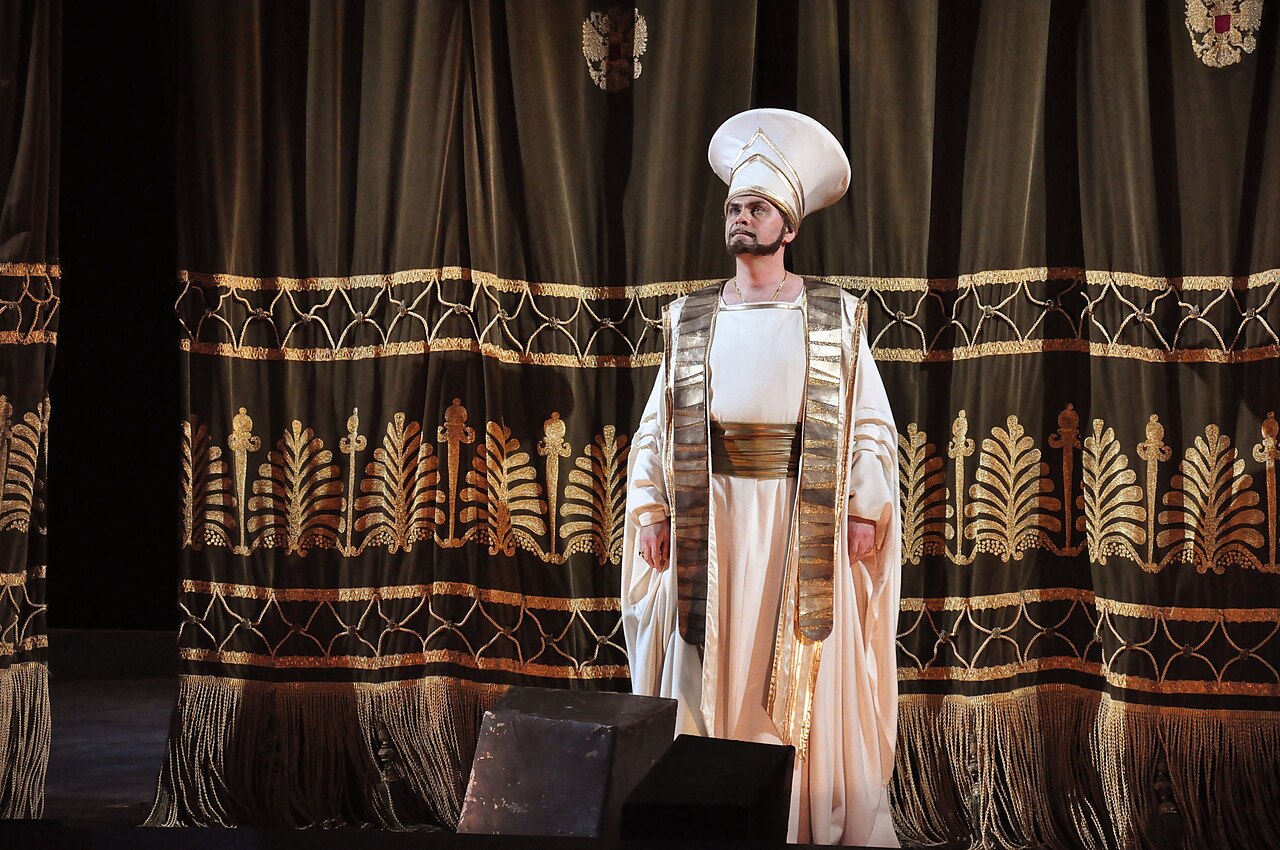
Verdi's 1841 opera retells the Babylonian captivity of the Hebrews under King Nebuchadnezzar, using his story as a symbol of Italian national struggle.
This opera makes Nebuchadnezzar the central character, reimagining him as a symbol in 19th-century Italian politics.
About this source
What it is
Nabucco is a four-act Italian opera composed by Giuseppe Verdi in 1841, with a libretto by Temistocle Solera based on biblical books and an earlier play. It premiered at La Scala in Milan in 1842 and is still performed today.
Why it matters
The opera dramatizes the conquest and exile of the Hebrews by the Babylonian king Nabucco (Nebuchadnezzar II), mixing history with romance and politics. Its famous chorus 'Va, pensiero' became linked to Italian longing for independence, showing how an ancient king's story could be reused centuries later as a political symbol. The opera also marks the start of Verdi's reputation as a major composer.
Look closer
- Why might 19th-century Italians have identified with the exiled Hebrews rather than the Babylonian king?
- How does turning a historical figure into an opera character change how people remember him?
- What does the costume in the photograph suggest about how Nebuchadnezzar was imagined on stage?
This document is part of the curated material that grounds the AI version of Nebuchadnezzar II on Humy.ai — when students ask about related events, the AI can quote it and cite it.
More Nebuchadnezzar II sources
Meet the AI Nebuchadnezzar II →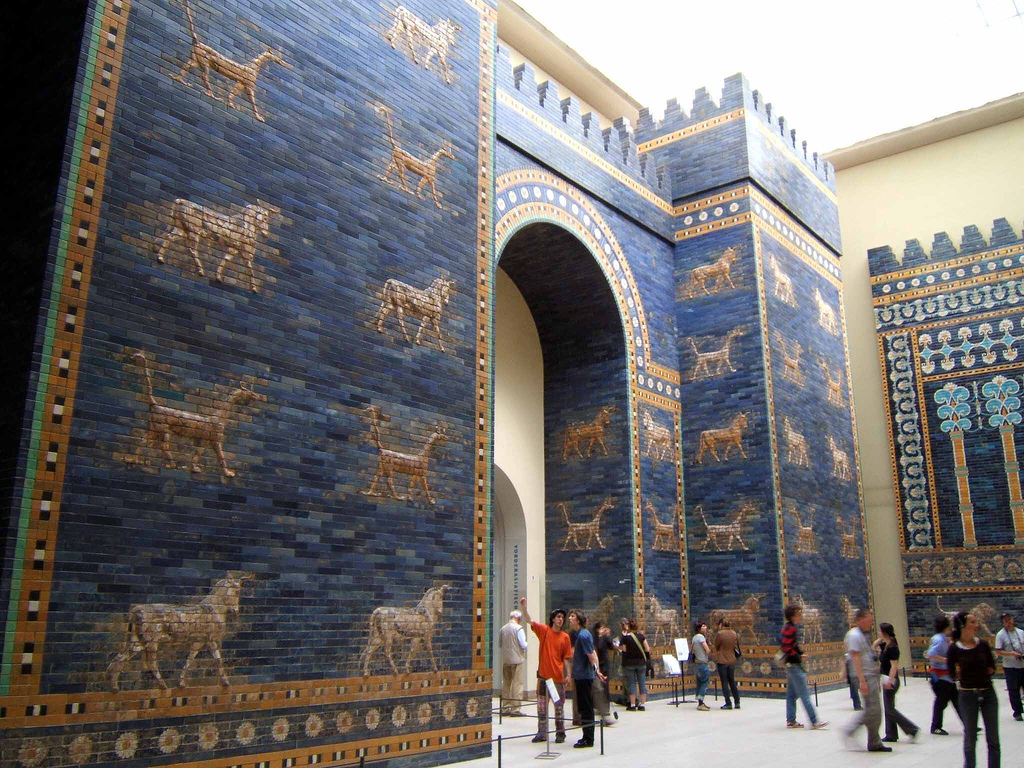 Artifact
Primary source
Ishtar Gate
c. 574 BC
 Document
Primary source
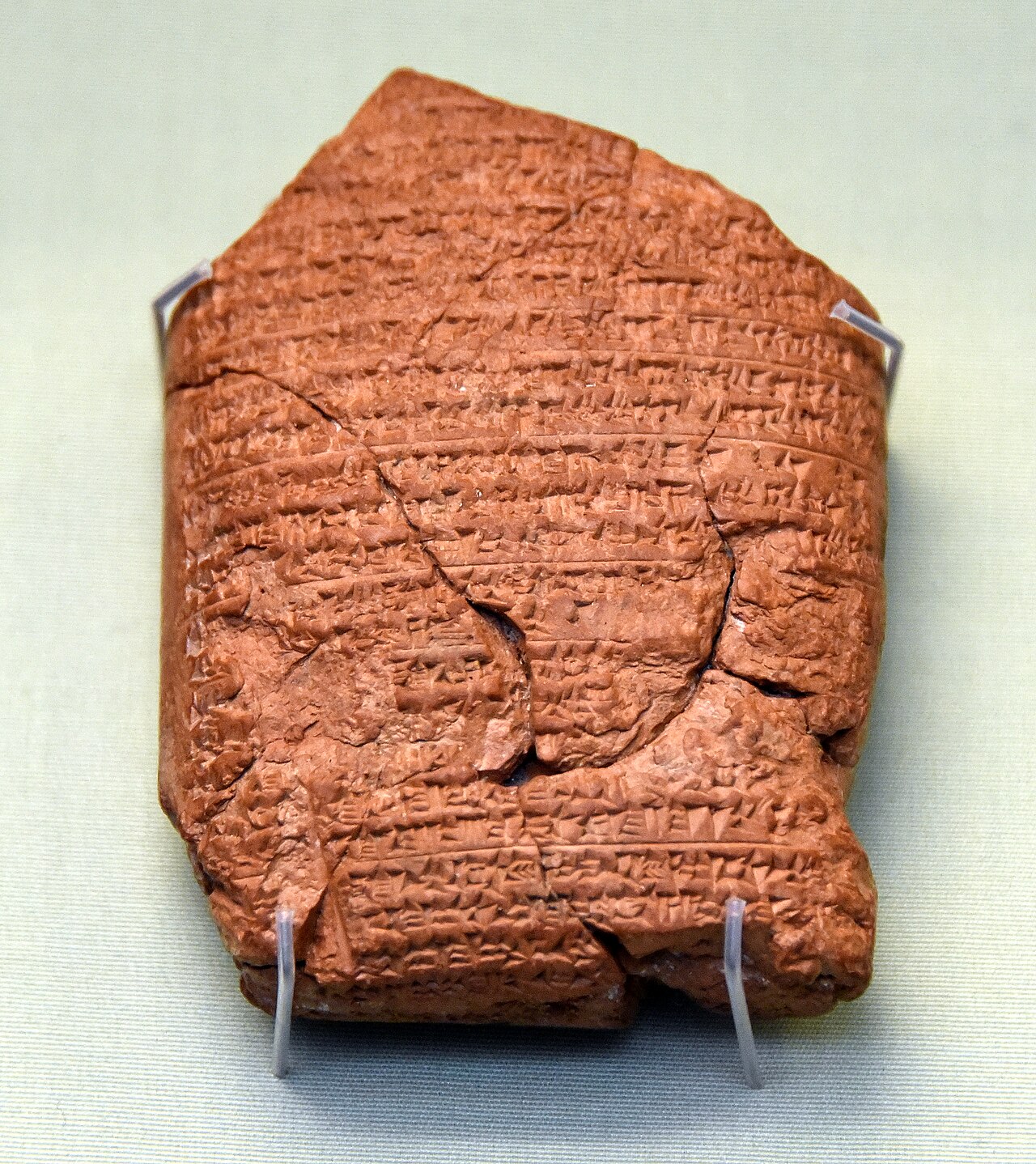
Nebuchadnezzar Chronicle
Babylonian scribes · c. 550-400 BC (recording events of 605-594 BC)
 Document
Primary source
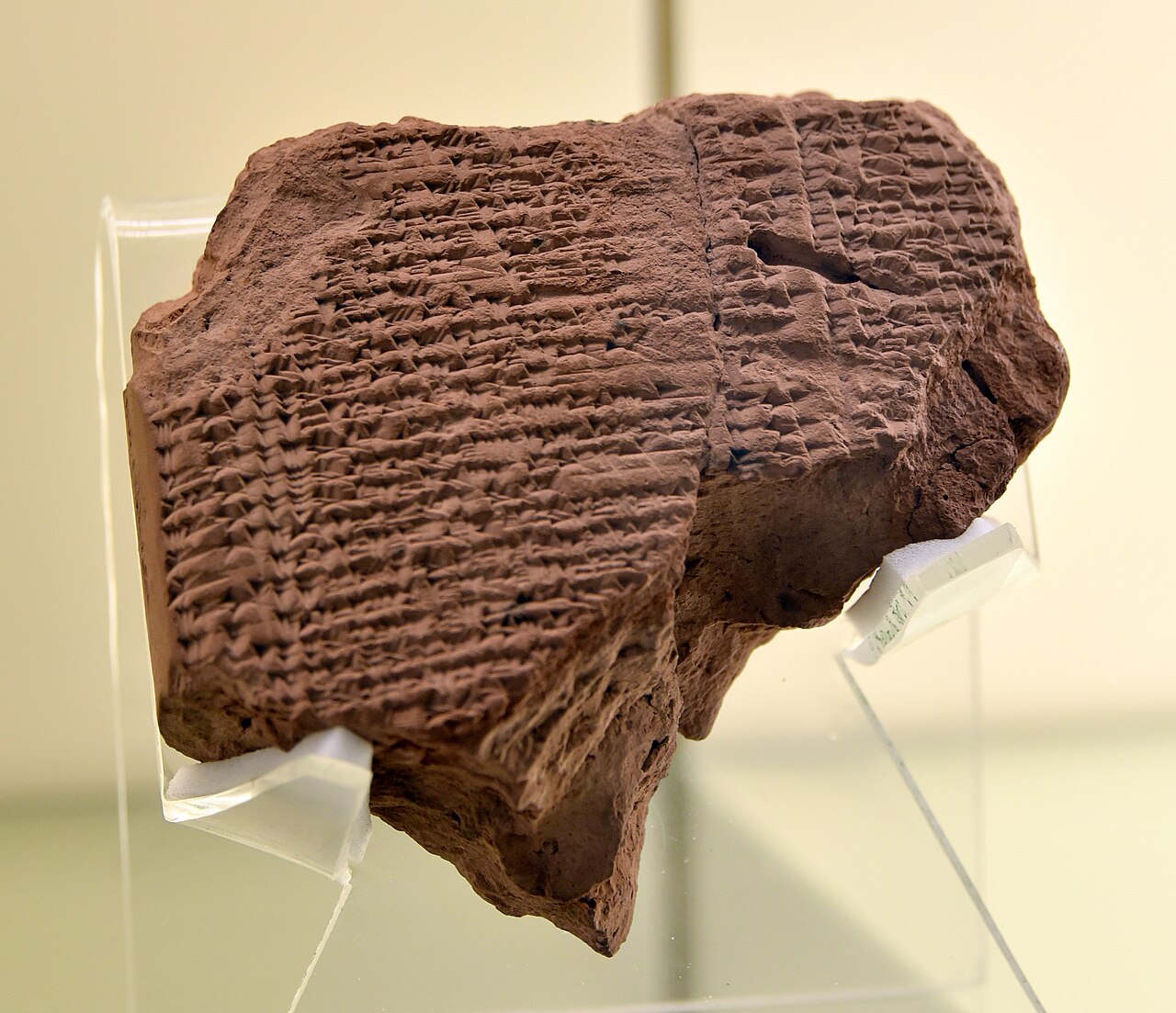
Jehoiachin's Rations Tablets
Babylonian palace scribes · c. 592 BC
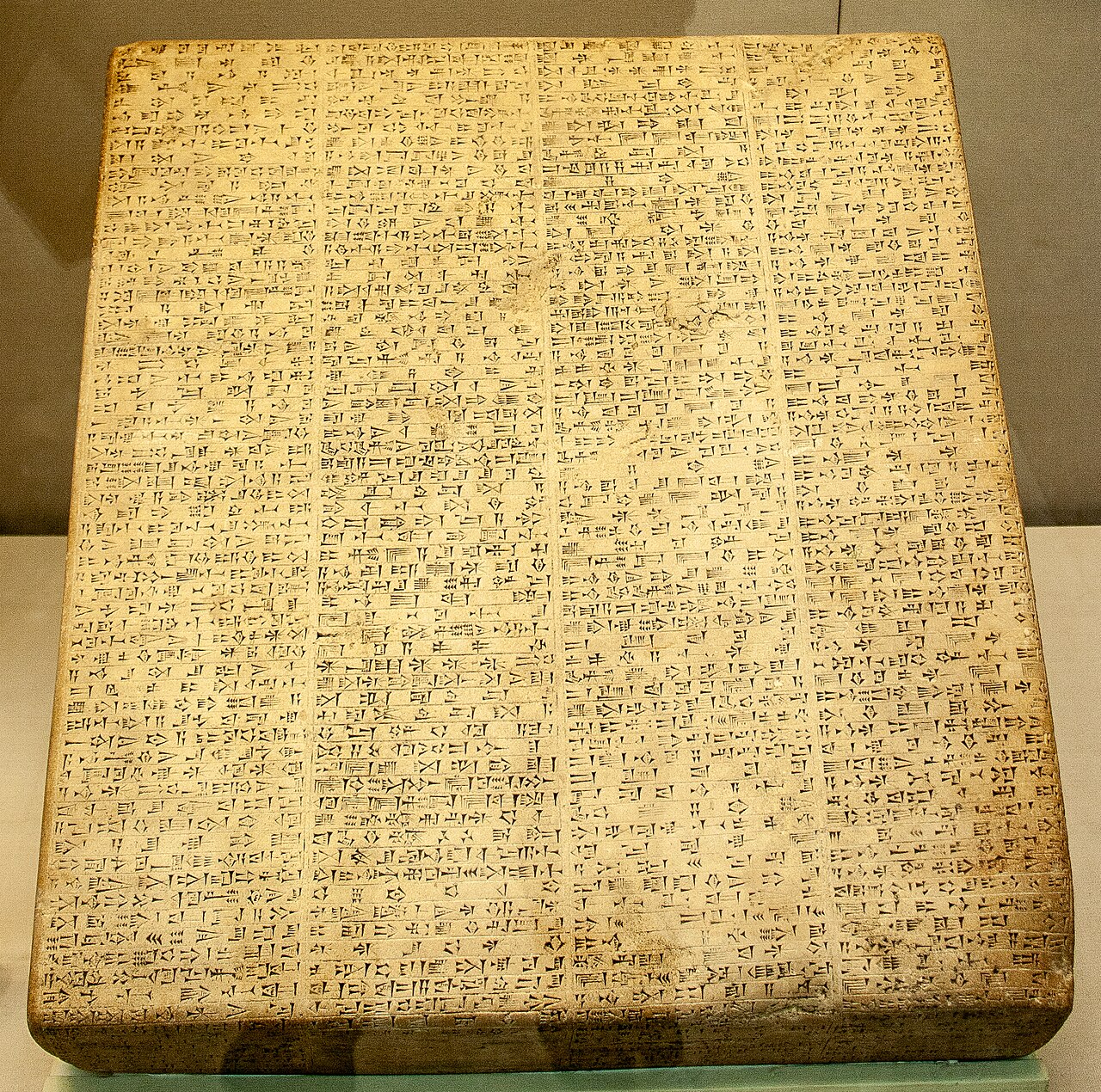 Document
Primary source
East India House Inscription
Nebuchadnezzar II (scribes writing for him) · 604-562 BC
 Book
Primary source
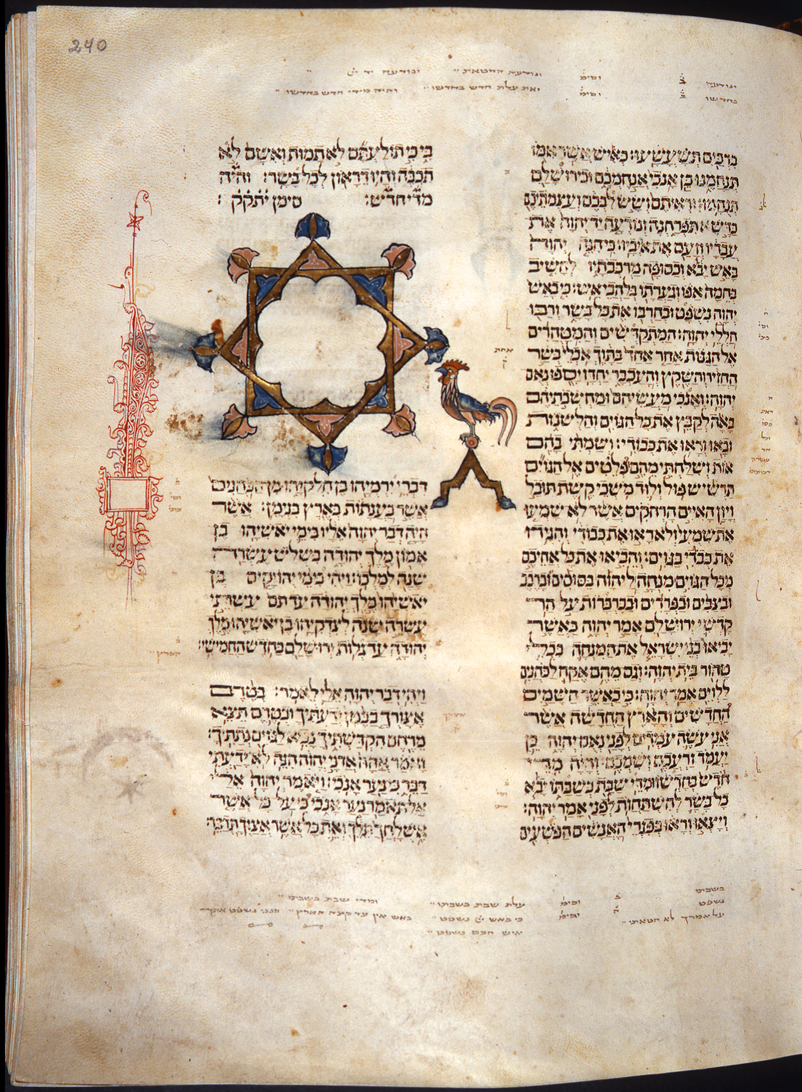
Book of Jeremiah
Jeremiah · c. 6th century BC (text); manuscript illuminated later
Ready when you are
Start chatting with Nebuchadnezzar II now.
20 messages free · No credit card · Available in 50+ languages.