


Primary sourceDocumentc. 604–562 BCE
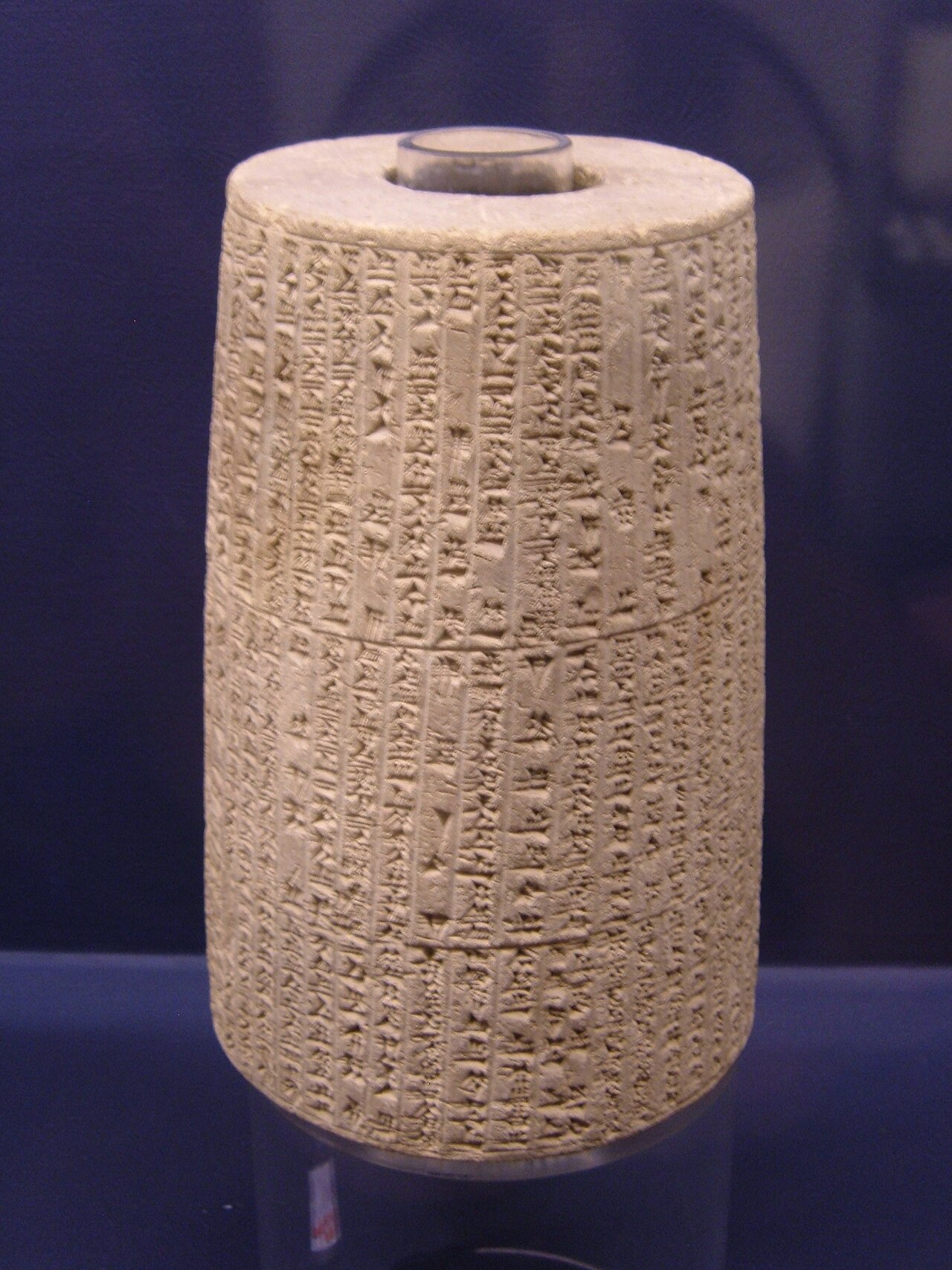
Foundation (barrel) cylinders of Nebuchadnezzar II
Scribes of Nebuchadnezzar II · c. 604–562 BCE
Clay cylinders buried in temple foundations recording Nebuchadnezzar's rebuilding works and devotion to the gods Marduk and Nabu.
Buried in temple foundations, these cylinders record Nebuchadnezzar's own account of his building works and devotion to the gods.
About this source
What it is
These are clay barrel-shaped cylinders made by scribes working for Nebuchadnezzar II, dating from around 604–562 BCE. They were buried inside the foundations of temples such as Ebabbar at Sippar and Ezida at Borsippa. Examples survive in the British Museum, the Penn Museum, and the Yale Babylonian Collection.
Why it matters
Written in the king's own voice, the cylinders describe his building and restoration of temples and his piety toward the gods Marduk and Nabu. They were not meant to be read by ordinary people but to be sealed into a building forever, as a message to the gods and to future rulers who might one day rebuild the same structure.
Look closer
- Why would a king bury a written record where no living person could read it?
- What does the focus on piety and temple-building suggest about how Nebuchadnezzar wanted to be remembered?
- Whose voice is really speaking here — the king's, or the scribes who wrote for him?
This document is part of the curated material that grounds the AI version of Nebuchadnezzar II on Humy.ai — when students ask about related events, the AI can quote it and cite it.
More Nebuchadnezzar II sources
Meet the AI Nebuchadnezzar II →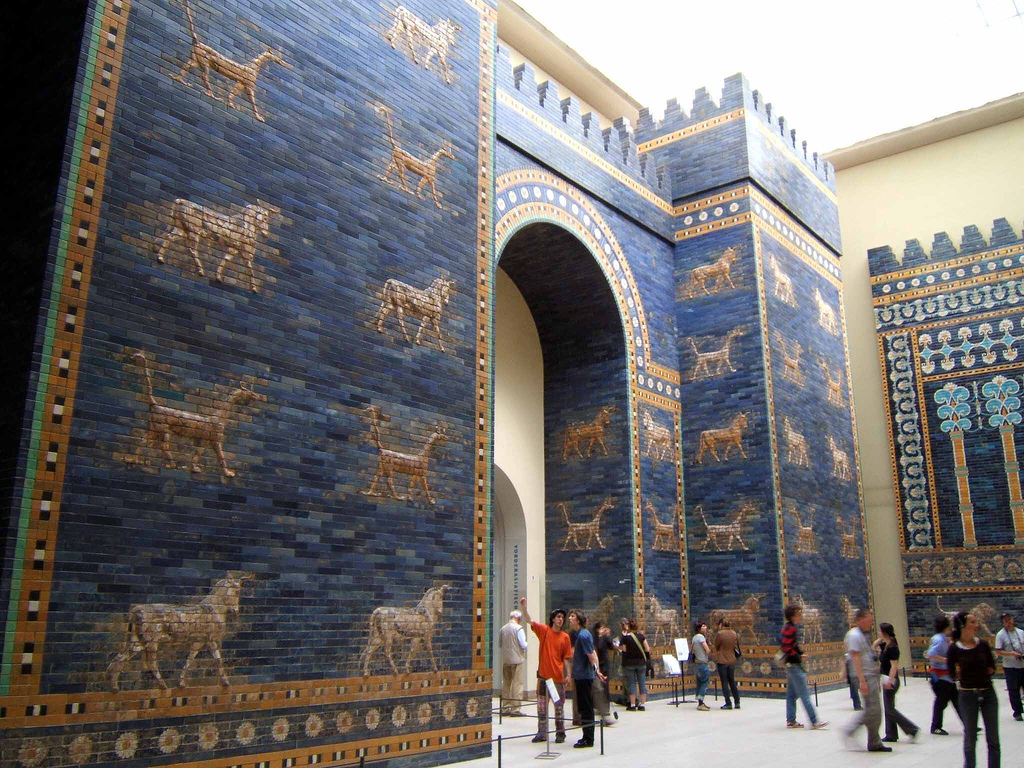 Artifact
Primary source
Ishtar Gate
c. 574 BC
 Document
Primary source
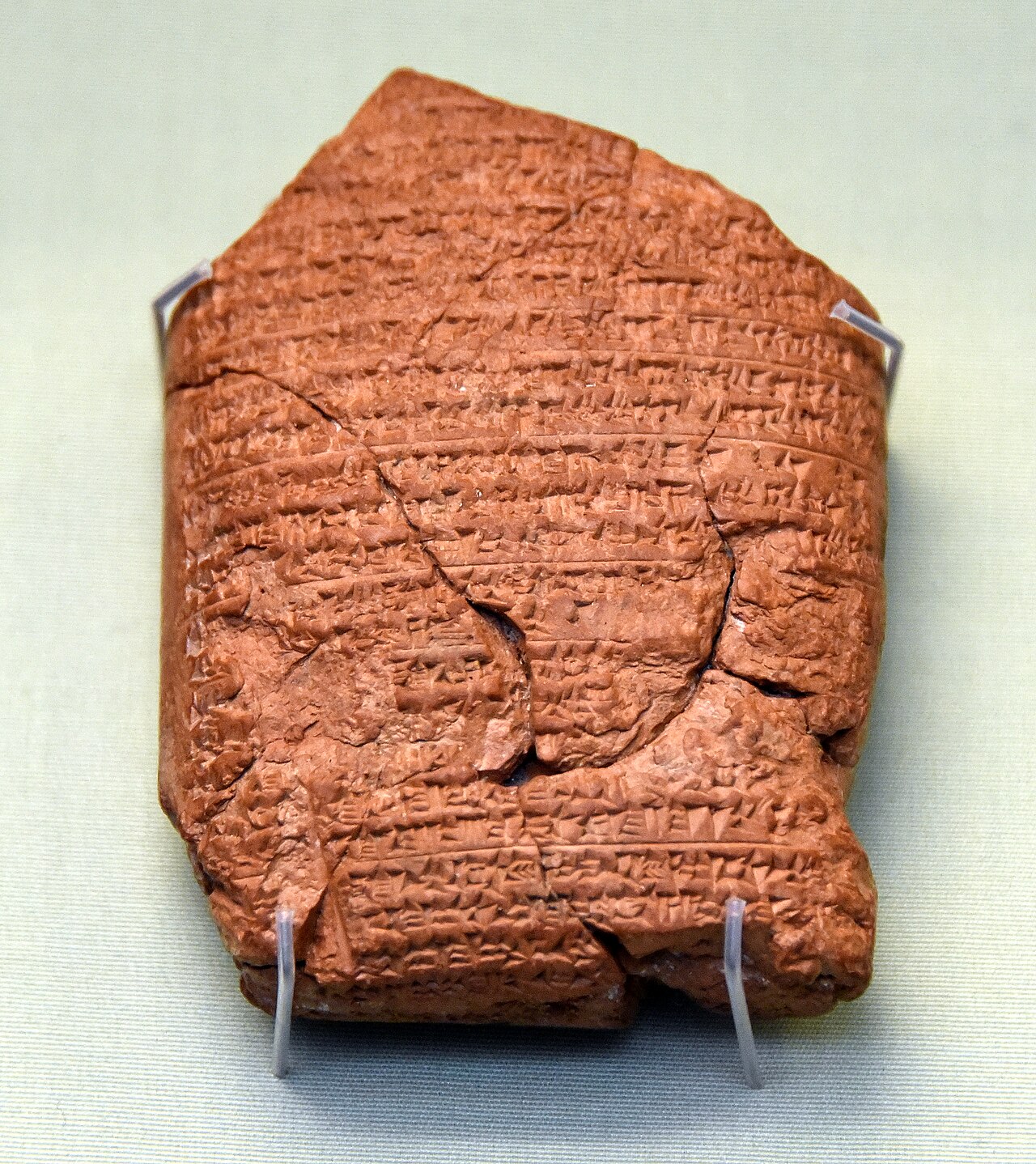
Nebuchadnezzar Chronicle
Babylonian scribes · c. 550-400 BC (recording events of 605-594 BC)
 Document
Primary source
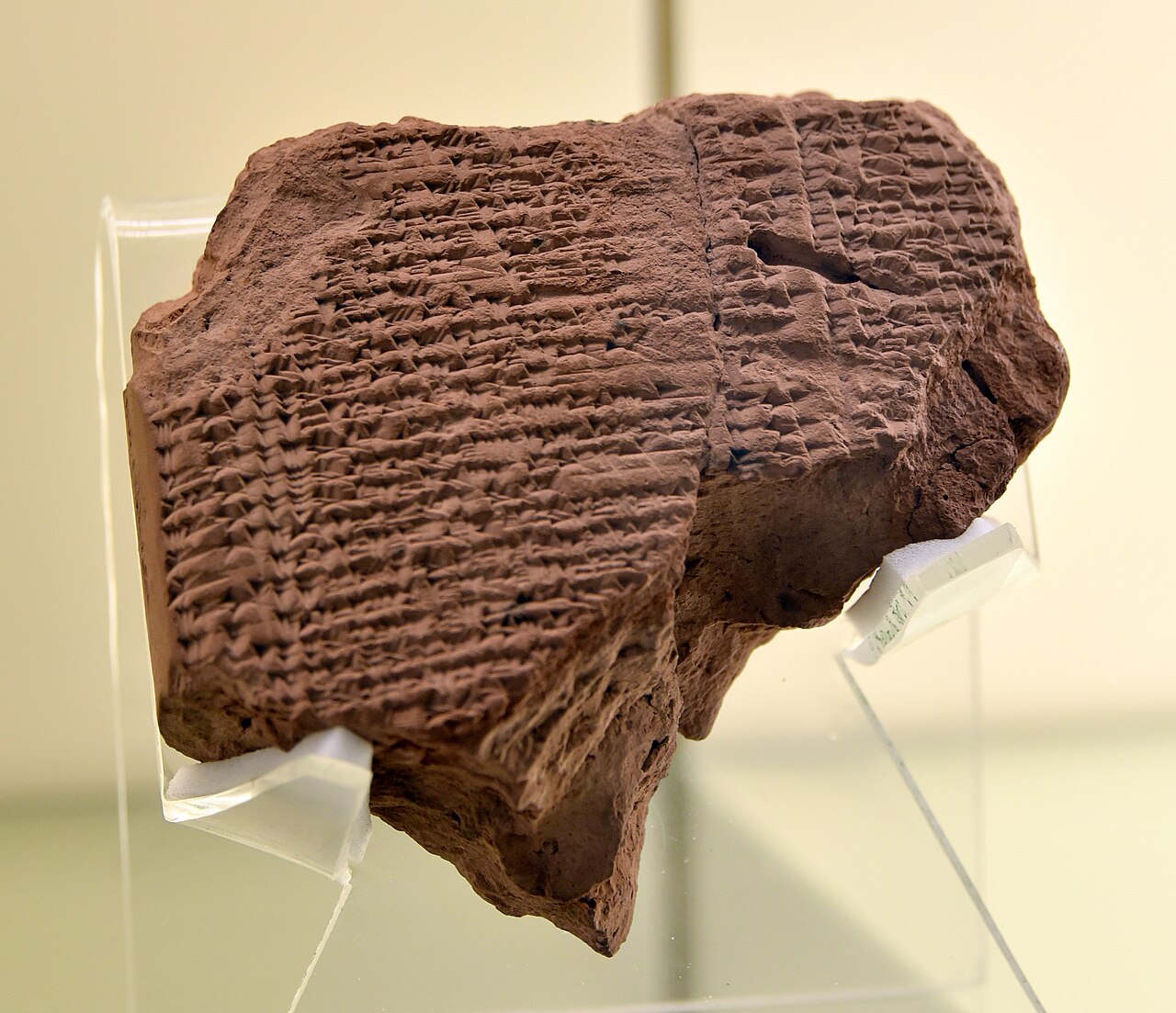
Jehoiachin's Rations Tablets
Babylonian palace scribes · c. 592 BC
 Document
Primary source
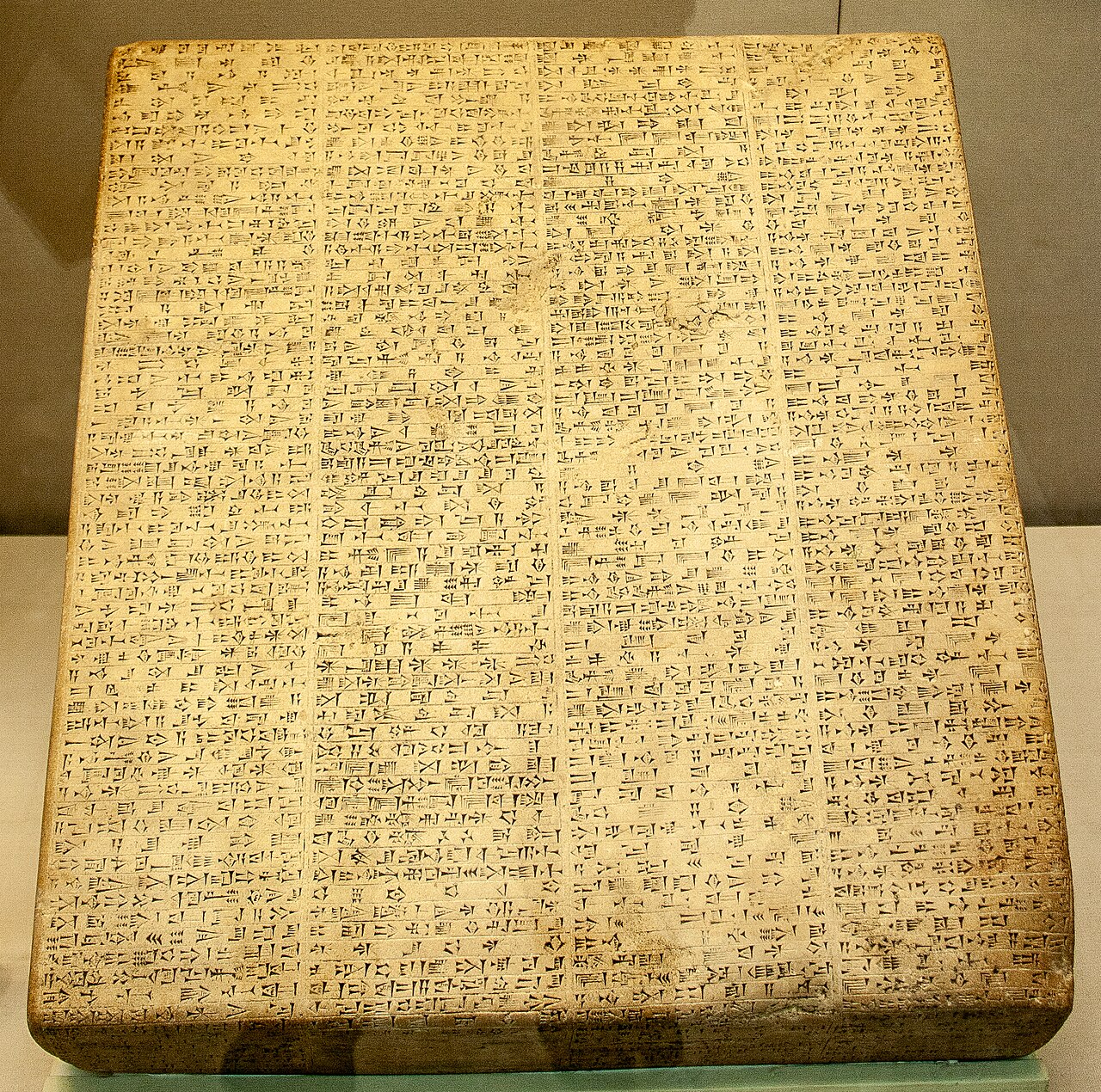
East India House Inscription
Nebuchadnezzar II (scribes writing for him) · 604-562 BC
 Book
Primary source
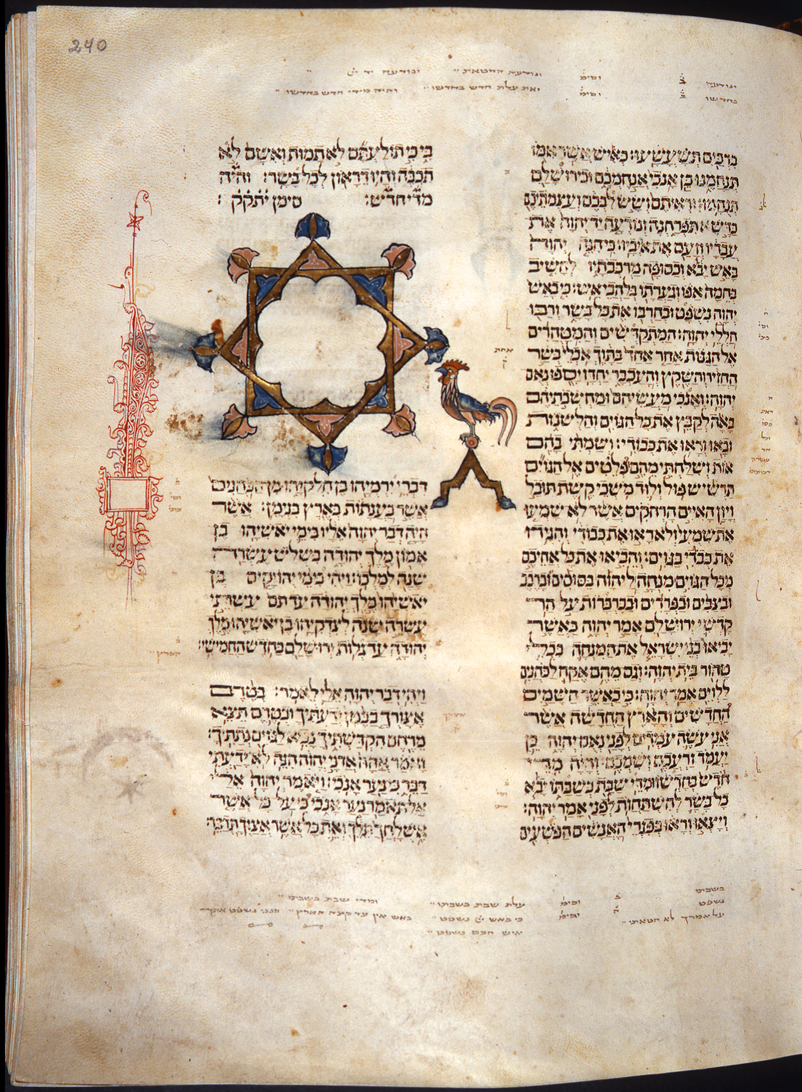
Book of Jeremiah
Jeremiah · c. 6th century BC (text); manuscript illuminated later
Ready when you are
Start chatting with Nebuchadnezzar II now.
20 messages free · No credit card · Available in 50+ languages.