


Primary sourceArtifactc. 604–562 BCE
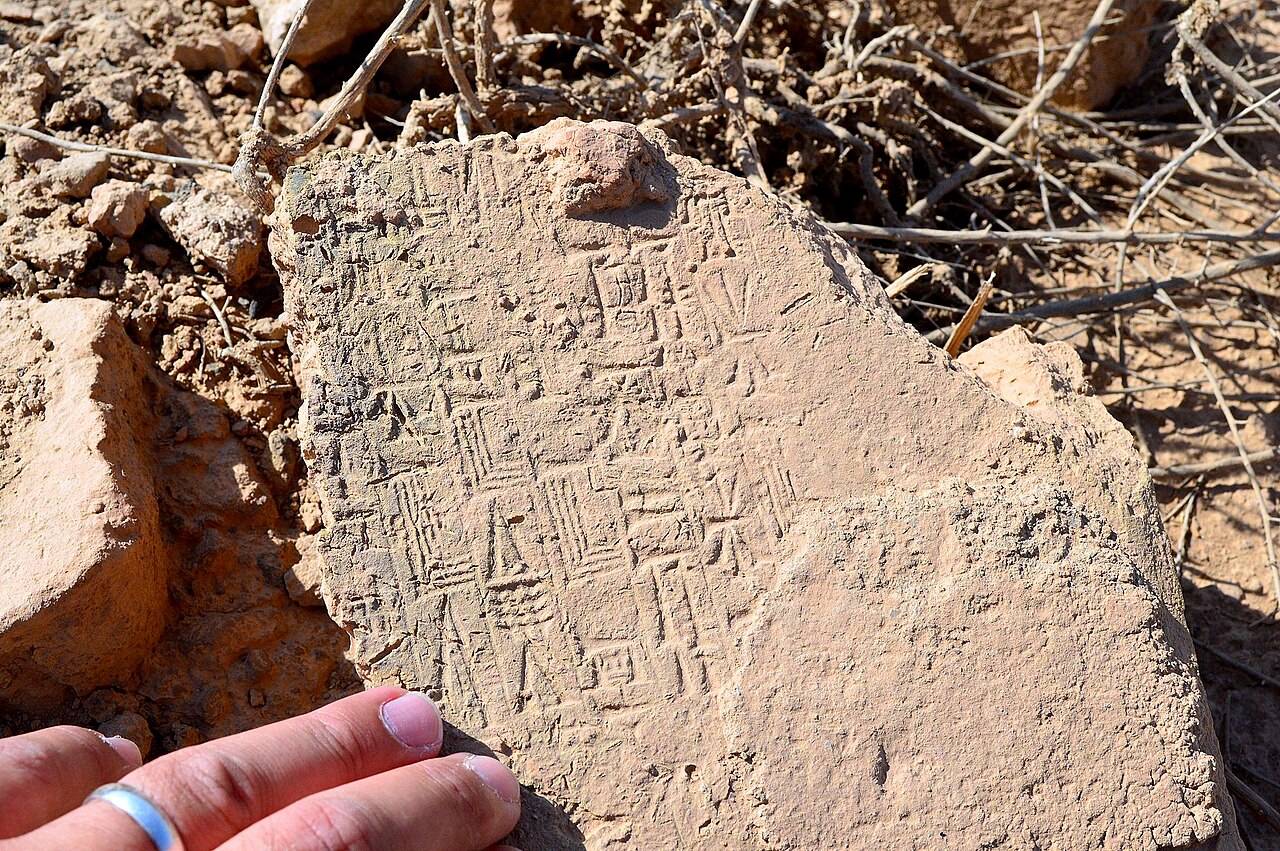
Stamped bricks of Nebuchadnezzar II
Royal brickworks of Nebuchadnezzar II · c. 604–562 BCE
Mass-produced mud bricks stamped with Nebuchadnezzar's name and titles, used across Babylon's buildings.
Each brick was stamped with Nebuchadnezzar's own name and titles, showing how he marked his buildings as his.
About this source
What it is
These are mud bricks stamped with a royal inscription naming Nebuchadnezzar, king of Babylon, and his father Nabopolassar. They date from around 604–562 BCE and were mass-produced for use in Babylon's buildings. Examples are held in the British Museum, the Metropolitan Museum of Art, the Pergamonmuseum and other collections.
Why it matters
Because they were made in huge numbers, these bricks are the most common surviving objects linked to Nebuchadnezzar. They show how the king put his name on the very fabric of his capital, making his building projects a constant public statement of royal power.
Look closer
- Why would a king want his name stamped on ordinary building material rather than only on grand monuments?
- What does the survival of so many of these bricks tell you about the scale of his building works?
- What is missing from a brick inscription that you might find in a longer royal text?
This artifact is part of the curated material that grounds the AI version of Nebuchadnezzar II on Humy.ai — when students ask about related events, the AI can quote it and cite it.
More Nebuchadnezzar II sources
Meet the AI Nebuchadnezzar II →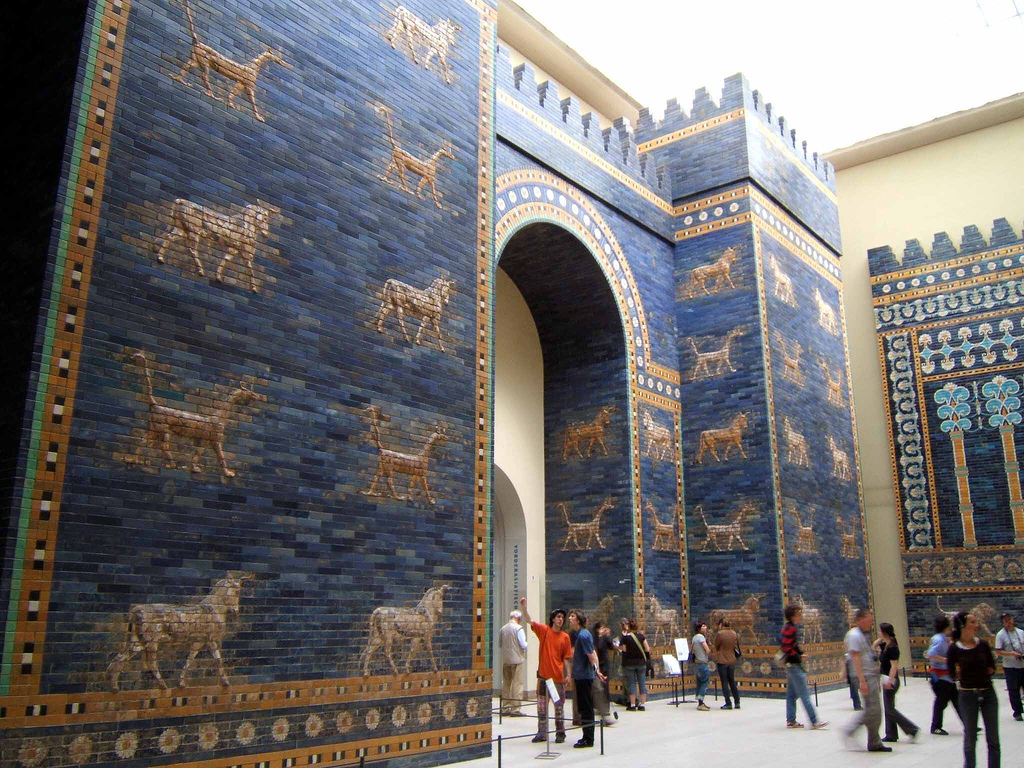 Artifact
Primary source
Ishtar Gate
c. 574 BC
 Document
Primary source
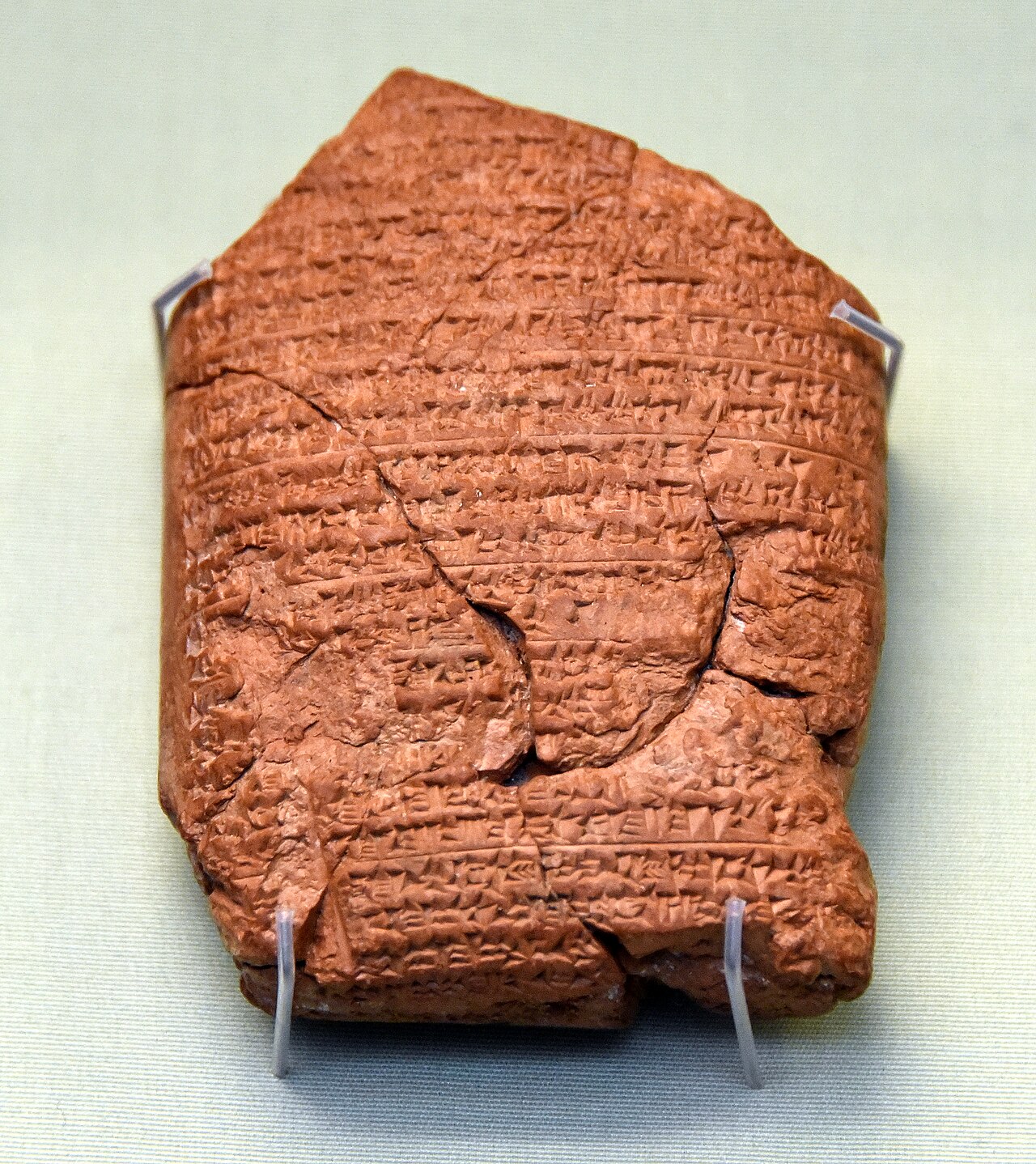
Nebuchadnezzar Chronicle
Babylonian scribes · c. 550-400 BC (recording events of 605-594 BC)
 Document
Primary source
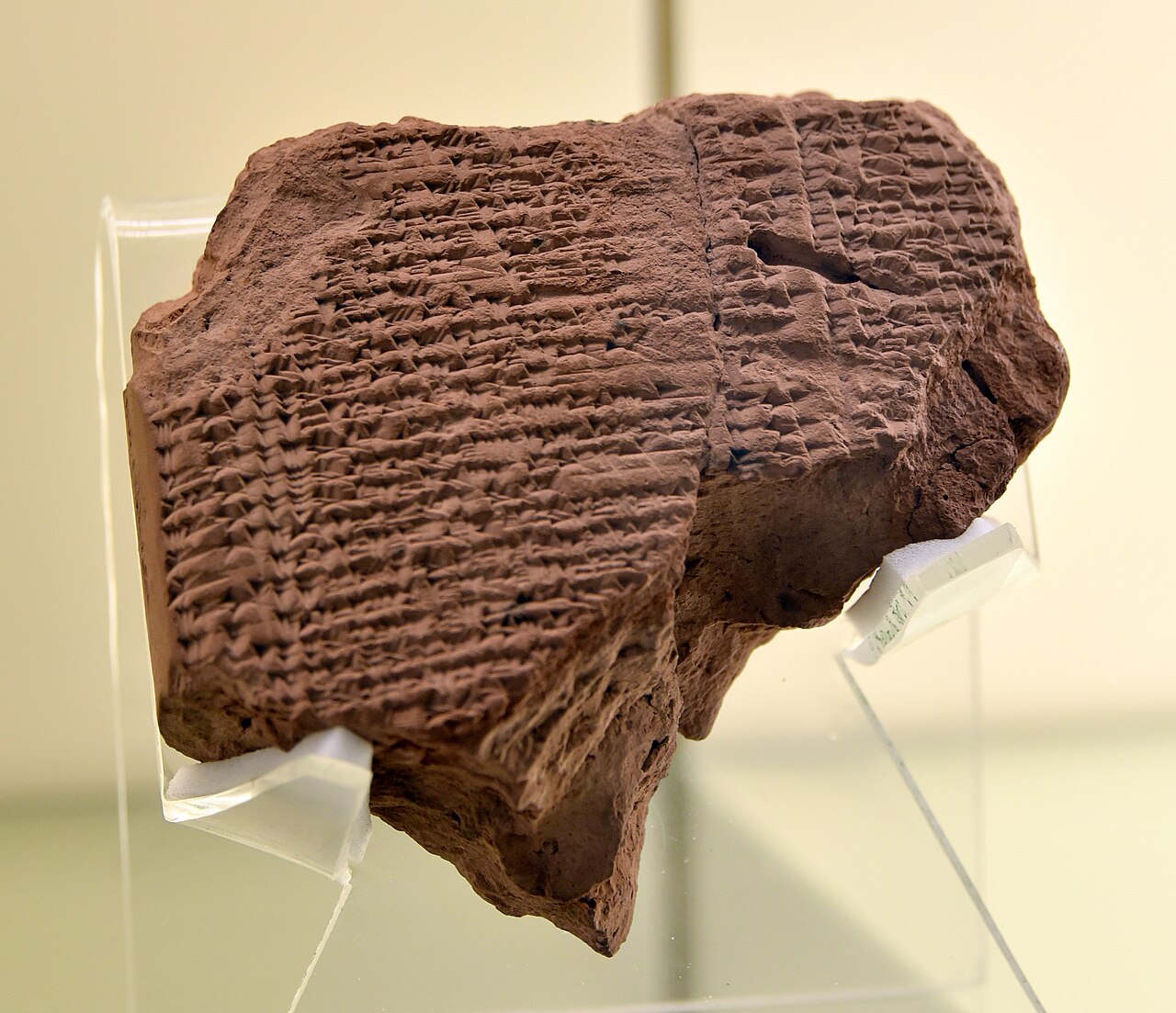
Jehoiachin's Rations Tablets
Babylonian palace scribes · c. 592 BC
 Document
Primary source
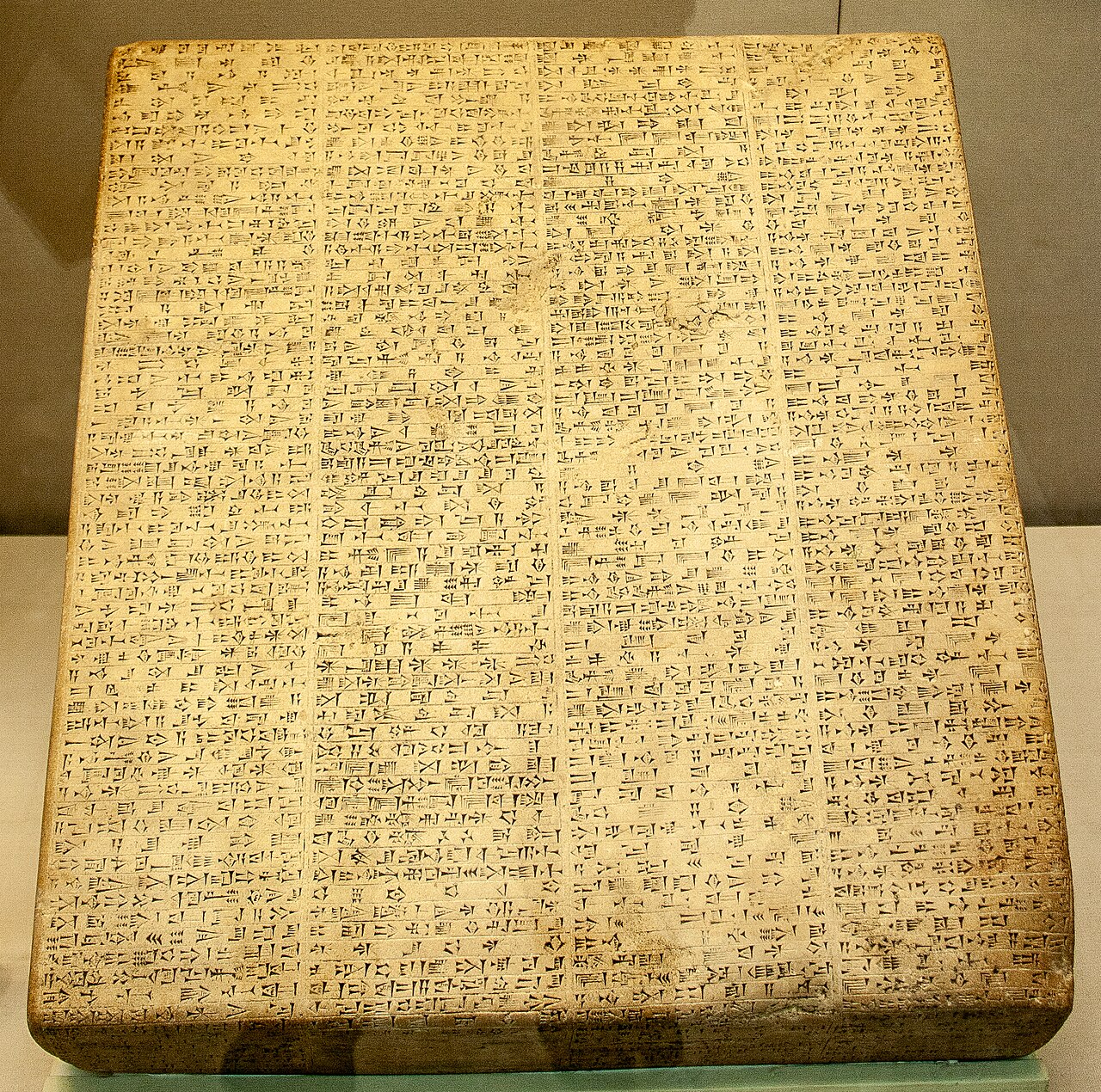
East India House Inscription
Nebuchadnezzar II (scribes writing for him) · 604-562 BC
 Book
Primary source
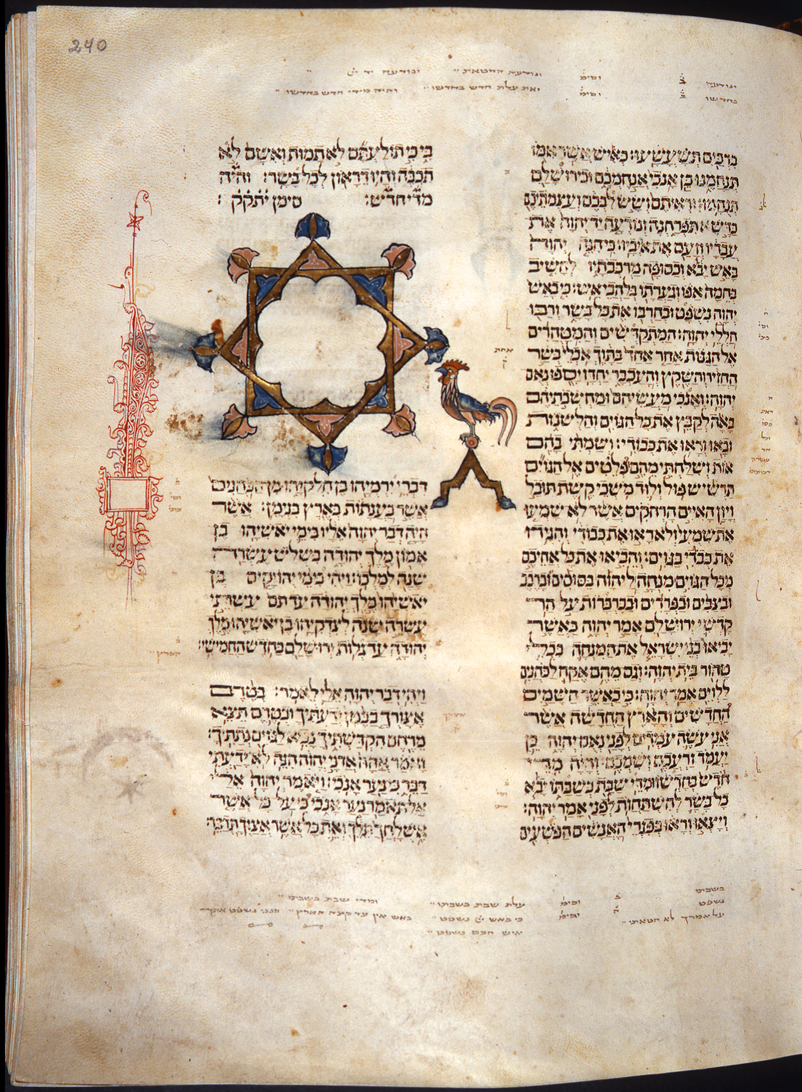
Book of Jeremiah
Jeremiah · c. 6th century BC (text); manuscript illuminated later
Ready when you are
Start chatting with Nebuchadnezzar II now.
20 messages free · No credit card · Available in 50+ languages.