


Secondary sourceArtifactc. 600 BC (legendary)
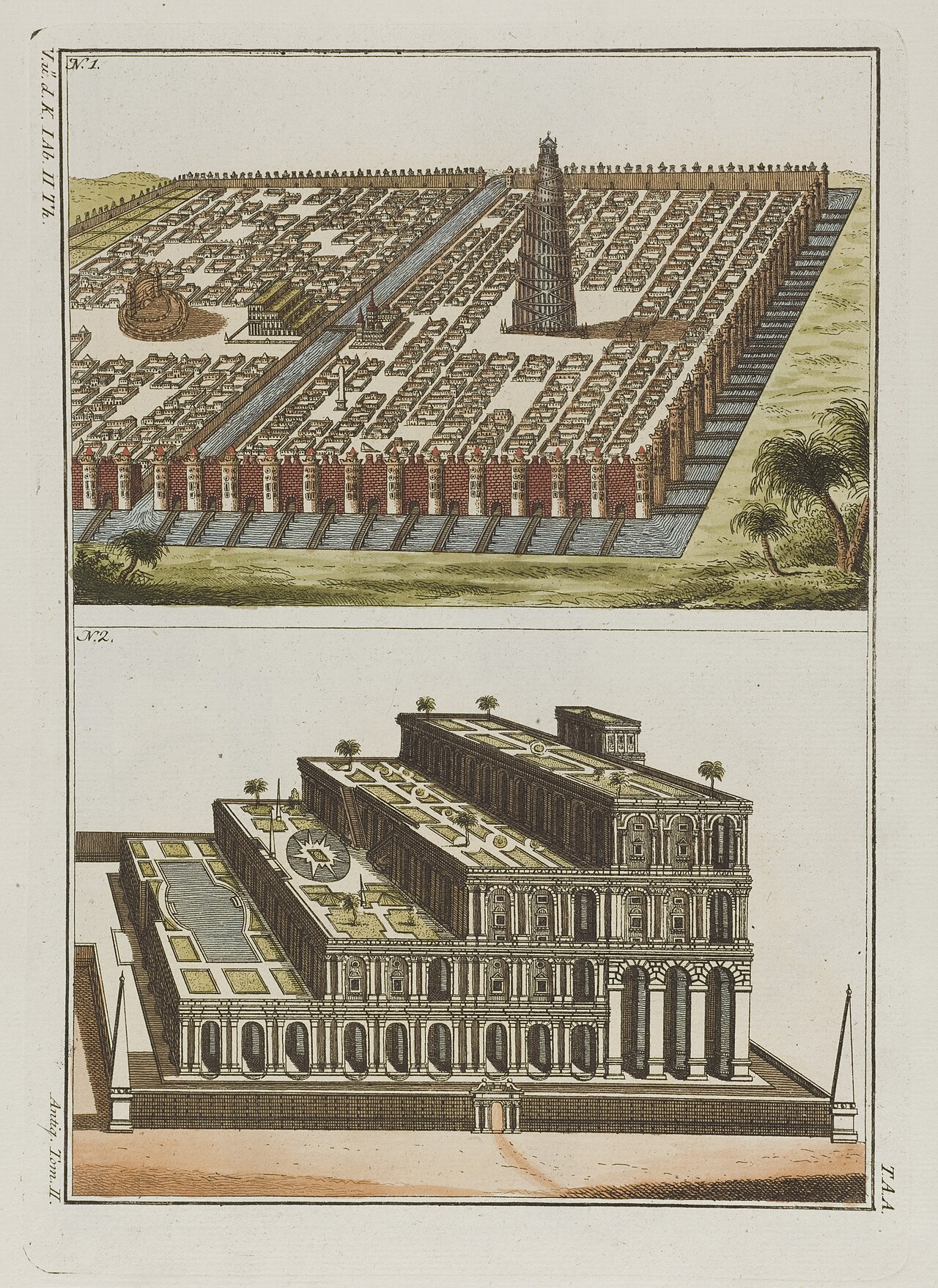
Hanging Gardens of Babylon
c. 600 BC (legendary)
A legendary garden later credited by Greek writers to Nebuchadnezzar II, though no Babylonian source actually mentions it.
Later Greek writers credited Nebuchadnezzar II with building these gardens, though no Babylonian source confirms it.
About this source
What it is
The Hanging Gardens of Babylon were one of the Seven Wonders of the Ancient World as listed by Greek writers, described as tiered gardens built on a structure resembling a mountain. According to the Babylonian priest Berossus, writing around 290 BC, the gardens were built by King Nebuchadnezzar II for his wife Amytis, who missed the hills of her homeland. This account was later repeated by the historian Josephus.
Why it matters
No Babylonian text or archaeological evidence confirms the gardens existed, and scholars debate whether they were purely legendary, destroyed long ago, or actually a garden built by an Assyrian king in a different city. The gardens show how later writers, centuries after Nebuchadnezzar's death, shaped his legacy with stories that may or may not be true.
Look closer
- Why might ancient writers attribute a wonder like this to a famous king even without proof?
- What problems do historians face when no contemporary source confirms a popular legend?
- How does this story illustrate the difference between primary and later secondary accounts?
This artifact is part of the curated material that grounds the AI version of Nebuchadnezzar II on Humy.ai — when students ask about related events, the AI can quote it and cite it.
More Nebuchadnezzar II sources
Meet the AI Nebuchadnezzar II →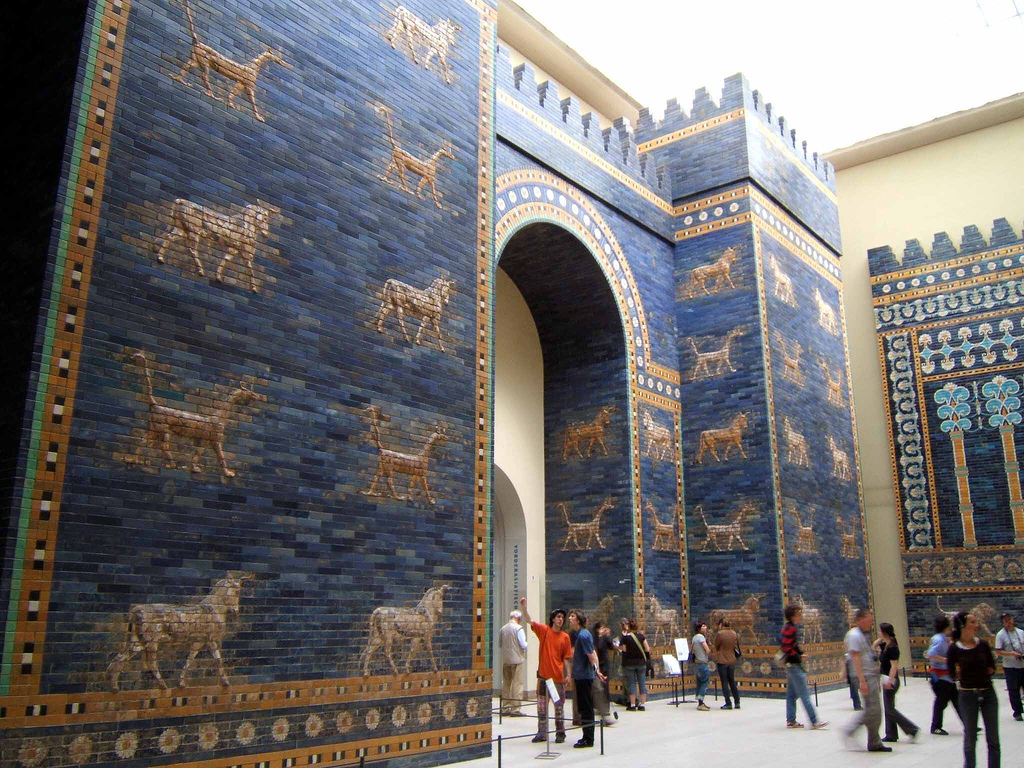 Artifact
Primary source
Ishtar Gate
c. 574 BC
 Document
Primary source
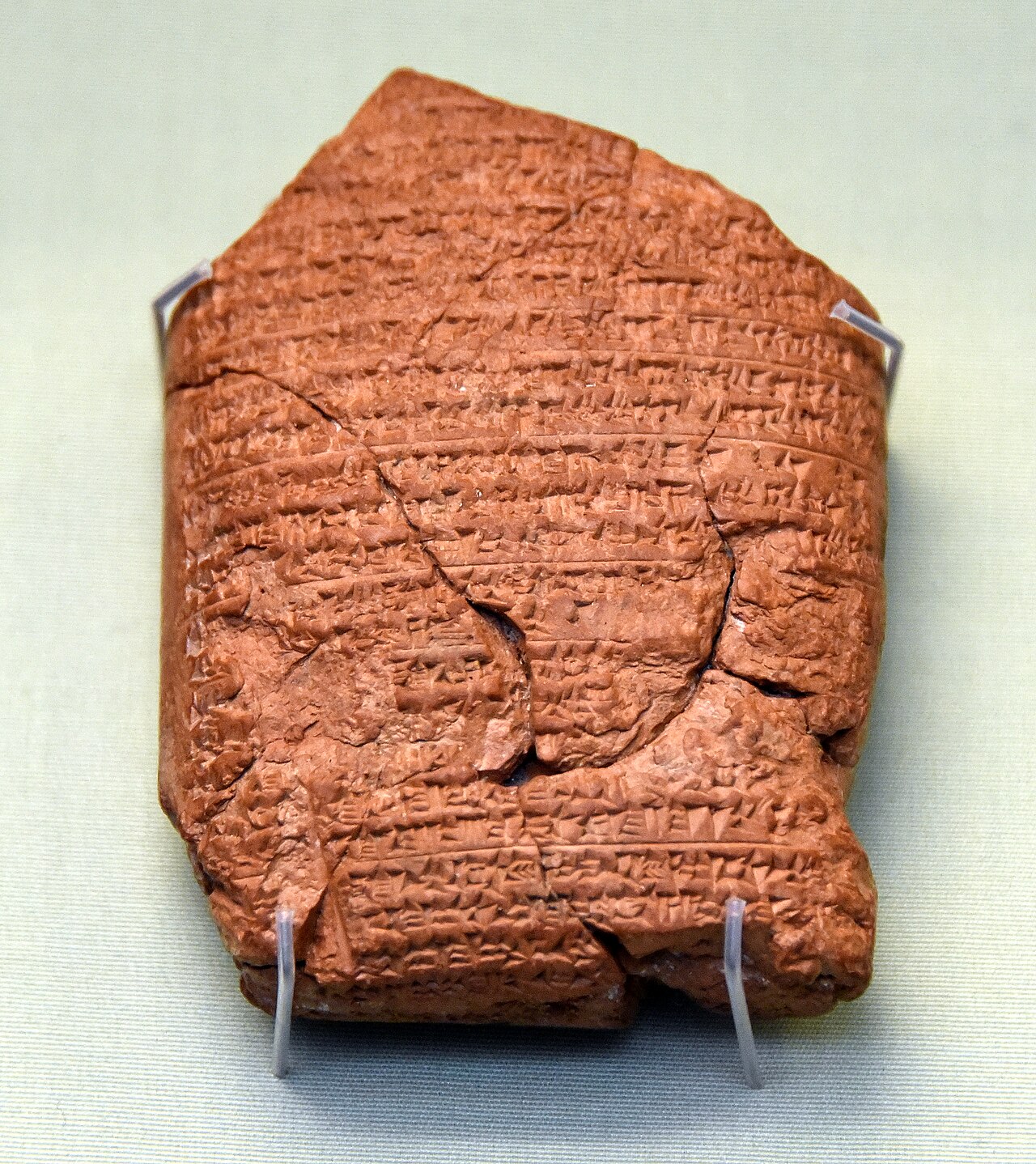
Nebuchadnezzar Chronicle
Babylonian scribes · c. 550-400 BC (recording events of 605-594 BC)
 Document
Primary source
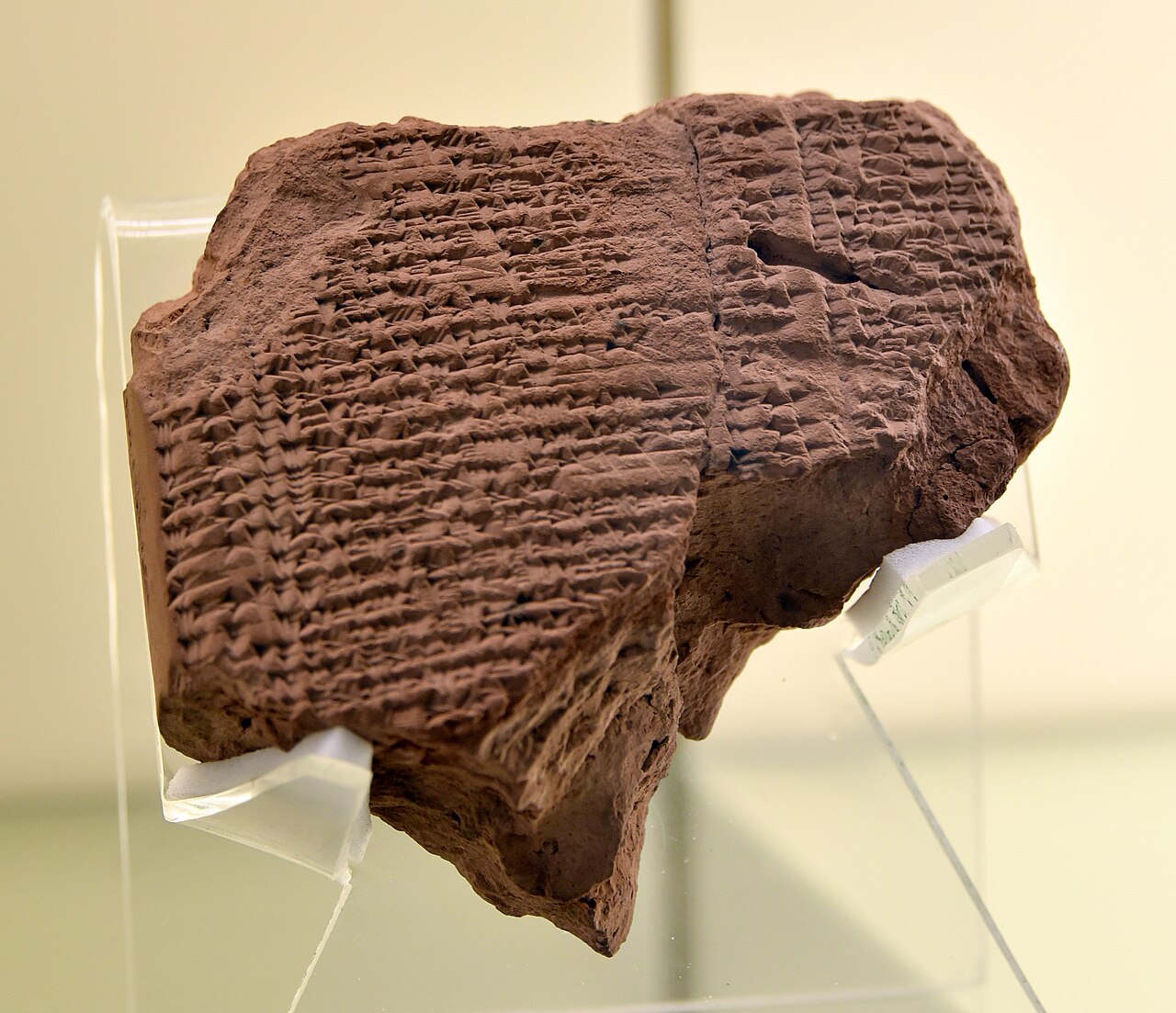
Jehoiachin's Rations Tablets
Babylonian palace scribes · c. 592 BC
 Document
Primary source
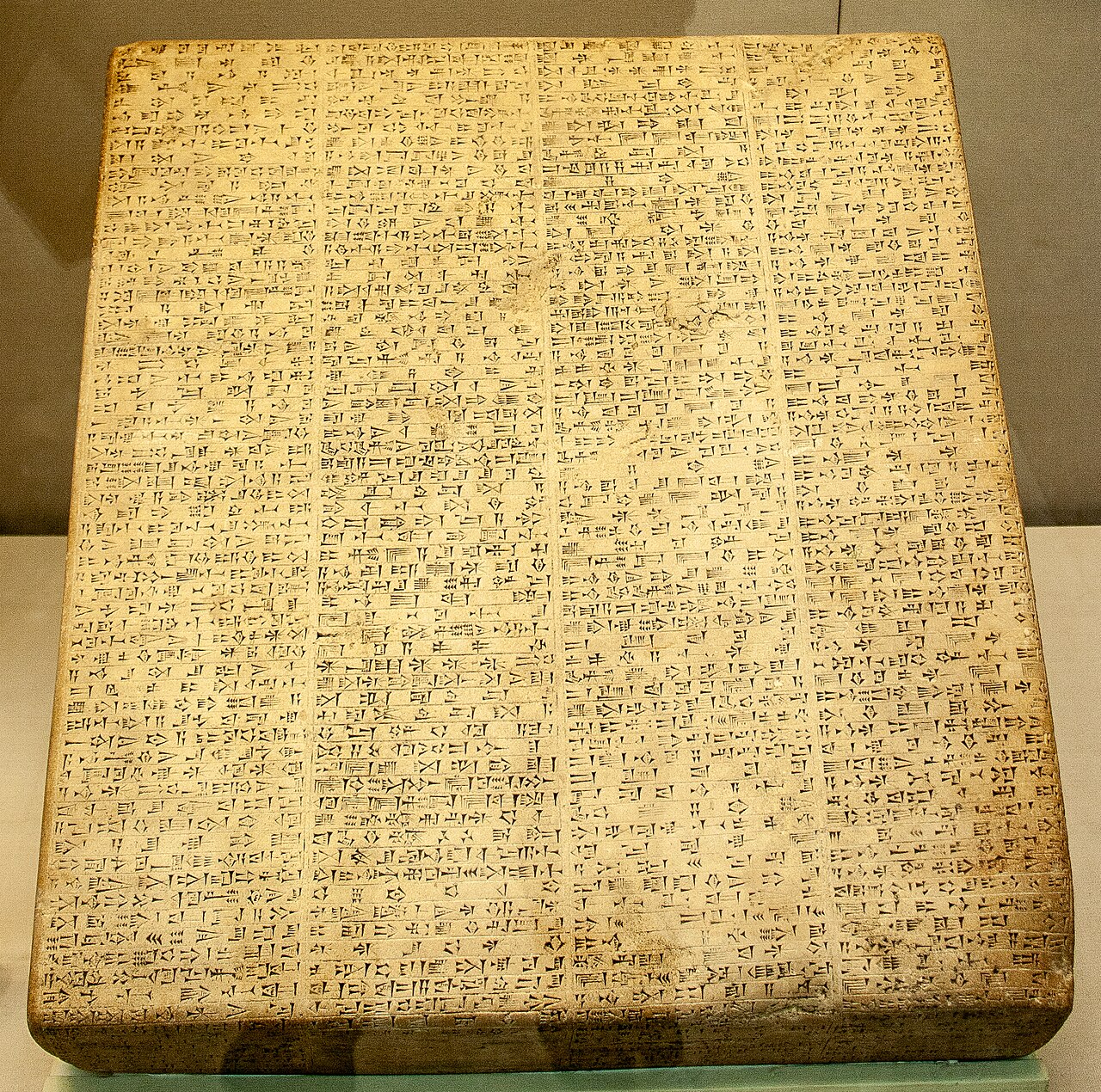
East India House Inscription
Nebuchadnezzar II (scribes writing for him) · 604-562 BC
 Book
Primary source
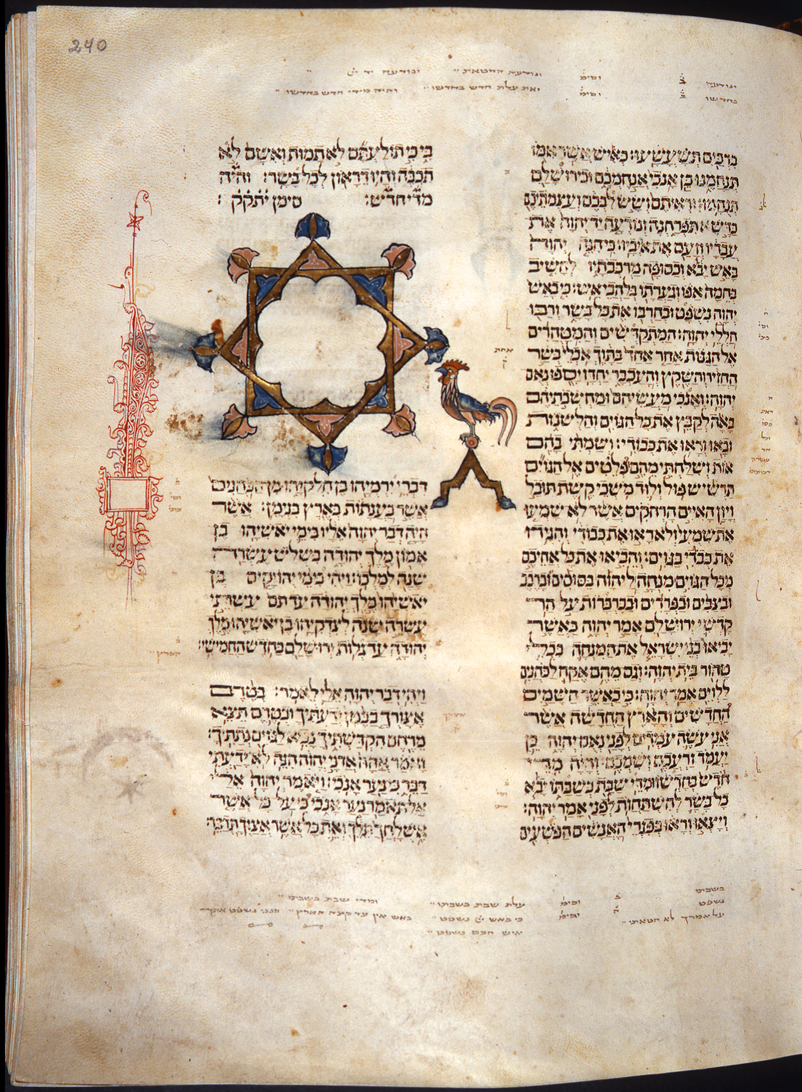
Book of Jeremiah
Jeremiah · c. 6th century BC (text); manuscript illuminated later
Ready when you are
Start chatting with Nebuchadnezzar II now.
20 messages free · No credit card · Available in 50+ languages.