


Secondary sourceBook6th century BCE
Book of Ezekiel
Ezekiel · 6th century BCE
A biblical prophetic book by Ezekiel, a Judean exiled to Babylon, who comments on Nebuchadnezzar II's sieges of Jerusalem and Tyre.
Ezekiel, exiled by Nebuchadnezzar, comments on his sieges of Jerusalem and Tyre from among the Judean exiles.
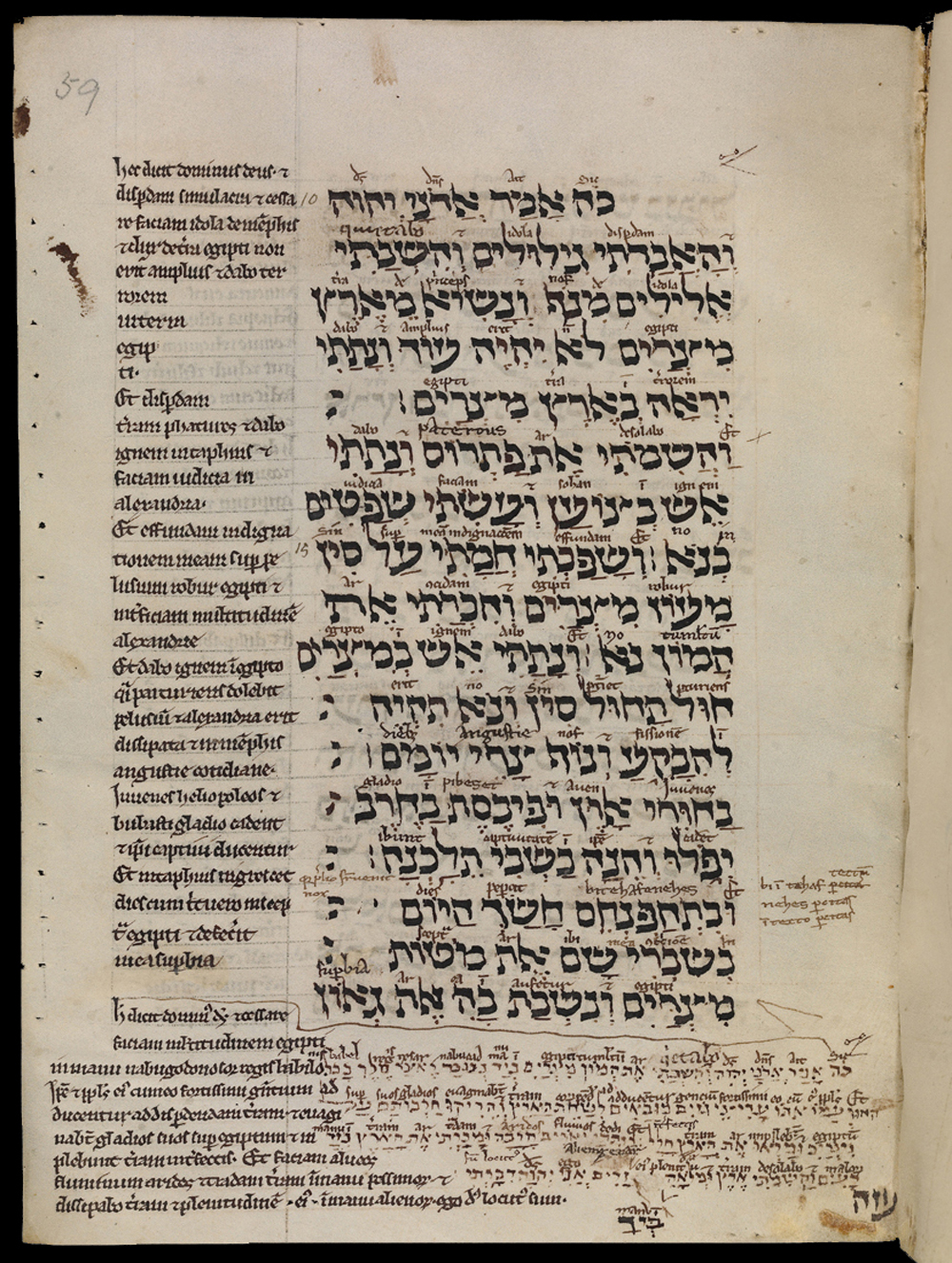
About this source
What it is
The Book of Ezekiel is a major prophetic book of the Hebrew Bible, recording visions attributed to the prophet Ezekiel during his exile in Babylon between roughly 593 and 571 BCE. It is a complex text shaped over a long history rather than a single author's exact words.
Why it matters
Ezekiel was deported to Babylonia in 597 BC, during the period when Nebuchadnezzar II campaigned against Judah and the Phoenician city of Tyre. His book includes judgments on Jerusalem and on foreign nations, offering a perspective from among the exiled Judean community on Nebuchadnezzar's actions and their aftermath.
Look closer
- Why might an exiled prophet's view of a conqueror differ from that conqueror's own inscriptions?
- What do Ezekiel's visions suggest about how the Judean exiles made sense of their defeat?
- How reliable is a religious text as evidence for historical events, compared with other kinds of sources?
This book is part of the curated material that grounds the AI version of Nebuchadnezzar II on Humy.ai — when students ask about related events, the AI can quote it and cite it.
More Nebuchadnezzar II sources
Meet the AI Nebuchadnezzar II →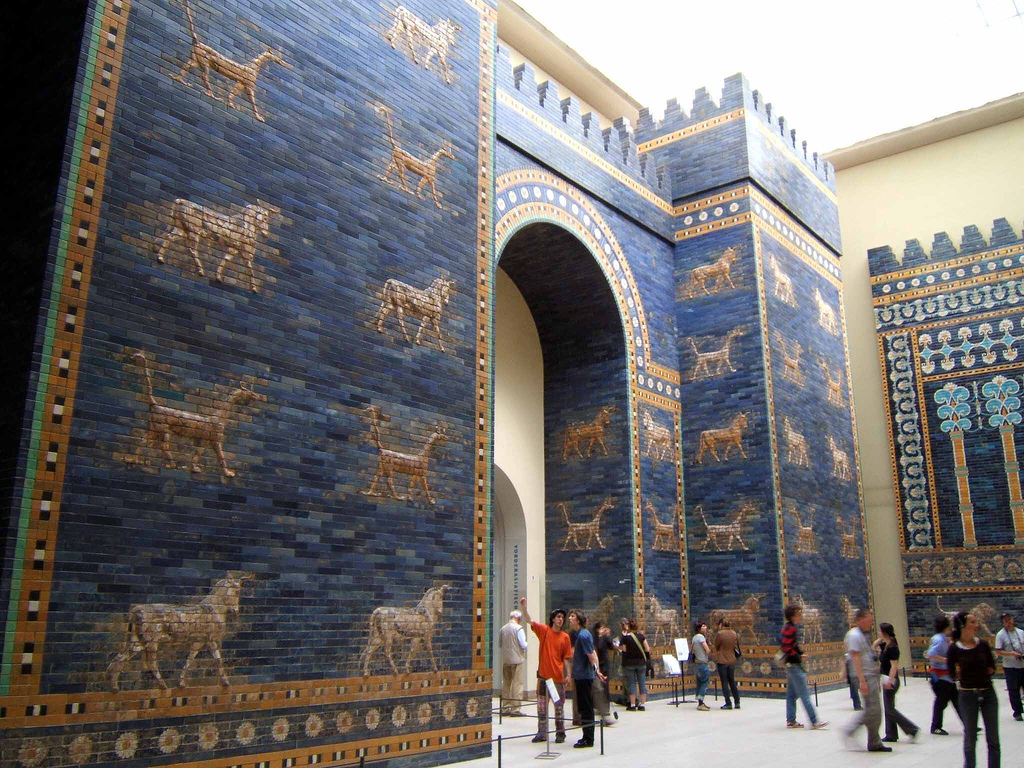 Artifact
Primary source
Ishtar Gate
c. 574 BC
 Document
Primary source
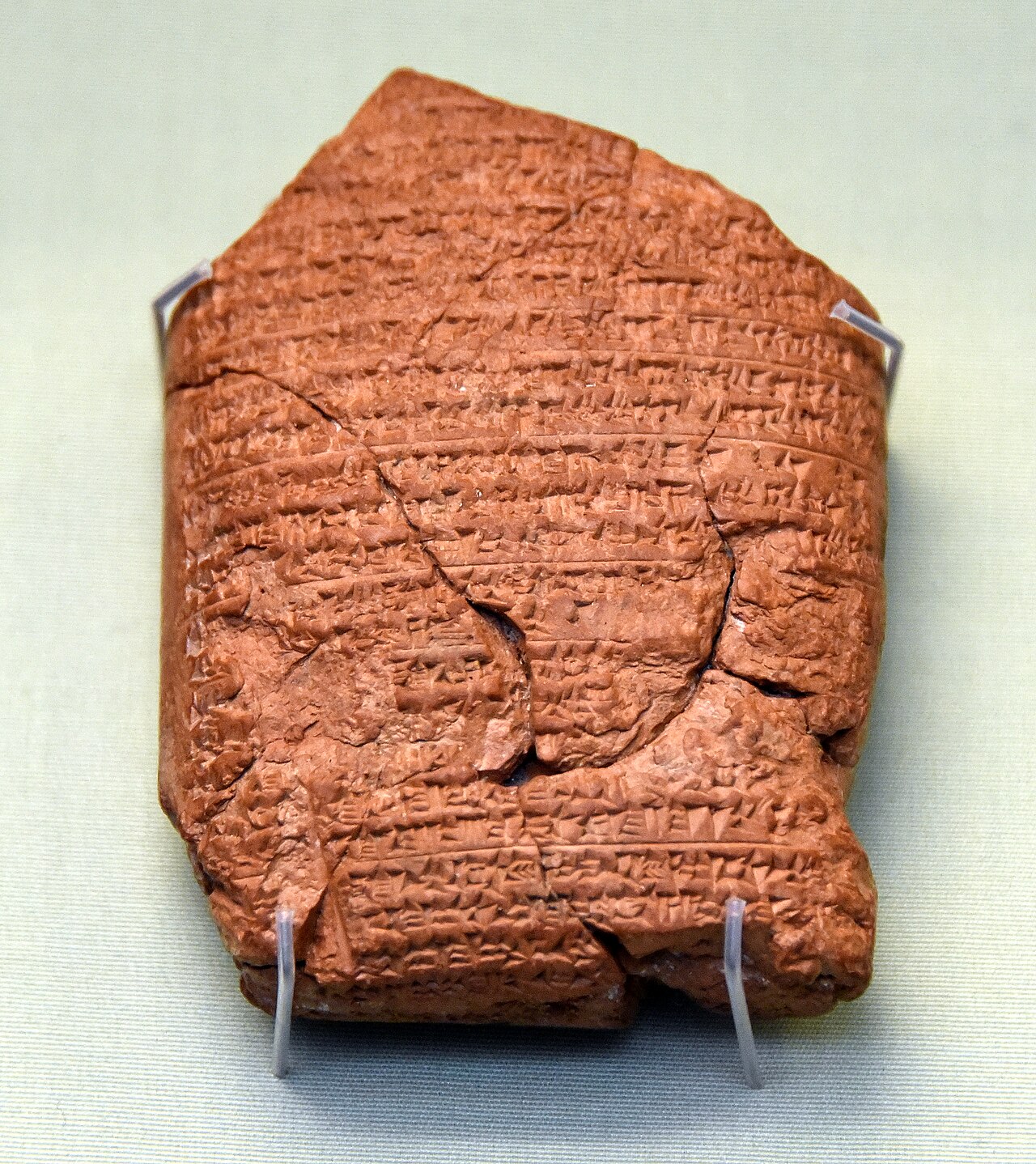
Nebuchadnezzar Chronicle
Babylonian scribes · c. 550-400 BC (recording events of 605-594 BC)
 Document
Primary source
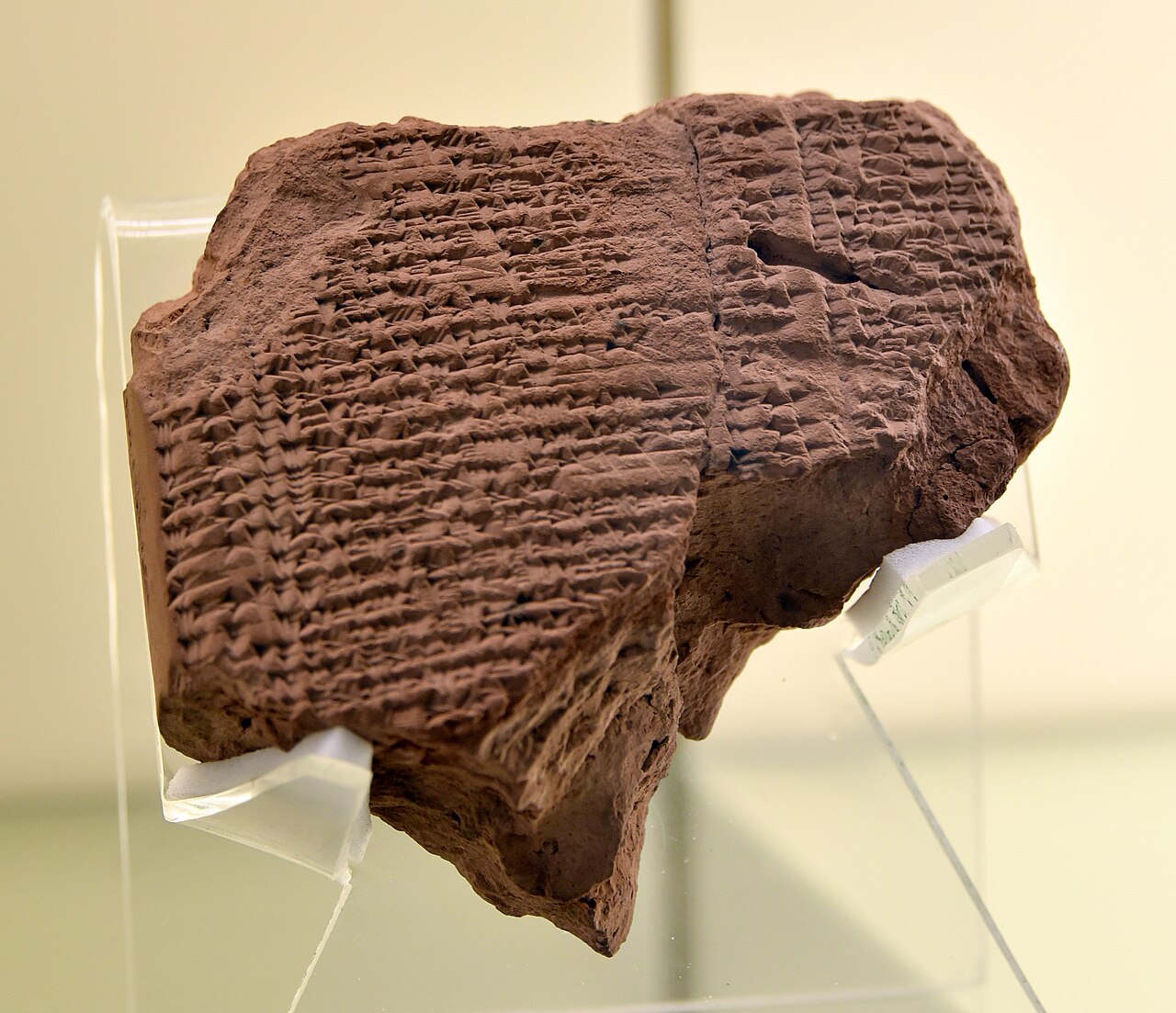
Jehoiachin's Rations Tablets
Babylonian palace scribes · c. 592 BC
 Document
Primary source
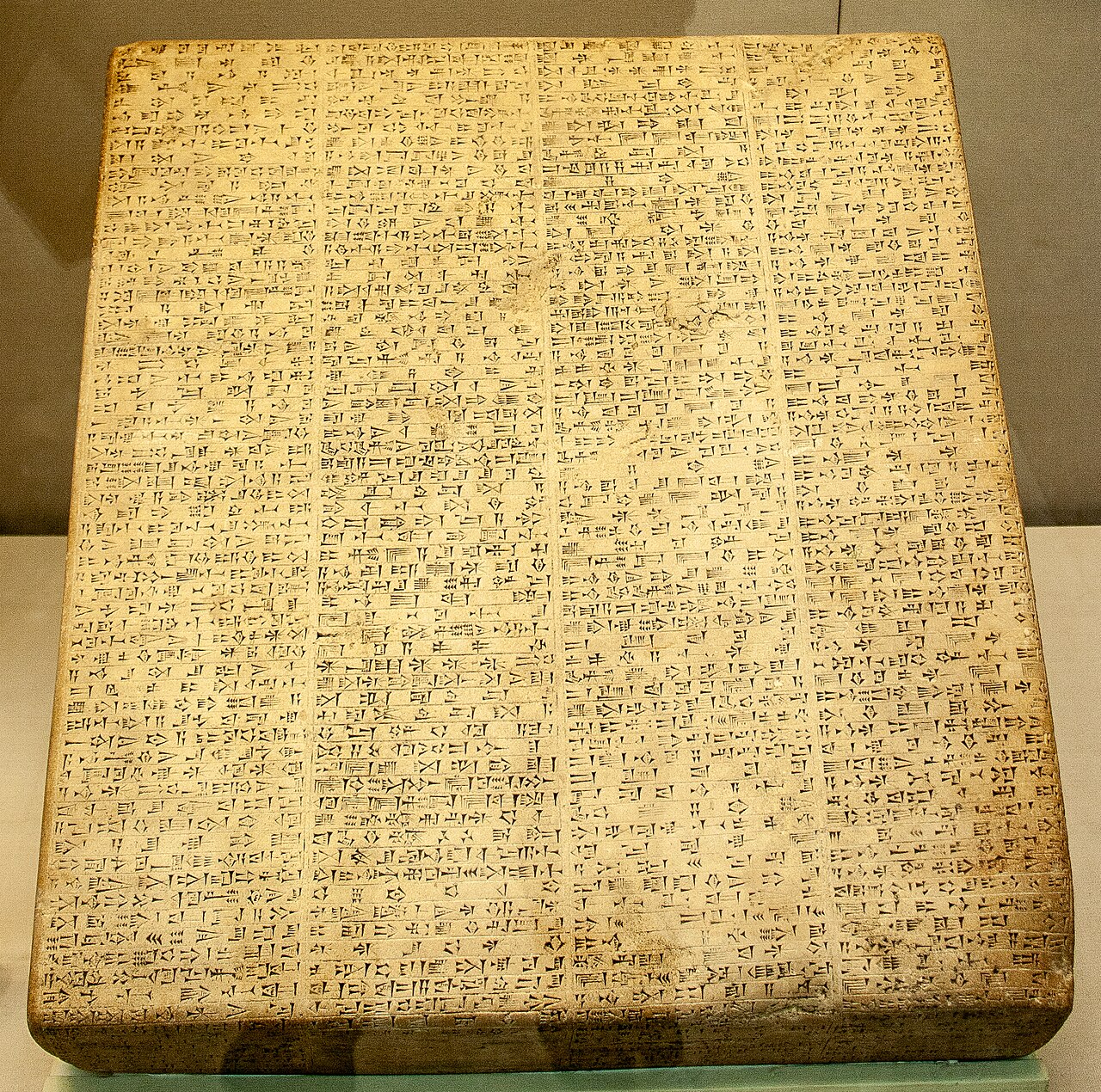
East India House Inscription
Nebuchadnezzar II (scribes writing for him) · 604-562 BC
 Book
Primary source
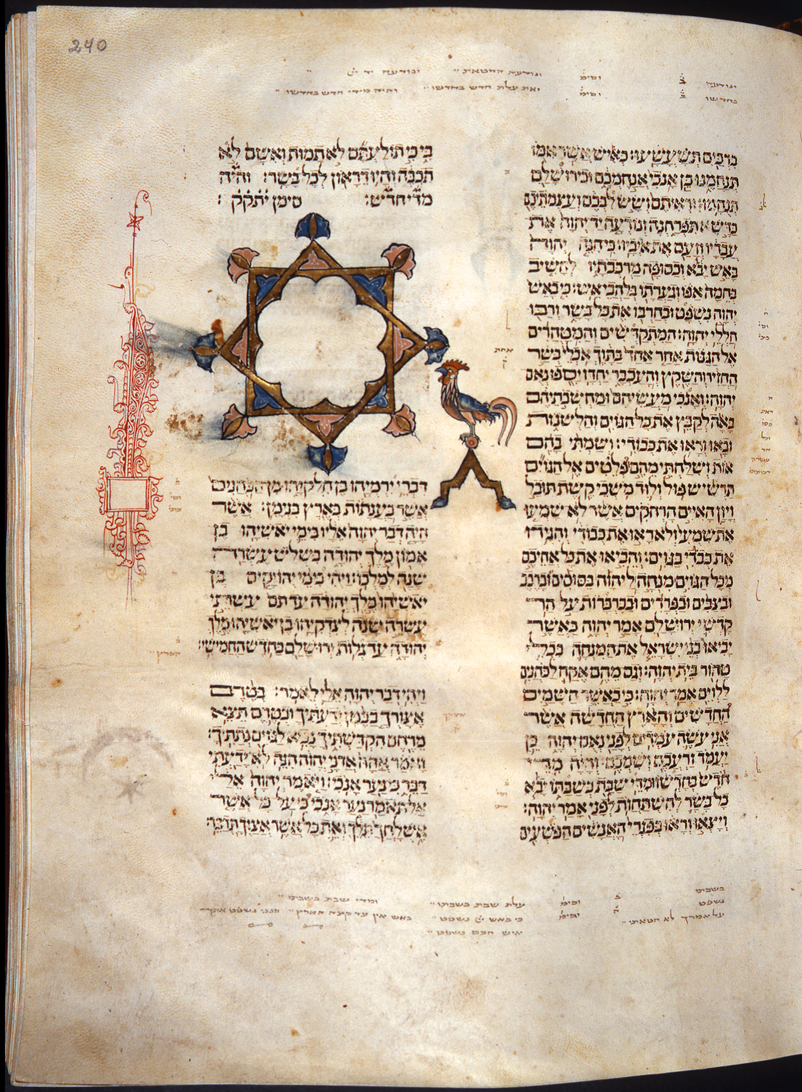
Book of Jeremiah
Jeremiah · c. 6th century BC (text); manuscript illuminated later
Ready when you are
Start chatting with Nebuchadnezzar II now.
20 messages free · No credit card · Available in 50+ languages.