


Primary sourceArtifactcirca 604–562 B.C.
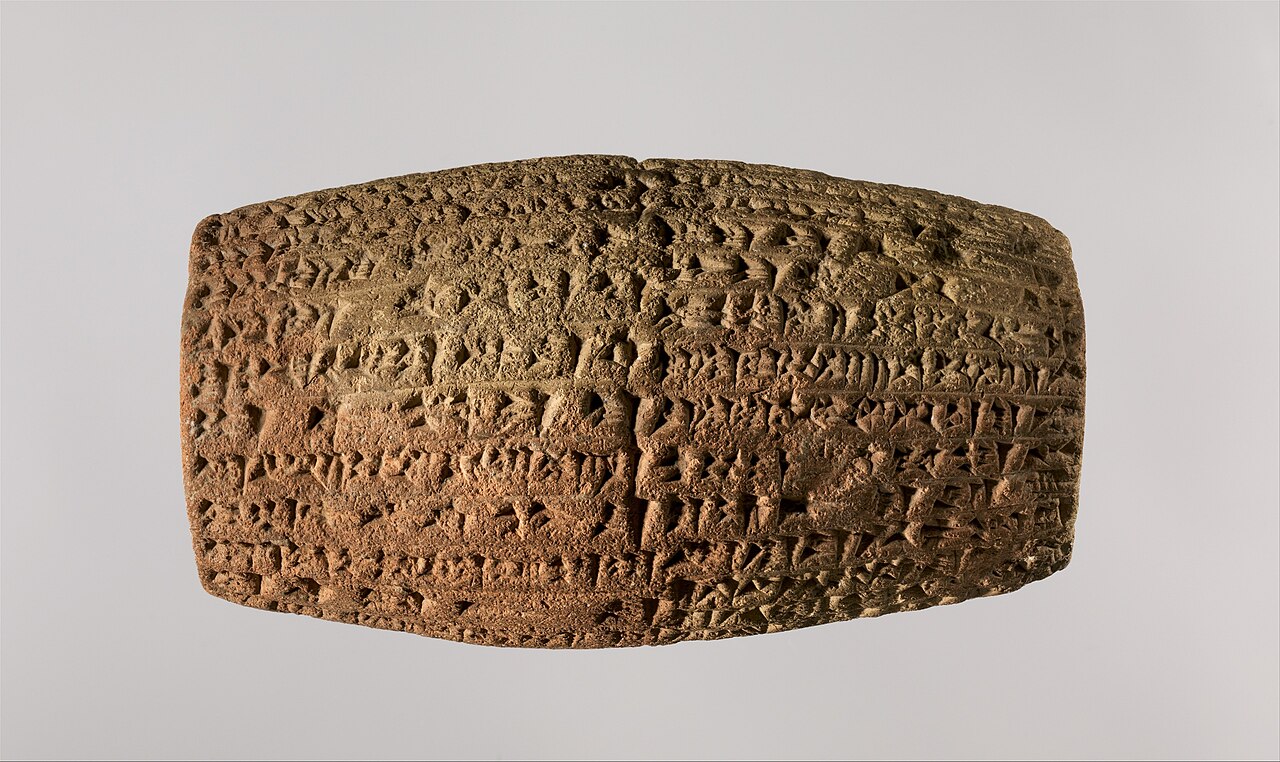
Cuneiform Cylinder on the Outer City Wall of Babylon
Nebuchadnezzar II · circa 604–562 B.C.
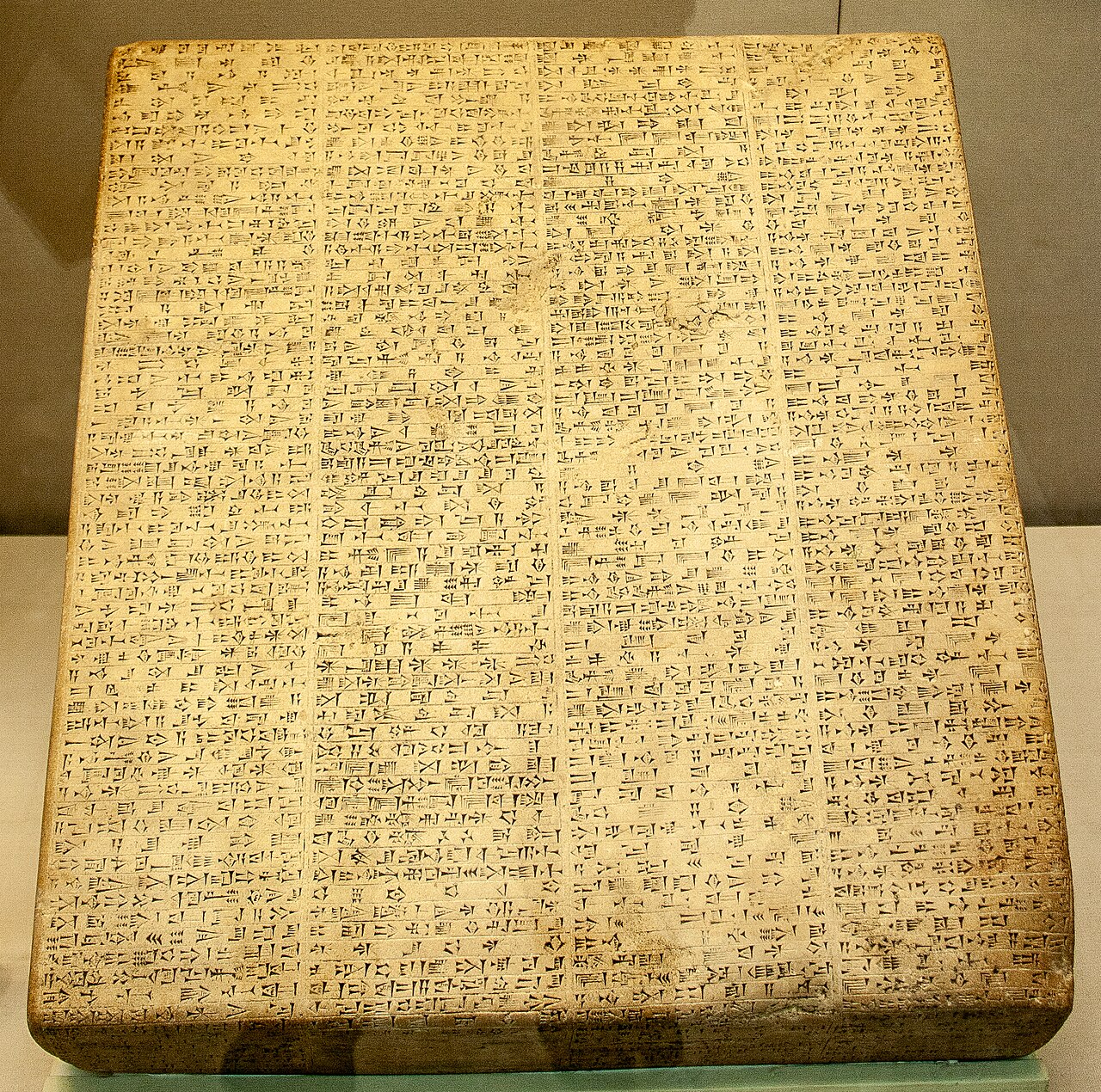
A clay cylinder inscribed in cuneiform by Nebuchadnezzar II describing his construction of Babylon's outer city wall.
This cylinder was inscribed by Nebuchadnezzar II himself to record his building of Babylon's outer wall.
About this source
What it is
This barrel-shaped clay cylinder is covered in cuneiform script. It was inscribed during the reign of Nebuchadnezzar II of Babylon, recording his work building the outer city wall of Babylon, sometime around 604–562 B.C.
Why it matters
Royal building inscriptions like this were made for the king to record his achievements for the gods and for future generations. They are among the few surviving records written directly during Nebuchadnezzar's own reign, giving historians first-hand evidence of his building projects rather than later retellings.
Look closer
- What shape is the object, and why might that shape have been chosen for a written record?
- Who do you think this inscription was meant to be read by?
- What does the choice to record a wall-building project tell you about what kings wanted to be remembered for?
This artifact is part of the curated material that grounds the AI version of Nebuchadnezzar II on Humy.ai — when students ask about related events, the AI can quote it and cite it.
More Nebuchadnezzar II sources
Meet the AI Nebuchadnezzar II →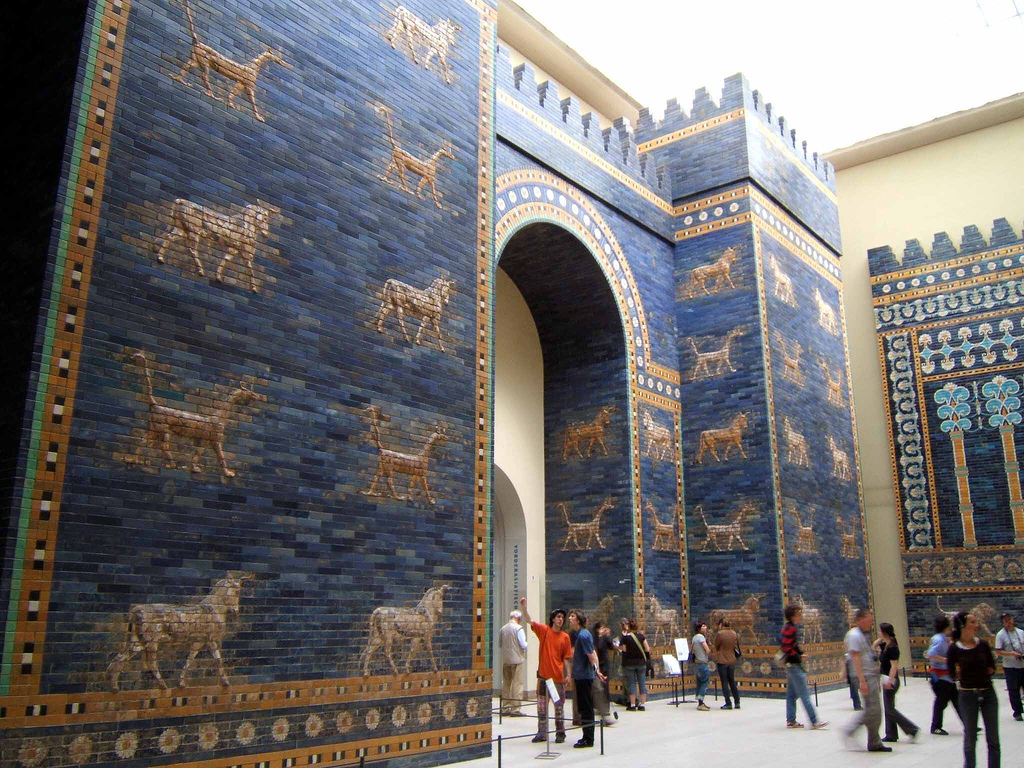 Artifact
Primary source
Ishtar Gate
c. 574 BC
 Document
Primary source
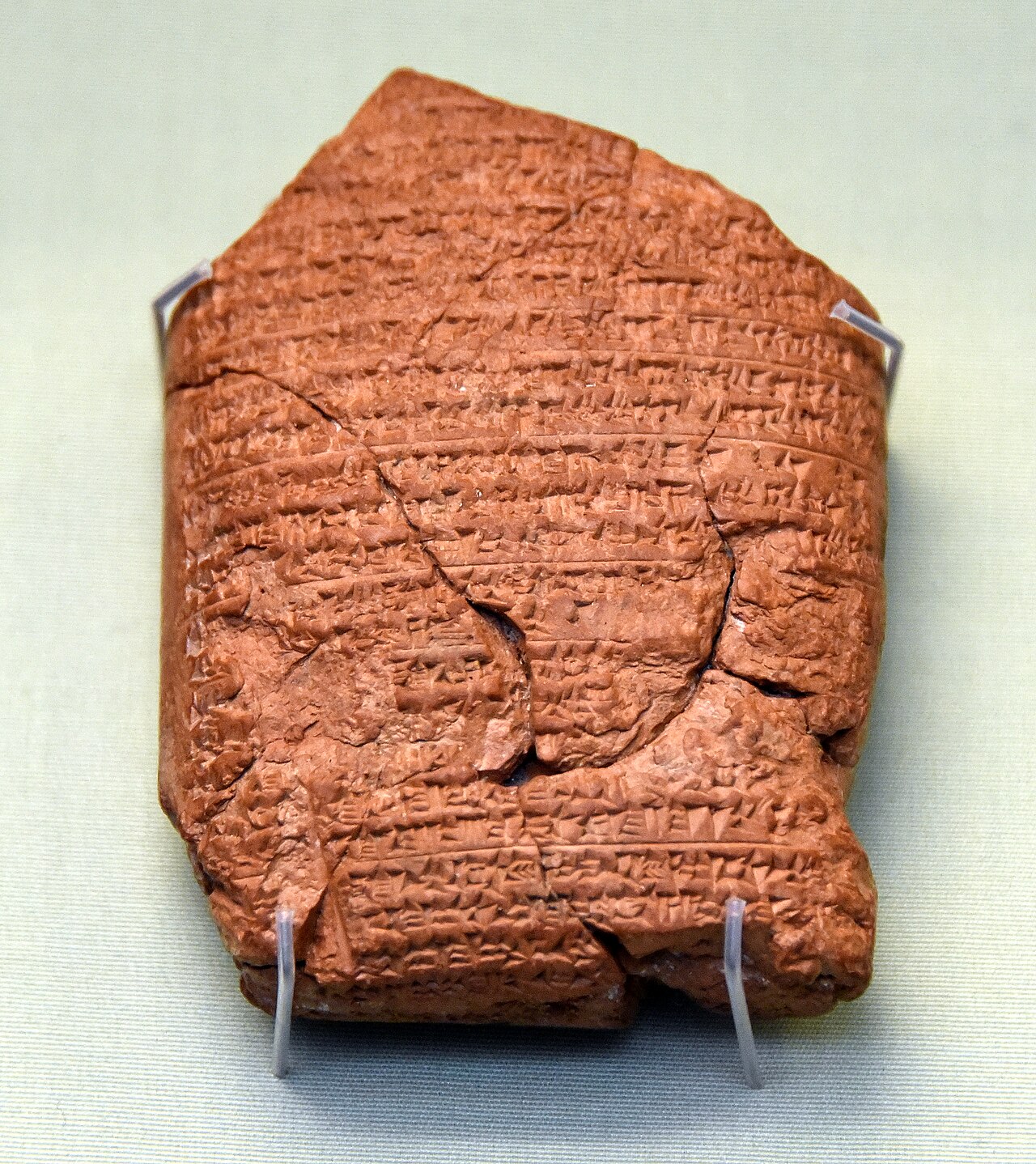
Nebuchadnezzar Chronicle
Babylonian scribes · c. 550-400 BC (recording events of 605-594 BC)
 Document
Primary source
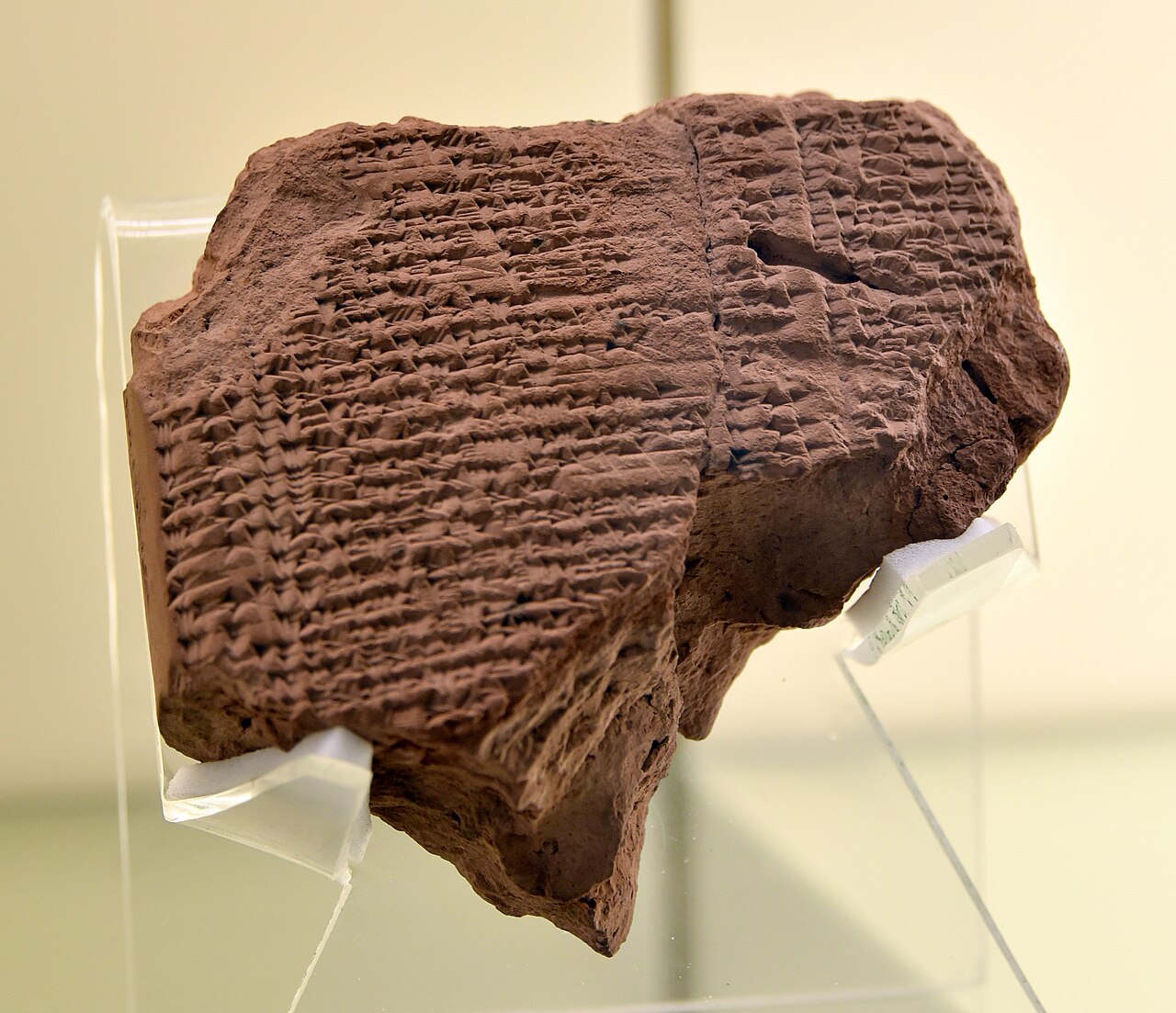
Jehoiachin's Rations Tablets
Babylonian palace scribes · c. 592 BC
 Document
Primary source
East India House Inscription
Nebuchadnezzar II (scribes writing for him) · 604-562 BC
 Book
Primary source
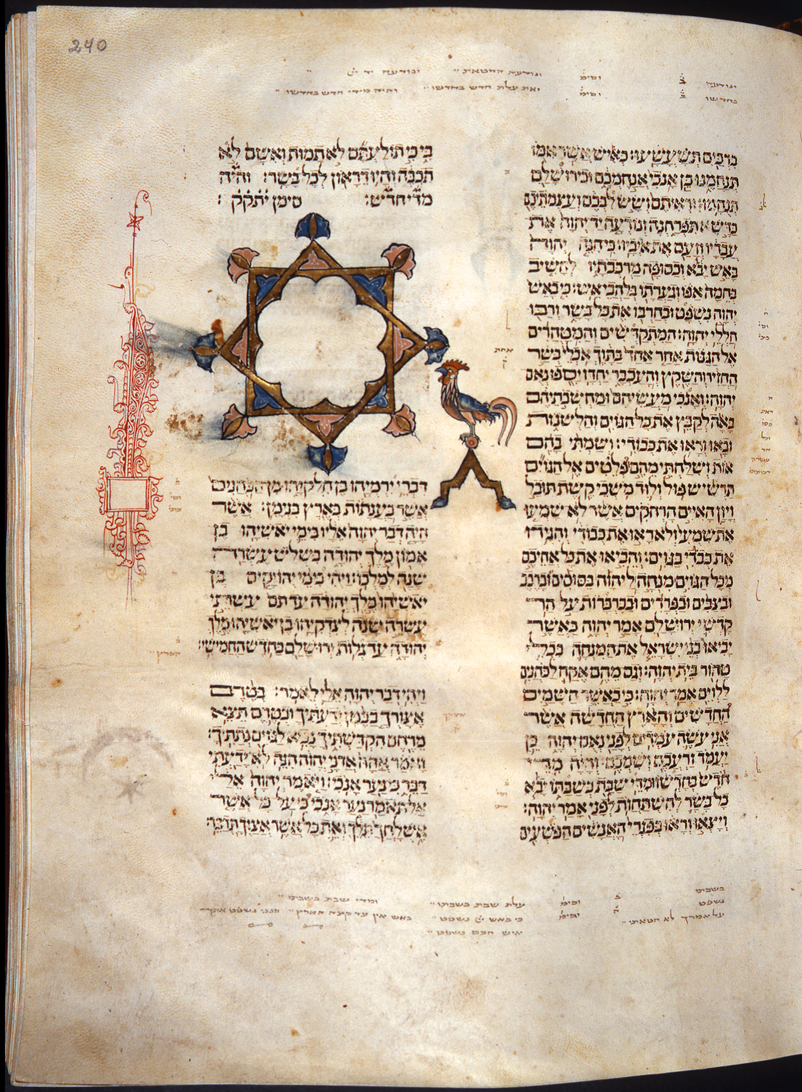
Book of Jeremiah
Jeremiah · c. 6th century BC (text); manuscript illuminated later
Ready when you are
Start chatting with Nebuchadnezzar II now.
20 messages free · No credit card · Available in 50+ languages.