


Secondary sourcePaintingc. 1795-1805
Nebuchadnezzar
William Blake · c. 1795-1805
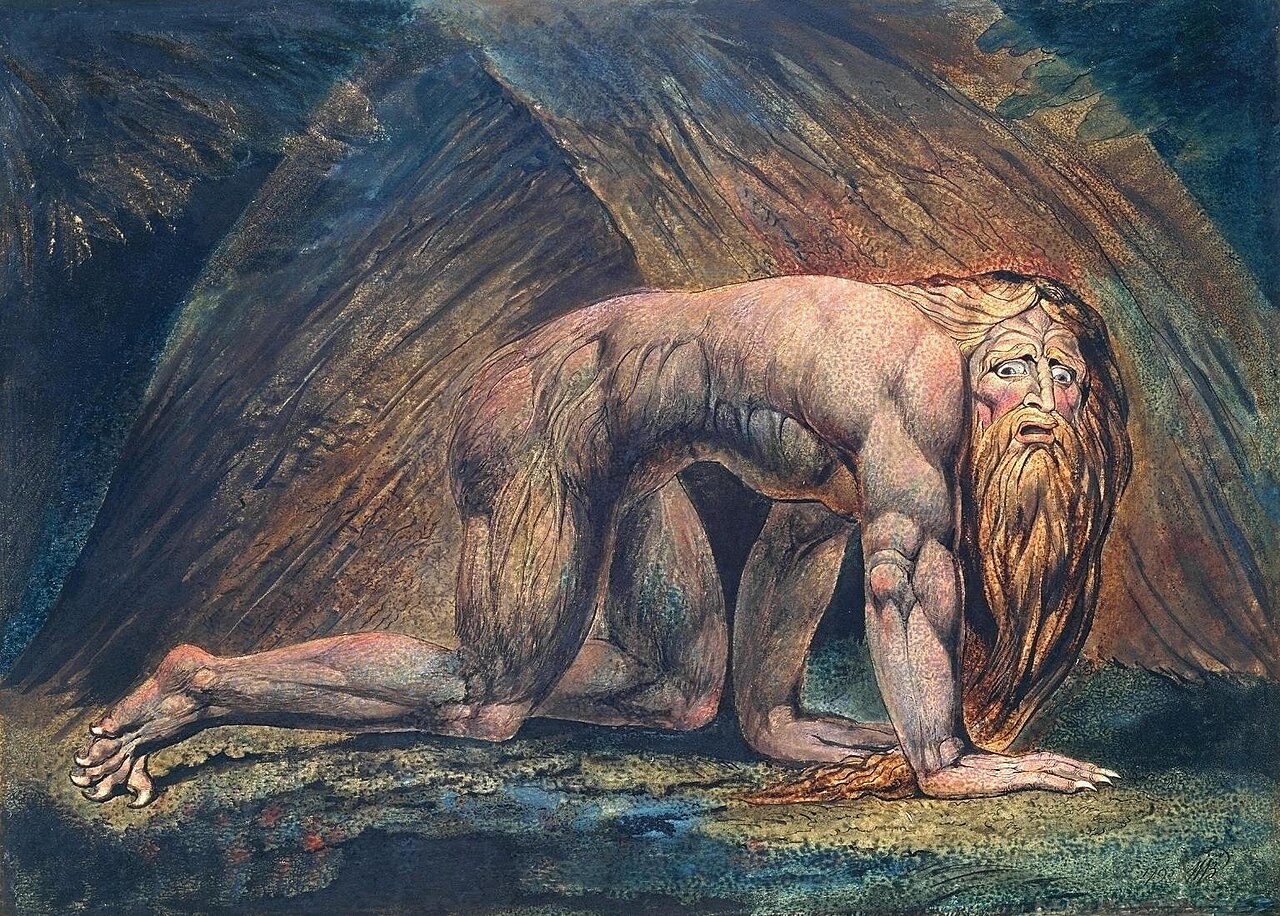
William Blake's watercolor imagining Nebuchadnezzar as a wild, crouching figure, based on the biblical Book of Daniel, painted long after the king's death.
This later artwork depicts Nebuchadnezzar as a wild, punished figure based on the biblical Book of Daniel, not historical record.
About this source
What it is
This watercolor was painted by the artist William Blake around 1795-1805, many centuries after Nebuchadnezzar II's lifetime. It shows a crouching, nude, bearded man on all fours in a dark rocky landscape, with wild eyes and clawed hands and feet.
Why it matters
The image is inspired by the Book of Daniel, a biblical story in which Nebuchadnezzar is punished by being driven into the wilderness to live like a beast. Blake's painting is not a historical record but an artistic and religious interpretation, showing how later cultures imagined and moralized about the Babylonian king long after his reign.
Look closer
- Why do you think Blake chose to show Nebuchadnezzar in this animal-like, frightening way?
- What does this image tell us about how later generations viewed Nebuchadnezzar, rather than about the real historical king?
- How is this source different from an inscription made by Nebuchadnezzar himself?
This painting is part of the curated material that grounds the AI version of Nebuchadnezzar II on Humy.ai — when students ask about related events, the AI can quote it and cite it.
More Nebuchadnezzar II sources
Meet the AI Nebuchadnezzar II →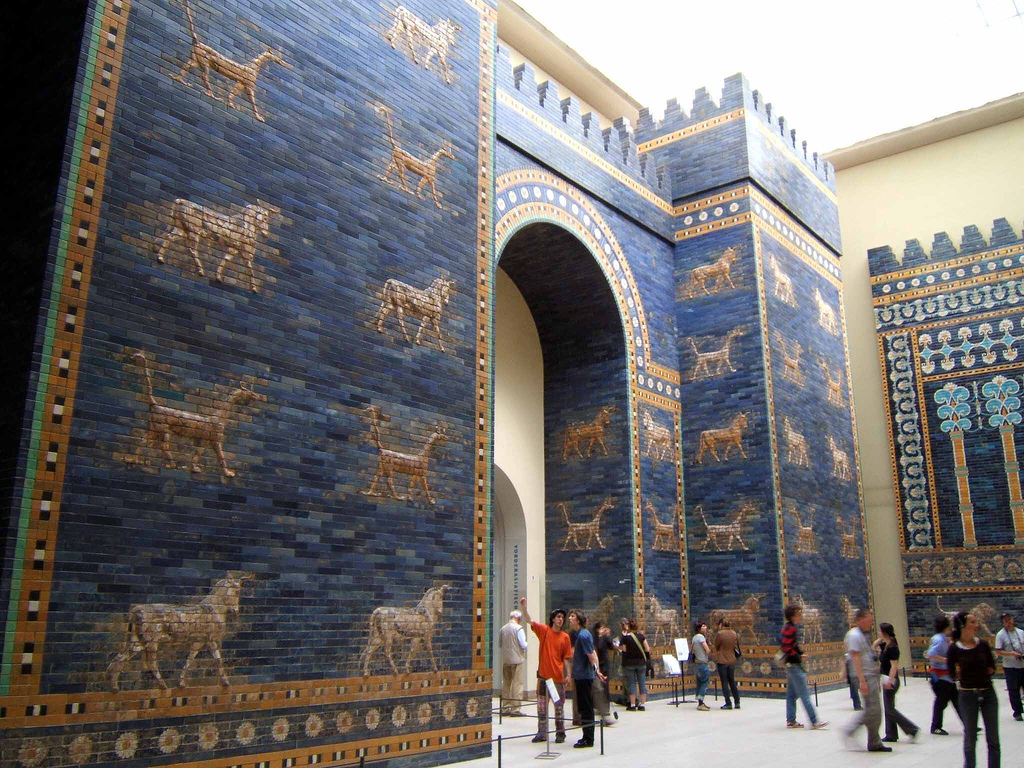 Artifact
Primary source
Ishtar Gate
c. 574 BC
 Document
Primary source
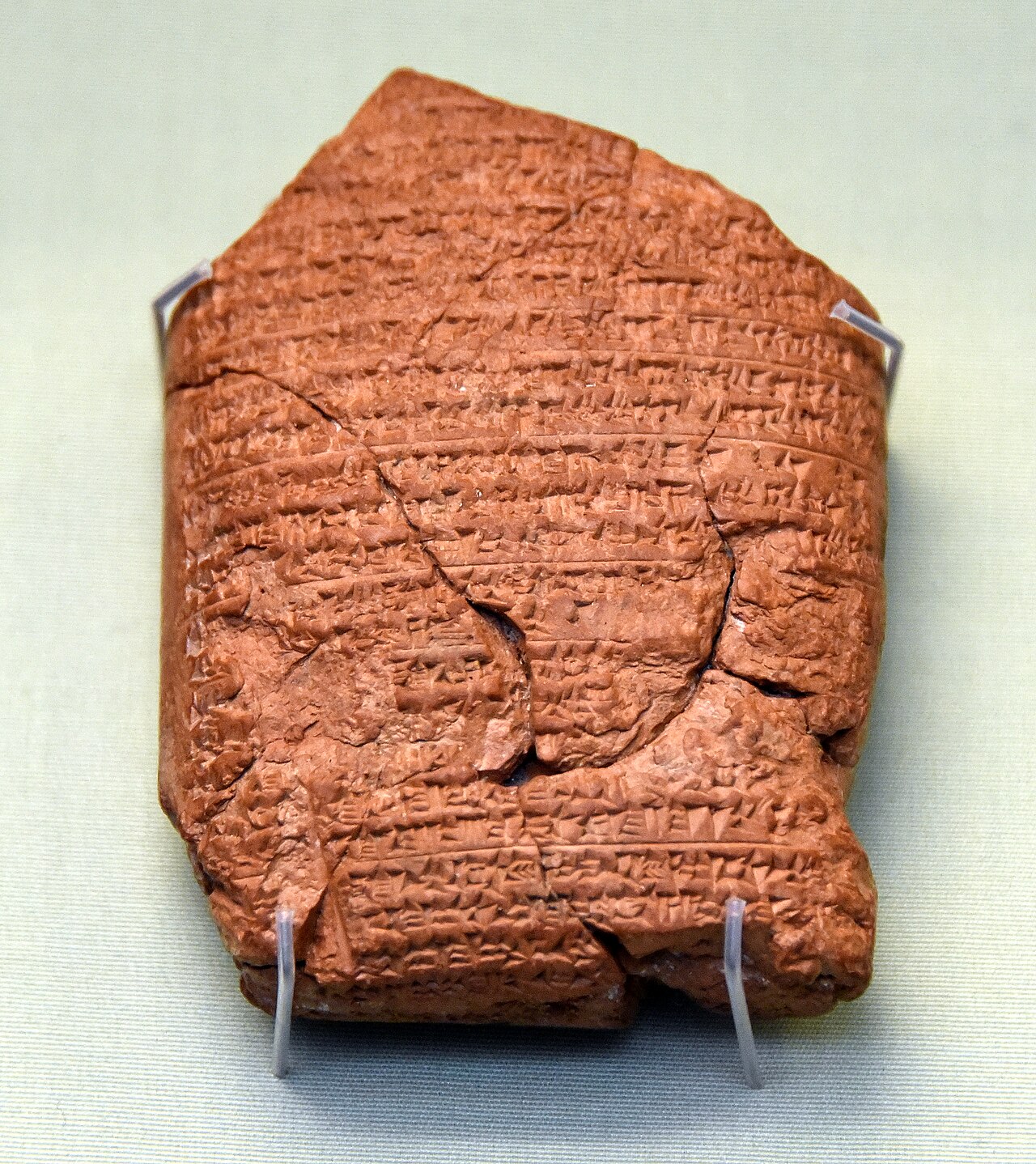
Nebuchadnezzar Chronicle
Babylonian scribes · c. 550-400 BC (recording events of 605-594 BC)
 Document
Primary source
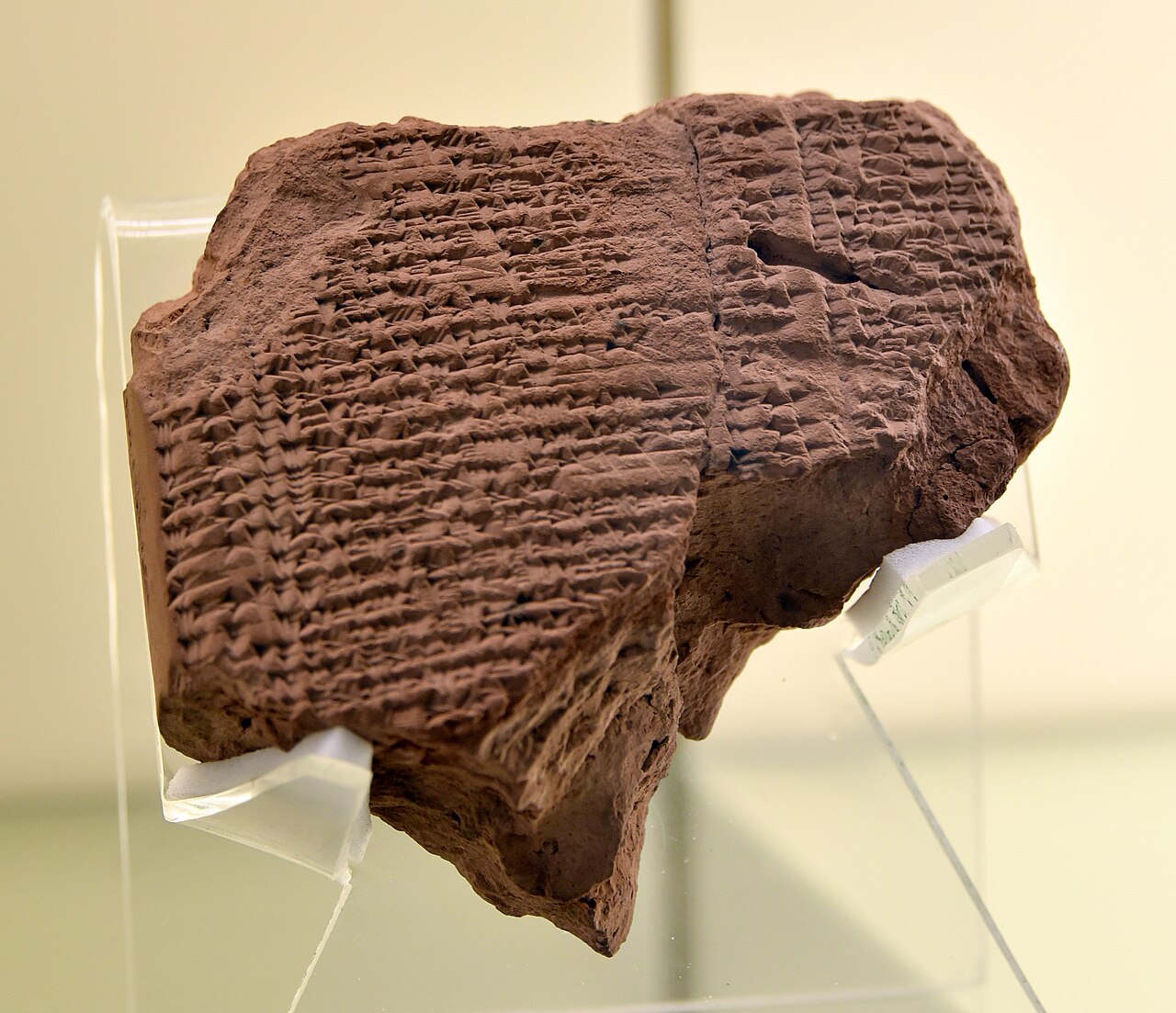
Jehoiachin's Rations Tablets
Babylonian palace scribes · c. 592 BC
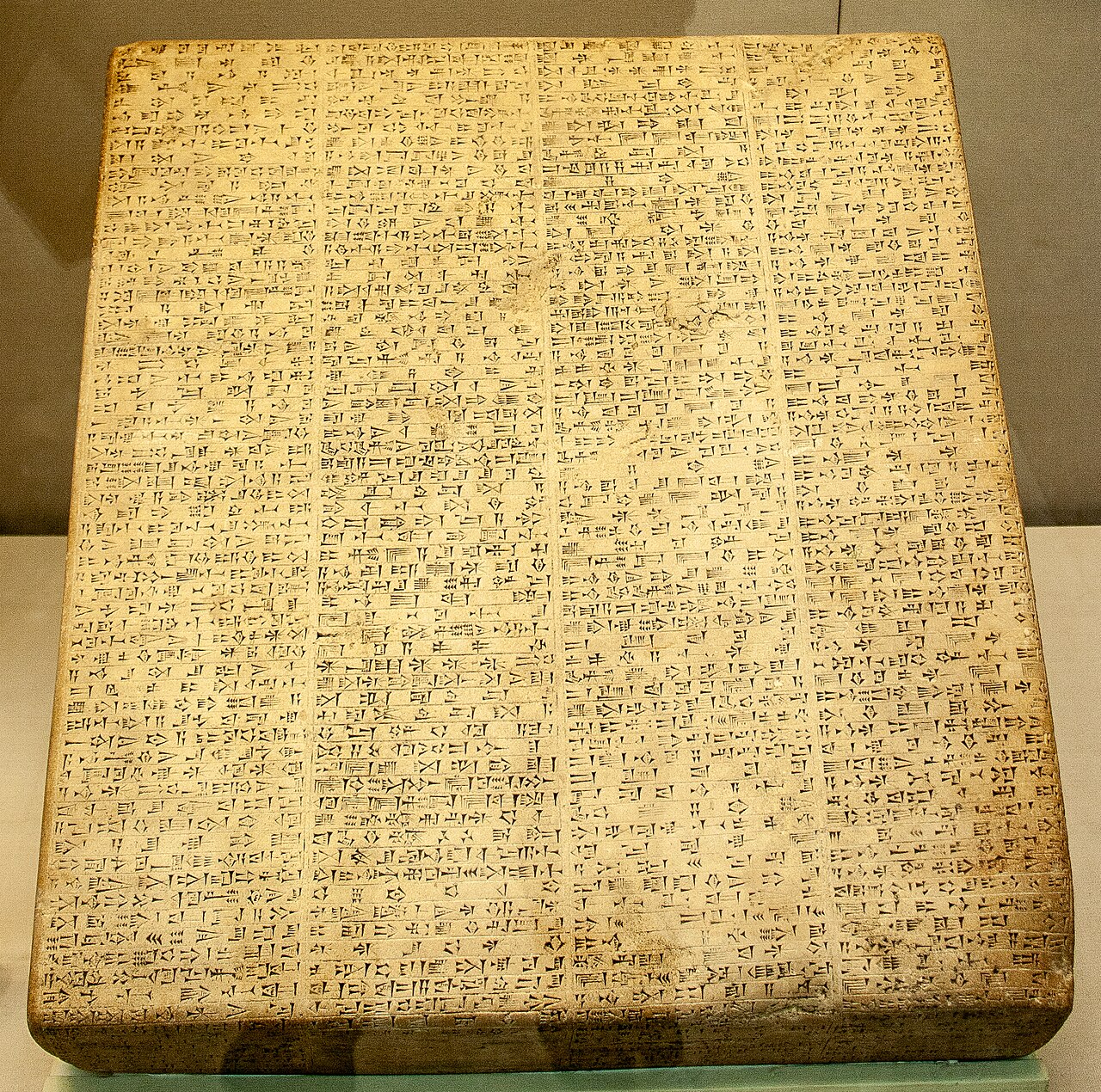 Document
Primary source
East India House Inscription
Nebuchadnezzar II (scribes writing for him) · 604-562 BC
 Book
Primary source
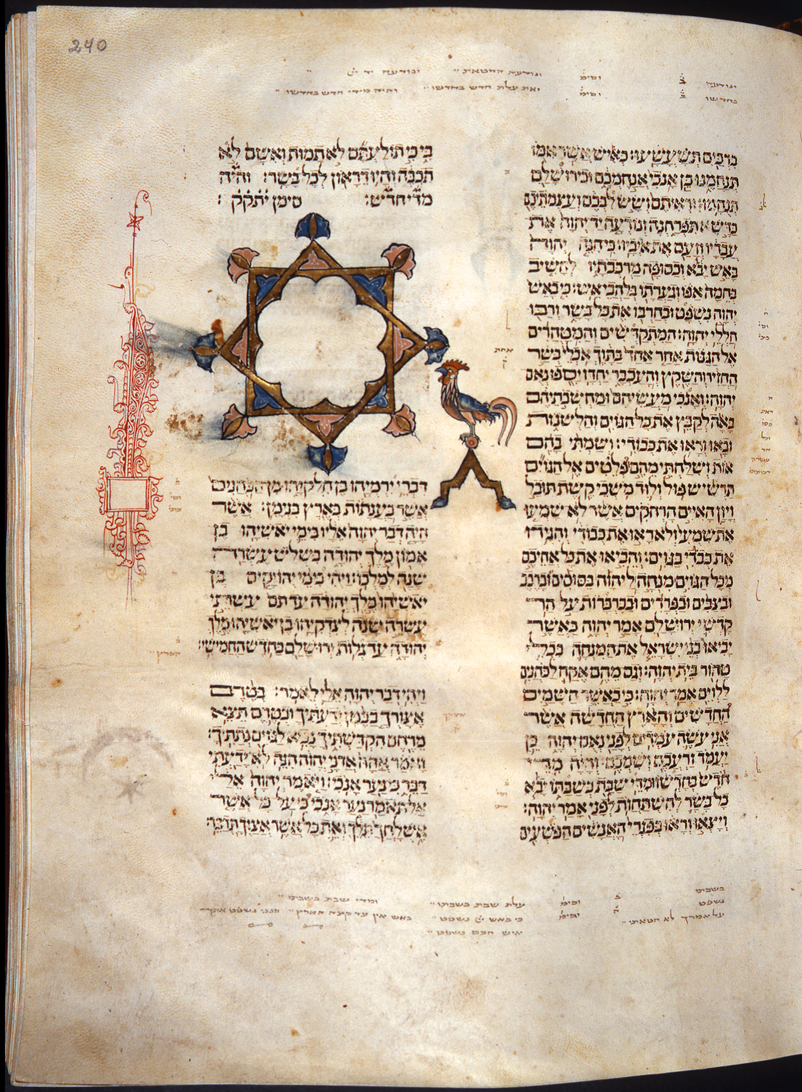
Book of Jeremiah
Jeremiah · c. 6th century BC (text); manuscript illuminated later
Ready when you are
Start chatting with Nebuchadnezzar II now.
20 messages free · No credit card · Available in 50+ languages.