


Primary sourceDocumentc. 595 BCE
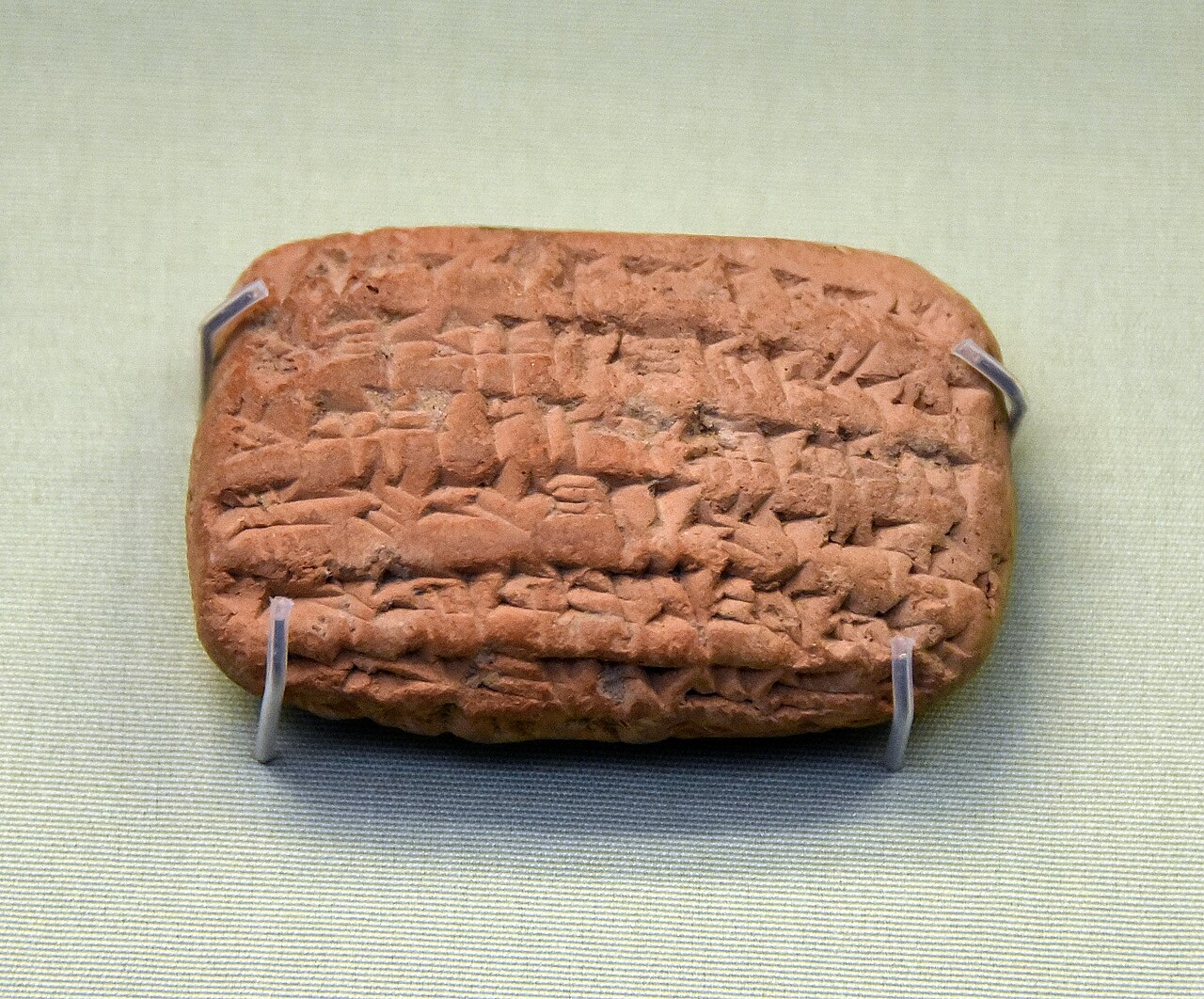
Nebo-Sarsekim Tablet
c. 595 BCE
A business tablet naming an official of Nebuchadnezzar's court, possibly the 'Nebo-Sarsekim' mentioned in the Book of Jeremiah.
Names a chief official at Nebuchadnezzar's court, showing the administration that served him and its possible link to biblical events.
About this source
What it is
This small clay cuneiform tablet, dated to around 595 BCE, records a donation of gold to the temple of the god Marduk in Babylon by an official named Nabu-sharrussu-ukin, chief eunuch to Nebuchadnezzar II. It was found at Sippar in the 1870s and acquired by the British Museum in 1920, but its significance was not recognised until a scholar connected the name to a figure named in the Book of Jeremiah.
Why it matters
The name and title of this official closely match a figure called 'Nebo-Sarsekim' in Jeremiah's account of the Babylonian conquest of Jerusalem. This tablet is seen as evidence linking Nebuchadnezzar's actual court officials to events described in biblical texts, connecting archaeology with ancient historical narrative.
Look closer
- What kind of everyday record is this, and why might such ordinary documents matter to historians?
- Why did it take decades after discovery before anyone realised its connection to the Bible?
- How certain can we be that the official named here is the same person named in Jeremiah?
This document is part of the curated material that grounds the AI version of Nebuchadnezzar II on Humy.ai — when students ask about related events, the AI can quote it and cite it.
More Nebuchadnezzar II sources
Meet the AI Nebuchadnezzar II →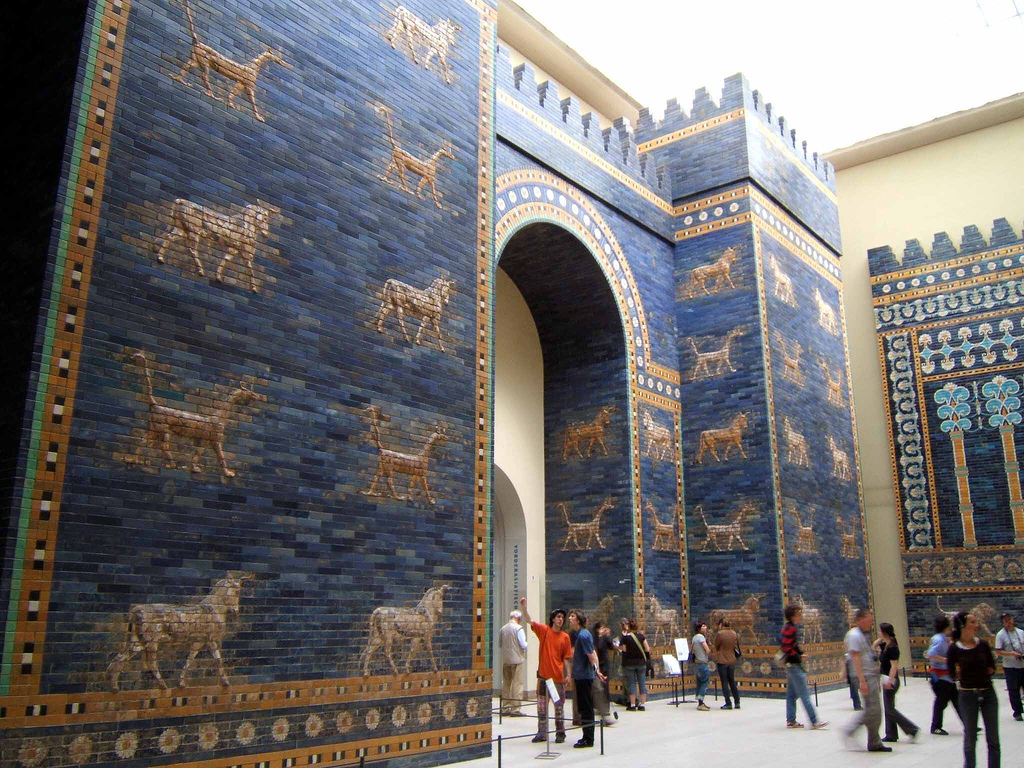 Artifact
Primary source
Ishtar Gate
c. 574 BC
 Document
Primary source
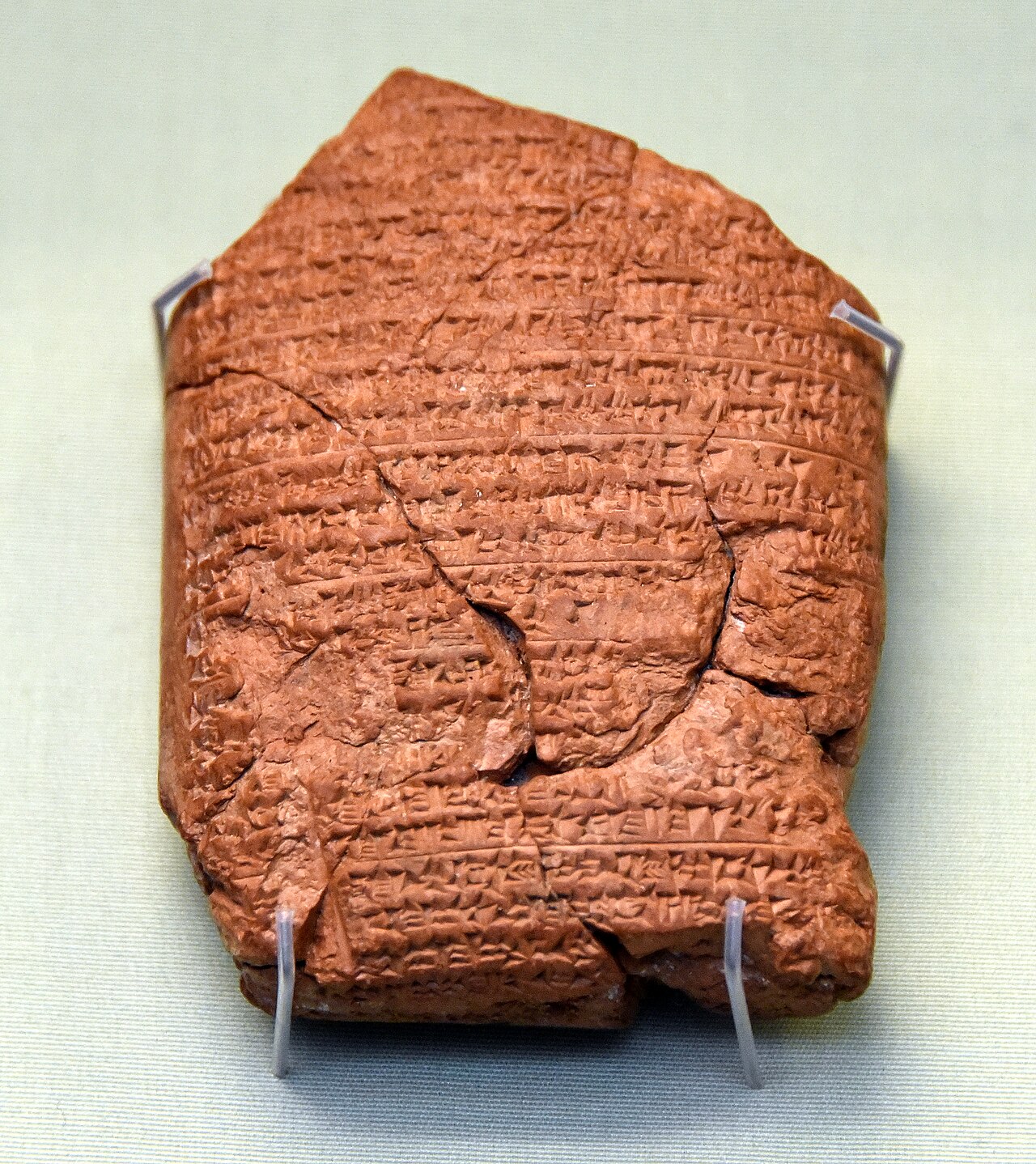
Nebuchadnezzar Chronicle
Babylonian scribes · c. 550-400 BC (recording events of 605-594 BC)
 Document
Primary source
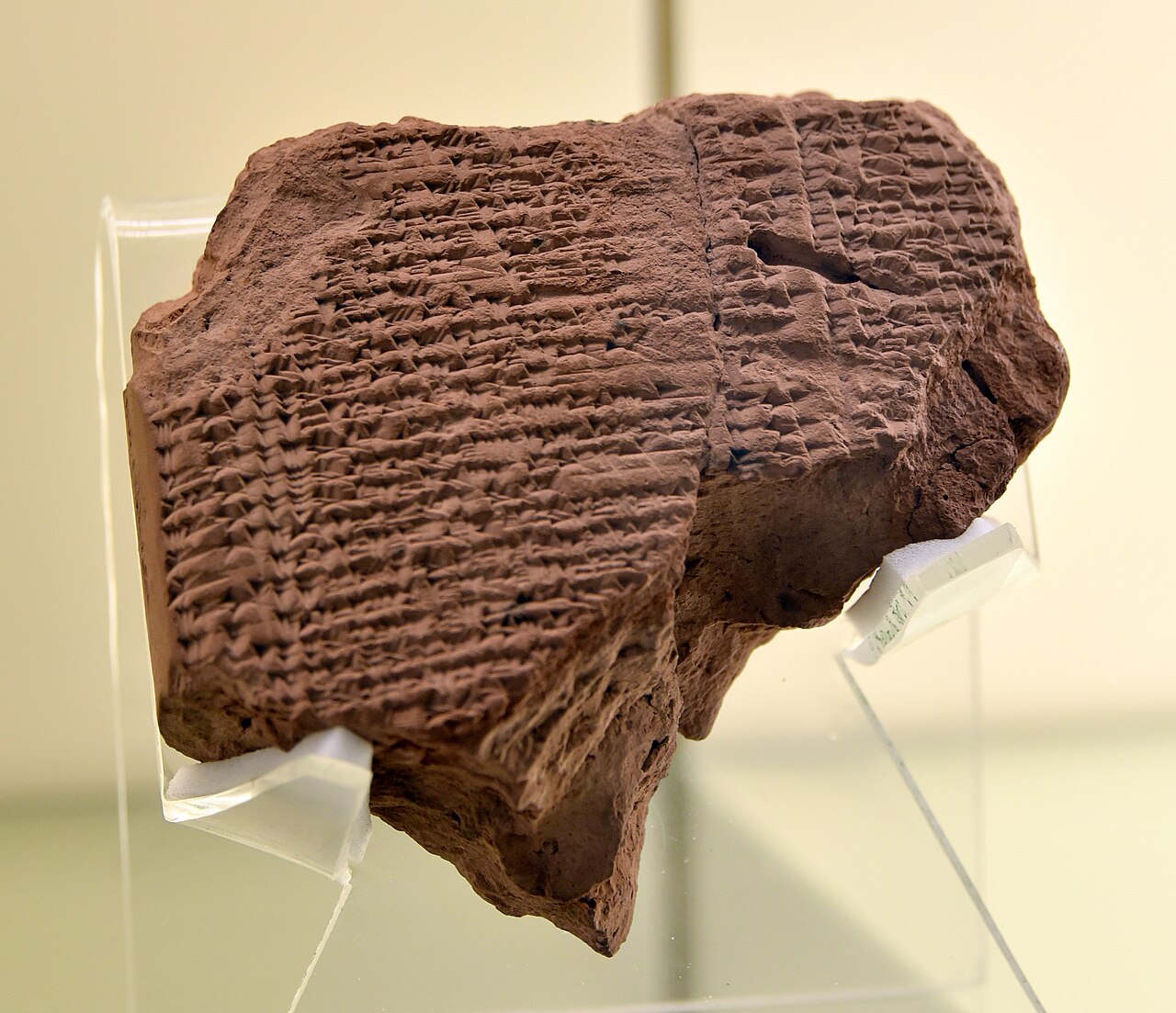
Jehoiachin's Rations Tablets
Babylonian palace scribes · c. 592 BC
 Document
Primary source
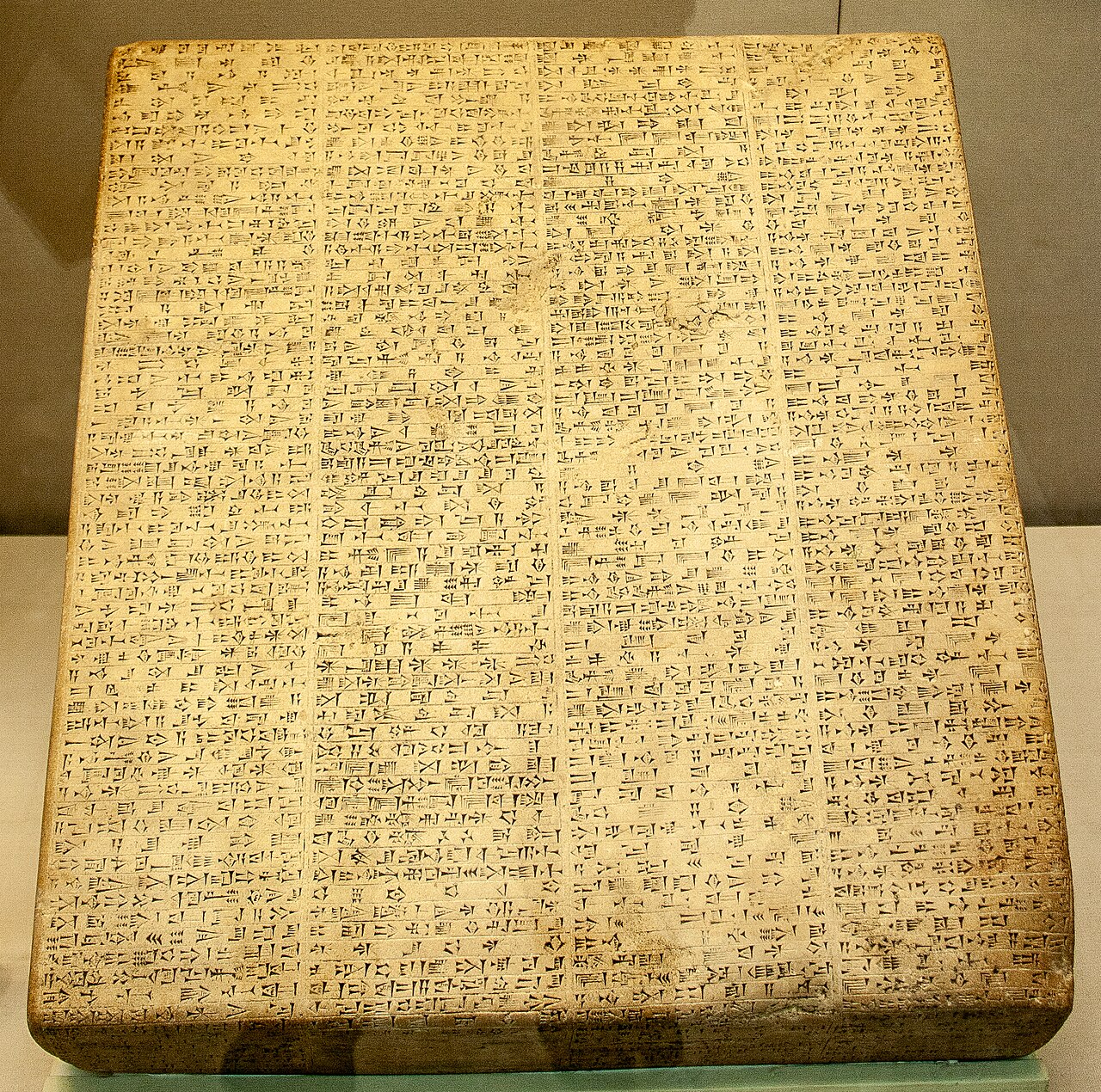
East India House Inscription
Nebuchadnezzar II (scribes writing for him) · 604-562 BC
 Book
Primary source
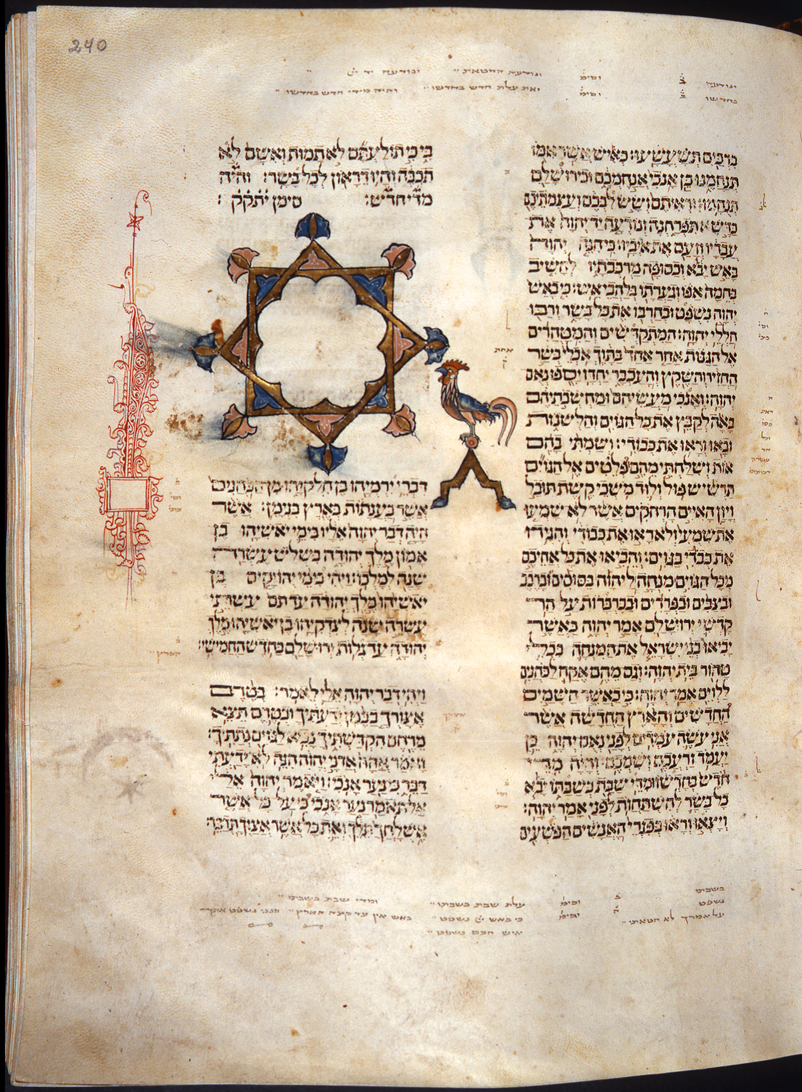
Book of Jeremiah
Jeremiah · c. 6th century BC (text); manuscript illuminated later
Ready when you are
Start chatting with Nebuchadnezzar II now.
20 messages free · No credit card · Available in 50+ languages.