


Secondary sourcePainting
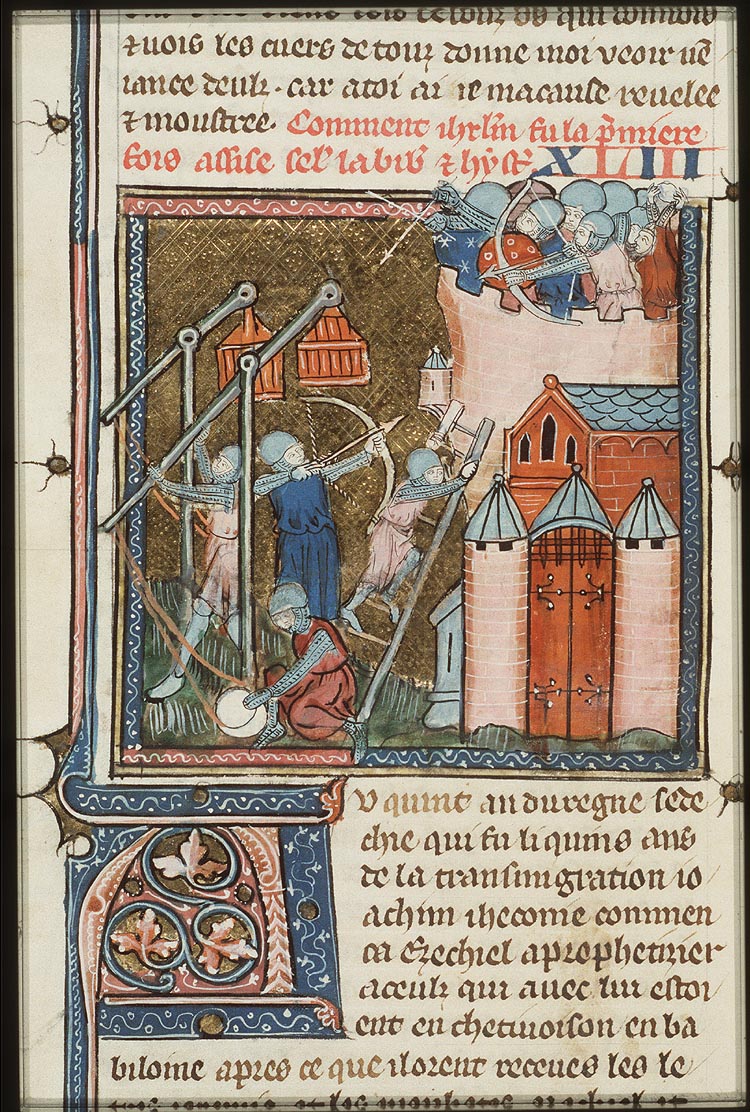
Nebuchadnezzar Besieges Jerusalem
Sub-Fauvel master
A medieval manuscript miniature showing Nebuchadnezzar's army besieging the city of Jerusalem, illustrating a biblical account of his conquest.
A medieval illustration of Nebuchadnezzar's famous siege and conquest of Jerusalem.
About this source
What it is
This illuminated miniature, made by an artist known as the 'Sub-Fauvel master,' shows soldiers attacking a walled city with crossbows and a siege engine, while defenders shoot back from the walls. It appears on a manuscript page held today by the Koninklijke Bibliotheek, the National Library of the Netherlands, surrounded by Gothic script text.
Why it matters
The image illustrates the biblical story of Nebuchadnezzar's siege of Jerusalem, one of the most significant events linked to his reign. Painted centuries after the events it depicts, it shows how medieval illustrators pictured ancient warfare using the armour, weapons, and architecture of their own time rather than Babylon's.
Look closer
- What weapons and armour do the soldiers use, and do they look ancient or medieval?
- Why might this siege scene have been considered important enough to illustrate?
- What does the image leave out about what a real siege would have been like?
This painting is part of the curated material that grounds the AI version of Nebuchadnezzar II on Humy.ai — when students ask about related events, the AI can quote it and cite it.
More Nebuchadnezzar II sources
Meet the AI Nebuchadnezzar II →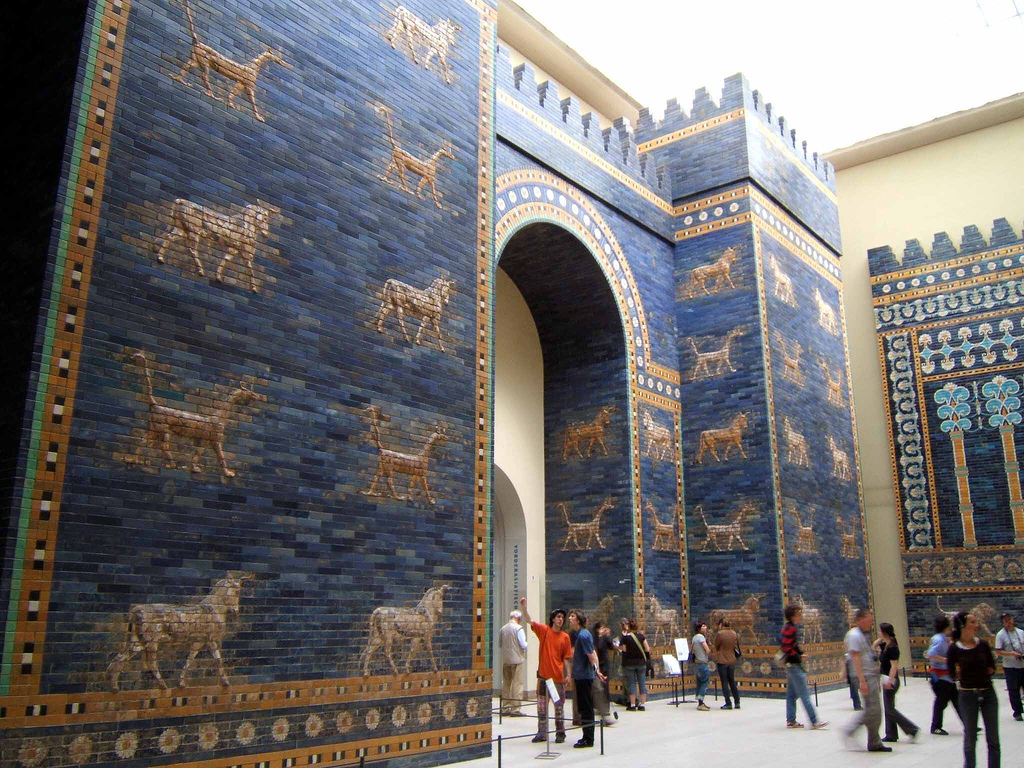 Artifact
Primary source
Ishtar Gate
c. 574 BC
 Document
Primary source
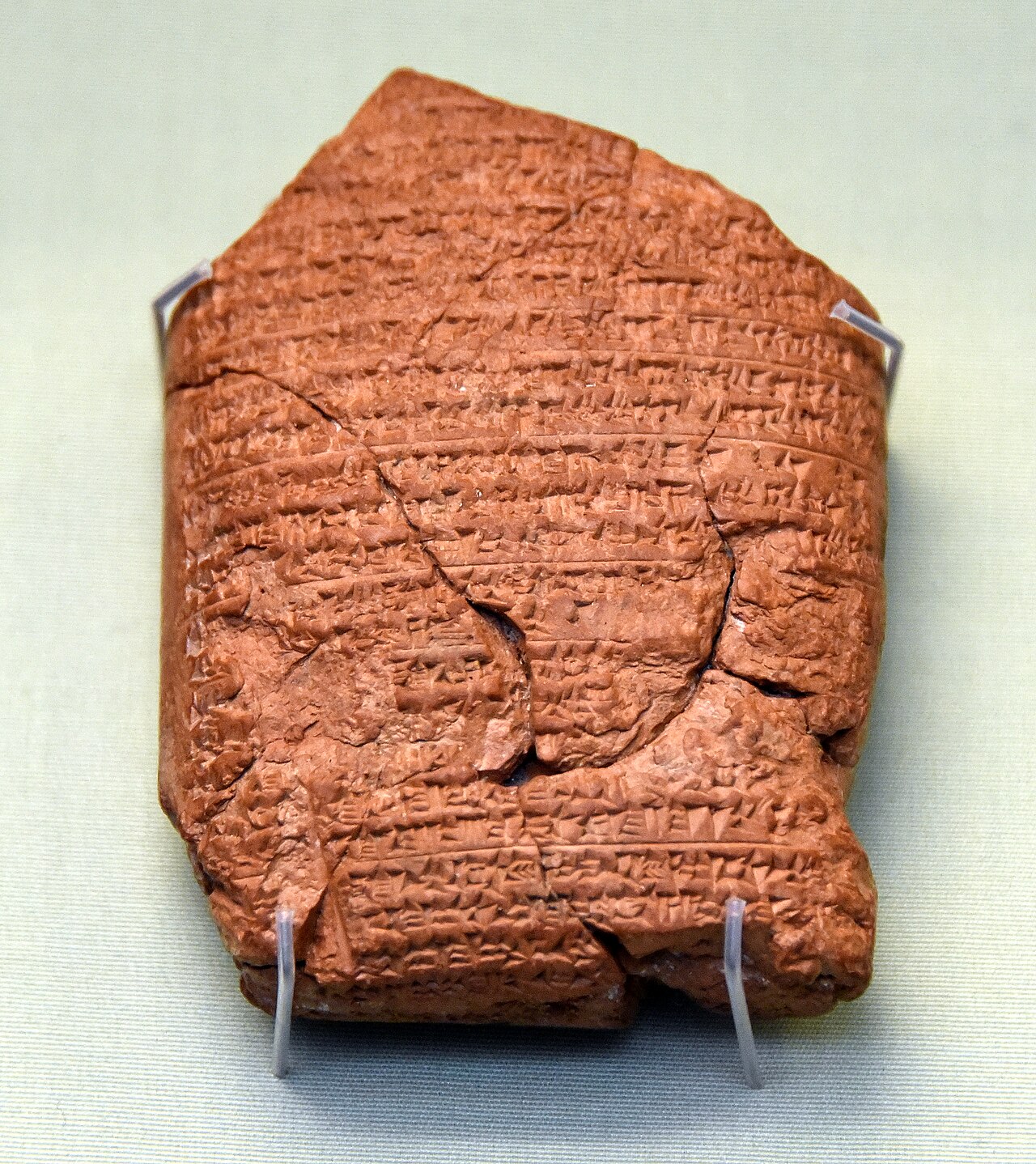
Nebuchadnezzar Chronicle
Babylonian scribes · c. 550-400 BC (recording events of 605-594 BC)
 Document
Primary source
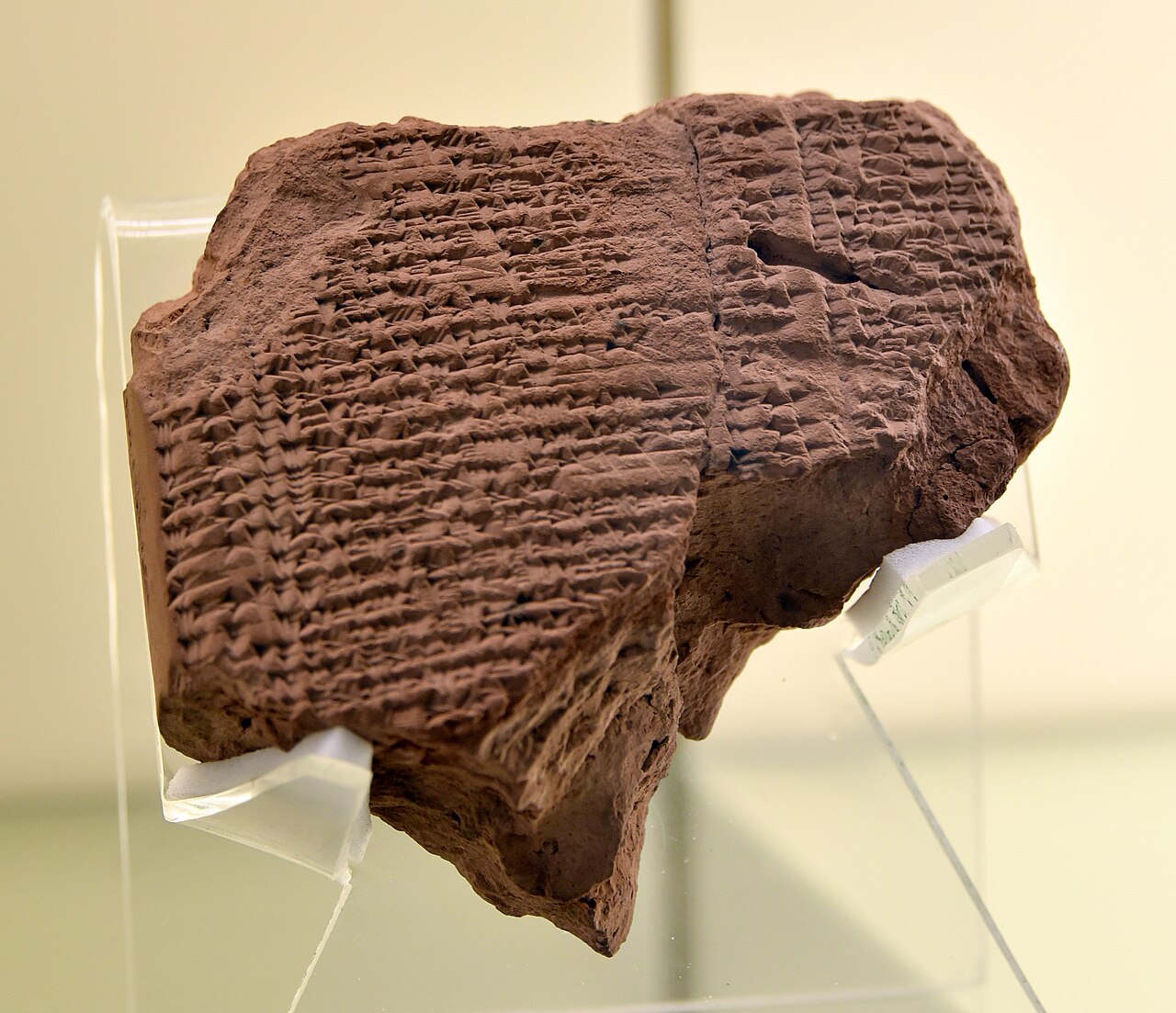
Jehoiachin's Rations Tablets
Babylonian palace scribes · c. 592 BC
 Document
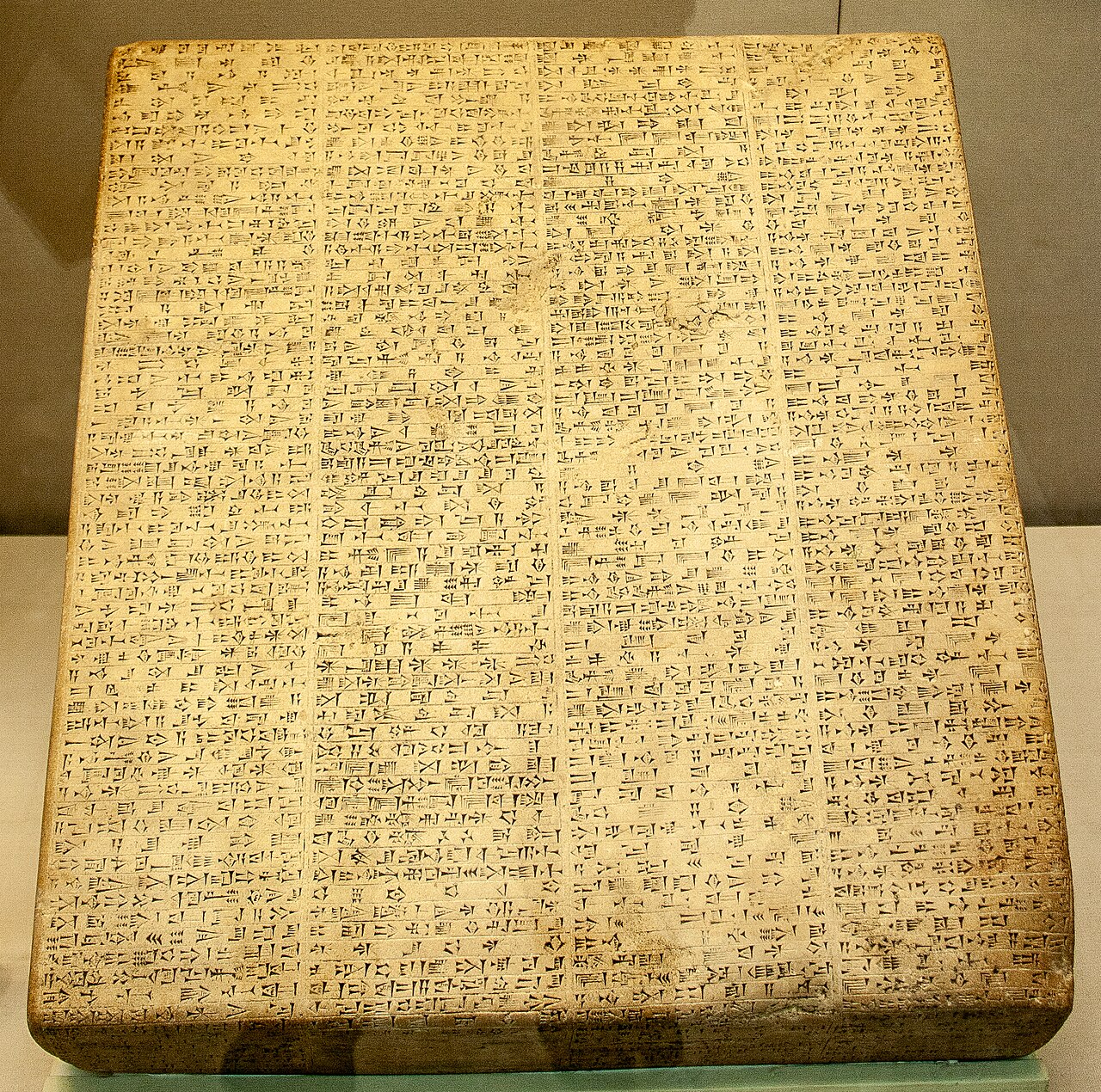
Primary source
East India House Inscription
Nebuchadnezzar II (scribes writing for him) · 604-562 BC
 Book
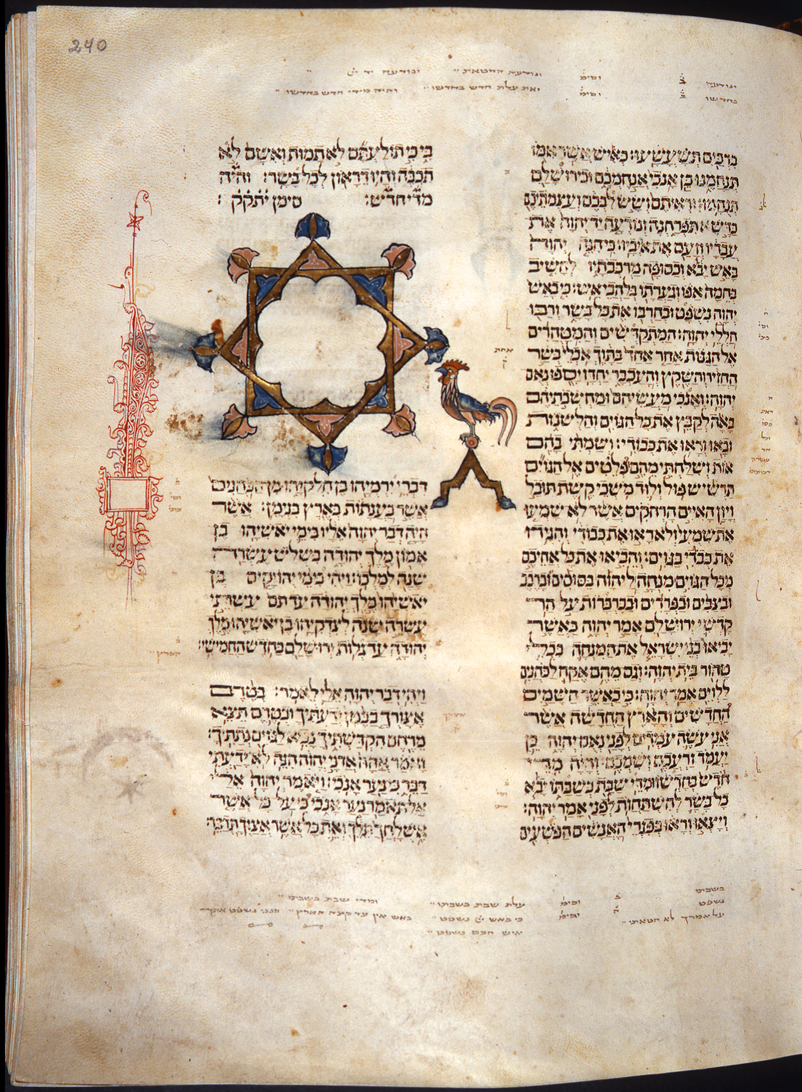
Primary source
Book of Jeremiah
Jeremiah · c. 6th century BC (text); manuscript illuminated later
Ready when you are
Start chatting with Nebuchadnezzar II now.
20 messages free · No credit card · Available in 50+ languages.