


Secondary sourcePainting16th century
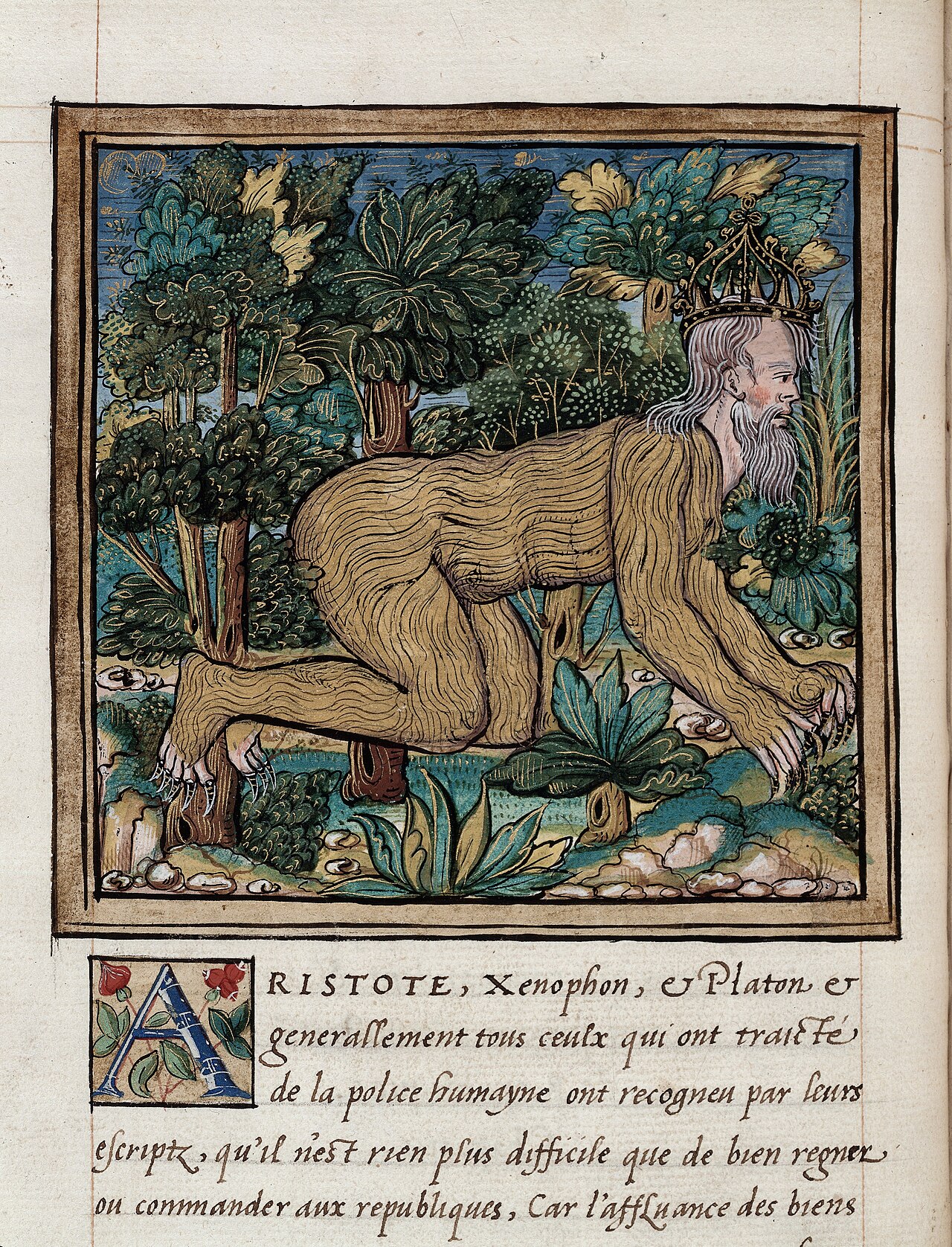
Le Miserable Roy Nabugodonozor
16th century
A 16th-century French illustrated book page depicting Nebuchadnezzar transformed into a beast-like creature as a fallen, wretched king.
This later French illustration imagines Nebuchadnezzar's downfall as a transformation into a wretched, beast-like figure.
About this source
What it is
This is a page from Histoires prodigieuses, a 16th-century French illustrated book. It shows an illumination of Nebuchadnezzar, described as 'the wretched king,' transformed from a crowned ruler into a hairy, beast-like creature wandering a forest, alongside printed French text.
Why it matters
This image reflects a much later European retelling of Nebuchadnezzar's story, long after his lifetime, showing how his downfall was imagined and moralized by Renaissance writers and artists. It tells us more about 16th-century French ideas of kingship and punishment than about the historical king himself.
Look closer
- What does the transformation into a beast suggest about how this artist understood Nebuchadnezzar's fate?
- Why might the printed text beside the image discuss ancient philosophers like Aristotle and Plato?
- How reliable is this image as evidence about the real Nebuchadnezzar II, and why?
This painting is part of the curated material that grounds the AI version of Nebuchadnezzar II on Humy.ai — when students ask about related events, the AI can quote it and cite it.
More Nebuchadnezzar II sources
Meet the AI Nebuchadnezzar II →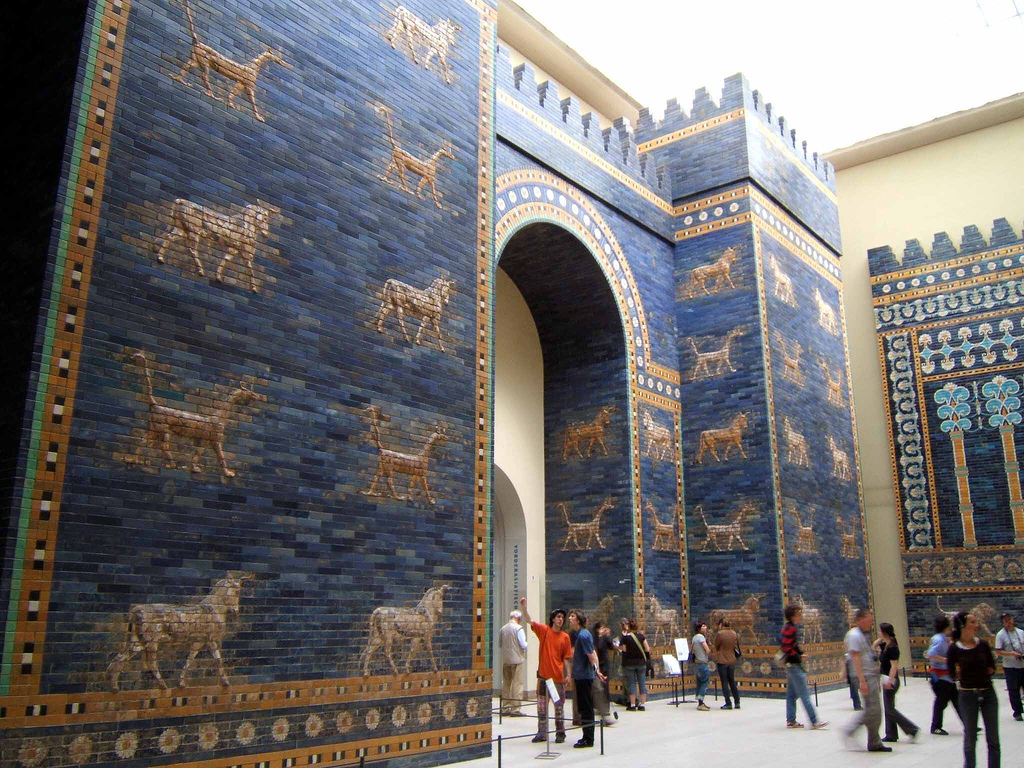 Artifact
Primary source
Ishtar Gate
c. 574 BC
 Document
Primary source
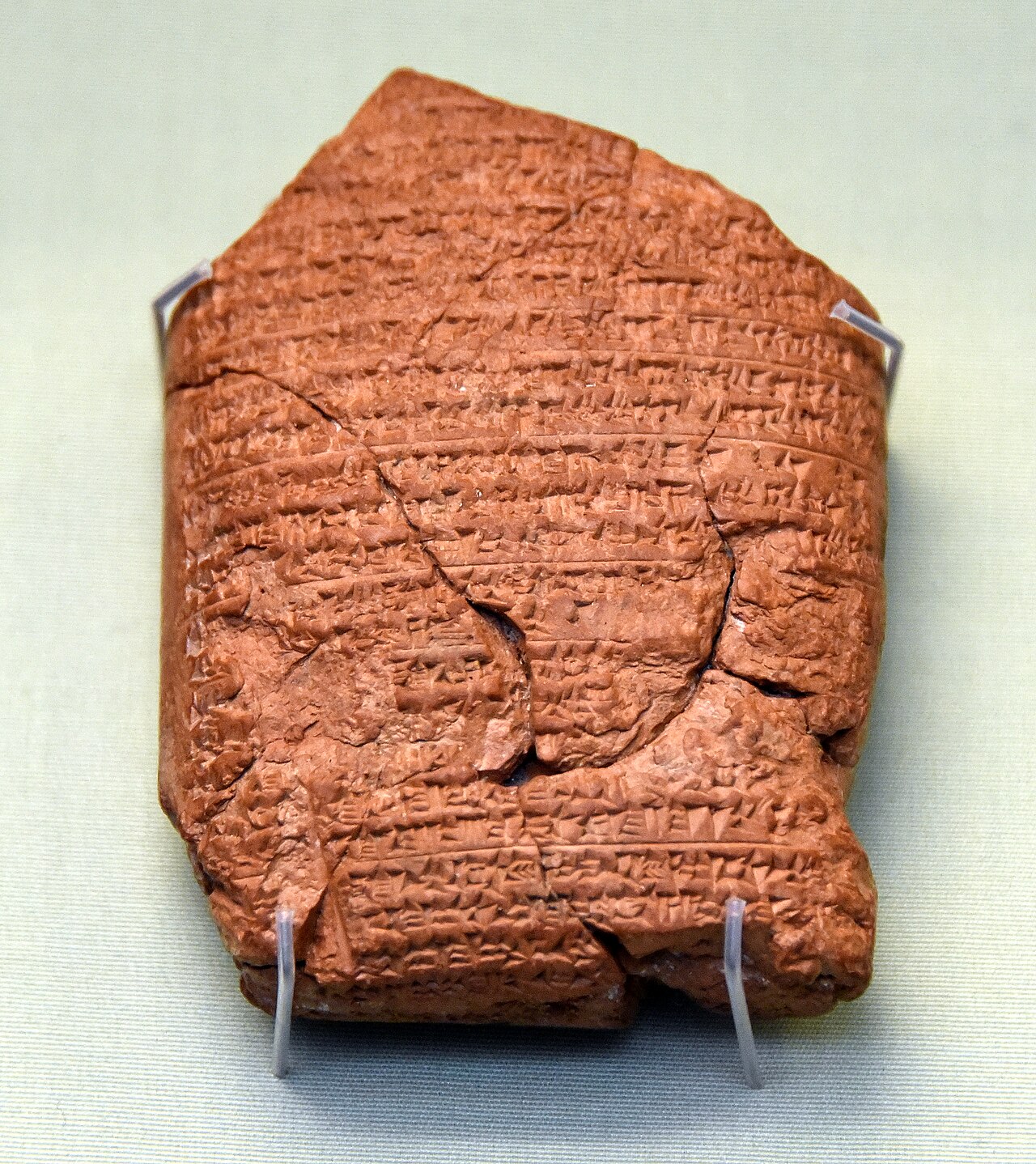
Nebuchadnezzar Chronicle
Babylonian scribes · c. 550-400 BC (recording events of 605-594 BC)
 Document
Primary source
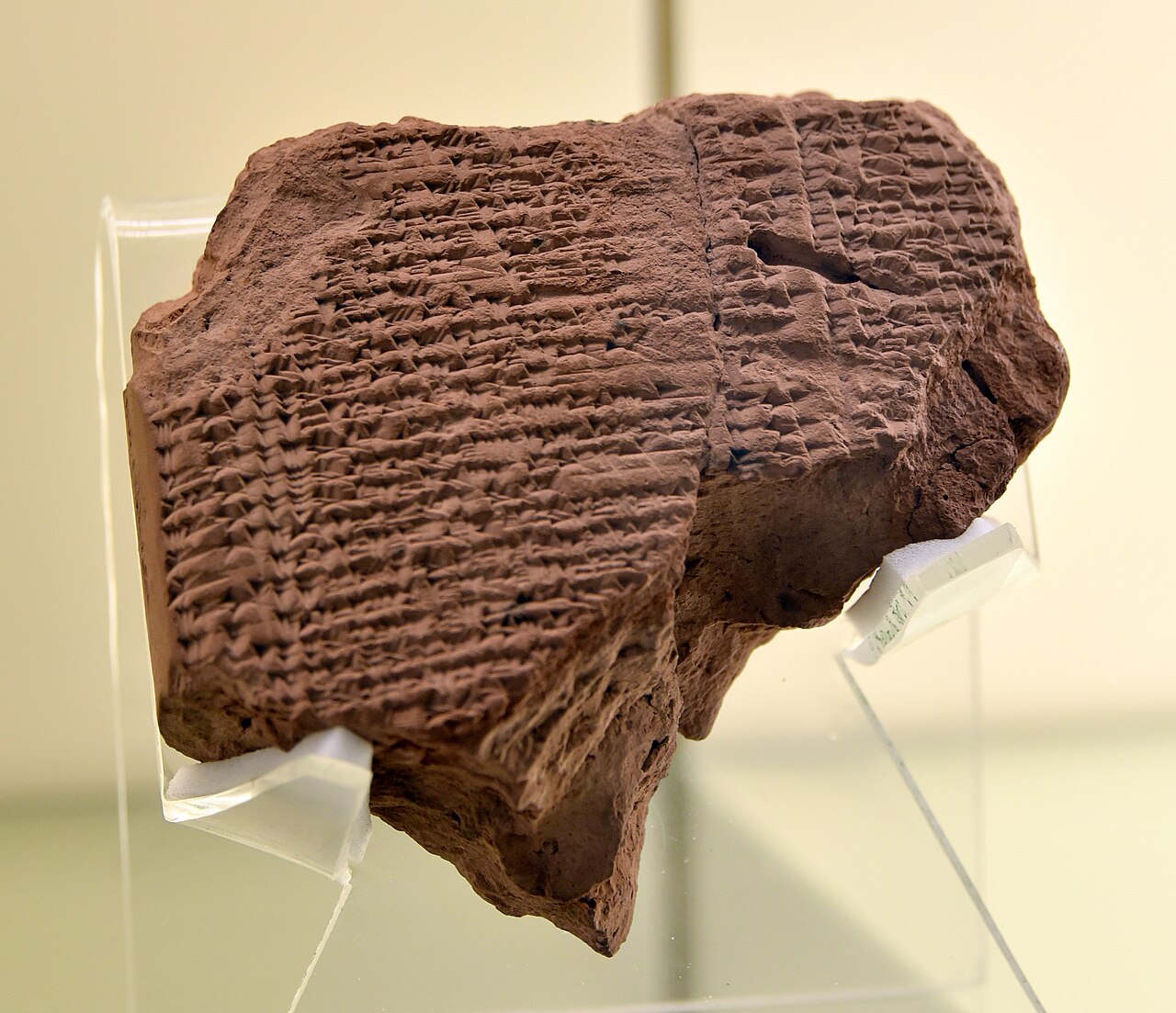
Jehoiachin's Rations Tablets
Babylonian palace scribes · c. 592 BC
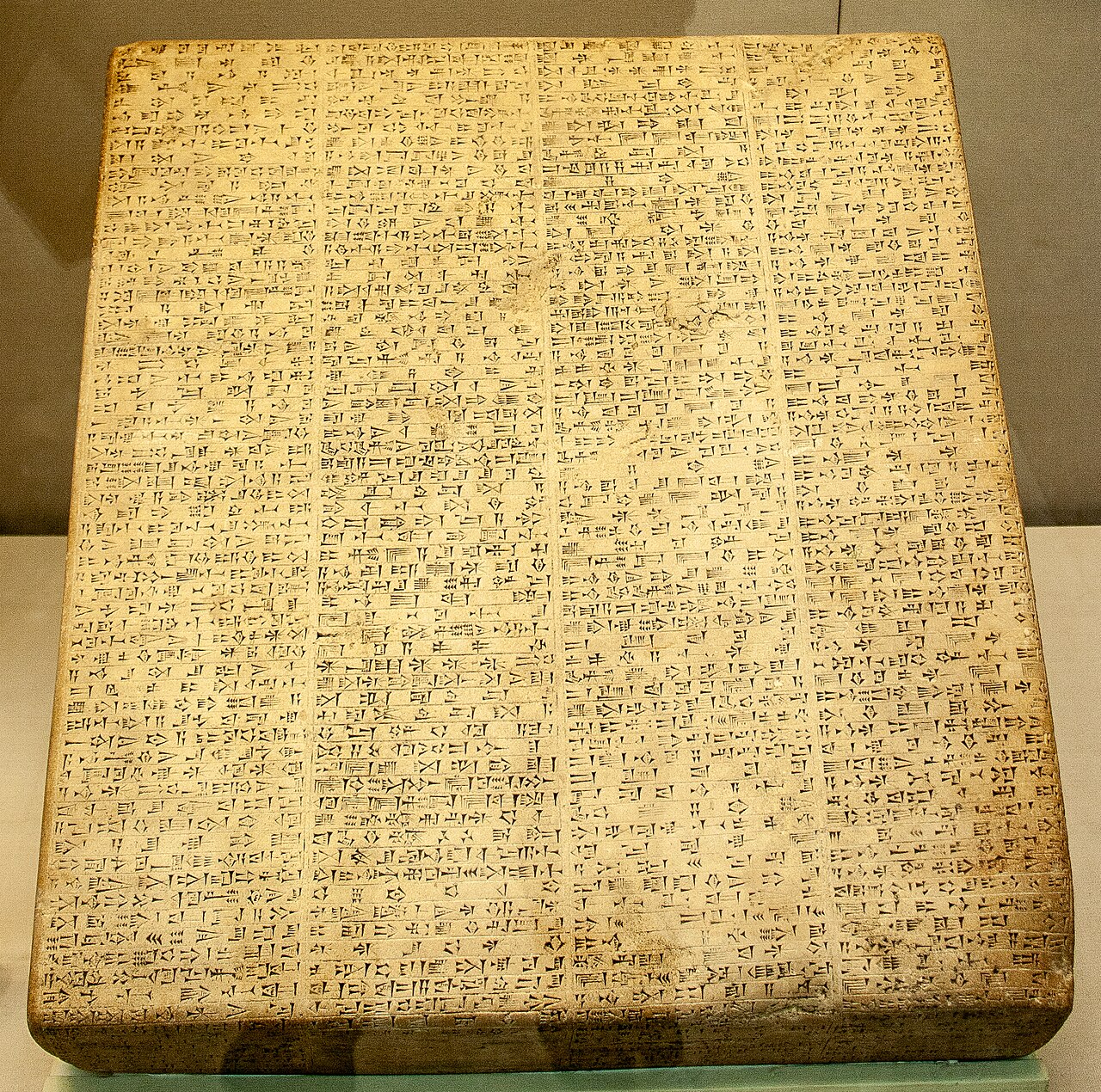 Document
Primary source
East India House Inscription
Nebuchadnezzar II (scribes writing for him) · 604-562 BC
 Book
Primary source
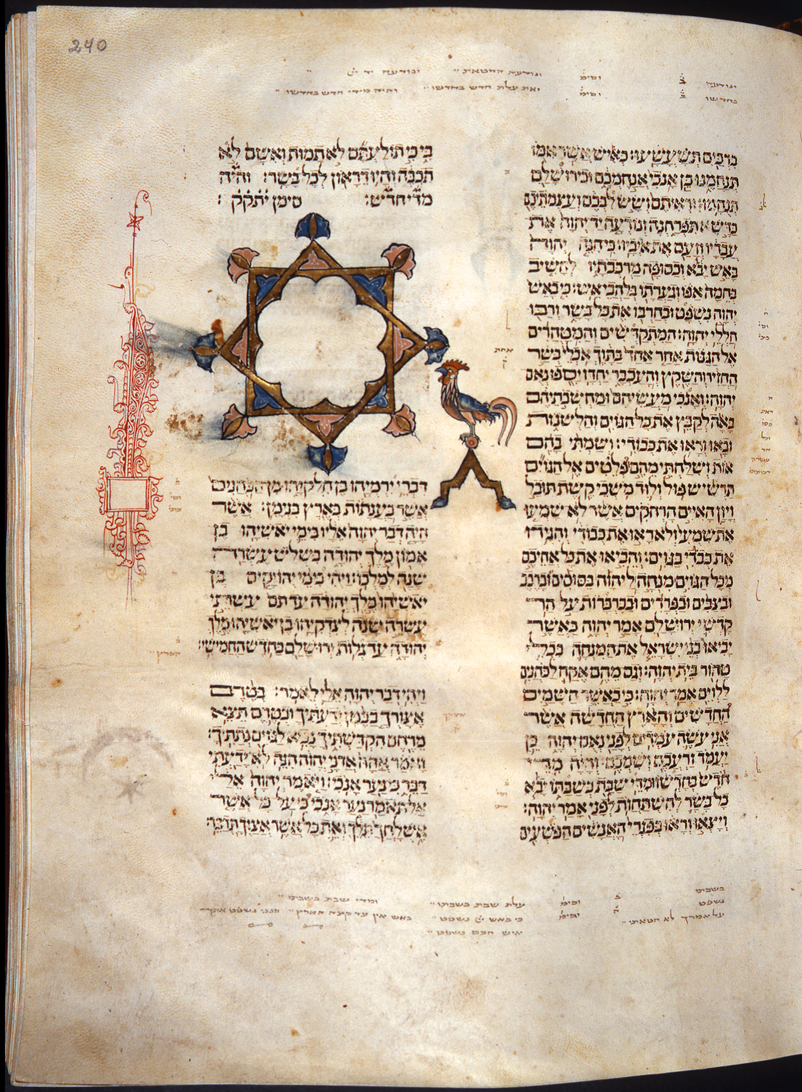
Book of Jeremiah
Jeremiah · c. 6th century BC (text); manuscript illuminated later
Ready when you are
Start chatting with Nebuchadnezzar II now.
20 messages free · No credit card · Available in 50+ languages.