


Secondary sourcePaintingc. 1430
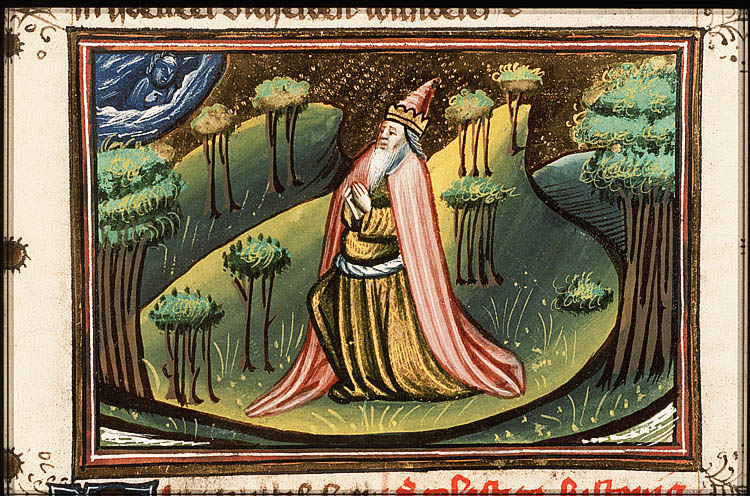
The Conversion of Nebuchadnezzar
Claes Brouwer · c. 1430
A medieval manuscript miniature showing King Nebuchadnezzar kneeling in prayer, illustrating his conversion in the Book of Daniel tradition.
This later religious image depicts Nebuchadnezzar as a repentant king, part of his legendary afterlife in Christian art.
About this source
What it is
This is a painted miniature from a medieval manuscript, made by Claes Brouwer around 1430. It shows a bearded, crowned old man kneeling and praying on a hillside. The manuscript is held today by the KB, National Library of the Netherlands.
Why it matters
The image illustrates a story from the Book of Daniel about Nebuchadnezzar turning to prayer. It was painted nearly two thousand years after the king's reign, so it tells us more about how medieval Christian artists like Claes Brouwer imagined biblical kings than about the historical Nebuchadnezzar himself.
Look closer
- What does the artist's choice of medieval clothing and crown tell you about when this was made?
- Why might this story have been popular to illustrate in a religious manuscript?
- What is missing from this image if you wanted to learn about the real, historical Nebuchadnezzar?
This painting is part of the curated material that grounds the AI version of Nebuchadnezzar II on Humy.ai — when students ask about related events, the AI can quote it and cite it.
More Nebuchadnezzar II sources
Meet the AI Nebuchadnezzar II →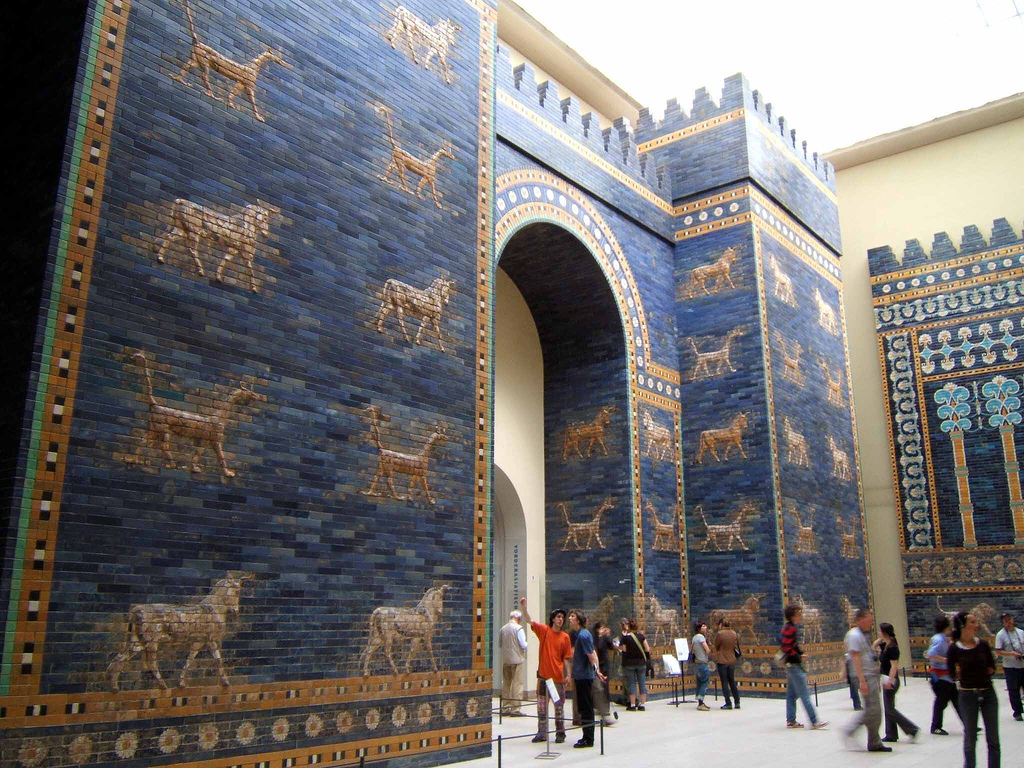 Artifact
Primary source
Ishtar Gate
c. 574 BC
 Document
Primary source
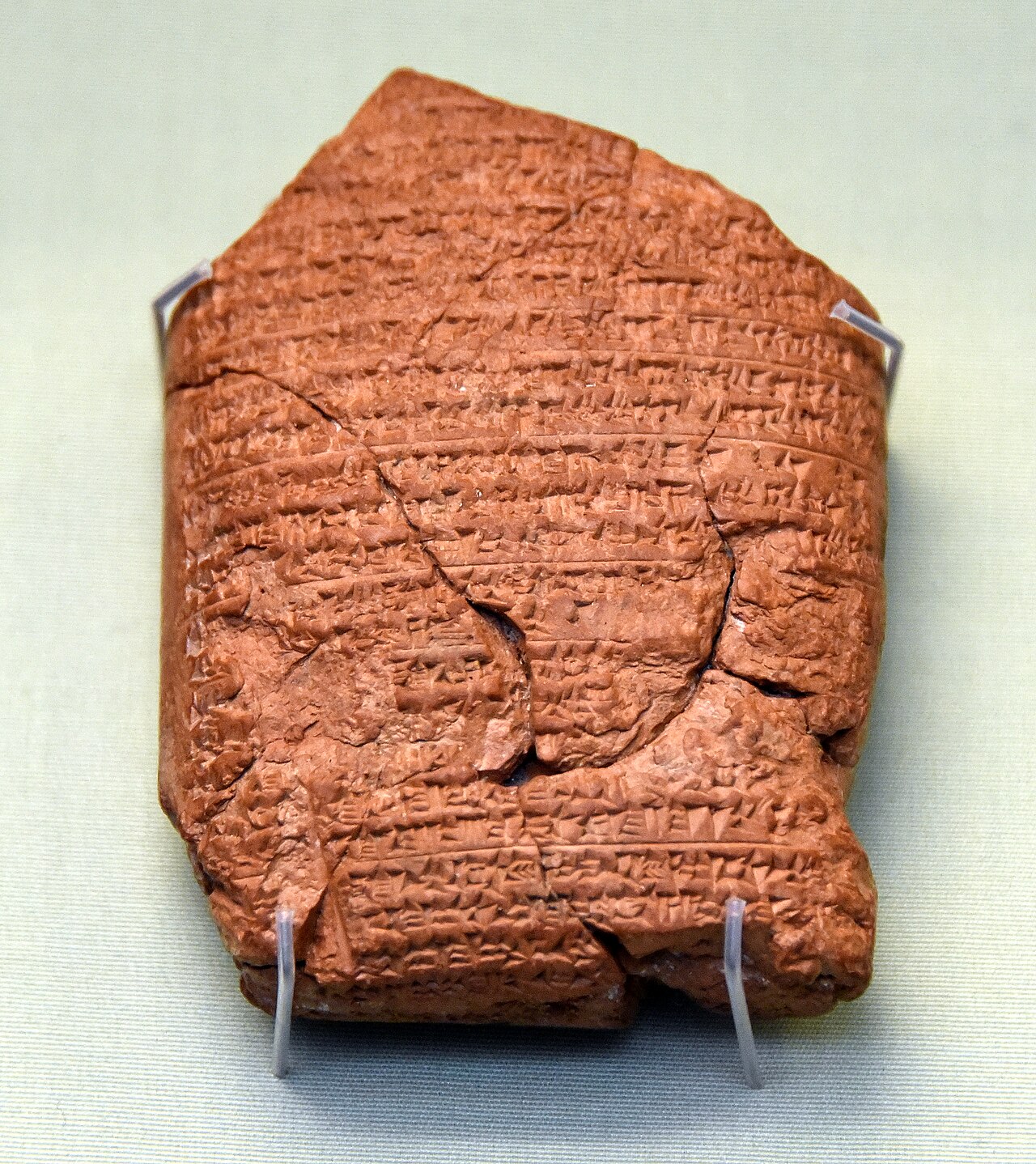
Nebuchadnezzar Chronicle
Babylonian scribes · c. 550-400 BC (recording events of 605-594 BC)
 Document
Primary source
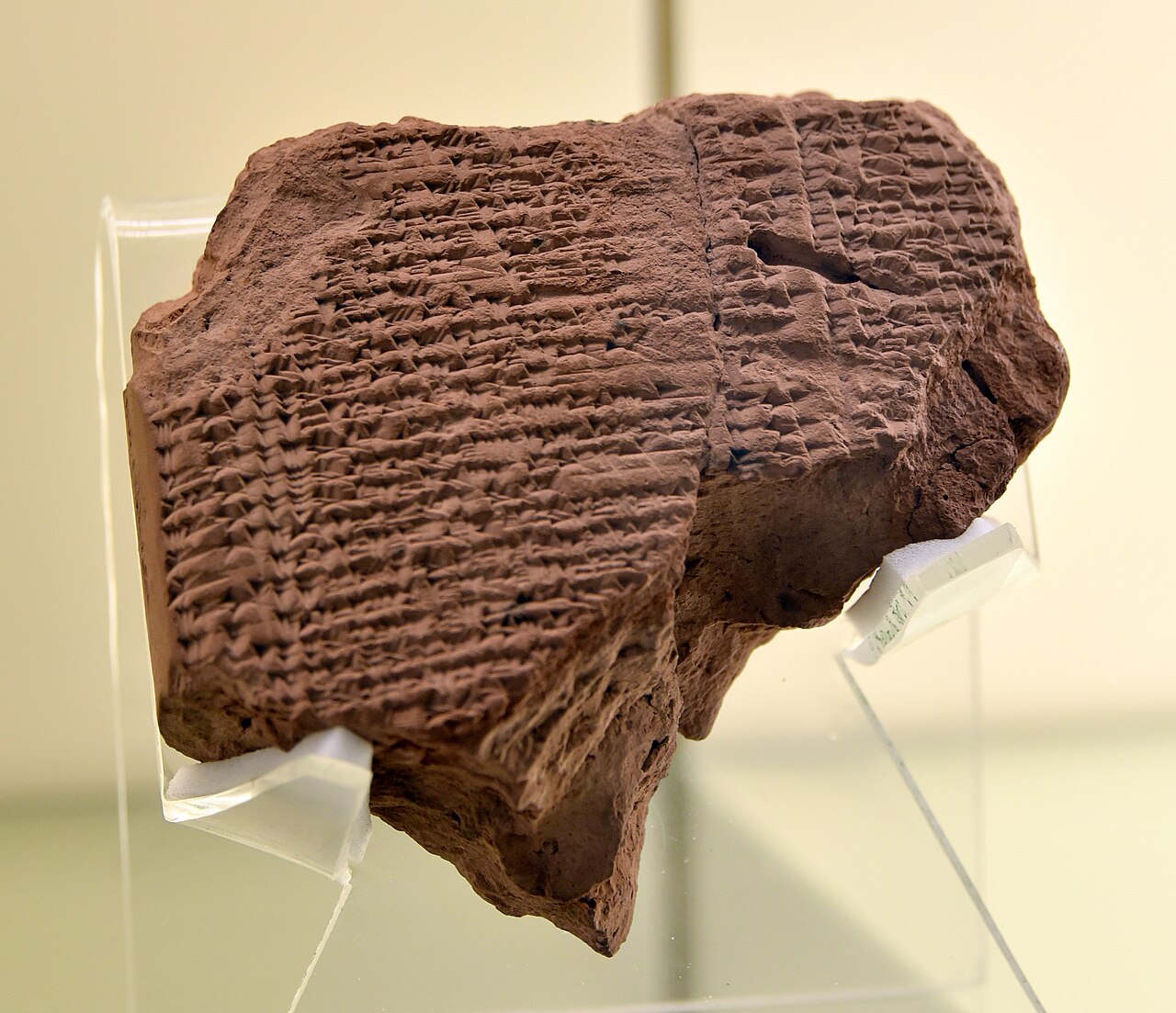
Jehoiachin's Rations Tablets
Babylonian palace scribes · c. 592 BC
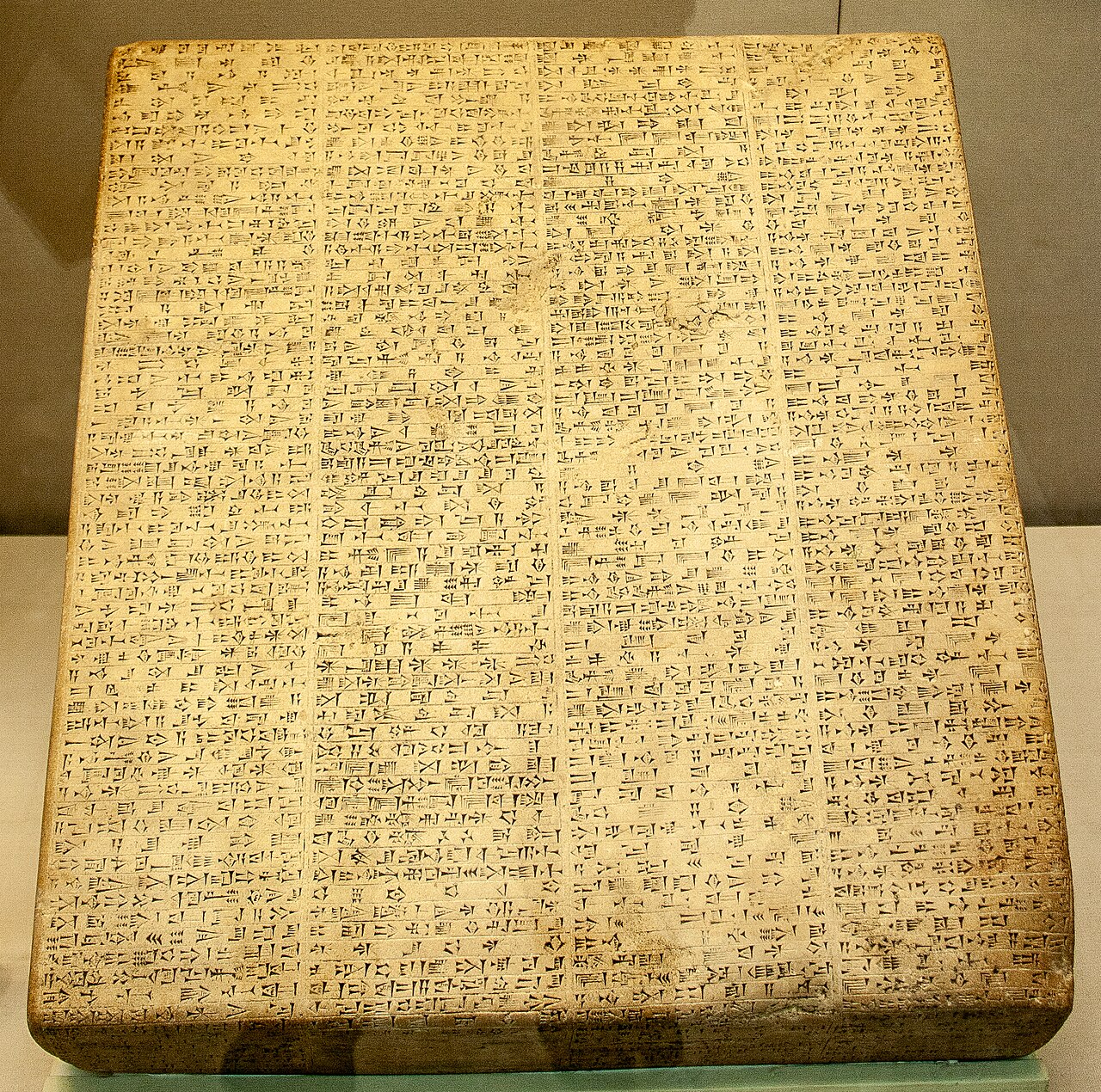 Document
Primary source
East India House Inscription
Nebuchadnezzar II (scribes writing for him) · 604-562 BC
 Book
Primary source
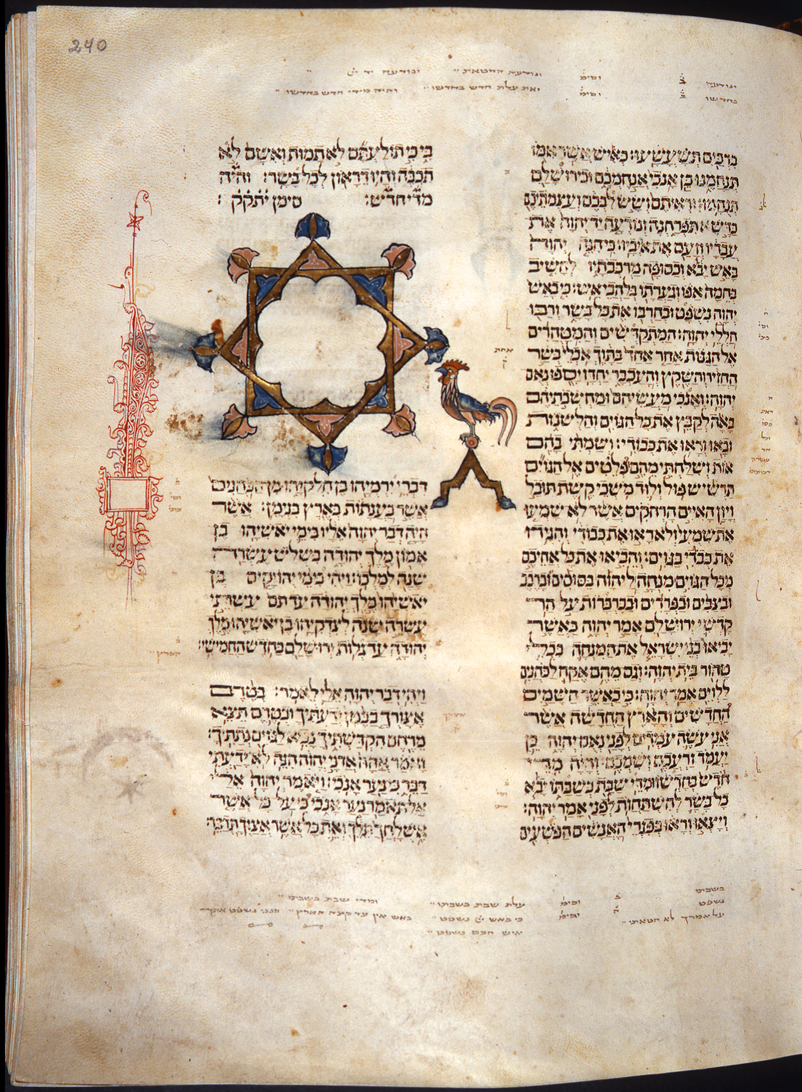
Book of Jeremiah
Jeremiah · c. 6th century BC (text); manuscript illuminated later
Ready when you are
Start chatting with Nebuchadnezzar II now.
20 messages free · No credit card · Available in 50+ languages.