


Primary sourceLetterc. 588-586 BC
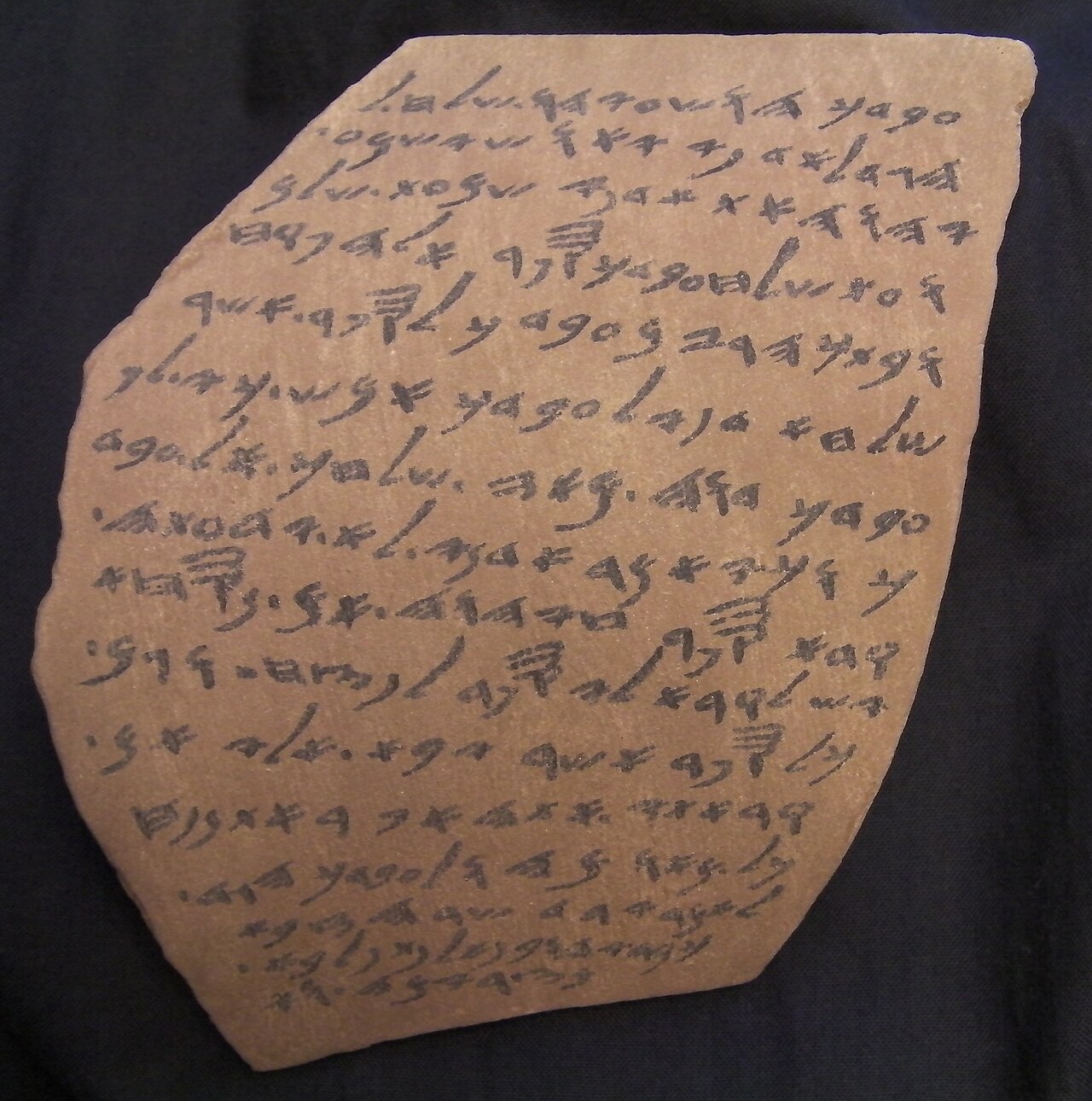
Lachish Letters
Hoshaiah · c. 588-586 BC
Hebrew ostraca written by Judahite soldiers during the Babylonian advance, capturing fear inside Judah's fortresses as Nebuchadnezzar's army approached.
These letters record the fear of Judah's defenders as Nebuchadnezzar's army advanced, giving context for his military campaigns.
About this source
What it is
The Lachish Letters are a group of ancient Hebrew inscriptions written in ink on broken pieces of pottery (ostraca), found at the site of Lachish in Israel. They were discovered in 1935 and published in 1938. Most are now in the British Museum, with some on display at the Rockefeller Museum in Jerusalem. They were likely written by a military officer named Hoshaiah to his commander Yaush, shortly before Lachish fell.
Why it matters
These letters give a rare first-hand voice from ordinary soldiers caught up in events connected to King Nebuchadnezzar II's campaign against Judah. They mention watching for fire signals and troop movements, showing the anxiety and confusion inside a kingdom facing the Babylonian army, even though Nebuchadnezzar himself does not appear in them.
Look closer
- What do the letters' urgent tone and questions reveal about the writers' state of mind?
- Why might letters from ordinary soldiers survive when so many royal records are lost?
- What don't these letters tell us about the Babylonian side of the conflict?
This letter is part of the curated material that grounds the AI version of Nebuchadnezzar II on Humy.ai — when students ask about related events, the AI can quote it and cite it.
More Nebuchadnezzar II sources
Meet the AI Nebuchadnezzar II →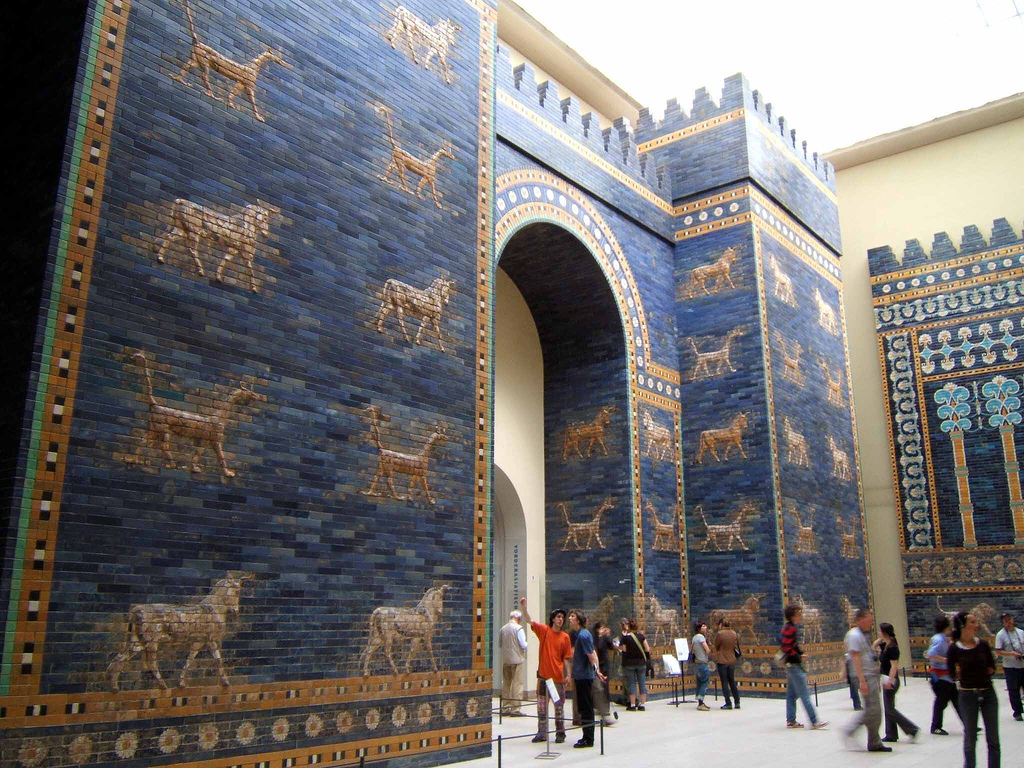 Artifact
Primary source
Ishtar Gate
c. 574 BC
 Document
Primary source
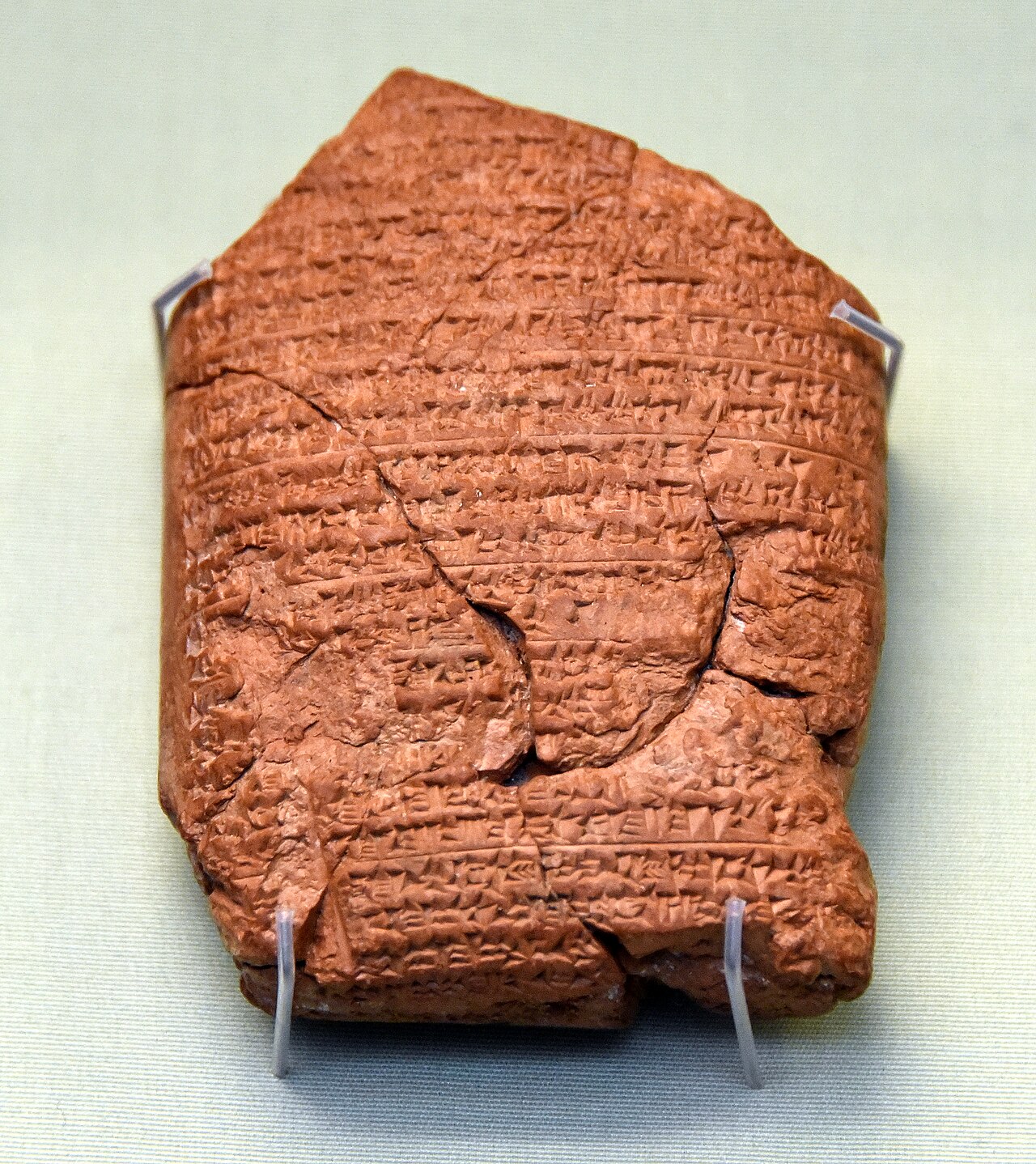
Nebuchadnezzar Chronicle
Babylonian scribes · c. 550-400 BC (recording events of 605-594 BC)
 Document
Primary source
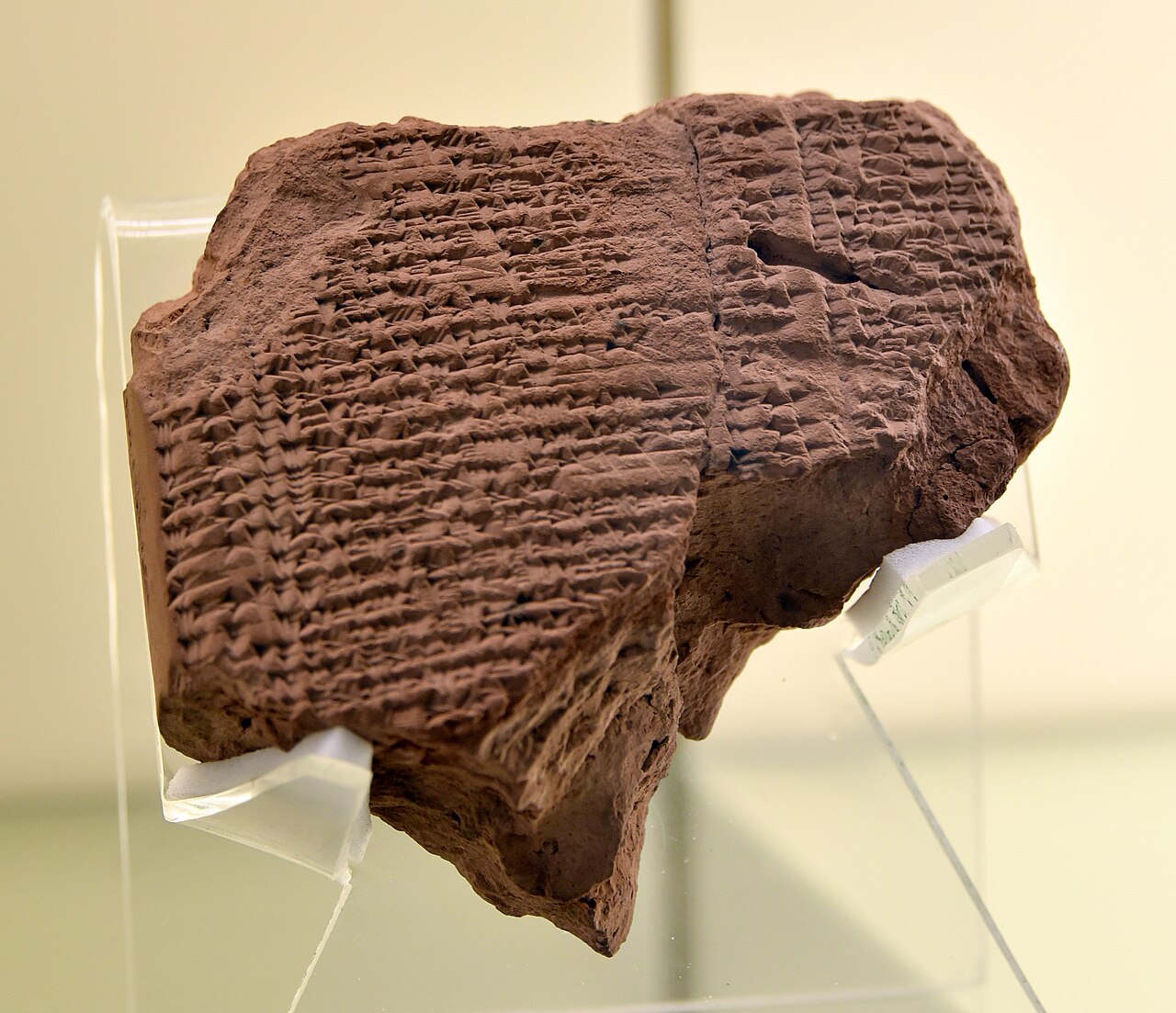
Jehoiachin's Rations Tablets
Babylonian palace scribes · c. 592 BC
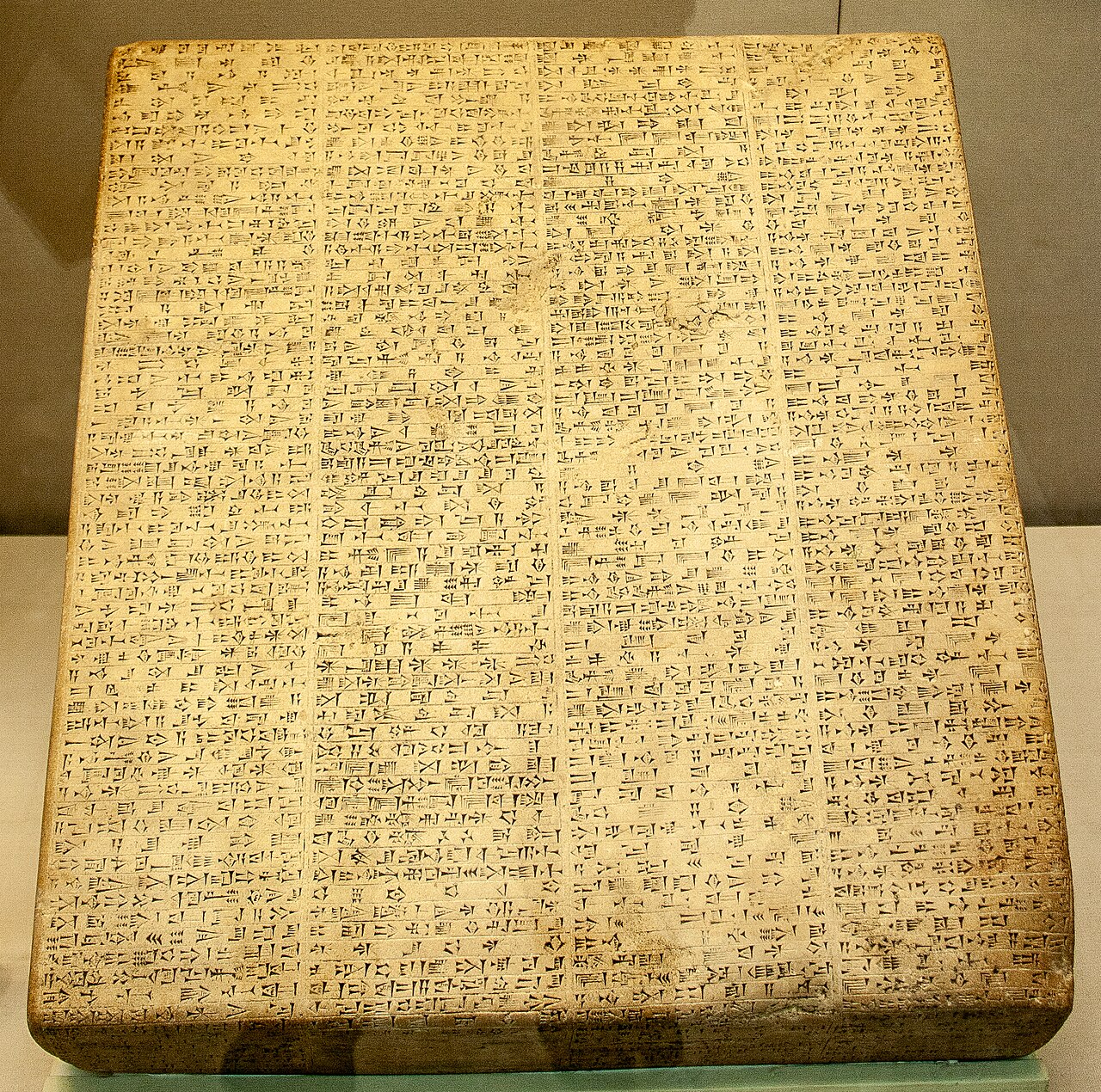 Document
Primary source
East India House Inscription
Nebuchadnezzar II (scribes writing for him) · 604-562 BC
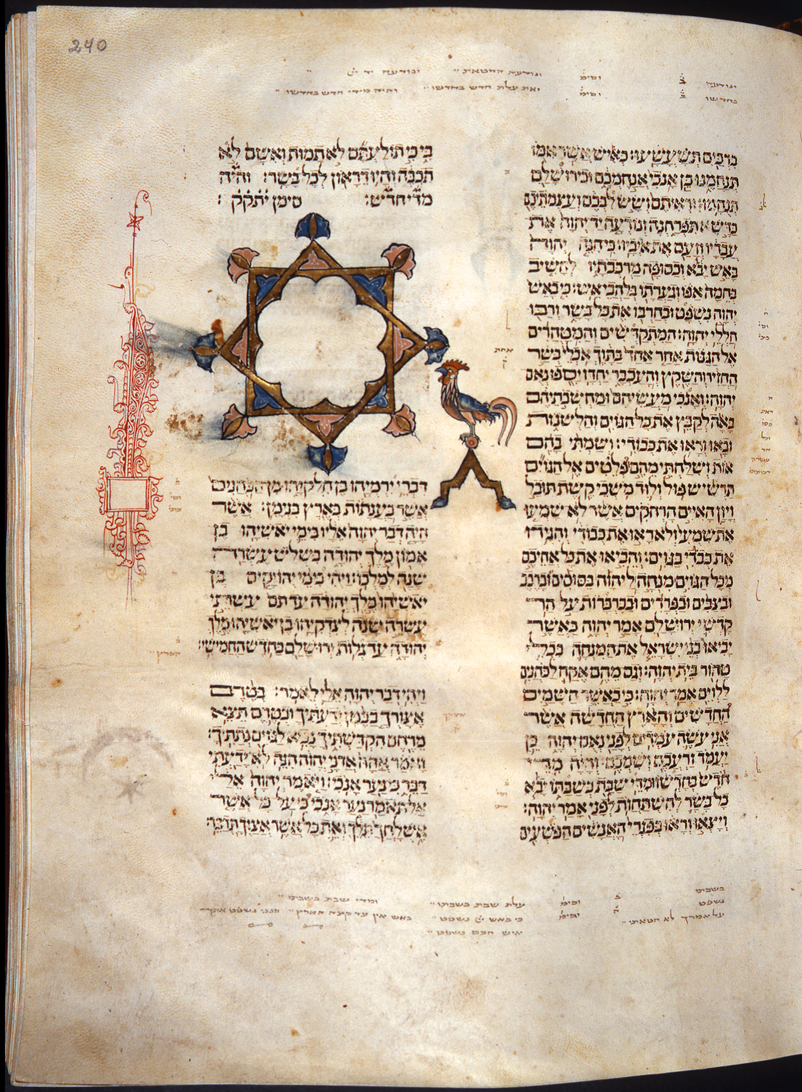 Book
Primary source
Book of Jeremiah
Jeremiah · c. 6th century BC (text); manuscript illuminated later
Ready when you are
Start chatting with Nebuchadnezzar II now.
20 messages free · No credit card · Available in 50+ languages.