


Primary sourceArtifactcompleted 6th century BC
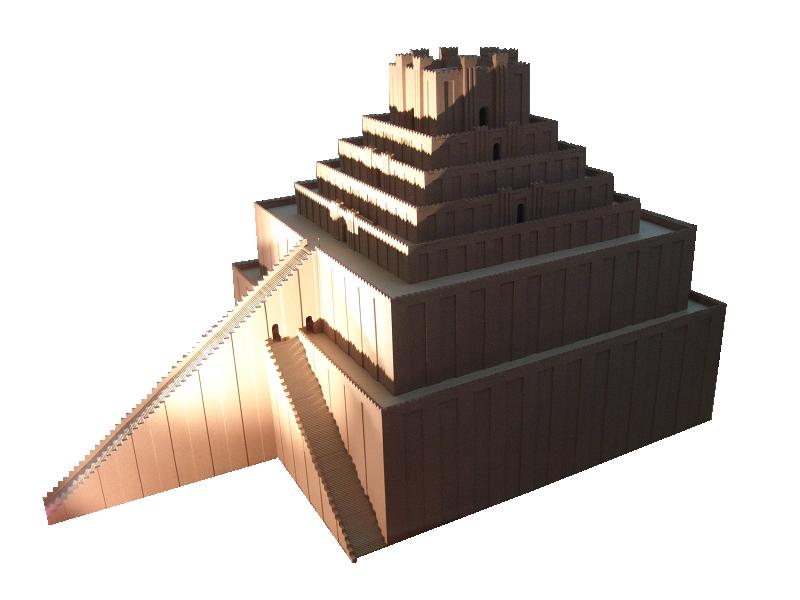
Etemenanki
completed 6th century BC
A great ziggurat dedicated to the god Marduk in Babylon, completed by Nebuchadnezzar II and possibly the inspiration for the Tower of Babel story.
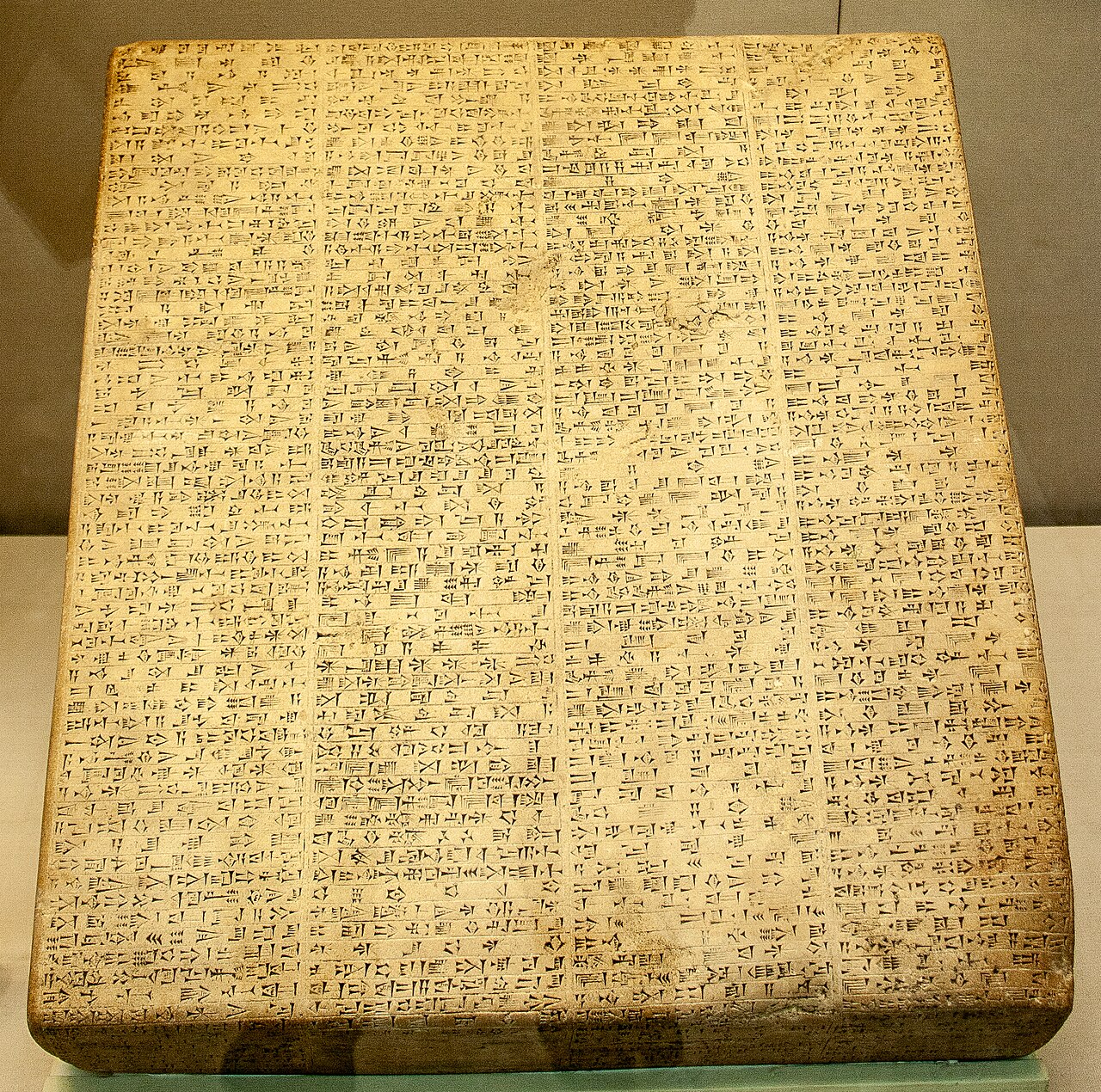
Nebuchadnezzar II completed this great ziggurat and boasted of the achievement in his own royal inscriptions.
About this source
What it is
Etemenanki was a Babylonian ziggurat dedicated to the god Marduk, located near Babylon in modern Iraq. Though its origins may go back centuries earlier, it was destroyed and later rebuilt, with the final reconstruction carried out by Nebuchadnezzar II, continuing work begun by his father Nabopolassar. Royal inscriptions describe how Nabopolassar organized a vast workforce and had his sons, including young Nebuchadnezzar, carry ceremonial baskets of earth during construction.
Why it matters
Some scholars connect Etemenanki to the biblical story of the Tower of Babel. Nebuchadnezzar's own inscriptions boast of completing the structure, raising its top
This artifact is part of the curated material that grounds the AI version of Nebuchadnezzar II on Humy.ai — when students ask about related events, the AI can quote it and cite it.
More Nebuchadnezzar II sources
Meet the AI Nebuchadnezzar II →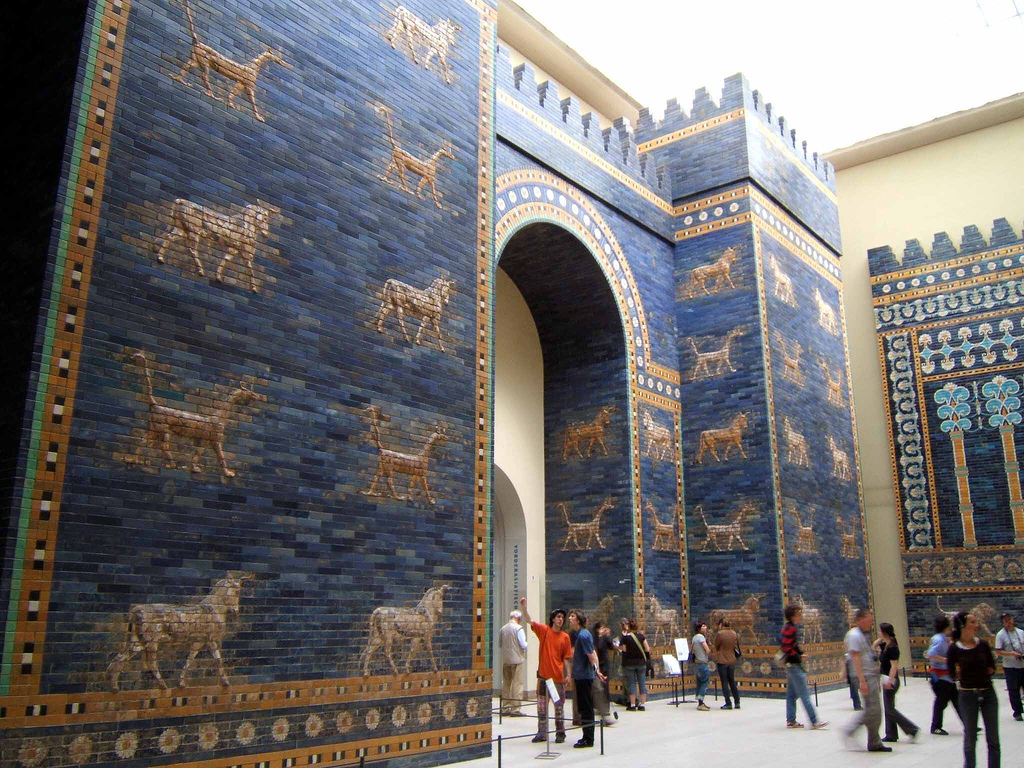 Artifact
Primary source
Ishtar Gate
c. 574 BC
 Document
Primary source
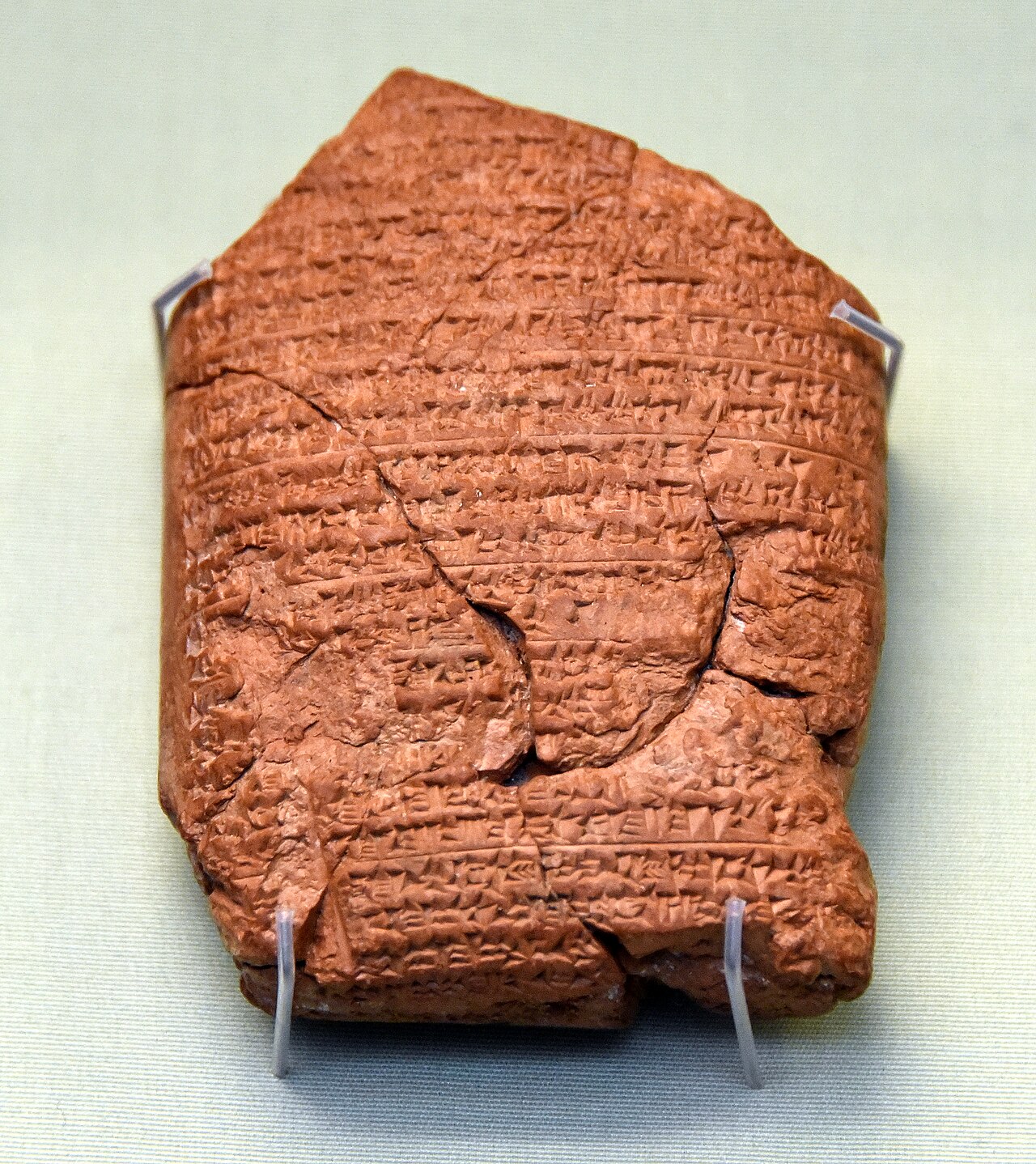
Nebuchadnezzar Chronicle
Babylonian scribes · c. 550-400 BC (recording events of 605-594 BC)
 Document
Primary source
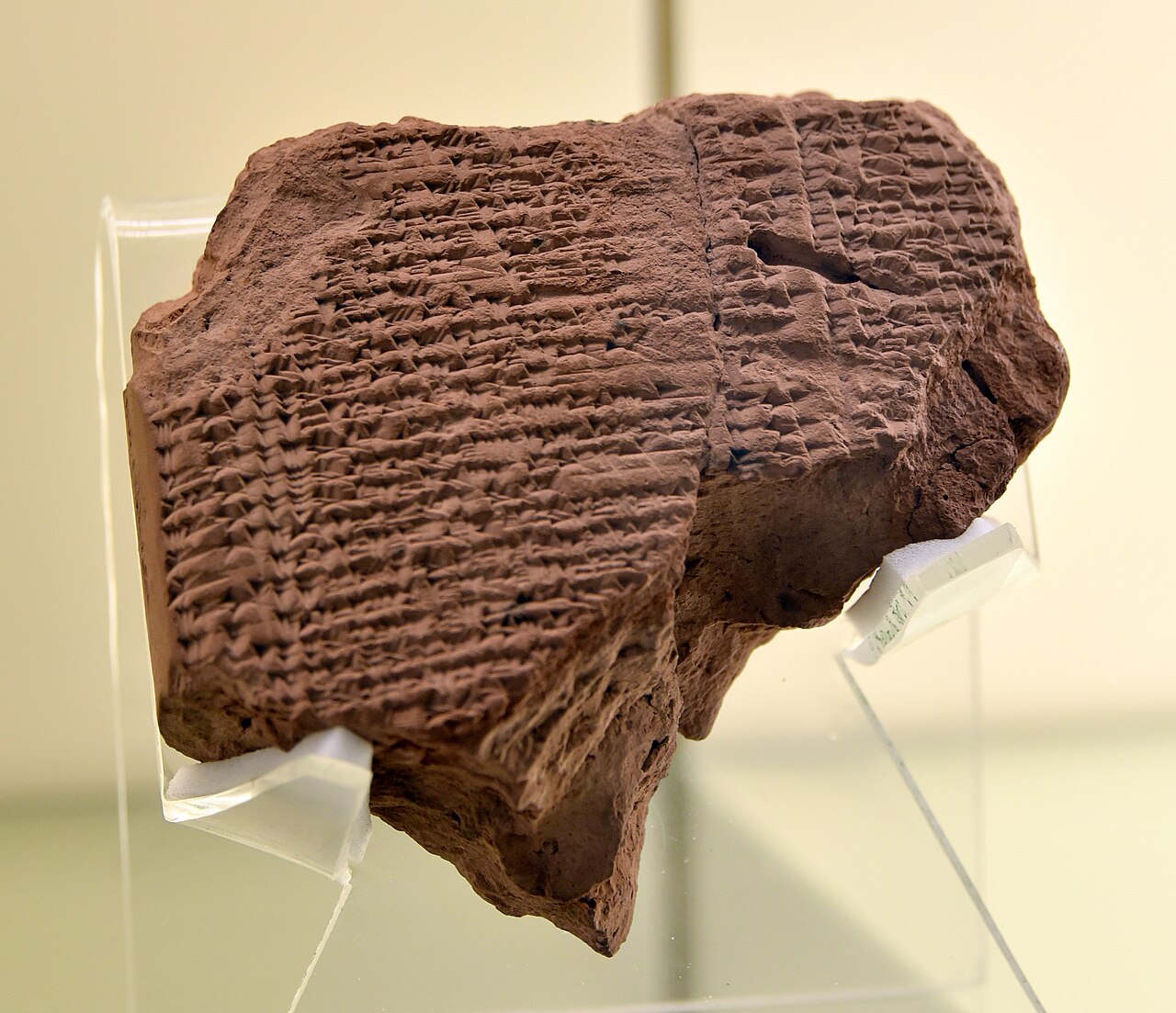
Jehoiachin's Rations Tablets
Babylonian palace scribes · c. 592 BC
 Document
Primary source
East India House Inscription
Nebuchadnezzar II (scribes writing for him) · 604-562 BC
 Book
Primary source
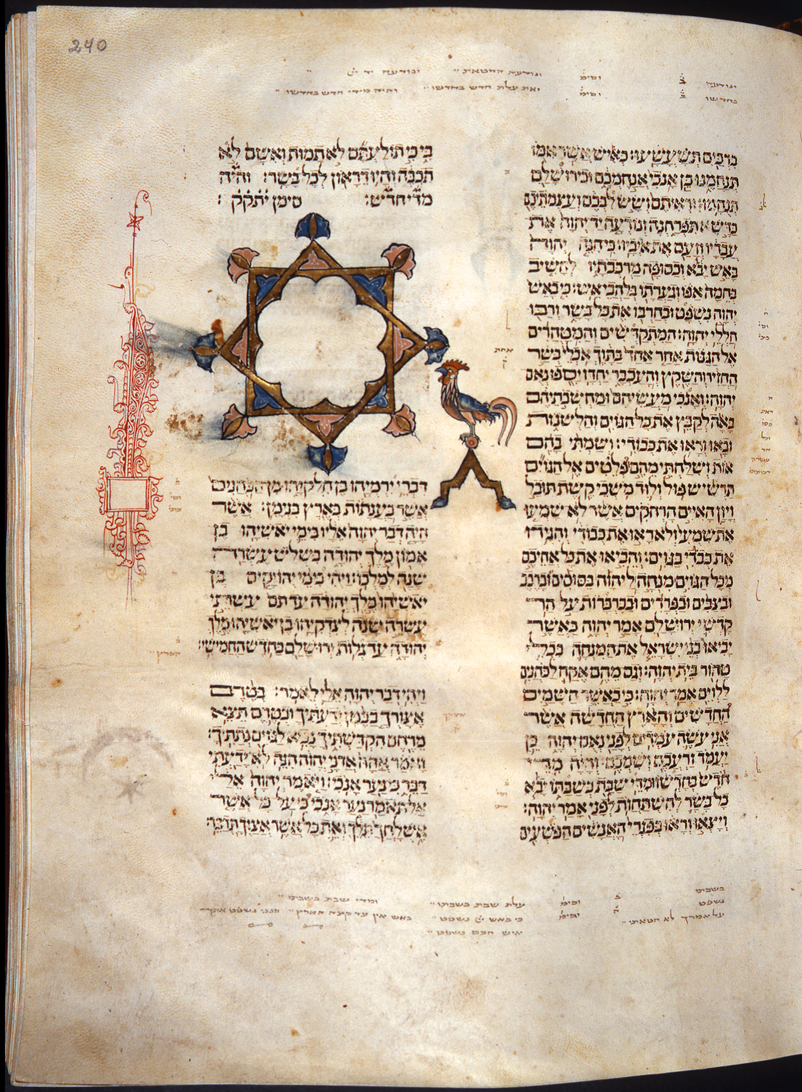
Book of Jeremiah
Jeremiah · c. 6th century BC (text); manuscript illuminated later
Ready when you are
Start chatting with Nebuchadnezzar II now.
20 messages free · No credit card · Available in 50+ languages.