


Secondary sourceDocument605–562 BCE
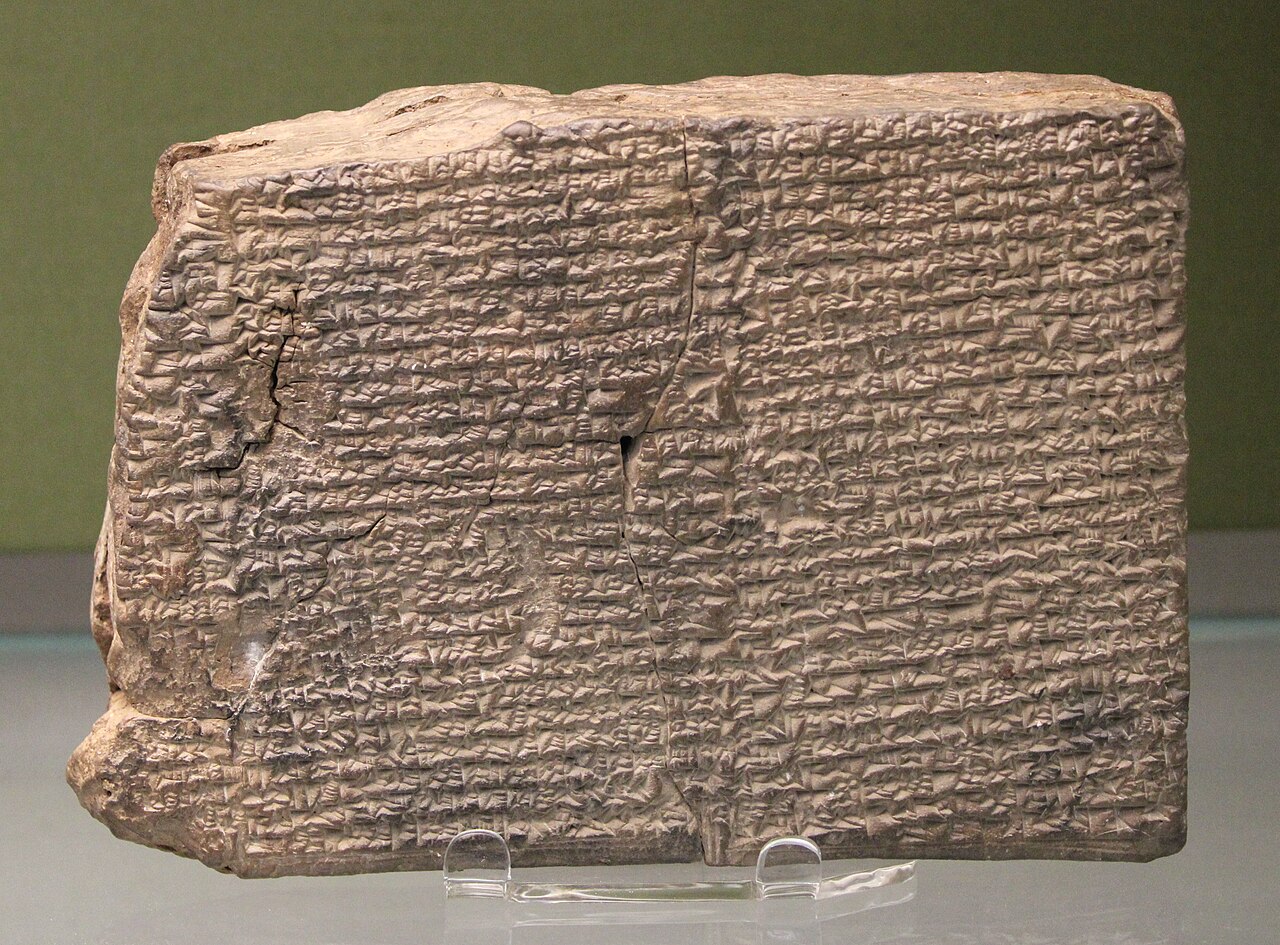
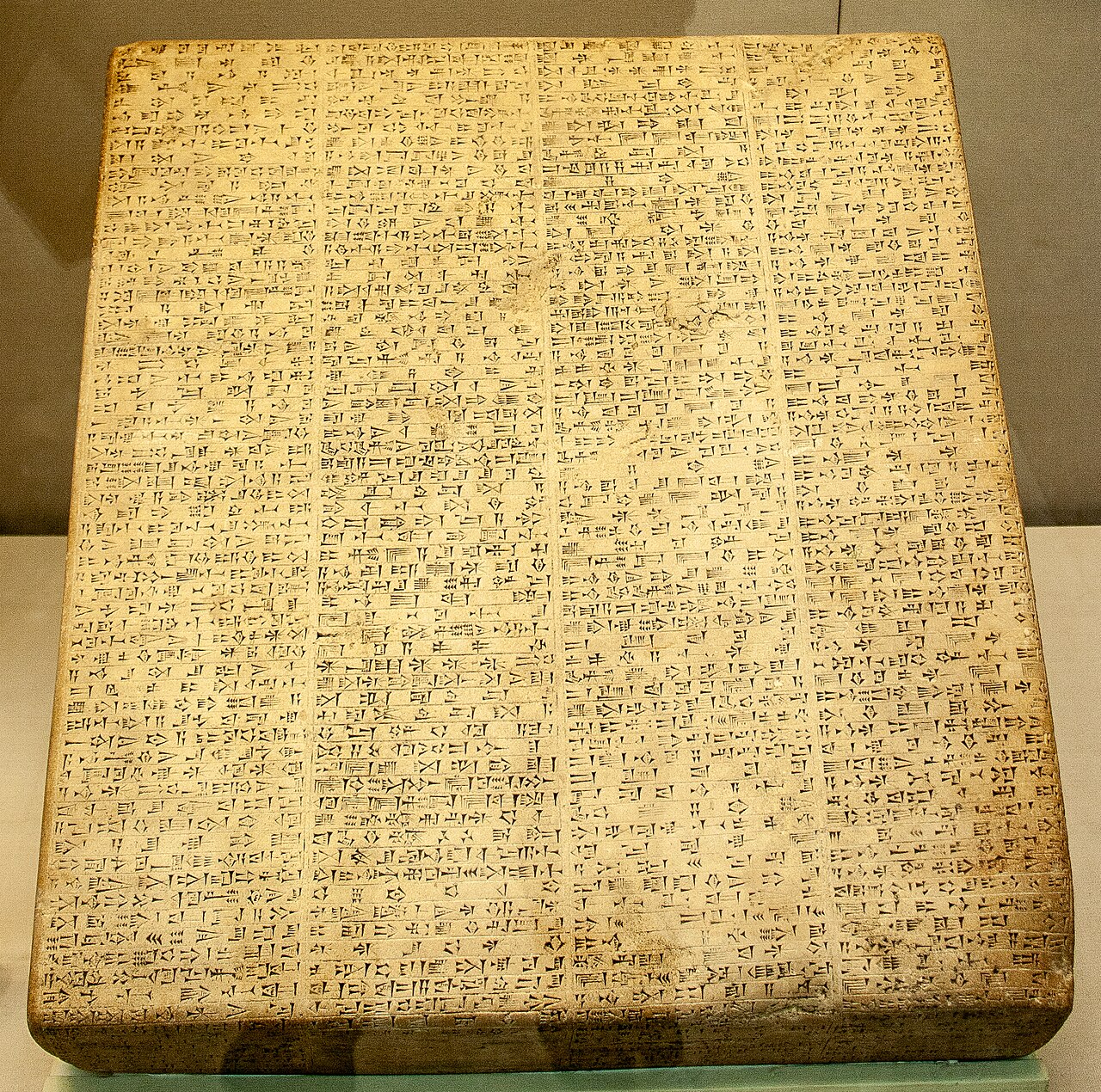
Nebuchadnezzar King of Justice Tablet
Zunkir · 605–562 BCE
A cuneiform tablet copy of a royal inscription presenting Nebuchadnezzar as a just king and protector of the weak.
This inscription presents Nebuchadnezzar's own chosen image as a wise and just ruler.
About this source
What it is
This is a cuneiform tablet, a copy of an inscription attributed to Nebuchadnezzar II of Babylon (605–562 BCE), catalogued as BM 45690. Its text concerns the king's virtues as a lawgiver and judge, presenting him as a 'king of justice' in a manner compared to Hammurabi.
Why it matters
This inscription reveals the image Nebuchadnezzar wanted projected of himself: not only as a builder and conqueror, but as a protector of the weak and upholder of justice. Such texts show how Mesopotamian kings used writing to shape their legacy and connect themselves to earlier famous lawgivers.
Look closer
- Why might a king want to be remembered as a protector of the weak rather than only as a military or building ruler?
- What does comparing Nebuchadnezzar to Hammurabi suggest about how rulers used earlier famous kings to boost their own image?
- This is a copy of an original inscription — what questions should we ask about copies versus originals?
This document is part of the curated material that grounds the AI version of Nebuchadnezzar II on Humy.ai — when students ask about related events, the AI can quote it and cite it.
More Nebuchadnezzar II sources
Meet the AI Nebuchadnezzar II →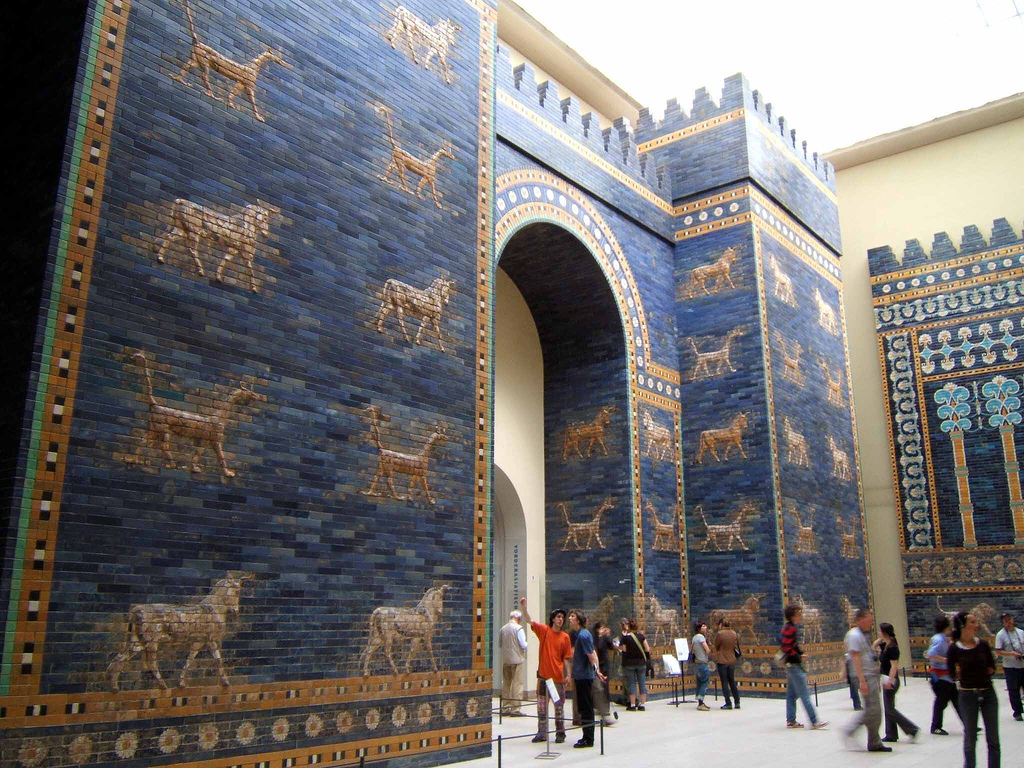 Artifact
Primary source
Ishtar Gate
c. 574 BC
 Document
Primary source
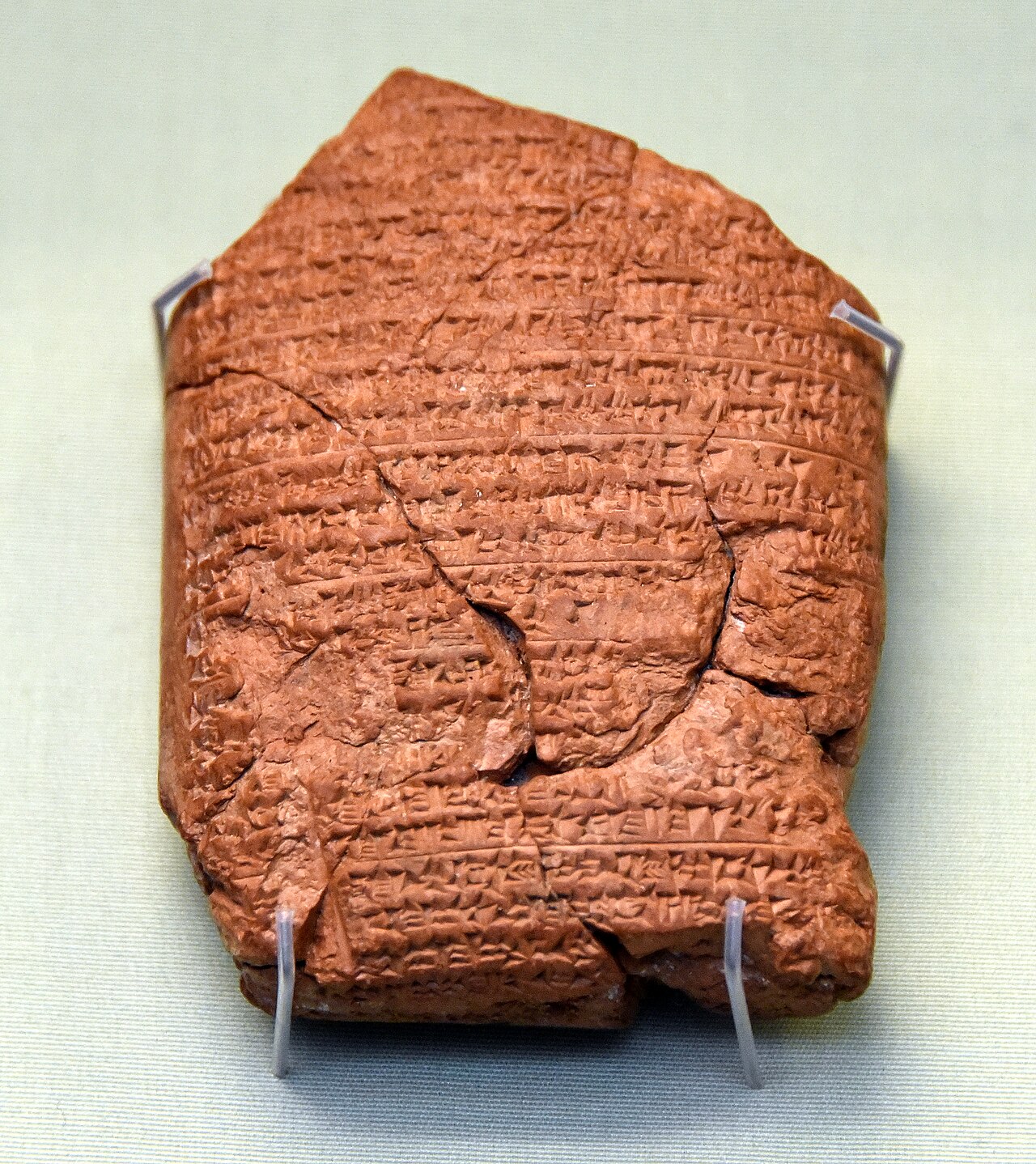
Nebuchadnezzar Chronicle
Babylonian scribes · c. 550-400 BC (recording events of 605-594 BC)
 Document
Primary source
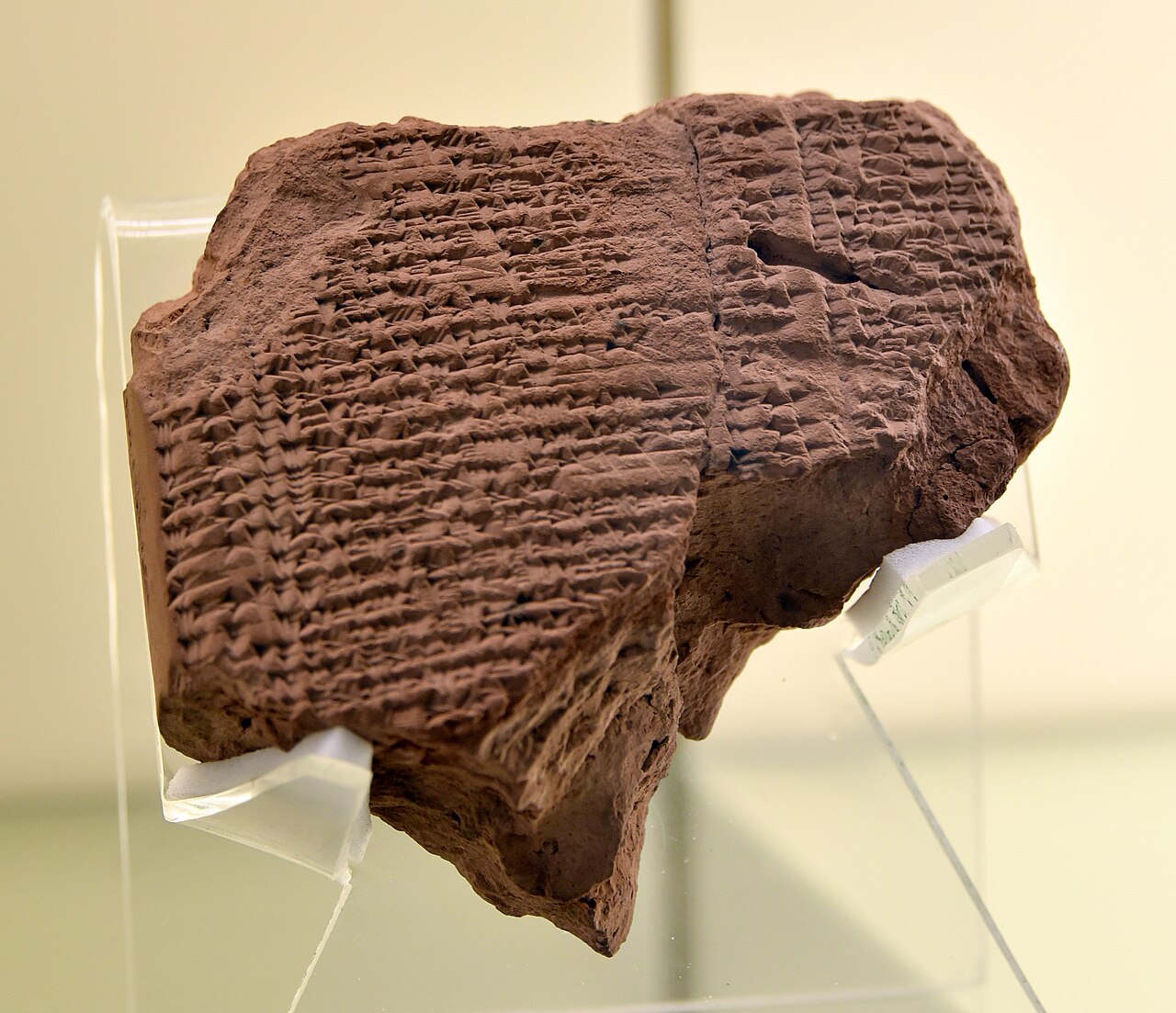
Jehoiachin's Rations Tablets
Babylonian palace scribes · c. 592 BC
 Document
Primary source
East India House Inscription
Nebuchadnezzar II (scribes writing for him) · 604-562 BC
 Book
Primary source
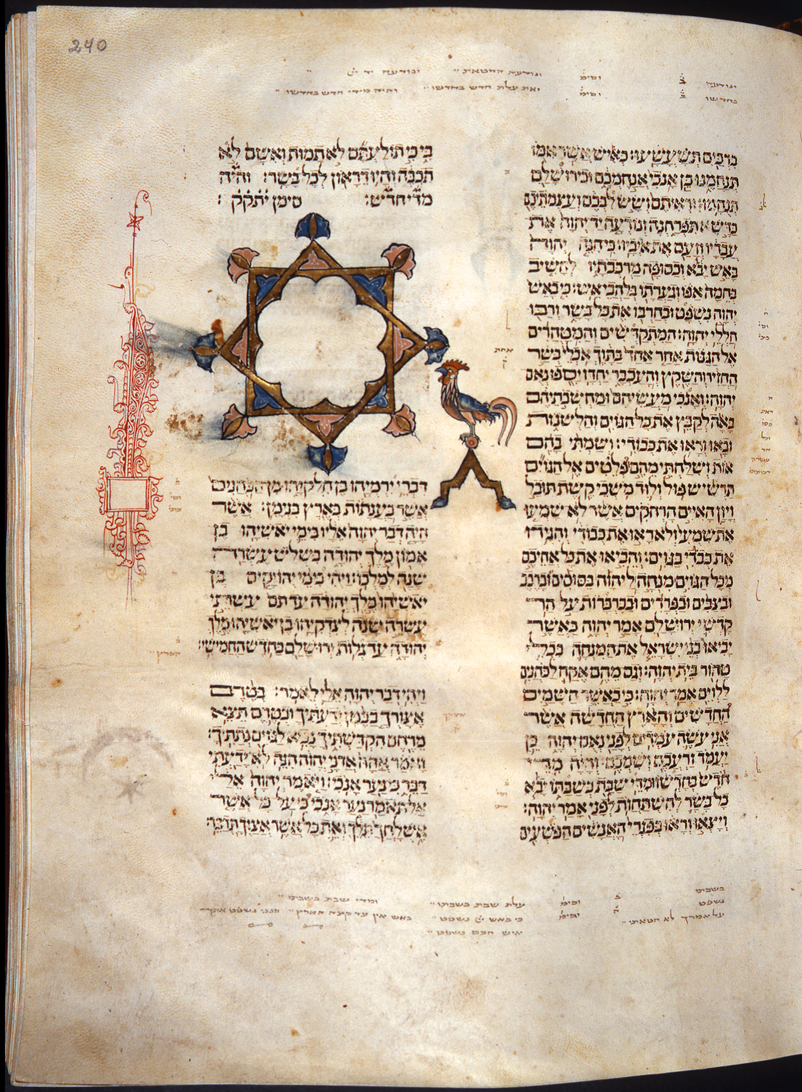
Book of Jeremiah
Jeremiah · c. 6th century BC (text); manuscript illuminated later
Ready when you are
Start chatting with Nebuchadnezzar II now.
20 messages free · No credit card · Available in 50+ languages.