


Primary sourceArtifactc. 1400–1540
Inca Tapestry Tunic of the Nobility
c. 1400–1540
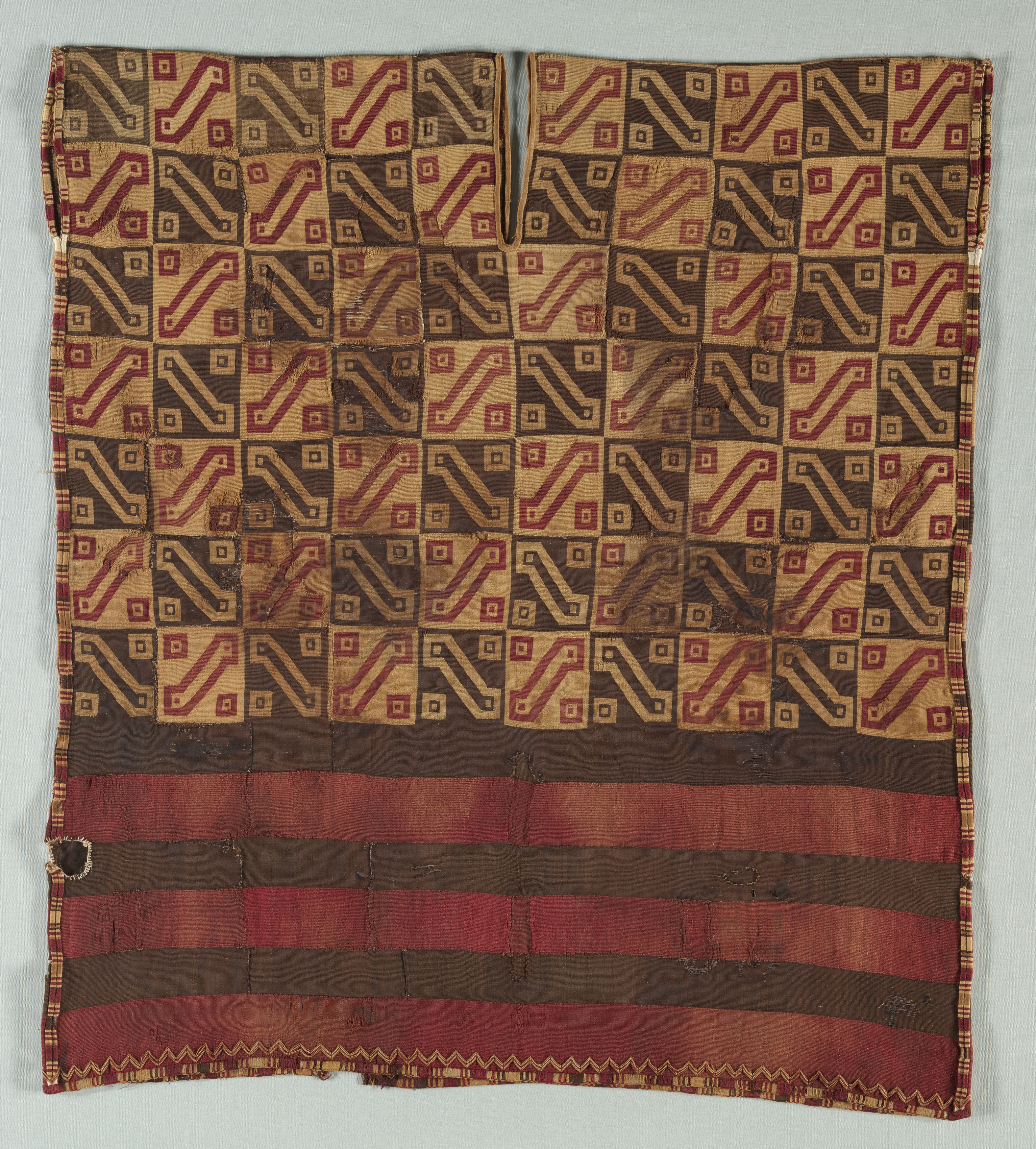
A finely woven Inca tunic from the empire's noble class, made during the lifetime of Atahualpa.
This noble tunic reflects the textile culture and gift economy of the Inca Empire ruled by Atahualpa.
About this source
What it is
This tunic, dating from around 1400 to 1540, is an interlocked tapestry garment held by the Cleveland Museum of Art. Fine tapestry clothing like this was reserved for Inca nobility.
Why it matters
Such garments were woven by noble women, professional weavers, and the Aclla, specialists who served the Inca state. They were redistributed by Inca rulers like Atahualpa as prestigious gifts to loyal allies, showing how clothing functioned as a tool of political power in the empire.
Look closer
- Why would giving fine cloth as a gift help an emperor keep power?
- What does the skill needed to make this tunic suggest about the people who wove it?
- How might an object like this have been different for commoners compared to nobles?
This artifact is part of the curated material that grounds the AI version of Atahualpa on Humy.ai — when students ask about related events, the AI can quote it and cite it.
More Atahualpa sources
Meet the AI Atahualpa →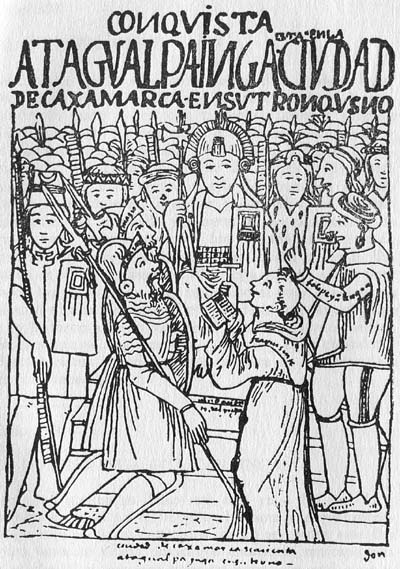 Painting
Secondary source
Atawallpa Pizarro tinkuy
Felipe Guaman Poma de Ayala · 1532 (depicted); drawing later
 Book
Primary source
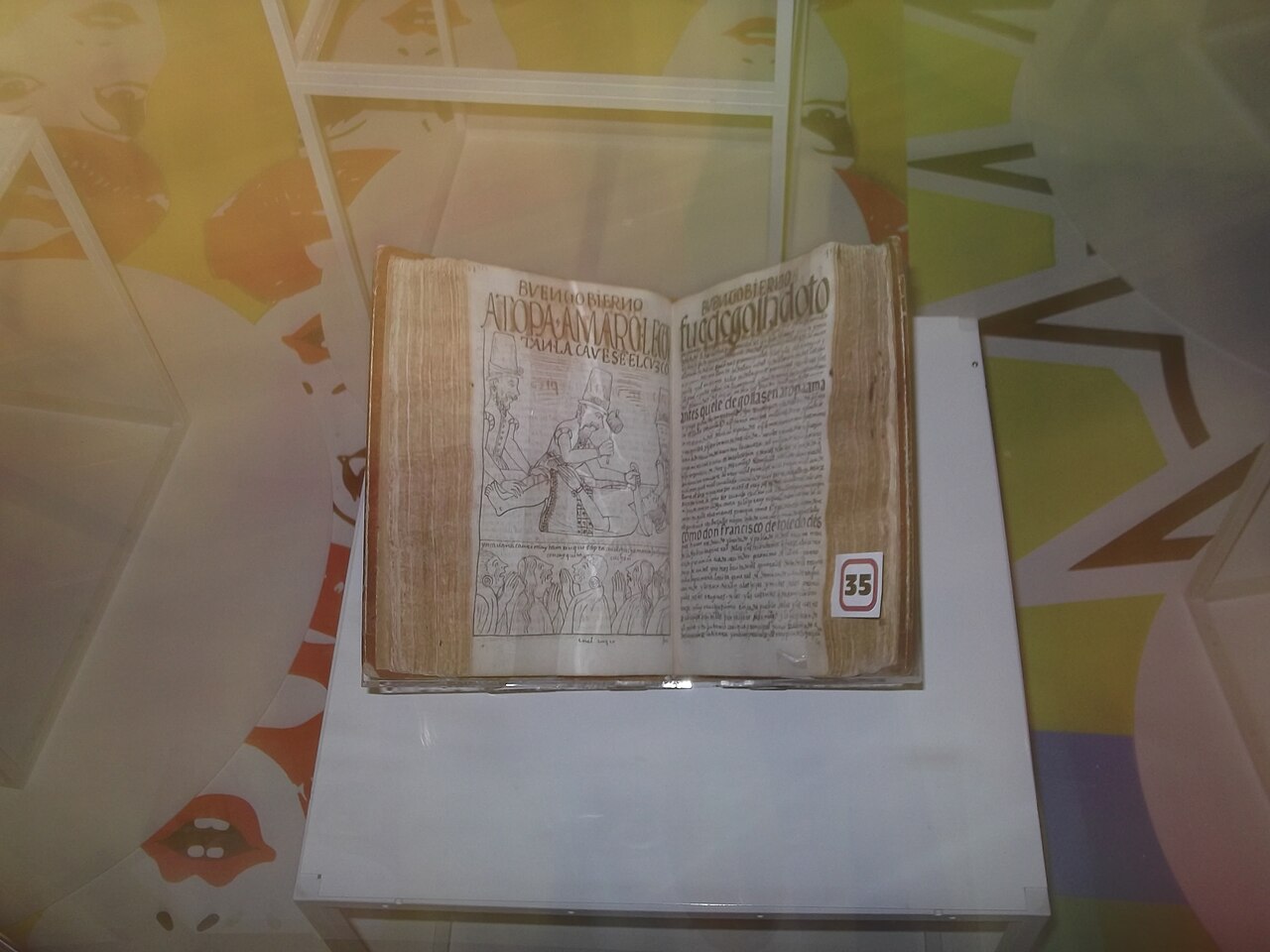
El primer nueva corónica y buen gobierno
Felipe Guaman Poma de Ayala · c. 1615
 Painting
Secondary source
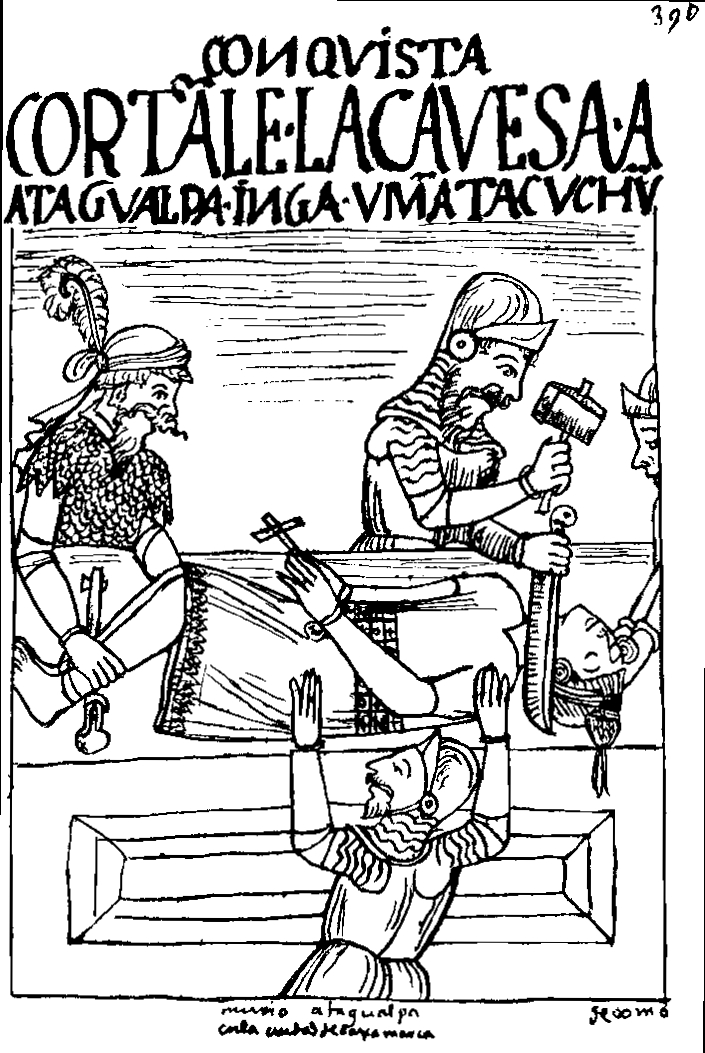
Muerte de Atagualpa Inca
Felipe Huaman Puma de Ayala · c. 1615
 Artifact
Secondary source
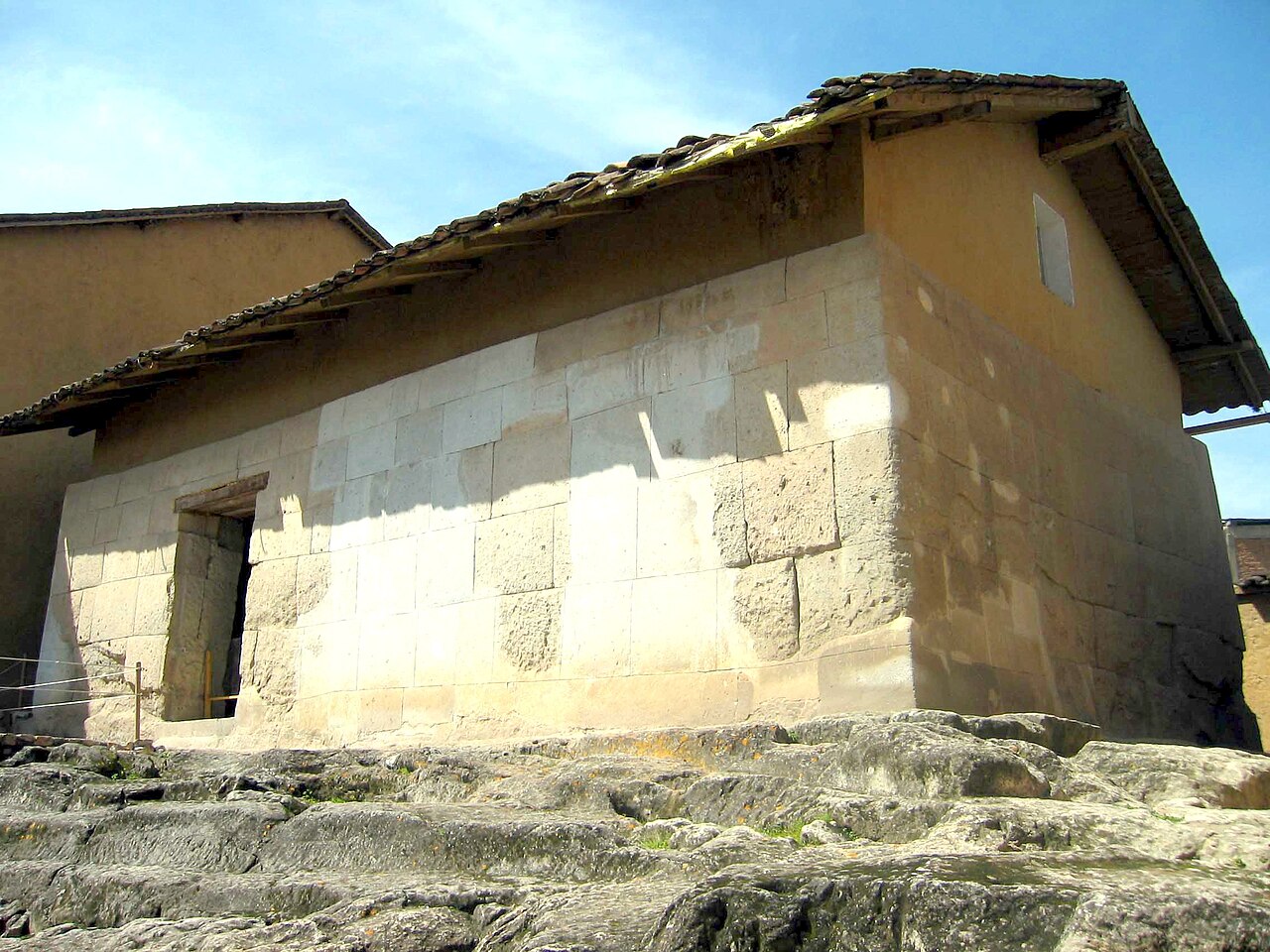
Ransom Room
Secondary source
Suma y Narración de los Incas
Juan de Betanzos · 1551
Ready when you are
Start chatting with Atahualpa now.
20 messages free · No credit card · Available in 50+ languages.