


Primary sourceBook2 July 1875
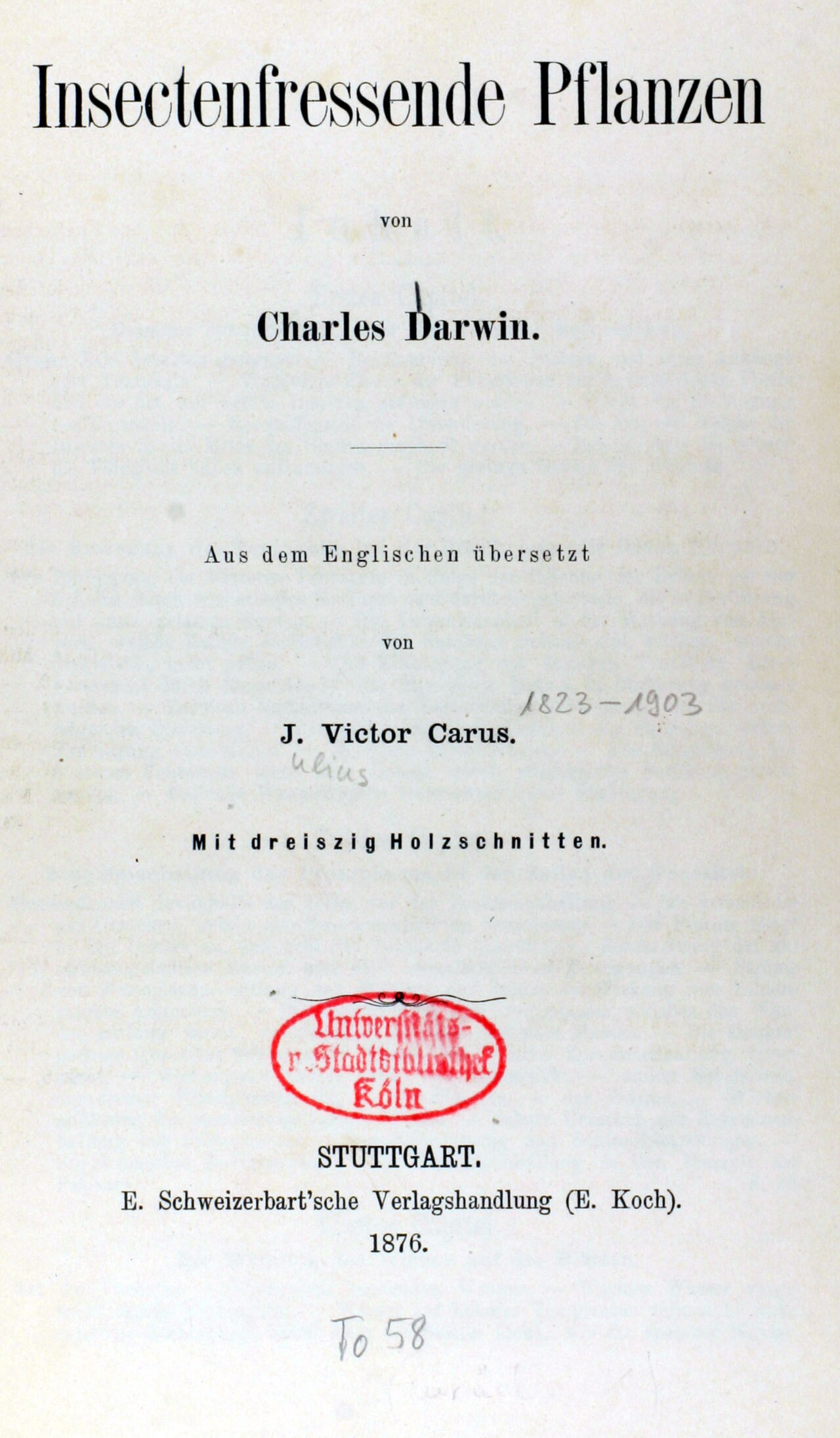
Insectivorous Plants
Charles Darwin · 2 July 1875
Darwin's 1875 book describing his experiments on carnivorous plants such as the sundew and Venus flytrap.
Written and illustrated in part by Darwin, this book documents his later experimental work on carnivorous plants.
About this source
What it is
Published in London on 2 July 1875, this book by Charles Darwin studies carnivorous plants, with illustrations by Darwin himself and drawings by his sons George and Francis Darwin. It describes years of experiments, beginning with the common sundew in 1860, in which Darwin tested how the plants reacted to touch, food, and other stimuli.
Why it matters
The book is part of Darwin's wider work supporting his theory of natural selection, showing how carnivorous plants evolved special adaptations, such as sticky fluids or trap-like leaves, to get nutrients in poor soil. Darwin found the plants only reacted to the kind of movement a trapped insect would make, which he argued was an evolved way of saving energy. The book shows Darwin's later career as a patient home-based experimenter, working with his sons.
Look closer
- Why did Darwin test the plants with meat, glass, and even hair, rather than just observing them in nature?
- What does his explanation of the plants' sensitivity tell you about how he thought evolution worked?
- Why might working with his sons have shaped the way Darwin carried out these experiments?
This book is part of the curated material that grounds the AI version of Charles Darwin on Humy.ai — when students ask about related events, the AI can quote it and cite it.
More Charles Darwin sources
Meet the AI Charles Darwin →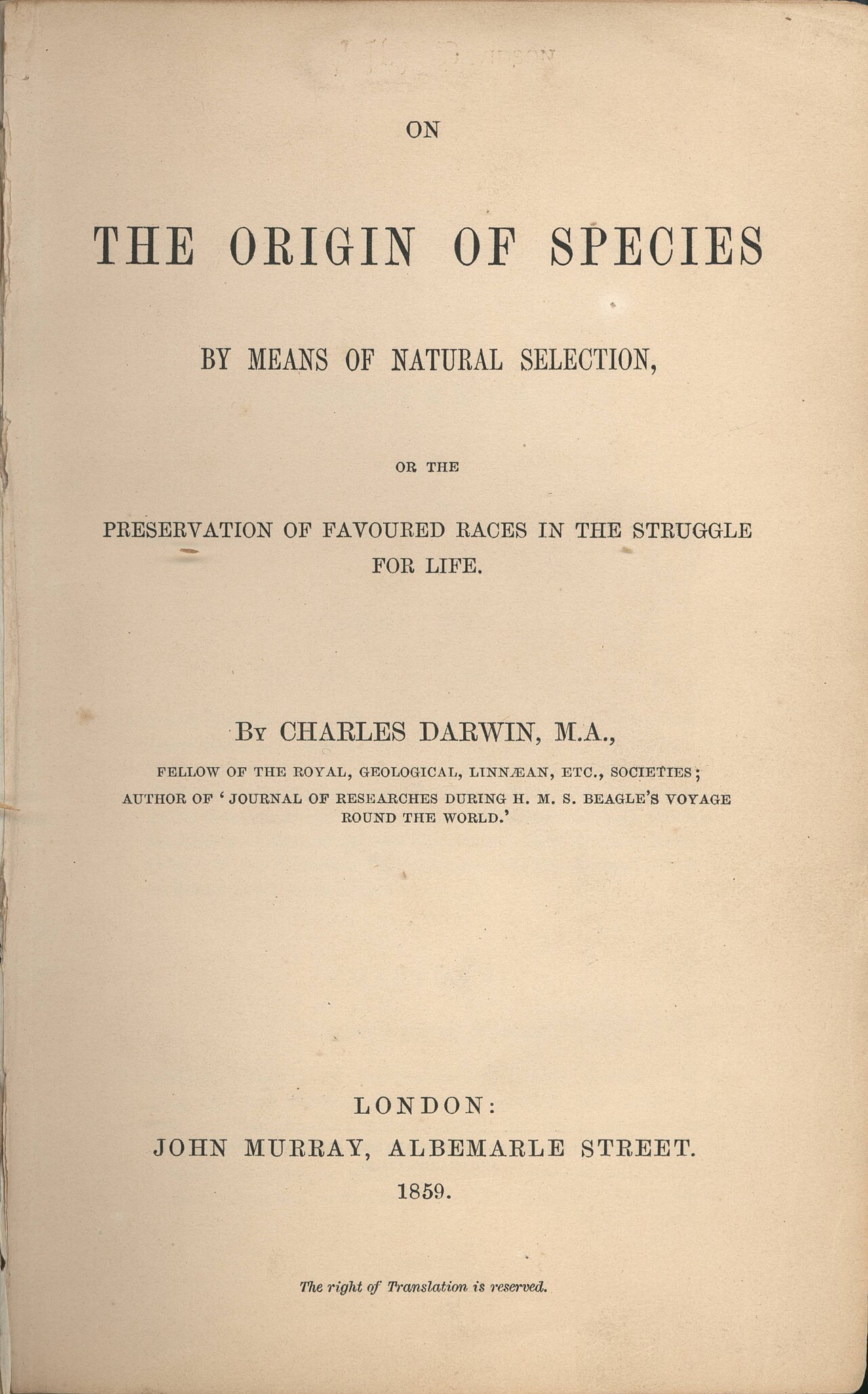 Book
Primary source
On the Origin of Species
Charles Darwin · 1859
 Diary entry
Primary source
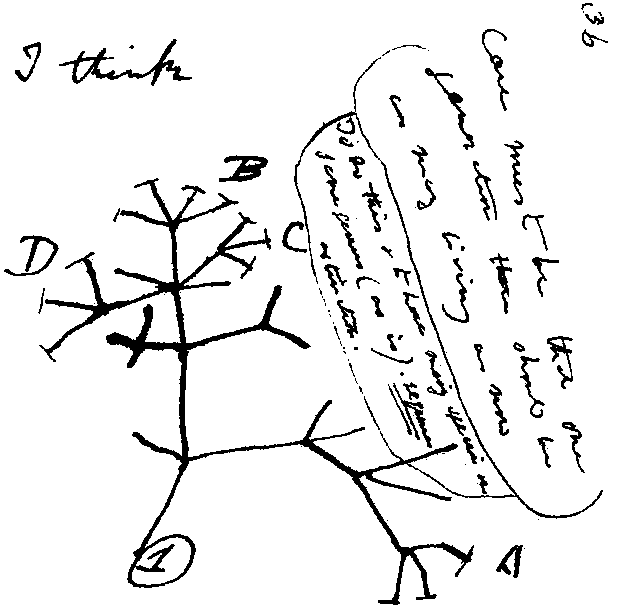
Notebook B 'I think' Tree of Life Sketch
Charles Darwin · c. July 1837
 Document
Primary source
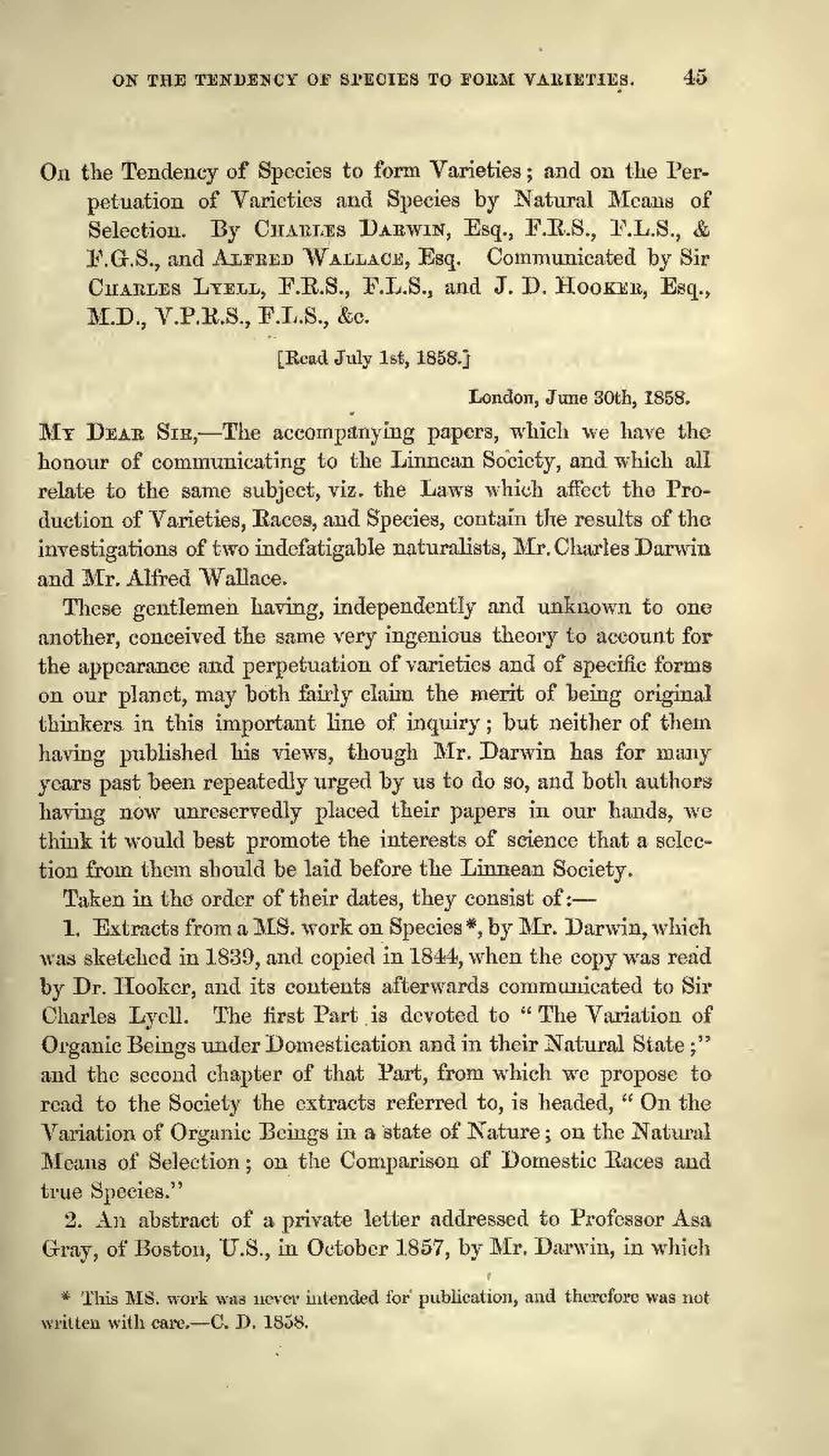
On the Tendency of Species to Form Varieties
Charles Darwin / Alfred Russel Wallace · 1858
 Photograph
Primary source
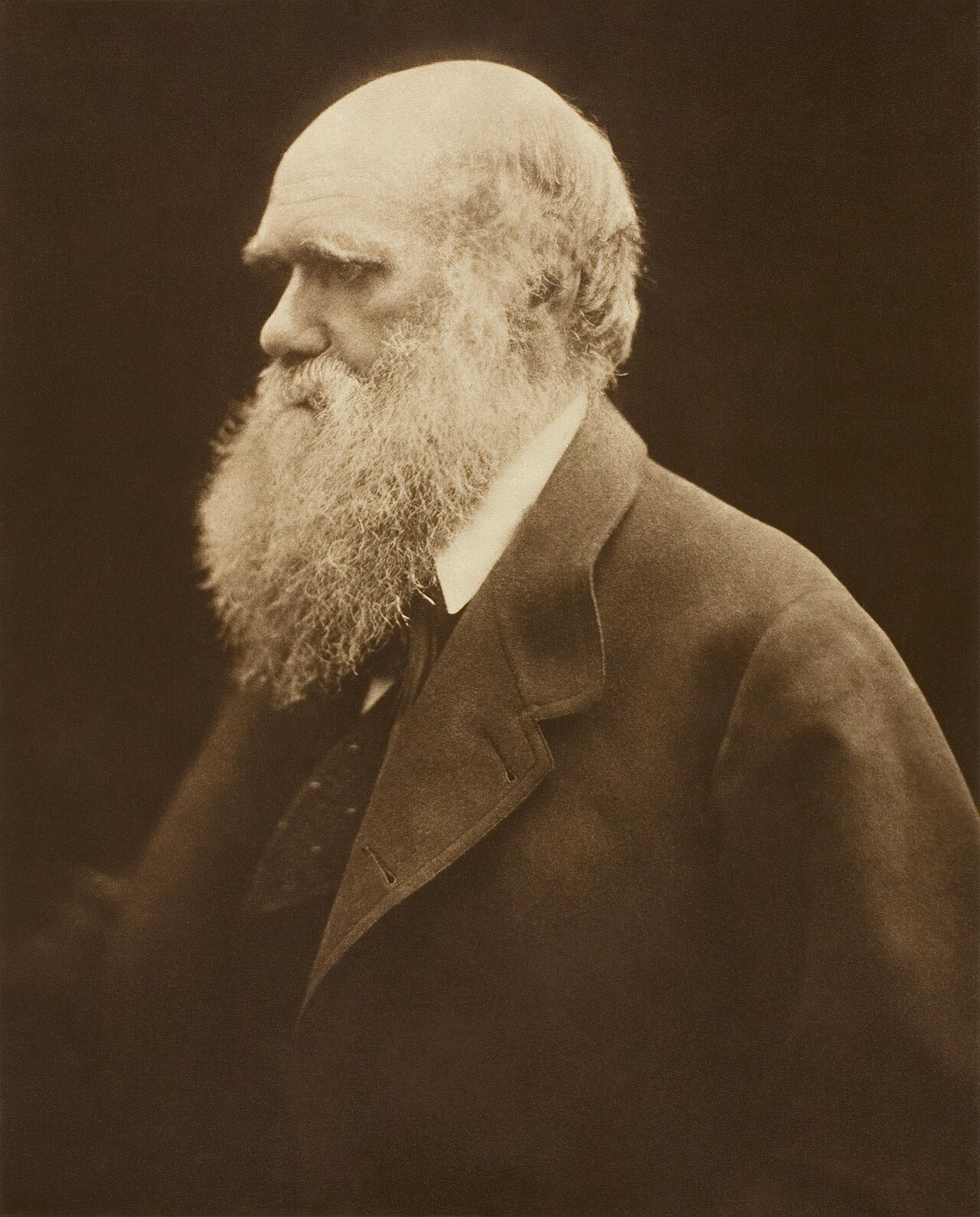
Charles Darwin by Julia Margaret Cameron
Julia Margaret Cameron · c. 1868
 Book
Primary source
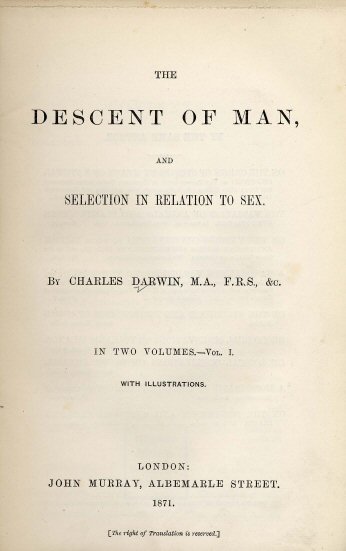
The Descent of Man, and Selection in Relation to Sex
Charles Darwin · 1871
Ready when you are
Start chatting with Charles Darwin now.
20 messages free · No credit card · Available in 50+ languages.