


Primary sourceArtifact1911
International Radium Standard
Marie Curie · 1911
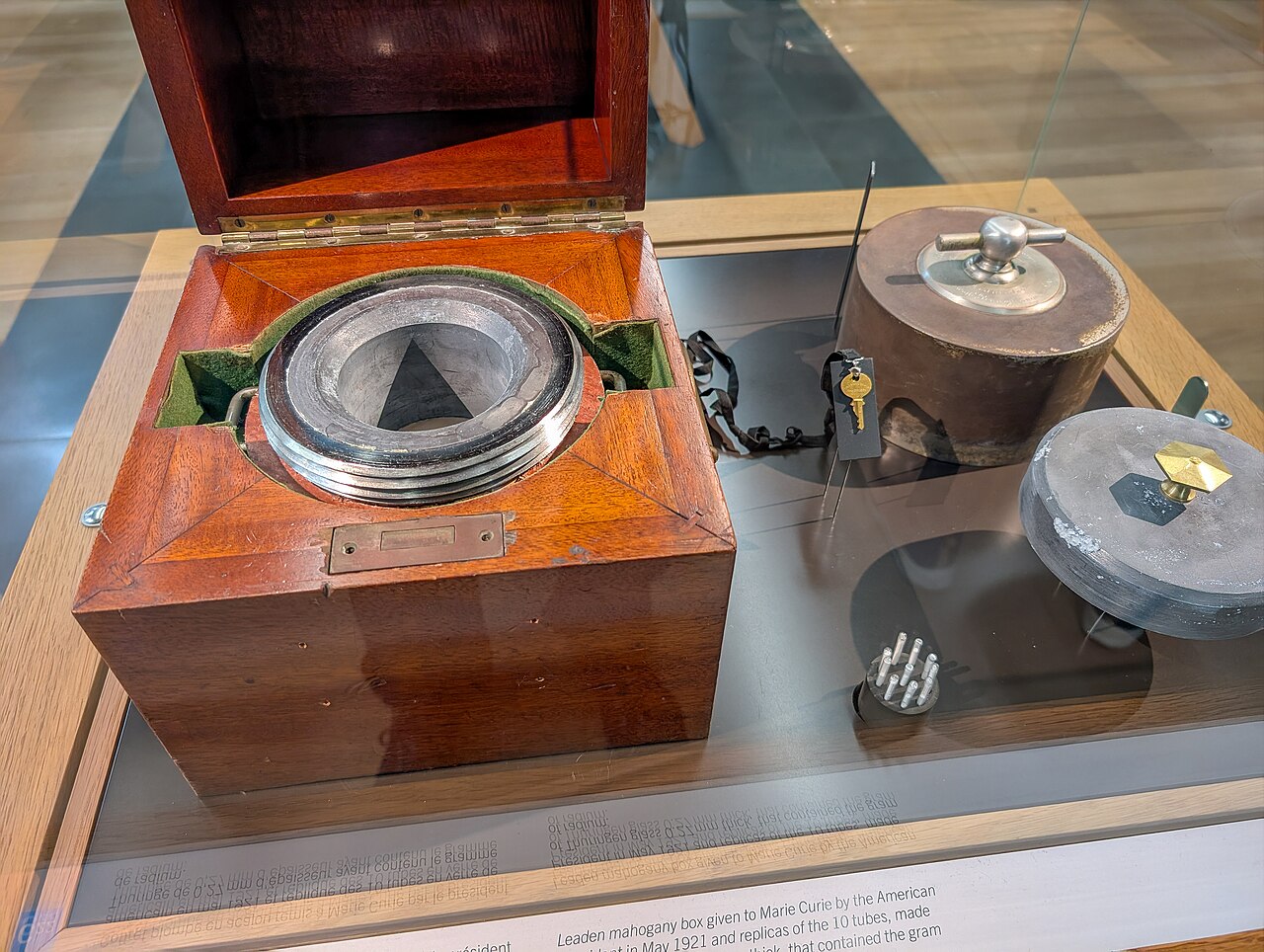
The sealed radium sample Marie Curie prepared in 1911 to serve as the world's reference standard for measuring radioactivity.
This is the radium standard Marie Curie herself prepared, which gave rise to the unit named after her and Pierre.
About this source
What it is
This is the radium sample Marie Curie prepared in 1911 to act as the international standard for radioactive emissions. It is kept at the Bureau International des Poids et Mesures in Sèvres, France.
Why it matters
After isolating radium, Curie defined this standard so that scientists everywhere could measure radioactivity consistently. The unit of radioactivity, the curie, was later named after her and Pierre Curie because of this work. It shows how her discoveries moved from the laboratory into international science as shared, measurable knowledge.
Look closer
- Why would scientists around the world need a shared standard like this?
- What does naming a unit after Marie and Pierre Curie suggest about how their work was valued?
- What risks might have come with handling radioactive material like this in 1911?
This artifact is part of the curated material that grounds the AI version of Marie Curie on Humy.ai — when students ask about related events, the AI can quote it and cite it.
More Marie Curie sources
Meet the AI Marie Curie →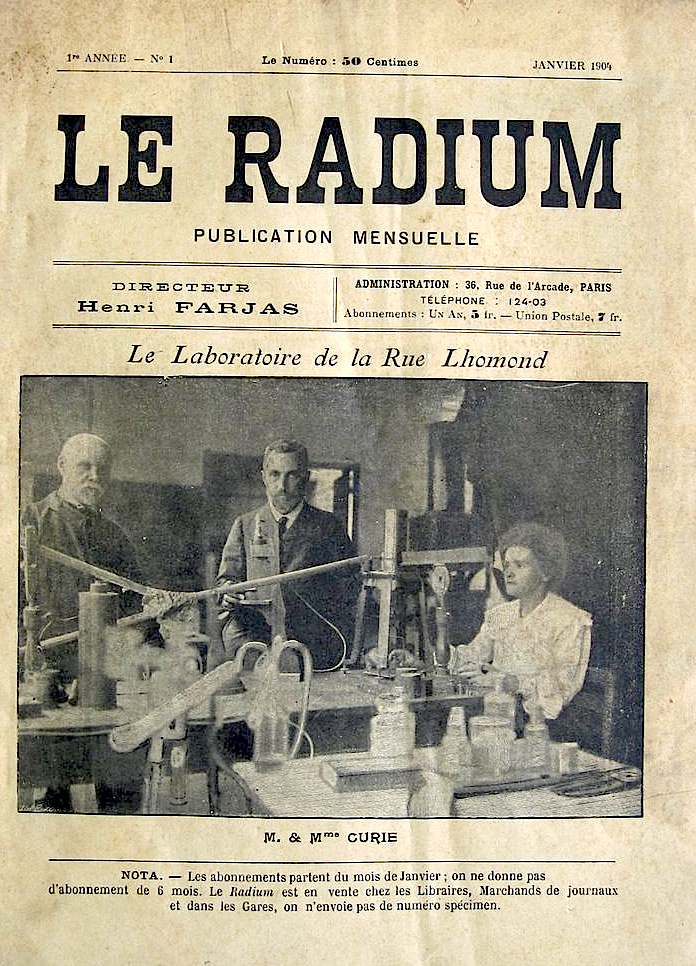 Photograph
Primary source
Photograph of Pierre and Marie Curie in their Laboratory, rue Lhomond
c. 1898-1904
 Book
Primary source
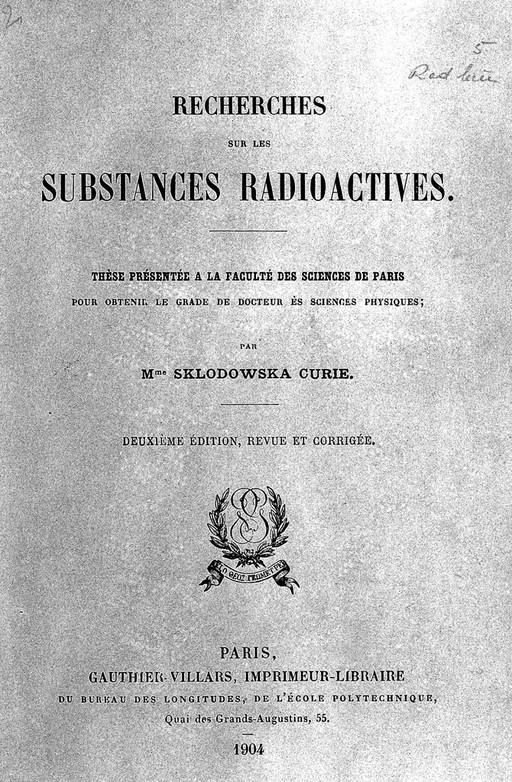
Recherches sur les substances radioactives
Marie Curie · 1904
Primary source
Rayons émis par les composés de l'uranium et du thorium
Marie Curie · 12 April 1898
 Artifact
Primary source
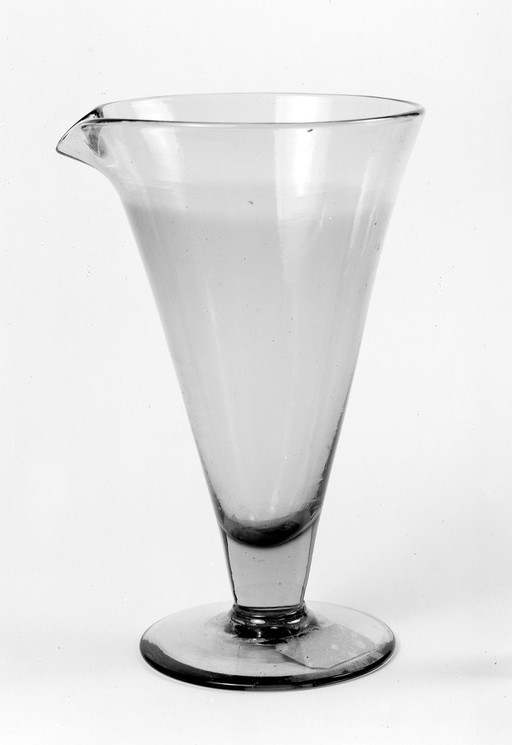
Glass beaker used for the first radium salt solution
 Photograph
Primary source
Marie Curie, Portrait Photograph
Ready when you are
Start chatting with Marie Curie now.
20 messages free · No credit card · Available in 50+ languages.