


Primary sourcePainting1710
Isaac Newton, Fellow, Natural Philosopher and Mathematician
James Thornhill · 1710
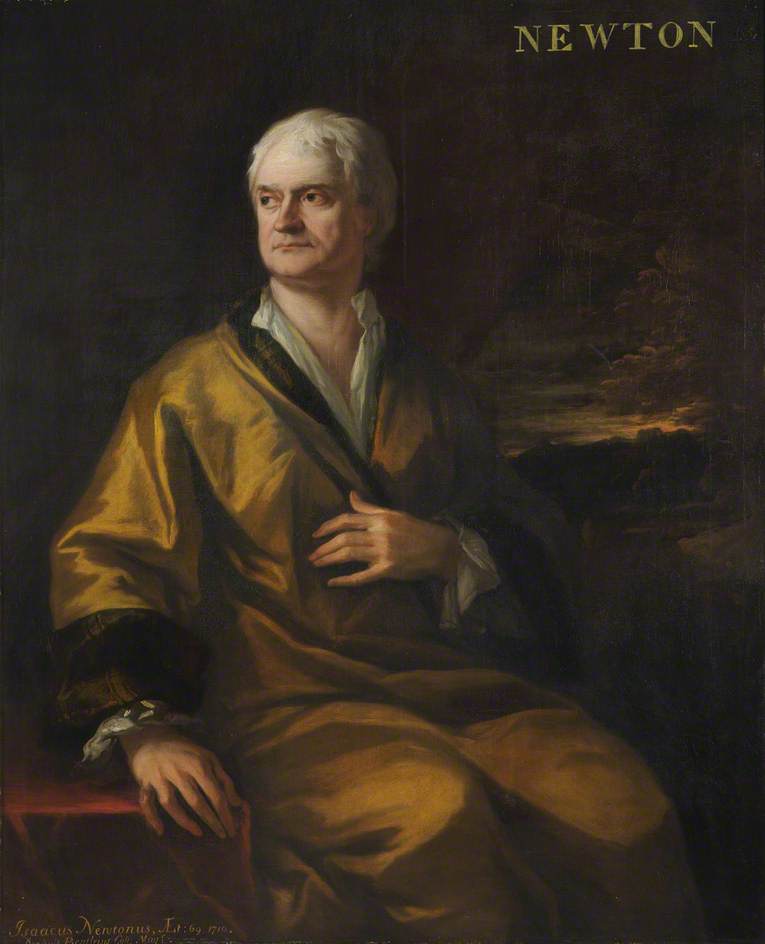
A 1710 oil portrait of Newton in his late sixties, painted by James Thornhill while Newton was President of the Royal Society.
This portrait shows Newton late in life as President of the Royal Society.
About this source
What it is
This is an oil portrait of Isaac Newton painted by James Thornhill in 1710, held at Trinity College. It shows Newton as an elderly man, seated in a gold-yellow silk robe over a dark coat, with his name painted in gold capitals and an inscription along the bottom edge.
Why it matters
By 1710 Newton was in his late sixties and serving as President of the Royal Society, England's leading scientific institution. The grand robe and formal pose reflect the high status he had achieved by the end of his life. The painting belongs to Trinity College, where Newton had studied and worked for many years.
Look closer
- What does the rich clothing and pose tell you about how Newton wanted to be remembered?
- Why might Trinity College have wanted a portrait of its famous former member?
- What might this formal image hide about Newton's personality or private struggles?
This painting is part of the curated material that grounds the AI version of Isaac Newton on Humy.ai — when students ask about related events, the AI can quote it and cite it.
More Isaac Newton sources
Meet the AI Isaac Newton →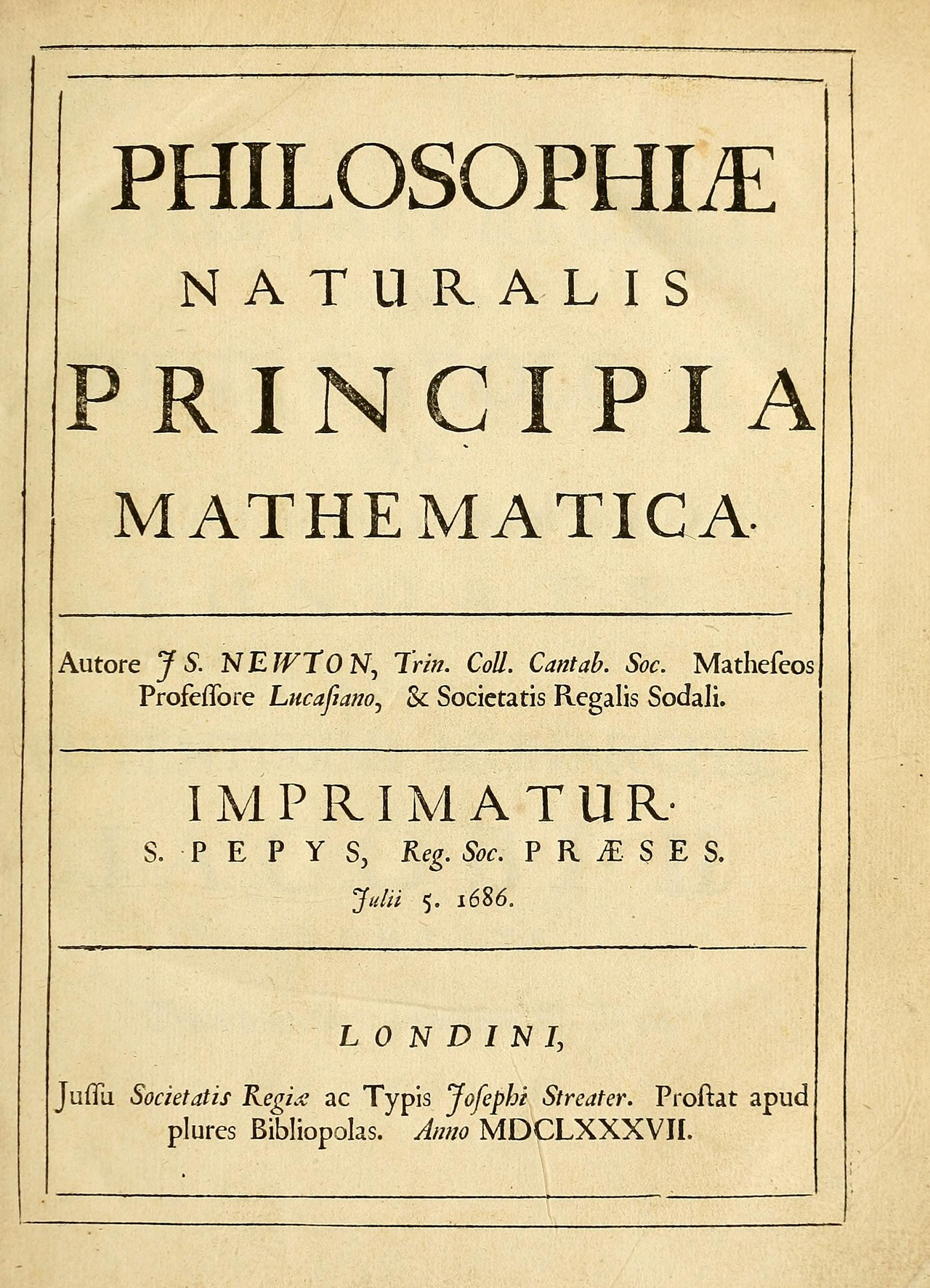 Book
Primary source
Philosophiæ Naturalis Principia Mathematica
Isaac Newton · 1687
 Book
Primary source
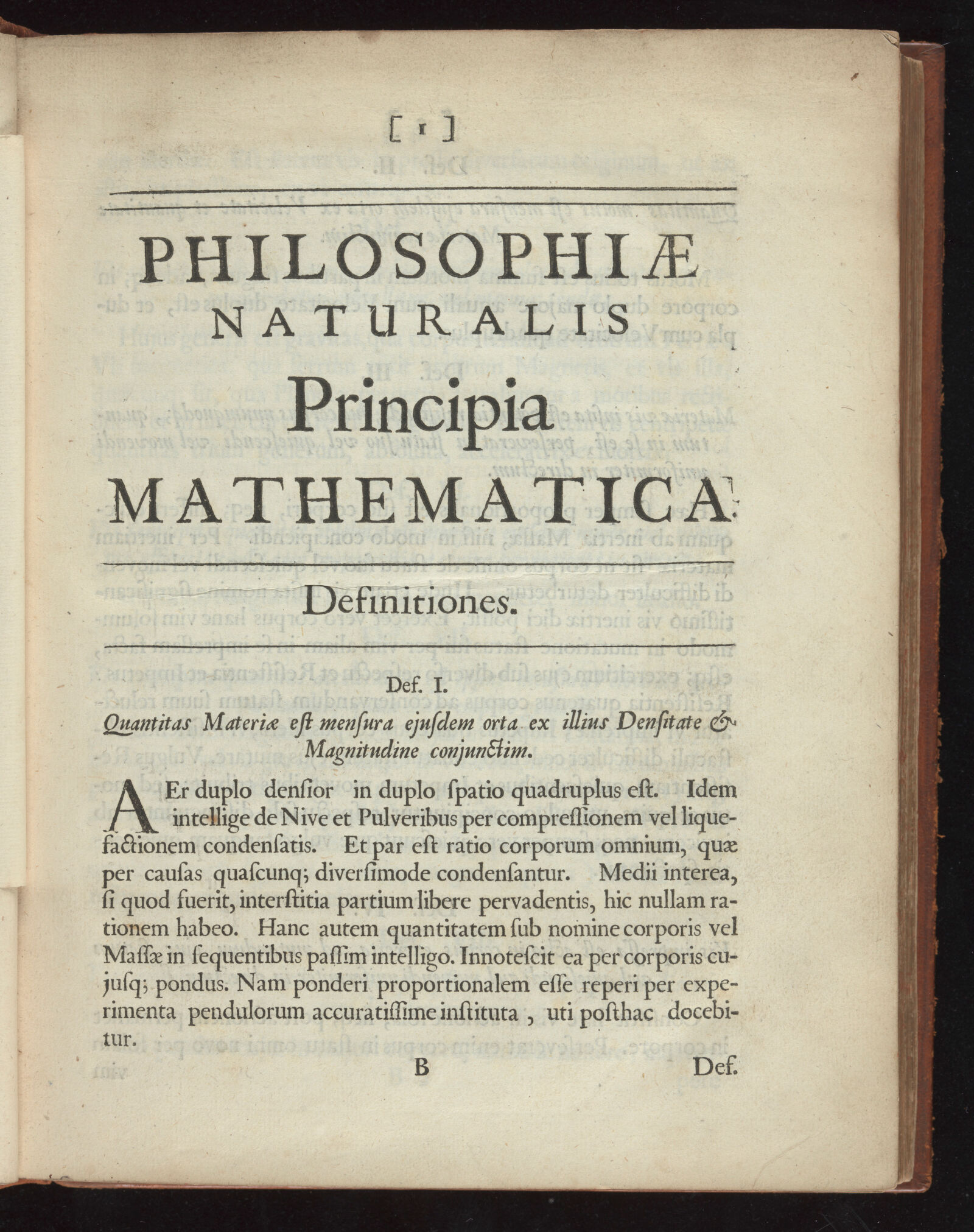
Principia Mathematica, Page 1: Definitions
Isaac Newton · 1687
 Painting
Primary source
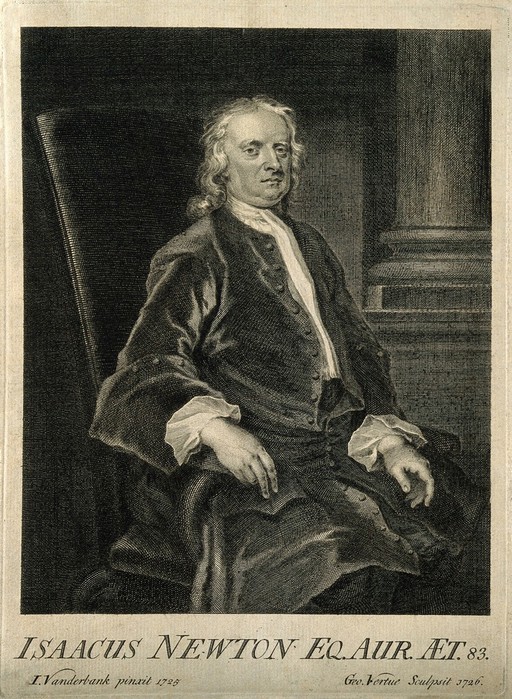
Sir Isaac Newton, line engraving by Vertue, 1726
George Vertue · 1726
 Document
Primary source
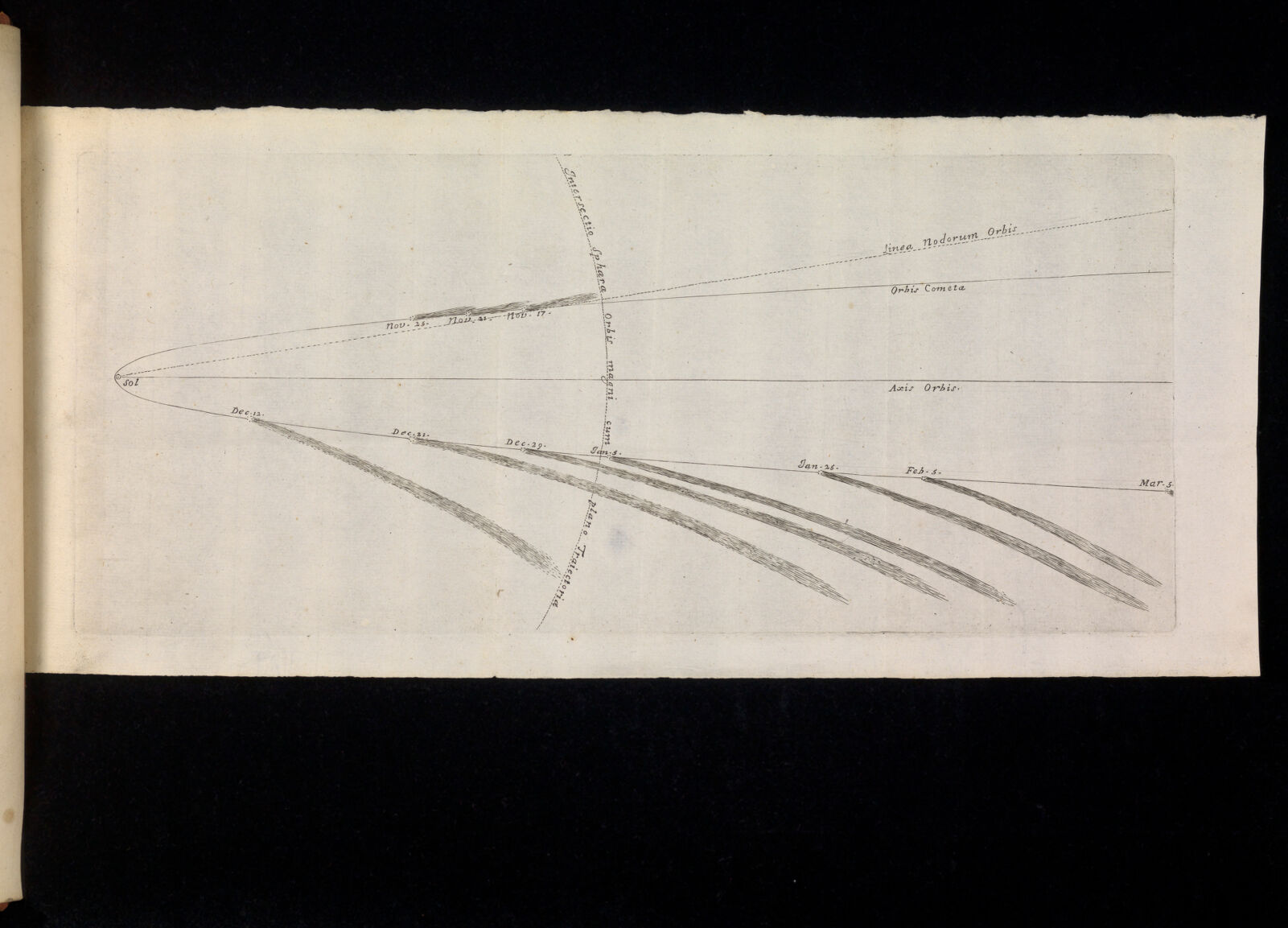
Principia Mathematica, Fold-out Diagram
Isaac Newton · 1687
 Painting
Primary source
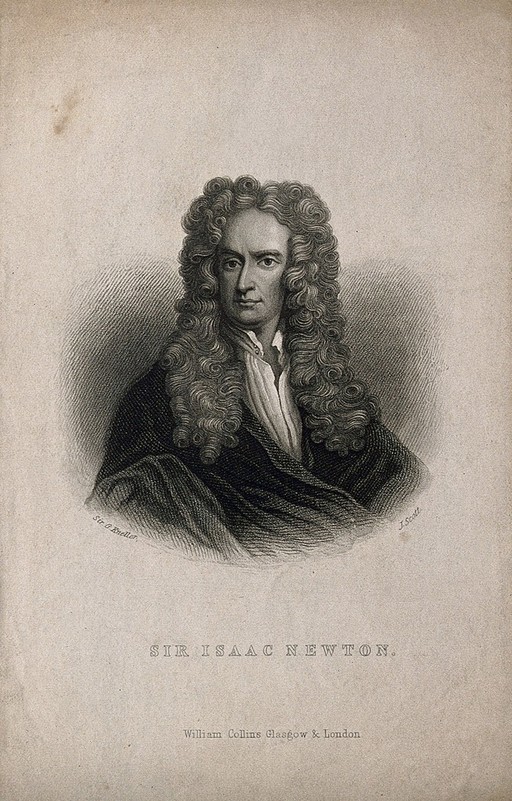
Sir Isaac Newton, stipple engraving by J. Scott after Kneller, 1702
J. Scott, after Sir Godfrey Kneller · 1702 (print made later)
Ready when you are
Start chatting with Isaac Newton now.
20 messages free · No credit card · Available in 50+ languages.