


Primary sourcePainting1842
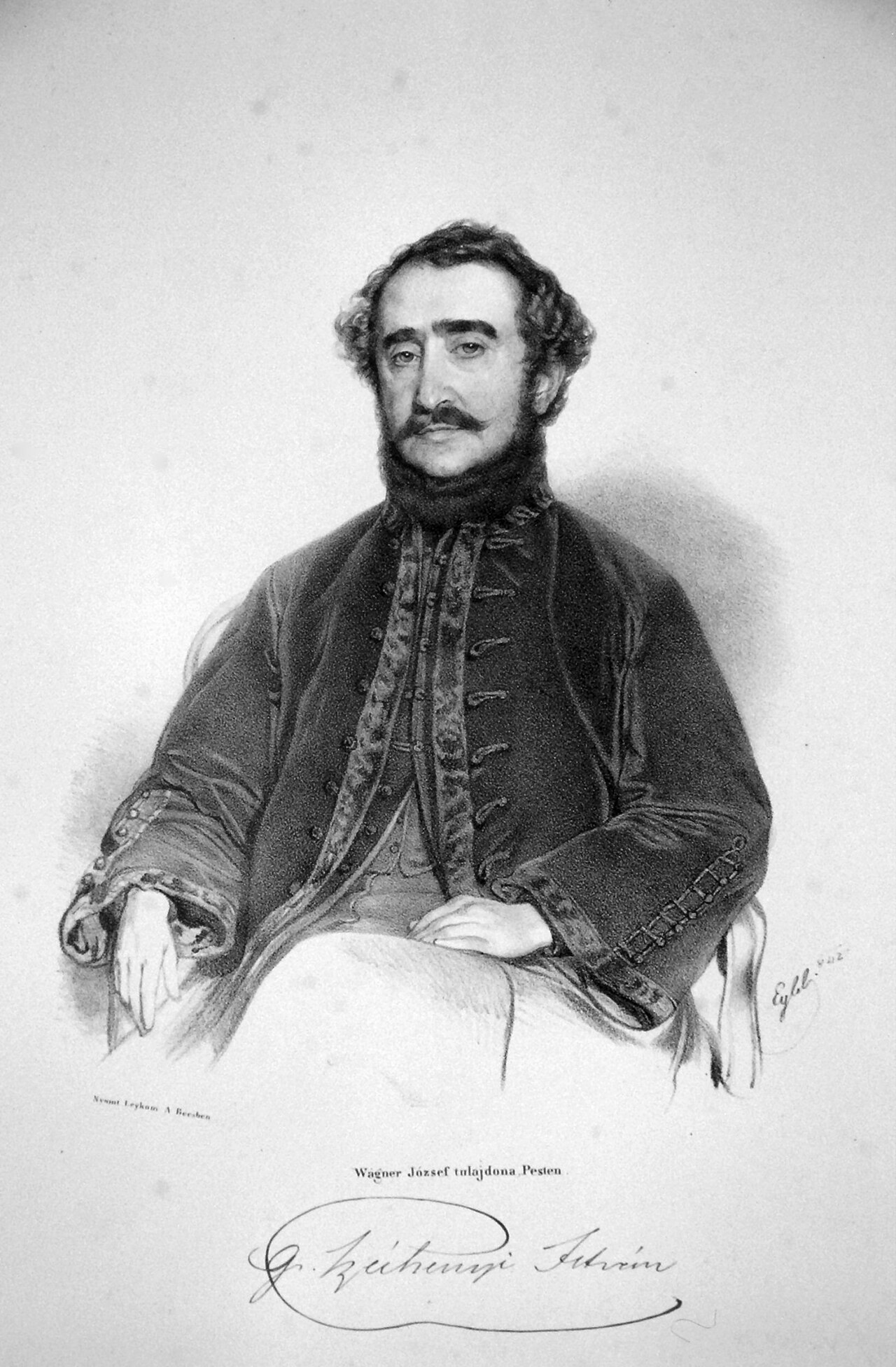
István Széchenyi, Lithograph by Franz Eybl
Franz Eybl · 1842
An 1842 lithograph portrait of Széchenyi at the height of the Hungarian Reform Era, by Viennese artist Franz Eybl.
This lithograph shows Széchenyi as his contemporaries saw him during the height of the Reform Era he helped launch.
About this source
What it is
This lithograph portrait of Count István Széchenyi was made by the Viennese artist Franz Eybl in 1842. It shows Széchenyi seated, wearing a dark embroidered jacket with braided frogging, and bears a printed note that it was the property of József Wagner in Pest.
Why it matters
Made in 1842, during the Reform Era that Széchenyi had helped to launch, this is the image by which many of his contemporaries would have known his face. Lithographs like this could be reproduced and sold more widely than painted portraits, spreading the image of public figures to a broader audience.
Look closer
- What does his clothing suggest about how Széchenyi wanted to be seen by the public?
- Why might a lithograph portrait reach more people than a painted one?
- What can a formal portrait like this not tell you about a person's character or private life?
This painting is part of the curated material that grounds the AI version of István Széchenyi on Humy.ai — when students ask about related events, the AI can quote it and cite it.
More István Széchenyi sources
Browse all 95 →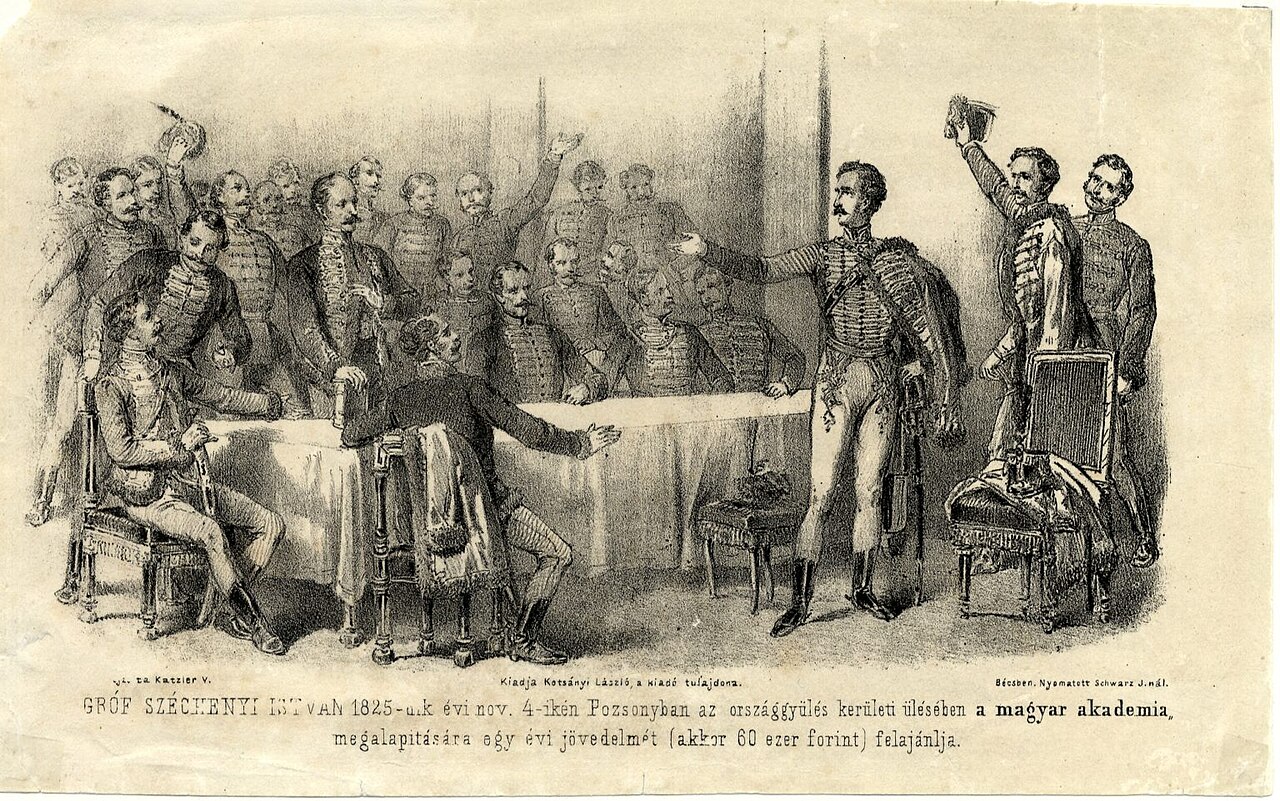 Painting
Secondary source
Széchenyi felajánlása
Vinzenz Katzler
 Artifact
Secondary source
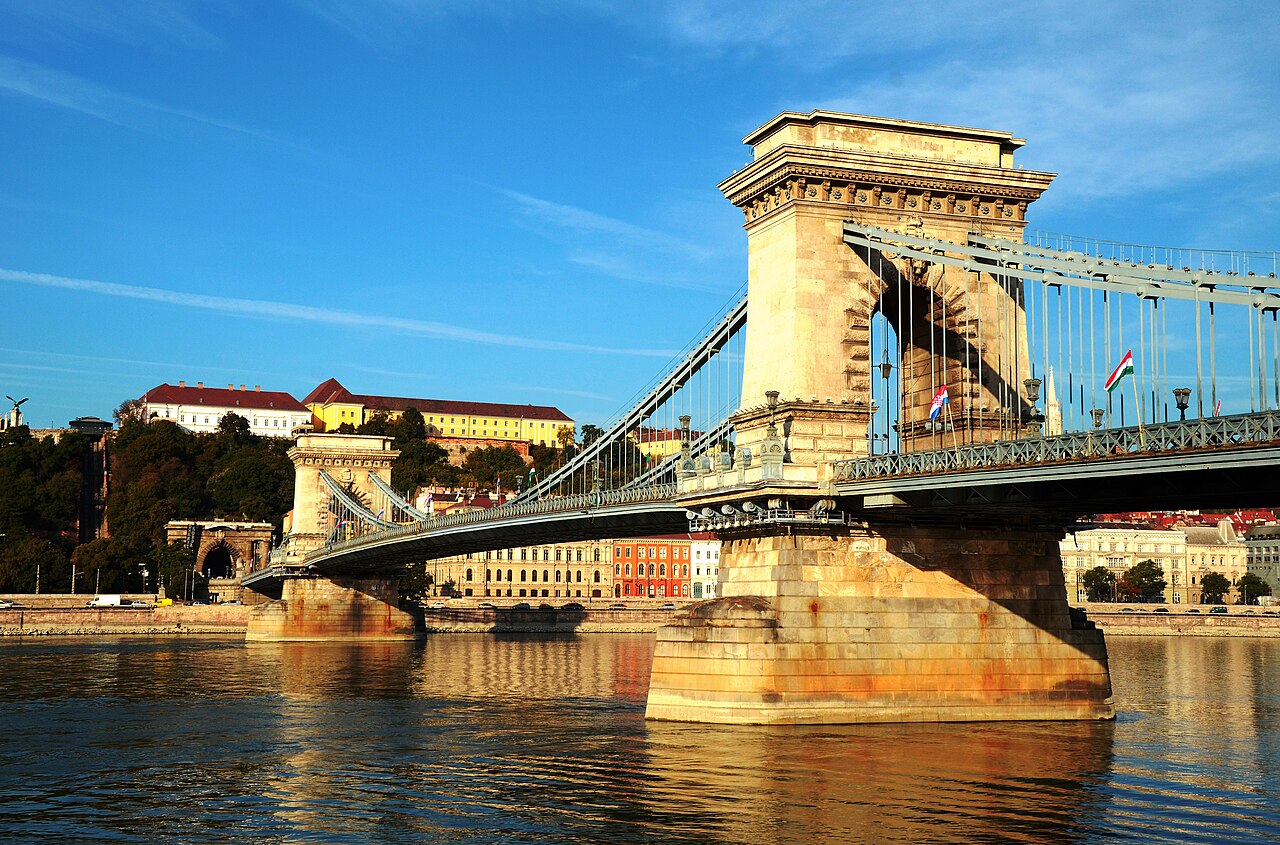
Széchenyi Chain Bridge
William Tierney Clark · 1839-1849
 Book
Primary source
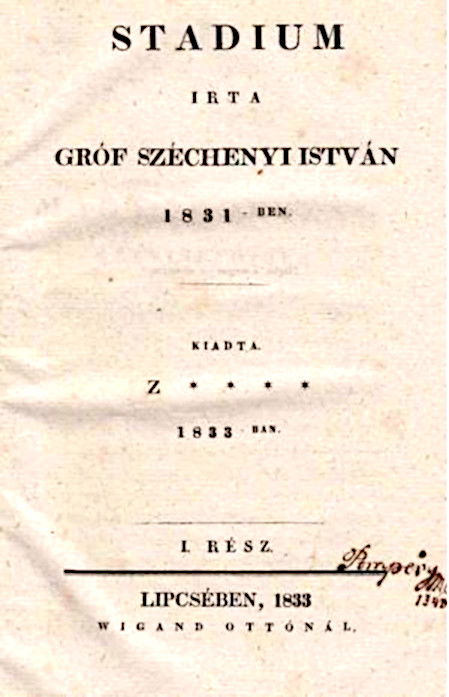
Stádium
István Széchenyi · 1833
 Painting
Primary source
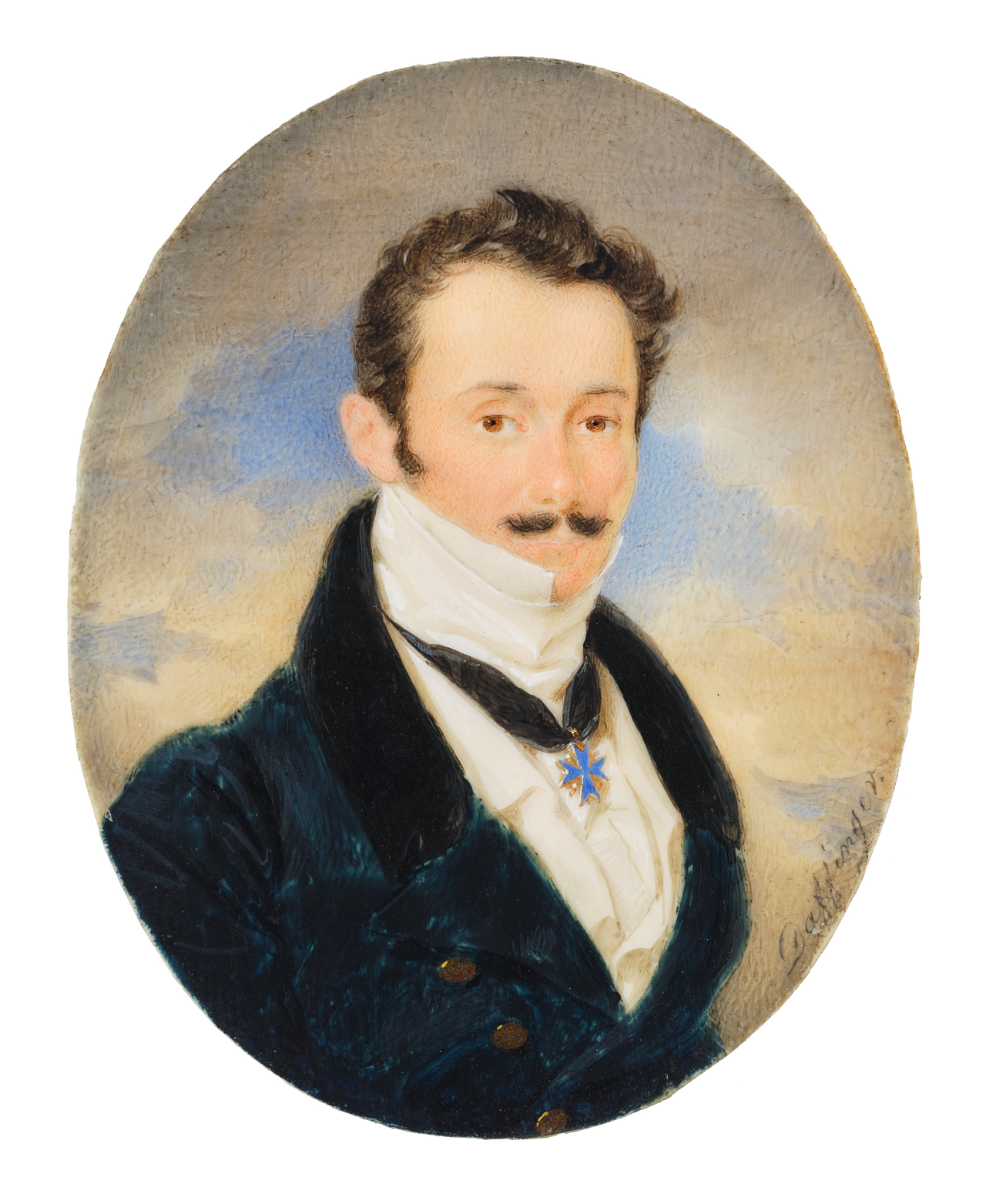
Three-quarter Length Portrait of Count István Széchenyi
Moritz Michael Daffinger · c. early 19th century
Free account
Browse every István Széchenyi source
Sign up free →
Ready when you are
Start chatting with István Széchenyi now.
20 messages free · No credit card · Available in 50+ languages.