


Secondary sourceArtifact1839-1849
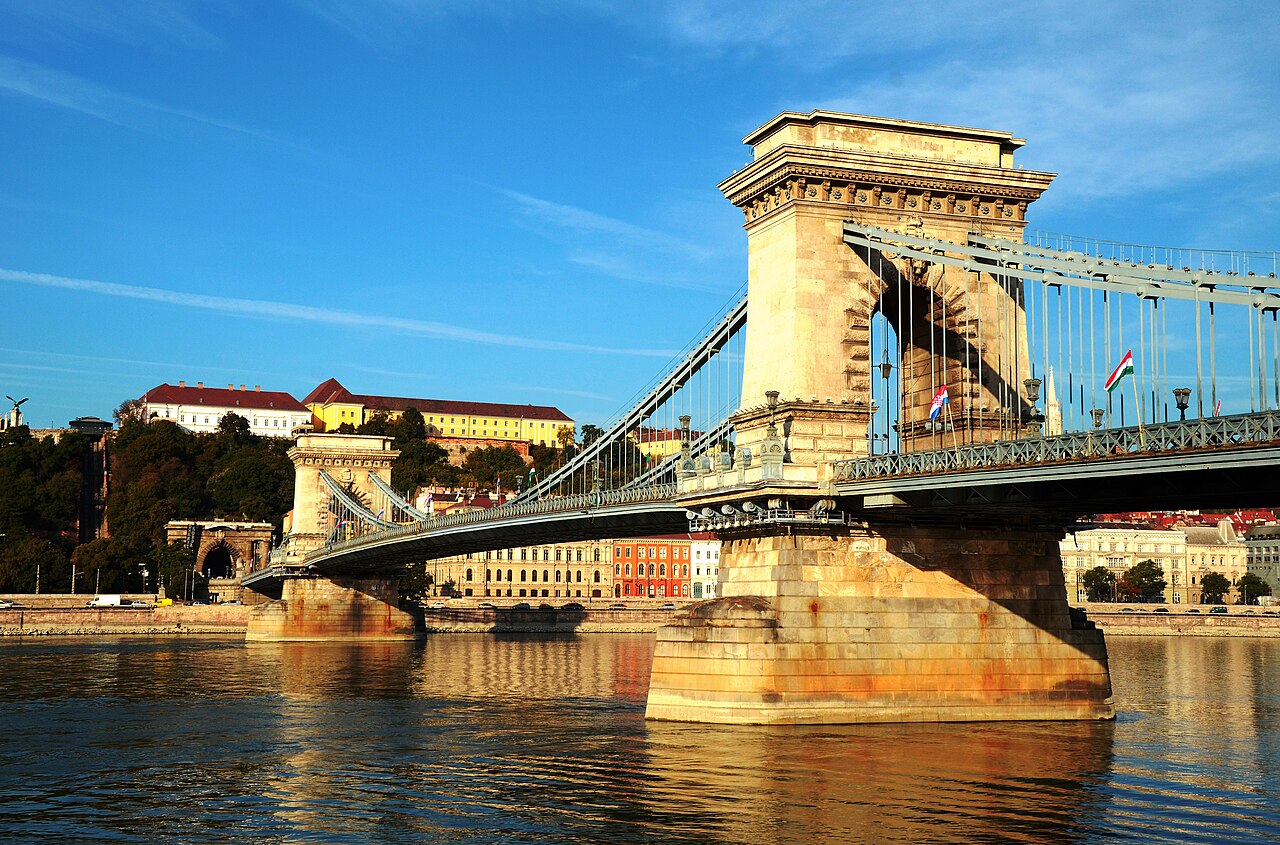
Széchenyi Chain Bridge
William Tierney Clark · 1839-1849
The first permanent bridge across the Danube in Hungary, initiated by Count Széchenyi and completed in 1849, named in his honour.
Széchenyi initiated and championed this bridge, which was named after him as a lasting monument to his reform programme.
Free Humy account · No credit card · 53,307 sources to read
About this source
What it is
The Széchenyi Chain Bridge spans the Danube between Buda and Pest in Budapest. It was designed by English engineer William Tierney Clark, built under the local supervision of Scottish engineer Adam Clark, and opened in 1849. The bridge was built following an initiative by Count István Széchenyi, and funding came in large part from the merchant Georgios Sinas.
Why it matters
It was the first permanent bridge in the Hungarian capital and was considered a marvel of engineering at the time. Named after Széchenyi, it stands as a symbol of his programme to modernise Hungary through infrastructure and to physically unite the country. The bridge later witnessed violence in 1918 and was destroyed in the Second World War before being rebuilt.
Look closer
- Why might a bridge be named after the person who championed its building rather than the engineers who designed and built it?
- What does the bridge's history of destruction and rebuilding tell you about the later history of Hungary?
- What would change for a city when its two halves are connected by a permanent bridge for the first time?
This artifact is part of the curated material that grounds the AI version of István Széchenyi on Humy.ai — when students ask about related events, the AI can quote it and cite it.
More István Széchenyi sources
Browse all 95 →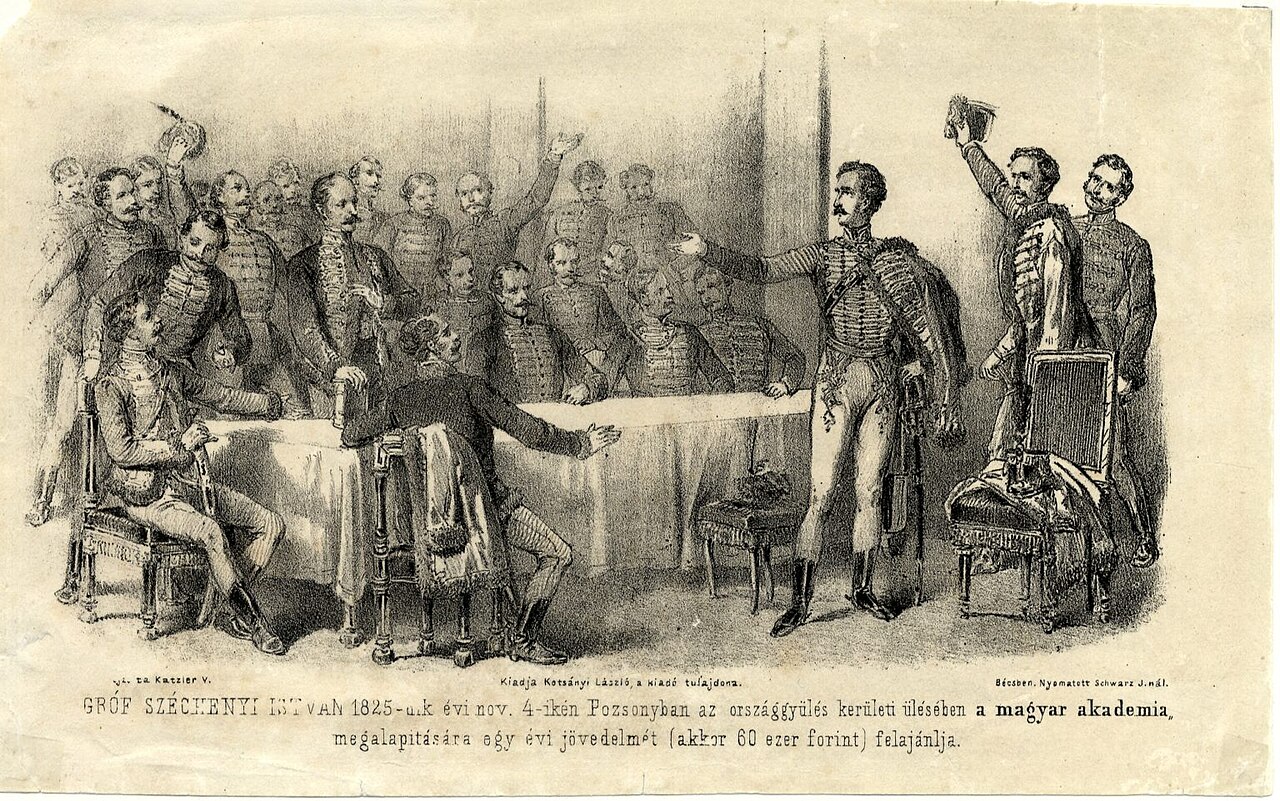 Painting
Secondary source
Széchenyi felajánlása
Vinzenz Katzler
 Book
Primary source
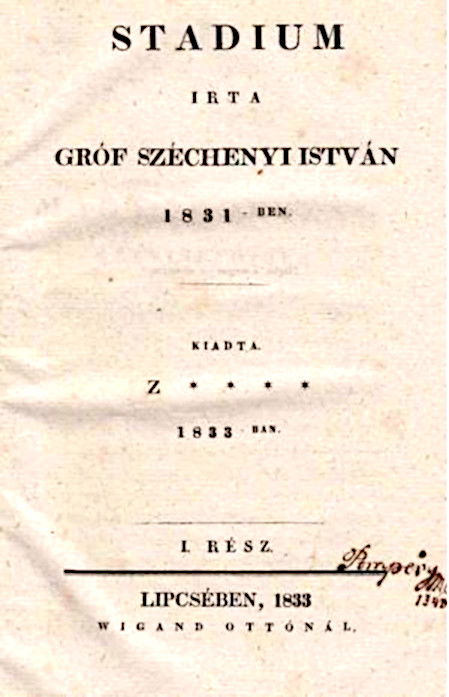
Stádium
István Széchenyi · 1833
 Painting
Primary source
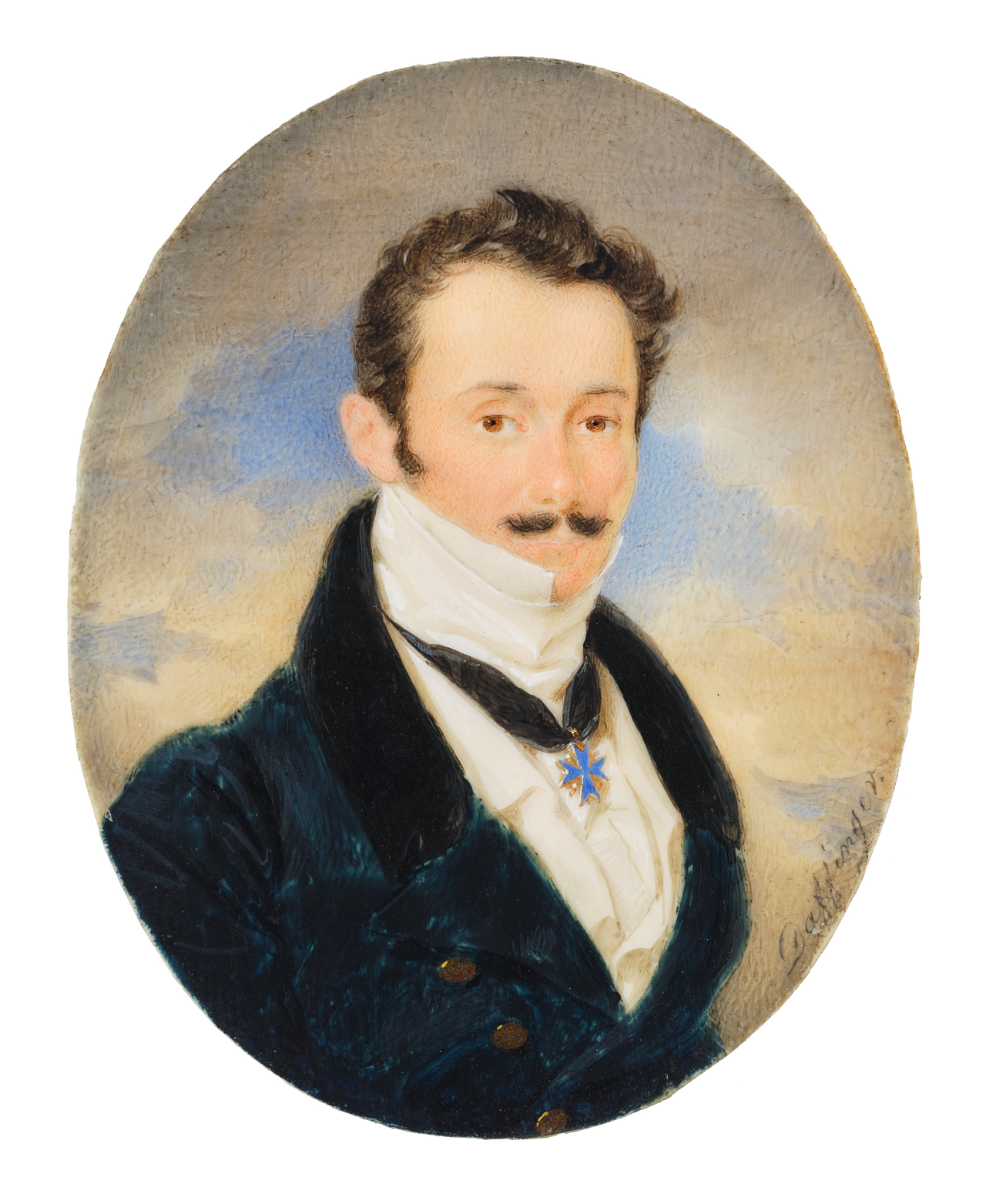
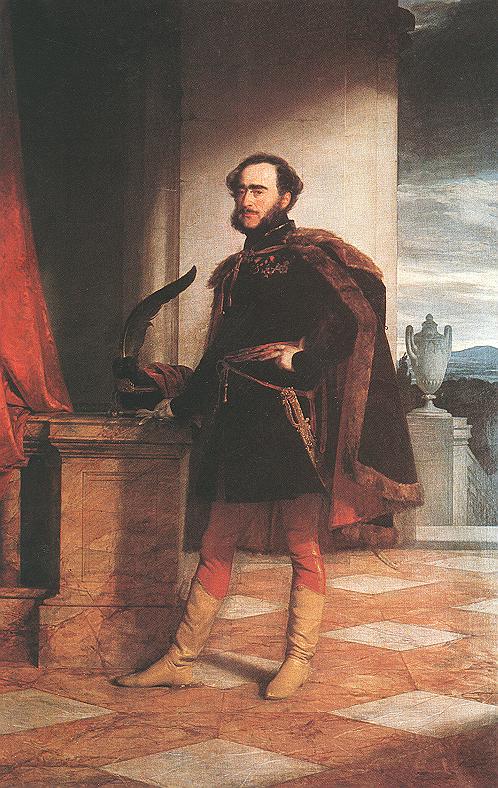
Three-quarter Length Portrait of Count István Széchenyi
Moritz Michael Daffinger · c. early 19th century
 Painting
Primary source
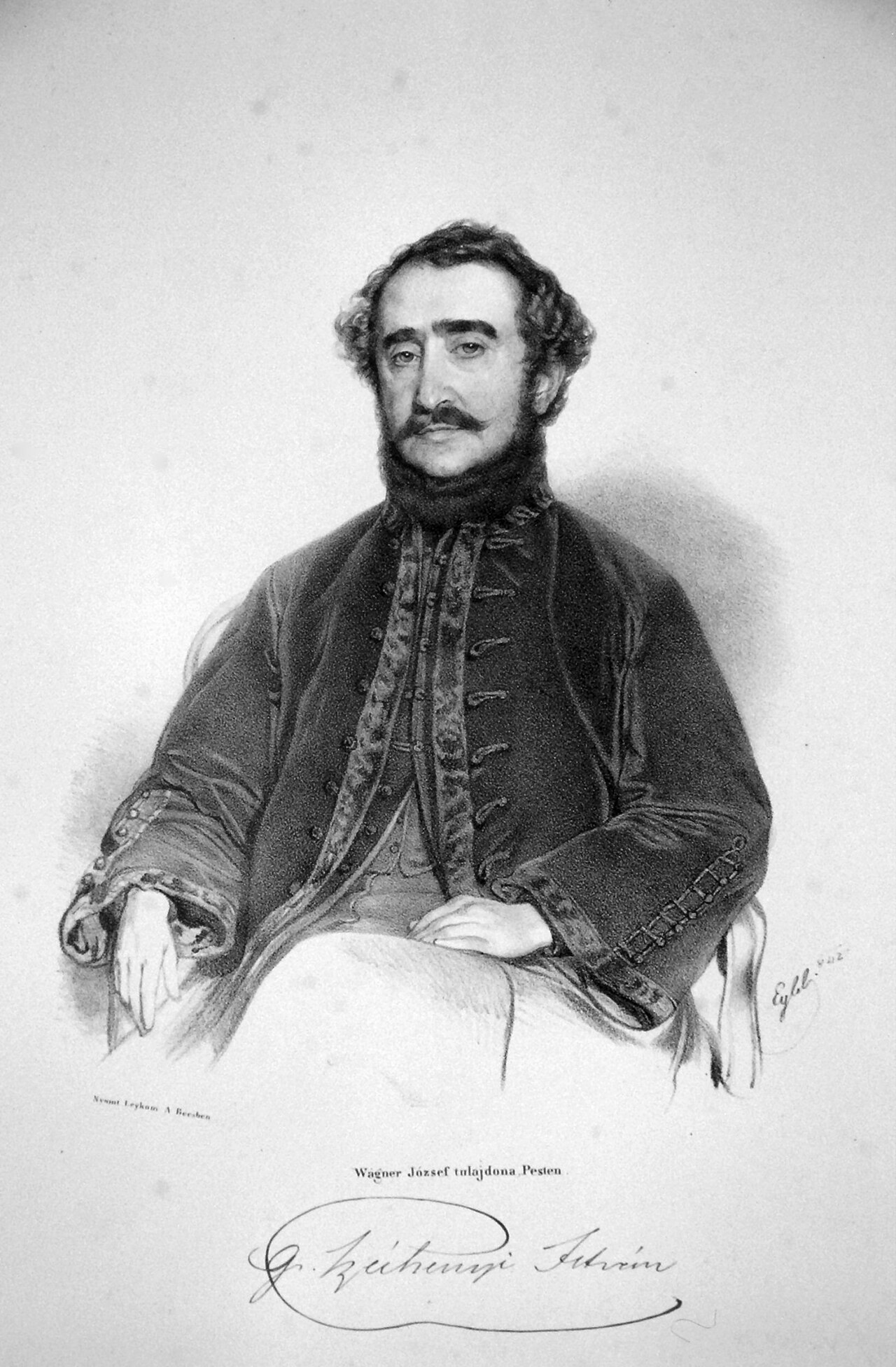
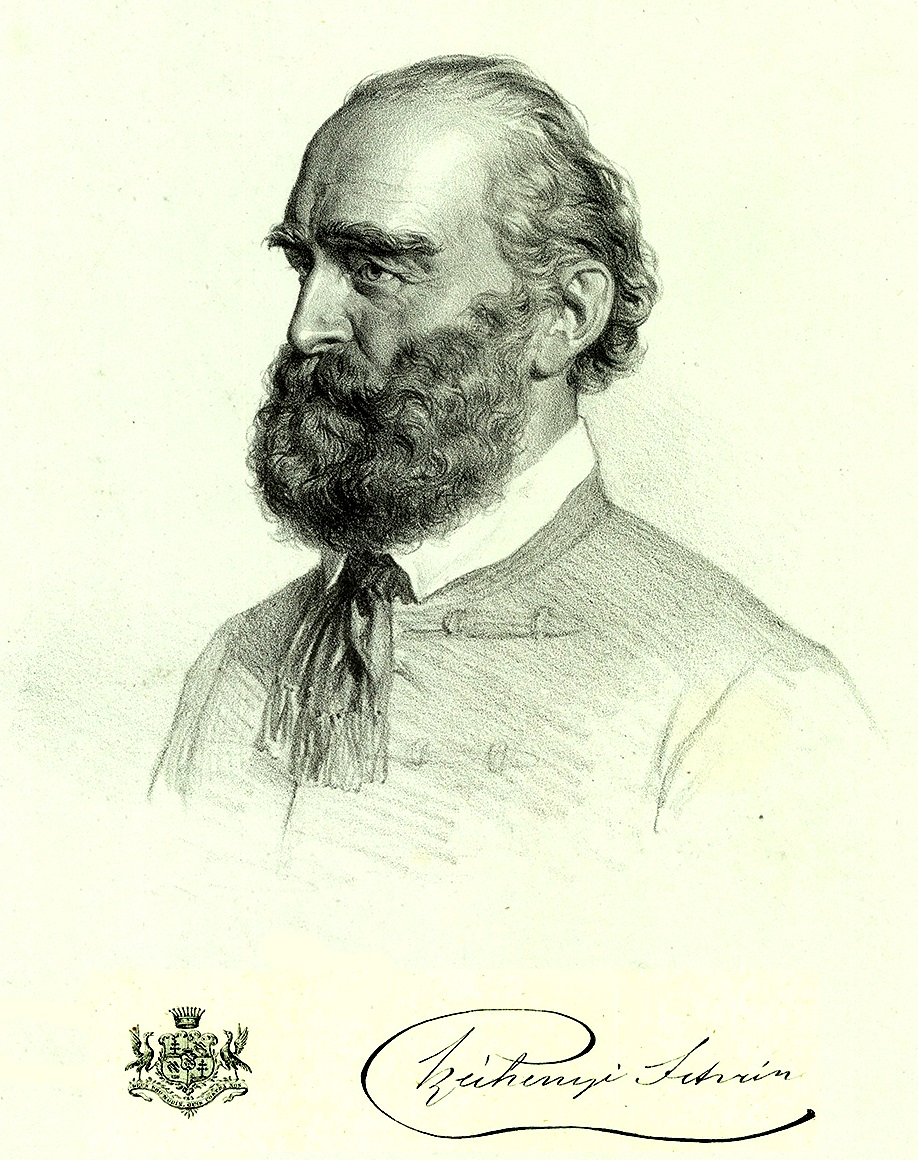
István Széchenyi, Lithograph by Franz Eybl
Franz Eybl · 1842
Free account
Browse every István Széchenyi source
Sign up free →
Ready when you are
Start chatting with István Széchenyi now.
20 messages free · No credit card · Available in 50+ languages.