


Primary sourceArtifact71 AD
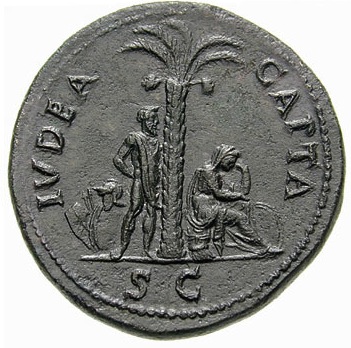
Iudaea Capta sestertius of Vespasian
Roman imperial mint · 71 AD
A bronze coin issued by Vespasian celebrating Rome's conquest of Judaea, showing a mourning woman and a bound captive beside a palm tree.
Vespasian commissioned this coinage to celebrate the conquest of Judaea as his dynasty's founding victory.
Free Humy account · No credit card · 120,912 sources to read
About this source
What it is
This bronze coin, a sestertius, was struck by the Roman imperial mint in 71 AD under Emperor Vespasian. Its reverse shows a mourning woman seated beneath a palm tree, with a bound male captive standing nearby, and the words IUDAEA CAPTA, meaning "Judaea captured." Examples are held in collections including the British Museum.
Why it matters
Vespasian used this coin to spread the message of his family's victory over the Jewish revolt, a war completed by his son Titus with the destruction of the Second Temple. Celebrating this conquest helped the new Flavian dynasty claim legitimacy and glory right at the start of Vespasian's reign, since coins were seen by people across the empire.
Look closer
- Why would an emperor put a defeated people's humiliation on everyday money?
- What is the coin trying to make people feel about Rome and about Judaea?
- Whose point of view is left out of this image?
This artifact is part of the curated material that grounds the AI version of Vespasian on Humy.ai — when students ask about related events, the AI can quote it and cite it.
More Vespasian sources
Browse all 95 →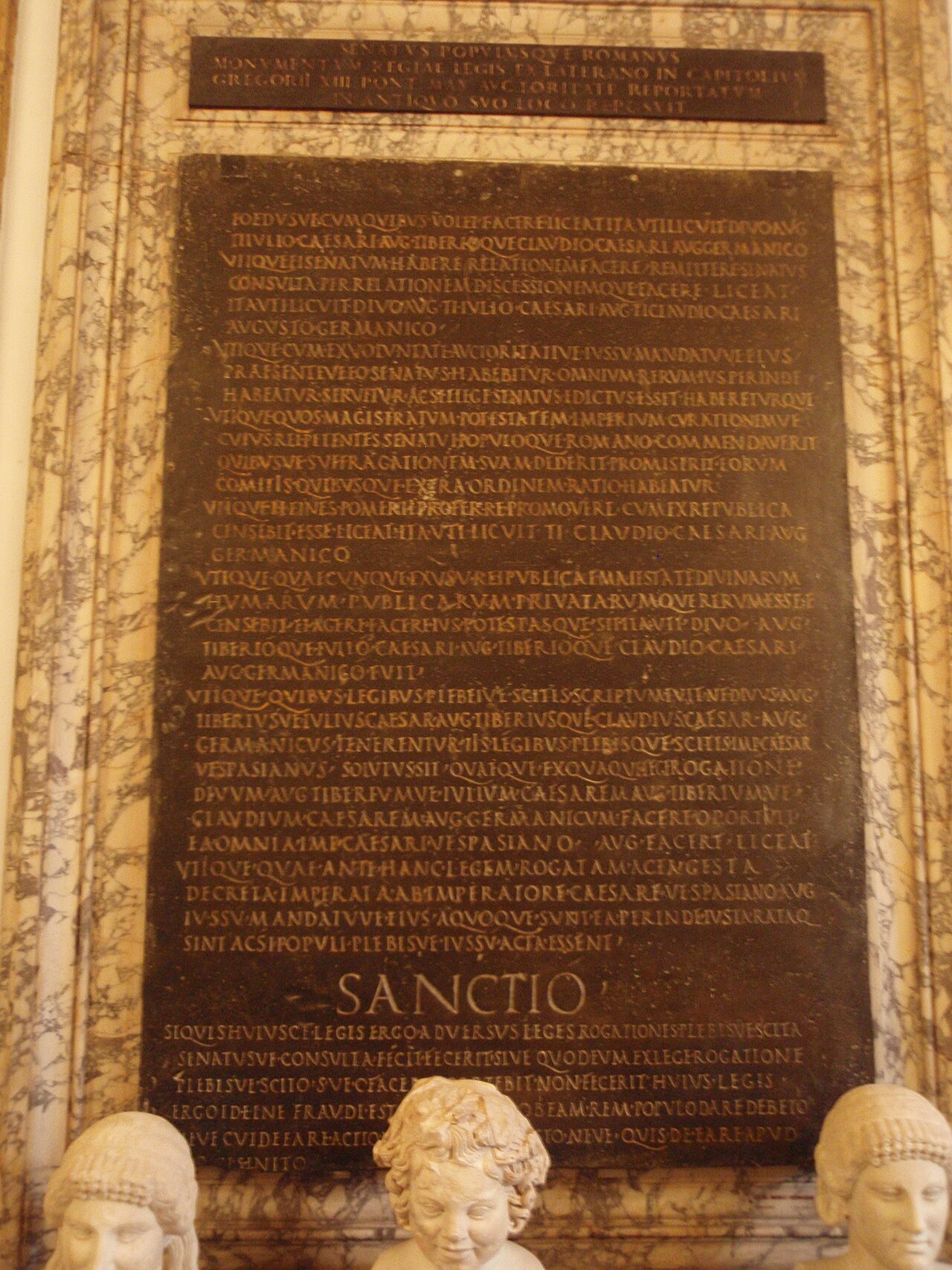 Document
Primary source
Lex de imperio Vespasiani
Roman Senate · AD 69–70
 Artifact
Primary source
Colosseum
begun 72 AD, completed 80 AD
 Book
Secondary source
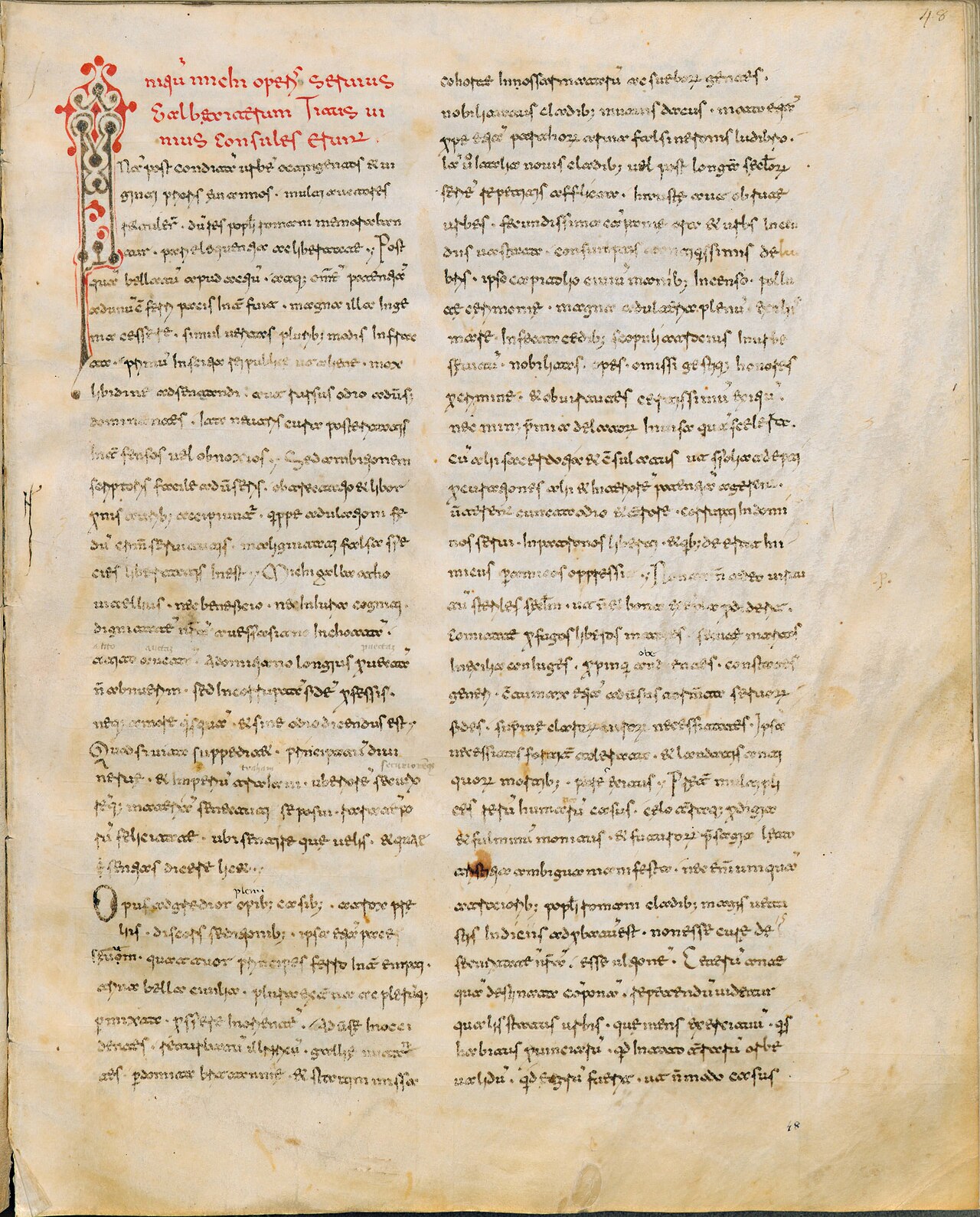
Histories
Tacitus · c. 100-110 AD
 Book
Secondary source
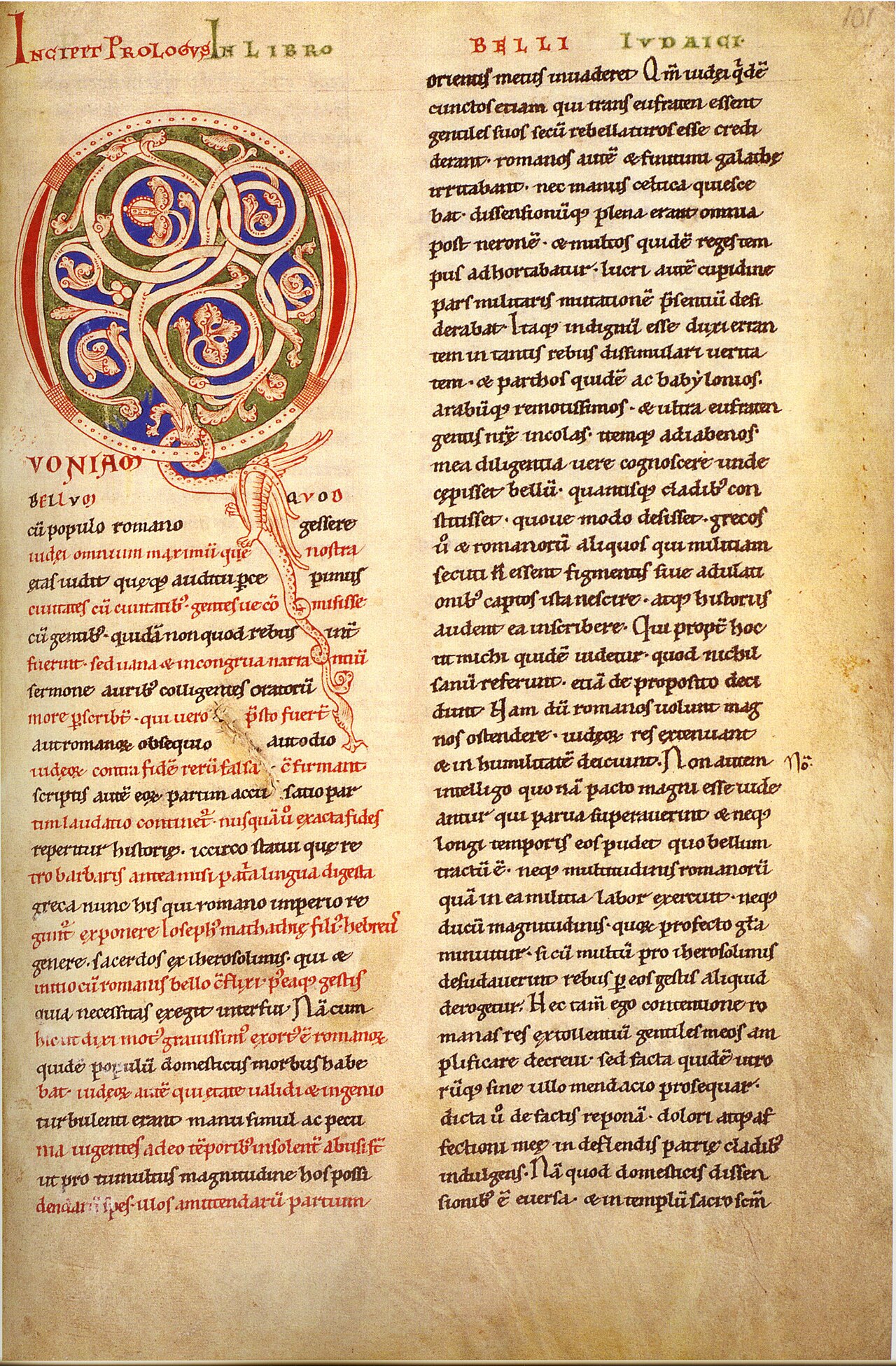
The Jewish War
Josephus · c. AD 75
Free account
Read every Vespasian source
Sign up free →
Ready when you are
Start chatting with Vespasian now.
20 messages free · No credit card · Available in 50+ languages.